





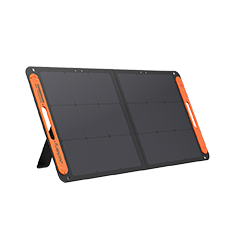
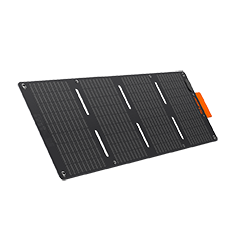



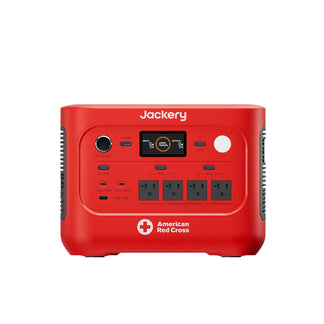

![[Add-on] Jackery SolarSaga 500 X - Jackery](http://www.jackery.com/cdn/shop/files/add-on-jackery-solarsaga-500-x-1493607.webp?v=1786503068&width=324)
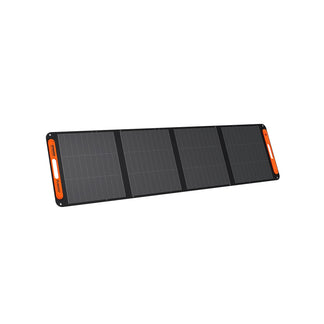
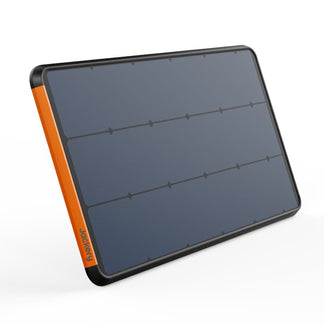
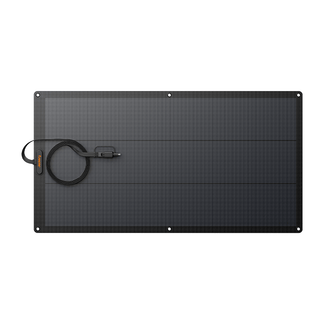
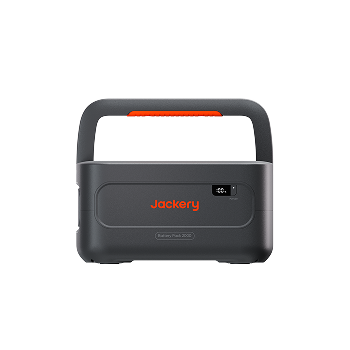
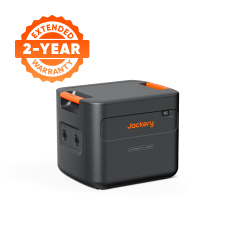
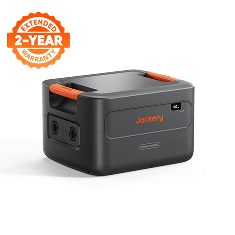
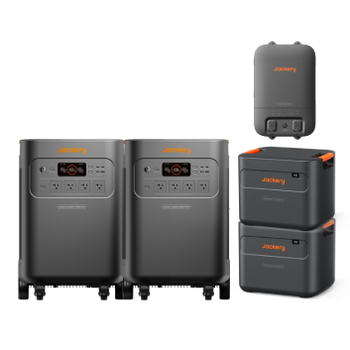
![[Add-on] Jackery Battery Pack 5000 Plus - Jackery](http://www.jackery.com/cdn/shop/files/add-on-jackery-battery-pack-5000-plus-6713401.webp?v=1786503068&width=324)
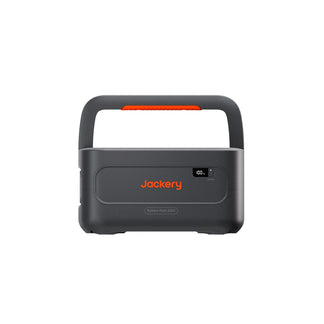






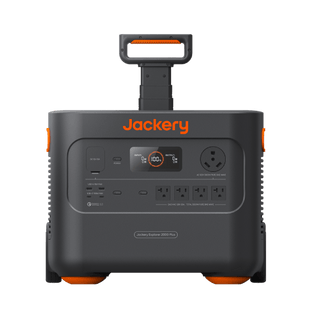
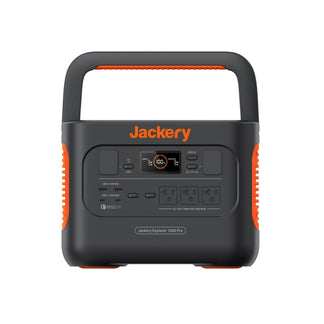
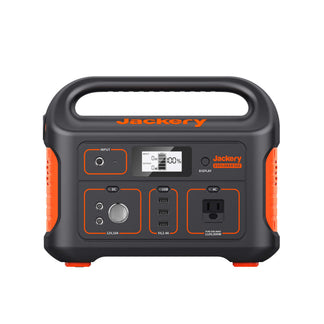
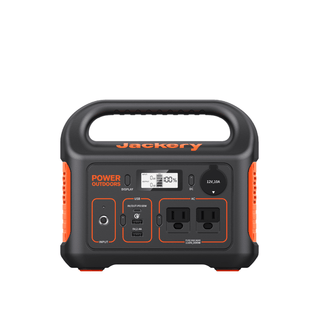
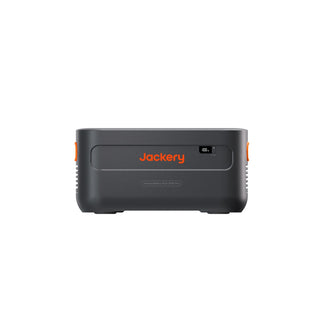
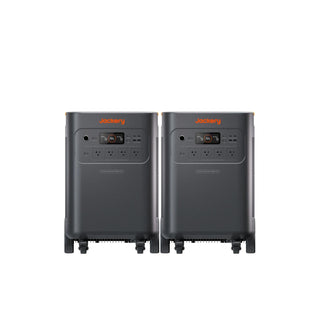
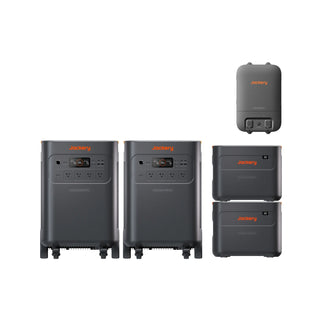
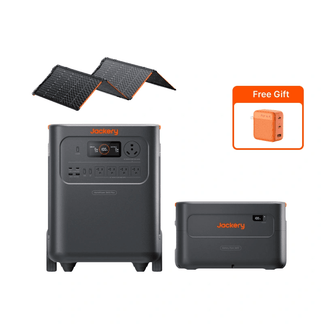


The FIFA World Cup 2026 kicks off on June 11, bringing a month of high-stakes soccer that will dominate living rooms across North America. But summer match days also align with peak hurricane season, severe thunderstorms, and massive grid strain from air conditioners. If a sudden blackout strikes during extra time of a crucial match, panic-buying the cheapest generator at the local hardware store is a costly and dangerous trap.
Budget open-frame generators are highly fuel-inefficient, prone to tripping under refrigerator startup surges, and produce highly distorted "dirty" power that can easily fry your sensitive smart TV, projector, or internet router. This comprehensive guide exposes the hidden expenses of cheap portable generators, details critical safety and sizing codes, and reveals why clean, solid-state battery backups are the ultimate defense to ensure you never miss a single World Cup goal.
Why Do Cheap Portable Generators Fail During World Cup Summer Blackouts?
Buying a budget-tier, open-frame generator during a storm panic exposes your household to several severe operational and safety risks:
- High Fuel Consumption: Cheap portable units burn up to 50% more fuel per kilowatt-hour (kWh) than a quality inverter generator. A budget open-frame model can consume 0.75 gallons per hour to produce 3,000 Watts, whereas an inverter model draws only 0.5 gallons for the same output. During a 3-day outage, that equals an extra 18 gallons of gasoline you must hunt for when gas stations are out of service.
- Unpredictable Surge Capacity: Refrigerator and sump pump compressors draw a brief, high-current startup surge that is 3 to 5 times higher than their running wattage. Cheap units frequently inflate their surge ratings, resulting in constant system trips and spoiled watch-party food.
- Dirty Power Output: Cheap generators produce highly distorted power with Total Harmonic Distortion (THD) exceeding 15%. This irregular electrical current can easily fry the sensitive microchips inside your smart TV, streaming console, and internet router.
- No Carbon Monoxide Safety Switches: Budget models lack built-in carbon monoxide (CO) shutoff sensors. During a storm, the temptation to place the generator closer to the house to keep it dry can quickly result in fatal CO poisoning.
- Poor Support Networks: When a cheap generator fails under load during peak storm season, replacement parts are nearly impossible to find, and local repair shops are backlogged for weeks.
What are the Hidden Costs of Panic Buying a Budget Generator?
The upfront price tag of a cheap generator is highly misleading. A standard $400 budget model can easily incur over $1,200 in fuel, repairs, and accessories within three years:
- Continuous Refueling Runtimes: Cheap generators are equipped with small 3-gallon fuel tanks, requiring refueling every 8 hours. This forces you to trudge out into the storm, shut down the unit, wait 20 minutes for the engine to cool (to prevent fires), refill, and restart.
- Mandatory Weather Protection: Cheap generators are not weather-rated. To operate one safely in the rain, you must buy a dedicated cover.
- The 20% Sizing Penalty: A cheap generator rated for "5,000 Watts" can safely deliver only 4,000 Watts continuously. Forcing the unit to run at 100% capacity will rapidly overheat the alternator and degrade the engine.
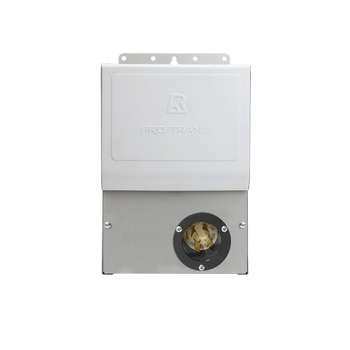
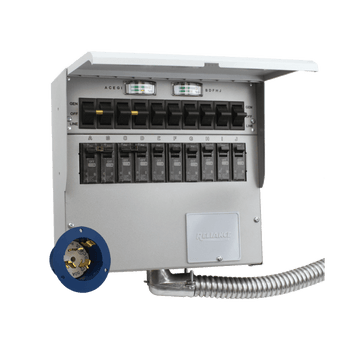
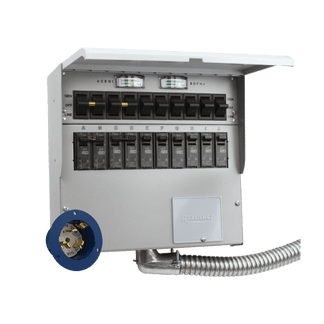
- Extension Cord Chaos: Budget units skimp on outlet configurations. This forces you to run multiple daisy-chained power strips through cracked doorways, leaking air conditioning and letting toxic exhaust gases into your home. A professional manual transfer switch or interlock kit is the only safe way to connect a generator. To learn more, read our guide on selecting the best generator for home backup power.
What are the Non-Negotiable Safety Rules of Generator Operation?
Operating any combustion-powered generator requires strict compliance with national safety guidelines:
- Distance and Venting: Always place your generator at least **20 feet** away from any door, window, or building vent. Keep battery-operated CO detectors active on every floor of your house.
- Cool Down Before Refueling: Never pour gasoline into a hot generator engine. Allow the unit to cool for a full 20 minutes. Keep a fire extinguisher nearby and store fuel only in approved, ventilated containers.
- The Danger of Wet Stacking: Running a diesel generator under a 30% load for days causes unburned fuel to accumulate in the exhaust system, creating a hard carbon glaze that damages the engine.
- Use Vented Weather Covers: Only use purpose-built generator canopies that maintain proper cooling airflow. Never drape a plastic tarp over a running generator, as this will trap heat and exhaust, creating a fire hazard.
How Does the 80% Sizing Rule Protect Your World Cup Viewing?
To protect your home's circuits and your generator's alternator, you must adhere to standard engineering sizing limits:
- The 80% Loading Limit: Baked into ISO 8528 standards, your continuous electrical load must never exceed 80% of your generator's rated continuous output (e.g., a 5,000W generator should carry no more than 4,000W continuously).
- Absorbing Startup Surges: Keeping a 20% capacity reserve provides the vital electrical headroom needed to absorb the high startup surges of refrigerators, well pumps, and air conditioners without stalling the engine.
- Temperature and Altitude Derating: Above 3,300 feet, engines lose roughly 3.5% of their power per 1,000 feet of elevation due to thin air. Additionally, high summer temperatures degrade cooling efficiency, easily cutting another 10% to 15% off your generator's real-world capacity.
How Does the 20/20/20 Maintenance Rule Keep Your Generator Alive?
A portable generator cannot simply sit in a garage for months and be expected to start perfectly during an emergency. You must practice the industry-standard maintenance routine:
The 20/20/20 Rule: You must run your generator for 20 minutes with at least a 20% electrical load every 20 days. This routine prevents the three biggest causes of generator failure: stale fuel, sulfated starter batteries, and dried-out engine seals.
- Prevent Carbon Buildup: Running an engine without an electrical load prevents it from reaching its optimal operating temperature. This causes unburned fuel to condense on the valves, forming sticky carbon deposits that reduce engine compression.
- Maintain Fuel Quality: Ethanol-blended gasoline degrades in as little as 30 days, leaving gummy deposits that clog the carburetor's jets. If you are storing a generator long-term, drain the fuel tank completely and run the carburetor dry. For long-term emergency readiness, dual-fuel generators run on propane, which can be stored indefinitely without degrading.
Why Do Solar and Battery Backups Outperform Cheap Gas Generators?
Modern lithium battery backups provide a superior, clean, and silent alternative to traditional combustion engines. Sizing your system is easy once you review our best solar generator for home power outages guide:
- Safe for Indoor Use: Battery power stations operate completely silently with zero toxic emissions. You can run them safely inside your living room next to your television and router, eliminating long cords and CO poisoning risks.
- No Fuel Logistics: Solar panels recharge the batteries even in cloudy daylight, eliminating the need to wait in long gas-station lines or store flammable fuel in your home.
- Instantaneous UPS Switchover: When grid power fails, a high-quality battery backup switches over in under 20 milliseconds, ensuring your televisions, home internet, and appliances never experience a power flicker.
- Lower Total Cost of Ownership: Durable Lithium Iron Phosphate (LiFePO4) batteries last over a decade and support 4,000 to 6,000 full cycles. A cheap gas engine requires an overhaul after just 500 hours of run time, making batteries the cheaper option over a 5-year period.
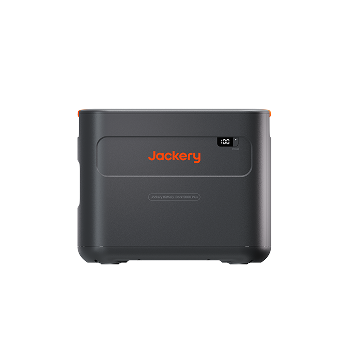
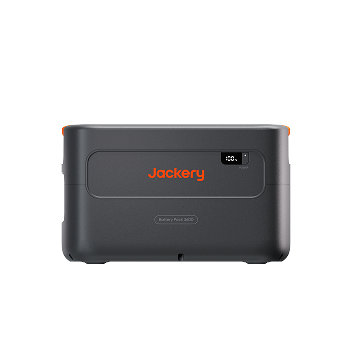
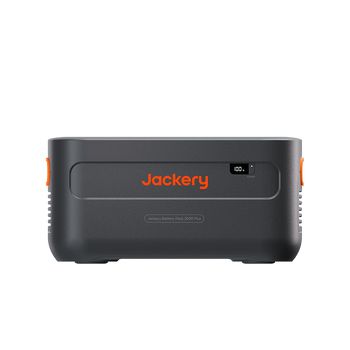
- Modular Expandability: Choose a modular system that allows you to start with a small, budget-friendly capacity and stack additional battery packs later as your household power demands grow.

Which Jackery Solutions Offer Reliable Power for the 2026 World Cup?
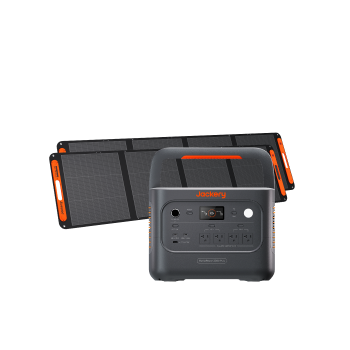
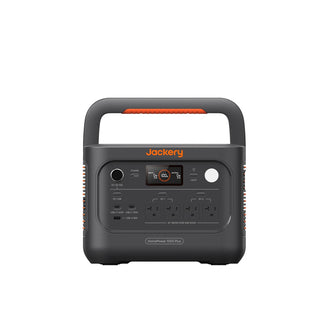
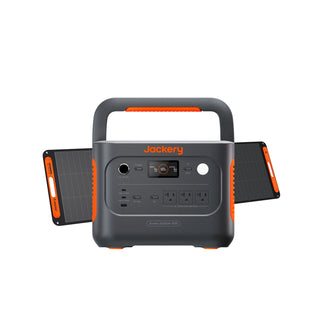
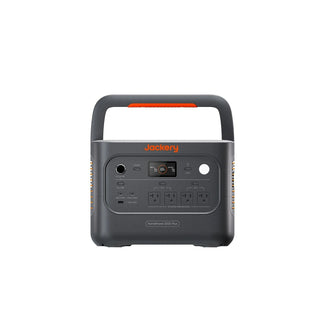
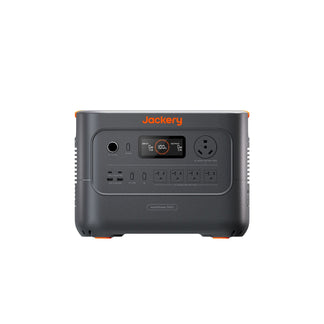
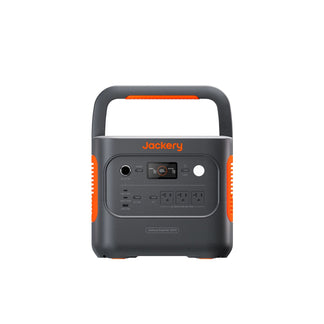
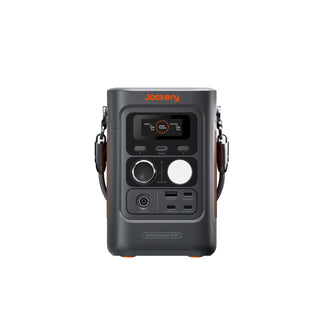
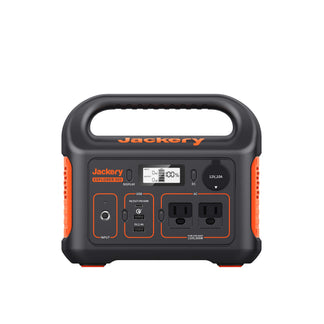
Three premium solar generator systems from Jackery are specifically engineered to replace the panic-buying cycle with clean, reliable, and silent storm protection. If you want to compare models, consult our comprehensive Jackery buying guide:
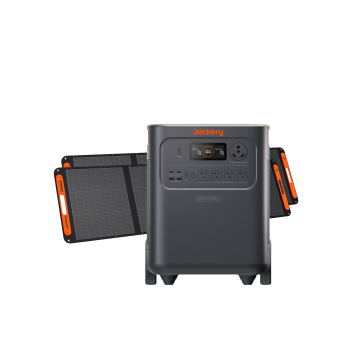
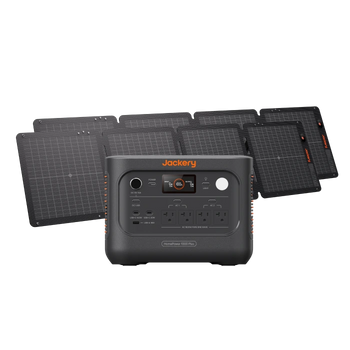
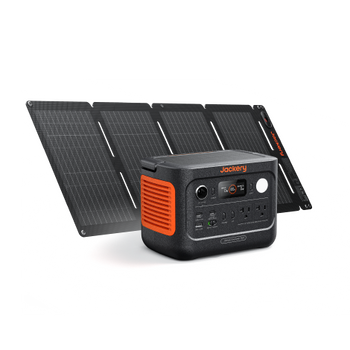
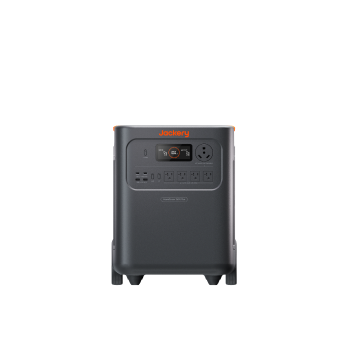
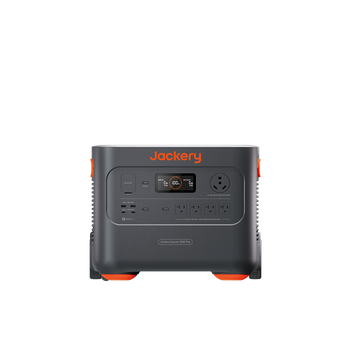
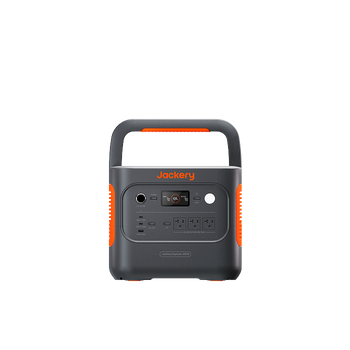
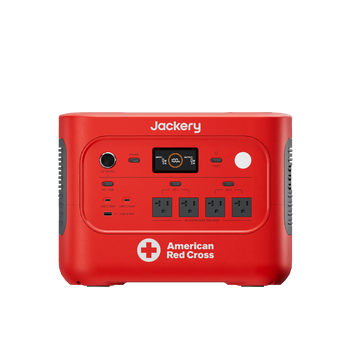
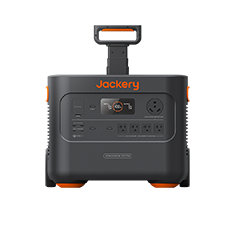
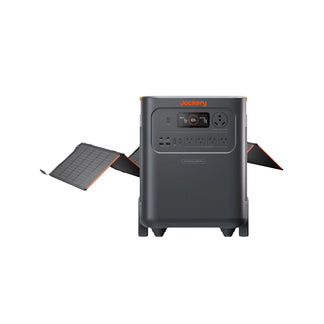
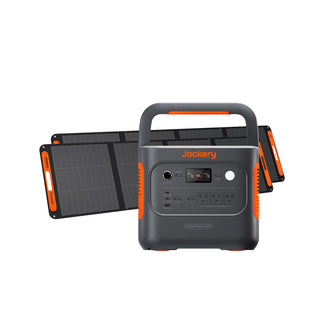
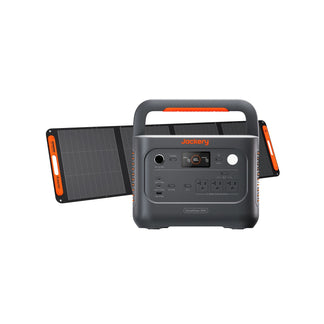
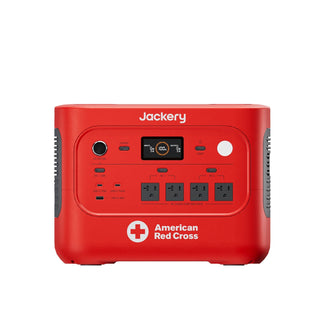
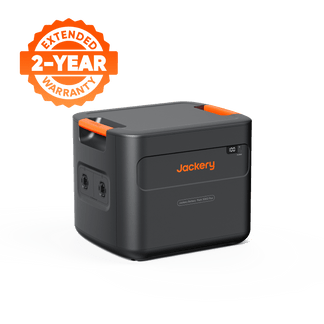
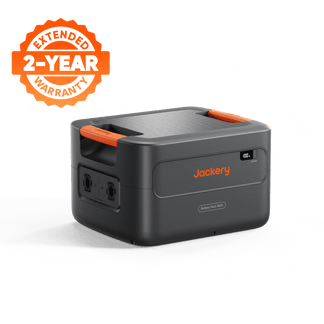
Jackery Solar Generator HomePower 3600 Plus
The high-capacity, silent backup system designed for extended, multi-day outages:
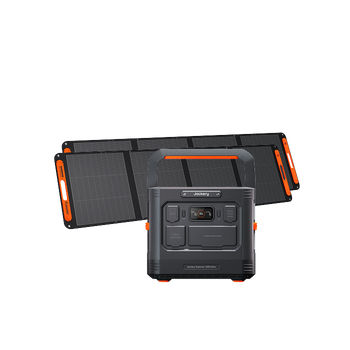
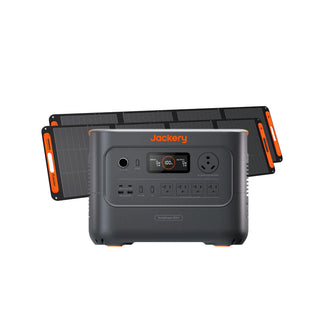
- Capacity & Output: Packs a 3,584Wh LiFePO4 capacity (expandable to 21.48 kWh) to run a standard refrigerator for up to 38 hours or a home water pump for 50 hours on a single charge.
- Clean Power: Delivers 3,600W of continuous power and 7,200W of surge capacity, featuring a sub-20ms UPS bypass to protect sensitive modems and electronics from dirty grid transitions.
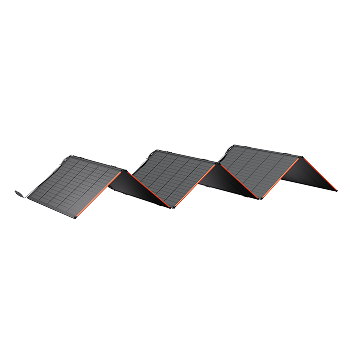
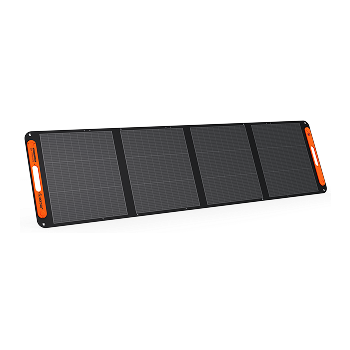
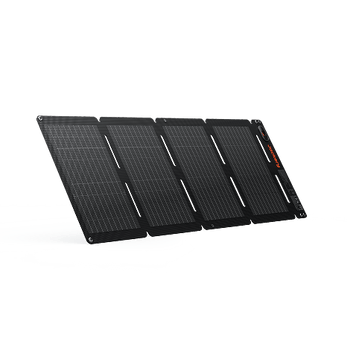
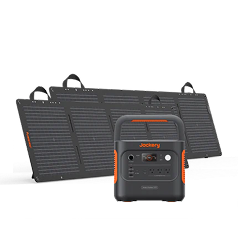
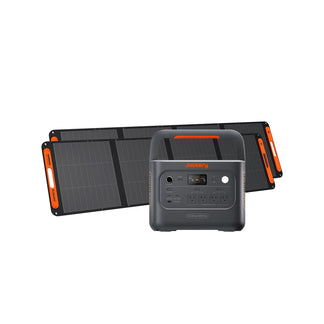
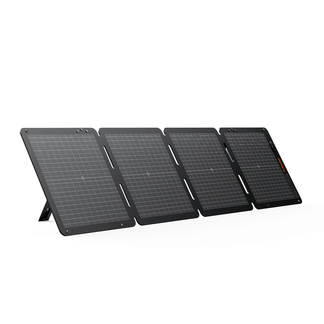
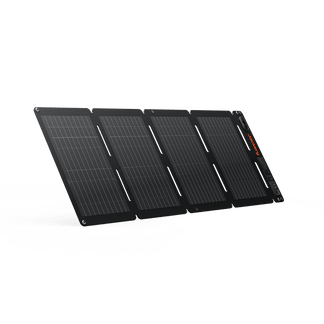
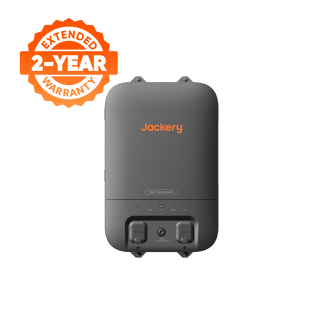
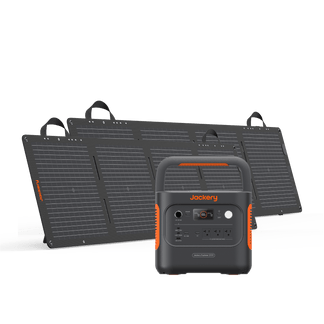
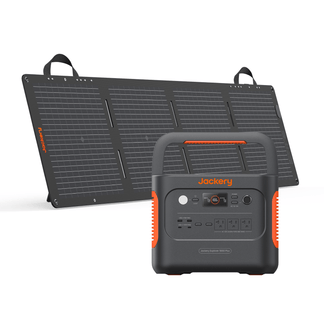
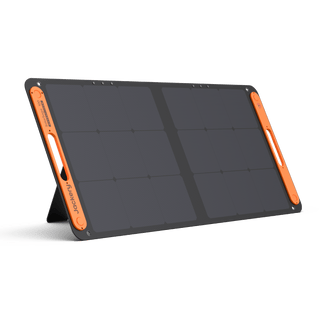
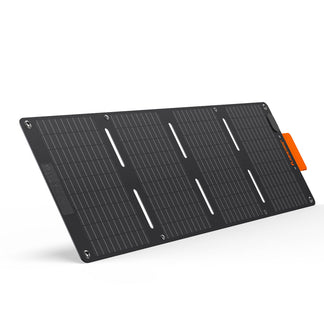
- Solar Recharge: Includes a 500W SolarSaga solar panel to fully recharge the unit in 16 hours of direct sunlight.
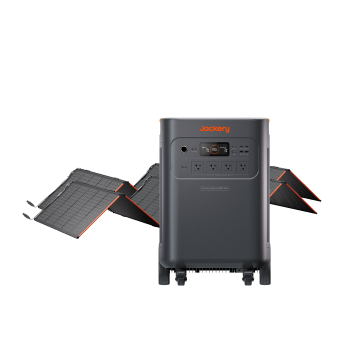
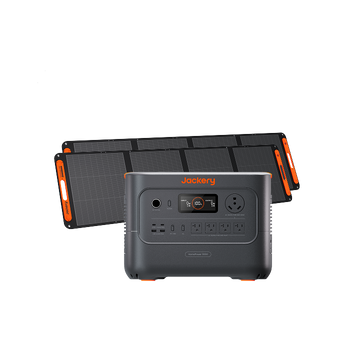
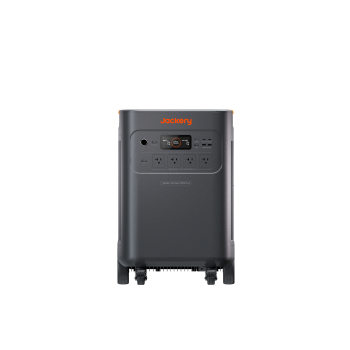
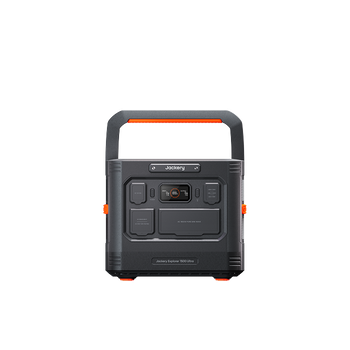
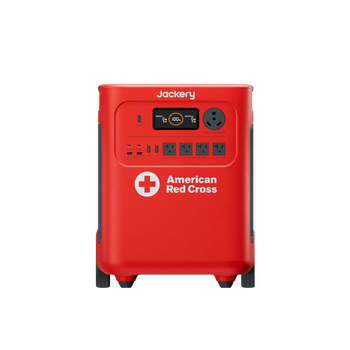
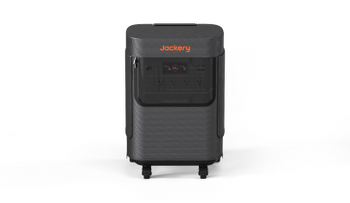
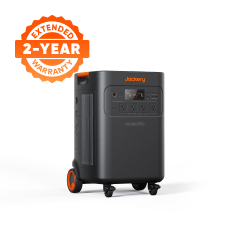
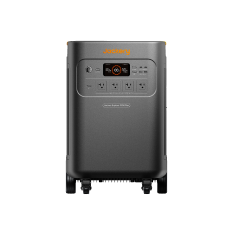
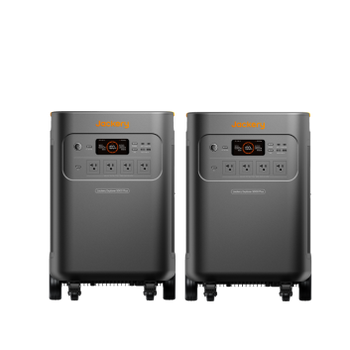
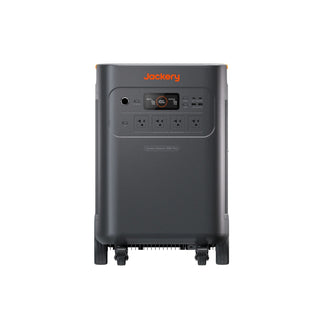
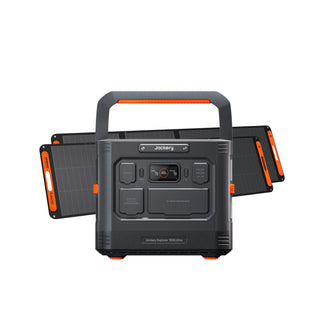
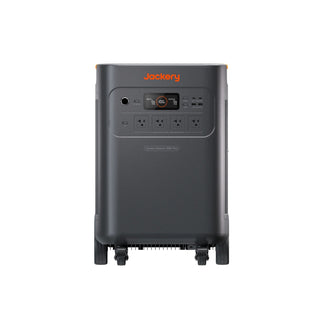
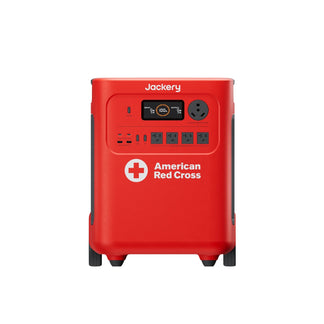
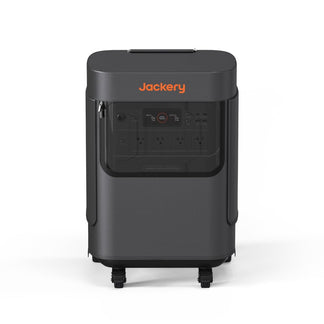
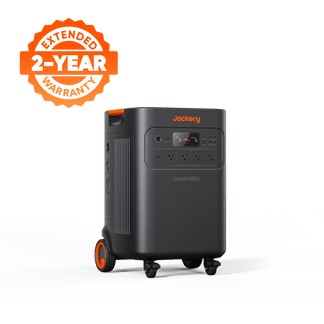
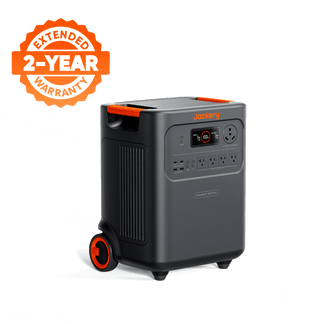
Jackery Solar Generator 5000 Plus
The ultimate heavy-duty, split-phase backup system designed for whole-house integration:
- High Power Output: Delivers 7,200W of continuous AC output and a massive 14,400W surge capacity to easily start heavy central air compressors, well pumps, and sump pumps.
- Dual-Voltage Support: Features 120V/240V split-phase output to connect directly to your home's manual transfer switch.
- 0ms Online UPS: True online UPS with 0ms transfer time, ensuring sensitive medical devices and servers never register a power flicker. You can also safely charge your solar generator using an inverter generator for a hybrid backup setup.
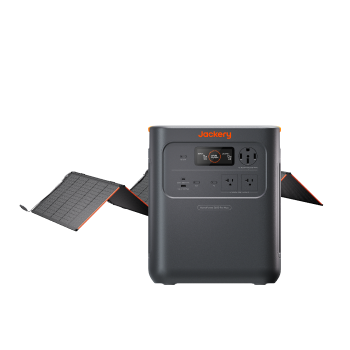
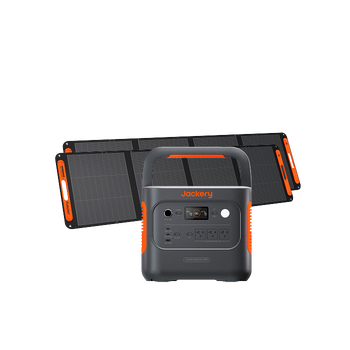
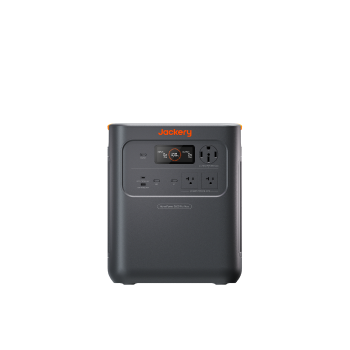
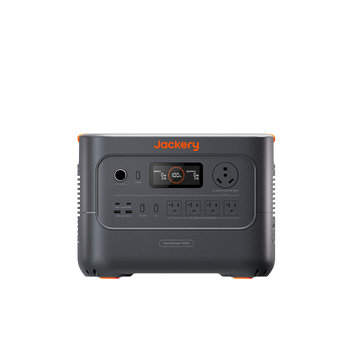
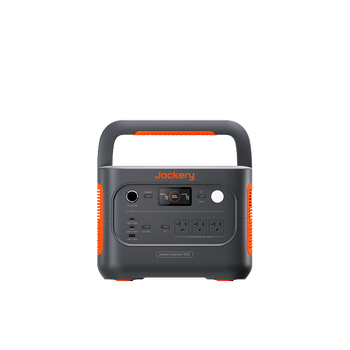
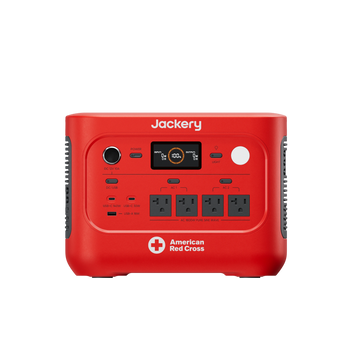
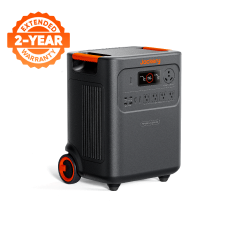
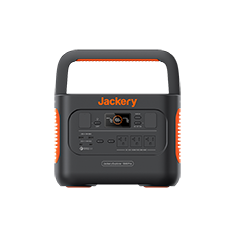
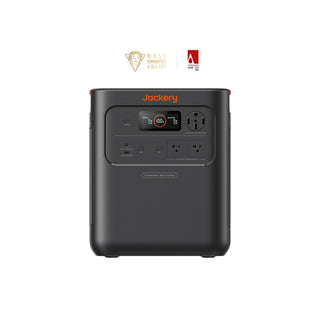
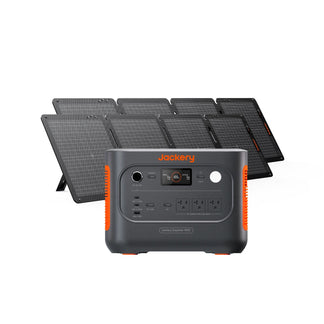
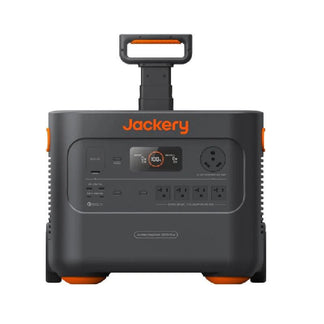
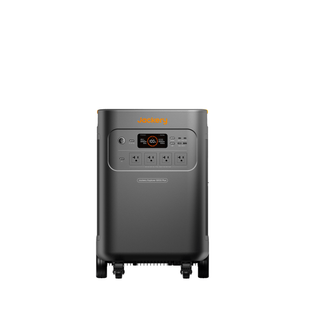
Jackery Solar Generator 2000 v2
The compact, lightweight, and budget-friendly emergency backup station:
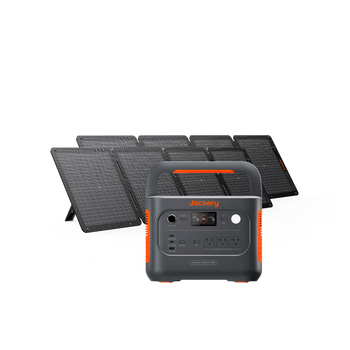
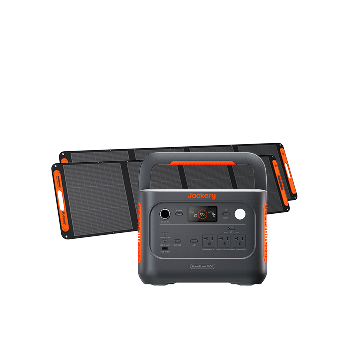
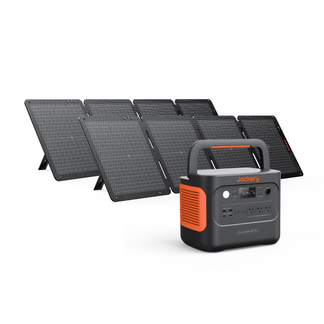
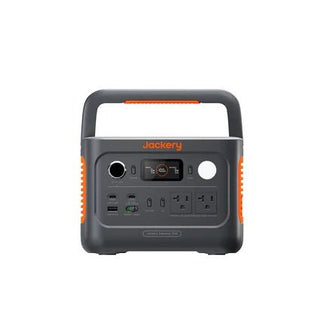
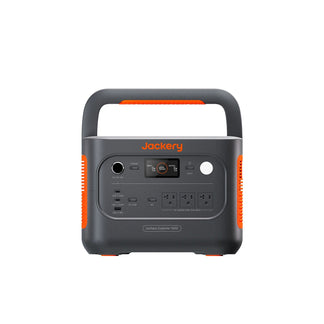
- Specs & Weight: Packs 2,042 Wh of capacity into a portable, 39.5-pound frame that can run a refrigerator for 3.2 hours or emergency lights and medical gear for days.
- Emergency Fast Charge: Recharges from empty to 100% in just 1.7 hours from a standard AC outlet between storm bands.
Jackery Sizing Matrix
|
Specification |
Jackery Solar Generator 2000 v2 |
Jackery Solar Generator HomePower 3600 Plus |
Jackery Solar Generator 5000 Plus |
|
Battery Capacity |
2,042 Wh |
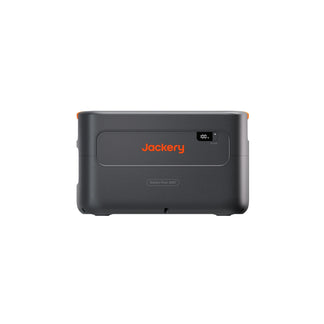
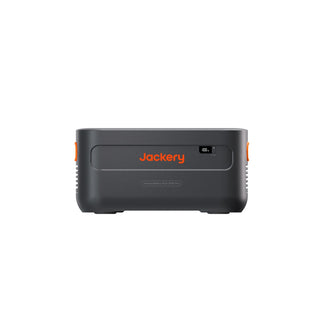
3,584 Wh (expandable to 43 kWh) |
5,040 Wh (expandable to 60 kWh) |
|
Continuous AC Output |
2,200 W |
3,600 W |
7,200 W (14,400 W surge) |
|
UPS Switchover Speed |
Under 20 milliseconds |
Under 20 milliseconds |
0 milliseconds (Online UPS) |
|
Solar Charging Input |
Up to 400W solar input |
500W (SolarSaga 500X included) |
1,000W (2x SolarSaga 500X included) |
Frequently Asked Questions
How often should I exercise my portable generator?
According to the 20/20/20 rule, you should run your generator for 20 minutes with at least a 20% electrical load every 20 days. This simple routine prevents stale fuel gumming, keeps engine gaskets lubricated, and prevents starter battery drain
How do I prevent my generator from being stolen during a major storm?
Always secure your generator to a fixed, heavy object (such as a tree or concrete anchor) using a heavy-duty security chain and lock. Keep the unit hidden from street view, and consider placing a small GPS tracker inside the housing.
Can I run a generator and solar panels simultaneously?
Yes, provided you utilize a hybrid inverter or an automatic transfer switch designed to isolate and synchronize both power sources safely without backfeeding.
What is the average lifespan of a cheap generator compared to a quality inverter?
Cheap, open-frame portable generators typically last only 200 to 500 operating hours. In contrast, a high-quality inverter generator or solid-state solar battery backup easily exceeds 3,000 to 5,000 hours of reliable use.


