












![[Add - on] Jackery Manual Transfer Switch for Explorer 5000 Plus - Jackery](http://www.jackery.com/cdn/shop/files/add-on-jackery-manual-transfer-switch-for-explorer-5000-plus-9017324.png?v=1754016782&width=350)







![[Add - on] Jackery Manual Transfer Switch for Explorer 5000 Plus - Jackery](http://www.jackery.com/cdn/shop/files/add-on-jackery-manual-transfer-switch-for-explorer-5000-plus-9017324.png?v=1754016782&width=324)


Urban renters face a distinct disadvantage in the energy transition: rising utility bills without the rooftop access needed to offset them. While homeowners install massive arrays to zero out their costs, apartment dwellers often feel locked out of the renewable energy market.
Solar panels for balcony installations bridge this gap. These compact systems turn unused railing or floor space into a functional power plant.
Understanding Balcony Solar Technology
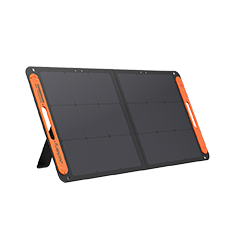
Balcony solar consists of small-scale photovoltaic (PV) systems designed to attach to railings, privacy screens, or sit on apartment floors. Unlike massive rooftop arrays, these systems prioritize modularity and portability.
Distinguishing System Types
Choosing the right architecture determines how you interact with the grid and your landlord.
- Grid-Tied Systems: These units use micro-inverters to convert DC solar energy into AC electricity, feeding it directly into a standard wall outlet. While popular in Europe as plug-and-play solar, grid-tied methods face strict scrutiny in the US due to utility interconnection rules.
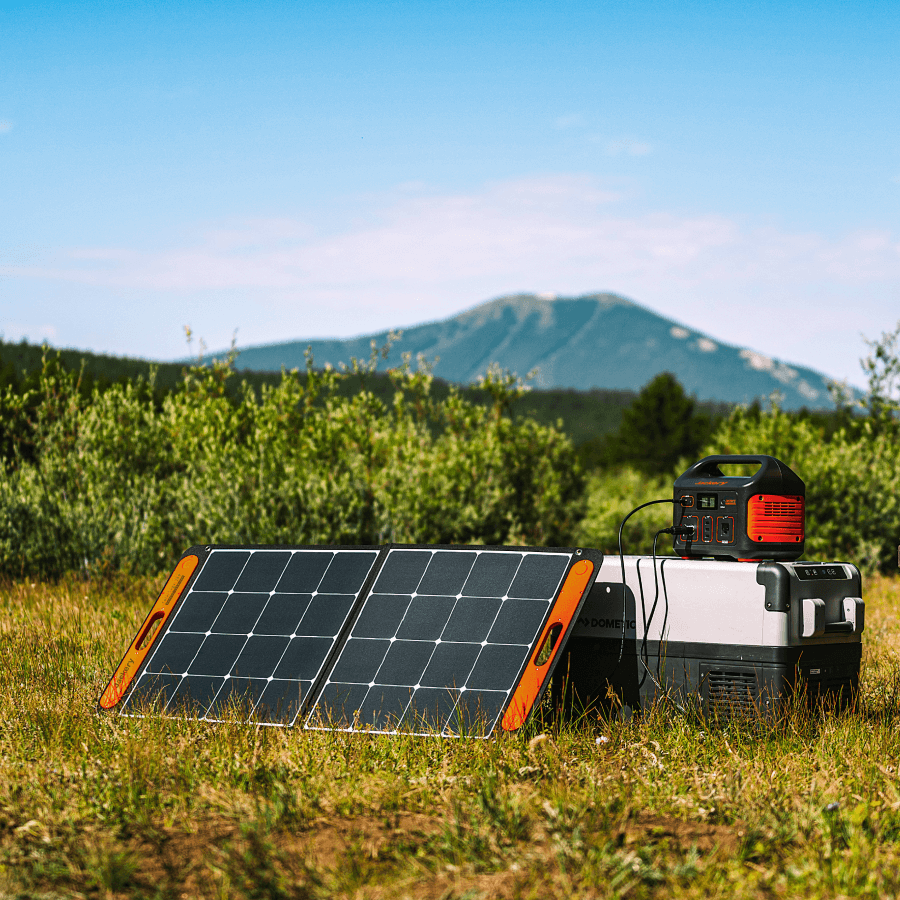
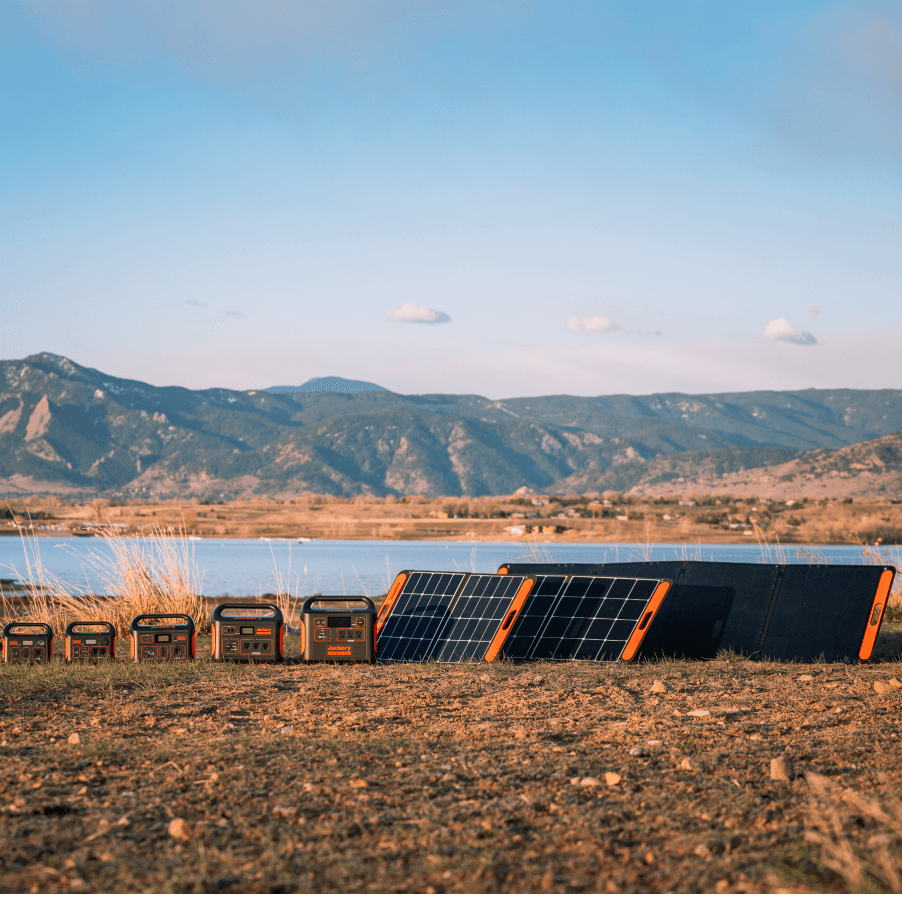
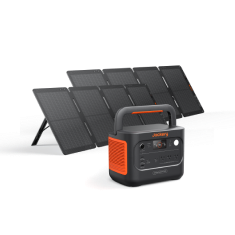
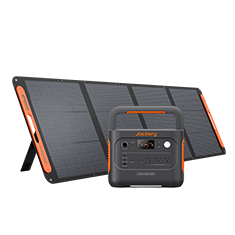
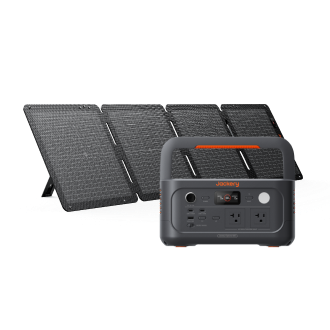
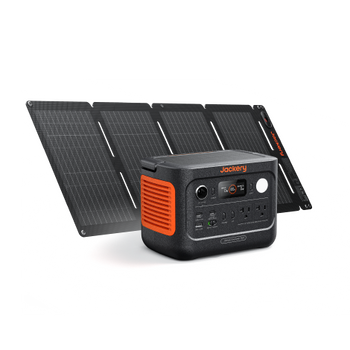
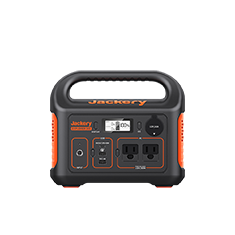
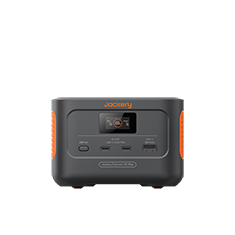
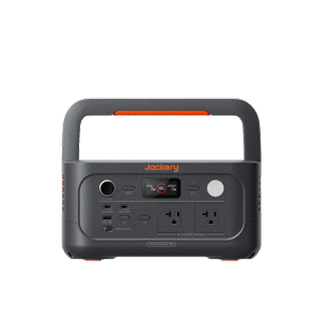
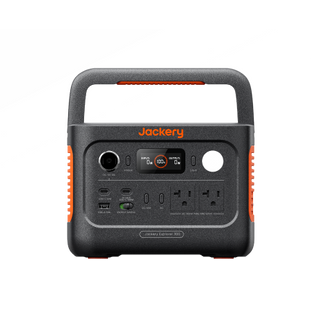
- Off-Grid/Storage Systems: Off-grid setups feed energy into a portable power station rather than the wall outlet. The energy is stored in a battery for independent use. This method generally bypasses complex utility permissions because the system never pushes electricity back into the public grid.
Core Components
A functional balcony setup requires three main elements:
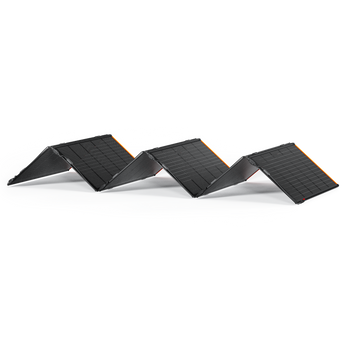
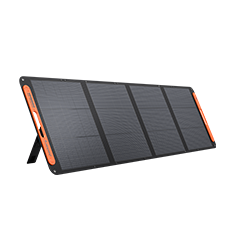
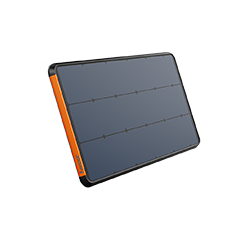
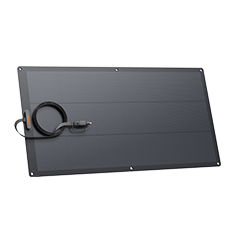
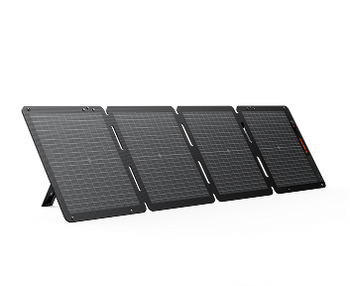
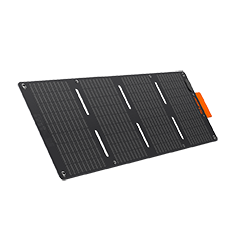
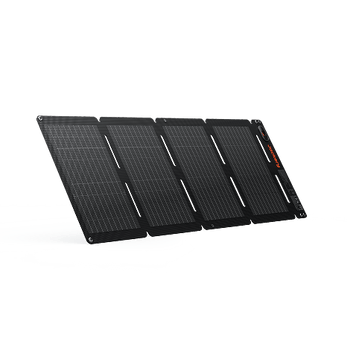
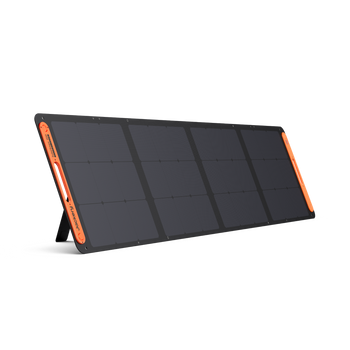
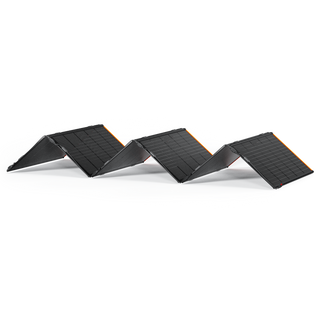
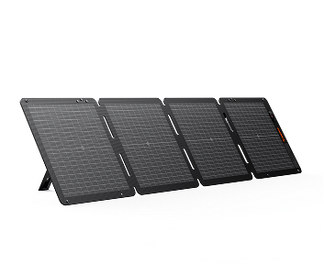
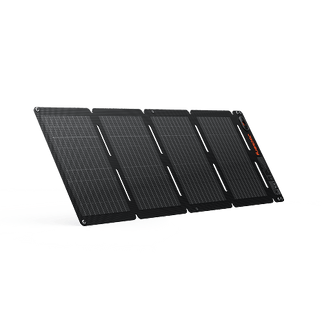
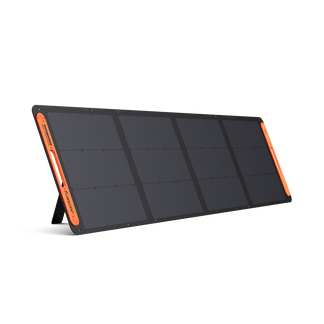
- Panels: High-efficiency panels (23%+) with IP67 or IP68 ratings are essential to withstand rain and dust. Options range from rigid glass panels to lightweight flexible or foldable models.
- Inverters/Storage: Grid-tied setups rely on micro-inverters. Off-grid setups use solar generators that combine the inverter, charge controller, and battery into one unit.
- Mounting: Specialized hooks, clamps, or floor stands secure the panels. For renters, non-invasive mounting that leaves no permanent marks is critical.
Energy Output and Realistic Expectations
Balcony solar is about offsetting base loads, not powering an entire household. Typical setups range from 200W to 800W.
Real-World Power Output
A 400W balcony solar system typically generates 1–2 kWh per day under peak sun conditions. Rated wattage rarely matches actual output, and in cloudy regions or during winter, this number drops significantly.
This output is sufficient to offset 10–30% of an apartment's vampire or base load—devices that run constantly, such as refrigerators, Wi-Fi routers, and smart home hubs. The system will not run a central AC unit or an electric dryer.
Managing Expectations
Physics dictates performance. Two factors critically impact yield:
- Mounting Angle: Vertical mounting (90°) on a railing captures less energy than angled setups (30–45°). A vertical panel might lose 30% of its potential output compared to an optimally tilted one, despite fitting aesthetics better.
- Shading: Shading is the arch-nemesis of solar production. Obstruction from an upper balcony, a tree branch, or a neighbouring building can drastically reduce output. Direct sunlight is non-negotiable for viable production.
The US Regulatory Landscape and Safety
The United States lacks a unified federal right to plug law for balcony solar. Regulations vary wildly by state and utility provider. Unlike parts of Europe where plug-in grid-tie is standardized, US utilities often view any grid-connected device as a potential hazard requiring a formal interconnection agreement.
Safety Checklist
Before purchasing equipment, verify your apartment's readiness.
- Electrical: The specific circuit you plan to use must handle the load. Never daisy-chain extension cords to reach a balcony; this creates fire hazards and voltage drops.
- Structural: Balconies have weight limits that must be verified with building management. Panels must be secured against high winds—perform a wind load calculation or use mounts rated for your local wind zone.
- Fire Safety: Equipment must not block egress paths. Fire escapes must remain 100% clear of panels, cables, and batteries.
Permissions
You cannot skip the paperwork.
- Authority Having Jurisdiction (AHJ): Consult local building codes. Some cities have strict aesthetic or safety ordinances regarding exterior attachments.
- Landlord/HOA Approval: Renters seeking non-rooftop solutions often explore how to get solar power without a rooftop to bypass structural limitations, but written approval is still mandatory. Unauthorized modifications can lead to fines, lease termination, or eviction. Presenting a professional plan that details non-invasive mounting often helps secure permission.
Overcoming Apartment Obstacles
Renters face unique barriers that homeowners do not. The equipment must be temporary, and the installation must be reversible.
Renter-Friendly Mounting
Clamp-based systems and weighted floor stands allow for drilling-free installation. Drilling into exterior walls is rarely permitted. These mounts rely on friction and gravity rather than screws entering the building envelope.
Prioritize Portability
Apartment living is often transient. Your solar investment should be able to move with you. Modular systems that are easy to dismantle ensure you don't leave your investment behind when the lease ends.
Insurance and Liability
Check your renter's insurance policy regarding exterior equipment coverage. More importantly, verify if the policy covers liability if a panel detaches and causes damage below. You may need a rider to cover these specific risks.
Professional Help
Hire a licensed electrician if your setup requires hardwiring or modifying the electrical panel. Do not attempt to modify rental electrical infrastructure yourself. Understanding the mechanics of DIY solar panel installation helps renters gauge the scope of work, but professional execution is safer for complex setups.
Maximizing Efficiency in Small Spaces
When space is limited, every square inch of the panel must work harder.
Orientation Matters
- South-facing: Offers the highest total energy yield in the Northern Hemisphere.
- West-facing: Good for capturing afternoon sun, which aligns with peak evening energy usage.
- East-facing: Captures morning light but misses the intense midday sun.
- North-facing: Generally unviable for solar production in the US.
Combat Shading
Perform a shading audit before buying. Track how shadows move across your balcony throughout the day. Even partial shade on a single panel can drop the output of the entire string significantly.
Bifacial Panels
Bifacial panels capture light on both the front and back sides, making them ideal for reflective balcony floors. If your balcony has light concrete or white tiles, the rear side absorbs albedo light, potentially boosting total yield by 5–15%.
Monitoring
Data drives optimization. Use smart plugs or the companion apps provided with solar generators to track production. This data reveals if a slight adjustment in panel angle or placement yields better results.
Integrating Storage for 24/7 Power
Batteries transform balcony solar from a daytime supplement into a 24/7 energy solution.
The Off-Grid Advantage
Storage systems generally bypass the complex utility interconnection rules required for grid-tie inverters. Since the energy goes into a battery and not the wall, the utility grid remains untouched. This makes storage-based systems the most viable legal path for many US renters.
High-Capacity Solutions
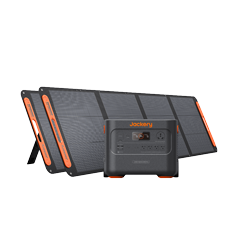
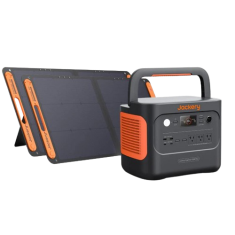
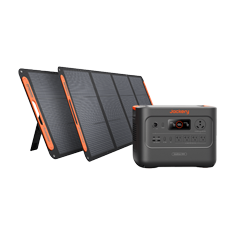
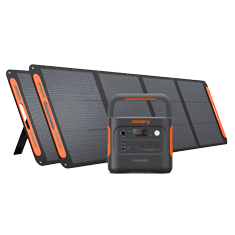
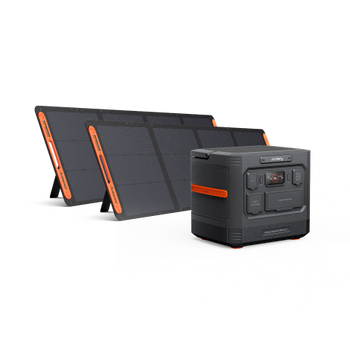
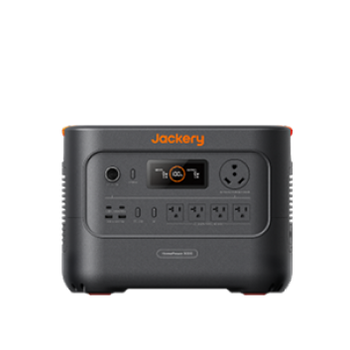
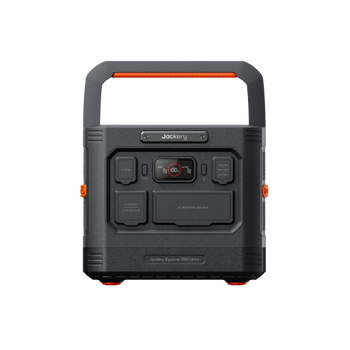
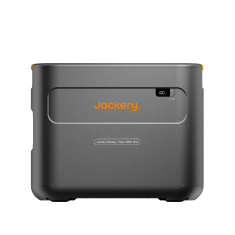
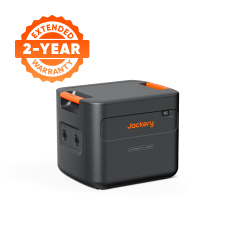
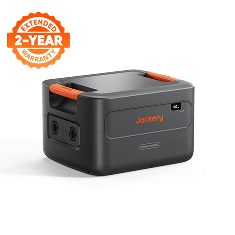
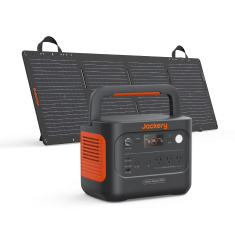
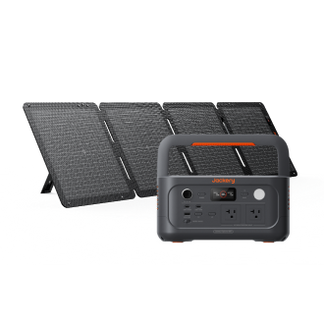
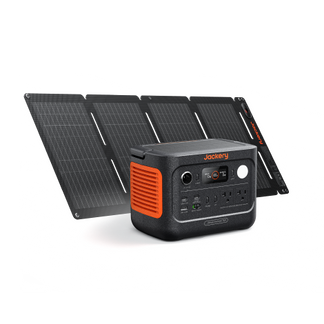
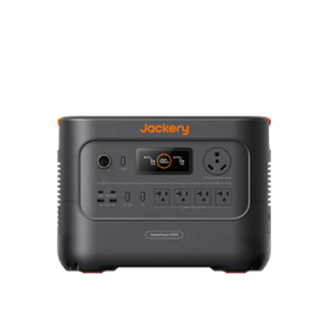
For substantial backup and daily use, the Jackery Solar Generator HomePower 3600 Plus is a robust choice for apartments.
- Capacity: 3584Wh (expandable).
- Output: 3600W, capable of running heavy appliances.
- Battery Tech: LiFePO4 battery ensures a 10-year lifespan.
- Apartment Friendly: The unit operates at a whisper-quiet 30dB, ensuring you don't disturb neighbors.

Heavy-Duty Needs
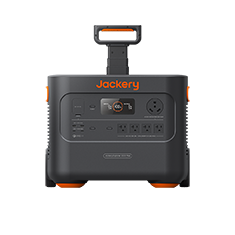
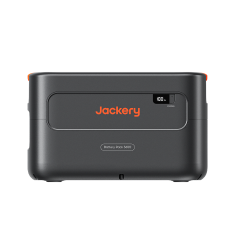
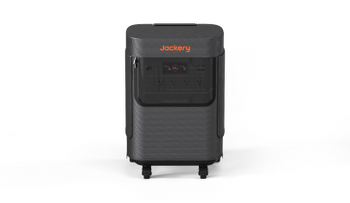
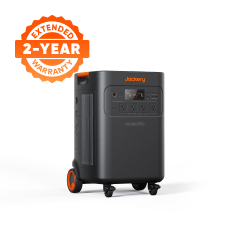
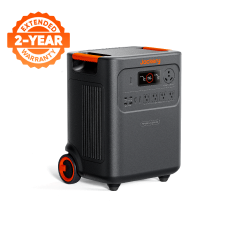
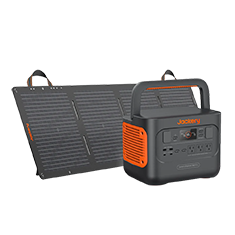
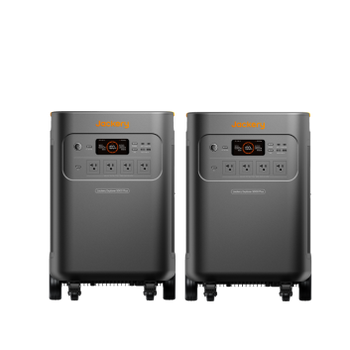
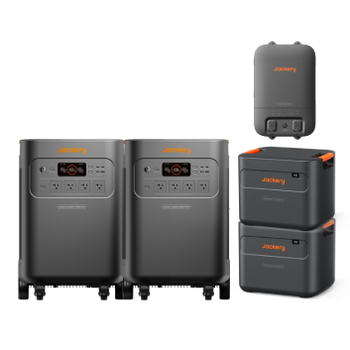
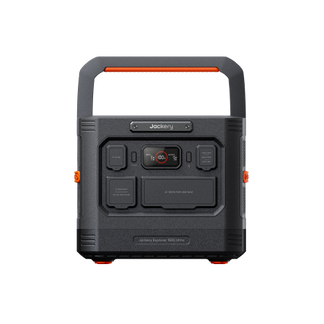
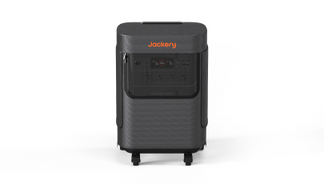
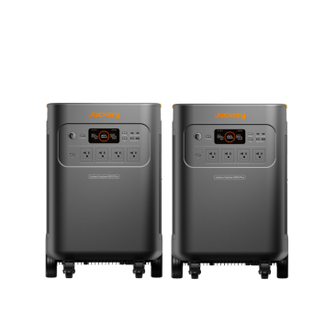
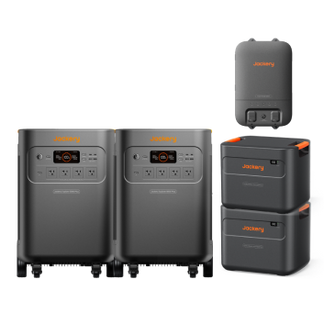
For larger apartments or high-demand setups, the Jackery Solar Generator 5000 Plus offers massive resilience.
- Capacity: 5040Wh.
- Output: 7200W.
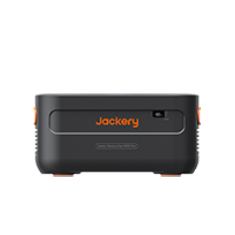
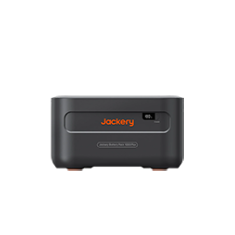
- Scalability: Supports expansion packs to increase storage without permanent construction.
Both units allow renters to scale energy storage based on their needs. Residents often ask can you use a generator in an apartment when considering fuel-based alternatives, but solar generators provide a fume-free solution.
Safety Note
Batteries generate heat while charging. Keep units in ventilated areas and strictly follow manufacturer guidelines regarding operating temperatures. Never enclose a battery in a sealed cabinet without airflow.
Financial Viability and Incentives
Is solar panels for balcony usage worth the money?
Analyze ROI
Payback periods for balcony solar typically range from 3 to 15 years. This depends heavily on your local electricity rates (higher rates = faster payback) and the initial equipment cost.
Incentives
Renters occupy a difficult spot for tax credits. The Federal Investment Tax Credit (ITC) applies to the owner of the system. If you buy the equipment, you may be eligible, but property-based rebates often go to the landlord. Always check for local rebates specifically targeting energy storage or portable solar equipment, which are becoming more common.
Cost vs. Resilience
For many renters, the ROI isn't just about the monthly bill—it's about security. Selecting a reliable backup generator for apartments ensures the fridge stays running and phones remain charged when the neighborhood goes dark. The value lies in having backup power during grid failures.
Start Small
You don't need to commit to a $5,000 system immediately. Test the waters with a portable kit. If the shading is manageable and the habits stick, you can invest in a more permanent balcony array.
Practical Step-by-step Checklist-by-Step Checklist
Follow this sequence to ensure a successful deployment.
- Assess Site: Measure your balcony dimensions. Use a compass to confirm orientation (South/West is best). Identify any permanent shading from trees or buildings.
- Check Rules: Read your lease agreement, HOA bylaws, and local fire codes. Specifically look for restrictions on storage or combustibles on balconies.
- Select System: Decide between grid-tie (only if explicitly legal and permitted) or a storage-based solar generator system (recommended for renters).
- Install Safely: Secure mounts to withstand wind gusts. Ensure all exterior cables are outdoor-rated and include a drip loop to prevent water from running down the cable into the connector.
- Monitor: Track your usage. Maximize self-consumption by running energy-intensive appliances (like dishwashers) when the sun is shining and the battery is full.
Frequently Asked Questions
Can I clean my balcony panels with standard household glass cleaner?
No, use only demineralized water and a soft cloth or sponge. Household cleaners can leave chemical residues or cause abrasive micro-scratches that lower the panel's efficiency over time.
How do I protect my balcony solar system during a hurricane?
You must bring the panels indoors. Use quick-release mounting hardware during installation so you can safely dismantle and store the panels inside before high winds arrive.
Will my balcony solar system work during a total grid blackout?
Grid-tied micro-inverters automatically shut down during blackouts to protect utility workers. However, off-grid storage systems (like Jackery Solar Generators) continue to provide power via the battery during outages.
Do I need to notify my electricity provider about an off-grid battery?
Typically, no. Portable solar generators that do not feed energy back into the public grid usually do not require utility notification but always check local regulations to be sure.
Can I use bifacial panels on a balcony with glass railings?
Yes, this is an ideal scenario. Glass railings allow light to pass through to the back of the bifacial panels, potentially increasing your energy yield by up to 25% compared to standard panels.