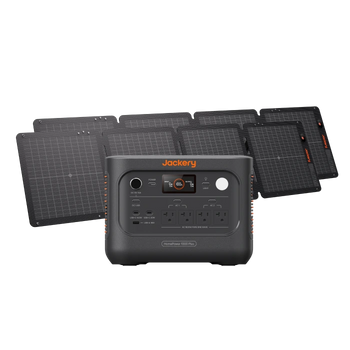
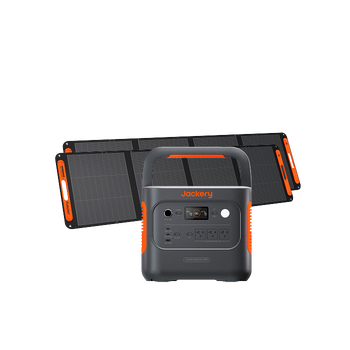
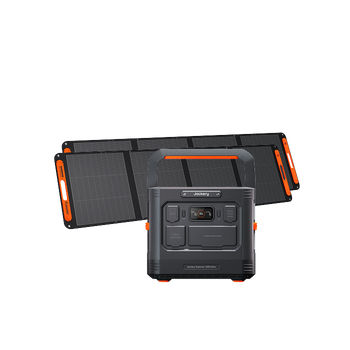


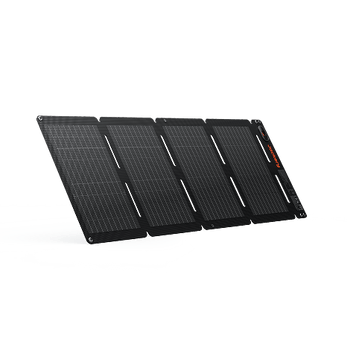


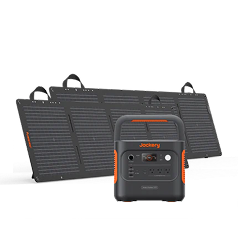
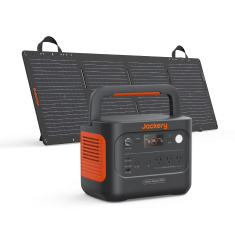



![[Add-on] Jackery SolarSaga 500 X - Jackery](http://www.jackery.com/cdn/shop/files/add-on-jackery-solarsaga-500-x-1493607.webp?v=1786503068&width=324)
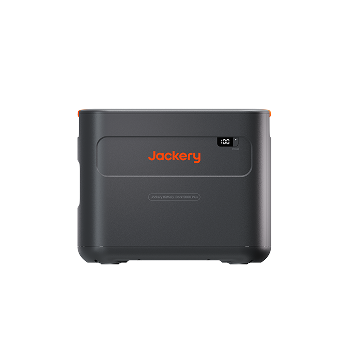
![[Add-on] Jackery Battery Pack 5000 Plus - Jackery](http://www.jackery.com/cdn/shop/files/add-on-jackery-battery-pack-5000-plus-6713401.webp?v=1786503068&width=324)








When the power grid fails, your peace of mind depends on a single question: will your backup battery actually keep your home running? Most homeowners buy the wrong size battery backup—either undersizing and losing their refrigerated food, or oversizing and spending thousands of dollars on wasted capacity. Sizing your system does not require guesswork.
By mastering just two numbers—your daily kilowatt-hour (kWh) consumption and your peak kilowatt (kW) start-up load—you can build a highly resilient, cost-effective backup system that keeps your family safe when it matters most. This guide walks you through the step-by-step math to size your home battery backup perfectly.
Top 7 Battery Backup Sizing Traps That Could Leave You in the Dark
Sizing a home backup system is not always intuitive. Avoid these seven common and costly pitfalls to ensure your system performs when the lights go out:
- Undersizing Essential Loads: A refrigerator's running wattage looks modest on paper (around 150 W). However, your inverter must be able to deliver the initial startup surge when the compressor kicks on, which can spike to 600 W–800 W. If your system lacks this headroom, the refrigerator will fail to start.
- Oversizing and Overspending: A essential home 40 kWh system capable of running central air conditioning and electric water heaters costs 3 to 5 times more than a targeted setup covering survival loads. Paying for days of unnecessary runtime is a waste of capital that could be better spent on solar panels.
- Relying on Label Wattage: The manufacturer's label on appliances like microwaves often lists worst-case ratings (e.g., 1,200 W). In real-world operation, they often draw 30% to 50% less. Measuring actual draw with a plug-in power meter prevents over-buying battery capacity.
- Confusing Appliance Count with Runtime Hours: Listing what you want to power is less useful than deciding how long you need it powered. Sizing your system for a 24-hour autonomy plan requires three times more battery capacity than an 8-hour plan.
- Failing to Sum Simultaneous Loads: Your inverter must be able to handle everything drawing power at once. A typical load profile (refrigerator, lights, internet, well pump, and furnace blower) can easily total 1,830 W of continuous draw before you even plug in a microwave.
- Ignoring Motor Surge Demands: Well pumps and HVAC compressors do not just draw more power at startup—they can spike to 3 to 7 times their running wattage for 1 to 2 seconds. Always check the Locked Rotor Amps (LRA) on motor-driven devices to ensure your inverter's surge rating can handle it.
- Omitting a Safety Buffer: Inverter efficiency losses run 5% to 10%, and battery management systems reserve a fraction of capacity for cell protection. Always add a 20% safety margin to your final calculation to ensure reliable operation.
The Only Two Numbers That Matter: kWh Capacity vs. kW Power
Every battery backup conversation circles around two units that sound similar but perform entirely different jobs. Confusing them can leave you with a system that fails to meet your household needs.
-
Battery Capacity (kWh) Sets Runtime: Kilowatt-hours (kWh) determine how long your battery can supply power. A 10 kWh battery can keep standard essentials (refrigerator, LED lights, and router) running for 24 to 48 hours. The formula is:
Total Running Watts × Hours Needed ÷ 1,000 = Minimum kWh Capacity. - Inverter Power (kW) Decides What Can Start: Kilowatts (kW) determine the maximum rate of power the battery can discharge at any single moment. A 5 kW inverter cannot run a 7 kW well pump, regardless of how many battery packs you hook up to it.
- Continuous vs. Surge Rating: Continuous rating is the power the inverter can sustain indefinitely, while surge rating is the brief peak it can handle for several seconds to start heavy motors.
- Usable vs. Nameplate Capacity: Lithium Iron Phosphate (LiFePO4) batteries deliver a 90% to 95% Depth of Discharge (DoD), meaning a 5 kWh battery yields roughly 4.7 kWh of actual energy. Traditional lead-acid batteries only offer 50% usable capacity before their voltage drops too low.
- Recharge Speed: Look for systems offering fast recharging (at least 1,200 W AC input), which allows you to completely refill a 3.6 kWh battery in roughly three hours from a standard wall outlet between storm bands.
- Multiple Recharge Sources: Combining battery storage with solar panels, dual-fuel generators, or grid power creates a layered, resilient system that can sustain you through multi-day outages.
Battery Chemistry Decoded: Why LiFePO4 and the 40–80 Rule Matter
The battery chemistry inside your backup system directly dictates its safety, lifespan, and day-to-day maintenance requirements.
|
Chemistry Type |
Typical Cycle Life |
Thermal Runaway Risk |
Usable Depth of Discharge (DoD) |
|
LiFePO4 (Lithium Iron Phosphate) |
3,000–6,000 cycles |
Negligible |
90%–95% |
|
NMC (Nickel Manganese Cobalt) |
1,000–2,000 cycles |
Moderate |
80%–90% |
|
Lead-Acid |
300–500 cycles |
Low (risk of hydrogen off-gassing) |
50% |
The 40–80% Cycling Rule: For daily cycling (such as rate arbitrage or solar storage), keeping your battery charged between 40% and 80% reduces internal chemical stress and can double its overall lifespan. However, when severe weather is in the forecast, always bypass this rule and charge the system to 100% to maximize your emergency runtime.
- Long-Term Storage: If your system sits idle between storm seasons, store it at 50% to 60% state of charge. Storing lithium batteries at a constant 100% charge accelerates chemical degradation.
- Placement and Climate: Keep your battery backup in a cool, dry, and ventilated space. Every 10 degree Celsius increase above 25 degrees Celsius (77 degrees Fahrenheit) halves a lithium battery's cycle life. Avoid hot garages, uninsulated attics, or sealed closets.
Which Backup Tier Fits Your Home: Survival, Comfort, or Whole-Home?
Your home's specific backup tier determines the overall cost, installation complexity, and which appliances can stay operational during a blackout.
Tier 1: Essential Survival Loads (10–20 kWh)
This pragmatic, budget-friendly choice keeps non-negotiable appliances running, such as your refrigerator, freezer, home internet, and basic lighting. These systems typically cost between $3,000 and $7,000.
Tier 2:Essential Home Comfort (20–40 kWh)
This tier adds larger convenience loads, such as a well pump, furnace blower fan, microwave, and a small window air conditioner. It requires a robust 240V split-phase inverter to interface directly with your home's breaker panel, with costs ranging from $7,000 to $15,000.
Tier 3: Whole-Home Coverage (40–80+ kWh)
Designed to replicate utility grid power completely. This system runs central AC units, electric ranges, clothes dryers, and EV chargers. It requires an extensive inverter stack, an automatic transfer switch, and professional engineering, costing upwards of $15,000 to $35,000.

Future-Proofing Your Backup for 2026: Incentives and Modular Design
Planning your backup system today requires looking at federal financial incentives and choosing a platform that can grow alongside your home's electrification needs.
- Federal Tax Credits (Section 25D): Under the original Inflation Reduction Act, the US Residential Clean Energy Credit provided a 30% tax credit for standalone battery storage installations of 3 kWh or larger through 2032, with a scheduled step-down to 26% in 2033 and 22% in 2034. However, following recent legislative updates (H.R. 1), this tax credit officially expired for homeowner-owned systems on December 31, 2025. In 2026, homeowners can primarily access these 30% savings through third-party-owned solar and battery lease agreements rather than direct personal tax filings.
- Time-of-Use (TOU) Rate Shifting: Homeowners can use a 15–30 kWh battery to store cheap electricity during off-peak hours and discharge it to run the home during peak hours. This practice can save $500 to $1,000 annually in high-rate states.
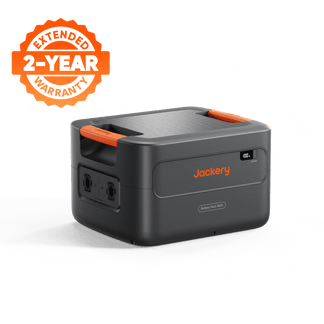
- Modular Expandability: Choose a modular battery system. This allows you to start with a modest investment for survival loads today, and add plug-and-play battery expansion packs as you add heat pumps, induction stoves, or EVs in the future.
- Hybrid Generator Support: For multi-day winter outages, pair your battery with a small inverter generator. Running the generator for just 2 to 3 hours can fully recharge your battery, allowing the battery to silently run your home for the next 10 hours while saving substantial fuel.
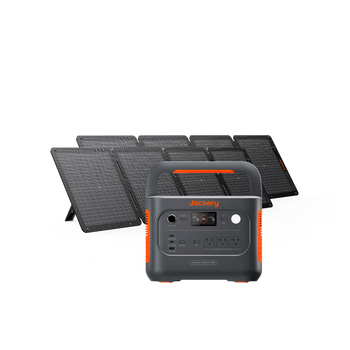
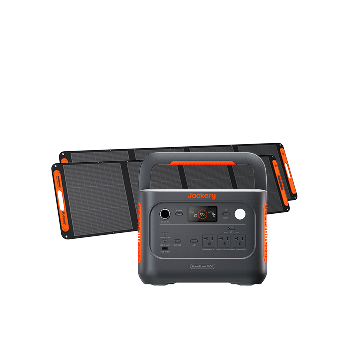
Jackery Solutions for Home Backup
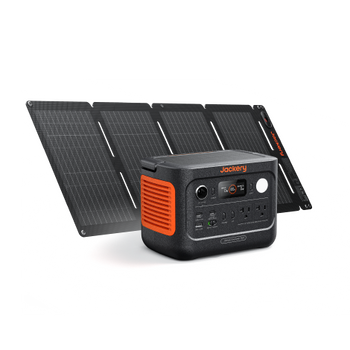
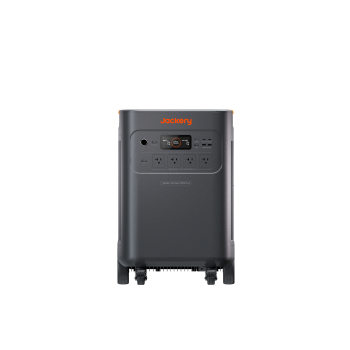
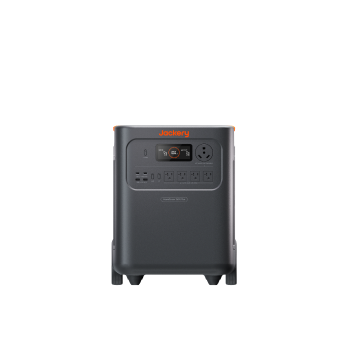
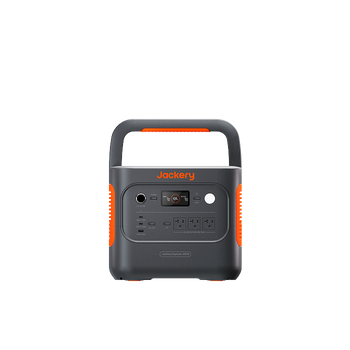
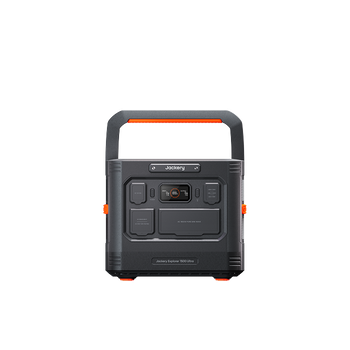
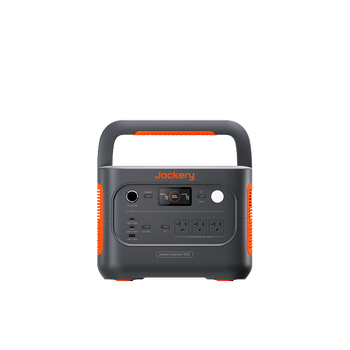
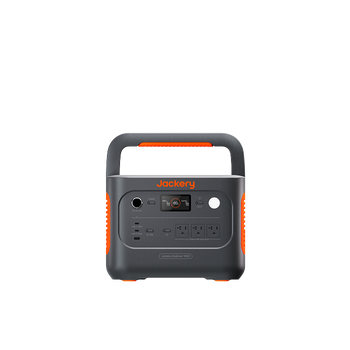
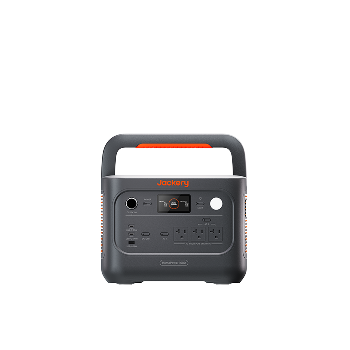
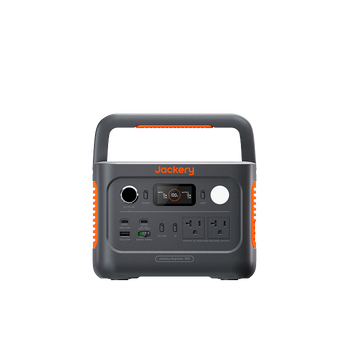
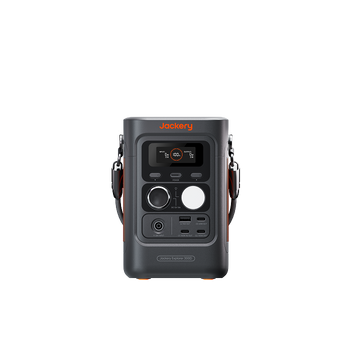
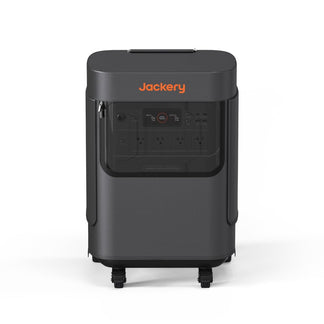
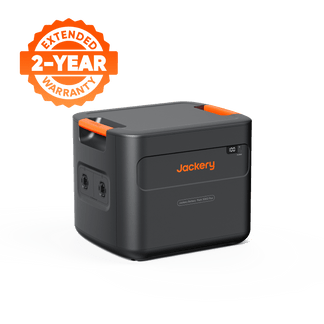
Three premium systems from Jackery are engineered to fit different household backup tiers, providing reliable, clean power when the grid goes dark.
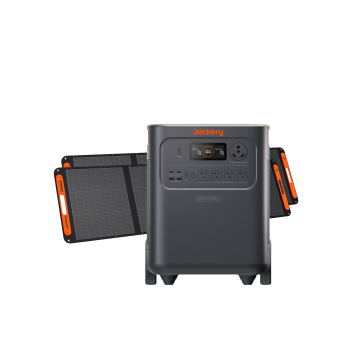
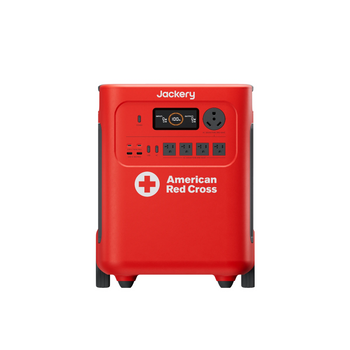
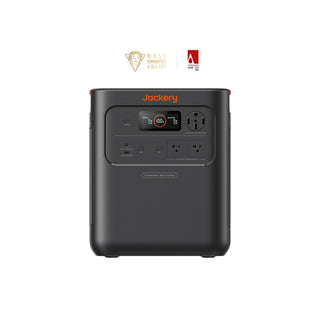
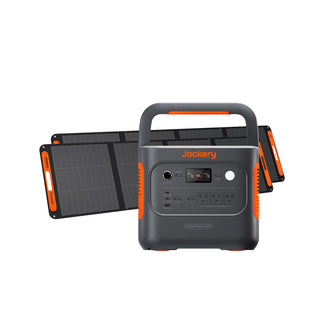
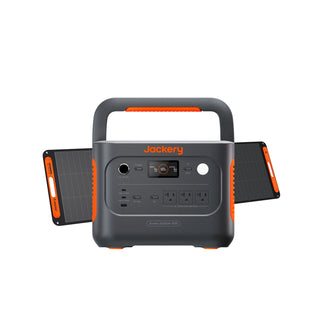
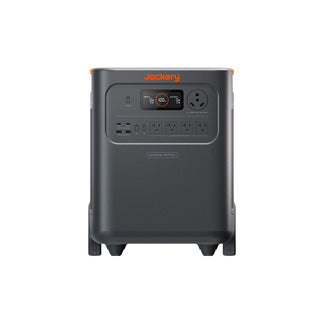
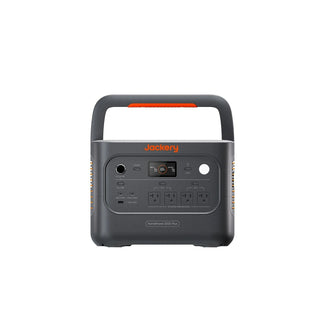
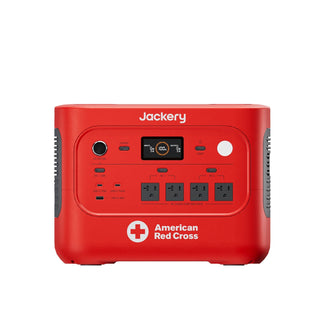
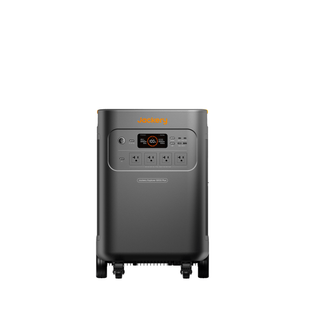
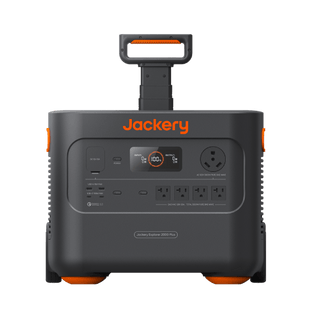
Jackery Solar Generator HomePower 3600 Plus
|
Key Metric |
Specification |
|
Battery Capacity |
3,584 Wh (Expandable up to 43 kWh) |
|
Continuous / Surge Output |
3,600 W / 7,200 W |
|
UPS Transfer Speed |
Under 20 milliseconds |
|
Output Voltage |
120V |
|
Real-World Runtimes |
Refrigerator: 38 hrs | Wi-Fi Router: 300 hrs |
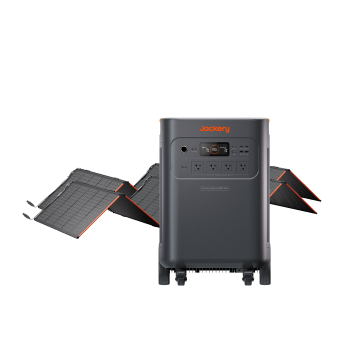
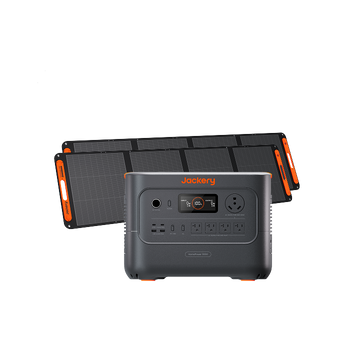
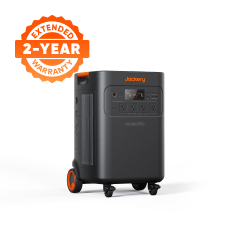
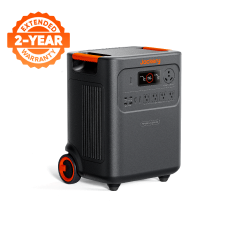
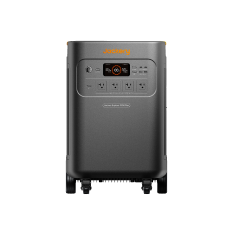
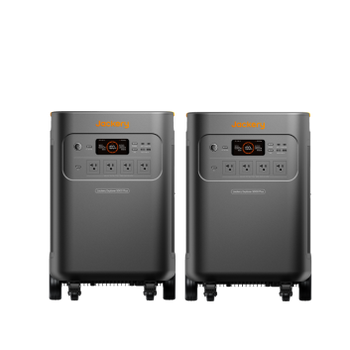
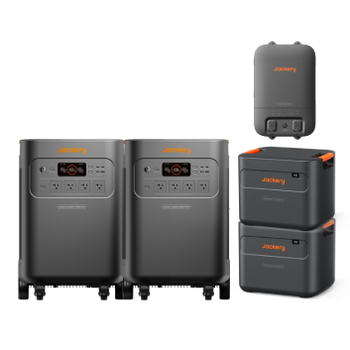
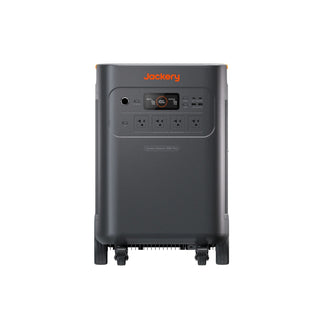
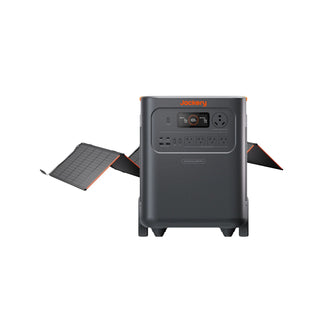
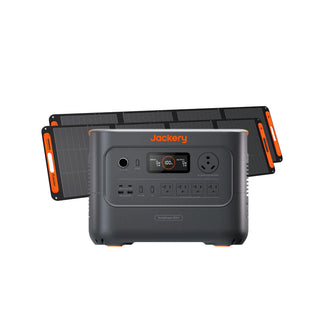
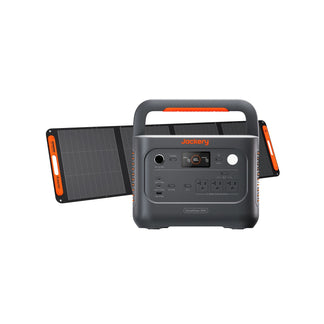
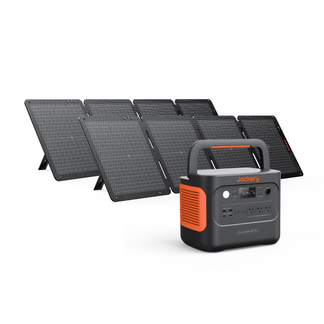
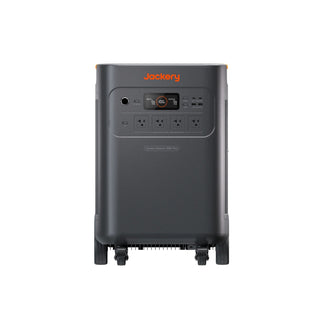
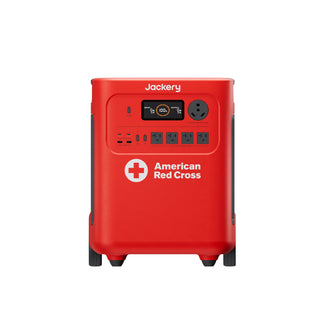
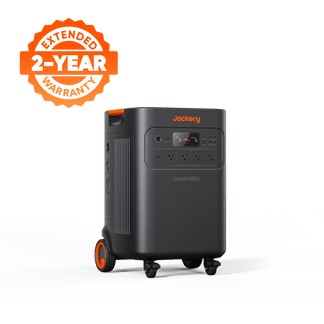
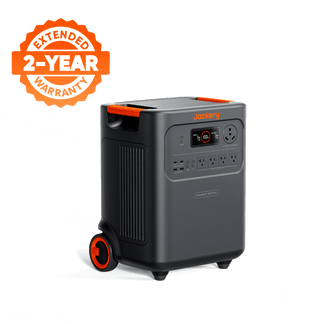
Jackery Solar Generator 5000 Plus
|
Key Metric |
Specification |
|
Battery Capacity |
5,040 Wh (Expandable up to 60 kWh) |
|
Continuous / Surge Output |
7,200 W / 14,400 W |
|
UPS Transfer Speed |
0 millisecond (Online UPS) |
|
Solar Input Capacity |
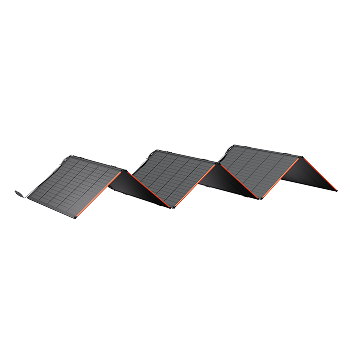
1,000 W from two included 500W panels |
|
Real-World Runtimes |
Runs central AC, refrigerator, and microwave simultaneously for 2 hours on base capacity. |
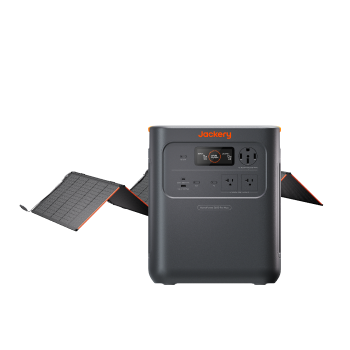
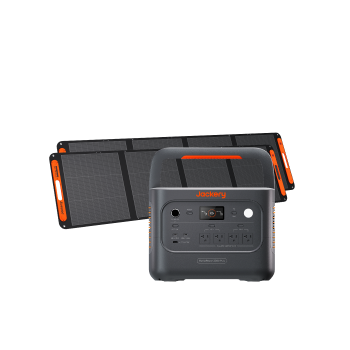
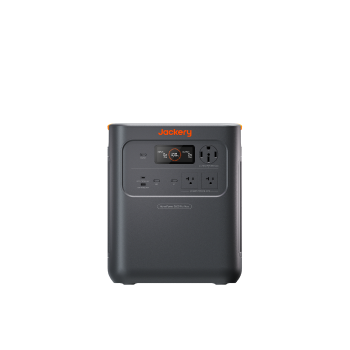
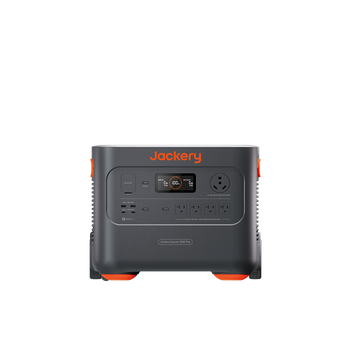
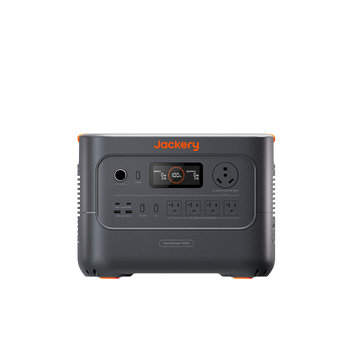
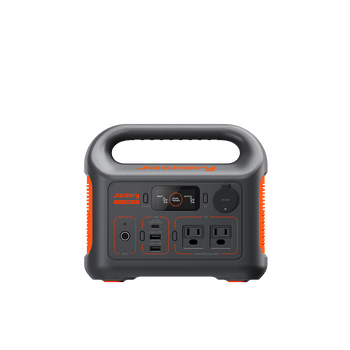
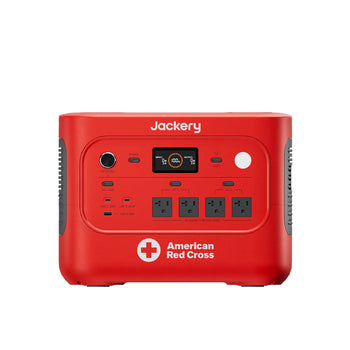
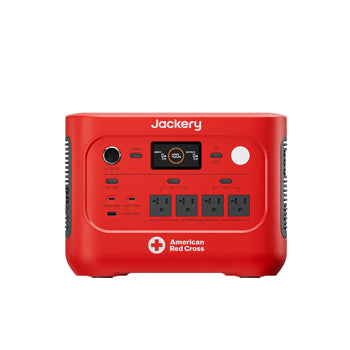
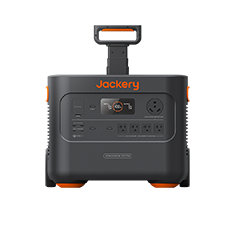
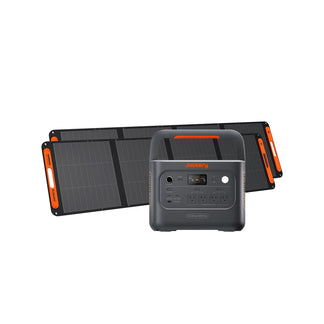
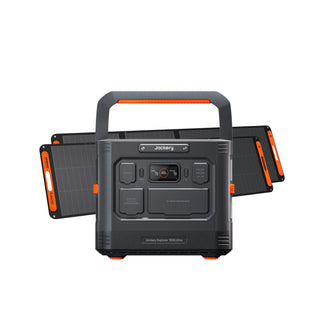
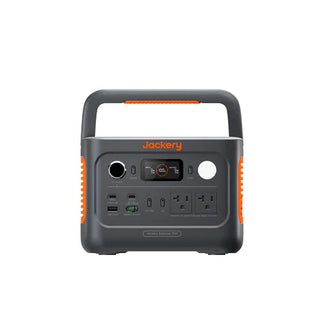
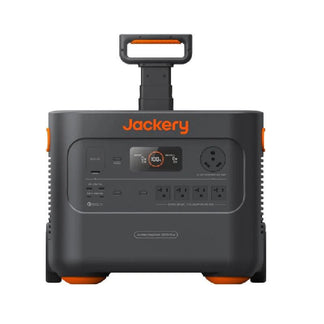
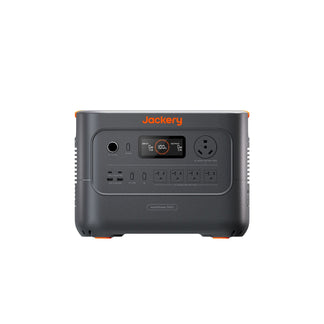
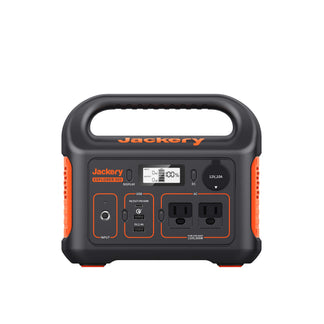
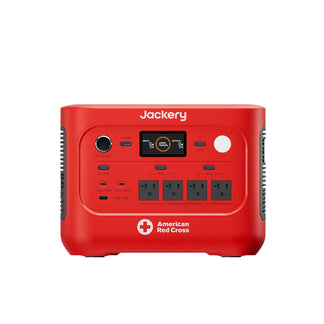
Jackery Explorer 2000 v2 Portable Power Station
|
Key Metric |
Specification |
|
Battery Capacity |
2,042 Wh |
|
Continuous / Surge Output |
2,200 W / 4,400 W |
|
UPS Transfer Speed |
Under 20 milliseconds |
|
Physical Weight |
39.5 lbs |
|
AC Recharge Speed |
1.7 hours from a standard outlet |
|
Real-World Runtimes |
Household Refrigerator: 3.2 hrs | Portable AC: 2 hrs | Wi-Fi Router: 150 hrs |
Frequently Asked Questions
Can I install a battery backup system myself?
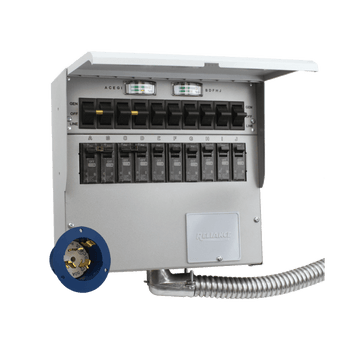
Plug-and-play portable systems (like the Jackery Explorer 2000 v2) require zero professional installation; you simply plug your appliances directly into the unit. However, any system that integrates directly with your home's main electrical breaker panel via a transfer switch must be installed by a licensed electrician to comply with local electrical codes.
How do I maintain a LiFePO4 battery over the years?
Keep the battery terminals clean and free of dust. If the system is sitting idle for several months, discharge the system to roughly 50% to 60% capacity before storing it in a cool, dry, and ventilated environment. Check on the battery status and top it up to mid-charge every three months.
Will my battery backup work during a power outage without Wi-Fi?
Yes. The battery backup and physical inverter operate entirely autonomously and do not require an active internet connection to power your home. Smart features, such as remote app monitoring and firmware updates, will be disabled until network connectivity is restored.
What happens if the backup battery fully drains while the grid is down?
To protect the lithium cells from permanent damage, the internal Battery Management System (BMS) will automatically shut down the unit before it reaches a true physical 0% charge. The system will remain in standby mode until it receives charge from solar panels, an AC outlet, or a backup generator.
Are battery backup systems safe during flooding or extreme weather?
No battery backup system should ever be exposed to direct water ingress or flooding. Install the system in a elevated indoor location at least 12 to 18 inches above any potential flood level. Ensure that the operating environment remains shaded, ventilated, and dry.
In Summary: Sizing a home battery backup system is not about simply buying the largest, most expensive system on the market. It is about matching your necessary daily kilowatt-hours (kWh) to your runtime requirements, and ensuring your inverter's peak continuous and surge kilowatts (kW) can comfortably handle your simultaneous startup loads. Always measure your actual appliance draws, add a 20% safety buffer, and choose a modular LiFePO4 platform to ensure long-term energy independence.


