





















































![[Add-on] Jackery SolarSaga 500 X - Jackery](http://www.jackery.com/cdn/shop/files/add-on-jackery-solarsaga-500-x-1493607.webp?v=1786503068&width=324)
![[Add-on] Jackery Battery Pack 5000 Plus - Jackery](http://www.jackery.com/cdn/shop/files/add-on-jackery-battery-pack-5000-plus-6713401.webp?v=1786503068&width=324)
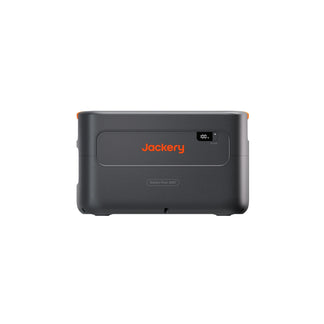
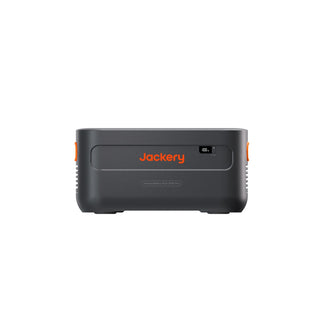
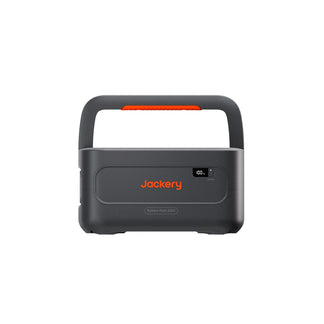
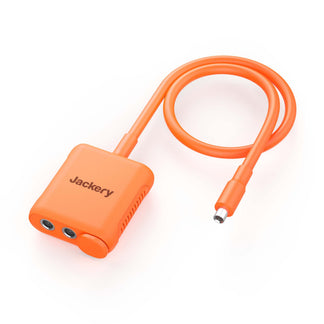











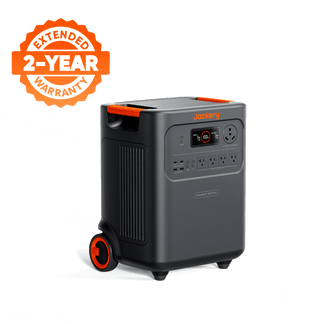
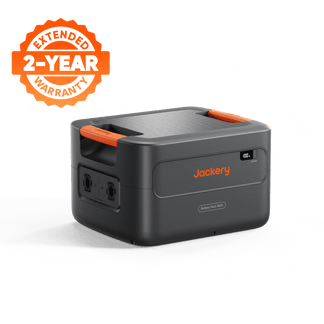
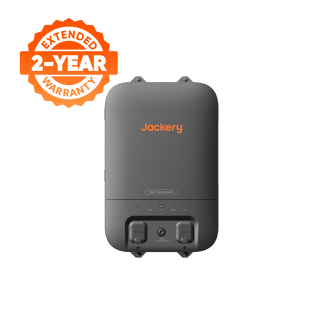
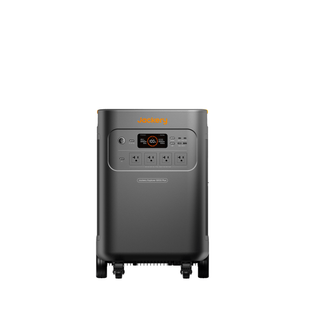
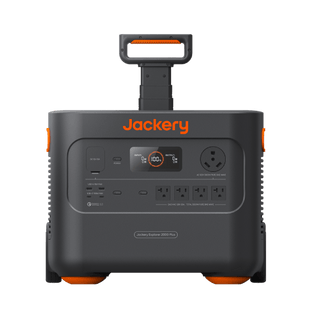
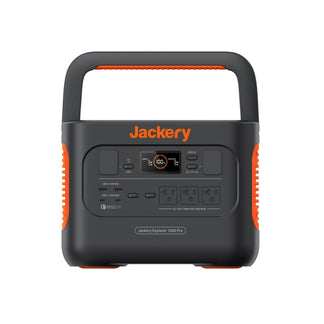
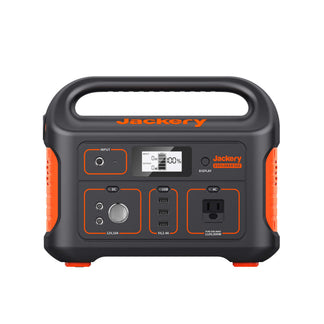
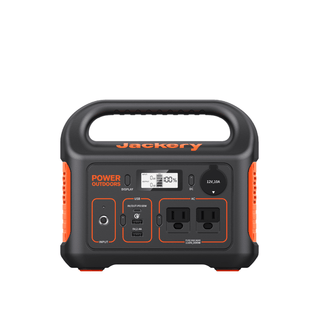
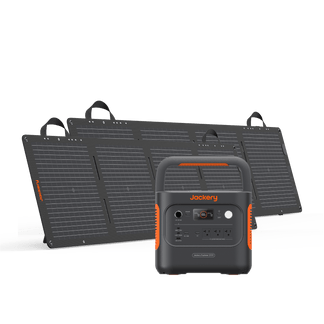
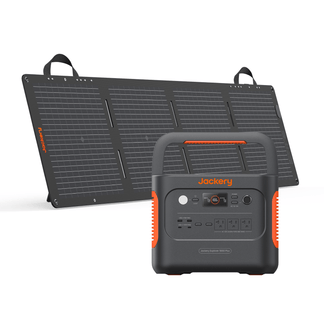
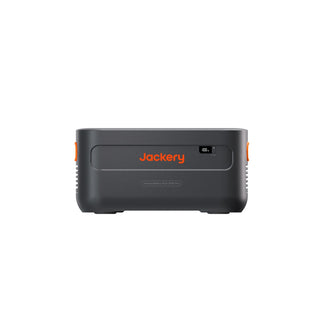
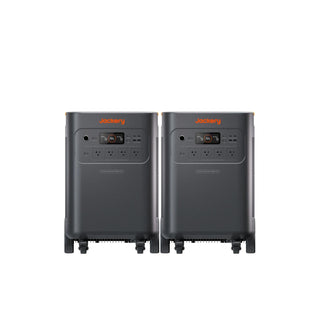
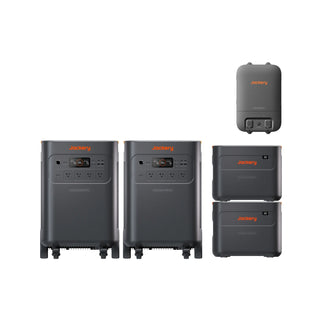
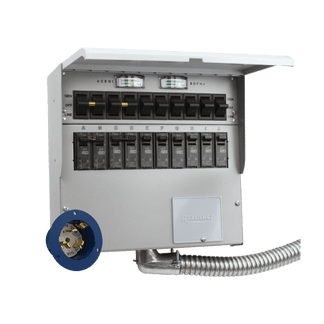


A specialized battery for generator use stores chemical electricity rather than combusting liquid hydrocarbon fuel. This single fundamental difference completely eliminates toxic carbon monoxide emissions, loud engine noise, and the strict outdoor-placement requirements that make traditional gasoline generators impossible to operate inside apartments, condominiums, and tight indoor spaces.
This is not a marketing claim—it is a matter of basic physics. Because chemical batteries operate with zero combustion, they produce zero toxic exhaust fumes. This makes a battery-based backup system the only generator alternative you can safely run directly inside your living room, bedroom, or home office during a severe grid failure.
According to the U.S. Consumer Product Safety Commission (CPSC), an average of nearly 100 people die in the United States every year from carbon monoxide poisoning caused specifically by portable generators. This is a tragic, preventable statistic. Battery generators bypass this risk entirely, requiring no ventilation hacks, no cracked doors, and no extension cords snaking through open windows. This guide explains how to select, size, and safely operate an indoor battery backup system.
Why Battery Generators Are the Only Safe Indoor Option
Running a gas-powered generator indoors is highly lethal. Carbon monoxide is an odorless, invisible gas that binds to human hemoglobin 200 times more readily than oxygen, leading to rapid asphyxiation. To prevent this, safety codes dictate that combustion generators must be operated at least 20 feet away from any structure. Battery generators solve this issue at the chemical level, providing several core indoor safety benefits:
- Zero Emissions: No combustion means no carbon monoxide, no nitrogen dioxide, and no particulate matter. You can place the system directly in a bedroom or nursery with complete safety.
- Integrated Battery Management System (BMS): The built-in BMS continuously monitors cell voltage, operating temperatures, and current draws, instantly shutting down the unit in milliseconds if a short circuit or thermal anomaly is detected.
- Whisper-Quiet Operation: Operating at a quiet 20 to 50 dB, these systems run quieter than a standard home refrigerator hum, ensuring they can be operated in close quarters without disturbing your family.
- LiFePO4 Thermal Stability: Modern Lithium Iron Phosphate (LiFePO4) chemistry is highly resilient. Its thermal runaway threshold sits around 430°F (compared to 300°F for older NMC chemistries), preventing oxygen release and thermal propagation even under extreme faults.
How to Size Your Indoor Battery Backup System
Sizing your backup battery correctly requires totaling your critical household loads, estimating your required runtime, and factoring in standard inverter conversion losses. Many buyers guess their capacity needs, resulting in undersized systems that run dry by midnight.
First, identify the running wattages of your essential appliances:
- Full-Size Refrigerator: Draws 600W starting power, but its compressor cycles on and off. The average continuous hourly draw is typically between 40W and 80W.
- LED Lighting: Sips roughly 10W per bulb.
- Wi-Fi Router and Modem: Consumes roughly 20W combined.
A battery's storage capacity is measured in Watt-hours (Wh). If your total essential load is 200W, a 2,000 Wh battery should theoretically deliver 10 hours of runtime. However, standard DC-to-AC inverters lose 10% to 15% of their energy as thermal heat during conversion. Applying this 15% loss factor, a 2,000 Wh battery will deliver roughly 1,700 Wh of usable AC power, running your 200W load for approximately 8.5 hours. Always match your battery's peak surge rating to the highest starting current of your appliances (such as a refrigerator's starting surge) to ensure the motors can start safely.
For most apartments and standard homes, a 2 to 3 kWh battery system is the ideal sweet spot. This provides sufficient capacity to run your refrigerator, Wi-Fi, and critical medical devices for 12 to 24 hours. If your goal is whole-home backup to run heavy 240V appliances like central HVAC or well pumps, you will need a permanently hardwired 16 kWh+ system, as detailed in our essential home backup power guide.
Safe Indoor Storage and Placement Best Practices
While LiFePO4 batteries are exceptionally safe, proper placement is critical to maximize cell longevity and prevent faults:
- Temperature Control: Store and operate your battery in a climate-controlled area between 32°F and 86°F. Avoid placing the unit in uninsulated garages or basements that experience seasonal temperature extremes.
- Flood Protection: Always elevate your battery station off the floor. Standing the unit on a shelf or riser prevents water ingress from potential basement leaks or plumbing spills.
- Ventilation Clearance: Maintain at least 6 to 12 inches of open clearance around all intake and exhaust vents. Blocking these vents prevents the internal BMS from dissipating thermal heat during high-load charging or discharging.
- Never Stack Items: Keep the top of the battery station clear. Stacking heavy objects on top can deform the protective casing and restrict heat dissipation.
Additionally, store your battery generator at a 50% to 80% state of charge for long-term storage to prevent cell degradation, topping off the cells and bringing them back to this safe window every 3 to 6 months. If your battery casing ever becomes physically cracked, swollen, or punctured, unplug the unit immediately, move it outdoors, and contact the manufacturer for certified recycling.
Battery Chemistry: LiFePO4 vs. Lead-Acid (AGM)
The indoor energy storage market is dominated by two primary battery chemistries: modern Lithium Iron Phosphate (LiFePO4) and traditional Sealed Lead-Acid (AGM) batteries. Understanding their performance trade-offs is essential:
|
Performance Feature |
LiFePO4 (Lithium Iron Phosphate) |
Sealed Lead-Acid (AGM) |
|
Usable Depth of Discharge (DoD) |
90% – 100% of rated capacity |
50% maximum (deeper discharge damages plates) |
|
Expected Cycle Life |
4,000 to 6,000 cycles (depending on the model) |
300 – 500 cycles |
|
Indoor Off-Gassing Safety |
Zero emissions or off-gassing |
Can release toxic hydrogen gas during heavy charging |
|
Average Weight per kWh |
18 – 25 lbs (integrated system weight) |
50 – 65 lbs (gross weight; 100+ lbs usable due to 50% DoD limit) |
While traditional lead-acid AGM batteries are less expensive upfront, their strict ventilation requirements and shorter cycle lives make them highly impractical for indoor living spaces. The National Electrical Code (NEC) mandates dedicated outdoor ventilation systems for battery rooms housing lead-acid chemistries due to hydrogen off-gassing risks. LiFePO4 cells sidestep this hazard entirely. To compare specific models, check out our selection of the best indoor generators.
Recharging Your Battery Generator Safely Indoors
To preserve your indoor air quality, your battery recharging process must never reintroduce fossil-fuel combustion. Standard AC wall charging is the safest, most reliable method, plugging into any standard 120V outlet to recharge the unit fully in 1.5 to 4.5 hours depending on capacity.
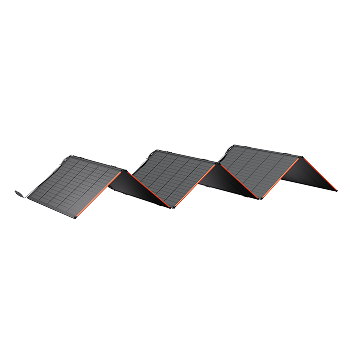
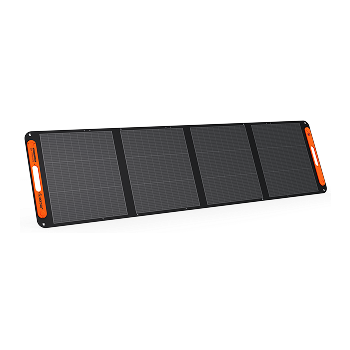
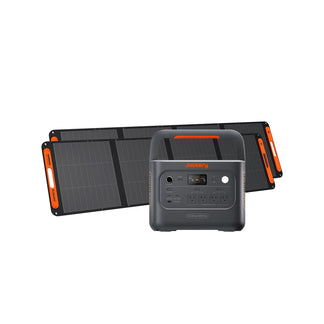
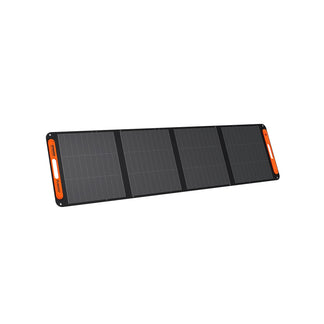
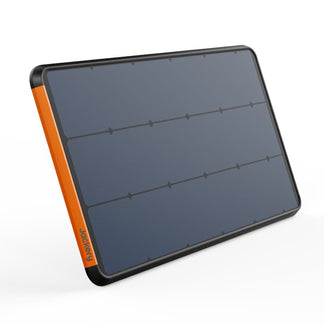
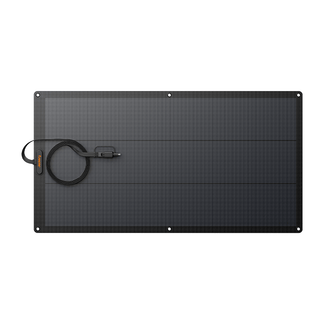
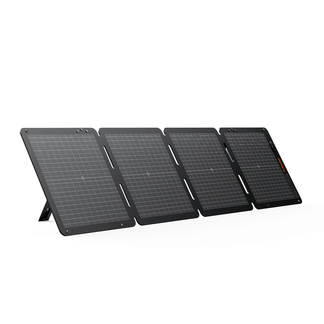
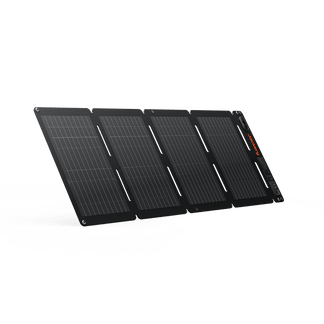
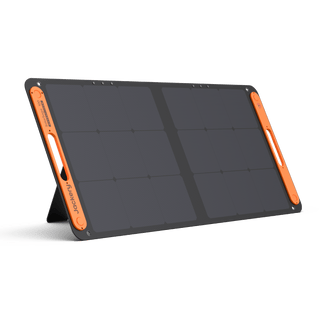
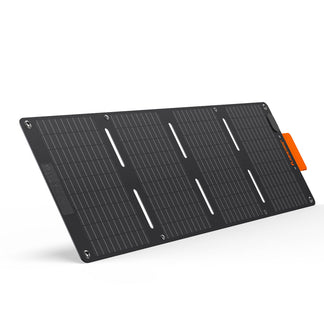
If the utility grid is down, you can recharge your battery using high-efficiency portable solar panels deployed outdoors. Run the solar cables through a window or door seal, keeping your panels in direct sunlight while your battery generator operates cleanly inside. Never bring a gas-powered generator indoors to recharge your battery bank—doing so defeats the entire safety purpose of indoor energy storage.

Scalable Indoor Power Solutions from Jackery
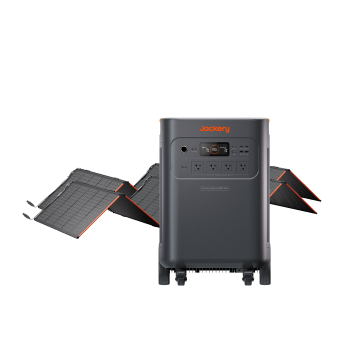
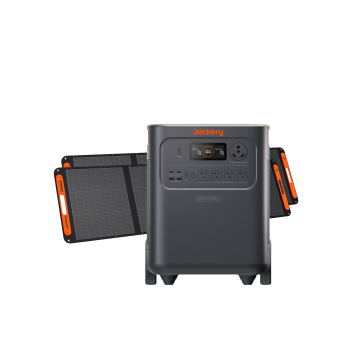
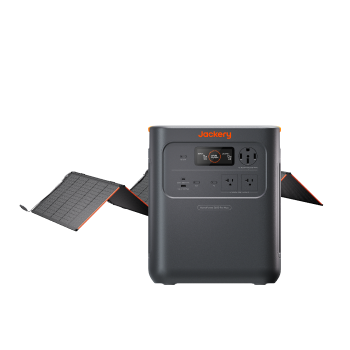
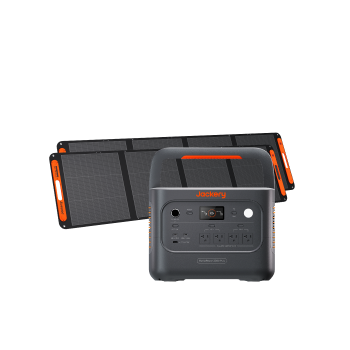
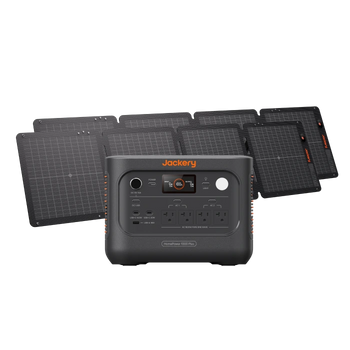
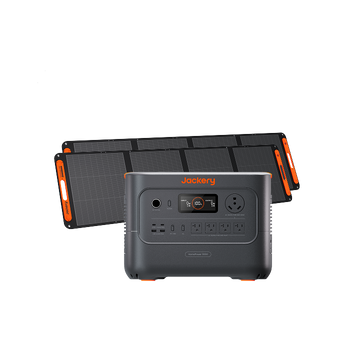
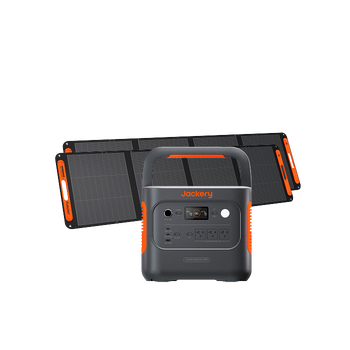
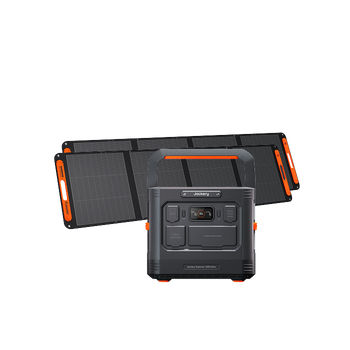
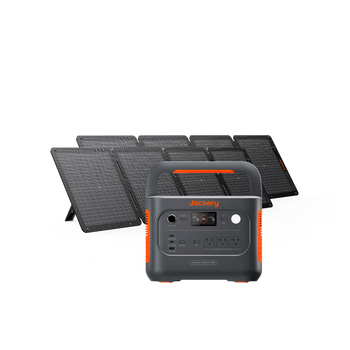
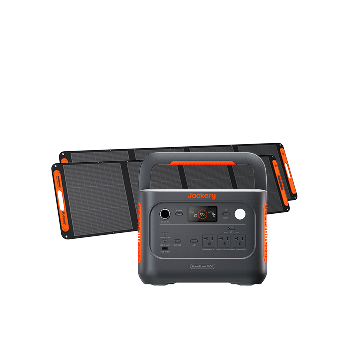
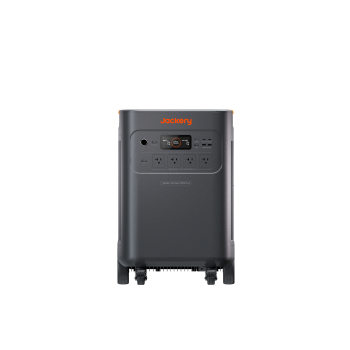
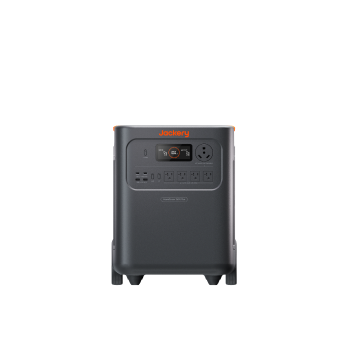
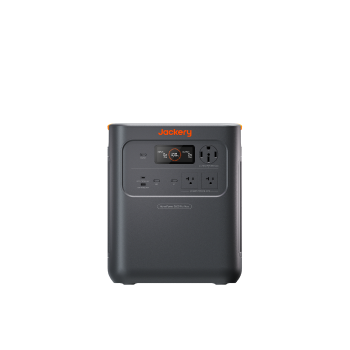
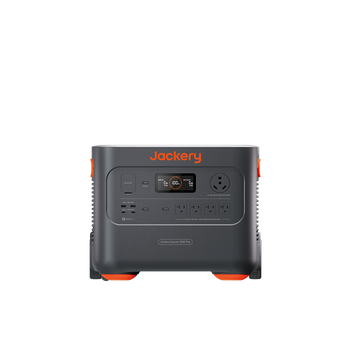
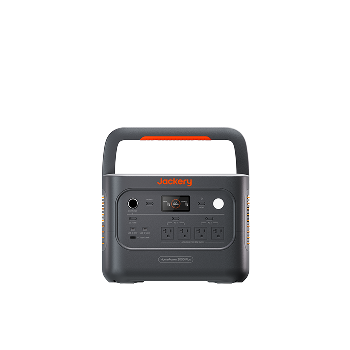
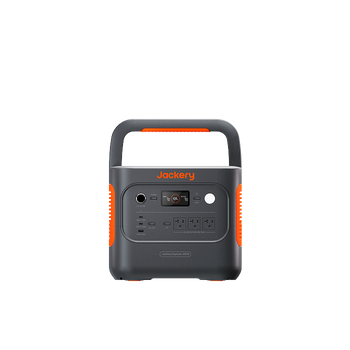
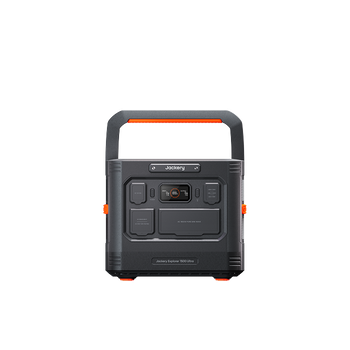
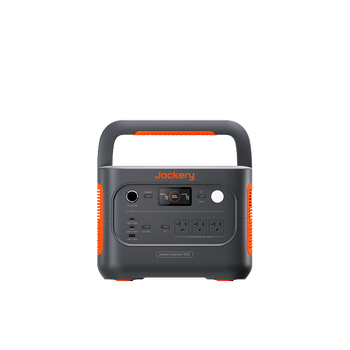
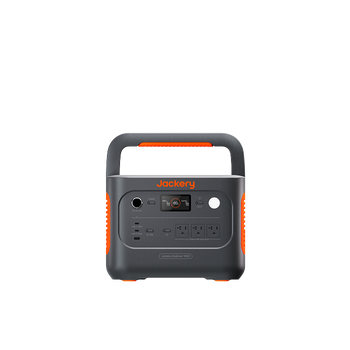
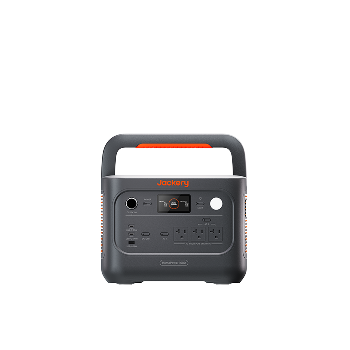
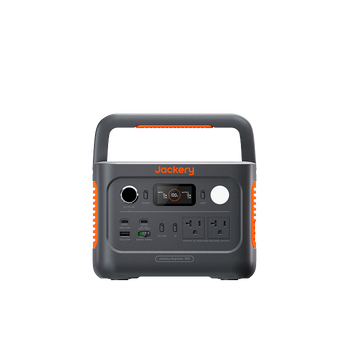
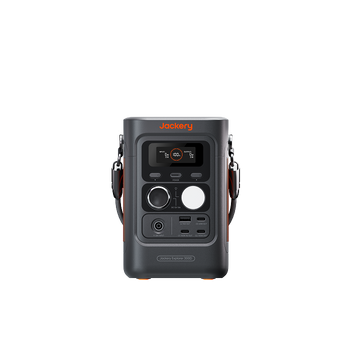
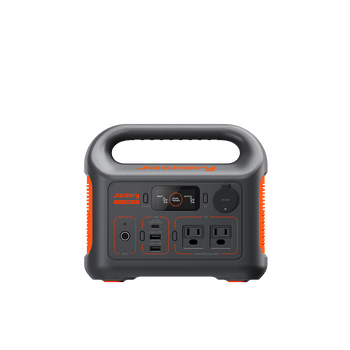
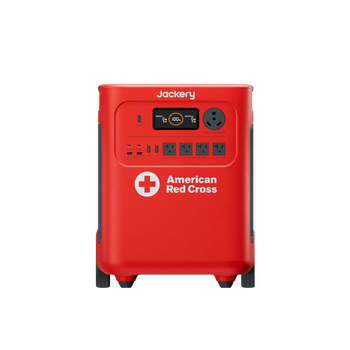
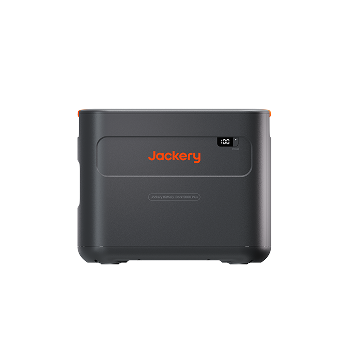
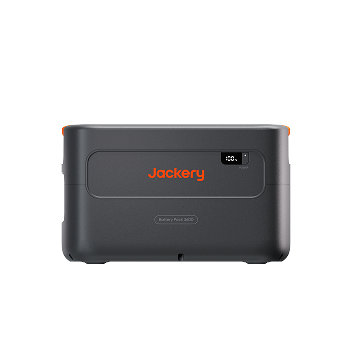
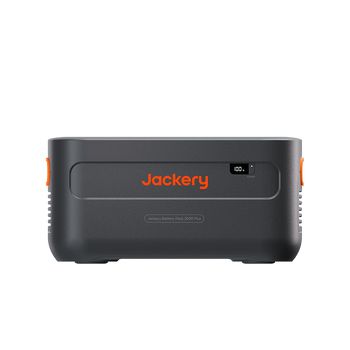
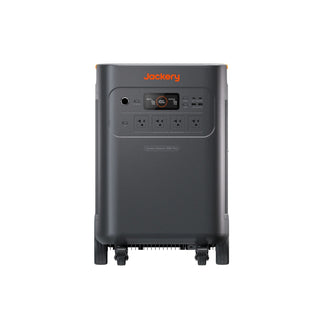
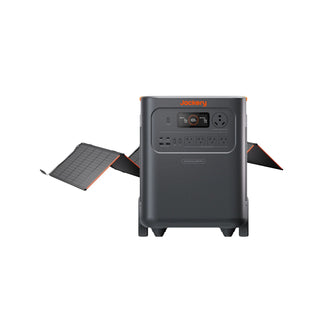
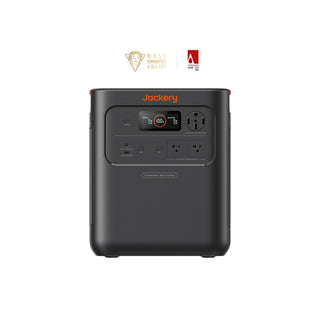
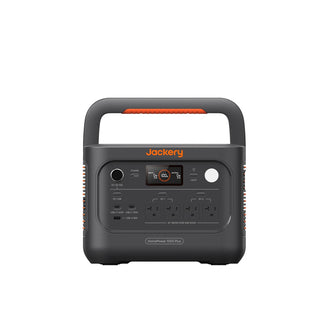
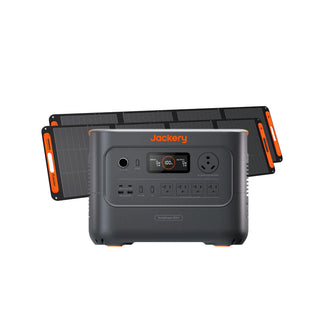
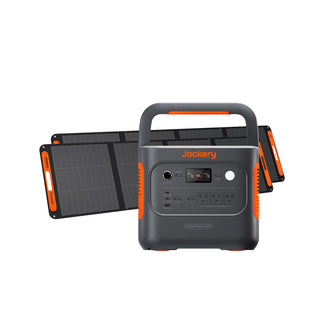
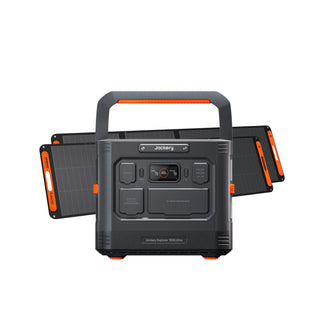
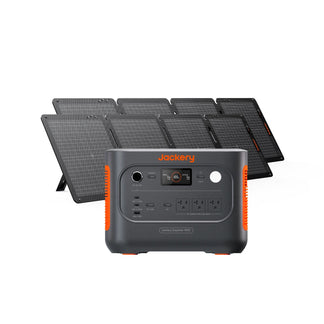
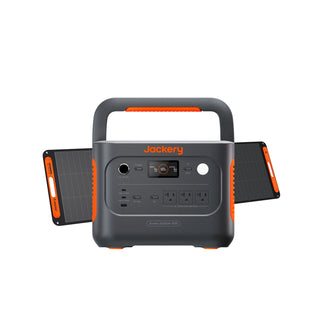
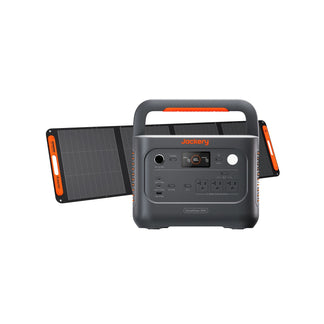
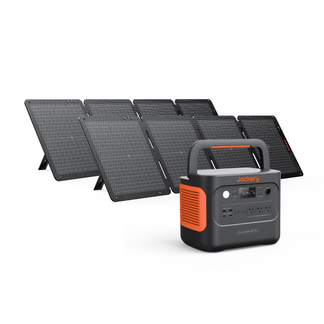
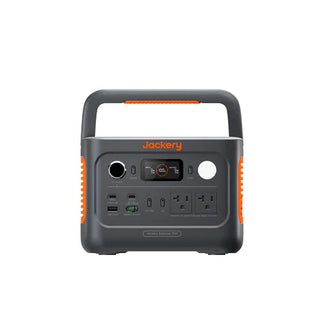
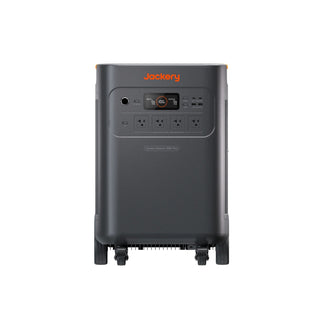
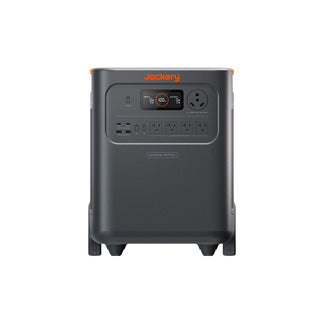
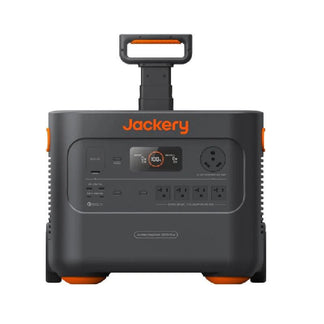
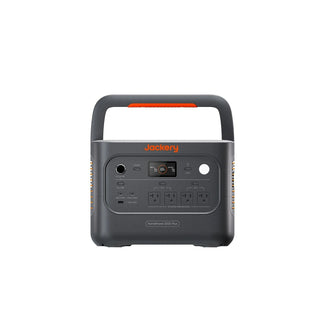
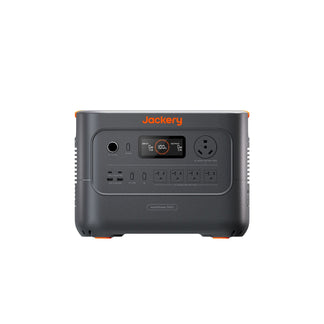
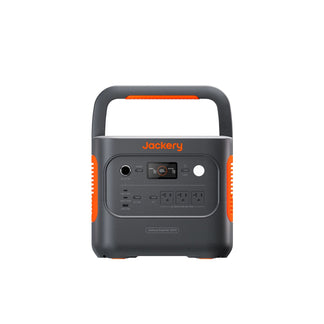
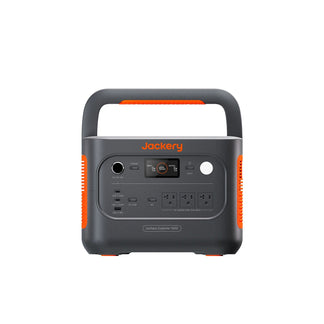
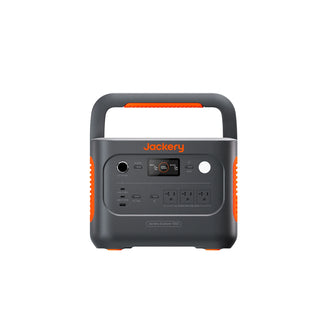
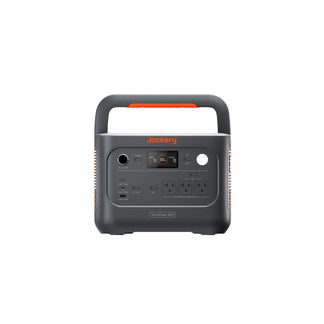
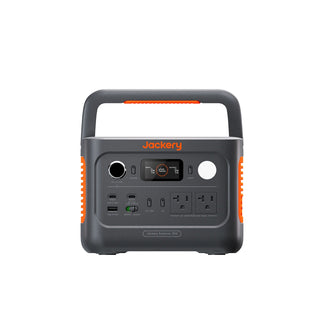
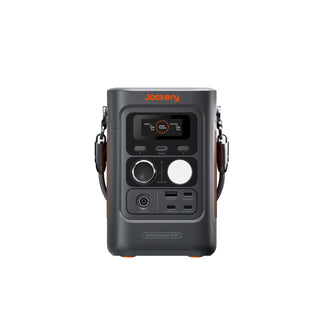
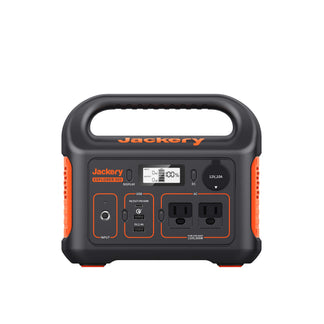
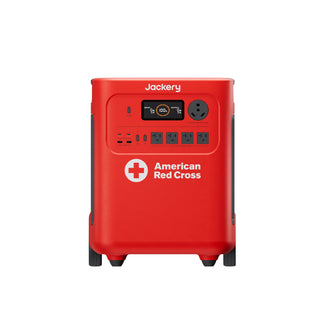
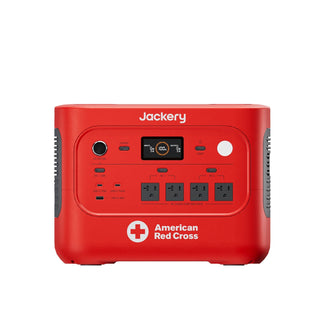
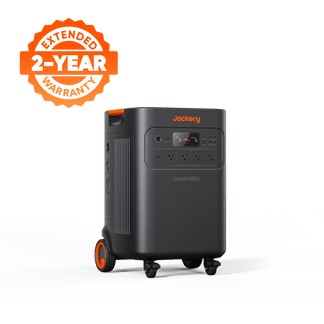
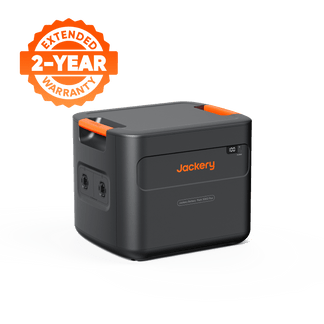
Three premium, zero-maintenance systems from Jackery utilize durable LiFePO4 chemistry and operate at ultra-quiet noise levels under 30 dB, making them ideal for indoor residential backup:
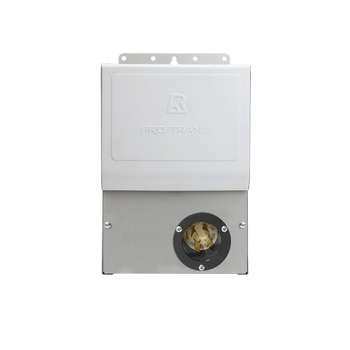
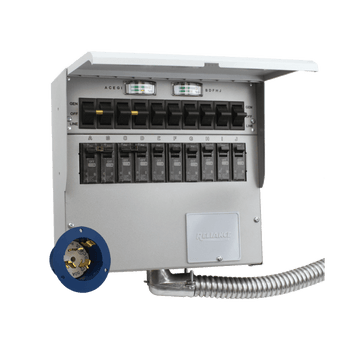
Jackery Solar Generator HomePower 3600 Plus: Delivers a 3,584 Wh base capacity (expandable up to 43 kWh) with a robust 3,600W output, easily powering your refrigerator, lights, sump pump, and router through a standard manual transfer switch. Its smart UPS features a rapid <20ms switchover to protect home office gear.
Jackery Solar Generator 5000 Plus: Houses a massive 5,040 Wh base capacity (expandable to 60 kWh) and a 7,200W split-phase 120V/240V output. This runs heavy household appliances like well pumps and water heaters safely indoors, backed by a true 0ms online UPS switchover.
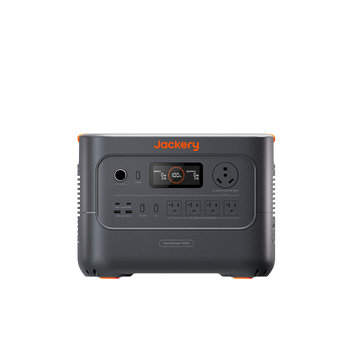
Jackery Solar Generator 2000 v2: Packs a 2,042 Wh capacity and 2,200W output in a highly portable 39.5 lb package, capable of running a standard refrigerator for 25 to 30 hours. It features an ultra-fast 1.7-hour AC wall charge to top off quickly before a storm hits.
Frequently Asked Questions
Can I use a battery generator indoors safely?
Yes. Because battery generators do not combust liquid fuels, they produce zero carbon monoxide emissions or fumes. They run silently and are equipped with advanced BMS safeguards, making them completely safe to operate indoors.
How much capacity do I need for essentials?
A typical family requires roughly 3 kWh of daily energy storage. A 2 to 3 kWh battery system can run your refrigerator, lighting, and router safely for 12 to 24 hours during an outage.
How long will it power my fridge?
A modern full-size refrigerator consumes an average of 40W to 80W of continuous power as its compressor motor cycles. A 2,042 Wh battery can keep your food safely cold for 25 to 30 hours on a full charge.
What’s the difference between battery and fuel generators?
Battery-powered generators store electrical energy cleanly in solid-state cells with zero emissions and whisper-quiet performance. Combustion fuel generators burn gasoline, propane, or diesel, generating toxic CO fumes and noise, requiring them to be operated outdoors.
Can I recharge my battery generator with solar panels indoors?
No. Solar panels require direct, unshaded outdoor sunlight to generate electricity. Always position your panels outdoors, running the MC4 cables through a window or door seal to charge your indoor battery safely.
Should I keep my battery generator at 100% charge?
Yes. Modern LiFePO4 battery management systems are designed to safely maintain a full charge. Check and top off your system's charge every 3 to 6 months to ensure readiness before an unexpected power grid failure occurs.


