







On August 26, 2026, a new executive order put the US bulk power system back in the news. If you have seen the term "bulk power system" mentioned alongside words like "national emergency" and "Department of Energy," but are not sure what any of it means for your household, you are not alone. Most of the coverage so far has been written for utility companies and compliance lawyers. This guide breaks down what the bulk power system executive order actually says, what it does not say, how it differs from a similarly named 2020 order, and what residents need to do about it.
Key Takeaways
- On August 26, 2026, Executive Order 14420 declared a national emergency over foreign equipment tied to the US bulk power system.
- The 2026 order differs from a similarly named 2020 order, which was suspended in 2021 and never substantively enforced.
- Under the 2026 US Bulk Power System Executive Order, no equipment is banned yet. DOE must publish implementing rules by roughly December 24, 2026, before enforcement begins.
- The 2026 US Bulk Power System Executive Order excludes local distribution lines, so it doesn't change what residents can buy, own, or install today.
- There is no authoritative source that ties this order to higher outage risk, though general power-outage preparedness remains sensible practice regardless.
What Just Happened With the US Bulk Power System?
On August 26, 2026, Executive Order 14420 declared a national emergency over foreign-made equipment connected to the US bulk power system and gave the Department of Energy (DOE) new authority to restrict certain future equipment transactions tied to specific foreign entities.
The order was signed August 26, 2026, and published in the Federal Register on August 31, 2026, under the citation 91 FR 55995 (Document 2026-17843). It invokes the International Emergency Economic Powers Act (IEEPA) and the National Emergencies Act. These are the same legal tools presidents commonly use to address national-security concerns tied to foreign actors, supply chains, or technology.
The order builds on a similarly titled order from 2020, but it is not the same document, and understanding that distinction matters for anyone trying to understand more about the news.
Is this the Same as the 2020 Bulk Power System Order?
No, the 2026 US Bulk Power System Executive Order is not the same as the 2020 order. In May 2020, an earlier executive order (Executive Order 13920), "Executive Order on Securing the United States Bulk Power System," raised similar concerns about foreign-sourced grid equipment. That 2020 order was suspended in early 2021 and was later revoked. It was never substantively implemented, and no equipment restrictions under it ever took effect.
The 2026 order, Executive Order 14420, is a new and separate action. It is broader in the equipment categories it names, explicitly covering items like batteries, inverters, and uninterruptible power supply (UPS) systems, along with associated software. It comes with its own rulemaking deadlines that the 2020 order never reached.
If you see the phrase "executive order on securing the United States bulk power system" elsewhere, know that it's the formal title of the 2020 order.
What is the Bulk Power System?
The bulk power system is the high-voltage transmission network with the large power lines and the generation needed to keep that network reliable and move electricity across long distances. It does not include the local distribution lines that carry electricity into an individual home.
Think of it in three layers. Power plants generate electricity. That electricity travels over the bulk power system with high-voltage transmission lines, substations, and transformers, often across state lines. Only at the very end does it step down in voltage and travel over local distribution lines, the ones on your street, into your house. The bulk power system is the middle, high-voltage layer.
Does the Bulk Power System Include the Power Lines to House?
No. The order's own definitions section excludes facilities used for the local distribution of electric energy. In practical terms, the transformer on the pole outside your house and the wires running to your meter are outside the scope of both this order and the general regulatory definition of the bulk power system.
Why Does the Bulk Power System Matter to Ordinary Electricity Users?
Even though residents never interact with the bulk power system directly, it is the backbone that moves electricity from power plants to the local grid that eventually reaches homes, so its reliability and security ultimately affect the electricity supply everyone depends on, even if the day-to-day impact is invisible.
This is why federal agencies like the Federal Energy Regulatory Commission (FERC) and the North American Electric Reliability Corporation (NERC) treat the bulk power system as a national-security and reliability priority, separate from the more visible, local parts of the grid that utilities manage directly.
What Does the 2026 Executive Order Actually Address?
The order authorizes the Department of Energy to restrict certain future purchases, imports, or installations of foreign-made bulk power equipment when that equipment is tied to a "Covered Foreign Entity" and DOE determines it poses a defined security risk. It also gives DOE authority to address some already-installed equipment that meets those same risk criteria.
According to the order's own text, transactions covered by the restriction are those initiated after August 26, 2026, involving equipment linked to a Covered Foreign Entity that poses an undue risk of sabotage, unauthorized remote access, or supply disruption, among other specified concerns.
Separately, the order does not treat already-installed foreign equipment as automatically exempt. DOE can, after making the required risk determinations, direct that certain installed equipment be identified, monitored, secured, or in some cases replaced or removed, subject to considerations like grid reliability and service continuity.
What Kind of Equipment Does the Order Cover?
The equipment categories named in the order include items like transformers, grid-connected inverters, battery energy storage systems, uninterruptible power supply (UPS) systems, generators, protective relaying equipment, and the software or firmware associated with that equipment.
Coverage is not automatic for every foreign-made item in these categories. The equipment has to be tied to a Covered Foreign Entity and meet the order's specific risk criteria before any restriction applies.
The order's "Covered Foreign Entity" concept is central to how narrowly or broadly it ends up applying in practice, but the precise scope of that determination (which entities qualify, and under what circumstances) is exactly the kind of detail the order leaves to the Department of Energy's forthcoming rulemaking.
What is the Timeline for this Order?
The order sets two rulemaking clocks. The Department of Energy has 120 days from August 26, 2026, to late December 2026 for publishing the rules that will implement these authorities in practice. Separately, DOE has 180 days to deliver recommended revisions to the Federal Acquisition Regulation (FAR) for federal procurement purposes, after which the FAR Council has additional time to consider those recommendations.
Until those implementing rules are published, the operative text is the order itself. There is no published equipment list, compliance checklist, or finalized enforcement process yet.
What Does the 2026 US Bulk Power System Executive Order Mean for Residents Right Now?
For most residents, the 2026 US bulk power system executive order does not change anything immediately. It does not ban any specific consumer product, does not affect equipment already installed in a typical home, and does not apply to local distribution equipment or everyday household electronics. Any downstream effects will unfold gradually, mainly at the utility and industrial-equipment level, once DOE publishes its implementing rules.
Does the 2026 US Bulk Power System Executive Order Mean Household Power Outages are More Likely?
No, there is no authoritative source that has stated that the bulk power system order makes household power outages more likely. The order is a forward-looking security measure focused on future equipment purchases and the security of already-installed equipment tied to specific foreign entities. It is not a response to, or a warning about, any current reliability event.
What is the Difference Between the Bulk Power System and the Bulk Electric System?
"Bulk Power system" (BPS) is the broader, functional term used in federal law and in this executive order. It covers the facilities needed to run the interconnected transmission network, without a single fixed voltage threshold, and it excludes local distribution. "Bulk electric system" (BES) is a more specific, engineering-oriented term defined by NERC, generally covering transmission elements at 100 kV or higher, used specifically for reliability-standard compliance. The two terms overlap heavily in everyday use but are not perfectly interchangeable.
How Should Residents Interpret Headlines About "Grid Security"?
Headlines about "grid security" or "bulk power system" orders are almost always about high-voltage transmission equipment and industrial supply-chain policy and not a signal about any individual household's electricity service. They typically reflect long-term federal planning around supply chains and cybersecurity and not an announcement of immediate operational change.
When a grid-security headline appears, ask whether it is describing equipment-level federal policy (which this order is) or an actual operational event, like a storm-driven outage or a utility-specific incident (which this order is not). The two get conflated often, especially in the first news cycle after an announcement like this one.
Residents can also check whether a claim is describing what a document currently says versus what might happen once implementing rules are published. For a topic like this one, where the concrete rules are not yet published, the most reliable information is the order's own text and confirmed agency timelines.
What Should Residents Actually Do Right Now?
There is no action required of residents because of this specific order. It targets federal procurement and utility-level equipment decisions rather than household purchases. What residents can reasonably do is stay generally informed through their utility and government channels, and maintain ordinary power-outage preparedness, which is sensible practice independent of this news.
What Can Residents Do to Prepare for Power Interruptions in General?
Good power-interruption preparedness, regardless of any specific news event, usually comes down to three things: knowing how to get real-time outage information from your utility, keeping a basic emergency kit on hand, and considering an essential home backup power source sized to your household's actual needs.
For a real, in-progress outage, the most useful sources are the US power outage map, your state or local emergency management agency, and weather alerts from the National Weather Service or NOAA when the outage is storm-related. These are general-purpose channels worth bookmarking now, before you need them.
What Can Residents Do to Prepare for Power Interruptions?
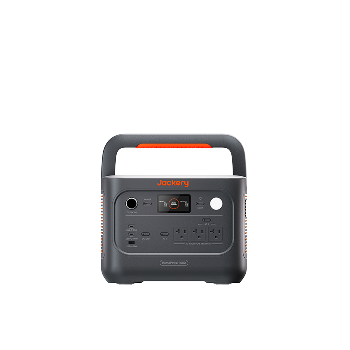
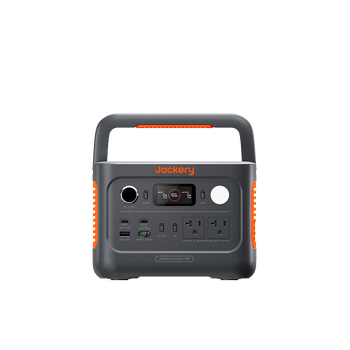
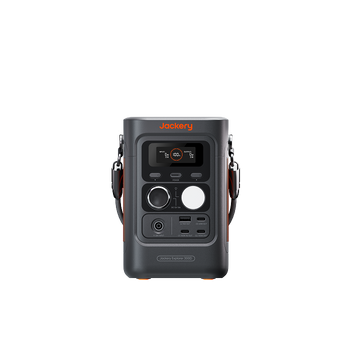
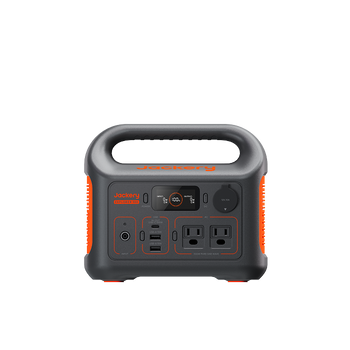
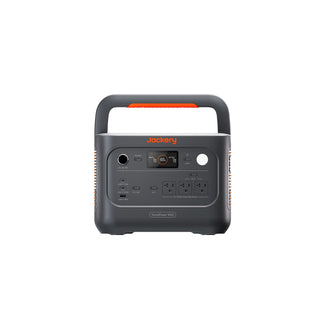
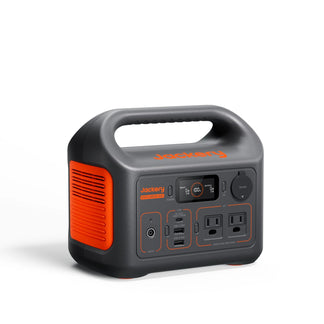
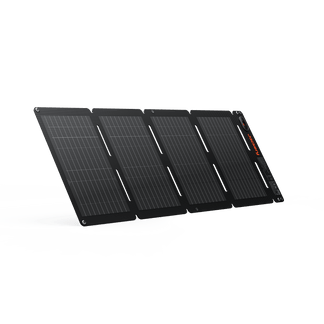
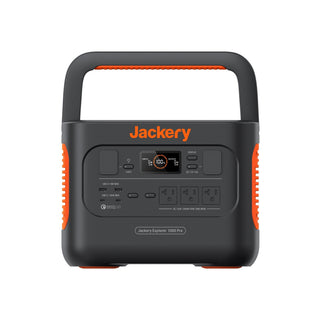
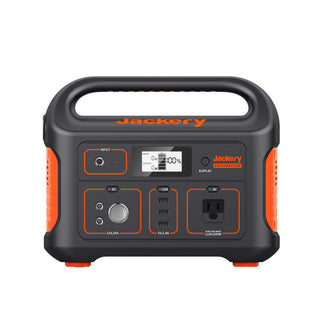
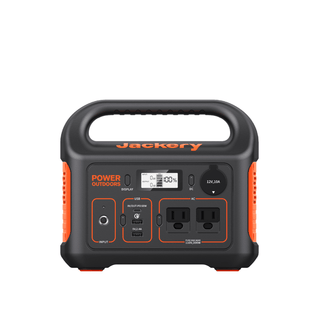
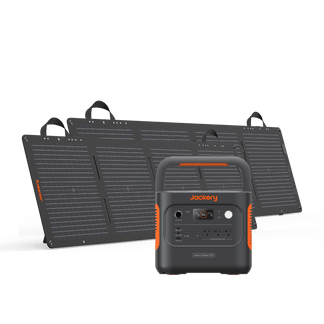
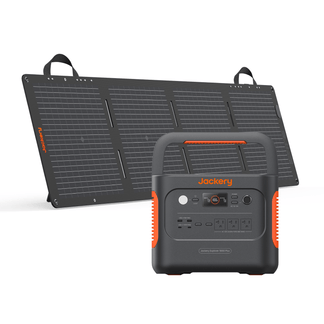
Portable power stations are one item alongside flashlights, drinking water, a battery-powered radio, and a basic first-aid kit that households commonly keep on hand for outages of any cause, whether that is a storm, a local equipment failure, or planned utility maintenance. Solar generators are a household-level tool for keeping individual devices and appliances running during a local outage and not a response to, or a substitute for, grid-level or bulk power system reliability.
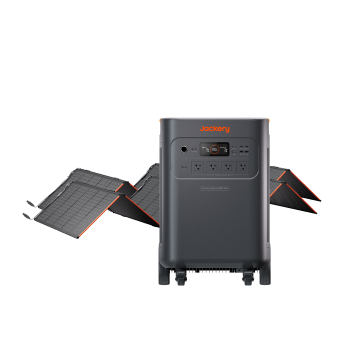
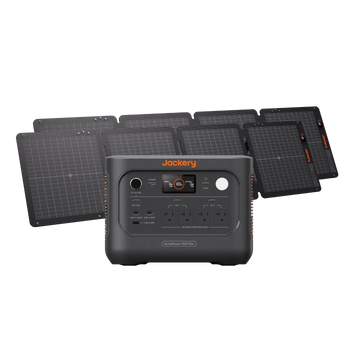
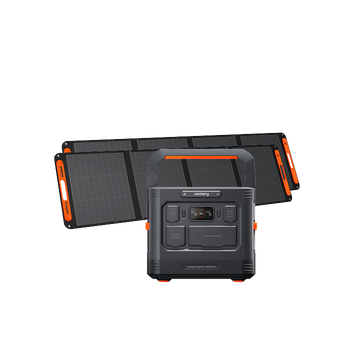
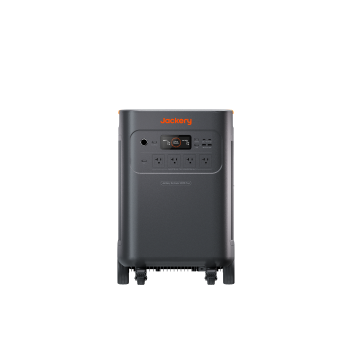
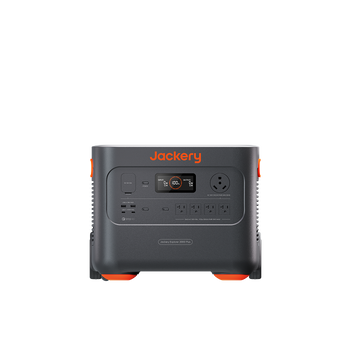
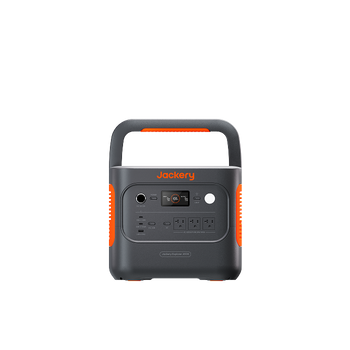
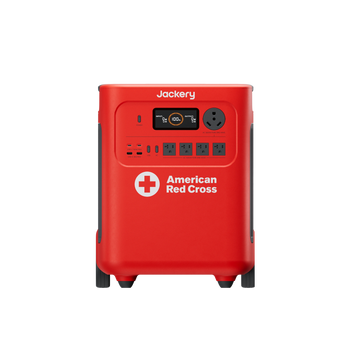
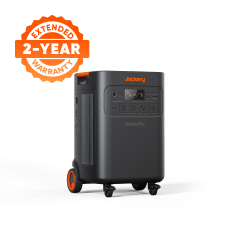
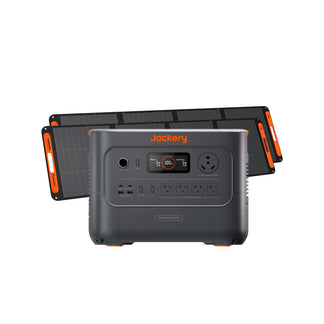
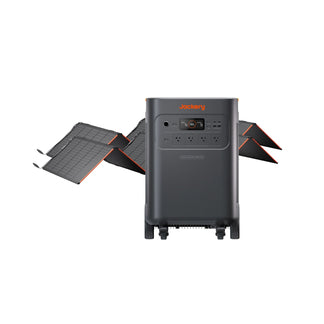
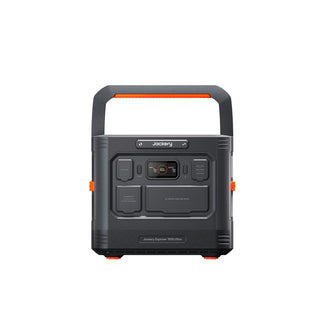
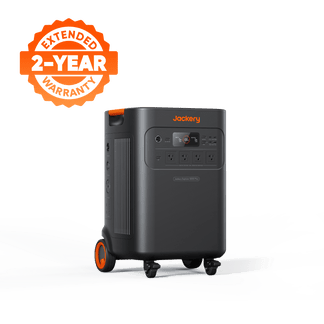
Jackery Solar Generator 5000 Plus
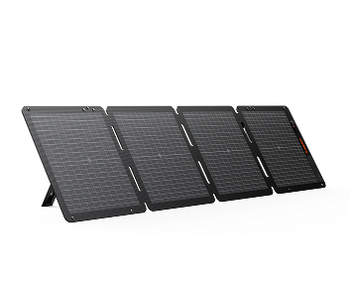
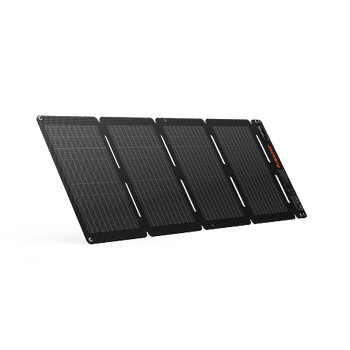
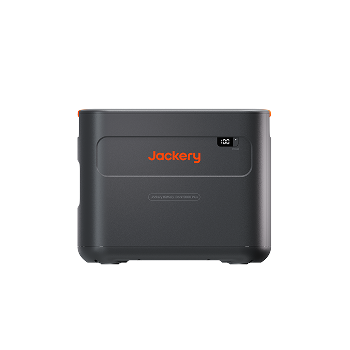
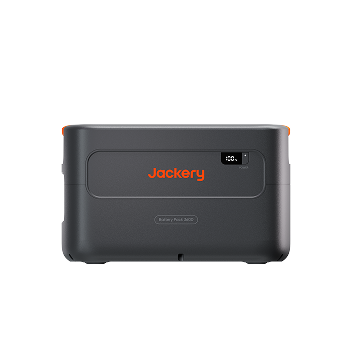
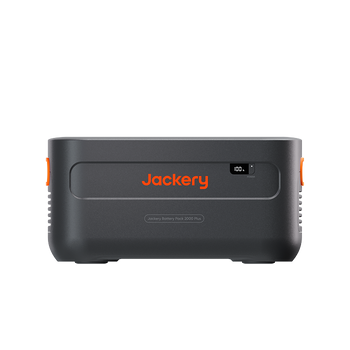
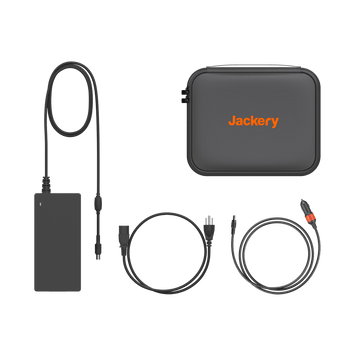
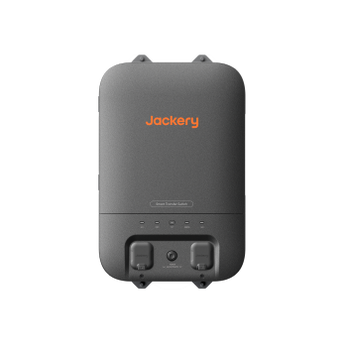
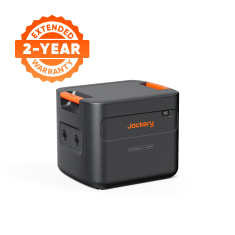
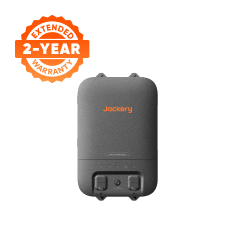
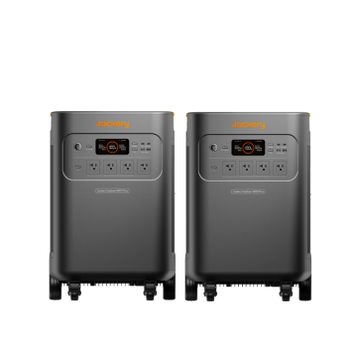
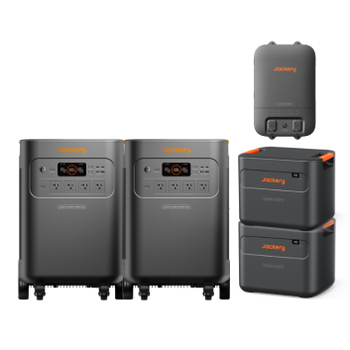
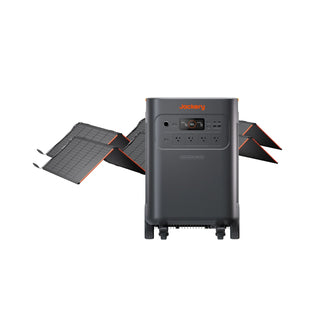
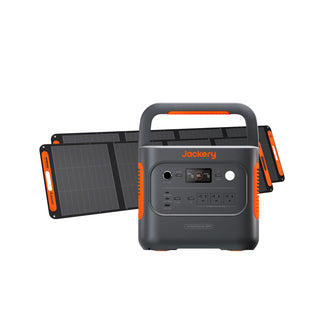
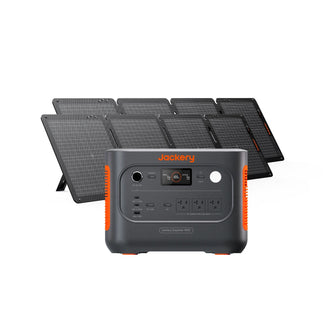
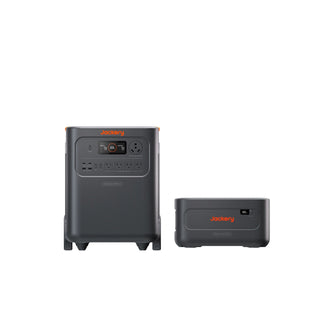
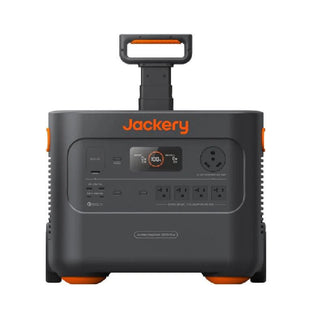
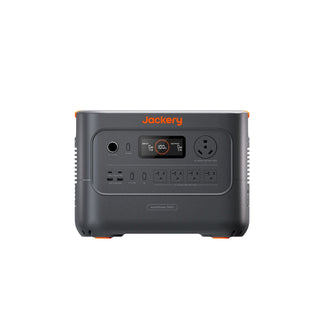
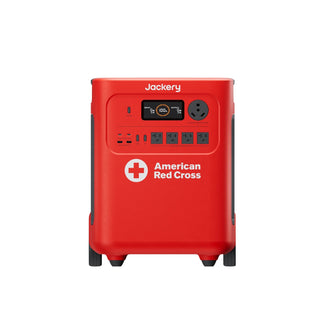
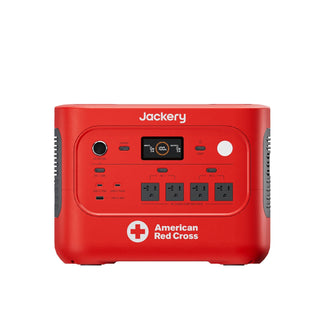
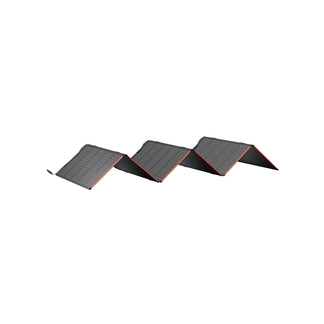
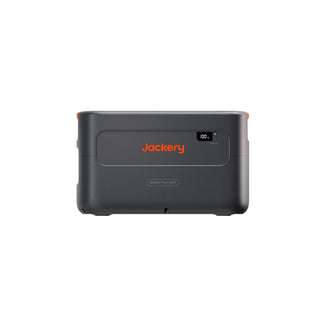
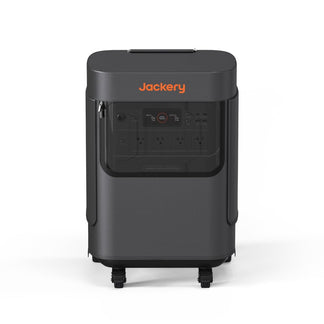
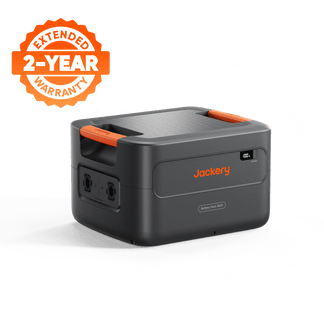
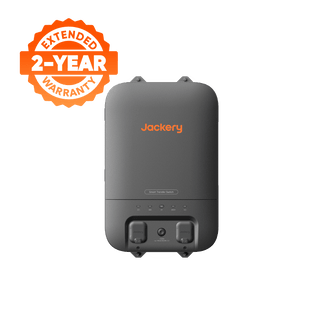
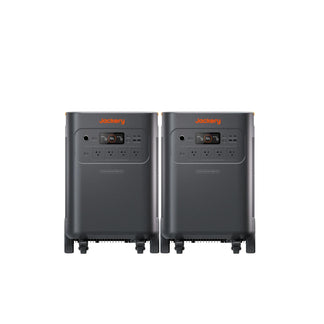
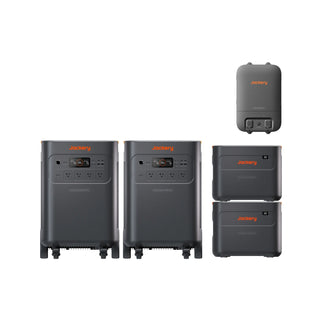
If you have a larger home or a household that wants to be better prepared for an outage lasting several hours or more, the Jackery Solar Generator 5000 Plus can keep several essential appliances going at the same time. It makes sense for families that do not want to choose between keeping food cold, running fans, charging devices, and staying connected during an extended interruption. This essential home backup solution can also be expanded from 5kWh to 60kWh with add-on battery packs and another unit in parallel to power appliances during long power outages.
Appliance Running Time:
- Refrigerator (200W) = 17.1H
- Fan (75W) = 34.5H
- TV (100W) = 28.6H
- Wi-Fi router (10W) = 71.4H
- LED lights (60W) = 38.9H
Who Should Buy It
The Jackery Solar Generator 5000 Plus is ideal for larger households, homeowners in areas with frequent or lengthy outages, and residents who want to keep several appliances running instead of only a few essentials.

Customer Review
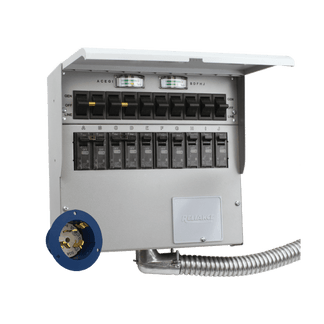
Love my jackery solar generator and smart transfer switch. I have already put it to use to offset reliance on the grid and stand ready for any outages.
— Gmeghoo.
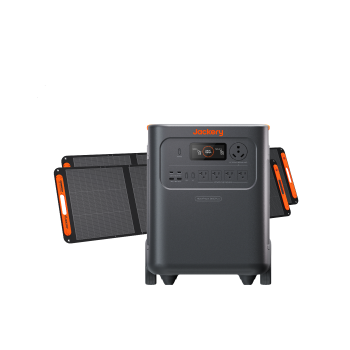
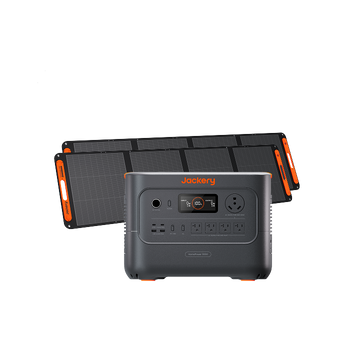
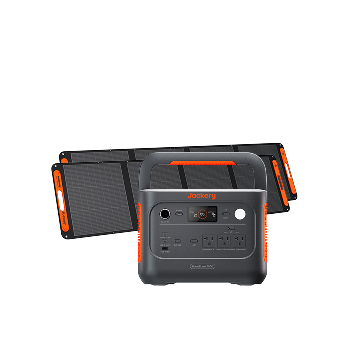
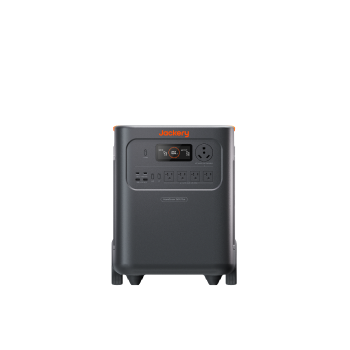
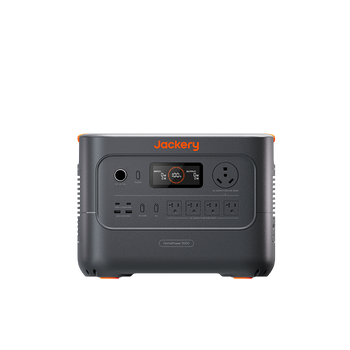
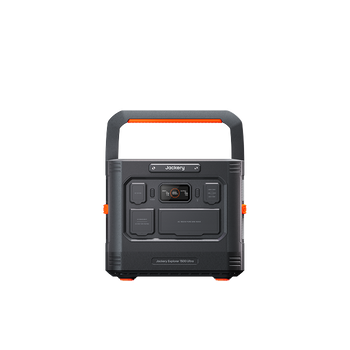
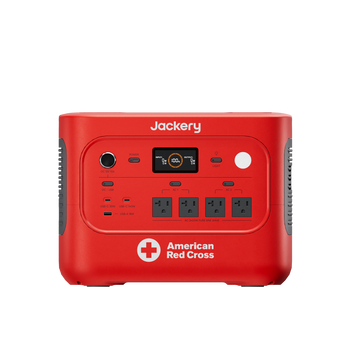
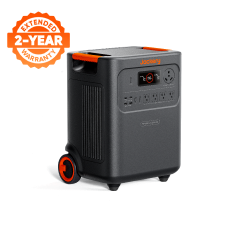
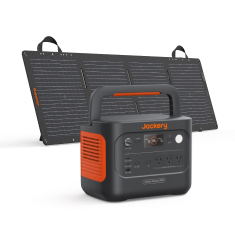
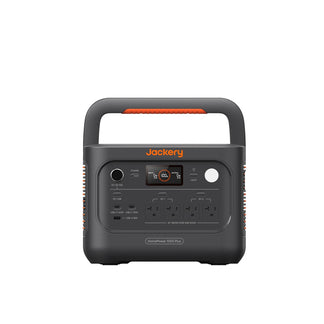
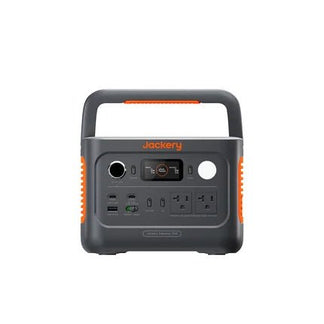
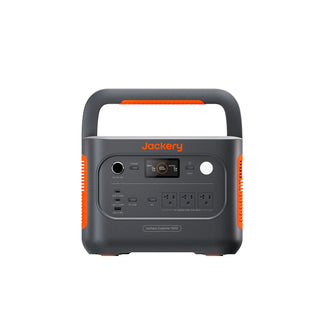
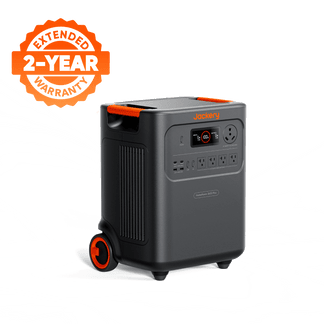
Jackery Solar Generator HomePower 3600 Plus
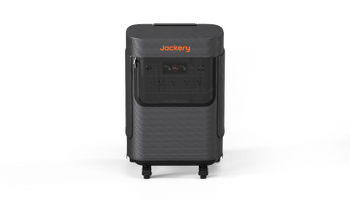
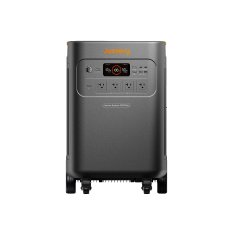
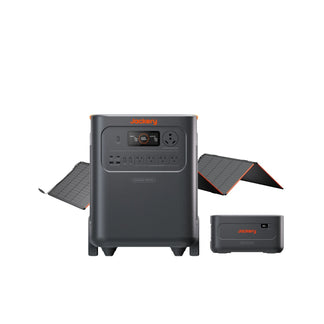
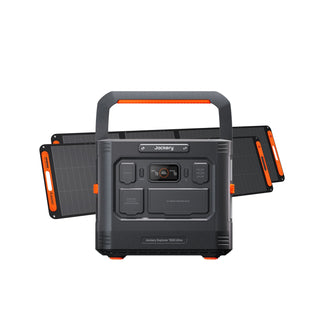
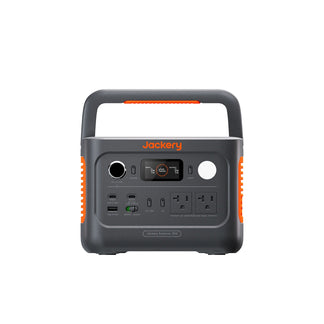
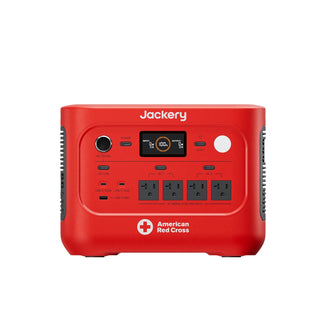
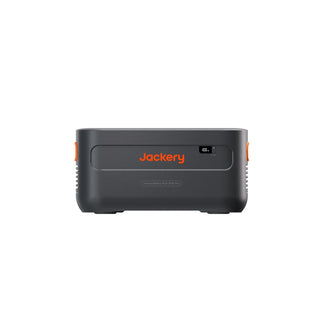
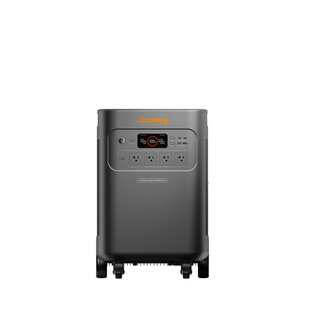
The Jackery Solar Generator HomePower 3600 Plus is a practical choice for households that want an essential home backup power without choosing the largest option. It can handle everyday outage essentials such as keeping the refrigerator cold, running fans, watching TV, charging phones and laptops, and keeping the home's internet connection available. It is particularly useful when an outage lasts long enough that a small portable battery is no longer enough. It also features a pull rod and double wheels to drag the solar generator from one room to another.
Appliance Running Time:
- Refrigerator (200W) = 13.7H
- Fan (75W) = 31.4H
- TV (100W) = 25.0H
- Wi-Fi router (10W) = 95.2H
- LED lights (60W) = 37.2H
Who Should Buy It
The Jackery Solar Generator HomePower 3600 Plus is ideal for average-size households that want reliable backup for essential appliances and electronics during routine blackouts, storms, and longer power interruptions.

Customer Review
We have already used it for our refrigerator twice for brief black outs but were so happy to have it. Kept fridge running perfectly and was also useful to charge my phone. I know it won't work for more than 2 days but hopefully that will be enough.
— Vanna A.
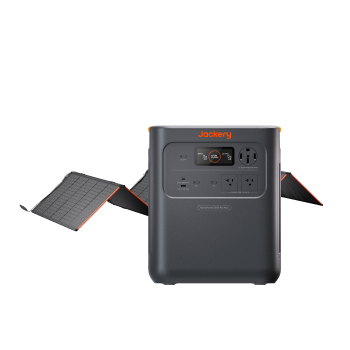
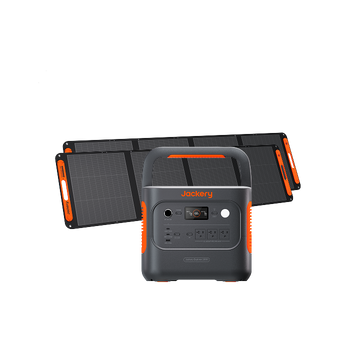
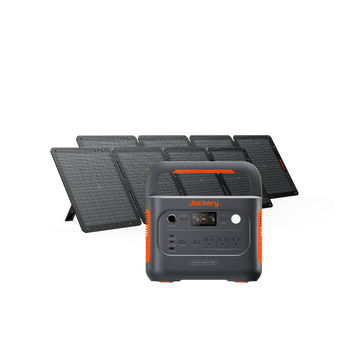
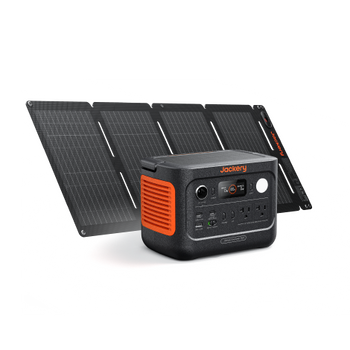
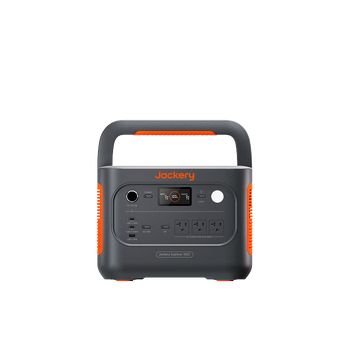
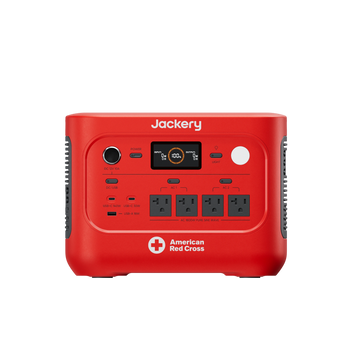
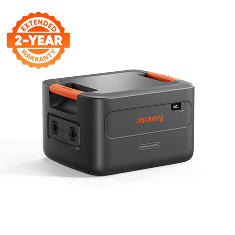
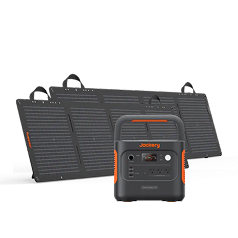
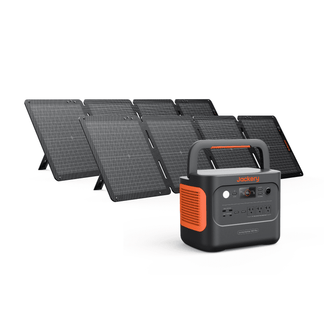
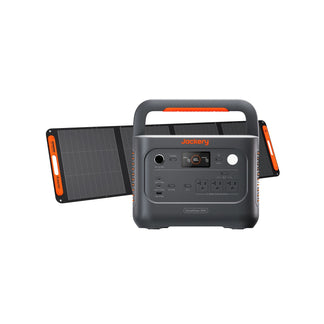
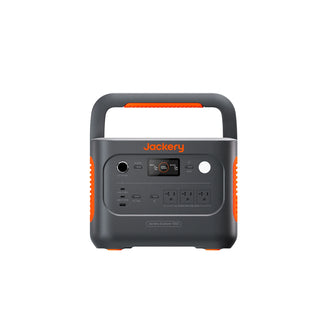
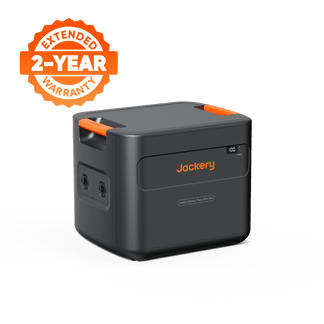
Jackery Solar Generator HomePower 3000
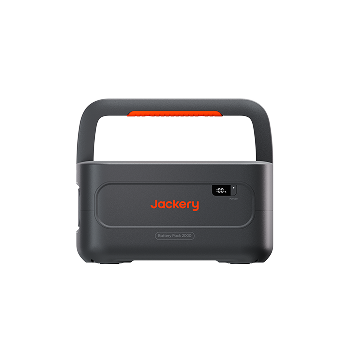
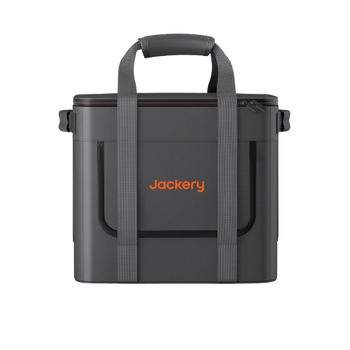
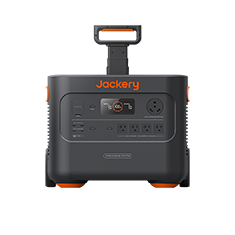
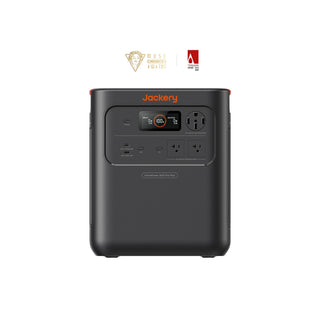
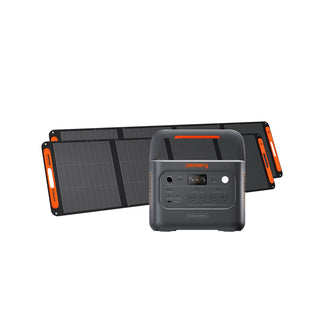
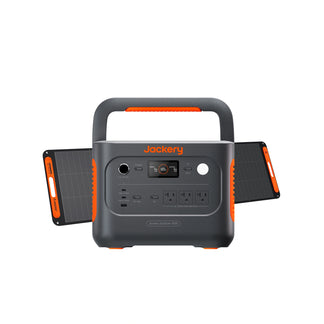
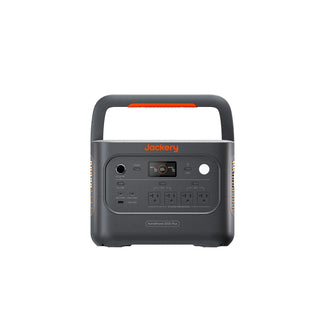
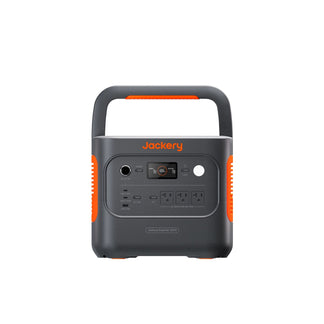
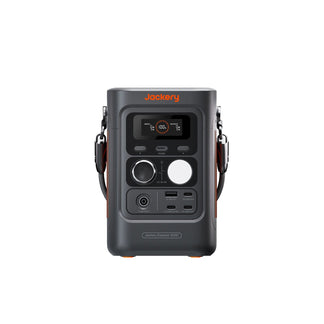
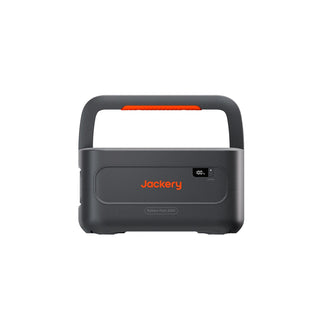
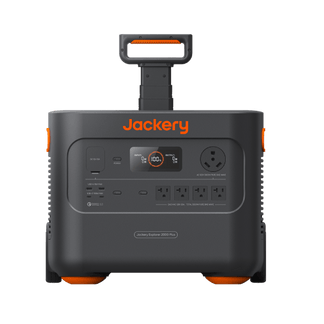
The Jackery Solar Generator HomePower 3000 is a good fit when the goal is to keep the basics of a home running rather than trying to power everything. During an outage, residents can use it for essentials such as the refrigerator, lights, fans, TV, internet equipment, and device charging. It is a sensible option for households that want more backup than a small portable power station can provide but do not need expansion. The home battery backup solution has a dual-sided handle that ensures easy movement from one place to another.
Appliance Running Time:
- Refrigerator (200W) = 11.8H
- Fan (75W) = 26.9H
- TV (100W) = 21.4H
- Wi-Fi router (10W) = 81.6H
- LED lights (60W) = 31.8H
Who Should Buy It
The Jackery Solar Generator HomePower 3000 is suitable for smaller households, apartment residents, and anyone primarily looking to protect essential appliances and stay connected during short- to medium-length outages.

Customer Review
We took this to go camping, charging various devices and such, and it lasted for 7 days before having to recharge it again. I like the fact that it automatically shuts off the cable that didn't work. We haven't used solar power yet. Will definitely use it for the house when there is a blackout.
— Alanna.
Frequently Asked Questions
When did Executive Order 14420 officially take effect?
The 2026 bulk power system executive order was signed on August 26, 2026, and its prospective transaction restrictions apply to activity initiated after that date, even though DOE's detailed implementing rules aren't due until roughly December 24, 2026.
What is a "Covered Foreign Entity" under the order?
The order defines it as a country, or any person owned, controlled, or directed by a foreign government subject to a US arms embargo or sanctions regime, or one the Secretary of Energy separately determines poses a national-security risk. DOE's forthcoming rules will reveal which specific entities qualify.
Does the order apply to residential rooftop solar panels?
The order's named equipment categories are aimed at utility- and industrial-scale bulk power system equipment and not typical behind-the-meter residential rooftop solar panels. The exact boundaries of that scope will become clearer once DOE publishes its implementing rules.
Could this order raise electricity prices for consumers?
No authoritative source has quantified a price impact at this stage. The order targets future equipment purchases at the utility and industrial level, and any downstream cost effects would depend on rules DOE has not yet published.
Is any specific equipment banned immediately?
No, the order does not ban any specific equipment. The order authorizes future restrictions once DOE makes formal risk determinations and publishes implementing rules. As of August 2026, no specific equipment list or ban exists.
Conclusion
The 2026 Bulk Power System Executive Order 14420 is a forward-looking supply-chain and security measure aimed at the high-voltage equipment utilities and grid operators buy. As of now, there is nothing banned and no resident needs to take any action because of it. The most useful response, for now, is simply to stay informed as DOE's rulemaking unfolds over the coming months, and to treat general outage preparedness, including having reliable backup power on hand, as good practice regardless of what any single headline says.
Note: This article reflects the text of Executive Order as published in the Federal Register (91 FR 55995) and publicly available agency and product information as of early September 2026. It is intended as general informational content and does not constitute legal advice on compliance obligations, which will depend on rules the Department of Energy has not yet published.


