





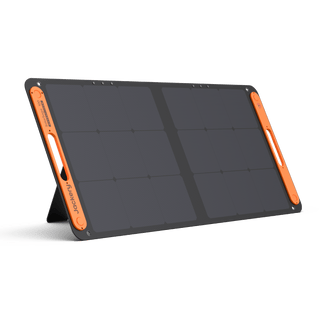
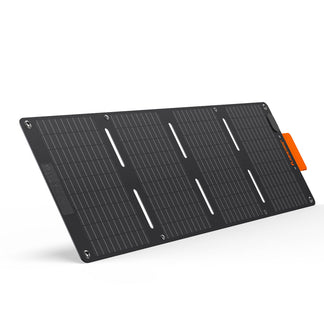
![[Add-on] Jackery SolarSaga 500 X - Jackery](http://www.jackery.com/cdn/shop/files/add-on-jackery-solarsaga-500-x-1493607.webp?v=1786503068&width=324)
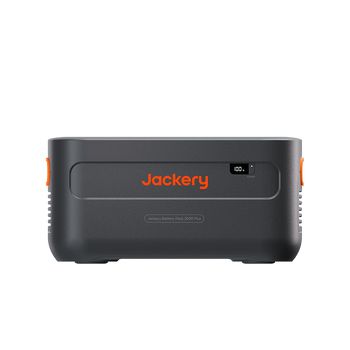
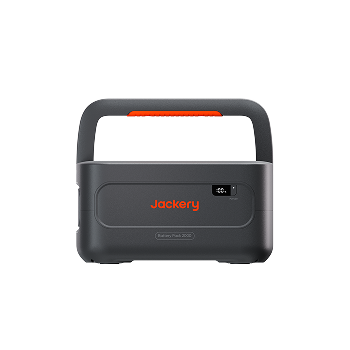
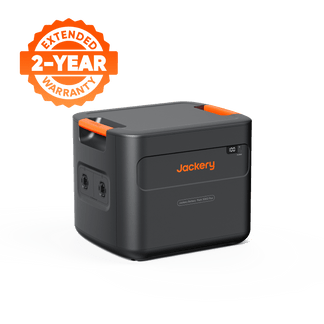
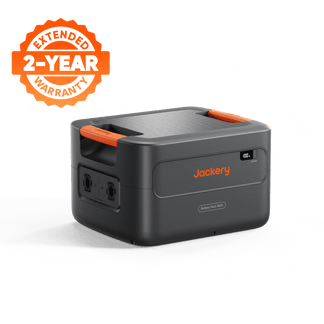
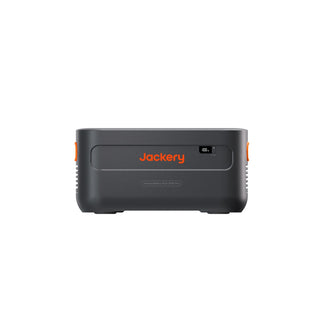
![[Add-on] Jackery Battery Pack 5000 Plus - Jackery](http://www.jackery.com/cdn/shop/files/add-on-jackery-battery-pack-5000-plus-6713401.webp?v=1786503068&width=324)
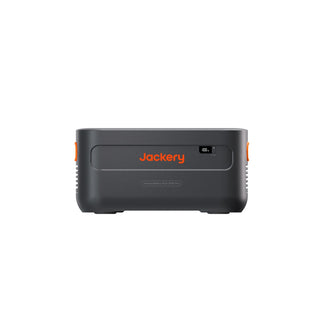
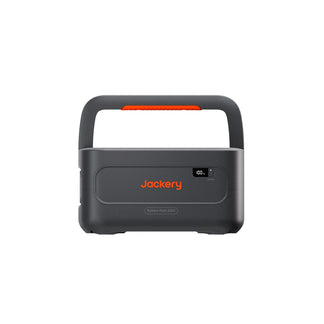
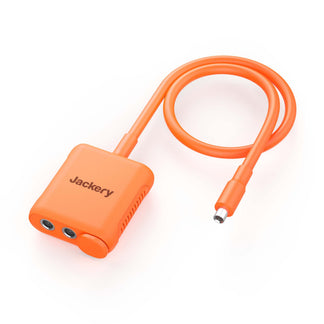

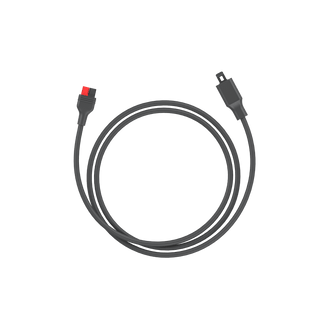
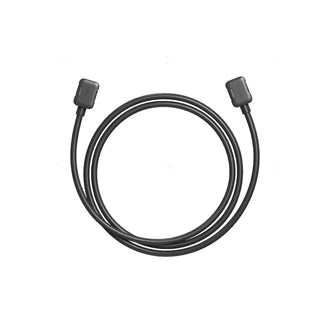
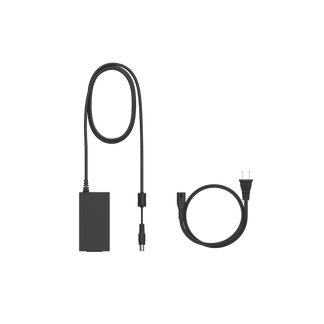
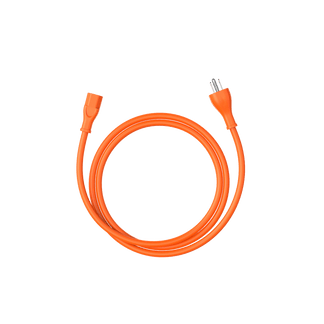




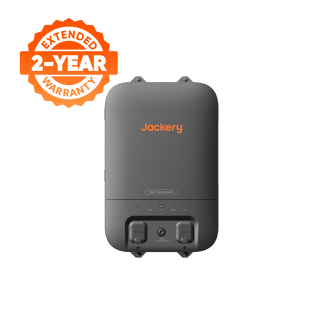
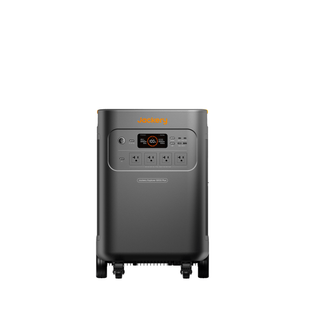
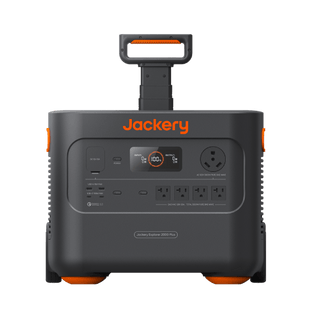
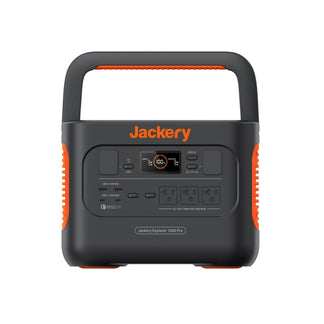


A reliable DC power supply delivers a stable, unidirectional voltage—there is no alternating flip-flop, just a steady, continuous push in one direction. Every modern electronic device you own relies on a direct current source. Whether that power comes from a chemical battery, a rooftop solar panel, or an adapter that converts standard 120V AC wall power into a clean, predictable DC output, the core engineering principle remains the same.
When selecting a power source, you set the target voltage while the actual current is determined dynamically by your load’s internal resistance. This fundamental relationship defines how you select, size, and troubleshoot these electrical workhorses. Designing your system with adequate current headroom prevents performance degradation and keeps your sensitive electronics fully protected. This guide will walk you through direct current fundamentals, conversion processes, selection specs, and modern home backup applications.
AC vs. DC: From Edison vs. Tesla to Modern Microgrids
The historical War of the Currents between Thomas Edison and Nikola Tesla is legendary. While Tesla's high-voltage alternating current (AC) won the battle to dominate the high-voltage transmission grid over long distances, direct current (DC) has staged a quiet, powerful renaissance. Today, nearly every clean technology we rely on—including LEDs, electric vehicles, high-efficiency data centers, and high-voltage DC (HVDC) subsea transmission links—operates natively in DC.
To explore the historical background of this infrastructure transition, review the U.S. Department of Energy’s War of the Currents overview.
Today, modern microgrids increasingly hybridize AC and DC distribution to capture massive efficiency gains from both transmission topologies.
An HVDC link can transport gigawatts of power over long distances with significantly lower line losses than an equivalent AC line. Closer to home, your laptop's USB-C charger and the solar inverter mounted on your garage wall are both advanced DC power supplies in disguise. By keeping electricity in its native DC form from generation to storage, modern architectures eliminate the efficiency losses associated with multiple conversion steps, proving that both AC and DC have won their respective places in our energy future.
[Rooftop DC Solar] ──> [DC Battery Storage] ──> [DC-to-DC Converter] ──> [DC Home Loads]
How AC-to-DC Conversion Works
Because standard U.S. wall sockets deliver 120V AC electricity at 60 Hz, and microchips require steady DC voltages like 3.3V, 5V, or 12V, converting alternating current to direct current is essential. This conversion is handled by specialized internal architectures:
Traditional Linear Power Supply Topology
- Transformation: Steps down the high-voltage 120V AC input to a lower, safer AC voltage using a heavy mains-frequency copper transformer.
- Rectification: Uses a semiconductor diode bridge to flip the negative half-cycles of the AC wave into positive cycles, converting AC into a pulsating DC waveform.
- Filtering: Smooths out these sharp electrical pulses using large capacitors and inductors, reducing the AC "ripple" to a steady level.
- Regulation: Provides the final voltage cleanup. A linear regulator dissipates excess voltage as heat to maintain a rock-steady, noise-free output.
Modern Switched-Mode Power Supply (SMPS) Stage Sequence
To achieve higher efficiency and a compact footprint, modern devices rely on an SMPS, which processes current in a different order:
- Input Rectification & Filtering: Direct-rectifies the incoming AC mains voltage into high-voltage DC.
- High-Frequency Switching: "Chops" this high-voltage DC into high-frequency square waves (operating from tens of kHz to MHz) using high-speed transistors.
- High-Frequency Step-Down Transformation: Passes the high-frequency AC through a miniature, lightweight transformer to step down the voltage.
- Output Rectification & Filtering: Rectifies and filters the low-voltage, high-frequency pulses to output ultra-stable, high-efficiency DC.
When a regulated supply's output voltage drops under a heavy load, it typically indicates that the current limit has kicked in, forcing the system into Constant Current (CC) mode to protect the internal circuitry from overheating. To understand these conversion steps and selection criteria in detail, check out our ultimate guide to AC-to-DC power supplies.
Types of DC Power Supplies
Direct current power supplies are classified into four primary architectures based on their internal circuitry and application:
- Linear Power Supplies: Deliver the cleanest possible output voltage with extremely low ripple and noise (often sitting below 1 mV). However, they are heavy, inefficient, and dissipate significant heat, making them best suited for sensitive audio equipment and laboratory reference standards.
- Switched-Mode Power Supplies (SMPS): Offer the opposite trade-off. They are highly compact, lightweight, and typically operate at over 80% efficiency, making them the standard choice for phone chargers, computers, and industrial equipment.
- Unregulated Power Supplies: Simply output raw, filtered DC without any active voltage stabilization, meaning their output voltage will sag as the load’s current draw climbs.
- Bidirectional Power Supplies: Can both source and sink direct current, making them highly valuable for battery cell simulation and testing charge/discharge cycles.
For sensitive prototype development and daily electronic testing, always choose a regulated DC power supply with built-in overvoltage, overcurrent, and thermal shutdown protections. Reliability under continuous-duty loads is far more valuable than a low price tag; a cheap supply that fails under a 90% load can easily destroy your connected prototype circuits.
Key Specifications for Choosing a DC Power Supply
Selecting the right power supply requires analyzing several key specifications to match your exact device requirements:
- Voltage and Current Limits: Your supply's output voltage must match your device's voltage rating exactly. The current rating represents a maximum ceiling; a device rated for 12V 2A will draw exactly 2 Amps from a 12V 10A supply. Getting this backward (connecting a 10V supply to a 12V device) will starve your device, while overvoltage will instantly destroy it.
- Ripple and Noise: Measures the leftover AC electrical noise riding on your DC output. Linear supplies keep this under 1 mV, which is mandatory for high-gain analog circuits, while high-quality SMPS units keep it under 10–20 mV, which is acceptable for standard digital logic.
- Load and Line Regulation: Load regulation dictates how much the output voltage shifts when transitioning from a no-load state to a full-load state (a quality bench supply should display less than a 0.01% change). Line regulation measures voltage stability when the incoming AC line fluctuates.
- Built-In Protections: Look for systems equipped with Adjustable Overvoltage Protection (OVP) to clamp outputs before they overshoot, Overcurrent Protection (OCP) to prevent thermal overload, and rapid thermal shutdown.
Expert Sizing Rule: Always select a direct current power supply with 20% to 30% current headroom above your expected load. Running any power supply at 100% capacity for extended hours increases the risk of thermal shutdown, voltage sag, and premature component failure.
DC Power in Modern Homes and Data Centers
Direct current distribution cuts energy waste at a massive scale. In commercial data centers, implementing direct-DC power architectures can reduce overall electrical energy consumption by 10% to 20% by eliminating multiple AC-to-DC conversion stages and reducing transmission losses. To review the data on this infrastructure efficiency, consult the Lawrence Berkeley National Laboratory’s data center efficiency study. You can also explore their broader findings in the LBNL review of DC power distribution.
Residential microgrids utilize this same efficiency. Solar panels produce DC electricity, home batteries store DC electricity, and modern appliances (including LED lights, heat pumps, and EV chargers) run natively on DC. By keeping your electricity in its native DC form from your rooftop solar panels to your battery stack, you eliminate the inverter’s conversion losses.
For off-grid properties utilizing satellite communication, maintaining clean direct current is critical to keeping your connection online. Our Starlink power supply guide explains how direct current power quality impacts uptime, optimizes off-grid energy draw and prevents hardware reboots in remote locations.

Scalable DC Power Solutions for Home Backup
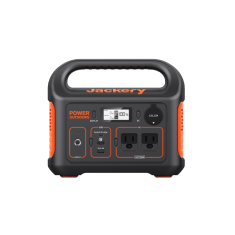
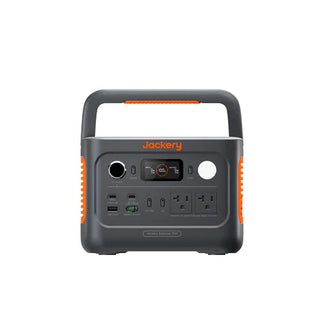
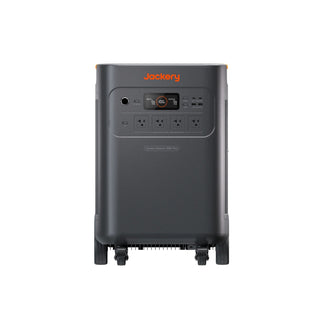
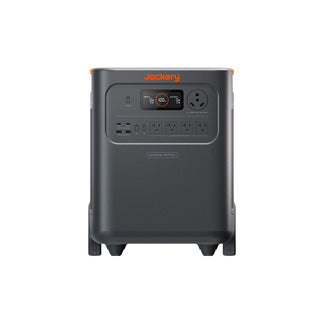
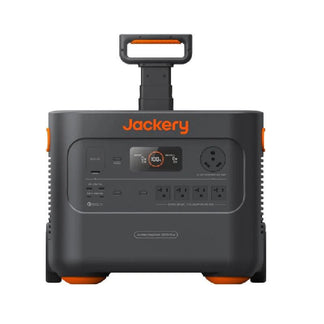
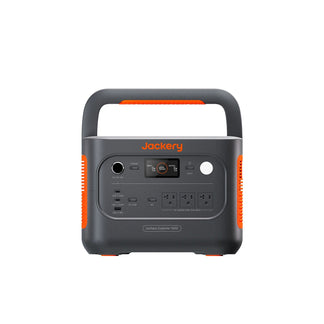
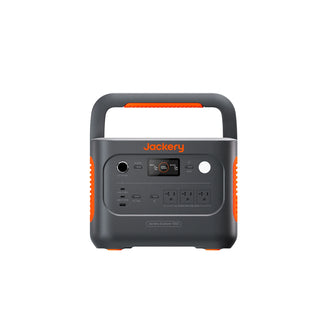
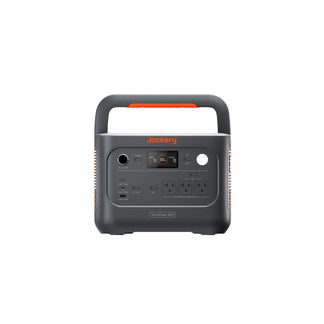
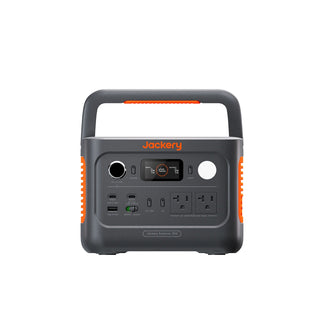
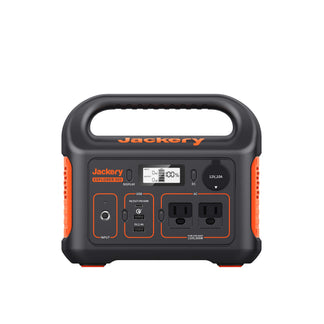
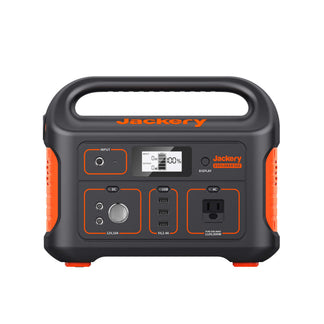
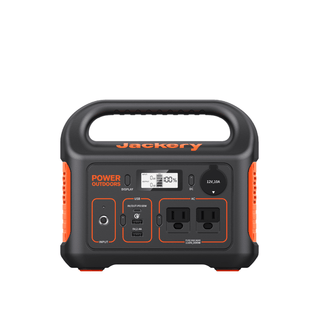
The transition toward DC-centric home energy is highly practical. Advanced portable power stations function as high-capacity, scalable DC power storage banks, capturing DC solar energy directly and converting it to AC only when your appliances require it. To understand how these systems compare to traditional backup options, check out our UPS battery backup capacity guide to calculate your home's backup runtime requirements.
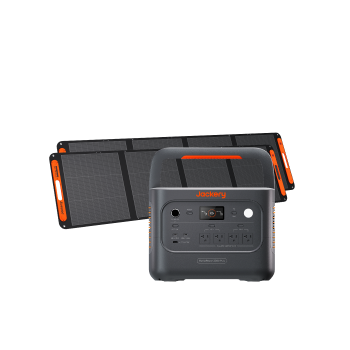
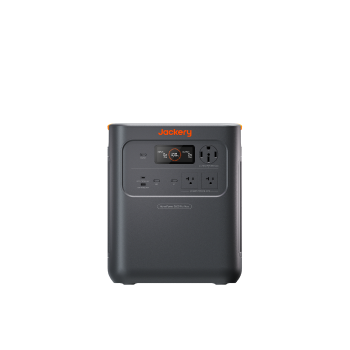
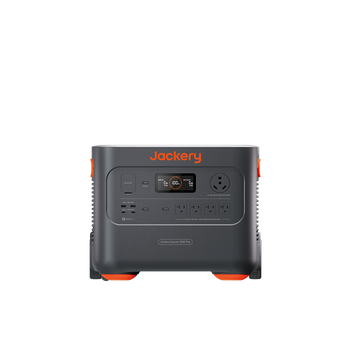
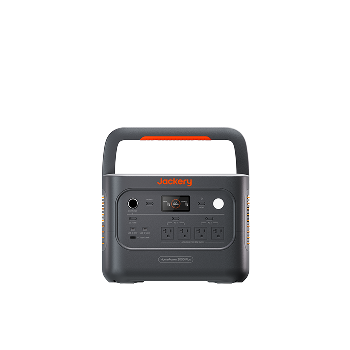
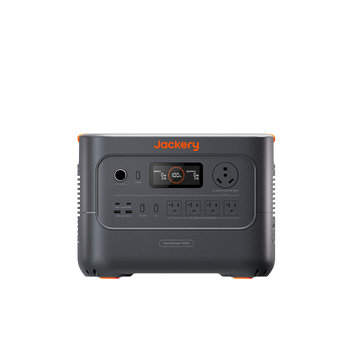
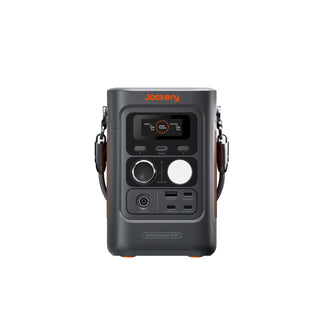
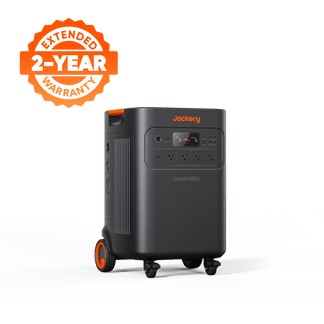
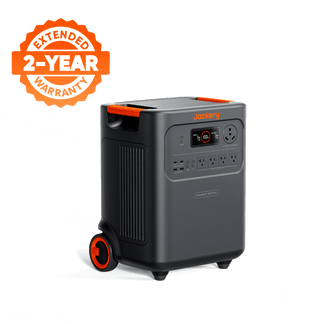
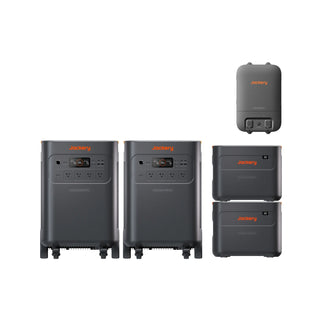
Consider these two highly scalable direct current home backup solutions from Jackery:
|
System Model |
Base & Expandable Capacity |
Maximum DC Solar Input |
|
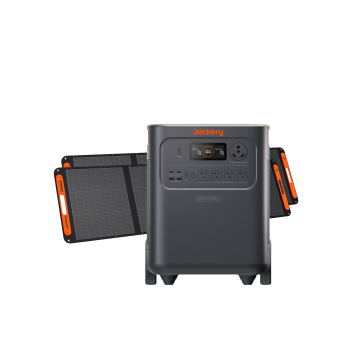
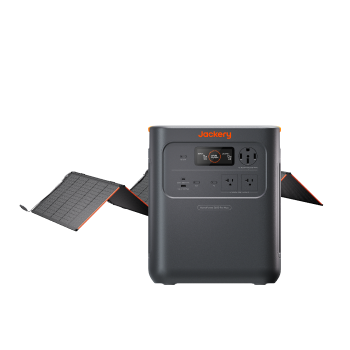
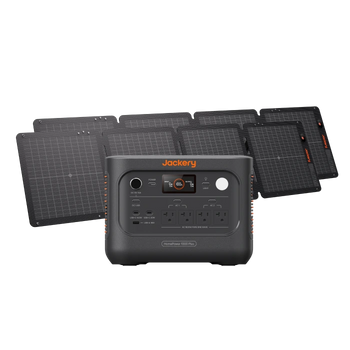
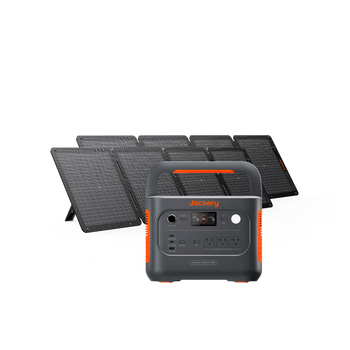
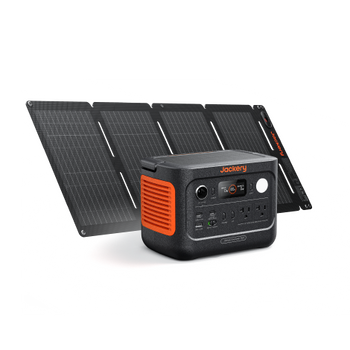
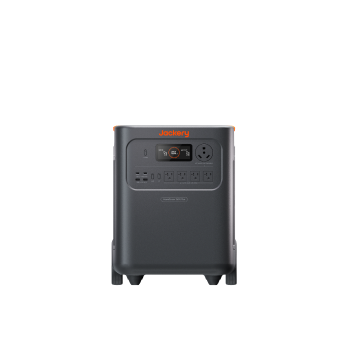
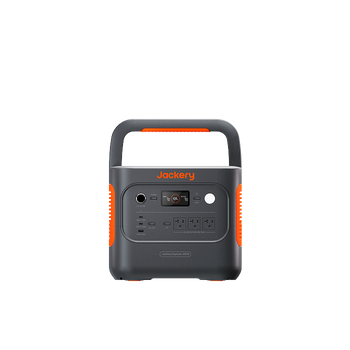
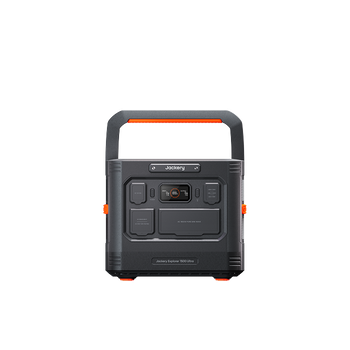
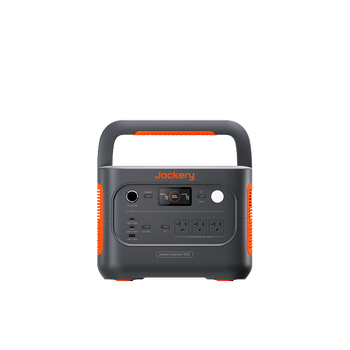
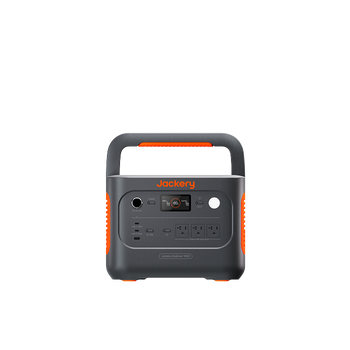
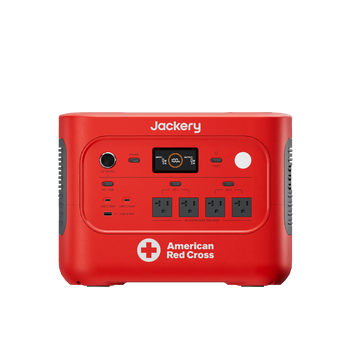
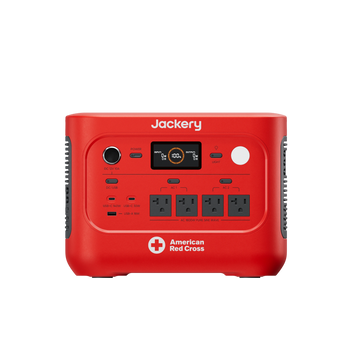
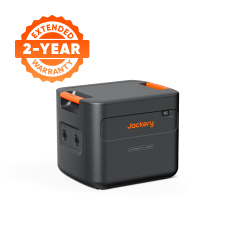
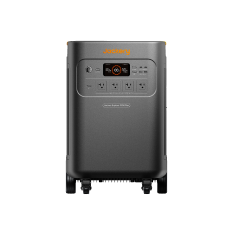
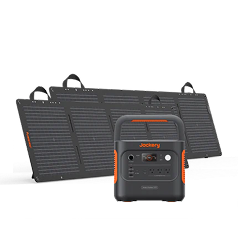
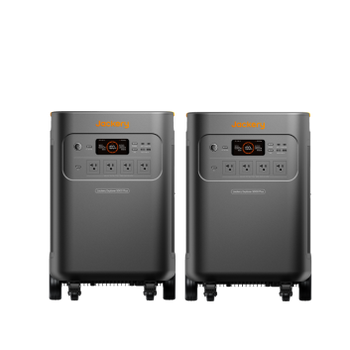
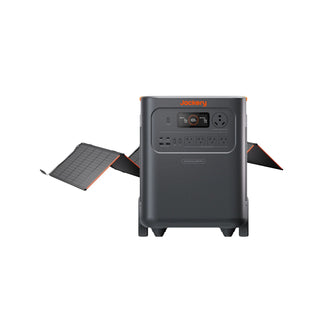
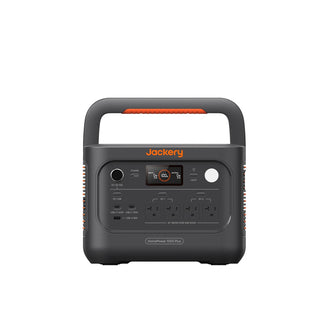
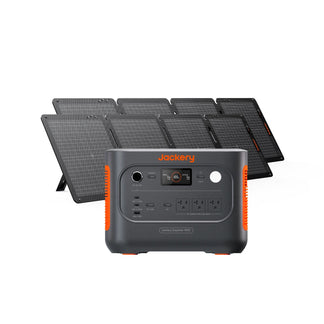
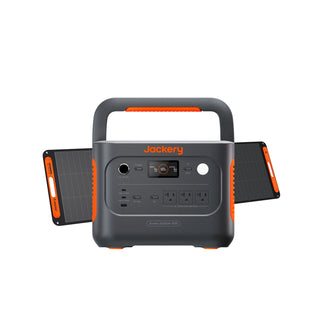
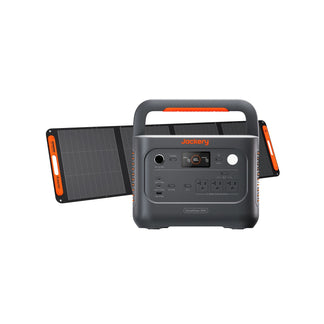
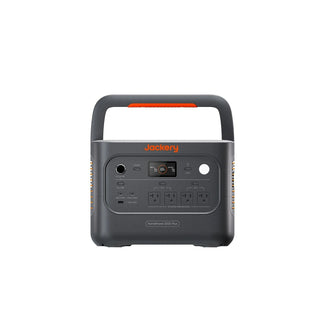
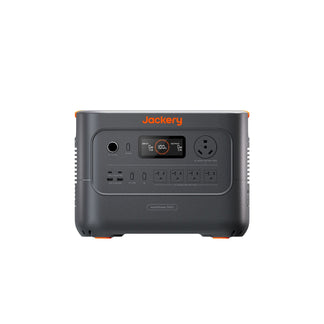
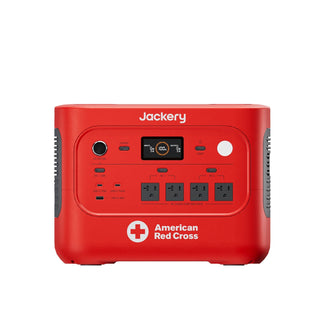
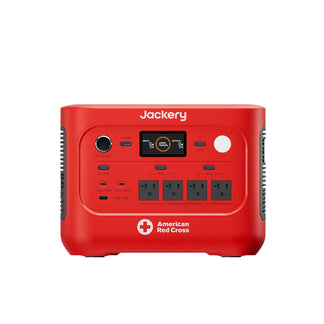
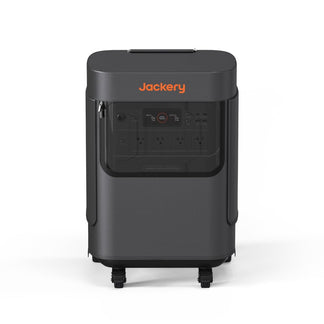
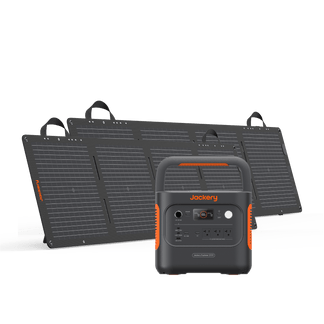
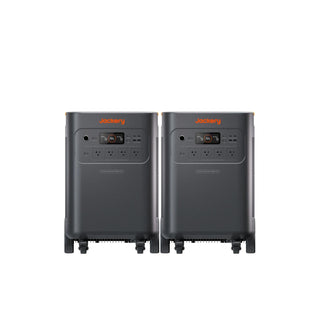
Jackery Solar Generator HomePower 3600 Plus |
3,584 Wh (Expandable to 43 kWh) |
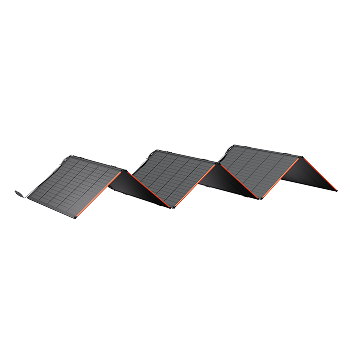
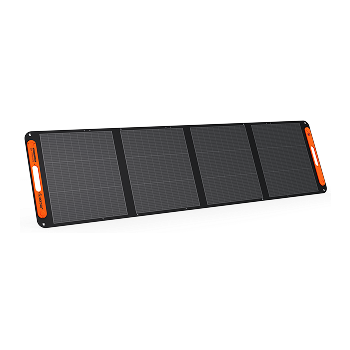
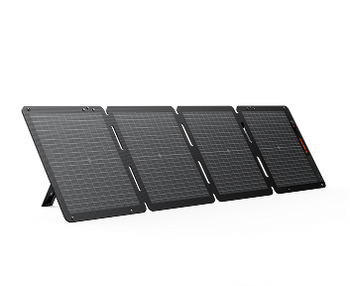
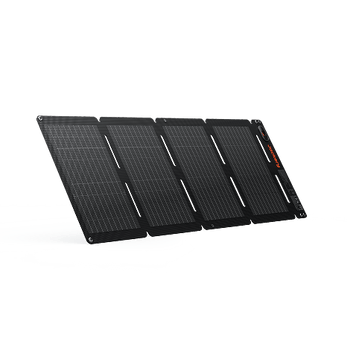
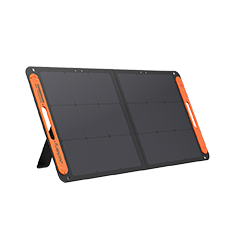
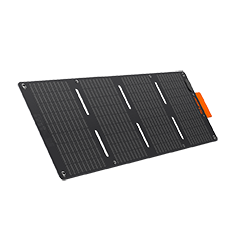
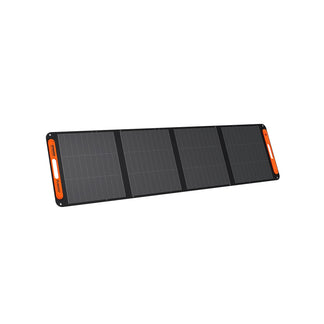
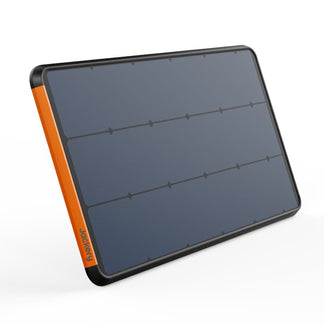
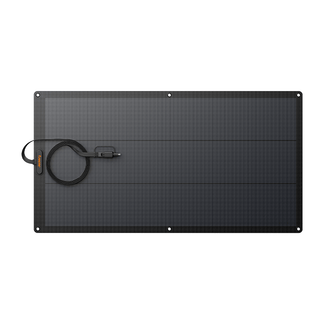
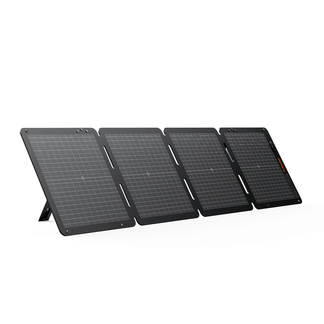
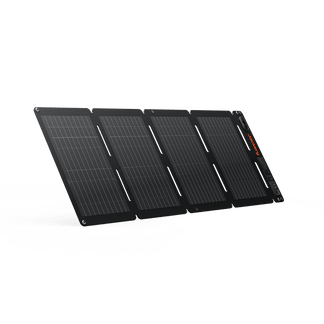
Accepts high-efficiency DC solar charging via SolarSaga 500 X Solar Panels |
|
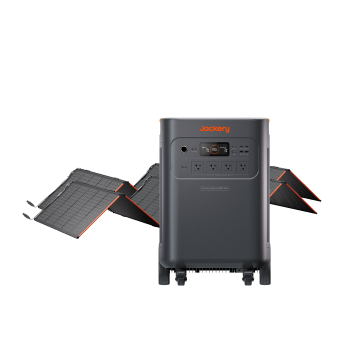
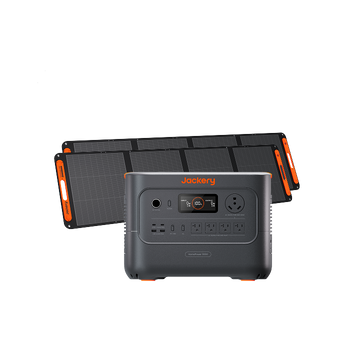
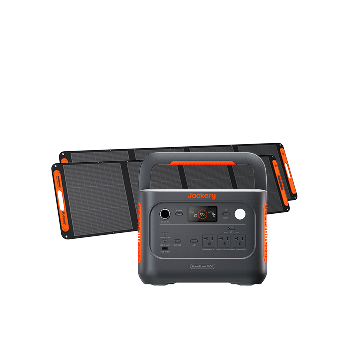
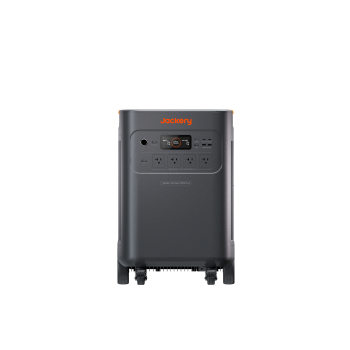
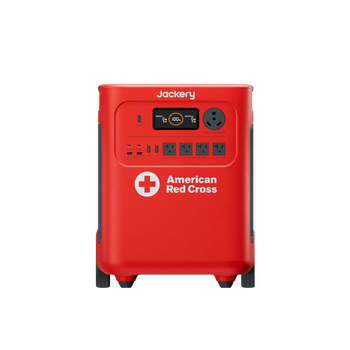
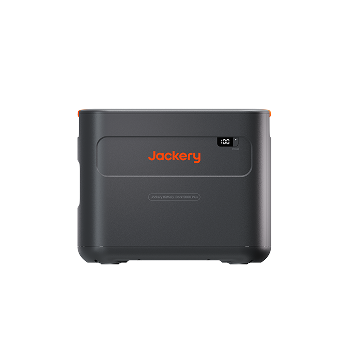
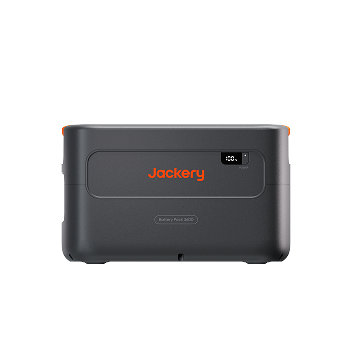
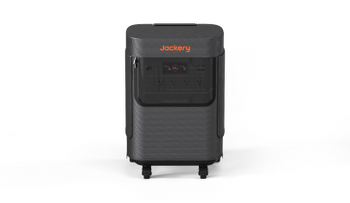
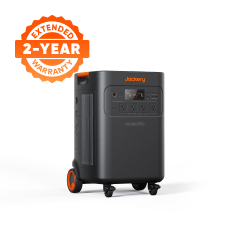
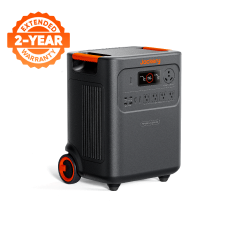
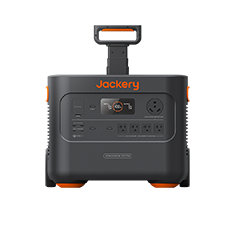
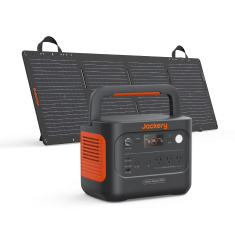
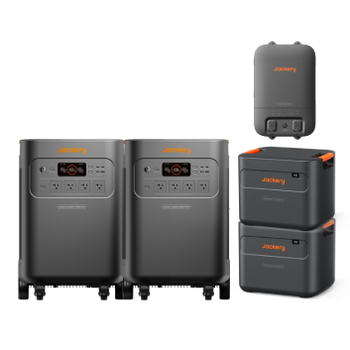
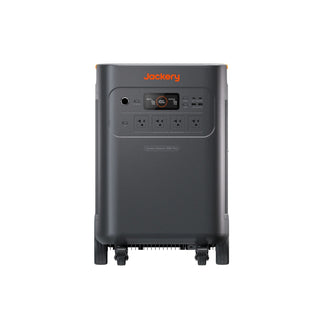
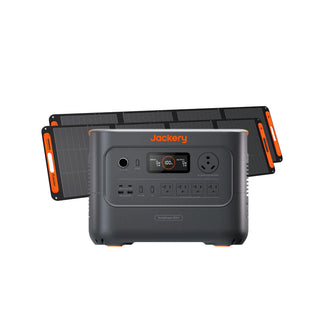
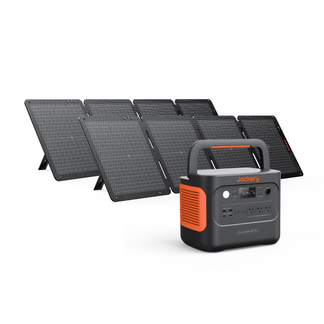
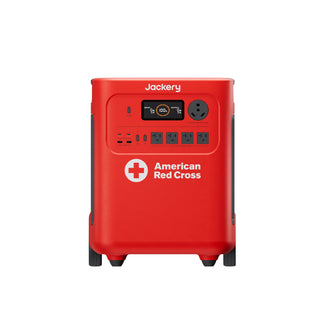
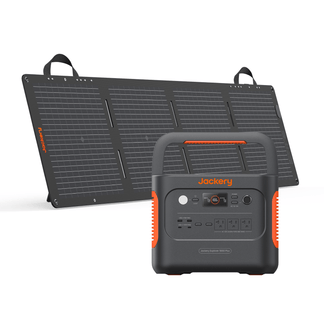
Jackery Solar Generator 5000 Plus |
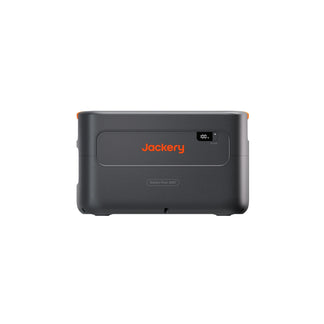
5,040 Wh (Expandable to 60 kWh) |
Supports up to 4,000W of DC solar input (recharges in 1.7 hours) |
Both of these platforms illustrate the core engineering value of direct current integration: they capture DC directly from the sun, store it in highly efficient LFP battery cells with minimal conversion losses, and convert it to grid-quality AC only when your household appliances require power. This provides a clean, highly reliable home backup strategy designed to survive extended power cuts.
Frequently Asked Questions
Can I use a 12V 4A supply for a 12V 2A device?
Yes. Your device will only draw the 2 Amps of current it actually needs. The higher 4A rating on the power supply simply represents its maximum current ceiling, meaning the supply will run cool and will not be pushed to its thermal limits.
What happens if the output voltage is too high?
Overvoltage will instantly destroy sensitive semiconductors and internal components. The output voltage of your power supply must match your device's voltage rating exactly; there is no tolerance for voltage mismatch.
Why does my power supply show a voltage reading, but my connected device has no power?
This typically indicates that the current limit is set too low, forcing the power supply into Constant Current (CC) mode. The supply automatically reduces its output voltage to clamp the current at your pre-set ceiling, protecting the circuit from overloading.
What is CV/CC mode?
Constant Voltage (CV) mode holds the output voltage steady until the load's current draw reaches your pre-set current limit. At that point, Constant Current (CC) mode takes over, actively clamping the current while reducing the output voltage to prevent circuit damage.
Is a cheap power supply safe for long-term continuous use?
No. Cheap, unbranded units often lack robust continuous-duty thermal ratings, adequate heat sinks, and reliable overvoltage protections, increasing the risk of output voltage spikes, premature component failure, and potential equipment damage.
What specifications matter most when buying a bench supply?
Ensure your bench supply features clear CV/CC indicators, separate coarse and fine adjustment knobs for precise voltage tuning, adjustable overcurrent protection, and a highly accurate, real-time digital readout of delivered voltage and current.


