






























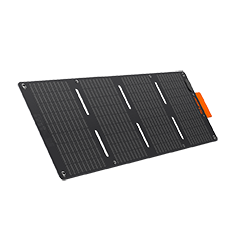




![[Add-on] Jackery SolarSaga 500 X - Jackery](http://www.jackery.com/cdn/shop/files/add-on-jackery-solarsaga-500-x-1493607.webp?v=1786503068&width=324)


![[Add-on] Jackery Battery Pack 5000 Plus - Jackery](http://www.jackery.com/cdn/shop/files/add-on-jackery-battery-pack-5000-plus-6713401.webp?v=1786503068&width=324)





























A combustion backup generator you neglect to maintain is not a reliable safety net—it is a false promise. Do not underestimate the impact of maintenance on machine survival. Data analyzed by the National Renewable Energy Laboratory (NREL) demonstrates that a rigorously maintained emergency generator offers a Mean Time to Failure (MTTF) of 1,662 hours. Under poor maintenance, that reliable runtime collapses to just 61 hours. This represents an over 96% drop in reliability and an astronomical 27-fold surge in emergency failure frequency. The most common emergency service call? A dead starter battery after months of sitting idle.
Routine generator maintenance is not inherently difficult, but the financial and safety costs of neglect are invisible until the lights go out. Carburetors gum up from stale fuel left sitting for as little as 30 days, while cooling vents get blocked by leaves, spider webs, or snow, causing the engine to overheat precisely when you need it. This guide outlines the essential maintenance steps to keep your machine in peak starting condition without wasting your weekends.
The 20-20-20 Rule for Generator Reliability
To prevent starting failures during a blackout, professional technicians rely on the 20-20-20 maintenance standard. Think of this rule as the minimum baseline to ensure your engine can crank and carry an electrical load when your neighborhood goes dark:
- Run 20 Minutes Monthly: Power your generator for at least 20 minutes every month under an active load.
- At 20% Minimum Load: Plug in a high-wattage appliance (such as a space heater, deep well pump, or sump pump) to pull at least 20% of the unit's rated capacity, rather than letting the engine simply idle.
- The 20-Hour Break-In: Perform your engine's first oil and filter change after its initial 20 hours of operation to flush away tiny metallic particles shed during the initial break-in period.
Running your generator under an active load is critical. Running a generator completely unloaded can trigger engine issues, but the exact failure mode varies by fuel. True "wet stacking"—where unburned fuel combines with soot to foul the exhaust piping—is a chemical hazard exclusive to diesel generators running below 30–40% capacity. Conversely, running a spark-ignited gasoline or propane generator completely unloaded results in rapid spark plug fouling, carbon deposits on the valves, and engine oil dilution. An active load test also exercises the alternator windings, circulates oil through the crankshaft seals, and burns off built-up internal engine moisture that can degrade your oil's protective properties.
Exercise Frequency – Weekly vs. Monthly?
Most permanently installed whole-home standby generators feature pre-programmed automatic exercise cycles, typically running for 20 minutes once a week. Your primary task is to monitor the system's control panel. A monthly check of the log will verify that the generator successfully fired up and did not flag any battery, coolant, or fuel pressure faults.
For portable generators, a monthly 20 to 30-minute exercise run under a moderate load is the recommended practical sweet spot. While standby units use their grid connection to keep their starter batteries trickled charged, portable generators do not have this built-in circuit. Running the engine monthly allows the internal alternator to charge the battery, preventing the dead-battery click when you try to start the machine during an outage.
Fuel Management and Storage Best Practices
Standard unleaded gasoline contains ethanol, which actively absorbs moisture from the air, causing the fuel to separate over time and corrode delicate brass carburetor jets. Untreated gasoline can degrade and gum up a fuel system in as little as 30 days. Adding a high-quality fuel stabilizer can extend the shelf-life of your stored gasoline to 12 to 24 months, but the safest practice is to completey drain your carburetor bowl before storing your generator for more than 30 days.
To protect your machine, refer to this standard fuel maintenance comparison:
|
Fuel Formulation |
Max Storage Limit |
Key Risk & Maintenance Requirement |
|
Standard Unleaded (E10) |
~30 Days |
Moisture absorption, gum formation. Drain carburetor before storage. |
|
Gasoline + Stabilizer |
12 – 24 Months |
Varnish buildup if stored wet. Fuel shutoff run-dry is recommended. |
|
Ethanol-Free Gas + Stabilizer |
18 – 24 Months |
Recommended standard for low-use portable generators. |
|
Liquid Propane (LP) |
Indefinite (No degradation) |
Vapor pressure drops in extreme cold. Maintain tank capacity above 30%–40%. |
If you operate your generator on liquid propane, you eliminate the risk of carburetor varnish entirely. However, you must monitor your tank volume. Cold weather naturally reduces liquid vaporization rates inside fuel systems. To maintain the necessary vapor pressure to fuel a generator under electrical load, do not let your propane tanks drop below 30% to 40% capacity during freezing conditions (or below 50% in sub-zero regions) to prevent pressure failure.
Battery and Electrical System Care
A weak or dead starter battery causes more failed generator starts than fuel issues, spark plug failures, and compression problems combined. Measure your battery’s resting voltage monthly using a digital multimeter: a healthy battery should display a steady charge of 12.6V to 12.8V. A resting voltage of 12.4V indicates a 75% State of Charge (SoC)—the battery is healthy but requires a standard charge. A battery should only be targeted for replacement if it drops consistently below 12.0V (25% SoC or lower), fails to hold charge over cycles, or completely fails a professional load test.
Additionally, check your battery terminals for white powdery corrosion, which introduces resistance and mimics a dead battery. Clean the terminals once a season using a paste of baking soda and warm water, rinse and dry the connections thoroughly, and apply a thin coating of dielectric grease to prevent future corrosion. If your portable generator is stored for more than 30 days, connect a 1.5A automatic float charger or smart battery maintainer to preserve the cells.
Carbon Monoxide Safety, Refueling, and Load Limits
Safety must always be your highest priority. Combustion generators produce high levels of carbon monoxide (CO), an odorless, invisible gas that can be fatal in minutes. Placement safety boundaries change significantly based on configuration. Portable units must always sit at least 20 feet away from any occupied building to eliminate carbon monoxide hazards, ensuring the hot exhaust path points completely away from doors, windows, and structural ventilation intakes. Never run a generator inside al garage, basement, or shed, even with the doors open. However, permanently installed standby generators follow NFPA 37 regulations, which safely permit installation 5 feet from structural openings, or as close as 18 inches if configured with a certified fire-tested enclosure.
When running a portable gasoline generator, always allow the engine to cool for at least 20 minutes before refueling. Spilling gasoline on a hot engine block or muffler can instantly ignite fuel vapors, resulting in severe burns or home fires. Furthermore, limit your continuous electrical load to 80% of your generator’s rated capacity, and stagger the startup of high-draw appliances (like air conditioners and refrigerators) to prevent stalling the engine.
Seasonal and Professional Maintenance Tasks
A few seasonal maintenance touchpoints will protect your system from degrading through long periods of neglect:
- Spring: Clear built-up leaves and debris from the cooling fins, check the starter battery voltage, and perform a comprehensive load test.
- Summer: Switch to a high-quality synthetic oil (such as 5W-30 or 10W-30) to protect your engine under high-heat operational conditions.
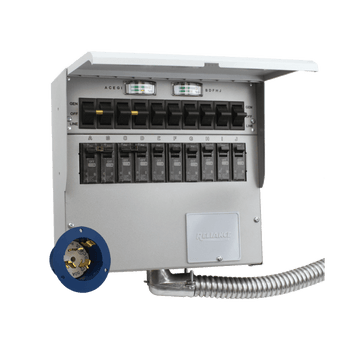
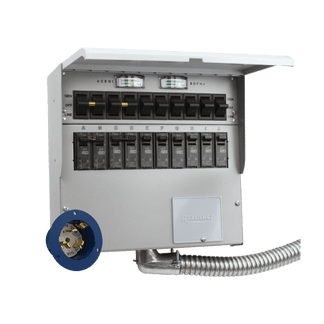
- Fall: Before the winter storm season arrives, inspect your spark plugs, clean or replace your air filter, and test your transfer switch.
Additionally, internal valve adjustments should track engine hours, not calendar cycles. Standard manufacturer specifications from Honda and Generac call for checking valve clearance every 100 to 300 hours of runtime. For a backup unit that only operates for short monthly diagnostic exercises, annual valve adjustments are unnecessary. Over time, your engine's valves will naturally tighten with mechanical wear, leading to hard starting, power loss, and eventual valve seat damage if left unadjusted.

Maintenance-Free Alternatives: Solar Generators
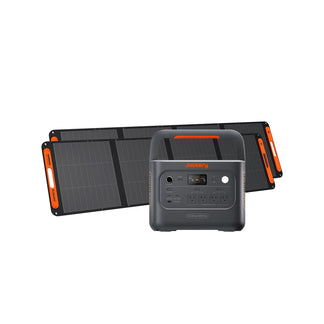
Every task on your generator checklist—including fuel stabilization, oil changes, carburetor draining, battery testing, and 20-foot safety clearances—adds physical friction and maintenance anxiety. For many homeowners, modern battery-based solar generators completely eliminate this maintenance burden, providing a clean, silent backup solution that produces zero emissions and can be operated safely inside your home.
To evaluate these silent backup configurations, explore our comprehensive guide to essential home backup power requirements. You can also review our expert selections of the best solar-powered backup solutions for outages.
Three premium, zero-maintenance systems from Jackery are ideal home backup candidates:
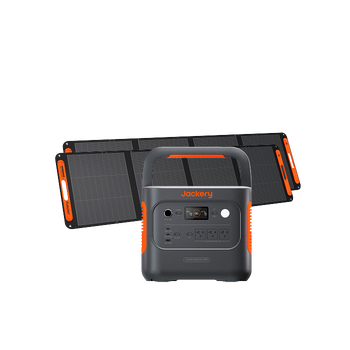
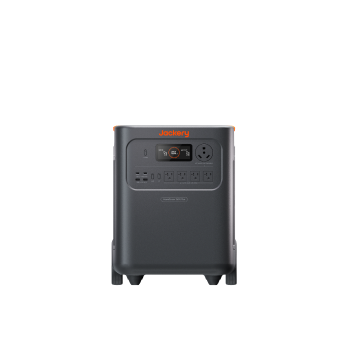
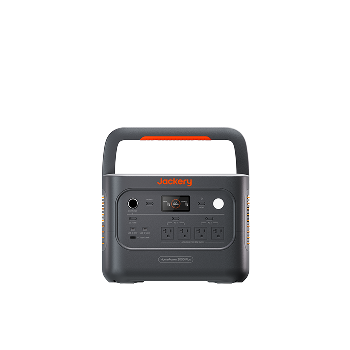
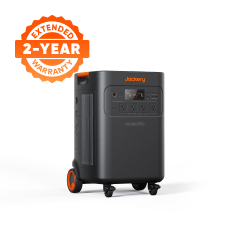
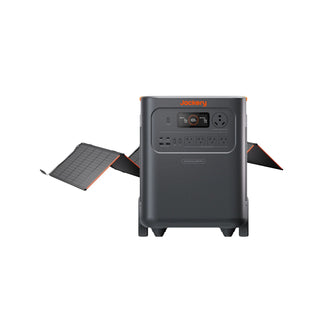
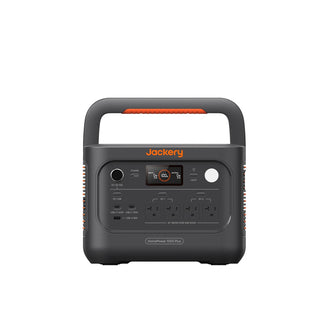
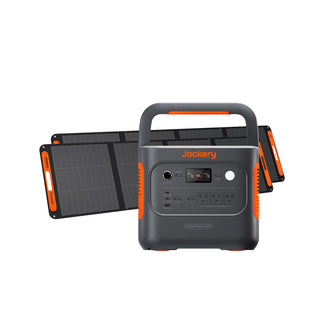
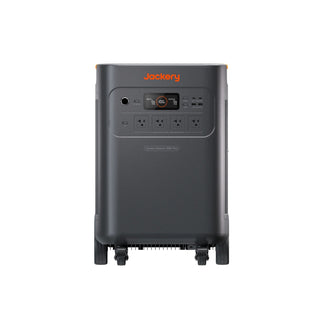
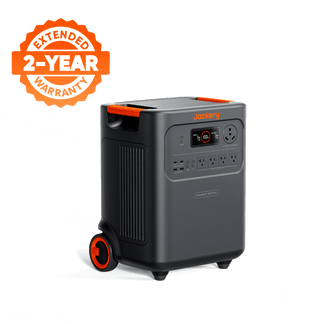
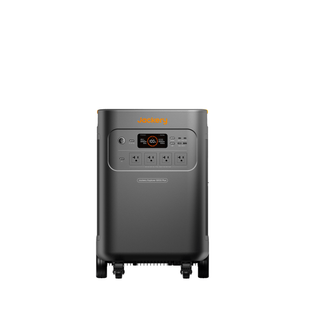
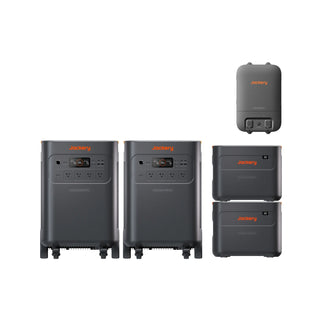
Jackery Solar Generator HomePower 3600 Plus: Features an expandable capacity up to 43 kWh to run essential appliances (refrigerator, lights, Wi-Fi) silently through multi-day blackouts. It completely eliminates fuel storage, carburetor maintenance, and engine wear, switching over in under 20ms to protect sensitive household electronics.
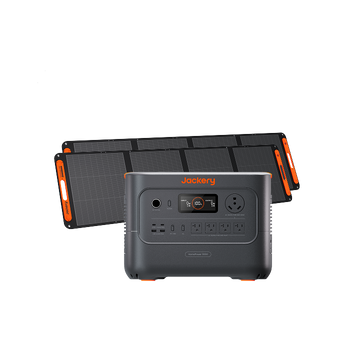
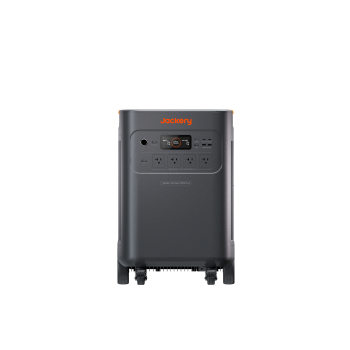
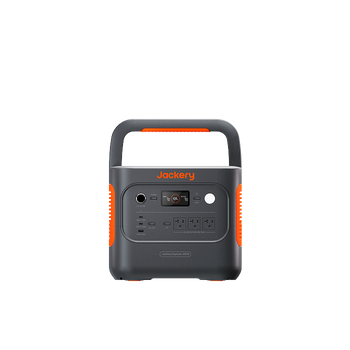
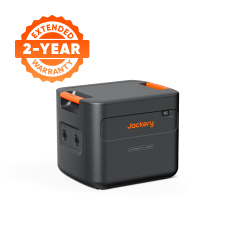
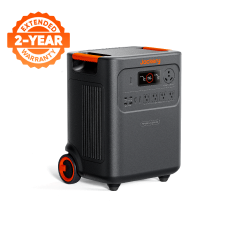
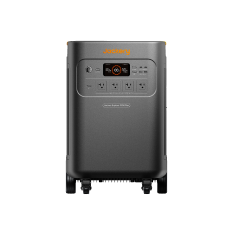
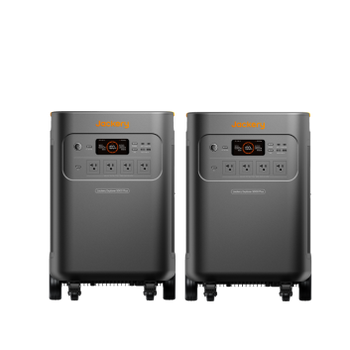
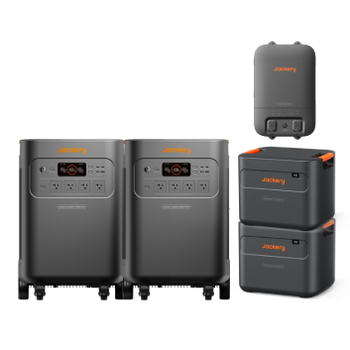
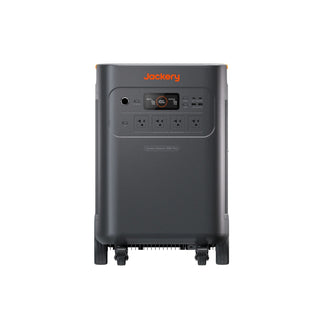
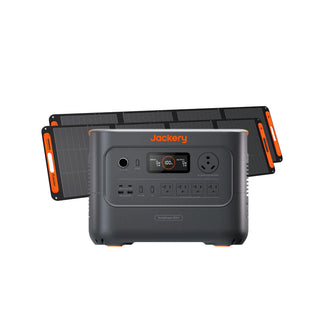
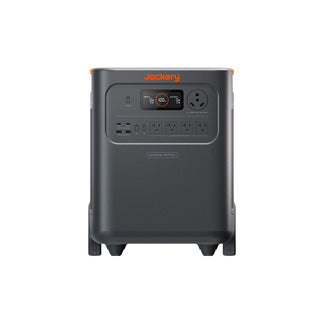
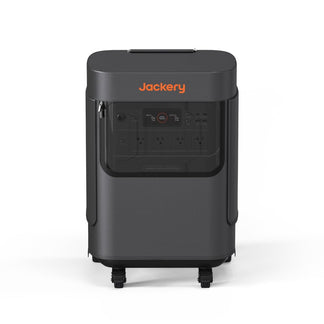
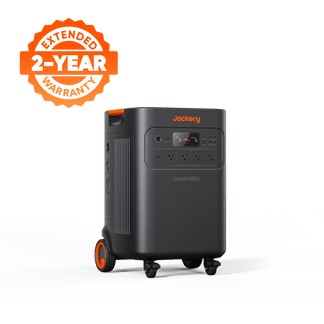
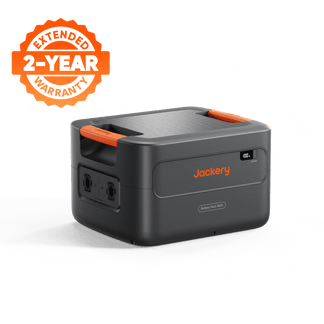
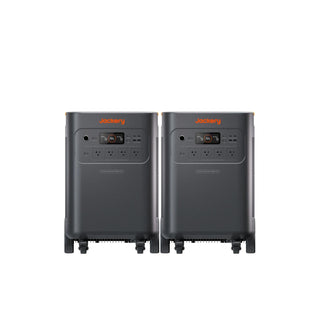
Jackery Solar Generator 5000 Plus: Delivers a massive 5,040 Wh base capacity (expandable to 60 kWh) and a 7,200W continuous output. It can start heavy inductive well pumps and air conditioners safely, featuring a true 0ms online UPS switchover for medical equipment. To calculate your home's backup sizing requirements, check out our guide on generator sizing.
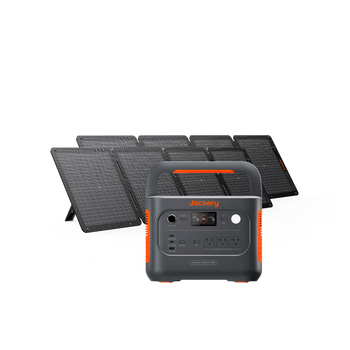
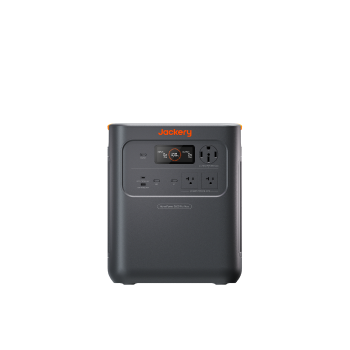
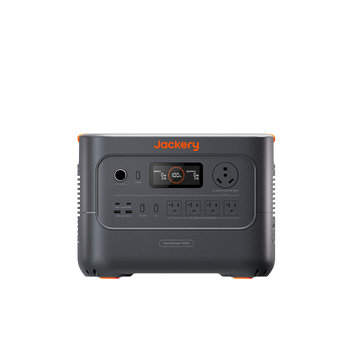
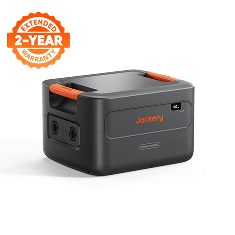
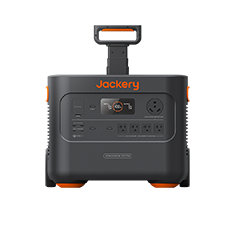
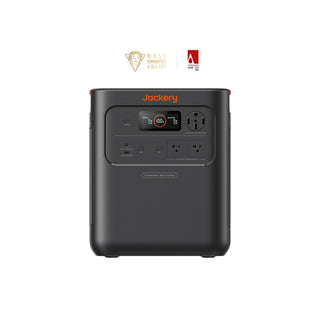
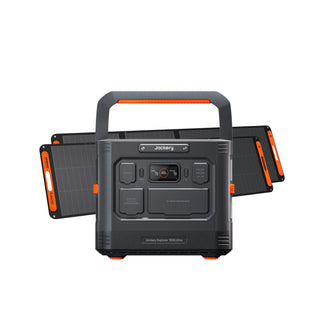
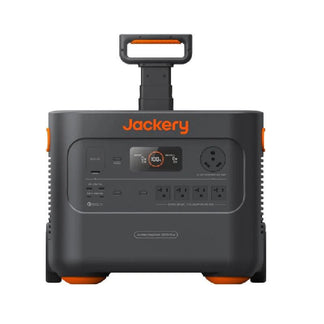
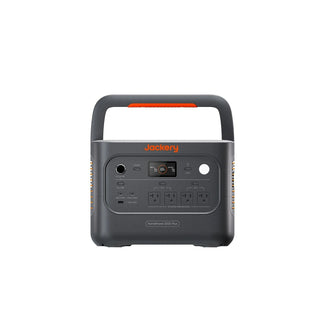
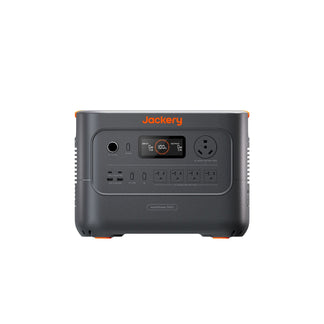
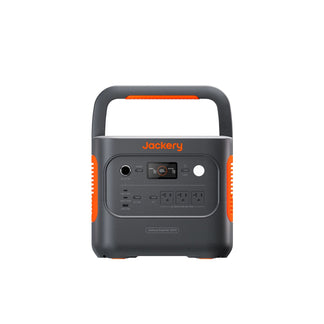
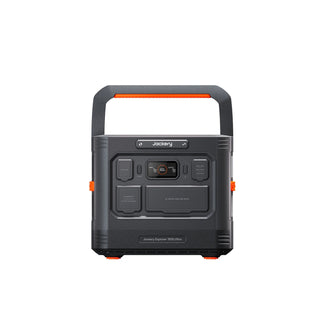
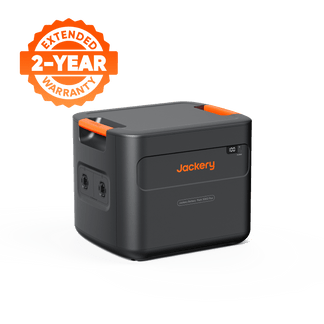
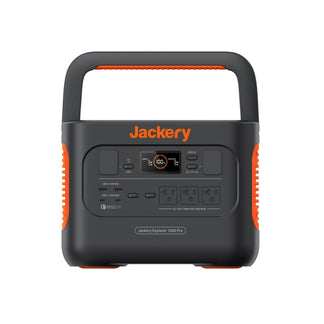
Jackery Explorer 2000 v2 Portable Power Station: Stores 2,042 Wh in a compact 39.5 lb package—perfect for apartment dwellers, recharging completely in just 1.7 hours from an AC wall outlet. For details on charging systems, see our guide on generator-to-Jackery charging configurations.
Frequently Asked Questions
How often should I run my generator under load?
You should run your generator monthly for 20 to 30 minutes under a minimum 20% load. This ensures the engine oil is fully circulated, prevents unburned fuel buildup, and verifies that the alternator windings are producing electrical power.
Should I drain the carburetor bowl before storage?
Yes. If you plan to store your generator for more than 30 days, you must drain the carburetor bowl. Even if you use fuel stabilizer, leaving wet fuel sitting in the tiny brass jets of the carburetor will eventually form varnish and cause starting failures.
What is the 20-20-20 rule for generators?
The rule dictates running your generator for 20 minutes monthly under a minimum 20% load, and performing the first major engine oil and filter change after the initial 20 hours of break-in operation to flush away metallic break-in debris.
How far should a generator be from the house?
For portable models, always place your generator at least 20 feet away from any doors, windows, or structural HVAC intake vents, keeping the hot engine exhaust pointed completely away from your home to prevent carbon monoxide poisoning. Permanently installed standby units, however, are governed by NFPA 37, which permits distances as close as 5 feet from structural openings, or 18 inches for specialized fire-tested enclosures.
Do I need a professional for valve adjustments?
Yes, but they should track engine runtime hours rather than a calendar year. Manufacturers like Honda and Generac recommend a valve clearance check every 100 to 300 hours of runtime. If your backup generator only runs for short diagnostic exercises monthly, an annual adjustment is unnecessary. However, when required, it does need a cold engine, specialized feeler gauges, and professional training.
Can I use a battery maintainer on my generator?
Yes. Connecting a 1.5A smart trickle charger or battery maintainer when your generator is stored for more than 30 days is the most effective way to prevent starting battery failure and ensure reliable starting during an outage.


