






![[Add-on] Jackery SolarSaga 500 X - Jackery](http://www.jackery.com/cdn/shop/files/add-on-jackery-solarsaga-500-x-1493607.webp?v=1786503068&width=324)
![[Add-on] Jackery Battery Pack 5000 Plus - Jackery](http://www.jackery.com/cdn/shop/files/add-on-jackery-battery-pack-5000-plus-6713401.webp?v=1786503068&width=324)






For the vast majority of suburban and urban property owners, installing a home wind turbine is simply not worth the investment. While the idea of harvesting free, clean energy from the breeze is highly appealing, the practical and financial realities of home wind power rarely work out.
Solar panels are significantly less expensive, run in dead silence, and deliver highly predictable energy yields compared to residential wind systems. Sizing and installing a wind turbine requires a massive, open lot with a steady, unshaded 12 mph breeze blowing at least 80 feet above the ground. This guide cuts through the marketing hype and gets straight to the post-2025 regulatory and financial numbers that actually dictate whether residential wind makes sense for your property.
The Realities of Home Wind Power
The single biggest obstacle to residential wind power is turbulence. Nearby houses, tall trees, fences, and garages create dirty, highly disrupted ground-level airflow. When this turbulent air hits a small turbine, its generation efficiency collapses. If you mount a turbine on your roof or on a short pole near a structure, it will generate only a tiny fraction of the power promised in the manufacturer's brochure. Most rated wattages are measured under extreme 28 mph wind gusts—speeds you will almost never experience at residential tower heights.
The economics of residential wind are equally discouraging. A standard 5 kW to 10 kW home wind turbine system costs between $40,000 and $75,000 fully installed. Following the passage of the federal One Big Beautiful Bill Act, the 30% Residential Clean Energy Credit (Section 25D) officially expired on December 31, 2025. Because homeowners can no longer claim this 30% tax credit for direct purchases, they must pay the entire upfront cost out-of-pocket. This pushes the real-world simple payback period to 33 to 60+ years under typical residential conditions (and often infinite in areas with high ground turbulence). In nearly every US ZIP code, investing that same capital in a residential solar setup delivers a far superior and faster return on investment.
Mechanical noise is another major dealbreaker. Standard rotating blades generate a constant aerodynamic whoosh and low-frequency vibration that can easily annoy neighboring properties. While modern blade designs are quieter, they cannot eliminate noise entirely. Additionally, local zoning and Homeowners Association (HOA) covenants represent a massive hurdle: many residential municipalities cap accessory structures at 35 feet, strictly prohibiting the 80 to 120-foot towers required to access clean wind.
What Makes a Home Wind Turbine Viable?
According to the U.S. Department of Energy’s small wind guidebook, a residential wind turbine is only viable if your property meets four highly specific environmental conditions:
- Consistent Average Wind Speeds: Your site must experience a steady, annual average wind speed of at least 11 to 12 mph at the turbine’s operational height. Occasional afternoon gusts do not count; you require steady, laminar airflow.
- Tower Height of 80 to 120 Feet: This is the minimum physical height required to clear ground-level obstacles and tap into faster, smoother wind layers. A 30-foot pole mounted on your roof is completely useless.
- At Least 1 Acre of Open Land: Most local building codes require the tower's full fall radius (the height of the tower plus blade length) to remain entirely within your property boundaries, and many add secondary noise buffer setbacks.
- Permissive Local Zoning: Unless your property is located in an agricultural or rural zoning district, securing a building permit for an 80-foot lattice tower is nearly impossible.
The Health and Annoyance Debate
No credible scientific study has ever found a direct physiological link between small residential wind turbine noise and human disease. The primary issue with residential wind is psychological annoyance. The continuous whooshing sound and the rhythmic shadow flicker cast by rotating blades can be highly intrusive, causing sleep disruption and stress if the turbine is placed too close to living spaces.
Mounting a turbine directly to your roof or garage wall worsens this issue significantly. The constant mechanical rotation transmits low-frequency physical vibrations directly into your home's structural framing, creating a persistent, low-frequency hum inside your bedrooms and living rooms. This constant vibration can also compromise your roof's waterproof membrane over time, leading to structural leaks. This is why experienced, certified installers refuse to mount wind turbines directly to residential structures.
Cost, ROI, and Real-World
|
System Metric |
Residential Wind (5–10 kW) |
Residential Solar (10 kW) |
|
Installed Cost (Pre-Credit) |
$40,000 – $75,000 |
~$25,000 – $30,000 |
|
Cost After 30% Federal Credit |
Expired (Section 25D ended Dec 31, 2025) |
Expired for direct buy; 30% available only via Lease/PPA |
|
Annual Energy Output |
Highly variable (requires >12 mph steady average) |
12,000 – 15,000 kWh (in good sun) |
|
Simple Payback Window |
33 – 60+ Years |
11 – 15 Years (Direct) |
|
Zoning & Permitting |
Severe restrictions (tall towers banned in suburbs) |
Minimal restrictions; easily fits standard roofs |
Comparisons (Wind vs. Solar)
With the expiration of the federal Section 25D tax credit on December 31, 2025, the financial landscape for residential green energy has shifted. Direct out-of-pocket purchases of wind and solar no longer qualify for the 30% homeowner tax credit. However, while residential solar remains highly competitive through third-party lease or Power Purchase Agreement (PPA) models—which can still claim federal commercial tax credits—residential wind has no such leasing market, making its upfront economics incredibly steep.
To help you evaluate your green energy options in this post-credit landscape, review this technical comparison between a residential wind turbine and a standard home solar array:
When Wind Power Actually Makes Sense
While residential wind is a poor fit for suburban neighborhoods, it can be highly practical in narrow off-grid scenarios. Deep off-grid rural properties located in steady wind corridors are the prime candidates. When you are miles away from the nearest utility power line, a wind turbine can generate valuable power during storm blackouts or winter nights when solar generation is low, filling a critical gap in your energy system.
Hybrid solar-and-wind systems provide exceptional off-grid balance. In many North American climates, wind speeds are at their highest during stormy weather and cold winter nights—precisely when solar panels are idle. Combining a modest wind turbine with a robust solar array and battery storage bank smooths out your daily power generation and heavily reduces your reliance on gas backup generators. If you choose this path, only purchase turbine models certified to strict AWEA (American Wind Energy Association) or IEC safety standards.
Modern Alternatives for Energy Independence
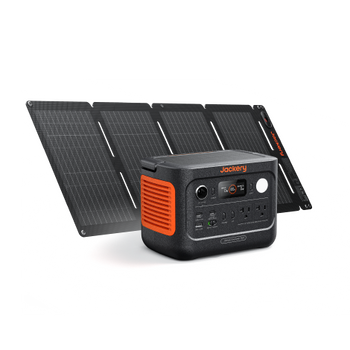
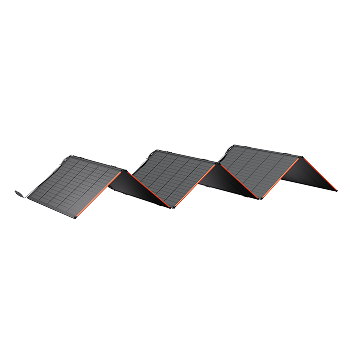
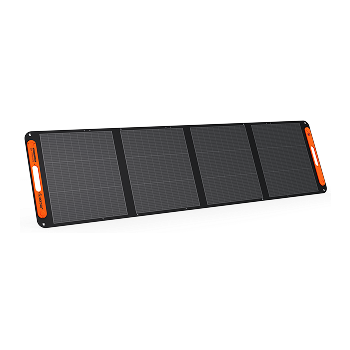
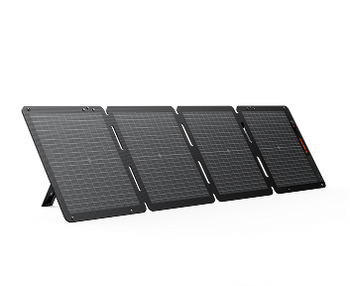
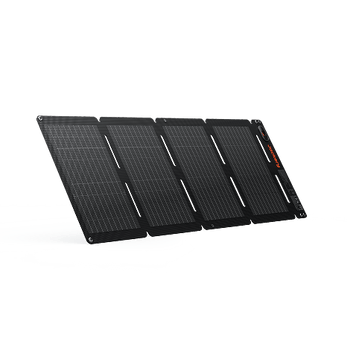
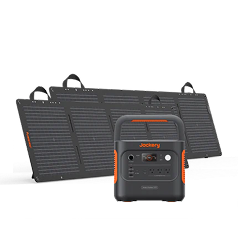
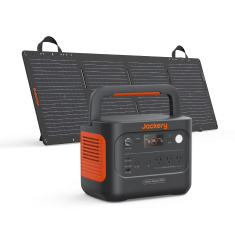
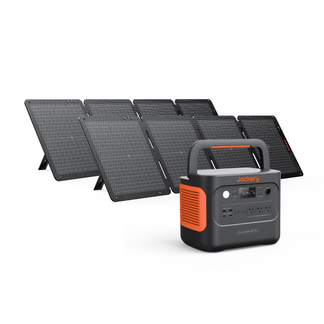
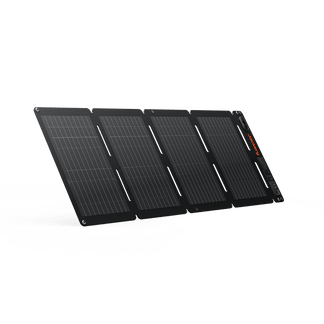
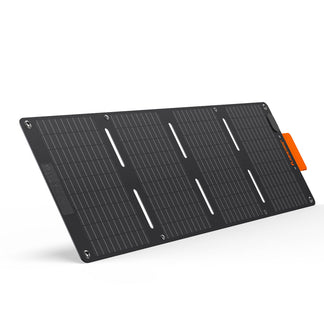
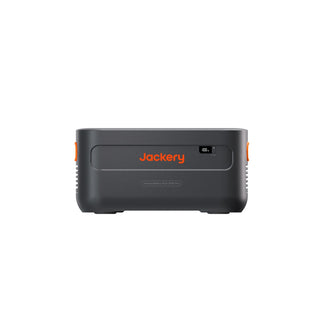
If the high upfront costs, complex zoning battles, and mechanical maintenance of a wind turbine give you pause, a portable solar generator system represents a highly reliable, zero-moving-parts alternative. There are no noise complaints, no building permits, and no bearing or blade replacements to manage. You simply deploy your panels and capture clean, silent energy daily.
To analyze standard household load profiles, explore our comprehensive essential home backup power guide. You can also evaluate these silent setups against traditional combustion generators in our analysis compares solar against traditional generators.
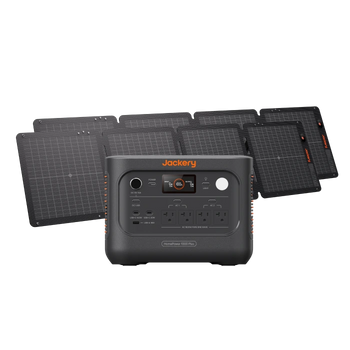
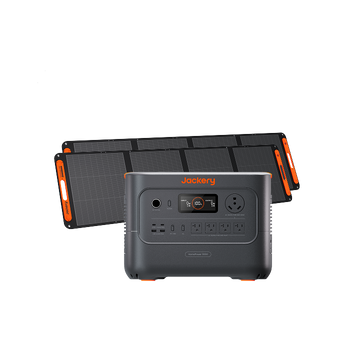
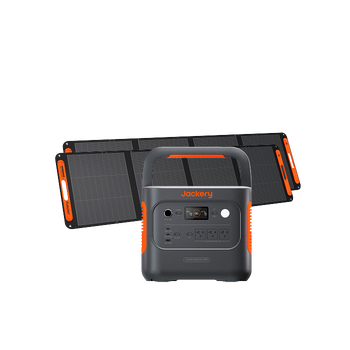
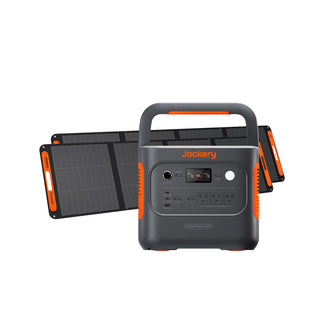
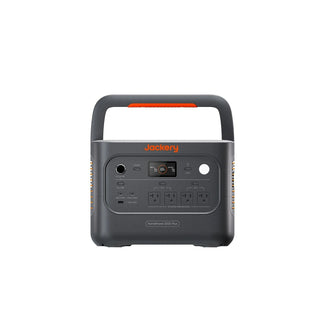
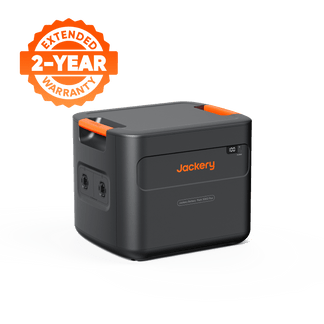
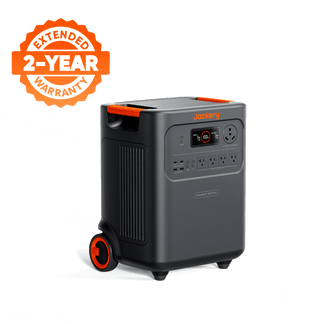
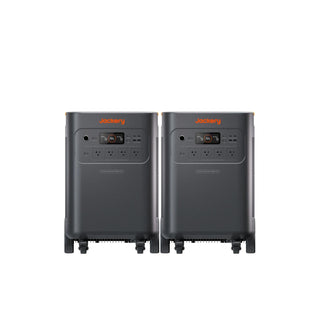
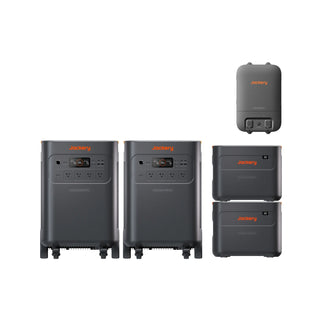
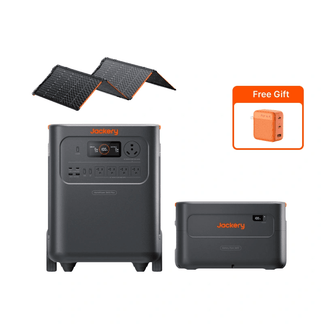
Two premium solar generators from Jackery provide ideal, maintenance-free home backup power:
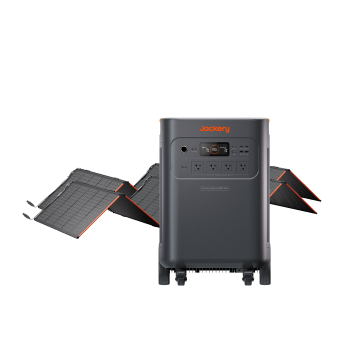
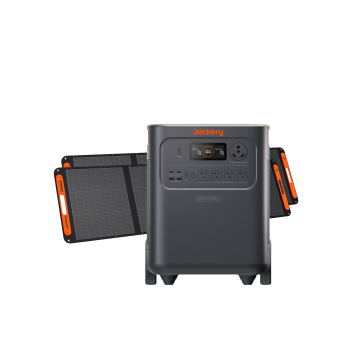
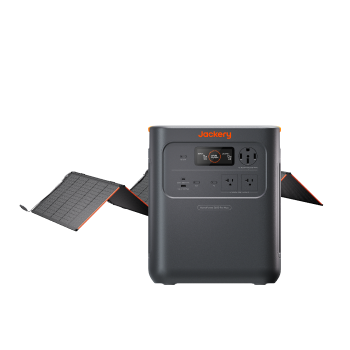
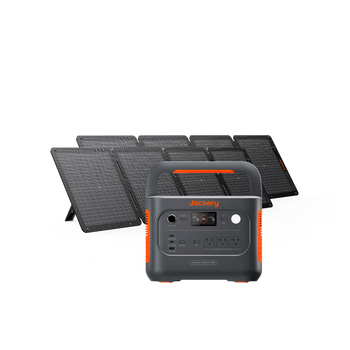
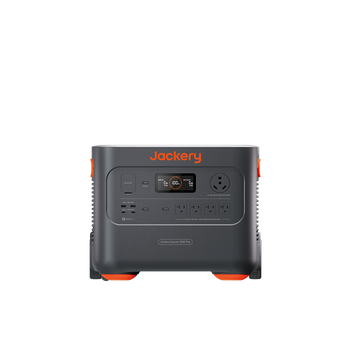
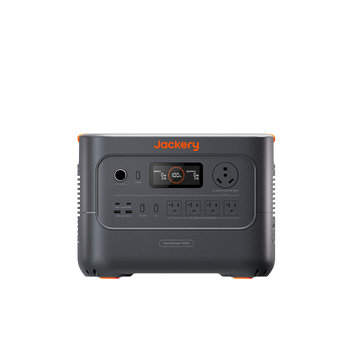
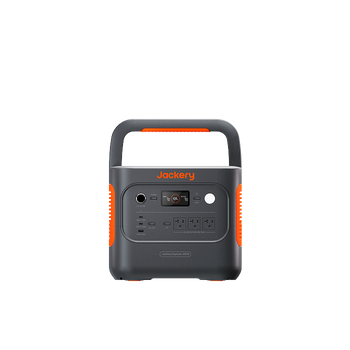
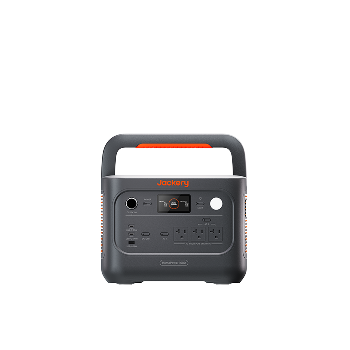
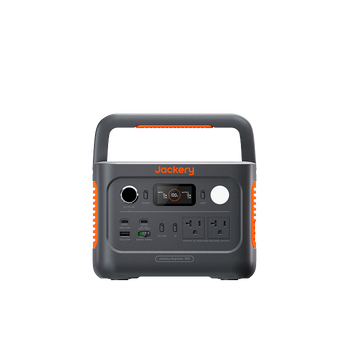
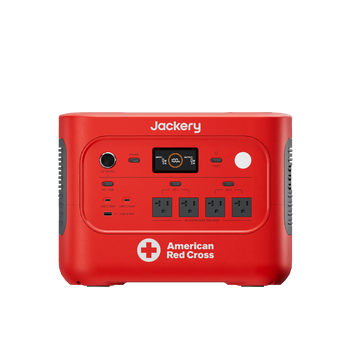
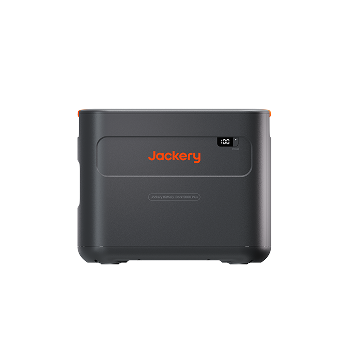
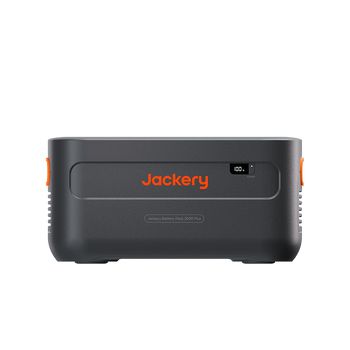
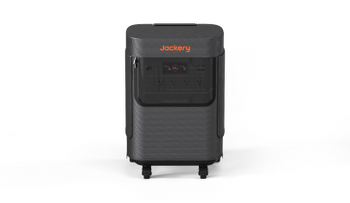
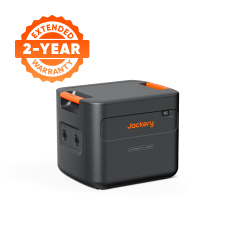
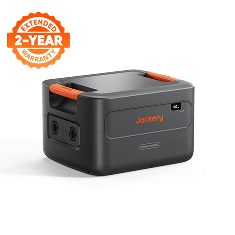
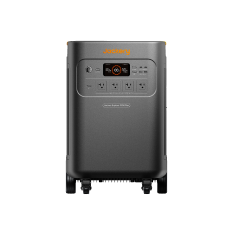
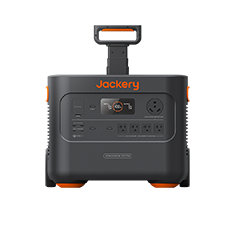
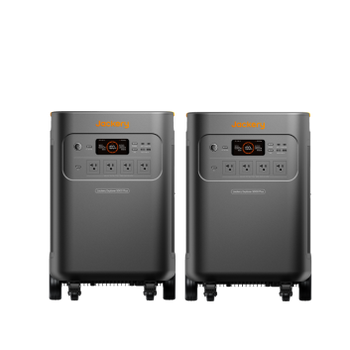
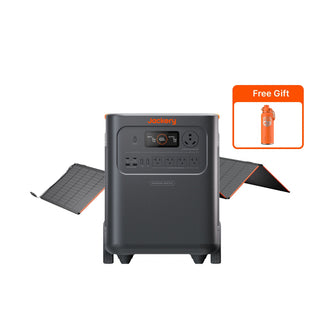
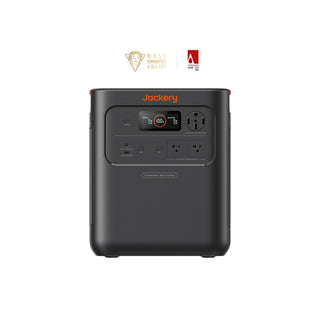
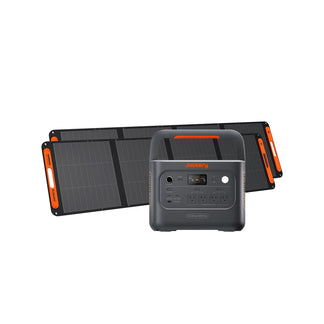
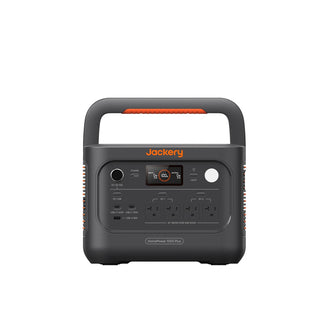
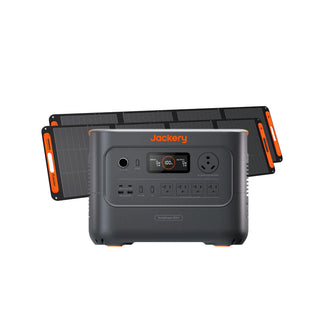
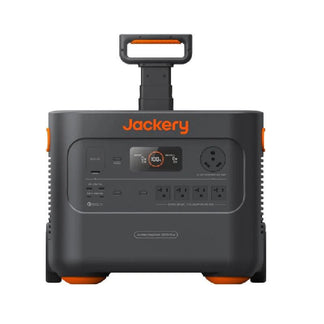
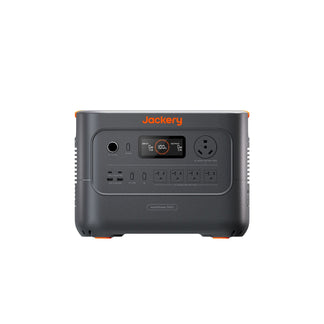
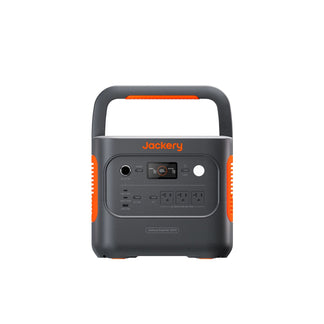
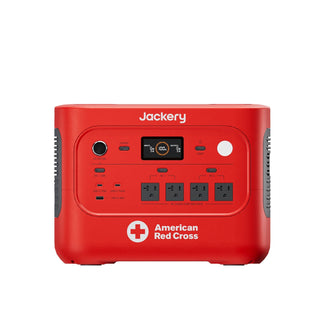
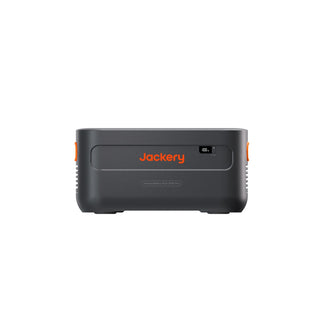
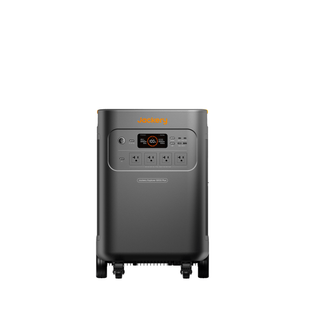
Jackery Solar Generator HomePower 3600 Plus: Delivers 3,600W of continuous output (7,200W surge) from a 3,584 Wh base capacity (expandable up to 43 kWh). It runs at an ultra-quiet 30 dB—quieter than a library whisper—with zero moving parts or maintenance requirements.
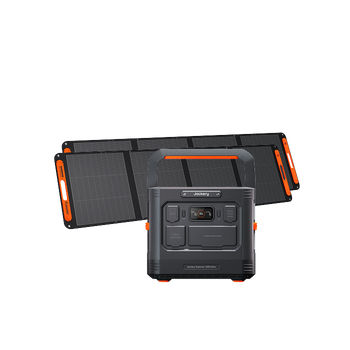
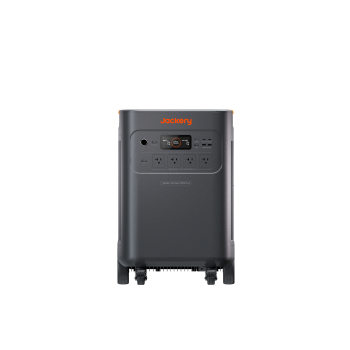
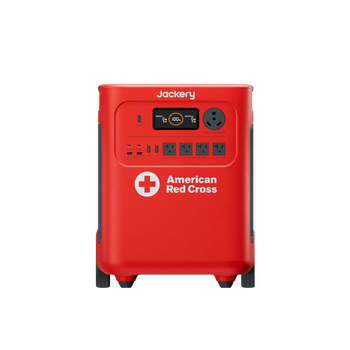
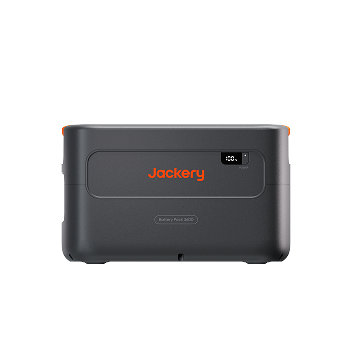
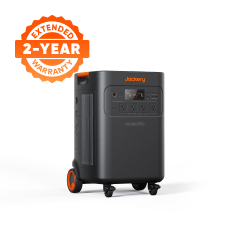
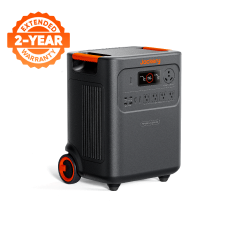
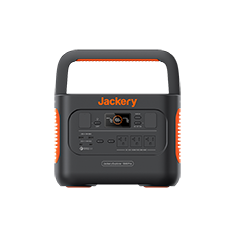
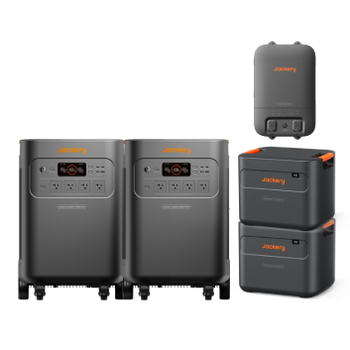
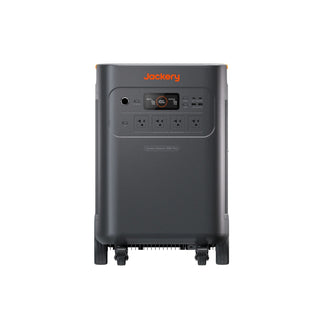
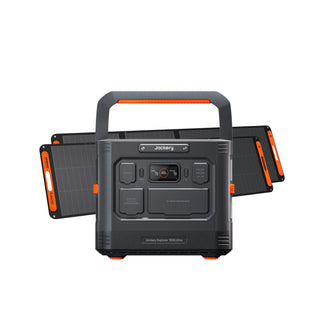
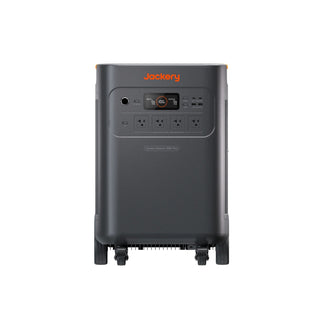
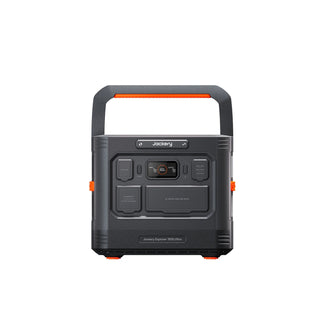
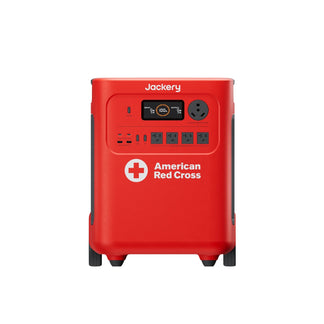
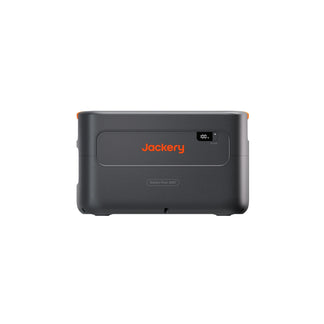
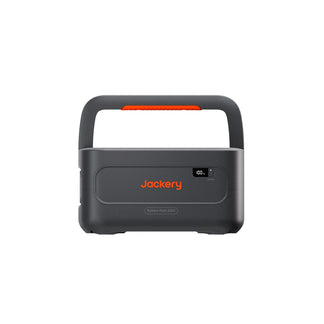
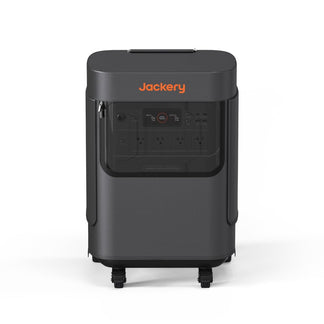
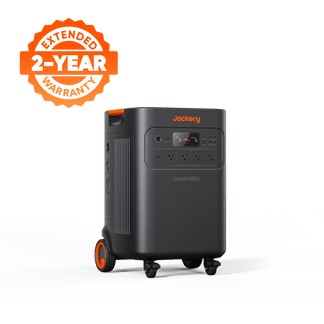
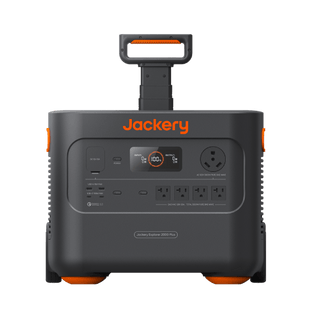
Jackery Solar Generator 5000 Plus: Houses a robust 5,040 Wh base capacity (expandable to 60 kWh) with a massive 7,200W continuous output. It can start heavy deep well pumps and central air conditioners safely indoors, backed by an instantaneous 0ms online UPS switchover.
Frequently Asked Questions
Can a small turbine save money at a standard residential home?
Rarely. Following the expiration of the federal 30% clean energy tax credit on December 31, 2025, homeowners must pay 100% of a wind turbine's high upfront cost out-of-pocket. Unless your property is in an exceptional wind corridor with zero surrounding obstacles, your system will suffer from extreme wind turbulence, stretching your payback period to 33 to 60+ years—far beyond a solar setup's typical payback window.
How much wind is required for a home turbine?
A steady annual average wind speed of at least 11 to 12 mph at your turbine's exact height is required to generate meaningful energy. Occasional high-speed afternoon gusts do not generate enough sustained power to justify the equipment costs.
Does a windy feeling ground-level location work?
Not necessarily. Ground-level wind is vastly different than tower-height wind. Surface friction from trees, fences, and adjacent buildings reduces wind speed by up to 50% or more below 80 feet, meaning ground-level feel is an inaccurate metric for wind generation.
Do rooftop wind turbines actually work?
No. Rooftop turbines suffer from severe wind turbulence off your roof's gables, significantly lowering their output. Furthermore, the continuous mechanical rotation transmits low-frequency vibrations directly into your home's structural framing, posing structural leak risks.
Is battery storage necessary for a home wind turbine?
A battery bank is optional if you have a grid-tied connection with a net metering contract, as the utility grid will absorb your surplus. However, a dedicated battery bank is essential for off-grid properties to smooth out intermittent generation and keep appliances powered when the wind drops.
What tower height is required for a residential turbine?
A tower height of 80 to 120 feet is the standard safety requirement. This ensures your turbine is positioned at least 30 feet above any surrounding obstacles within a 300-foot radius, allowing it to access consistent, smooth, laminar wind.
How does wind compare to adding more solar panels?
For the vast majority of U.S. homes, solar is the superior choice. Solar panels have zero moving parts, require no regular maintenance, are far less expensive per watt, and deliver highly predictable daily energy yields. Furthermore, while direct purchase tax credits expired at the end of last year, solar can still be heavily subsidized through modern lease and PPA programs that utilize commercial incentives—financing options that simply do not exist for residential wind turbines.


