









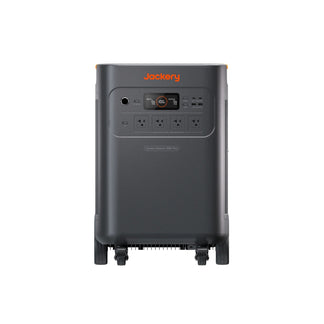
![[Add-on] Jackery Battery Pack 5000 Plus - Jackery](http://www.jackery.com/cdn/shop/files/add-on-jackery-battery-pack-5000-plus-6713401.webp?v=1786503068&width=324)








A power outage lasting more than a few hours puts everything in your refrigerator at risk. According to the USDA, perishable food left above 40°F (4.4°C) for more than two hours should be discarded. For millions of households, a portable solar generator has become the go-to solution for keeping the fridge running when the grid goes down.
But here's where most buyers get confused: they see "1000W" on the box and assume that tells them how long the generator will last. It doesn't. Understanding the difference between watts and watt-hours and knowing how your specific refrigerator actually consumes power is what separates a confident purchase from an expensive guess.
This guide walks you through everything you need to know: the real math to calculate how long will a 1000W portable solar generator run a refrigerator, how refrigerators draw power, what surge wattage means, and which 1000W portable solar generator models are best suited for keeping your food cold.
Key Takeaways
- A 1000W portable solar generator with a 1000Wh battery can run a standard full-size refrigerator for 8 to 20+ hours, depending on the fridge's duty cycle and efficiency.
- "1000W" describes power output speed and battery capacity in watt-hours (Wh), which determines actual runtime.
- Most full-size refrigerators draw 100–400W at peak, but only average 30–60W over time due to duty cycling.
- Startup surge wattage (900–1,200W+) is critical, and your generator must handle it without tripping.
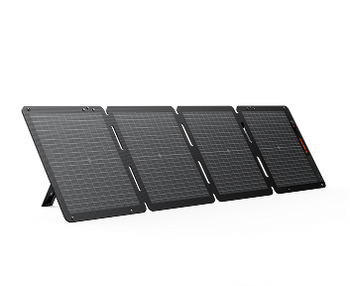
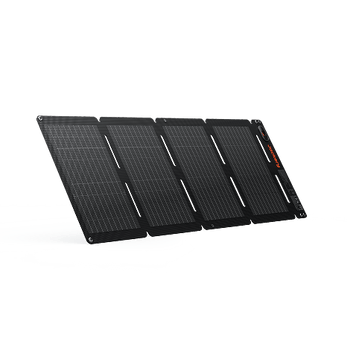
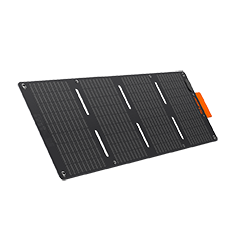
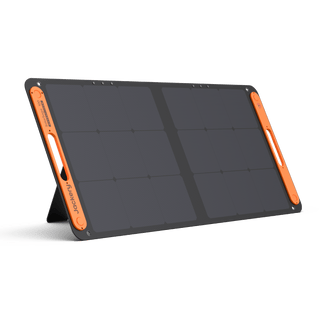
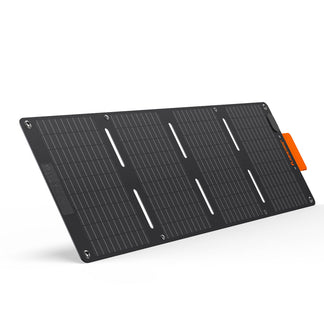
- Pairing solar panels with your generator extends the runtime of an off-grid refrigerator indefinitely during daylight hours.
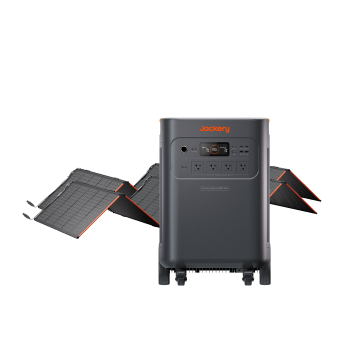
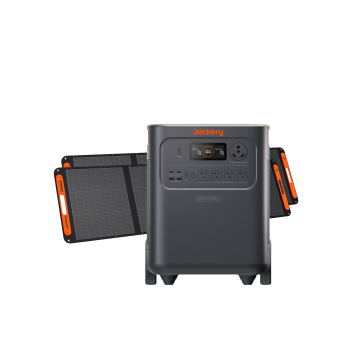
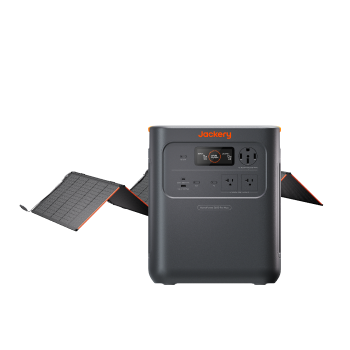
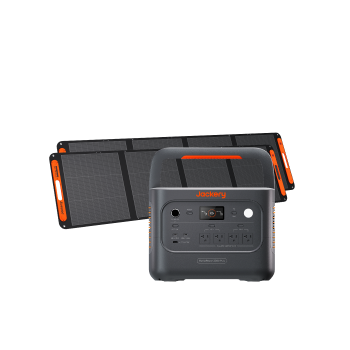
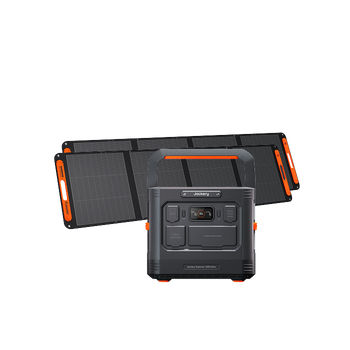
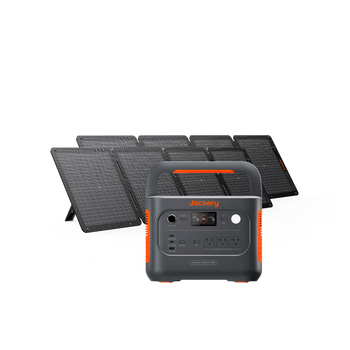
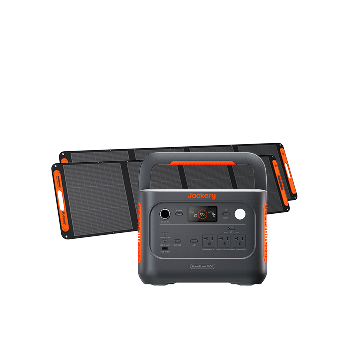
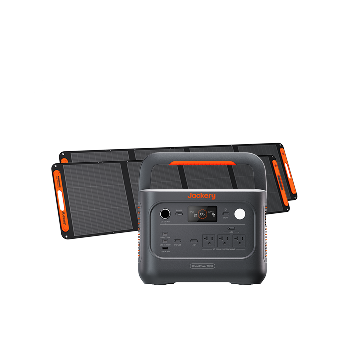
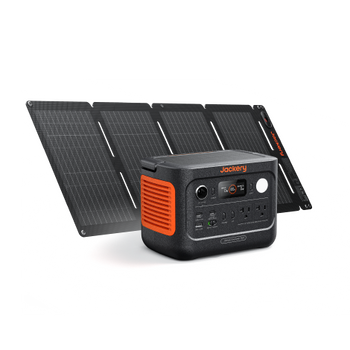
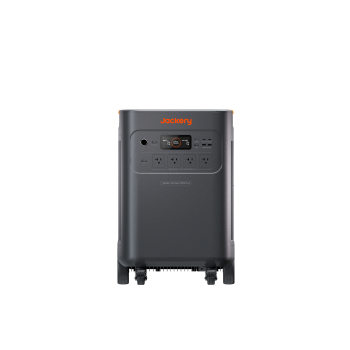
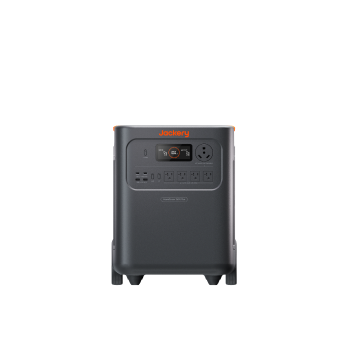
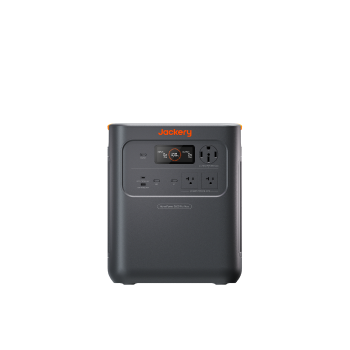
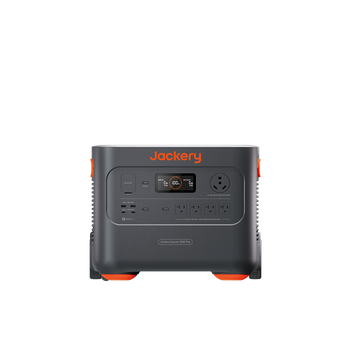
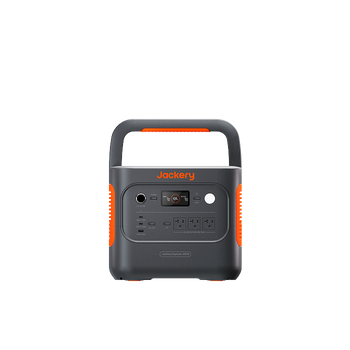
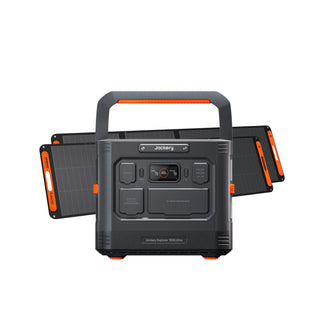
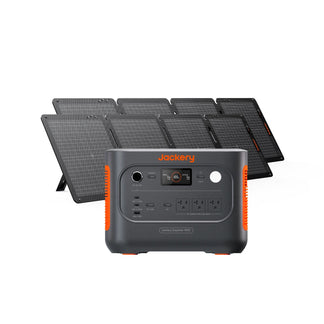
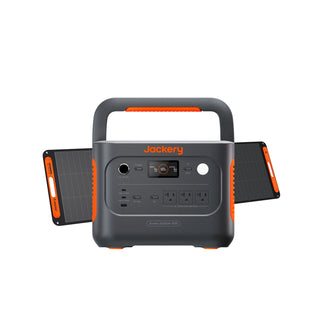
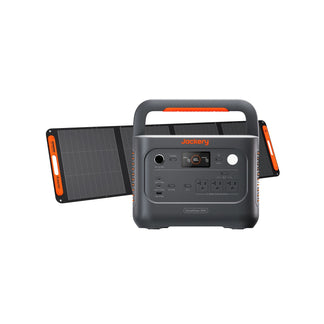
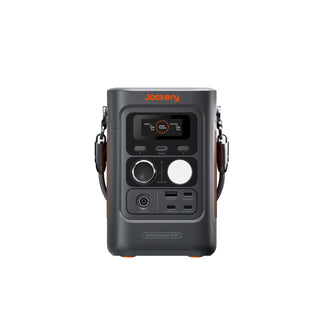
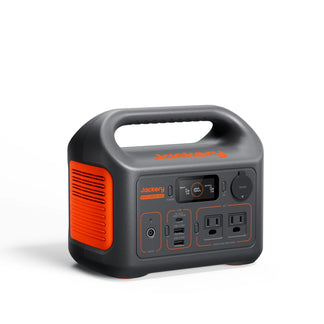
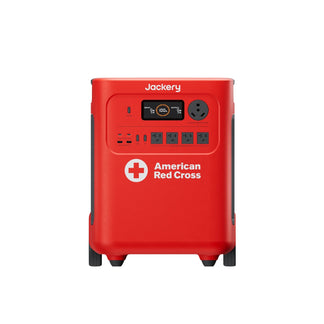
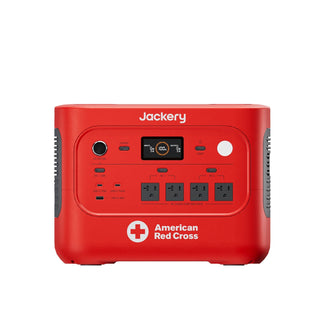
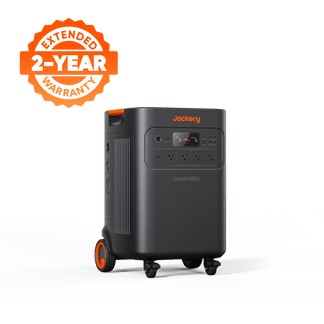
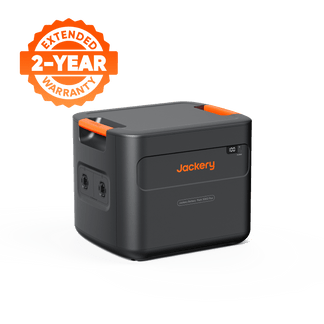
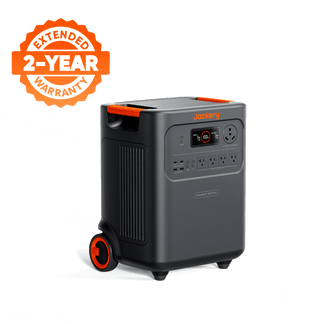
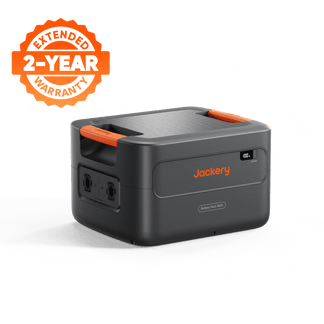
- Jackery Solar Generator HomePower 1000 v2, Jackery Solar Generator 1000 v2, and Jackery Solar Generator 1000 Plus are recommended home battery backup options for refrigerator backup power.
- USDA states perishable food left above 40°F (4.4°C) for more than two hours should be discarded, which means a longer power outage can lead to food spoilage.
What Does "1000W" Actually Mean on a Portable Solar Generator?
The "1000W" label on a portable solar generator refers to its continuous power output and how many watts it can deliver at any given moment. You can think of it like a garden hose: the wattage rating tells you how fast water flows through the hose and not how much water is in the tank. The tank, which is the actual fuel reserve, is measured in watt-hours (Wh). A generator with 1000Wh of battery capacity can theoretically deliver 1,000 watts for one hour, or 100 watts for ten hours (minus efficiency losses).
This distinction matters enormously when sizing a generator for a refrigerator:
- Watts (W) = instantaneous power delivery rate
- Watt-hours (Wh) = total energy stored in the battery
A generator advertised as a "1000W portable solar generator" may have a battery capacity of anywhere from 768Wh to 1,264Wh, depending on the model. That gap translates directly into hours of refrigerator runtime. Always check the Wh spec along with the watt rating before buying.
How Many Watts Does a Refrigerator Actually Use?
Refrigerator wattage varies widely by type, age, size, and efficiency rating. Here are the typical running wattage ranges for the most common fridge types in the US:
|
Fridge Type |
Running Watts |
Surge Watts |
|
Mini / Compact |
50 – 100W |
200 – 400W |
|
Top-Freezer |
100 – 200W |
400 – 600W |
|
Bottom-Freezer |
150 – 250W |
500 – 750W |
|
Side-By-Side |
150 – 400W |
700 – 1,200W |
|
French Door |
150 – 400W |
700 – 1,200W |
|
Counter-Depth |
100 – 250W |
400 – 750W |
|
Commercial / Upright |
400 – 800W |
1,200 – 2,400W |
|
Chest Freezer |
100 – 400W |
400 – 1,200W |
|
Wine / Beverage Cooler |
50 – 150W |
200 – 450W |
How to find your fridge's exact wattage:
- Check the label on the inside wall or back panel (usually lists amps and voltage, so multiply them to get watts)
- Look for the yellow Energy Guide sticker (shows annual kWh use, so divide by 8,760 to get average hourly watts)
- Use a Kill-A-Watt meter plugged in between the fridge and the wall for the most accurate real-world reading.
Most full-size refrigerators consume between 1 and 2 kWh daily in total energy. This figure becomes very useful when sizing your generator. For detailed information, you can check out our guide: How Many Watts Does a Refrigerator Use? [and Mini-Fridge, Freezer].
Why Does My Refrigerator's Wattage Fluctuate?
Your refrigerator doesn't run continuously. It cycles its compressor on and off to maintain the set temperature, which is a pattern called the duty cycle. A fridge rated at 150W might only draw that full 150W for 30–40% of each hour, sitting idle the rest of the time.
This dramatically changes the runtime math and how long will a 1000W portable solar generator run a refrigerator. Instead of planning for 150W constantly, your effective average draw might be just 45–60W. While choosing the generator size, it is important to keep in mind that the refrigerator draws much lower constant power.
How Long Will a 1000Wh Solar Generator Run a Refrigerator?
A 1000Wh solar generator will typically run a standard full-size refrigerator for 8 to 20+ hours, depending on the fridge's efficiency, age, and duty cycle.
The basic formula is:
Runtime (hours) = Battery Capacity (Wh) ÷ Fridge Average Draw (W)
For example: 1,000Wh ÷ 60W average draw = ~16.6 hours
In practice, inverter efficiency losses of 10–20% reduce this slightly, so a real-world figure of 13–15 hours for a typical full-size fridge is a safe planning estimate.
Estimated runtime by fridge type on a 1000Wh generator:
|
Fridge Type |
Average Running Watts |
Estimated Runtime on 1000Wh |
|
Full-Size Refrigerator |
400W |
2.5H |
|
Mini Fridge |
50W |
20H |
|
RV/Compressor Fridge |
150W |
6.6H |
|
Chest Freezer |
100W |
10H |
|
Car Fridge |
50W |
20H |
Note: These figures assume no other devices are drawing power simultaneously. Running lights, phone chargers, or a fan alongside the fridge will reduce total runtime proportionally.
Jackery's website includes a runtime calculator on the Jackery Buying Guide page that lets you input your specific appliance wattage and selected generator model to estimate real-world working hours.
After decades of running kitchens where failure wasn’t an option, Bernard Bereksazi saw power as a system that had to hold under pressure. That’s exactly how he approached life in Florida. Instead of reacting when outages hit, he built a setup that protects what actually matters: a cool, livable bedroom, a quiet environment, and most importantly, his refrigerator, because for him, it’s food security. The way he’s wired everything reflects a chef’s mindset: prioritize essentials, eliminate chaos, and make sure nothing critical breaks when conditions turn unpredictable. Read more such Jackery Stories.
What Factors Affect How Long the Generator Will Actually Last?
The length of time a portable solar generator can power a refrigerator depends on the balance between the generator’s stored energy capacity, the refrigerator’s energy consumption, and the efficiency of the conversion process. A typical refrigerator cycles on and off, but generally consumes 1–2 kWh daily, requiring a robust setup for extended outages.
- Ambient Temperature: A hot kitchen in summer forces the fridge compressor to work harder and longer, increasing average draw and shortening runtime.
- Fridge Age and Insulation: Older refrigerators with worn door gaskets or degraded insulation lose cold air faster, causing the compressor to cycle more frequently.
- Door Opening Frequency: Every time you open the fridge, warm air floods in. During an outage, discipline around door openings can meaningfully extend runtime.
- How Full the Fridge is: A fully stocked refrigerator has more thermal mass, and the food itself holds cold, reducing how often the compressor needs to kick on. A half-empty fridge loses temperature much faster.
- Battery Chemistry: Generators with LiFePO4 (lithium iron phosphate) batteries offer more usable capacity and longer cycle life than older lithium-ion or lead-acid alternatives. They also perform more consistently in temperature extremes.
- Simultaneous Loads: Every additional watt you draw from the generator for phone chargers, lamps, and fans reduces the time the refrigerator has available.
Can a 1000W Solar Generator Handle a Refrigerator's Startup Surge?
Yes, most 1000W portable solar generators can handle a refrigerator's startup surge, but you need to verify the peak watt spec first. Here's why this matters: refrigerators have compressor motors that require significantly more power to start than to run. When the compressor kicks on, it can briefly draw 3 to 4 times its running wattage.
A fridge with a 150W running draw might spike to 900–1,200W for a fraction of a second on startup. Most 1000W portable solar generators have a peak (surge) output of 1,800–2,000W — roughly double their continuous rating. This surge headroom is typically sufficient to absorb a refrigerator's startup spike.
What happens if the surge exceeds the generator's peak capacity?
The generator's inverter triggers overload protection and shuts off automatically. This is a safety feature, but it also means your fridge won't start, and you'll need to reset the generator.
How to check before you buy:
Look for the "peak watts" or "surge watts" specification in the product's technical sheet. A generator rated for 1,000W continuous / 2,000W peak will comfortably start most standard refrigerators.
Pro Tip: If your generator trips when starting your fridge, try unplugging any other loads first. The startup surge has a better chance of succeeding when it's the only demand on the inverter.
Which Jackery Solar Generator is Best for Running a Refrigerator?
When the power goes out, your refrigerator becomes one of the most critical appliances in your home. Food spoilage can begin in as little as two hours, meaning every minute without power is a minute your groceries, medications, and perishables are at risk. Unlike gas generators that require fuel storage, produce fumes, and demand regular maintenance, a 1000W portable solar generator offers a clean, silent, and ready-to-use alternative that can be kept indoors and recharged from the sun. Jackery, one of the most trusted names in portable power, offers multiple battery backups for refrigerators in the 1000W class that are purpose-built for exactly this kind of use.
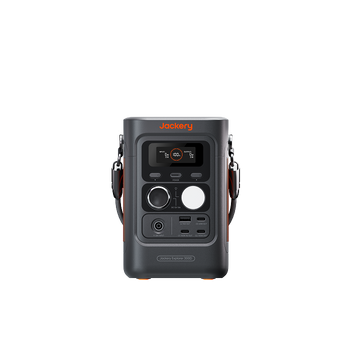
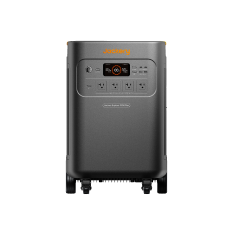
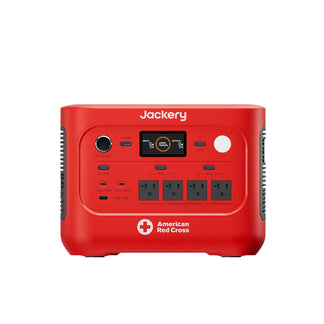
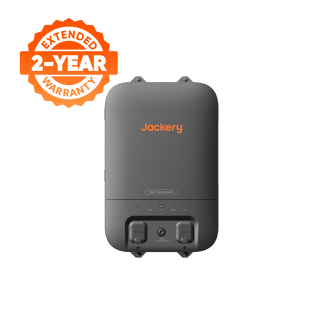
Jackery FridgeGuard
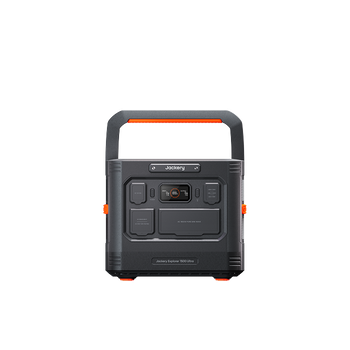
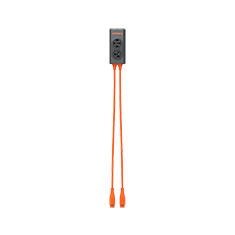
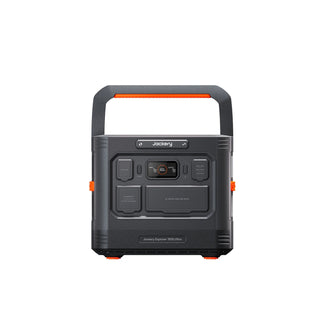
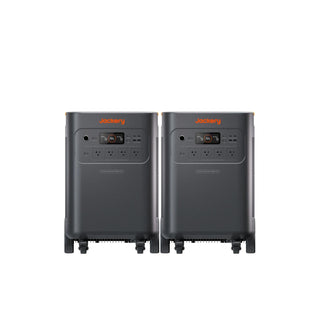
The Jackery FridgeGuard keeps a single refrigerator cold no matter what the grid is doing. It sits behind or beside the fridge, plugged into the wall on one end and into the fridge on the other, and runs the fridge on regular household power at all times. while quietly keeping its own battery recharged in reserve. The instant the power cuts out, it takes over in under 10 milliseconds, so there's no spoiled food, no manual setup, and no need to remember to do anything when a storm rolls in. On a single charge, it's built to keep a standard fridge running for up to 15 hours, and that stretches to roughly 30 hours if you add a second unit for extra capacity.
Appliances Running Time
- Refrigerator (400W) = 2.0H
- Mini Fridge (50W) = 13H
- RV Fridge (150W) = 5.0H
- Chest Freezer (100W) = 7H
- Car Fridge (50W) = 13H
Who Should Buy This
The Jackery FridgeGuard is the right choice for anyone whose main worry during a power outage is losing groceries or medication that needs to stay cold. It's especially well suited to smaller kitchens or apartments, since it's slim enough to tuck out of sight rather than taking up floor space like a traditional power station.

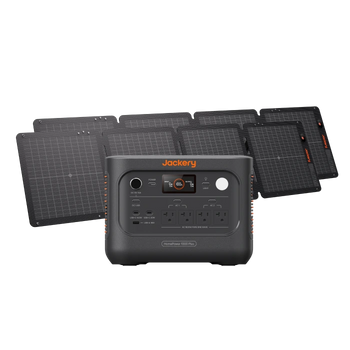
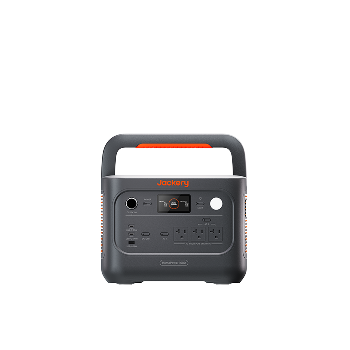
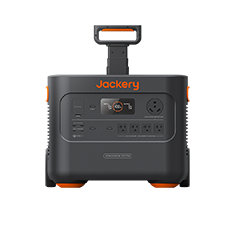
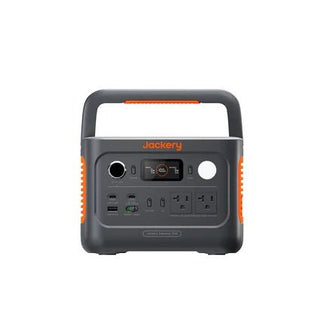
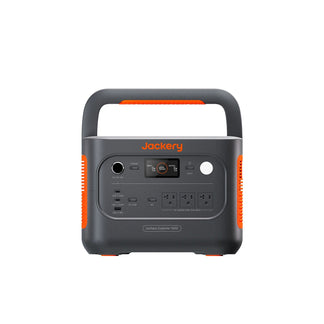
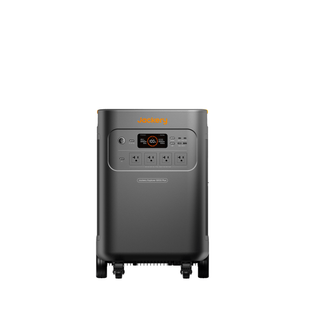
Jackery Solar Generator HomePower 1000 v2
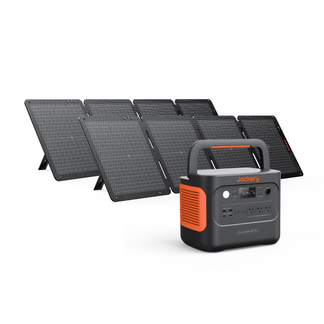
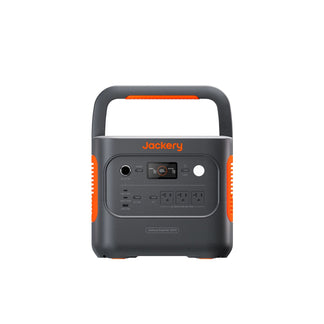
The Jackery Solar Generator HomePower 1000 v2 is built for a different job than a typical portable power station: it stays plugged in at home, watching your fridge around the clock so you don't have to think about it during an outage. The moment the grid drops, it switches over in under 10 milliseconds. It is fast enough that your refrigerator's compressor never even notices the interruption, let alone restarts from scratch. That matters most for anyone who's away from home when a storm hits, since there's no scrambling to plug anything in once the power comes back. Its Jackery Priority Routing feature also means that if the battery starts running low during a long outage, it will automatically cut power to less essential things first and keep the fridge running as long as possible.
Appliances Running Time
- Refrigerator (400W) = 2.0H
- Mini Fridge (50W) = 12.9H
- RV Fridge (150W) = 5.1H
- Chest Freezer (100W) = 7.3H
- Car Fridge (50W) = 12.9H
Who Should Buy This
The Jackery Solar Generator HomePower 1000 v2 is the right fit for homeowners who want a "set it and forget it" backup for their kitchen. Plug it in once, and it quietly protects your fridge (and a few other essentials) every time the power goes out, with no manual switching required.

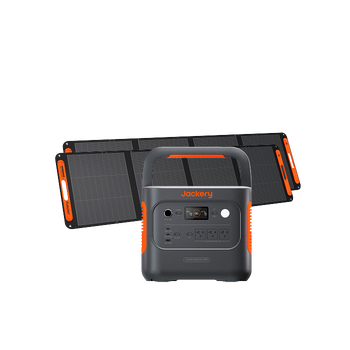
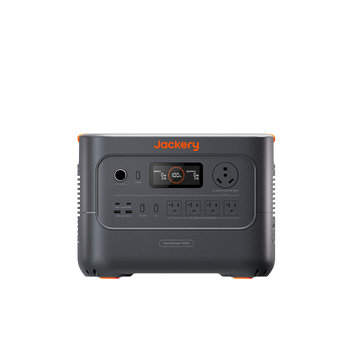
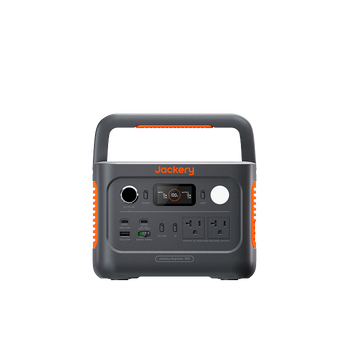
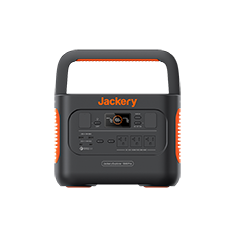
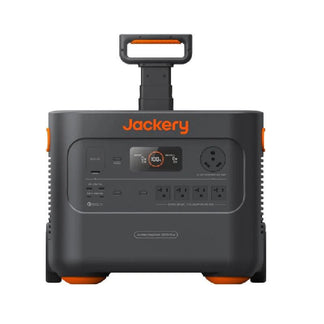
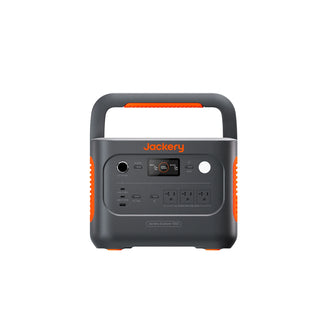
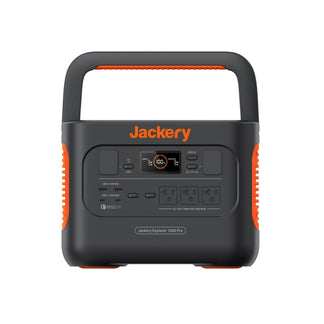
Jackery Solar Generator 1000 v2
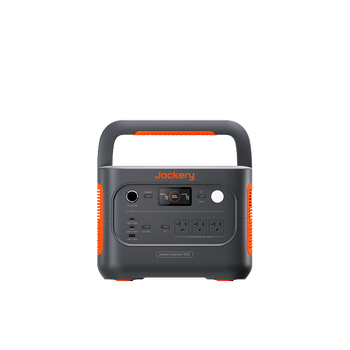
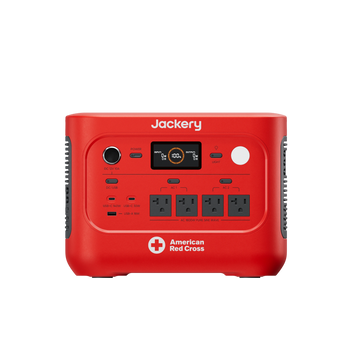
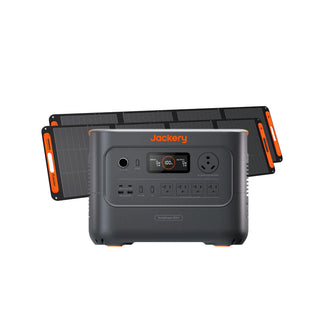
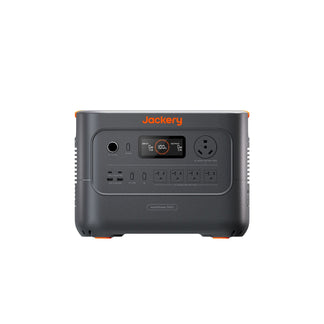
The Jackery Solar Generator 1000 v2 is a reliable home battery backup solution that runs quieter than most people expect, at 30 dB (as quiet as a whisper), and switches power in under 20 milliseconds for continuous operation of your devices during power outages or voltage fluctuations, functioning as a true UPS for your refrigerator. It also suits campers, van-lifers, and RV travelers who need a single battery backup solution that can handle both outdoor adventures and emergency backup in one package.
Appliances Running Time
- Refrigerator (400W) = 2.1H
- Mini Fridge (50W) = 13.5H
- RV Fridge (150W) = 5.3H
- Chest Freezer (100W) = 7.6H
- Car Fridge (50W) = 13.5H
Who Should Buy This
The Jackery Solar Generator 1000 v2 is the right choice for homeowners and apartment dwellers who want a compact, highly portable backup solution that they can move from room to room and charge quickly without hassle.

Customer Review
The backup power supplies (Jackery 1000 v2) are doing the job well so far. Thankfully, we haven’t lost power yet, but I let them power the fridge and freezer for a handful of cycles, and they worked. When I disconnected from the grid power, the backups maintained power flawlessly.
— Anonymous.
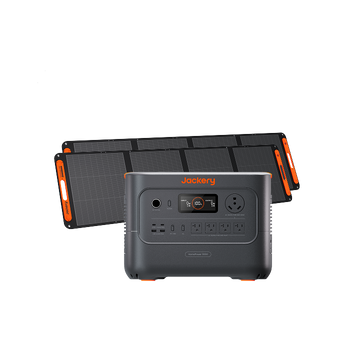
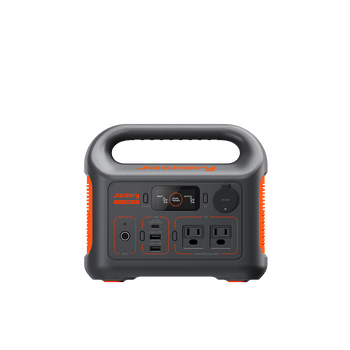
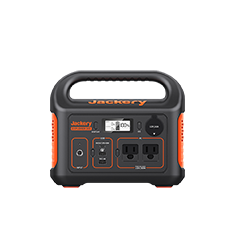
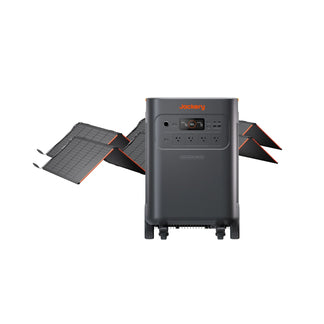
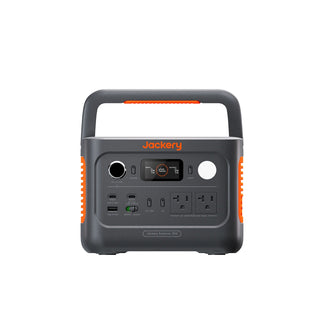
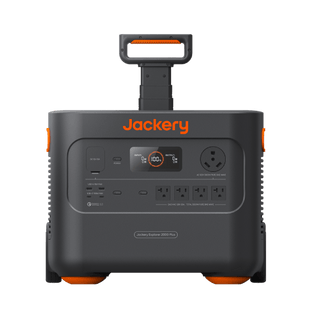
Jackery Solar Generator 1000 Plus
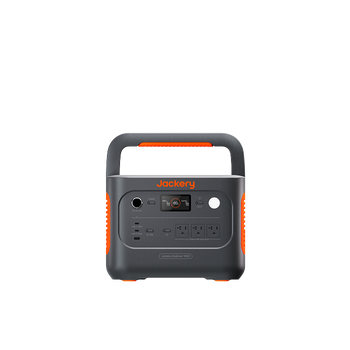
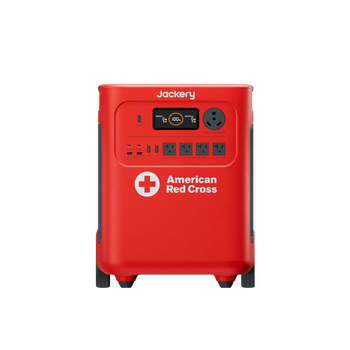
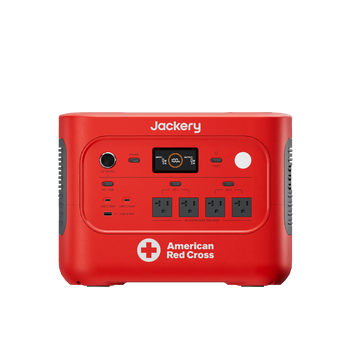
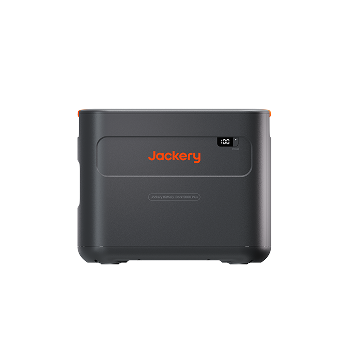
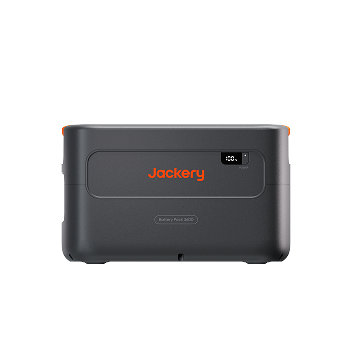
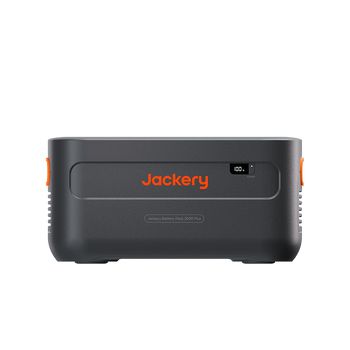
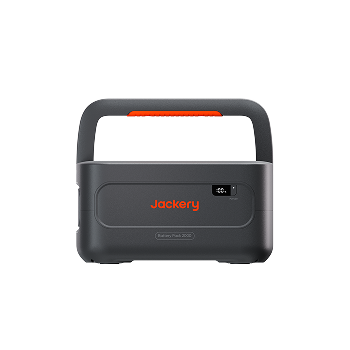
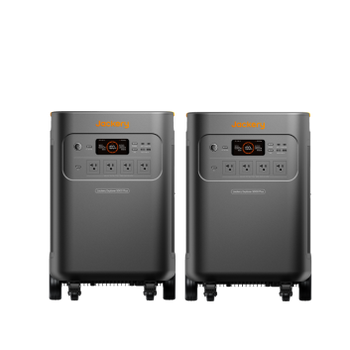
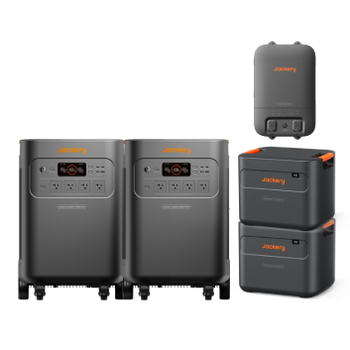
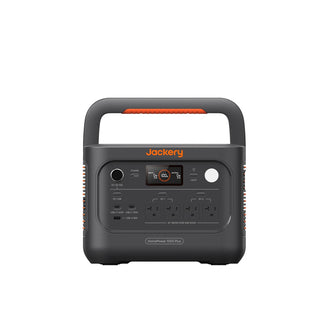
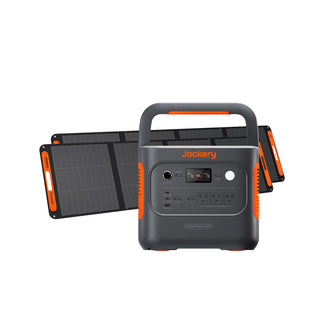
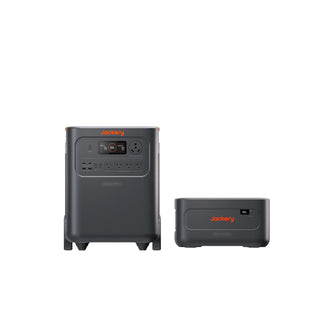
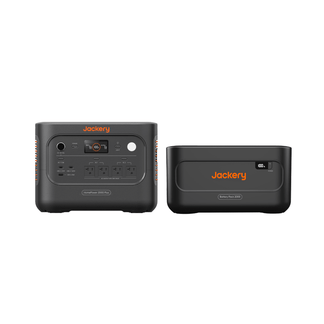
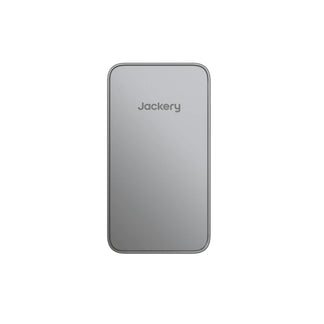
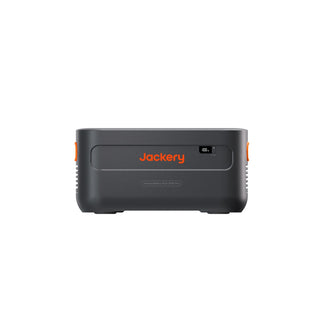
The Jackery Solar Generator 1000 Plus is ideal for those who need more capacity, more output power, and the option to grow their system over time. It is built for versatility and longevity, particularly for households that want to run a refrigerator alongside other essential appliances during extended outages. It can be expanded up to 5 kWh by adding up to three battery packs, keeping your home essentials running for one to three days.
Appliances Running Time
- Refrigerator (400W) = 2.5H
- Mini Fridge (50W) = 15.2H
- RV Fridge (150W) = 6.2H
- Chest Freezer (100W) = 8.8H
- Car Fridge (50W) = 15.2H
Who Should Buy This
The Jackery Solar Generator 1000 Plus is the right fit for families, homeowners in storm-prone regions, and anyone who needs to power a refrigerator while also keeping lights, a router, or charging hubs running at the same time.

Customer Review
When I got this, I thought I'd put it to the test and plug in my refrigerator at 350W. At this wattage, Jackery's estimation was just under three hours. Plugged in my refrigerator at 7:30 a.m., pulled the plug at 7:30 p.m., with 59% battery life left, and I can add 2 more battery packs to this system. Incredibly happy with my purchase
— Dan R.
For more information, you can check out our guide: Can Jackery Power Refrigerators and Freezers?
How Can You Make a 1000W Solar Generator Last Longer With a Refrigerator?
If you already own a 1000W portable power station or solar generator or are about to buy one, these practical steps can stretch every watt-hour further:
- Pre-cool your fridge before switching to generator power. If you know an outage is coming (storm warnings or planned maintenance), drop your fridge to its coldest setting several hours ahead. The thermal mass will hold the temperature longer once you switch to backup power.
- Keep the fridge fully stocked. A full refrigerator holds its temperature better than a half-empty one. If yours isn't full, fill the empty space with water bottles to act as thermal ballast.
- Minimize door openings during the outage. Every opening lets warm air in. Plan ahead: pull out everything you need in one trip, rather than opening the door repeatedly.
- Use an energy monitor. A smart plug with energy monitoring lets you see your fridge's real-time draw and duty cycle, helping you predict exactly how long your generator will last.
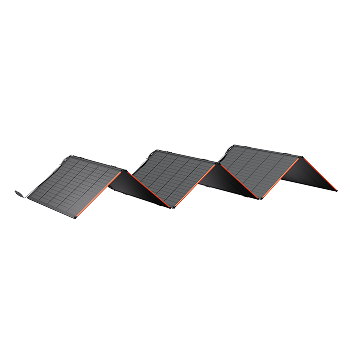
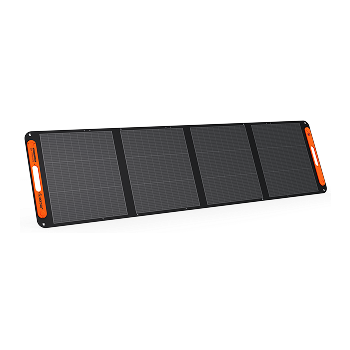
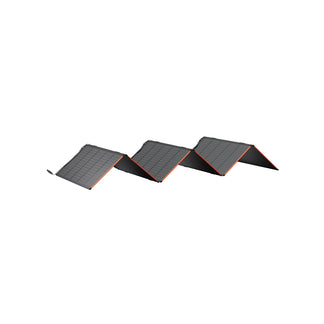
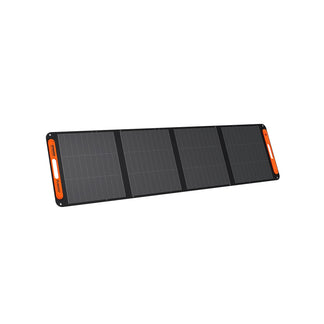
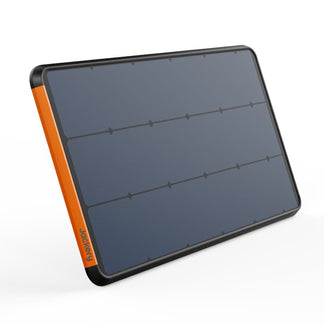
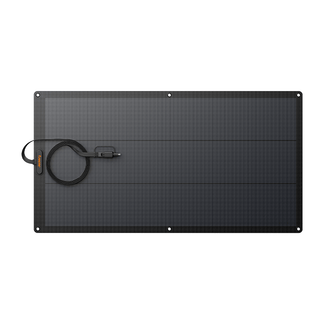
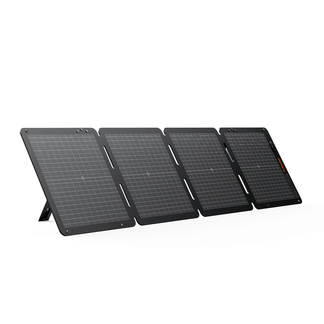
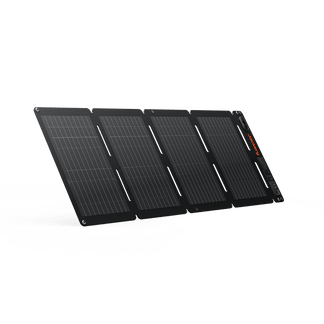
- Pair with solar panels. This is the single biggest runtime multiplier. A 200W solar panel in full sun can replace the energy your refrigerator consumes in real time, effectively running the fridge for free during daylight hours while simultaneously recharging the battery for overnight use.
- Use a secondary cooler for drinks. Opening the main fridge for drinks is one of the most common sources of unnecessary door cycles. Moving beverages to a simple ice cooler or a small secondary fridge keeps the main unit sealed and cold.
FAQs
Will a 1000 watt solar generator run a refrigerator?
Yes, a 1000 watt generator can run most standard home fridges. A typical fridge runs at 100–400W, well within a 1000W generator's capacity. The generator's surge output is usually twice its rated output. Hence, a 1000W generator with a surge output of 2000W can safely handle 100-400W refrigerators with a surge capacity of 300-1200W.
How long can a solar generator run a refrigerator?
The running time of a solar generator for a refrigerator can be calculated using the running time calculator available on the Jackery Buying Guide page. Visit the page and scroll to find the calculator. There, you can enter the total wattage of the refrigerator and click Enter to get the estimated runtime.
Can a 1000 watt inverter run a fridge and freezer?
Usually not both at the same time. Each appliance draws 100–400W running, but their compressors don't always start simultaneously. If they do, the combined surge can easily exceed 2,000W and shut the inverter down. It's safer to use a 2000W+ inverter when running both, or stagger their use.
What generator can run a fridge?
Any generator rated at 1000W or higher will comfortably handle most residential fridges, covering both running draw and startup surge with headroom to spare. For a mini fridge or compact unit, a 500-1000W generator is often sufficient. However, you should verify the fridge's surge wattage before committing.
Does “1000W generator” mean it uses 1000W all the time?
No, 1000W is the maximum output capacity and not the constant draw. Your generator only produces as much power as your connected appliances demand, so a 150W fridge pulls 150W from it and not 1000W. Running a generator well below its rated capacity is actually common and generally fine, though very light loads on gasoline generators can cause issues over time.
Should I use AC or DC to power a fridge?
Using AC or DC to power a fridge depends on the appliance. Standard household refrigerators run on AC, so you'll need an inverter to use them with a solar generator's DC battery. Purpose-built 12V/24V DC fridges (common in RVs and off-grid setups) skip the inverter entirely, which improves efficiency by 10–15%. If you're designing a solar system from scratch, a DC fridge is the more efficient choice.
Conclusion
A 1000W portable solar generator is a capable and practical solution for keeping your refrigerator running during power outages, provided you understand the numbers behind the spec sheet. The key insight is that the watt-hour (Wh) capacity of the battery, not the watt rating, determines runtime. A 1,000Wh generator will power a standard full-size refrigerator for roughly 10–20 hours under typical conditions, with mini fridges and RV compressor units running significantly longer.
Surge wattage is equally important, so you should confirm your generator's peak output exceeds your fridge's startup draw before assuming compatibility. Most quality 1000W generators with 1,800–2,000W+ peak ratings will handle this without issue. The Jackery Solar Generator 1000 v2 suits anyone who wants a portable unit that can double as camping or RV power between emergencies. The Jackery Solar Generator 1000 Plus is the better call if you need to run the fridge alongside other essentials, or want the option to expand capacity later.
If you'd rather not think about it at all, the Jackery HomePower 1000 v2 stays plugged in and switches over automatically the moment the power drops, no manual setup required. And if your only real concern is keeping one fridge cold, the Jackery FridgeGuard is purpose-built for exactly that, with nothing extra to manage.


