





![[Add-on] Jackery Battery Pack 5000 Plus - Jackery](http://www.jackery.com/cdn/shop/files/add-on-jackery-battery-pack-5000-plus-6713401.webp?v=1786503068&width=324)




A mini split typically draws between 4 and 15 amps while running, depending on BTU size and voltage. A small 9,000 BTU single-zone system on 120V draws roughly 5 to 7 amps. A 12,000-18,000 BTU system on 208-230V, the more common residential setup, draws roughly 4 to 8 amps. Multi-zone systems add zones on top of that base draw, and large 36,000+ BTU systems can exceed 15 amps.
Mini splits are confused with portable ACs and window units in a lot of amp charts. That's a mistake. A mini split is a permanent, hardwired system, usually running on 208-230V instead of a standard outlet, and most modern units use inverter-driven compressors that behave nothing like the fixed-speed compressor in a plug-in AC. Both of those differences change the amp math in ways a generic chart won't catch.
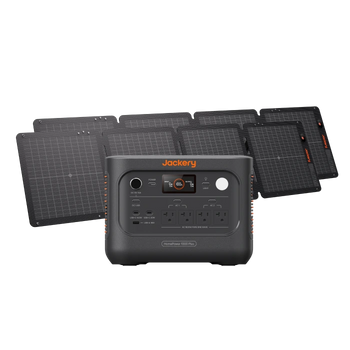
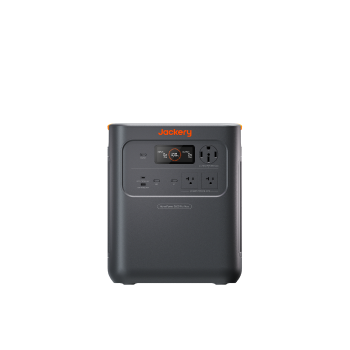
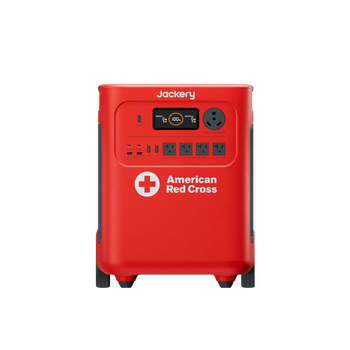
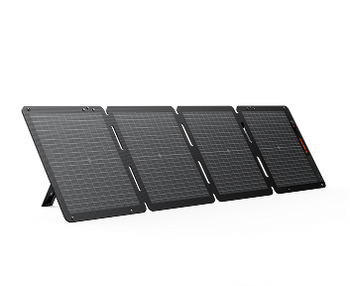
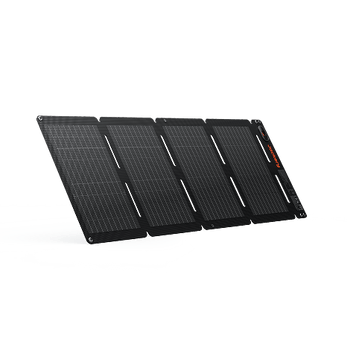
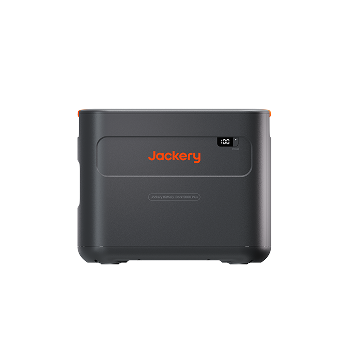
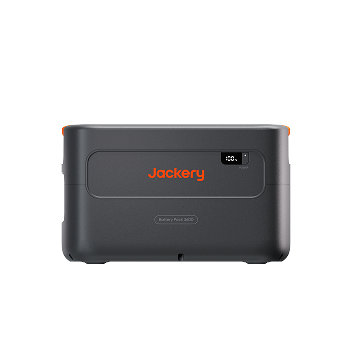
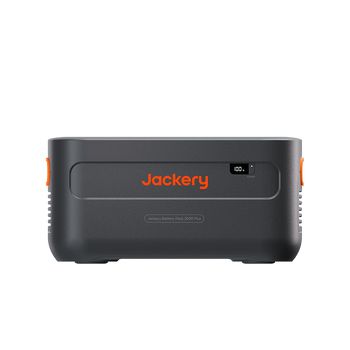
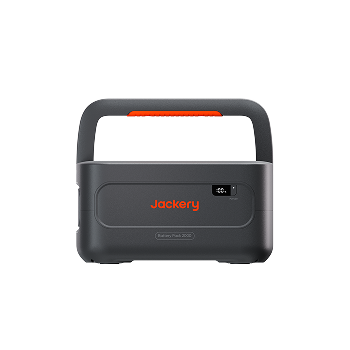
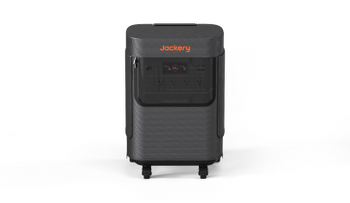
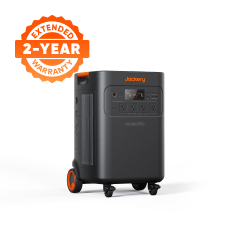
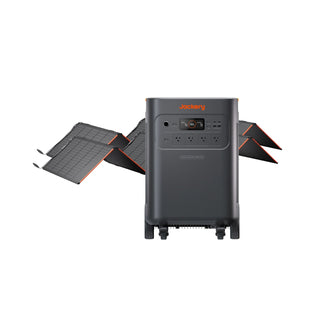
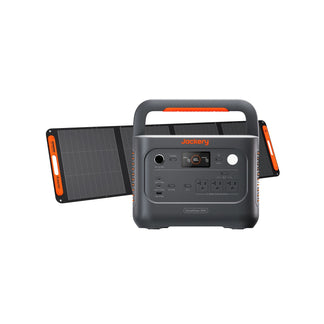
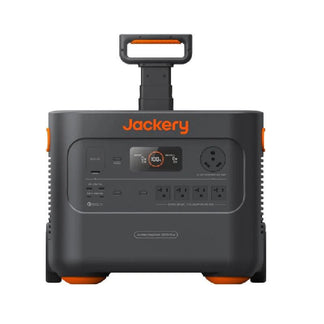
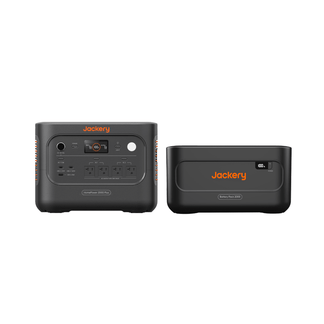
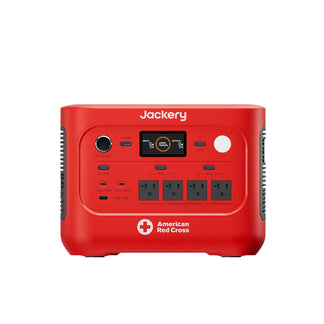
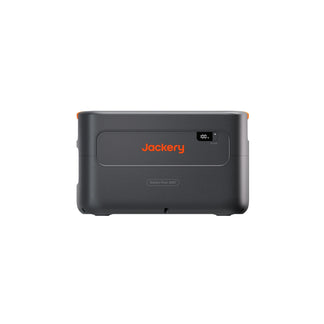
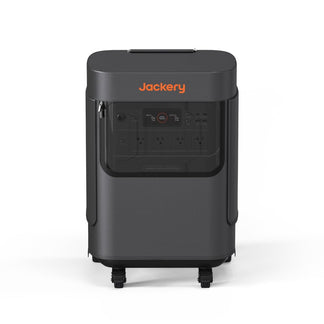
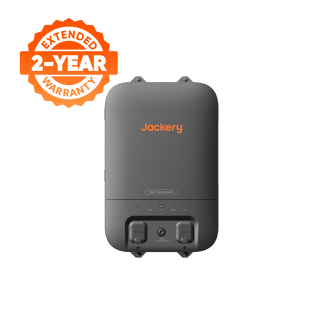
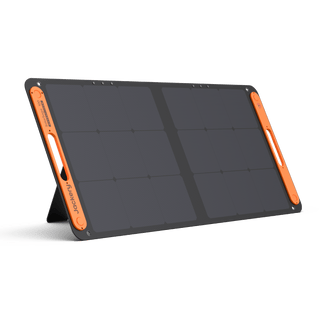
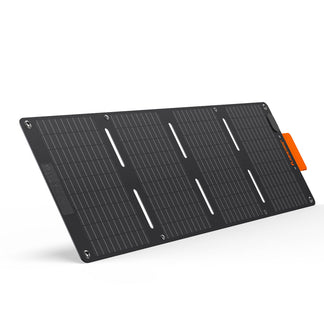
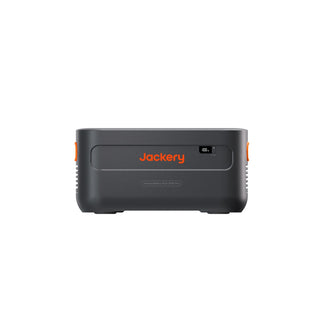
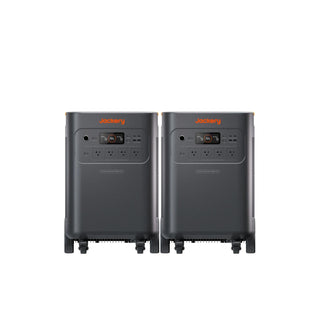
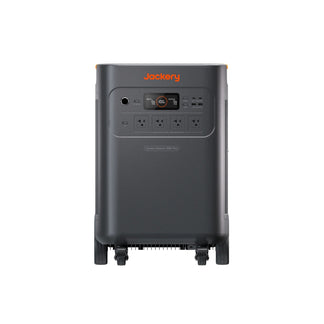
Jackery Solar Generators with dual-voltage support like the Jackery Solar Generator 5000 Plus can power 240V mini splits of different sizes.
Key Takeaways
- A mini split typically draws 4–15 amps while running, depending on BTU size and voltage. A small 9,000 BTU 120V system draws roughly 5–7 amps, while large 36,000+ BTU multi-zone systems can exceed 15 amps.
- MCA (Minimum Circuit Ampacity) is not the same as running amps. It is a manufacturer-listed safety margin used to size the circuit and wire gauge. You should always check the nameplate for both MCA and MOCP before sizing a breaker.
- Most mini splits run on 208–230V and not a standard household outlet. This is a key difference from window ACs, and it roughly halves the amps needed for the same wattage compared to a 120V unit. A DIY 120V category exists mainly in the 9,000–12,000 BTU range.
- Inverter-driven compressors keep startup surge low. Instead of the 2–3x running-amp spike of a fixed-speed compressor, inverter mini splits surge only about 1.2–1.5x their running amps, making them far easier to size backup power for.
- Multi-zone systems don't scale draw 1:1 with zone count. Running two zones off a shared compressor typically draws less than double a single zone's amps, since the compressor modulates output across active zones.

What is MCA (Minimum Circuit Ampacity)?
MCA, or Minimum Circuit Ampacity, is the minimum electrical capacity a circuit must provide to safely power an HVAC unit, listed on the mini split's nameplate by the manufacturer. It is not the same number as the unit's actual running amps.
MCA is calculated with a safety margin that accounts for startup current and any auxiliary components, so it is typically higher than what the system draws during normal operation. Electricians use MCA to size the wire gauge and circuit for installation.
What Size Breaker Do You Need for Mini Splits?
MCA is useful in determining what size breaker you need for a mini split. A mini split's nameplate also lists MOCP (Maximum Overcurrent Protection), which tells you the largest breaker the circuit can safely use.
A 12,000 BTU mini split, running at 4-8 amps depending on voltage, commonly specifies a 15 or 20-amp dedicated breaker once MCA is factored in. Larger 24,000-36,000 BTU systems often require 20 to 30-amp circuits.
The takeaway: don't size a breaker off the running amps alone. Check the nameplate for MCA and MOCP specifically, or ask the installing electrician to confirm both before finalizing circuit size.
How Many Amps Does a Mini Split Draw by Size
A mini split typically draws between 4 and 15 amps depending on its capacity and voltage. Smaller mini split systems usually operate on 115V, while larger multi-zone units require 230V. Here is how common BTU sizes break down, based on real-world running wattage for modern inverter-driven systems.
|
BTU Size |
Running Wattage |
Voltage |
Amp Draw |
|
9,000 BTU (Single-Zone) |
500-700W |
120V |
4.2-5.8A |
|
12,000 BTU (Single-Zone) |
700-950W |
208-230V |
3-4.6A |
|
18,000 BTU (Single-Zone) |
1,200-1,600W |
208-230V |
5.2-7.7A |
|
24,000 BTU (Multi-Zone) |
1,600-2,200W |
208-230V |
7-10.6A |
|
36,000 BTU (Multi-Zone) |
2,400-3,400W |
208-230V |
10.4-16.3A |
Most mini splits do not run on a standard 120V household outlet. Standard residential mini splits, anything installed by a professional with a dedicated line set, run on 208-230V, wired directly into a dedicated circuit rather than plugged in.
There's an exception worth knowing: a category of DIY mini splits is specifically built to run on a standard 120V outlet, typically in the 9,000-12,000 BTU range. These are the mini splits closest to a portable AC in how they connect to power, even though they are mounted and installed like a standard system.
If you are not sure which type you have, check the nameplate to see the required voltage directly.
Do Inverter Mini Splits Really Have a Lower Startup Surge?
Yes, inverter mini splits have a lower startup surge, and this is the single biggest thing that separates mini splits from a standard window or portable AC.
Older, fixed-speed AC compressors switch on at full power instantly, which is why they pull 2 to 3 times their running amps for a second or two on startup. Most modern mini splits use inverter-driven compressors instead, controlled by a variable frequency drive that ramps the compressor up gradually rather than working at full speed.
In practice, that means a mini split's startup surge is often only 1.2 to 1.5 times its running amps. It is nowhere near the dramatic spike you would plan around for a fixed-speed compressor. This is a major reason mini splits have a reputation for being easier to run on backup power than a comparably sized portable or window AC unit.
One caveat: older or budget fixed-speed mini splits without true inverter technology don't get this benefit. Check the spec sheet for "inverter" or "variable speed" branding if you are not sure about which type you have.
How Many Amps Single-Zone vs. Multi-Zone Mini Splits Use
A single-zone system has one outdoor compressor unit feeding one indoor air handler, and its amp draw is exactly what the BTU chart above suggests.
Multi-zone systems are different. One outdoor compressor feeds multiple indoor units, and the compressor's total draw scales with how many zones are actively calling for cooling or heating at once.
Running two zones simultaneously typically draws less than double a single zone's amps, since the shared compressor modulates its total output across whatever zones are active.
This is genuinely useful when sizing backup power: a multi-zone system running just one or two zones during an outage draws meaningfully less than its full rated capacity would suggest.
How Many Amps Mini Split vs. Window AC vs. Central Air Use
Amperage varies by cooling capacity (BTUs), but typically, window ACs draw 5–15 amps, mini-splits draw 5–20 amps, and central AC systems draw 15–50 amps. Window units are usually 120V, while mini-splits and central air generally run on 230V/240V circuits.
|
Cooling Method |
Typical Capacity |
Running Amp Draw |
|
Mini Split (12,000 BTU) |
12,000 BTU |
3-4.6A (230V) |
|
Window AC (12,000 BTU) |
12,000 BTU |
10-12.5A (120V) |
|
Central Air (3-ton) |
36,000 BTU |
15-20A (230V) |
The gap between a mini split and a comparable window unit is significant, and it comes down to the same two factors covered above: mini splits typically run on 230V rather than 120V, which roughly halves the amps for the same wattage, and their inverter compressors are considerably more efficient than the fixed-speed compressor in most window units.
How Do I Calculate My Mini Split's Amp Draw?
To understand the amp draw of a mini split, you can check the outdoor unit's nameplate first. It lists voltage, running amps (often labeled RLA, or Rated Load Amps), MCA, and MOCP directly from the manufacturer. It is the most reliable source available.
If you don't see the direct amp value on the nameplate, you can convert watts to amps. A 900W mini split running on 230V draws:
900W ÷ 230V = 3.9 amps
If you want live and accurate reading, you can use a clamp meter. This is especially useful for confirming real-world draw during heating mode or defrost cycles, since nameplate figures typically reflect standard cooling conditions.
Can a Solar Generator Run a Mini Split?
Yes, a solar generator can run most single-zone mini split systems, as long as the generator matches the mini split's specific voltage requirement and covers its surge with enough output.
A 120V DIY solar-powered mini split pairs with any generator offering standard 120V output above its running wattage. A 208-230V system needs a generator with true dual-voltage output.
Since inverter compressors surge modestly compared to fixed-speed units, a mini split is often one of the easier HVAC loads to size for, once voltage is sorted out.
Kent Hagood, a Texas homeowner, turned to solar backup after growing concerned about the state's strained power grid, ultimately choosing the Jackery Solar Generator 3000 Pro over a full home system that could have cost $8,000 to $12,000 and required a natural gas connection. His top priority during outages is keeping the refrigerator running so food doesn't spoil, but he's also set up a plan to run a small window air conditioner, a fan, and lights in one bedroom to stay comfortable through Texas heat. With an adventurous, rock-climbing son at home, Kent's Jackery may soon do double duty for camping trips too. Explore more Jackery Stories to see how other households are preparing for grid uncertainty.
Recommended Jackery Solar Generators for Mini Splits
Mini splits offer efficient heating and cooling, but losing power to one is a problem for off-grid cabins, tiny homes, converted garages, RVs with permanent AC setups, or homeowners riding out a summer or winter grid outage. Mini splits require a steady, continuous power draw plus a notable startup surge to get the compressor running, choosing the right Jackery Solar Generator means looking beyond just battery size to real surge handling and sustained output. It is critical for anyone relying on one as their primary climate control rather than a backup.
This makes Jackery Solar Generators a practical solution for off-grid homesteaders who have gone all-electric, van-lifers with a mini split installed for year-round comfort, and families who need dependable heating or cooling during multi-day outages without the noise, fumes, or fuel runs of a gas generator. With enough continuous wattage and surge capacity, a portable power station can keep a mini split running for extended stretches, and pairing it with solar panels allows that capacity to be replenished throughout the day for indefinite off-grid comfort.
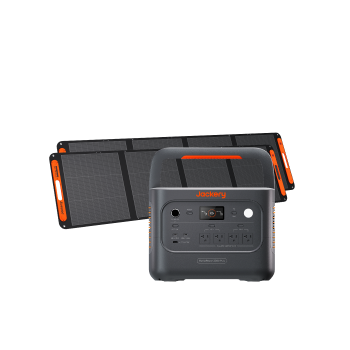
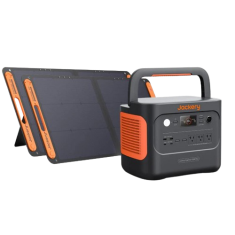
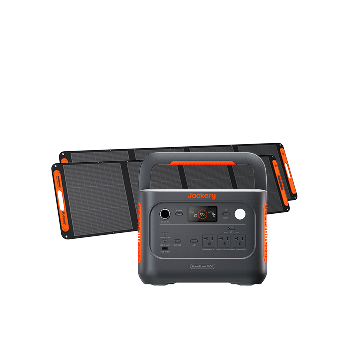
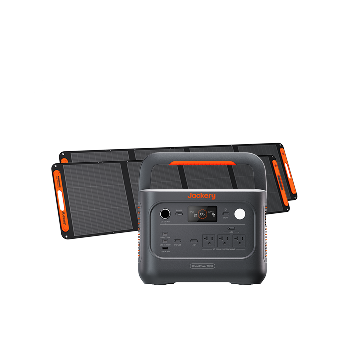
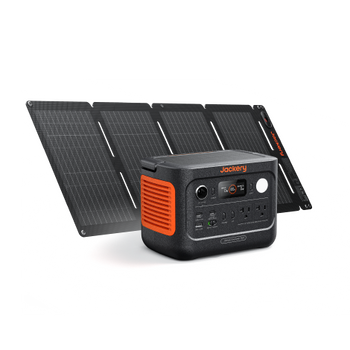
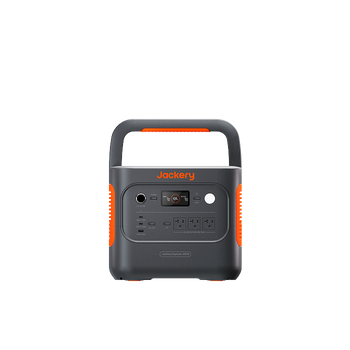
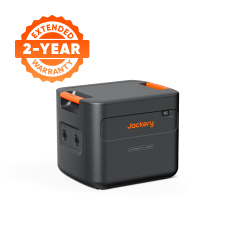
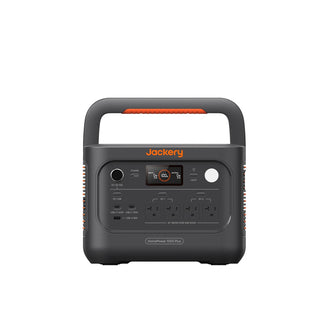
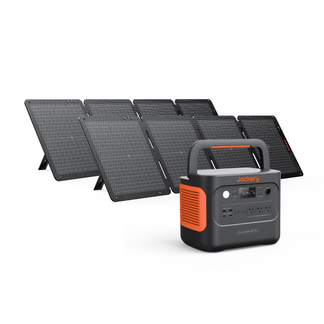
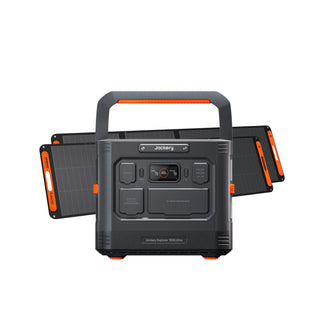
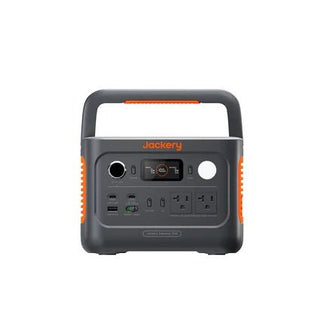
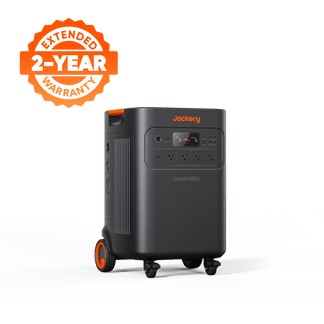
Jackery Solar Generator HomePower 3000
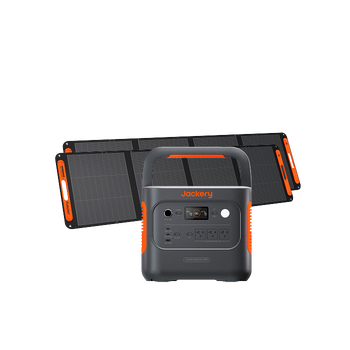
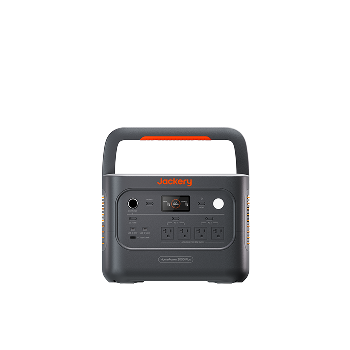
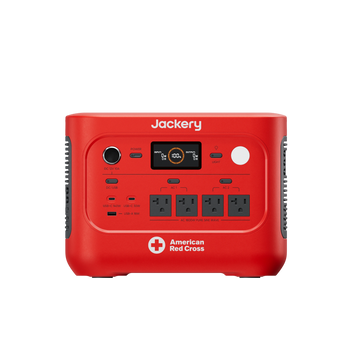
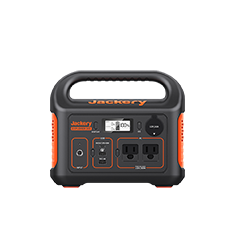
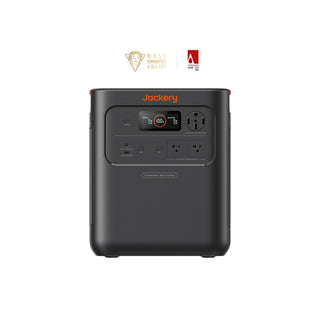
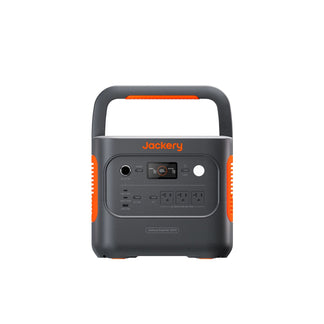
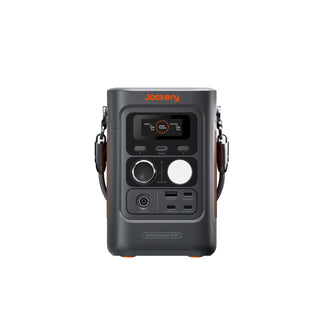
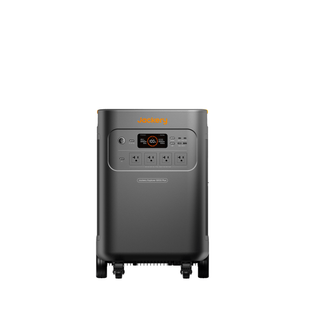
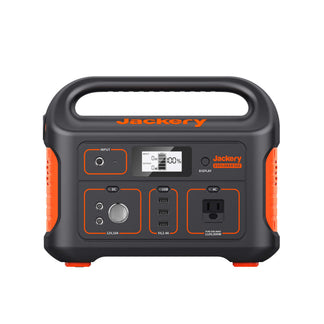
A DIY-installed 120V mini split mounted in a bedroom or garage without a dedicated 230V line can easily run with the Jackery Solar Generator HomePower 3000. It provides steady 3,600W continuous output that gives a small single-zone system comfortable power and output to start and run without complications. It is the lightest 3kWh LFP solar generator with dual-sided handles, meaning if you are not powering the mini splits at home, you can take it outdoors during camping or RV living.
Appliances Running Time
- Mini Split (700W) = 3.6H
- Fridge (300W) = 8.1H
- Portable AC (1500W) = 1.7H
- TV (150W) = 15.2H
- Induction Cooktop (1000W) = 2.6H
Who Should Buy This
The Jackery Solar Generator HomePower 3000 is ideal for homeowners of 120V DIY mini split systems who want reliable home battery backup for a single room without needing 230V output at all.

Customer Review
We took this to go camping, charging various devices and such, and it lasted for 7 days before having to recharge it again. I like the fact that it automatically shutoff the cable that didn't work. We haven't used the solar power yet. Will definitely use it for the house when there is a blackout.
— Alanna.
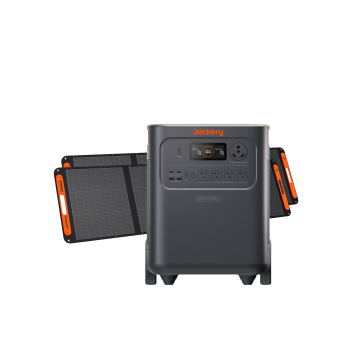
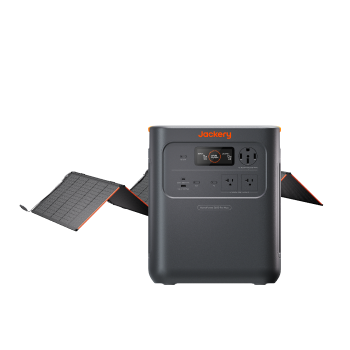
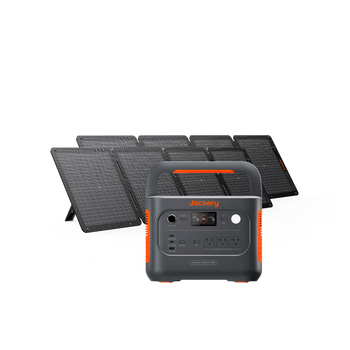
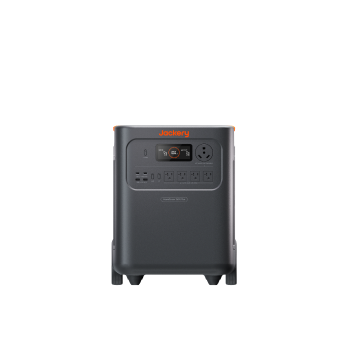
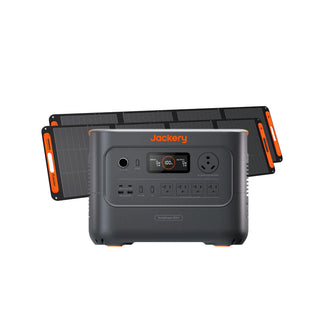
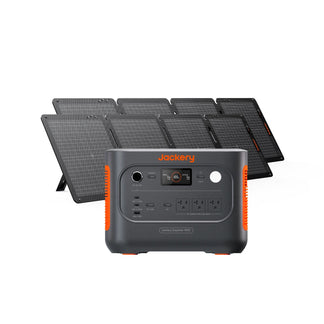
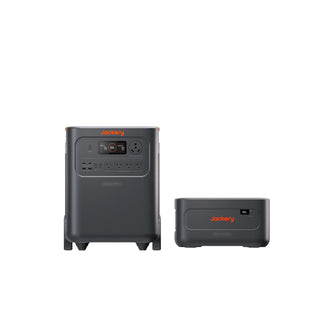
Jackery Solar Generator HomePower 3600 Pro Max
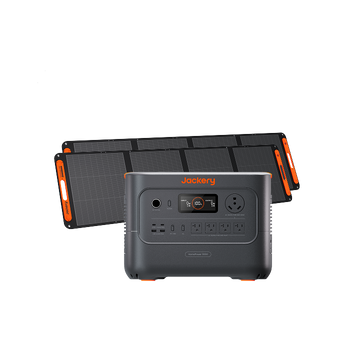
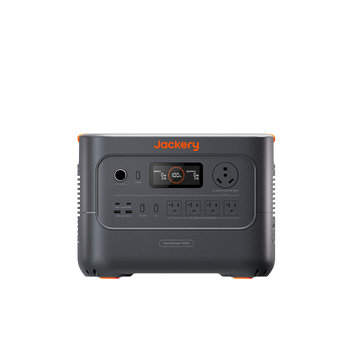
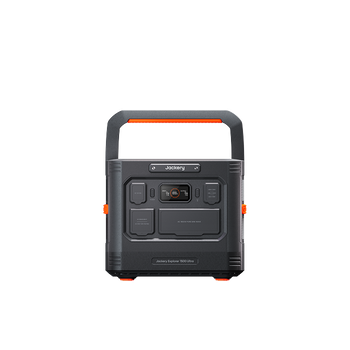
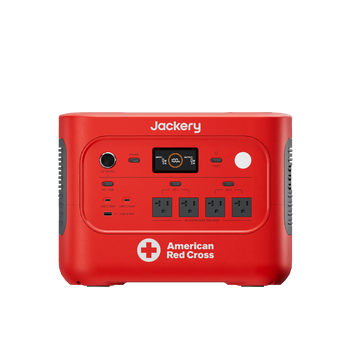
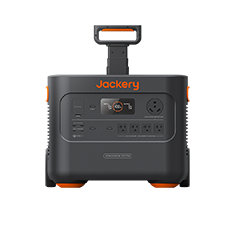
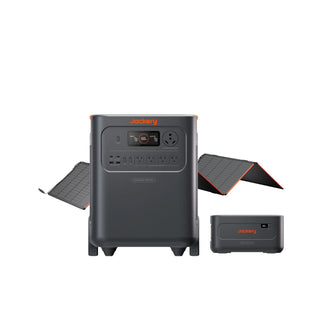
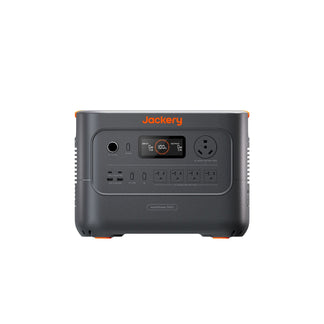
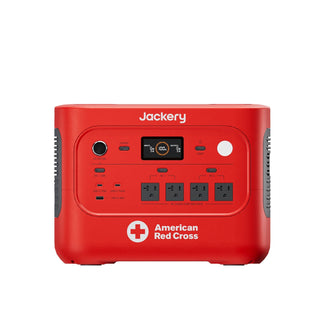
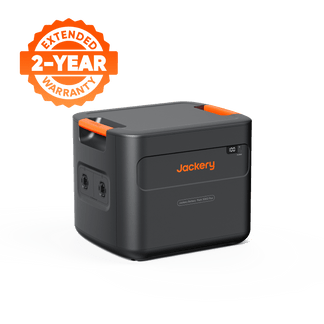
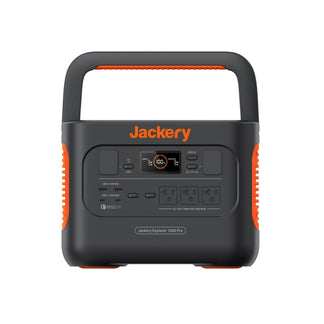
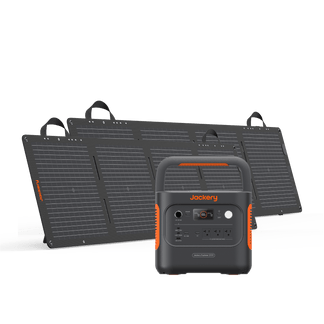
For a standard installed mini split with 208-230V single-zone system, the Jackery Solar Generator HomePower 3600 Pro Max delivers true dual-voltage output from one unit. It is expandable up to 21.5 kWh for a single unit, and up to 43 kWh when two units are connected in parallel. Thanks to the Time-of-Use Mode, this home battery backup system automatically charges when rates are lowest and powers your home appliances during the peak electricity hours. This smart peak-shaving strategy allows you to save up to $4,238 every year on energy costs.
Appliances Running Time
- Mini Split (700W) = 4.2H
- Fridge (300W) = 9.5H
- Portable AC (1500W) = 2.0H
- TV (150W) = 17.7H
- Induction Cooktop (1000W) = 3.0H
Who Should Buy This
The Jackery Solar Generator HomePower 3600 Pro Max is ideal for homeowners with professionally installed 230V single-zone mini splits, especially anyone who wants to lower their reliance on the electricity grid rather than paying high electricity bills.

Customer Review
So far I charged it up and tested it for what my main concern was a sump pump and refrigerator. It worked great. I didn't get to try out the solar panels yet but so far so good T Y.
— Anonymous.
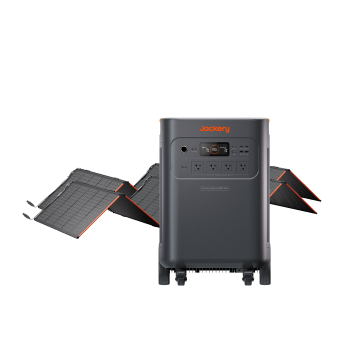
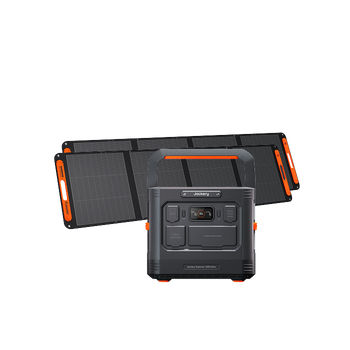
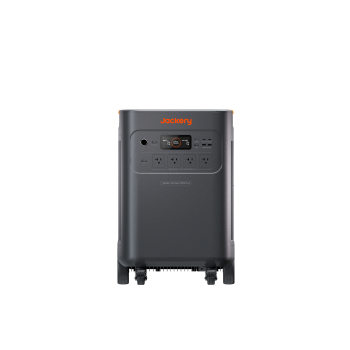
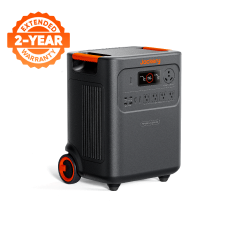
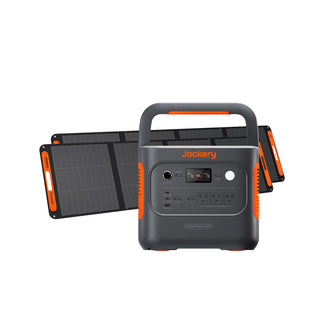
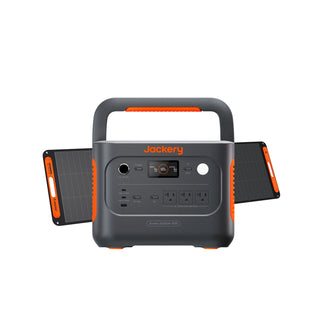
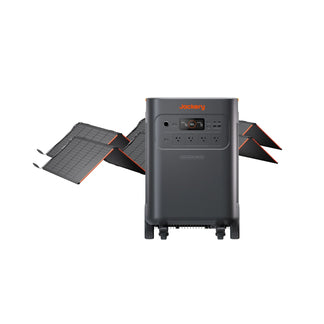
Jackery Solar Generator 5000 Plus
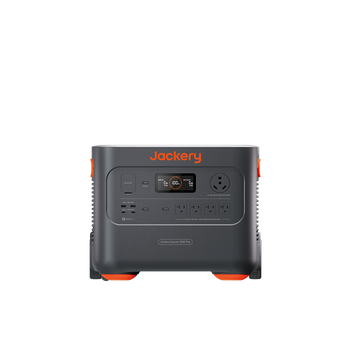
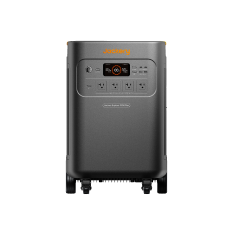
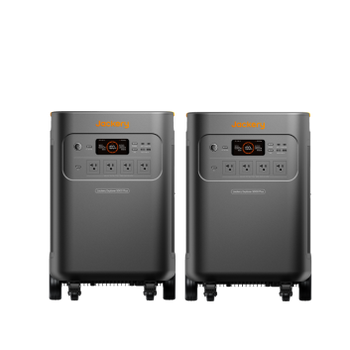
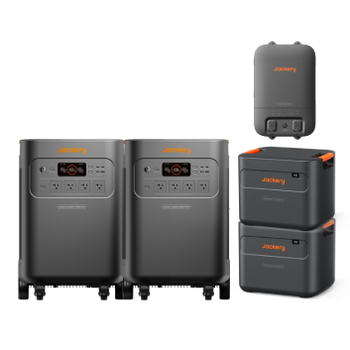
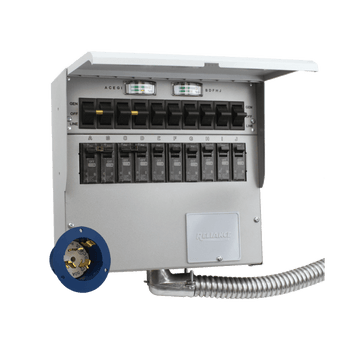
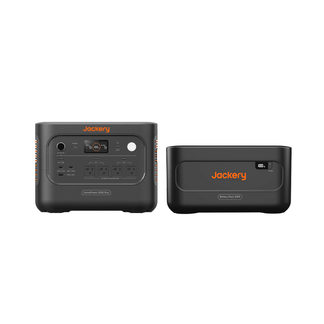
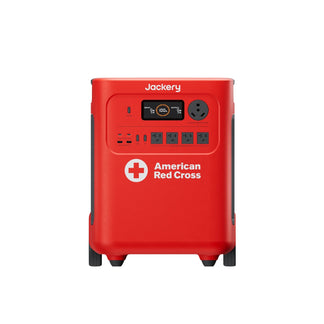
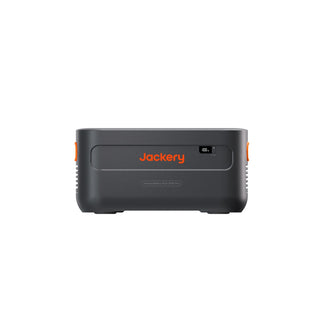
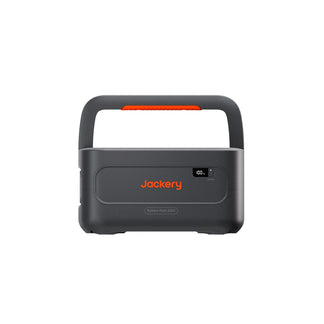
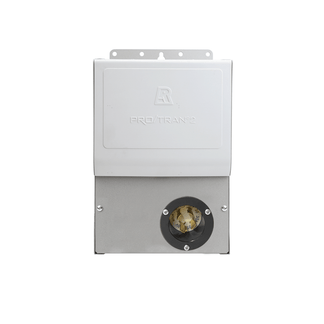
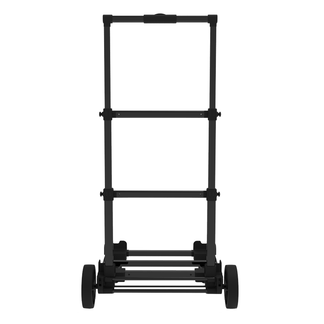
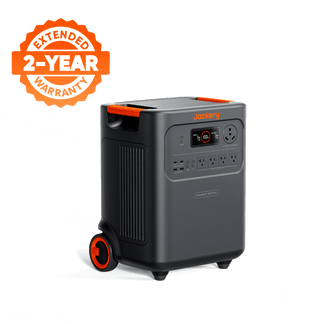
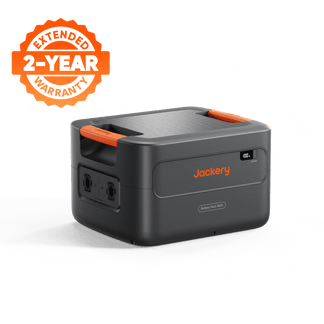
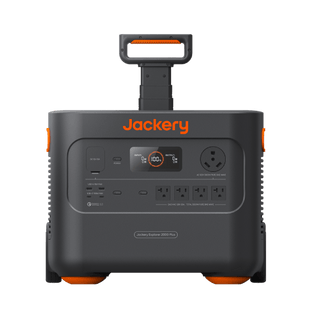
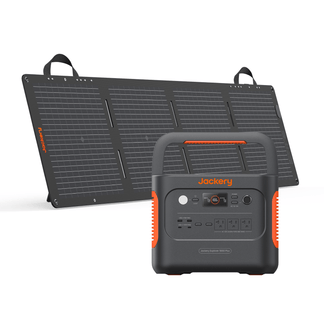
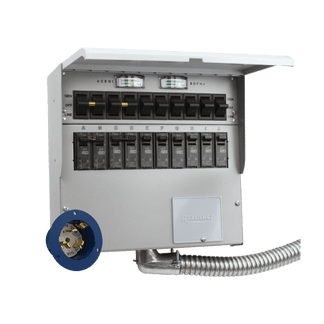
The Jackery Solar Generator 5000 Plus is an ideal home battery backup solution that can easily handle multi-zone systems or a single-zone unit running alongside a refrigerator, well pump, and other essentials. It delivers 7,200W of continuous output, expandable capacity, and 120V/240V compatibility, with Smart Transfer Switch support for backing up an entire mini split circuit. It features double wheels with a telescoping handle for easier transportation from one room to another, so you can keep essentials powered wherever you need.
Appliances Running Time
- Mini Split (700W) = 5.7H
- Fridge (300W) = 12.2H
- Portable AC (1500W) = 2.8H
- TV (150W) = 21.4H
- Induction Cooktop (1000W) = 4.1H
Who Should Buy This
The Jackery Solar Generator 5000 Plus is ideal for multi-zone system owners, or anyone running a mini split as one part of a larger essential-appliance backup plan during extended outages.

Customer Review
It does everything it’s advertised. The best part is that I can hook it up to my solar panels and I can run it with the STS and it’ll run most of my house. I purchased two of them so that way I can get the maximum output from the STS for the whole house. I really like the fact that it has wheels and can be moved when going on camping trips so I can use it as a dry camp location without having to hook up to electricity from outside sources.
— Jeffrey H.
What Does It Cost to Run a Mini Split?
A 12,000 BTU mini split running at 850W for 8 hours a day uses about 6.8 kWh daily. At a typical US rate of $0.18 per kWh, that's roughly $1.22 a day, or about $36.72 a month for regular daily use. Compared to central air, mini splits are often meaningfully cheaper to run for single-room or zoned cooling, since you are not conditioning space you are not using.
How to Cut Your Mini Split's Electricity Use
If you want to cut your mini split’s electricity use, maintain a stable temperature between 24°C and 26°C, as each degree below this increases compressor load. Clean the air filters every two to four weeks to ensure maximum airflow, and set the indoor units in empty rooms to their absolute minimum to leverage zoning.
Set a Consistent Temperature Rather than Cycling it On and Off: Inverter compressors run most efficiently maintaining a steady load rather than repeatedly changing the temperature.
Clean or Replace the Filter Regularly: A clogged filter forces the system to work harder to move the same amount of air, increasing both runtime and draw.
Seal the Room Being Conditioned: Since mini splits are typically zoned to specific rooms, drafts or poor insulation in that space directly undercut efficiency.
Use the Auto or Eco Fan Setting Where Available: These modulate fan speed based on conditions rather than running at a fixed high speed regardless of need.
Have the Line Set and Refrigerant Charge Checked Periodically: A system low on refrigerant works harder for the same output, quietly increasing electricity use over time.
Keep the Outdoor Compressor Unit Clear of Debris and Snow: Restricted airflow around the outdoor unit forces the compressor to work harder to maintain the same indoor temperature.
Use Zone-Specific Scheduling on Multi-Zone Systems: Running only the zones actually in use, rather than every indoor unit at once, keeps the shared compressor's total load closer to what you actually need.
FAQs
How many amps does a 12,000 BTU mini split use?
A modern inverter 12,000 BTU mini split typically draws 3 to 8 amps running, depending on whether it is the 120V DIY type or a standard 208-230V install. Startup MCA on the nameplate runs higher, but actual running draw stays in that range.
What size breaker do I need for a 12,000 BTU mini split?
Most 12,000 BTU systems specify a 15 or 20-amp dedicated breaker, based on the MCA and MOCP figures printed on the unit's nameplate.
Do you need 200-amp electrical service for a mini split?
No, you don’t need a 200-amp electrical service for a single mini split in most homes. You may need a service upgrade if you want to add several multi-zone systems, or combine a mini split with other major electrical upgrades. A licensed electrician can confirm this based on your home's total load.
Why do inverter mini splits use less starting power than portable ACs?
Inverter compressor increases the power consumption gradually using a variable frequency drive, rather than switching on at full power instantly like a fixed-speed compressor. That gradual increase is what keeps the startup surge lower.
Does a mini split need a disconnect box?
Most professionally installed 230V mini split systems need a disconnect box, per standard electrical code, positioned near the outdoor compressor unit. DIY 120V systems plugged into a standard outlet typically don't require one.
Is a multi-zone mini split more expensive to run than several single-zone units?
No, a multi-zone mini split is not more expensive to run than several single-zone units. A shared compressor across multiple zones is often more efficient than running separate single-zone systems, since it modulates total output based on actual demand across all active zones rather than each unit running independently at full capacity.
Conclusion
The exact amp draw of a mini split comes down to three things: BTU size, voltage, and whether the compressor is inverter-driven or fixed-speed. Get those three right, and you can easily size a breaker or a backup power source. The Jackery Solar Generator HomePower 3000 is an ideal home battery backup that can run 120V mini splits, whereas you need essential home backups like the Jackery Solar Generator HomePower 3600 Pro Max or the Jackery Solar Generator 5000 Plus, with dual-voltage support to run mini splits that require 240V.


