











![[Add-on] Jackery SolarSaga 500 X - Jackery](http://www.jackery.com/cdn/shop/files/add-on-jackery-solarsaga-500-x-1493607.webp?v=1786503068&width=324)
![[Add-on] Jackery Battery Pack 5000 Plus - Jackery](http://www.jackery.com/cdn/shop/files/add-on-jackery-battery-pack-5000-plus-6713401.webp?v=1786503068&width=324)







![[Add - on] SolarSaga 200W - Jackery](http://www.jackery.com/cdn/shop/files/add-on-solarsaga-200w-4834329.png?v=1754016915&width=324)



Brief Answer: Jackery’s amp-hours rating depends entirely on the product, because each power station uses a different battery size and voltage. There is no single amp-hour rating for all Jackery Portable Power Stations, which is why you have to calculate it based on the watt-hour capacity and battery voltage.
Many people search for “how many amp-hours is a Jackery” because they are used to evaluating batteries in amp-hours, the way automotive and inverter batteries are labeled. However, modern portable power stations are measured in watt-hours, which reflect the actual energy capacity. Amp-hours, by themselves, don’t say much unless you also know the battery’s voltage. Watt-hours give a clear and standard measure of how much energy you can expect.
Understanding the difference between amp-hours and watt-hours clears up most confusion about runtime, solar sizing, and power station comparisons. Once you know the watt-hour rating, you can estimate how long a Jackery will run your devices and whether it will handle your essential loads during an outage. In this guide, you will see how to convert watt-hours to amp-hours when needed and how many amp-hours each Jackery Portable Power Station has.
Takeaways
- Most power stations list battery size in watt-hours, but you can calculate amp hours using the formula: Ah = Wh ÷ Battery Voltage.
- Amp hours only show the battery’s current capacity, but runtime depends on watt-hours and the actual power draw of your device.
- The runtime of the power station should always be calculated in watt-hours, not amp-hours, because watt-hours reflect the actual usable energy.
- How the amp-hour rating affects the runtime of the Jackery Power Station.
What is an Amp-Hour and How Does It Relate to Jackery Batteries?
An amp-hour (Ah) shows how much current a battery can supply at its own internal voltage for one hour. It’s a measure of current capacity and not usable runtime. For Jackery Portable Power Stations, Ah alone cannot tell you the runtime because modern power stations use higher-voltage battery packs and an inverter, which changes how energy is delivered.
How Does Amp Hour Differ from Watt Hour?
Amp hours and watt-hours measure two different things. Amp hours (Ah) tell you how much current the battery can deliver over time. On the other hand, watt-hours tell you how much total energy the battery holds. The output wattage tells you which devices you can actually run with the portable power station. Both matter, but measure different things.
Amp-Hour to Watt-Hour Conversion Formula:
Ah = Wh ÷ Voltage
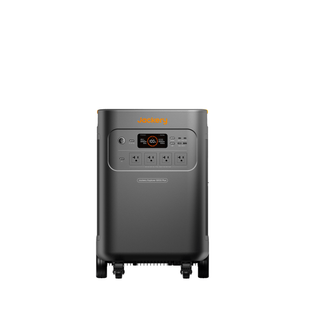
Suppose you want to calculate the amp-hours of the Jackery HomePower 3600 Plus. It has a battery capacity of 3584Wh and operates at 44.8V DC.
Ah = 3584Wh ÷ 44.8V DC = 80Ah
This gives you the internal battery’s current capacity, but watt-hours still remain the correct number for calculating runtime.
Why Jackery Uses Watt-Hours Instead of Amp-Hours?
Jackery Portable Power Stations are listed in watt-hour capacity because it is the most accurate and industry-standard way to quantify total stored energy. Amp-hours can be misleading without a voltage reference, and different power stations use different internal voltages. Watt-hours let you compare power stations directly and calculate runtime accurately. Using Wh instead of Ah eliminates confusion and prevents inflated or deceptive capacity claims.

How Many Amp Hours Do Different Jackery Products Have?
Different Jackery Portable Power Stations have different amp-hour (Ah) ratings because each one uses a battery with its own capacity and voltage. The amp-hour value indicates how much current the battery can supply over time, so larger Jackery Portable Power Stations naturally have higher Ah ratings. In this section, you’ll see how to calculate the amp hours for each power station using the watt-hour capacity and battery voltage, giving you a clear idea of how much stored energy each power station actually holds.
|
Power Station |
Watt-Hour |
Voltage |
Amp-Hour |
|
Jackery Explorer 100 Plus |
99Wh |
16V DC |
6.2Ah |
|
Jackery Explorer 240 v2 |
256Wh |
12.8V DC |
20Ah |
|
Jackery Explorer 300 Plus |
288Wh |
12.8V DC |
22.5Ah |
|
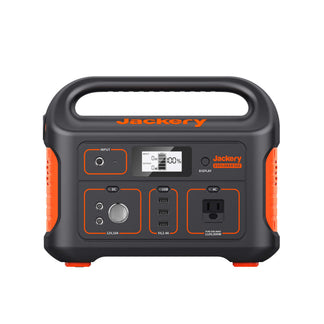
Jackery Explorer 500 |
518Wh |
21.6V DC |
24Ah |
|
Jackery Explorer 600 v2 |
640Wh |
32V DC |
20Ah |
|
Jackery Explorer 1000 v2 |
1070Wh |
35.2V DC |
30.4Ah |
|
Jackery Explorer 1000 Plus |
1264Wh |
41.6V DC |
30.4Ah |
|
Jackery Explorer 1500 v2 |
1536Wh |
38.4V DC |
40Ah |
|
Jackery Explorer 2000 v2 |
2042Wh |
44.8V DC |
45.6Ah |
|
Jackery Explorer 2000 Plus |
2042.8Wh |
44.8V DC |
45.6Ah |
|
Jackery HomePower 3000 |
3072Wh |
51.2V DC |
60Ah |
|
Jackery HomePower 3600 Plus |
3584Wh |
44.8V DC |
80Ah |
|
Jackery Explorer 5000 Plus |
5040Wh |
112V DC |
45Ah |
How Amp Hour Rating Affects the Runtime of Jackery Power Station?
The amp-hour rating alone does not determine the runtime of the Jackery Portable Power Stations. The true runtime depends on the watt-hour capacity and the power draw of the connected device. Amp-hours can help you understand the internal current capacity of the home battery backup, but watt-hours tell you how much usable energy you have.
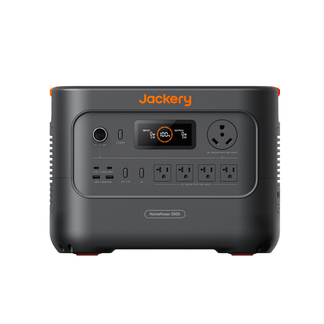
If you want to understand how long a Jackery Solar Generator will run an appliance, you only need to use the Running Time Calculator available on the Jackery Buying Guide page. Choose a Jackery product from the dropdown, then enter the appliance's wattage to get an estimated runtime. For example, if you are plugging in a refrigerator (100W) into the Jackery HomePower 3000, it will run for 21 hours on a single charge.
The larger solar battery backup solutions, like the Jackery Solar Generator 5000 Plus, can run the same refrigerator for 29 hours.
FAQs
How many amp hours is a Jackery 1000?
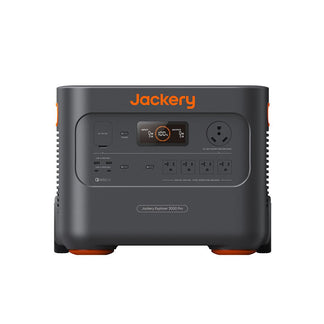
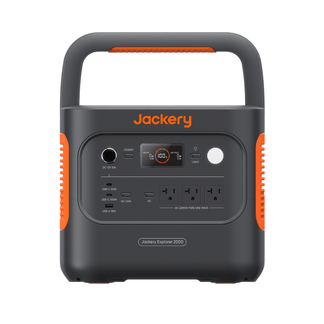
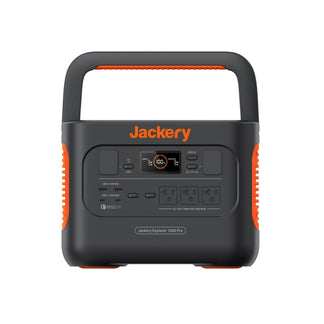
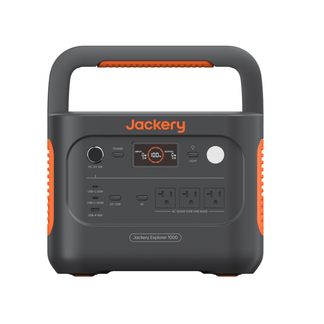
The Jackery Explorer 1000 v2 and the Jackery Explorer 1000 Plus use LiFePO4 batteries, and both have an amp-hour rating of 30.4Ah. You can calculate the internal Ah by dividing its watt-hour rating by the nominal battery voltage. However, watt-hours remain the correct way to understand the runtime, since Ah alone does not predict usable performance.
How many amp hours is a Jackery 300?
The amp-hour rating of the Jackery Explorer 300 Plus is 22.5Ah. If you need to calculate the Ah value, you can convert it by dividing the watt-hour capacity (288Wh) by the battery’s operating voltage (12.8V DC). Still, watt-hours provide a more accurate understanding of how long the power station can run your devices.
How many amp-hours is a Jackery 2000?
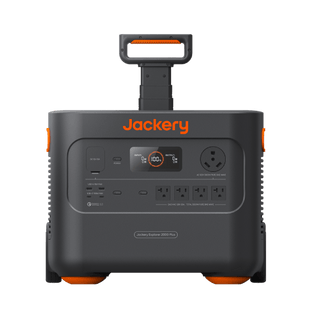
Both the Jackery Explorer 2000 v2 and Jackery Explorer 2000 Plus have an amp-hour rating of 45.6Ah. You can find the approximate Ah by dividing the Wh rating by the internal battery voltage used in that power station. For estimating runtime or comparing it with other power stations, the watt-hour rating is the number that truly matters.
Conclusion
Many people assume amp-hours are the key number to look for because that is how traditional batteries are labeled. In reality, amp-hours tell you only the battery’s current capacity at its internal voltage, which you will never actually interact with. This is why Ah often confuses buyers and creates inaccurate expectations about how long a power station will run essential appliances. Watt-hours solve that confusion because they represent total stored energy.
Once you focus on watt-hours rather than amp-hours, it becomes much easier to compare different power stations, estimate runtime, and choose the right size for battery backup or outdoor use. The essential home backup solutions, like the Jackery Solar Generator 5000 Plus with a larger watt-hour rating, provide more stored energy for longer runtimes, while compact battery backups focus on portability. Depending on your power needs, you can choose the right size of solar generator.


