





















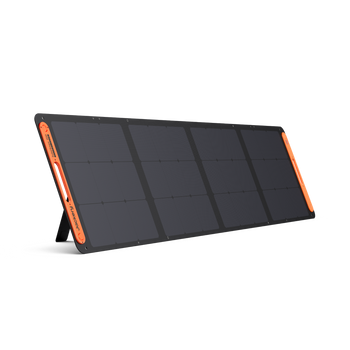




![[Add-on] Jackery SolarSaga 500 X - Jackery](http://www.jackery.com/cdn/shop/files/add-on-jackery-solarsaga-500-x-1493607.webp?v=1786503068&width=324)
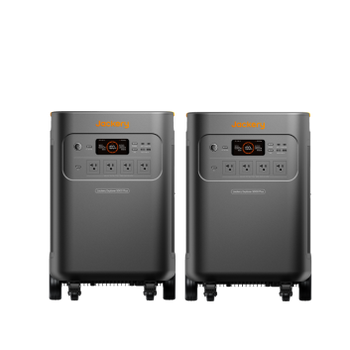
![[Add-on] Jackery Battery Pack 5000 Plus - Jackery](http://www.jackery.com/cdn/shop/files/add-on-jackery-battery-pack-5000-plus-6713401.webp?v=1786503068&width=324)





















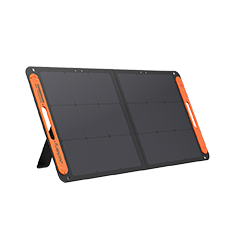
![[Add - on] SolarSaga 200W - Jackery](http://www.jackery.com/cdn/shop/files/add-on-solarsaga-200w-4834329.png?v=1754016915&width=324)



A typical US household requires between 14 and 24 solar panels to offset 100% of its annual electricity consumption. This range is not an estimate; it is governed by basic physics. Your exact system size depends on three key electrical variables: how much power your home consumes each year, how many peak sun hours your roof catches, and the individual wattage rating of the panels you select.
Most basic online calculators will give you a single-digit answer based on national averages and call it done. However, determining exactly how many solar panels do i need requires analyzing real data. Sizing a system on floor space alone will leave you overproducing energy in June, underproducing in December, and wondering why the financial math is not working out. Let's look at the underlying calculations, roof limitations, and alternative ground solar configurations.
Understanding Your Home’s Energy Consumption
According to the U.S. Energy Information Administration (EIA), the average American household consumes approximately 10,791 kilowatt-hours (kWh) of electricity per year (based on the latest official baseline data). However, this average should not dictate your system design. To size your system accurately, you must retrieve 12 months of utility statements to analyze your seasonal consumption swings. For example, a home in the Midwest may consume only 600 kWh in a mild May but spike to 1,400 kWh in January when running electrical heating elements.
Square footage is a highly inaccurate metric for solar planning. Two identical 2,000-square-foot homes can have a massive 5,000 kWh annual consumption gap if one is equipped with a modern heat pump, an electric vehicle charger, and a hot tub, while the other heats with natural gas. Base your calculations solely on your actual consumption, not your floor area.
Take into account these standard annual electricity loads when mapping your energy goals:
- Electric Vehicle (EV): Adds roughly 3,000 to 4,000 kWh per year to your household draw.
- Cold-Climate Heat Pump: Adds an extra 3,000 to 6,000 kWh per year.
- High-Power Pool Pump: Adds roughly 2,000 to 3,000 kWh per year.
- Future Spikes: Planned home extensions, central air upgrades, or an accessory dwelling unit (ADU) must be baked into your capacity targets now, as retrofitting panels later is highly complex.
Key Factors That Influence Panel Count
Five primary variables dictate the final number of solar panels your roof requires:
- Geographic Production Ratio: This multiplier converts a kilowatt of solar panels into annual kilowatt-hours of energy. It ranges from a low of 1.1 in cloudy regions like the Pacific Northwest to 1.6 in the sunny desert Southwest. Suncatcher regions require significantly fewer panels to hit the same annual generation target.
- Panel Wattage Rating: Standard residential solar panels sit between 400W and 450W. A 7 kW system requires 18 panels rated at 400W, but only 16 panels rated at 450W. Selecting higher wattage panels saves valuable roof space but does not change your total energy output.
- Roof Orientation and Tilt: South-facing panels tilted at an angle equal to your local latitude capture near 100% of available solar radiation. East- and west-facing roof planes produce roughly 80%, while north-facing planes drop to just 70% in the Northern Hemisphere.
- Peak Sun Hours: This represents the daily equivalent of full-intensity sunlight. While Phoenix averages 6.5 peak sun hours daily, Seattle scrapes by on just 3.8. This difference means a 5 kW array in Phoenix yields 11,900 kWh annually, whereas the same array in Seattle produces only 6,900 kWh.
- Net Metering Limitations: Most utility interconnection agreements cap system sizes at 100% to 120% of your historical annual usage. Oversizing beyond this threshold means selling your surplus power at low avoided-cost rates (typically 2¢ to 4¢/kWh), which kills your payback.
The 33% Rule in Solar Design
International Fire Code (IFC) setbacks restrict how much of your roof plane can be physically covered by solar panels. The default 33% rule dictates that solar arrays must occupy no more than one-third of a single roof plane to preserve clear pathways for firefighters needing to access the ridge or cut ventilation holes during an emergency. Exceeding 33% coverage triggers wider 36-inch boundary setbacks, which can cut into your usable roof space and reduce your maximum panel count.
A second 33% rule applies to electrical design: the 1.3 DC-to-AC ratio, which involves oversizing your solar panel array by roughly 30% relative to your inverter's maximum AC output capacity. Because environmental factors like heat, dust, and non-optimal sun angles keep panels from producing their full rated capacity most of the day, oversizing the DC side pushes your inverter into its optimal efficiency band sooner and keeps it there longer, clawing back 3% to 5% extra annual energy.
How to Calculate the Number of Panels You Need
To calculate your required panel count, use this standard solar sizing formula:
Total Panels = (Annual kWh Usage ÷ Geographic Production Ratio) ÷ Panel Wattage in kW
Let's calculate the requirement for an average US home consuming 10.791 kWh per year in California (production ratio 1.5) using modern 430-watt (0.430 kW) panels:
- 10.791 kWh ÷ 1.5 = 7,194 W (or 7.194 kW) of total system DC capacity required.
- 7.194 kW ÷ 0.430 kW = 16.73. Rounding up results in 17 panels.
Geography alters this result immediately. Maintaining this same 430-watt panel as our baseline, the same home in Phoenix (production ratio 1.6) requires only 16 panels, while in Seattle (production ratio 1.1), it requires 23 panels. Add a 15% to 20% safety buffer to your calculations if you plan to add electric vehicles or heat pumps in the future, as adding extra panels to an existing array later is highly expensive.
For an accurate, site-specific yield estimate, use NREL’s PVWatts calculator, which factors your exact roof tilt, orientation, and local weather patterns to replace generic geographic averages. If you are designing an off-grid cabin, remember to size your system around your lowest-production winter month (December) rather than your annual average to prevent your battery bank from running completely dry.
When Rooftop Space Is Limited: Solar Generators as a Solution
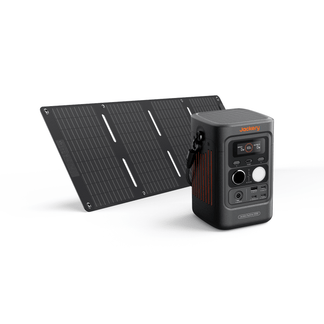
Not every home has 400 square feet of unobstructed, unshaded, south-facing roof space. Some properties hit physical structural weight limits or strict 33% fire code setback limits before reaching their desired capacity. Others face strict Homeowners Association (HOA) visual restrictions or expensive municipal permitting delays. In these scenarios, a high-capacity portable solar generator paired with ground-deployed solar panels functions as an exceptional virtual roof extension.

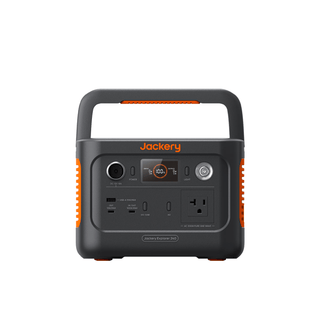
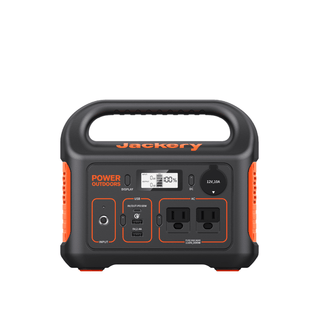
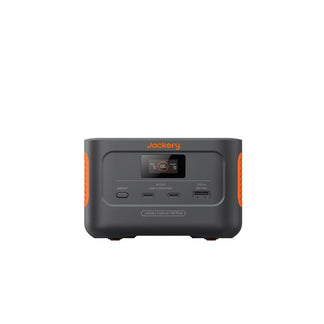
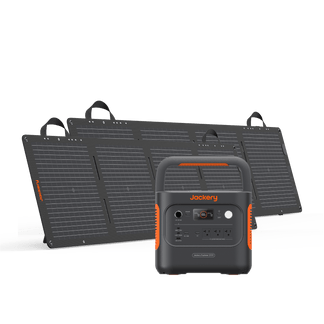
Two premium solar generator systems from Jackery provide ideal, permit-free energy storage:
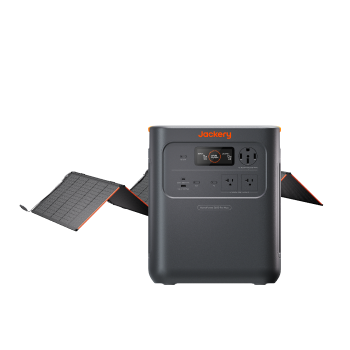
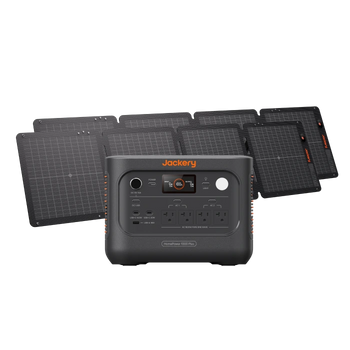
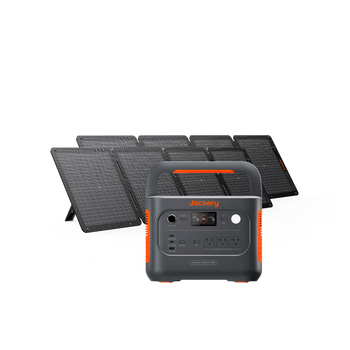
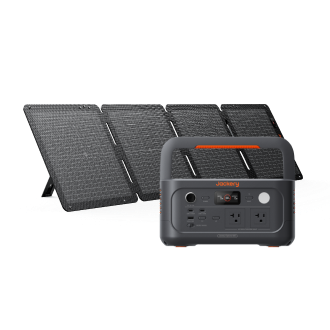
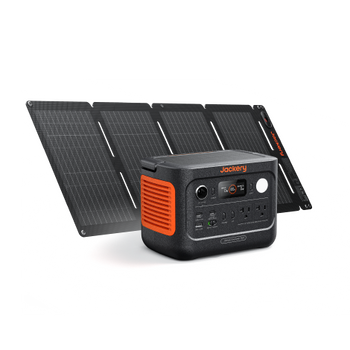
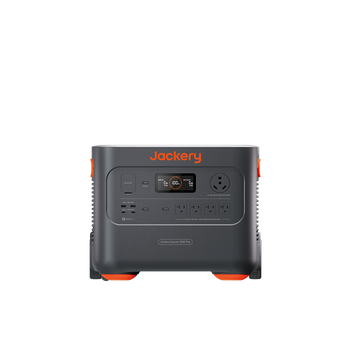
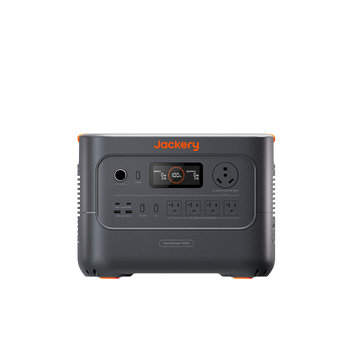
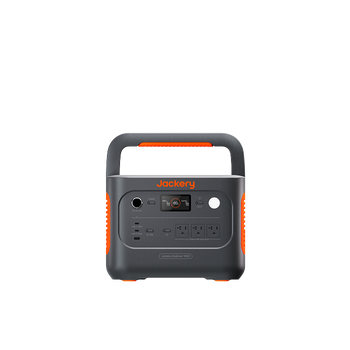
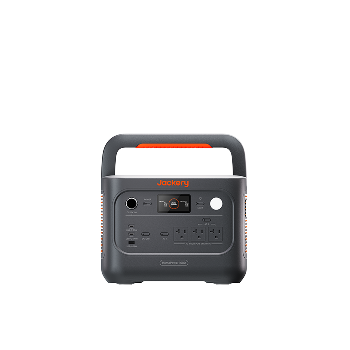
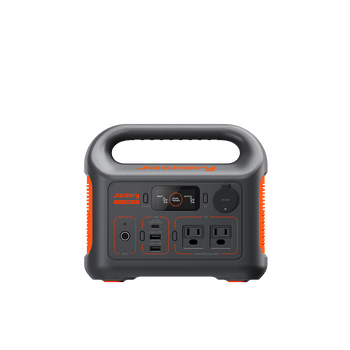
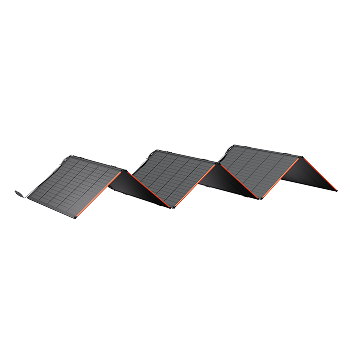
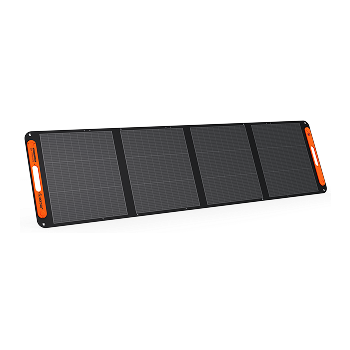
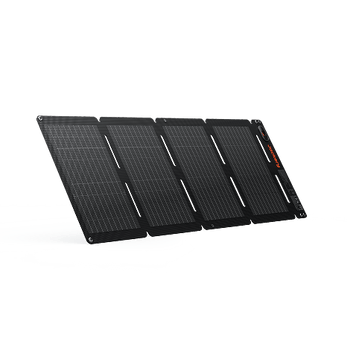
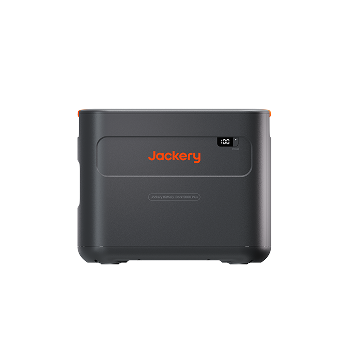
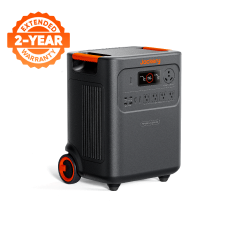
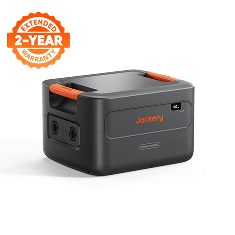
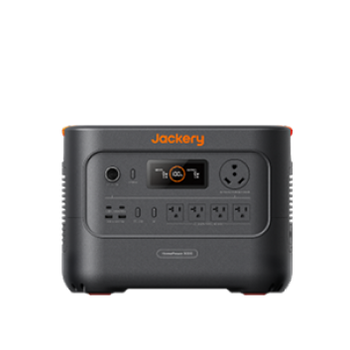
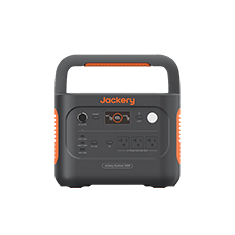
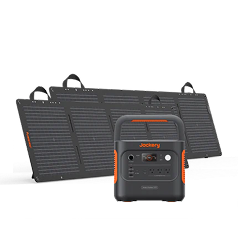
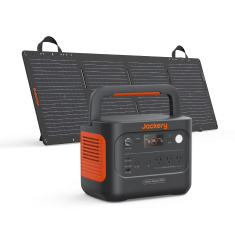
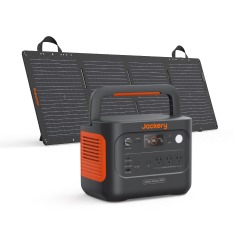
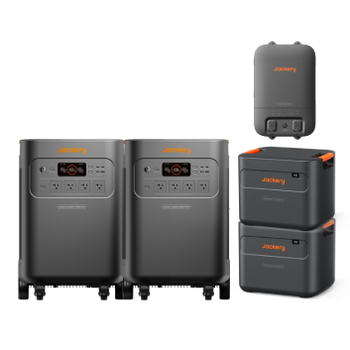
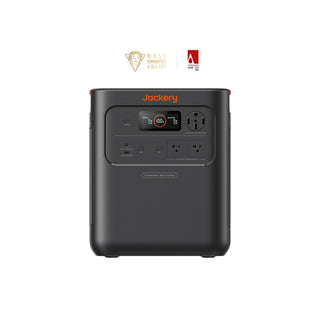
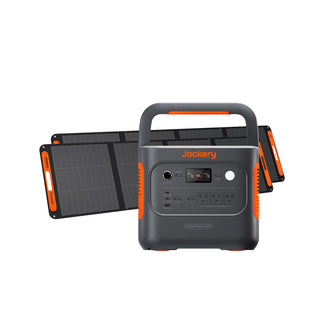
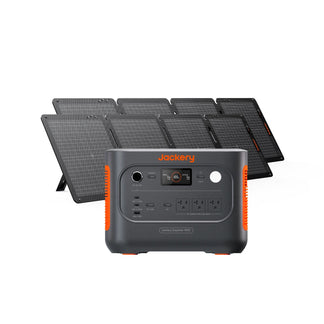
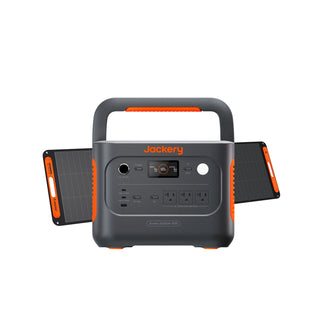
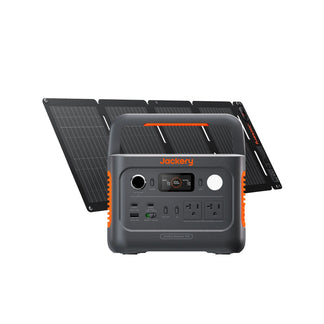
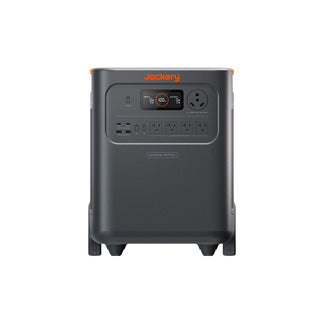
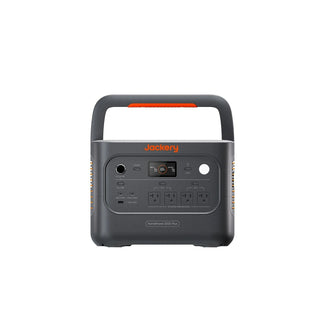
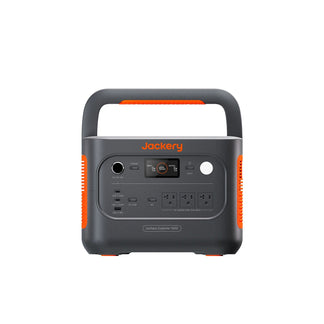
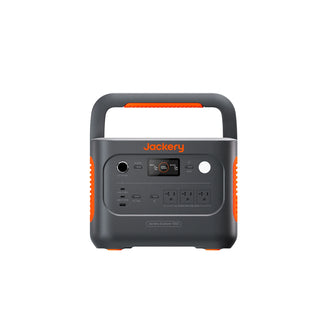
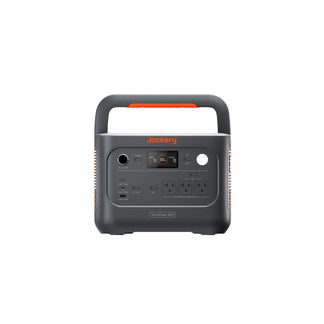
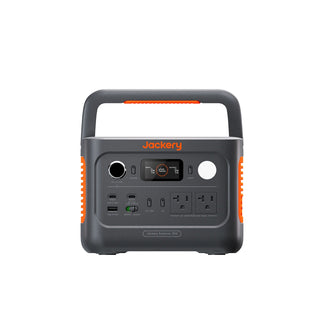
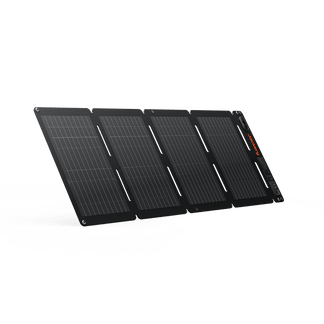
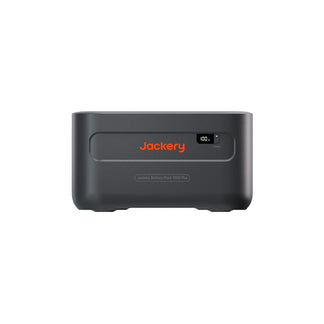
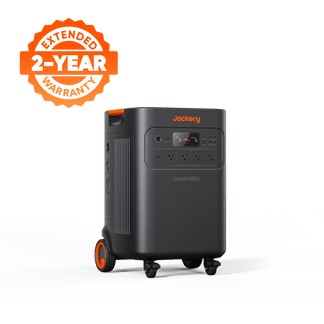
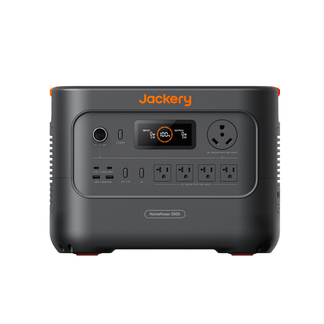
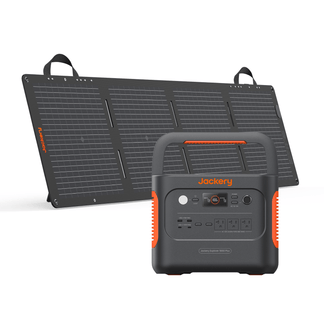
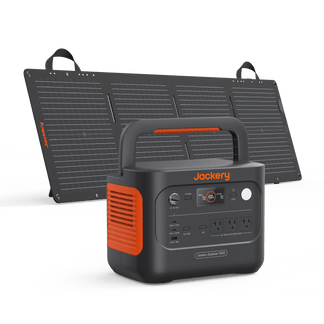
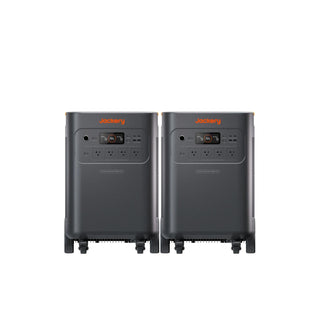
Jackery Solar Generator HomePower 3600 Plus + SolarSaga 500X: Houses a 3,584 Wh capacity, capable of running a refrigerator, lights, and router through extended outages, bypasses complex roof installation guidelines entirely.
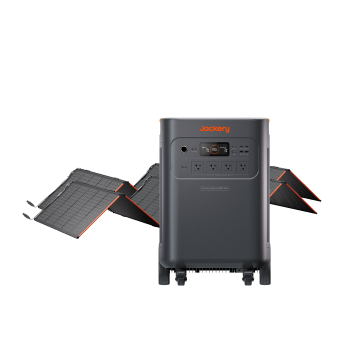
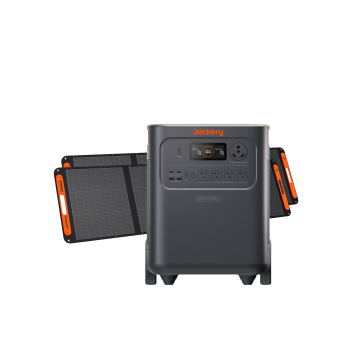
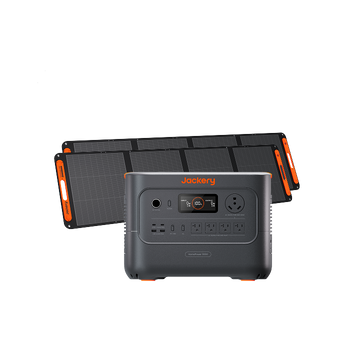
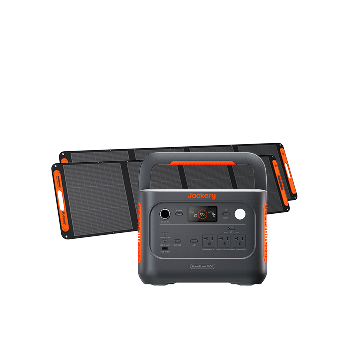
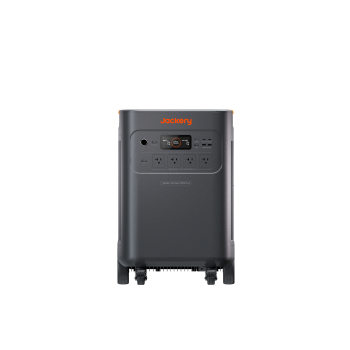
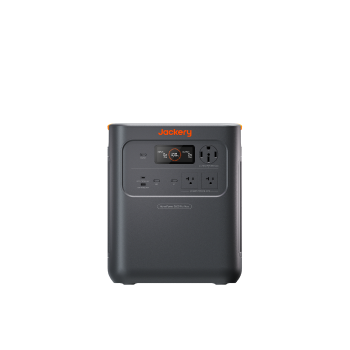
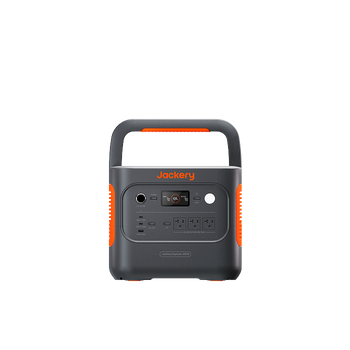
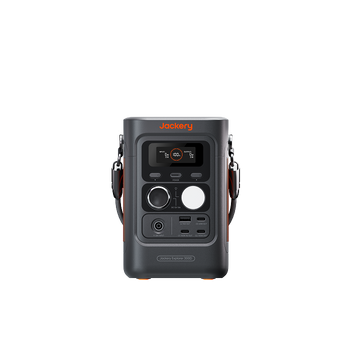
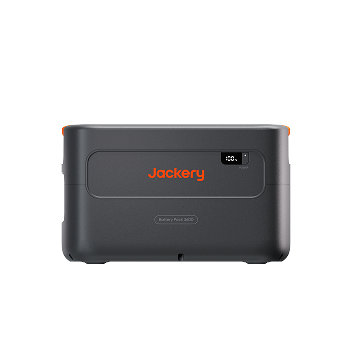
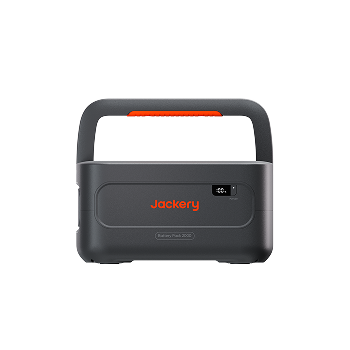
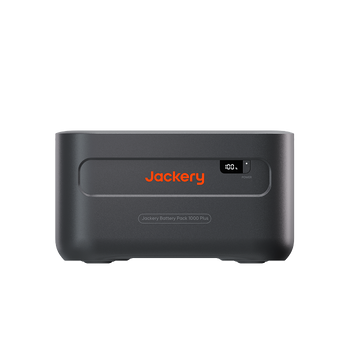
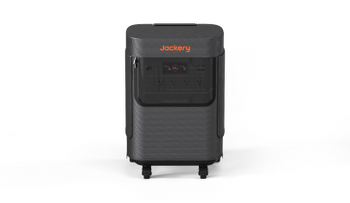
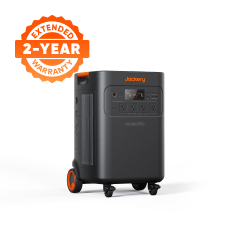
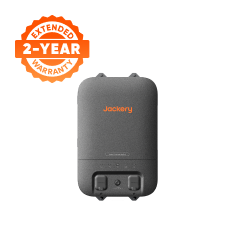
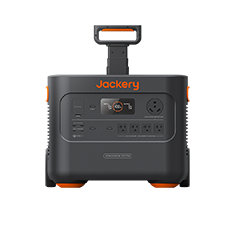
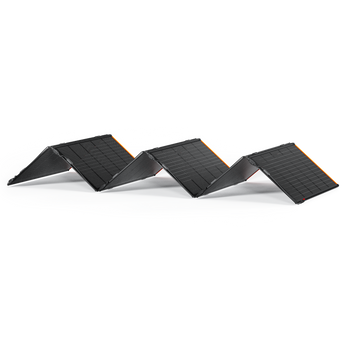
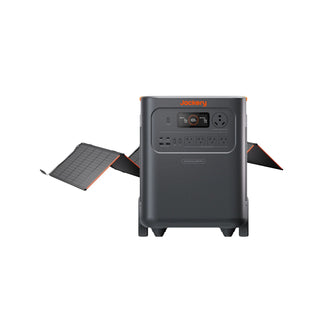
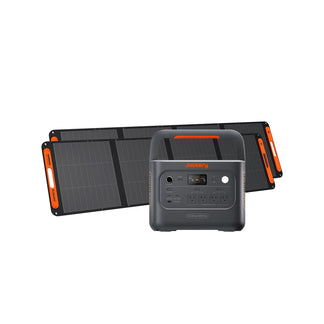
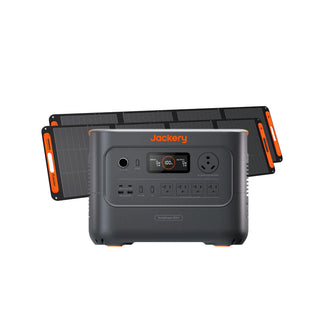
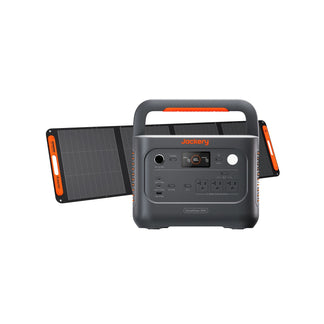
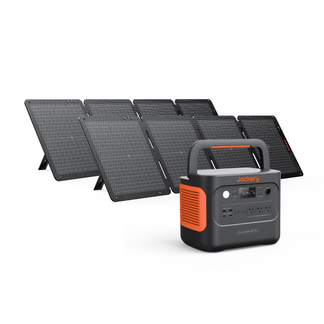
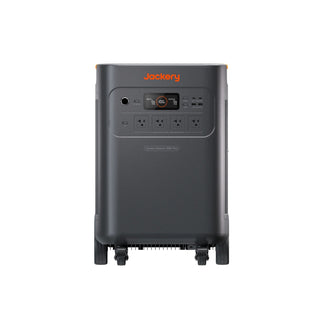
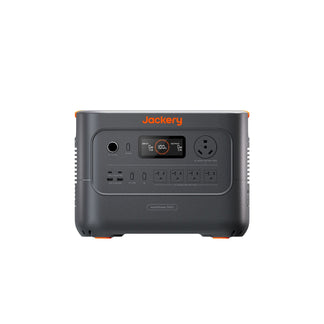
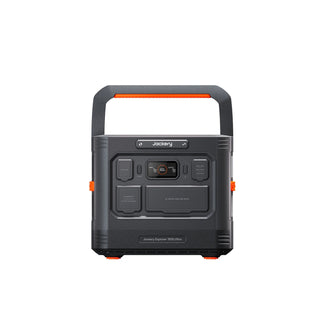
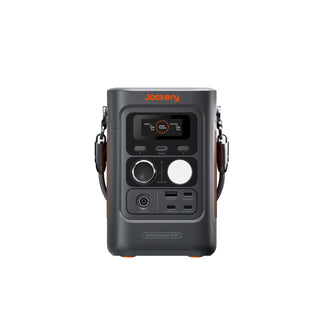
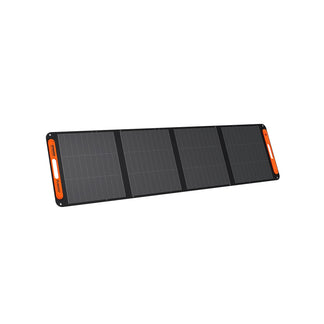
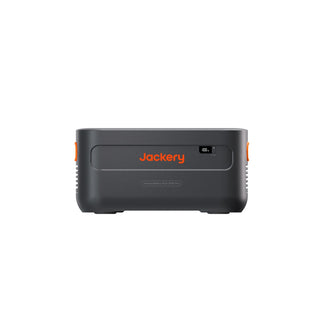
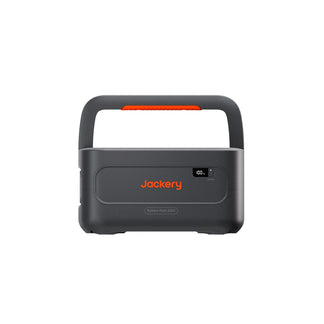
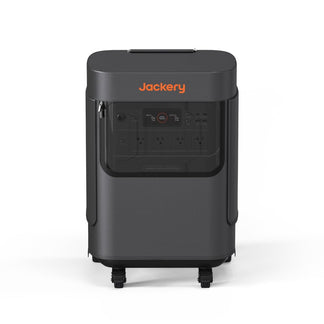
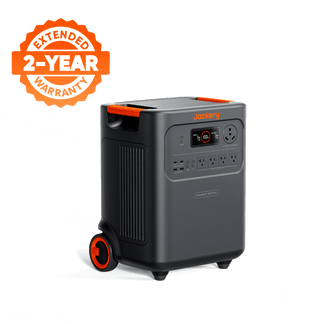
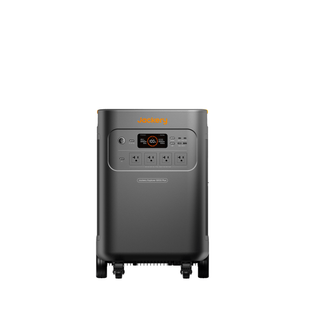
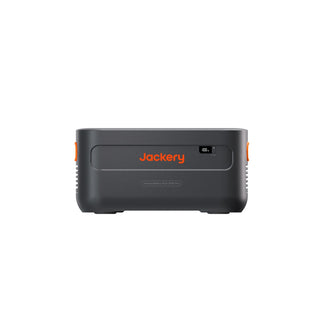
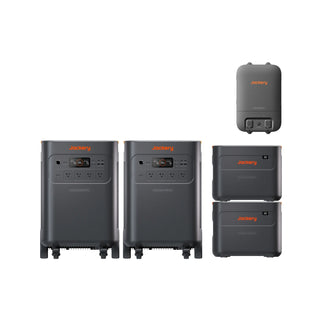
Jackery Solar Generator 5000 Plus + 2x SolarSaga 500X: Delivers a 5,040 Wh capacity (expandable to 60 kWh) with a massive 7,200W continuous output. Deploying its high-efficiency solar panels on a patio or yard adds clean, direct charging input without requiring roof penetrations or structural reviews.
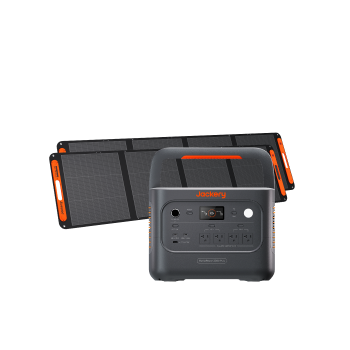
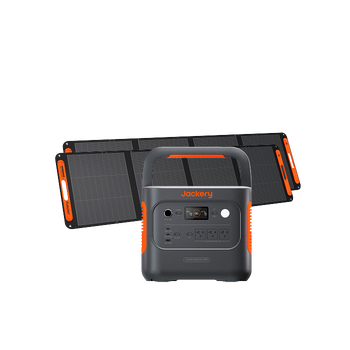
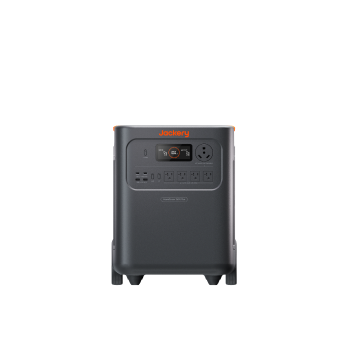
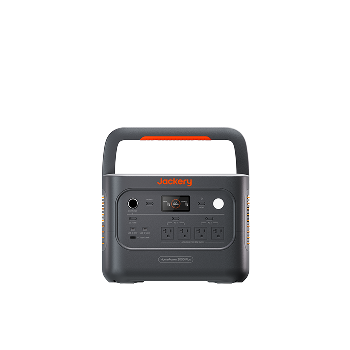
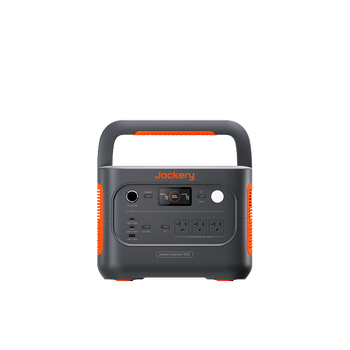
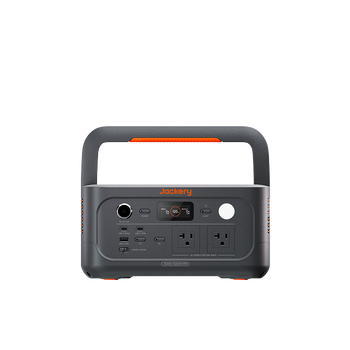
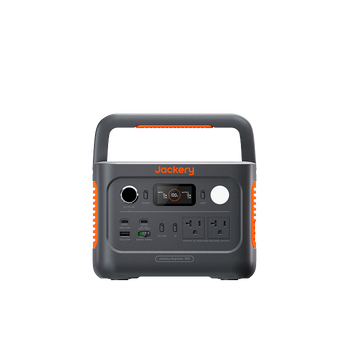
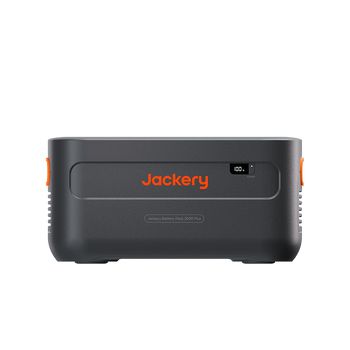
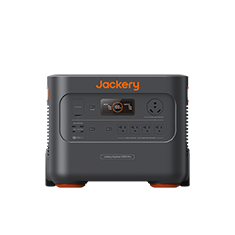
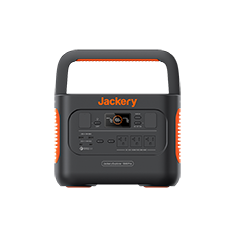
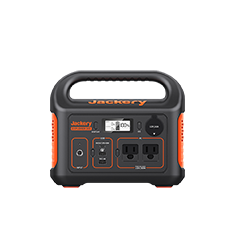
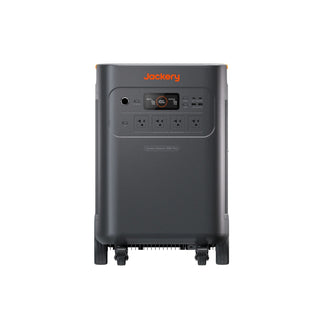
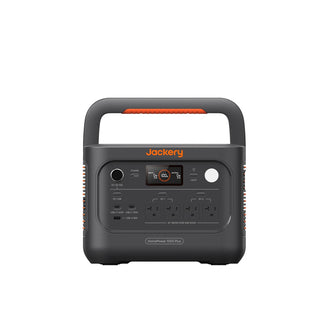
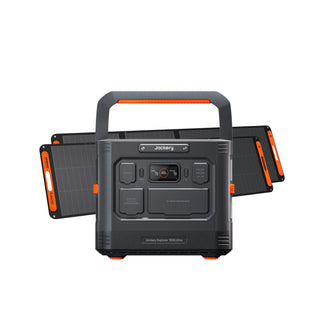
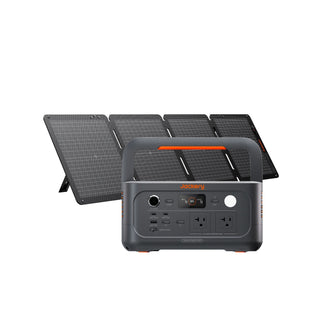
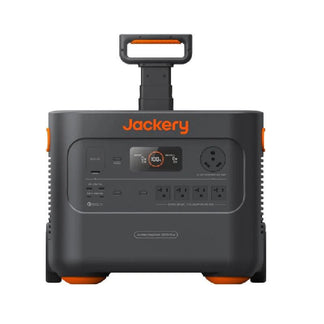
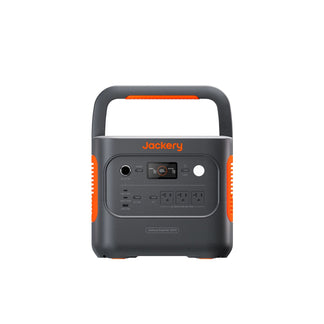
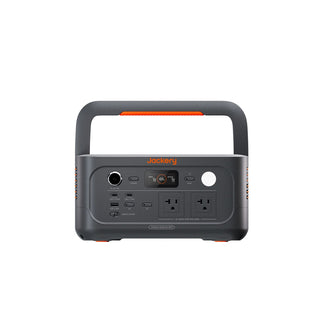
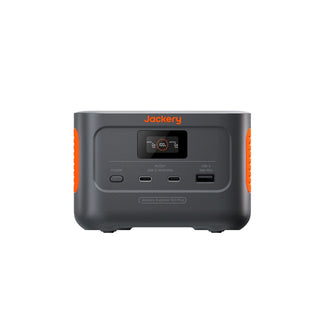
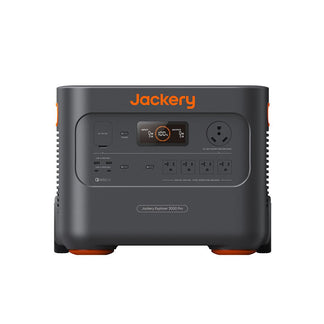
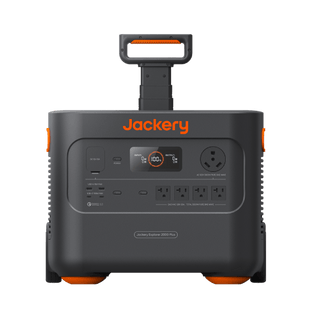
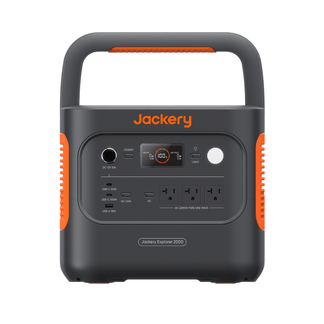
Jackery Explorer 2000 v2: The compact, highly portable option, packing a 2,042 Wh capacity while operating under 30 dB. It can accept up to 400W of solar input, refilling completely in 7.5 hours of sunlight.
To compare portable solar storage against traditional permanent rooftop installations, read our comprehensive essential home backup power guide to evaluate your home's off-grid energy planning options.
Frequently Asked Questions
How do I calculate my panel count from my electric bill?
Divide your total annual kWh consumption from 12 months of electricity statements by your region's geographic production ratio (typically 1.1 to 1.6), and then divide that result by your individual panel wattage in kilowatts (e.g., 0.400 for a 400W panel) to find your total panel count.
Should I size my solar array by home square footage?
No. Square footage is a poor and highly inaccurate proxy for solar planning. Two identical-sized homes can have massive gaps in energy usage based on their appliances, insulation, heat pumps, and electric vehicles. Only your actual, annual consumption from your electric bills should drive your calculations.
How does sunlight change the required panel count?
More annual peak sun hours increase the total yield per installed kilowatt of solar panels. Suncatcher regions (like the desert Southwest) require significantly fewer physical panels to hit the same annual energy target compared to cloudy, low-light regions.
Does panel count change for off-grid vs. grid-tied systems?
Yes. Grid-tied systems are sized to offset your annual average consumption. Off-grid systems, conversely, must be sized to generate sufficient energy during your lowest-production winter month (December) to prevent your battery banks from running dry during extended cloudy periods.
Can I add extra panels later if I undersize my system now?
While possible, retrofitting extra panels later is highly expensive. It introduces serious equipment compatibility issues with older inverters, wiring, and racking configurations. It is far more cost-effective to oversize your system slightly upfront or at least install a future-ready inverter.


