





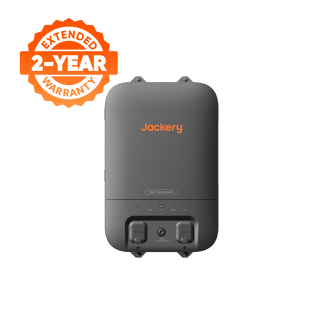
![[Add-on] Jackery SolarSaga 500 X - Jackery](http://www.jackery.com/cdn/shop/files/add-on-jackery-solarsaga-500-x-1493607.webp?v=1786503068&width=324)
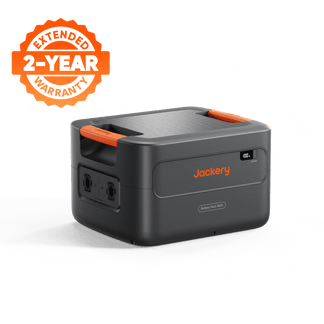
![[Add-on] Jackery Battery Pack 5000 Plus - Jackery](http://www.jackery.com/cdn/shop/files/add-on-jackery-battery-pack-5000-plus-6713401.webp?v=1786503068&width=324)






When the summer heat peaks, your HVAC system becomes your home's most critical appliance—and its biggest energy drain. While a standard 3-ton central AC draws about 3,000 to 3,600 running watts, starting that same system requires a massive, split-second surge of up to 24,000 watts.
If you are planning for off-grid backup power, budgeting your monthly utility bills, or deciding if it is time to upgrade, understanding your system's real-world power draw is essential. This comprehensive guide cuts through the confusing label numbers to reveal the exact wattage your HVAC system demands to keep your home comfortable.
The Real Numbers: HVAC Power Draw Fundamentals
Central air conditioner running watts range from roughly 1,000 W for a small 1.5-ton unit to 6,000 W for a heavy-duty 5-ton system. Unlike standard appliances, your HVAC system does not pull a fixed, static wattage. The running watts shift dynamically based on outdoor temperatures, system airflow, and compressor workload.
The Startup Surge: When your AC compressor kicks on, the motor draws Locked Rotor Amps (LRA). This is a momentary startup surge that is 3 to 5 times higher than the running current. While a 3-ton compressor runs at 3,000 W, its startup surge easily hits 15,000 W to 18,000 W. This is why a standard generator rated only for running watts will fail to start a central AC unit.
- SEER Directly Cuts Watt Draw: The Seasonal Energy Efficiency Ratio (SEER) measures cooling output per watt of electricity. For example, a 16 SEER unit uses roughly 12% less electricity than an older 14 SEER unit of the exact same capacity.
- First-Pass Calculation: As a general rule of thumb, you can estimate your running power by multiplying your system's tonnage by 1,000 W. An older 10 SEER 3-ton unit will pull closer to 3,600 W, while a modern high-efficiency 18 SEER unit may pull only 2,500 W.
HVAC Wattage at a Glance: Central, Mini-Split & Window Units
Understanding which category your cooling system falls into is the first step before purchasing a home backup battery or sizing a solar array. Standard capacities and power requirements include:
|
System Type |
Capacity |
Running Watts |
Surge Watts |
Typical Performance Notes |
|
Central AC (Split) |
1.5-ton |
1,400–1,800 W |
6,000–8,000 W |
Sized for small homes or dedicated cooling zones. |
|
Central AC (Split) |
3-ton |
3,000–3,600 W |
12,000–15,000 W |
Daily summer consumption: 24–30 kWh. Hard to start on small generators. |
|
Central AC (Split) |
5-ton |
4,900–6,000 W |
24,000+ W |
Requires a soft-start kit to run on portable emergency generators. |
|
Mini-Split (Ductless) |
12,000 BTU (1-ton) |
800–1,100 W |
Minimal Surge |
Inverter-driven; variable range from 600–2,000 W depending on load. |
|
Window Unit |
5,000–6,000 BTU |
450–600 W |
1,200–1,800 W |
Plugs into standard 15A household outlets without tripping breakers. |
|
Window Unit |
10,000–12,000 BTU |
900–1,200 W |
2,500–3,500 W |
Ideal for cooling single large rooms or studio apartments. |
|
Portable Unit |
14,000 BTU |
1,200–1,500 W |
3,000–4,000 W |
Typically less efficient than window units due to negative pressure. |
Quick Estimation Formula: Watts ≈ BTU/h ÷ SEER. For a 36,000 BTU (3-ton) system rated at 16 SEER, the estimated average draw is 2,250 W. Keep in mind that on peak 95 degree Fahrenheit afternoons, real-time draw can run 10% to 15% higher.
What Influences Your AC’s Real-Time Power Consumption
The wattage printed on your HVAC nameplate is only a starting point. Your real monthly utility expenses are determined by how hard and how long the system operates:
- Compressor Cycling: When the compressor is active, the system draws full power (e.g., 3,500 W). When the target temperature is reached and only the indoor blower fan runs, consumption drops to 300 W–500 W. Systems that "short-cycle" (turning on and off rapidly) waste substantial energy in repeated startup surges.
- Insulation and Air Sealing: Poorly insulated attics and leaky ductwork force your system to run 25% to 50% longer to cool your home. While the hourly wattage remains the same, your total daily kilowatt-hour (kWh) consumption spikes.
- Thermostat Setpoint: Each degree you lower your thermostat below 78 degrees Fahrenheit increases compressor energy usage by 6% to 8%.
- System Age: Mechanical wear, dirty coils, and slow refrigerant leaks cause older systems (10+ years) to draw up to 30% more current than their original labels claim.
- Air Filter Maintenance: Clogged filters restrict system airflow, forcing both the blower fan and the outdoor compressor to work harder and run longer.
Running the Numbers: Your HVAC Energy Bill
To calculate your system's impact on your monthly utility bill, convert your running wattage into kilowatt-hours (kWh) using this formula:
(Running Watts × Hours of Use) ÷ 1,000 = Daily kWh Consumption
For example, if a 3,600 W (3.6 kW) central AC runs for 8 hours on a hot summer afternoon:
3.6 kW × 8 hours = 28.8 kWh per day.
At the current US average residential electricity rate of $0.18 per kWh, that single day of cooling costs approximately $5.18. Over a 30-day billing cycle, this totals $155. In high-rate regions like California or New York where prices routinely average $0.32 to $0.45 per kWh, that same monthly usage will cost well over $350 to $450.
Furthermore, many utility companies utilize Time-of-Use (TOU) plans, charging premium peak rates during hot late-afternoon hours (often 4:00 PM to 9:00 PM). While off-peak power might remain economical, on-peak power can spike dynamically, more than doubling the cost of running your AC during the hottest parts of the day.
When to Upgrade vs. Repair: The $5,000 Rule
When an aging air conditioner breaks down, you can use the $5,000 Rule to decide whether to repair or replace the unit: multiply the system's age by the professional repair estimate. If the total exceeds $5,000, replacement is typically the more financially sound decision.
- Repair Example: A 6-year-old system with a $400 repair quote equals $2,400. You should proceed with the repair.
- Replacement Example: A 12-year-old system with a $600 repair quote equals $7,200. You should replace the system. The energy savings of a new unit will help offset the capital cost.
Additionally, modern systems meet strict federal efficiency standards. Upgrading an old, inefficient 10 SEER system to a modern 16 SEER2 unit can slash your cooling energy consumption by 40% to 43%, drastically reducing monthly utility bills.
Under the Inflation Reduction Act's updated 25C incentives, federal tax credits cover 30% of installation costs—offering up to $2,000 annually for qualifying high-efficiency heat pumps, and up to $600 for eligible central AC systems—making these technological upgrades much more financially accessible.

Powering Your HVAC During Outages: Essential Backup Solutions
If you want to keep your home cool during a grid failure without the noise, pollution, and refueling hassles of gas generators, a high-capacity solar generator is the ideal solution. Because central AC units have massive startup surges, pairing your outdoor condenser with an aftermarket soft-start kit is highly recommended to reduce startup inrush current.
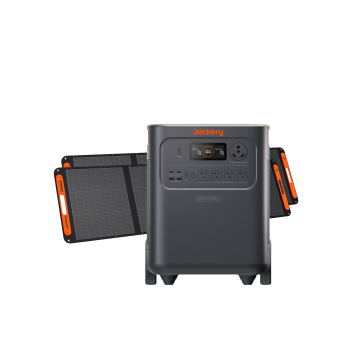
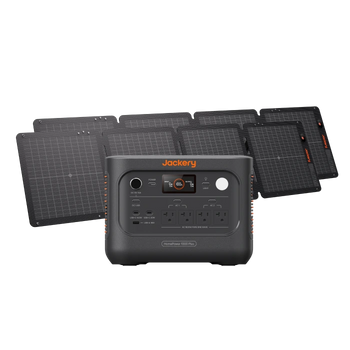
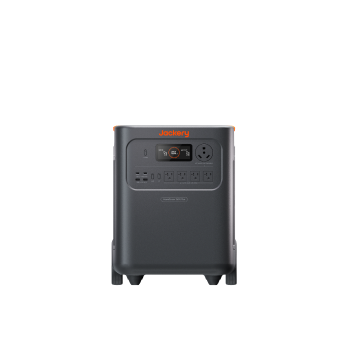
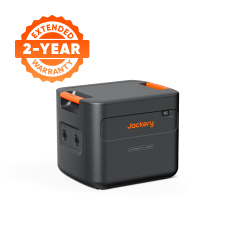
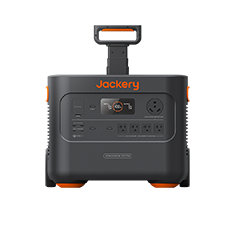
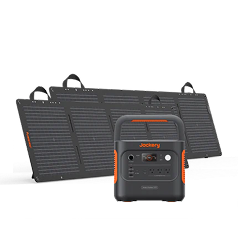
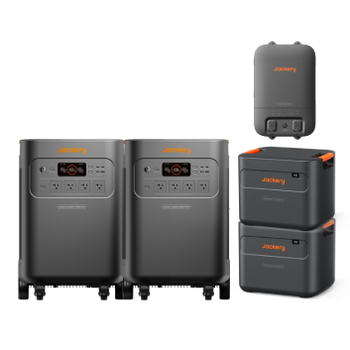
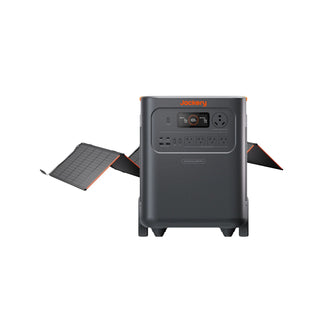
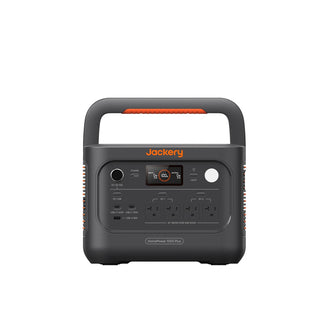
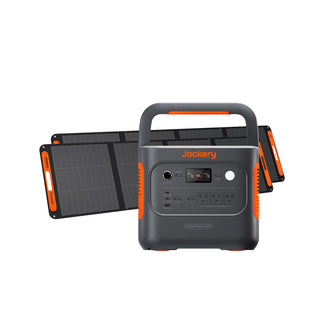
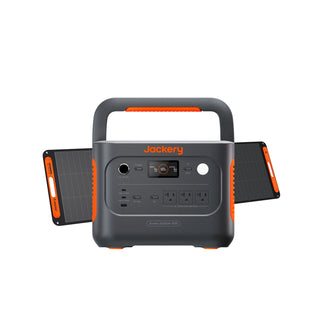
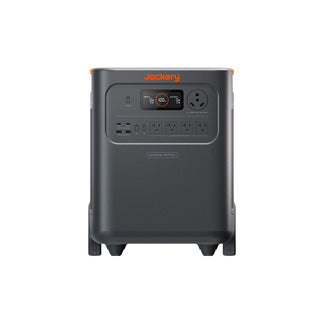
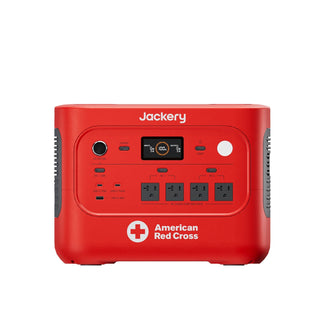
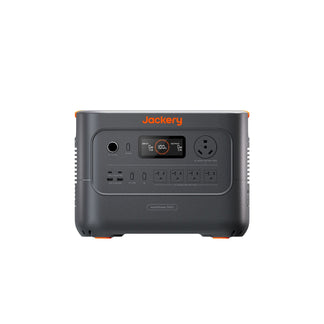
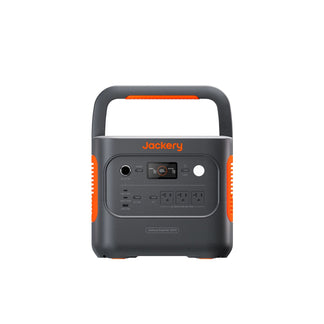
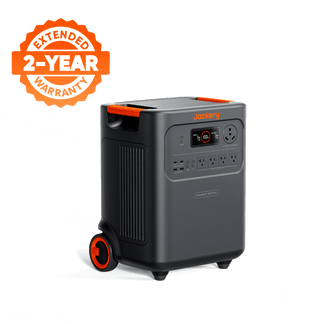
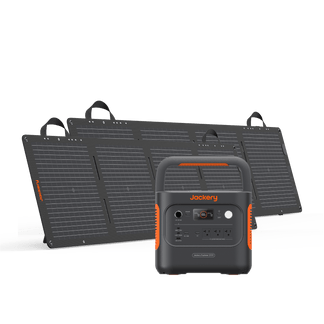
Jackery Solar Generator HomePower 3600 Plus
This setup is ideal for running a 3-ton central AC equipped with a soft-start kit.
- Continuous Output: 3,600 W running power to handle steady-state cooling.
- Surge Capacity: 7,200 W peak output to manage the modified compressor startup current.
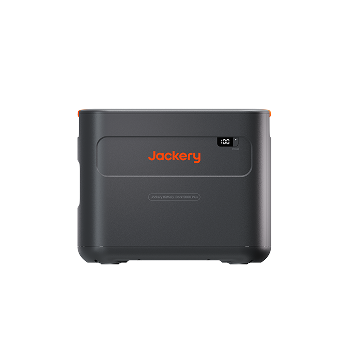
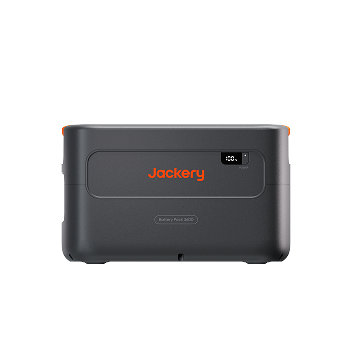
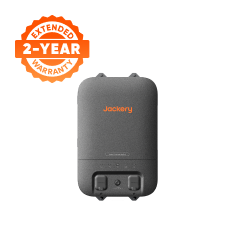
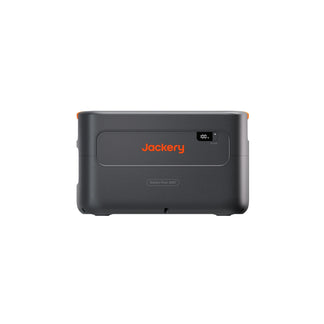
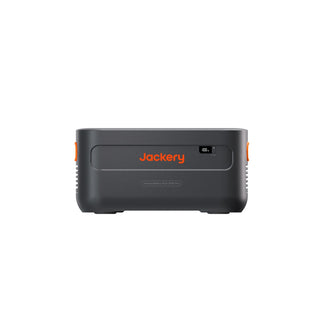
- Battery Capacity: 3,584 Wh base capacity, expandable up to 43 kWh with expansion battery packs.
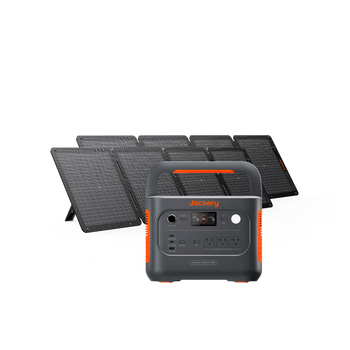
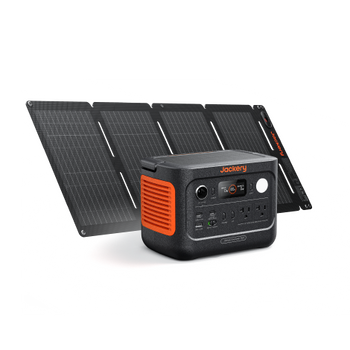
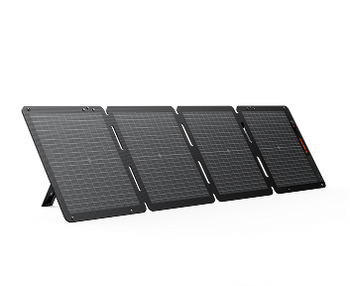
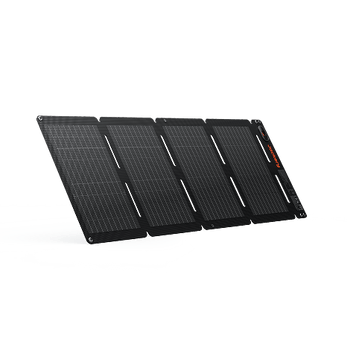
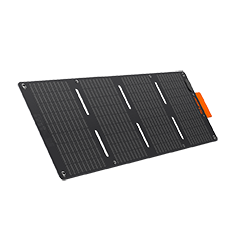
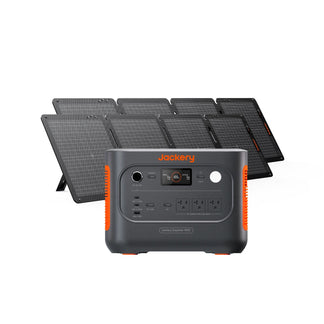
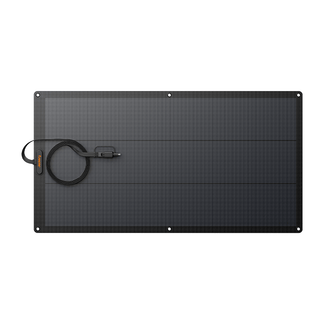
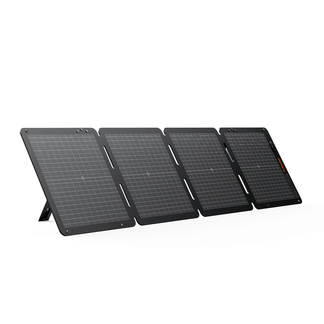
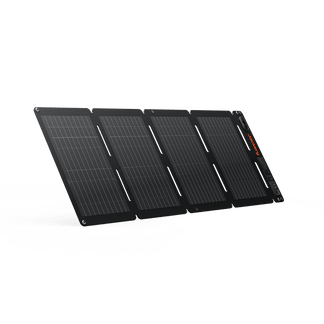
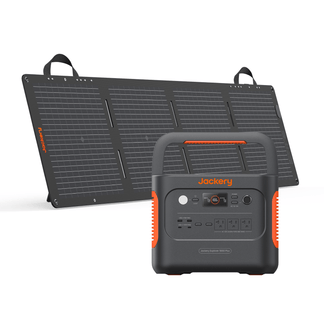
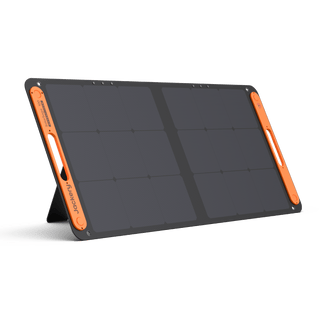
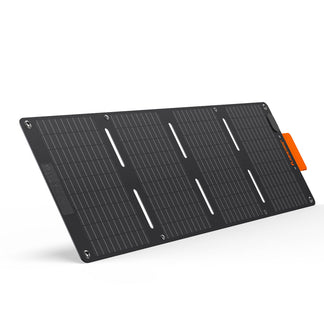
- Solar Recharge: Includes a silent, zero-fuel 500W solar panel to replenish power during the day.
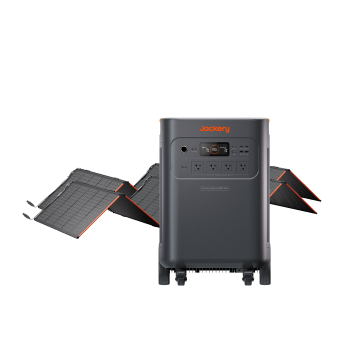
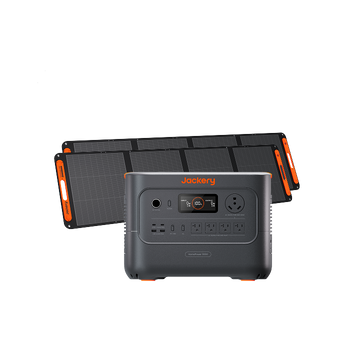
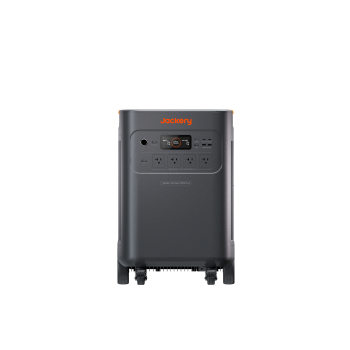
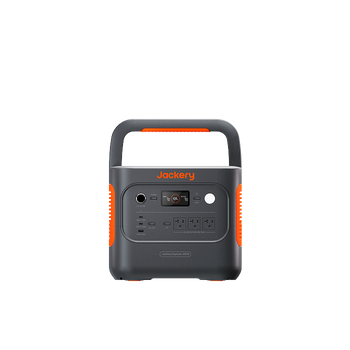
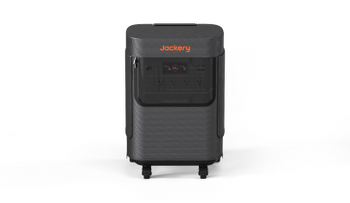
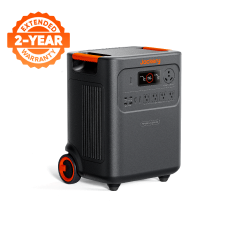
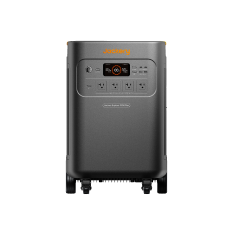
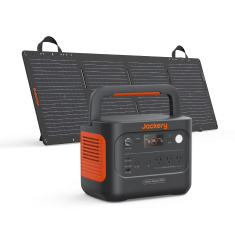
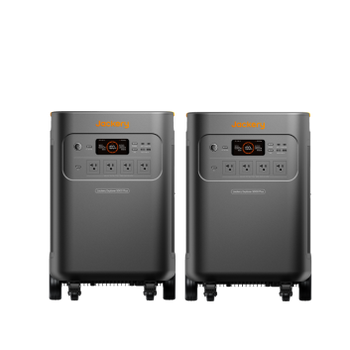
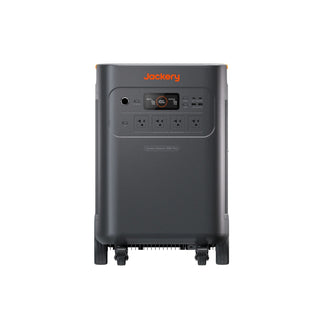
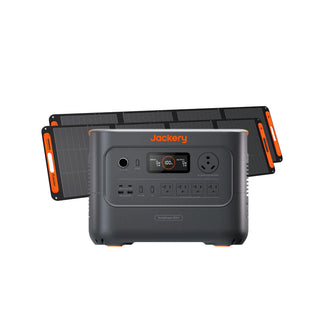
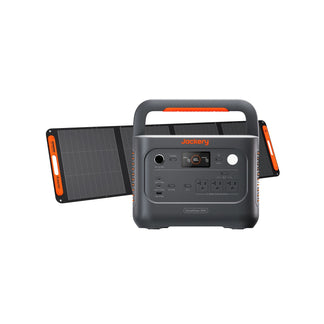
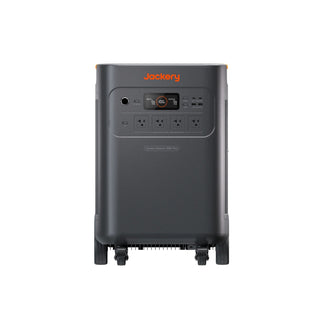
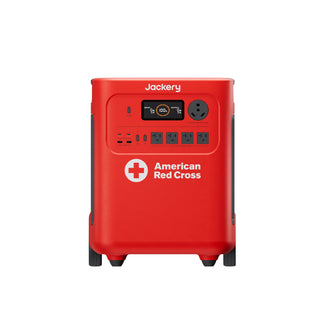
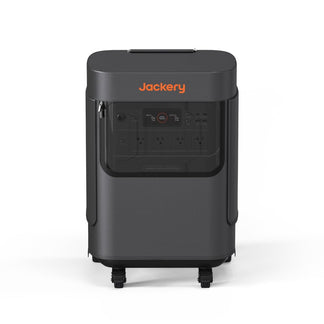
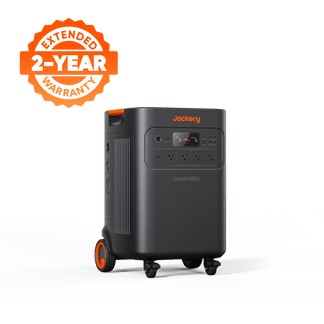
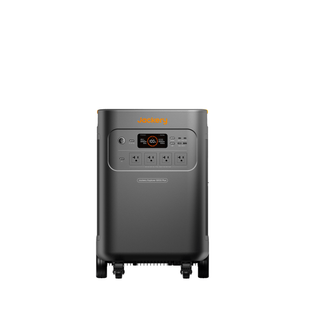
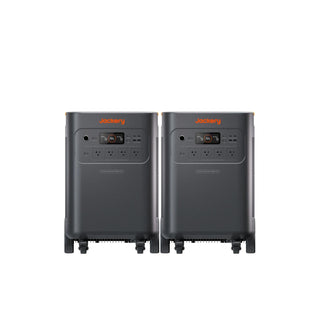
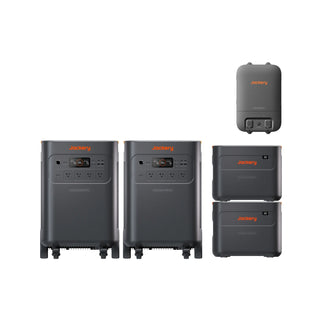
Jackery Solar Generator 5000 Plus
The premium heavy-duty solution is designed to power large 4-ton or 5-ton central HVAC systems.
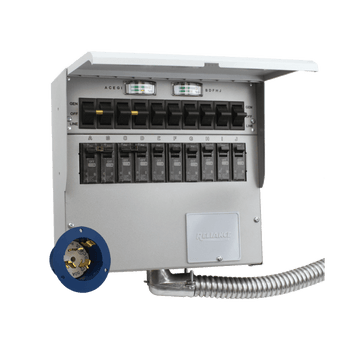
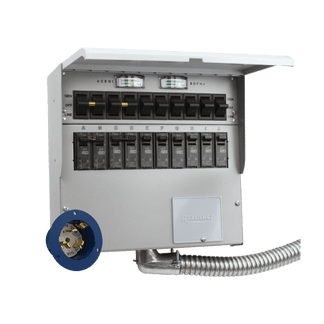
- Essential Home Integration: Features dual 120V/240V split-phase output to connect directly to your home's manual transfer switch.
- Massive Surge Capacity: 7,200 W continuous and a huge 14,400 W surge peak to easily start large residential compressors.
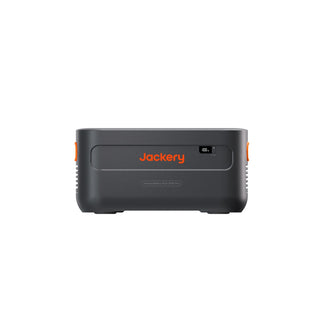
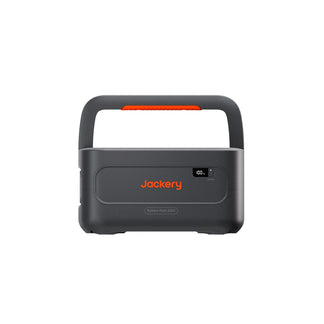
- Expandable Storage: Comes with a 5,040 Wh capacity, expandable up to 60 kWh to sustain major household loads through extended blackouts.
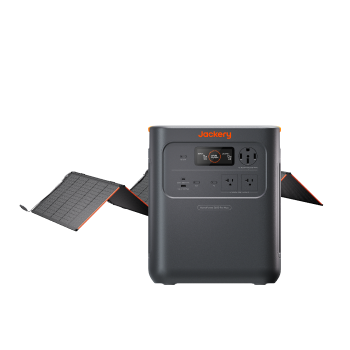
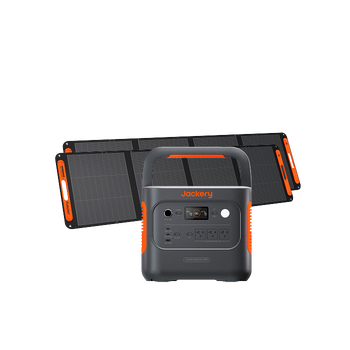
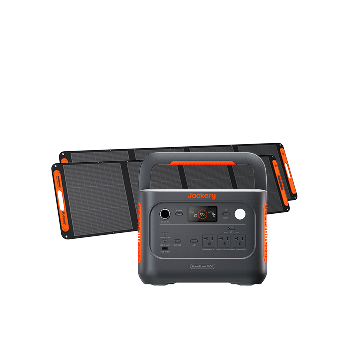
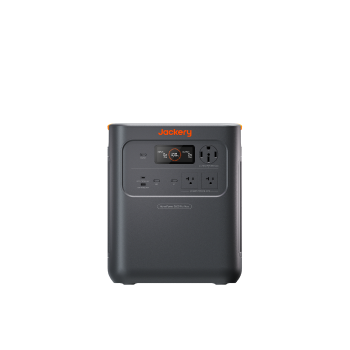
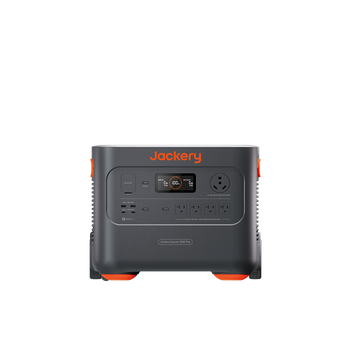
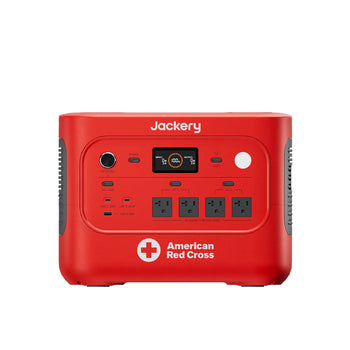
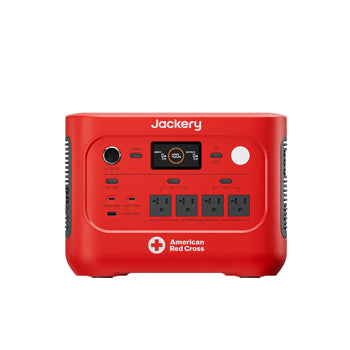
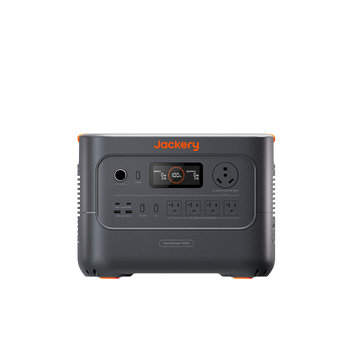
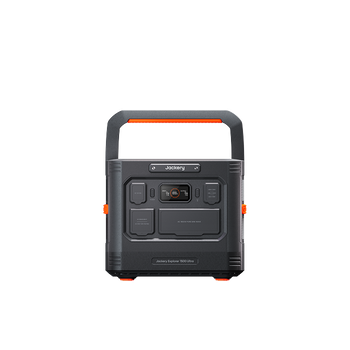
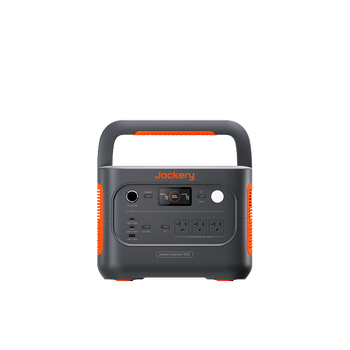
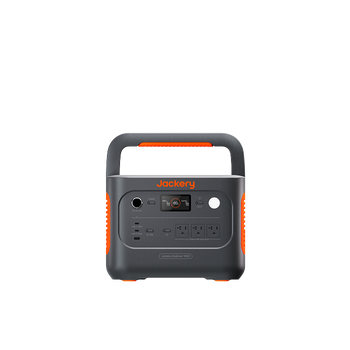
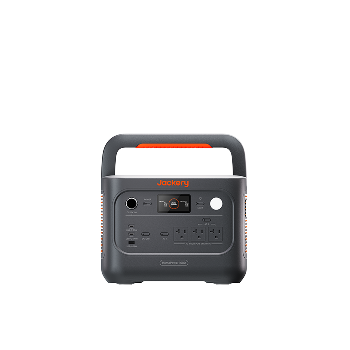
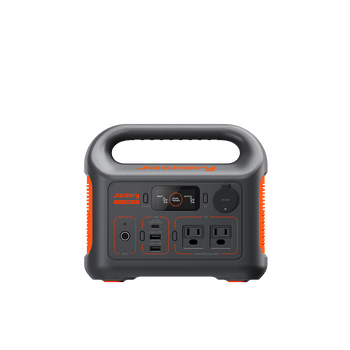
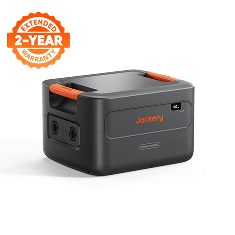
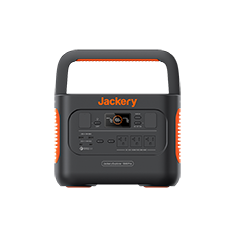
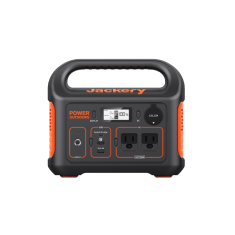
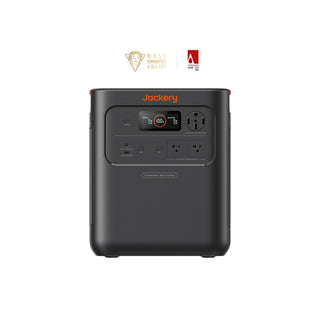
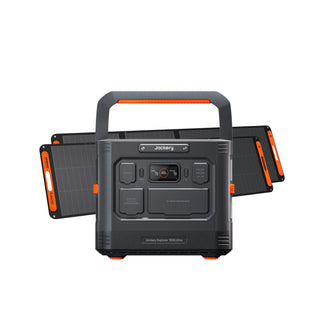
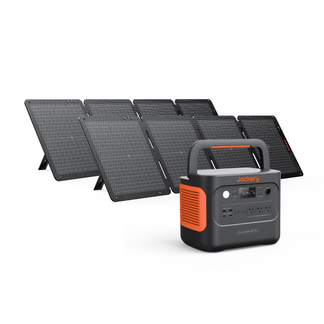
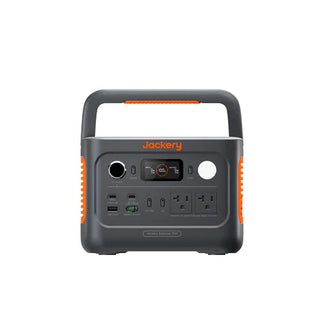
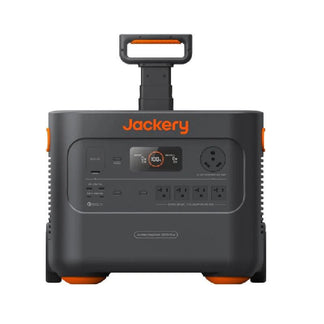
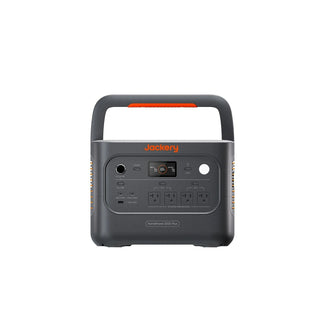
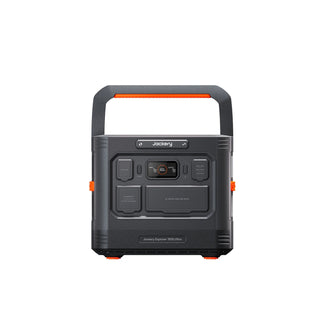
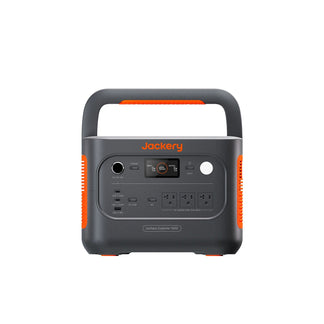
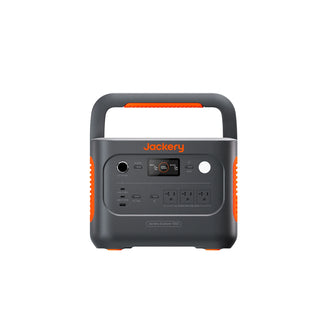
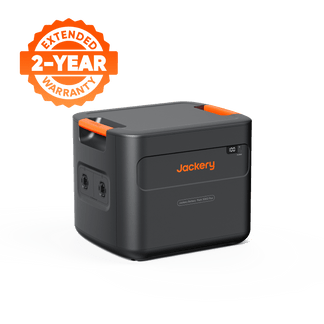
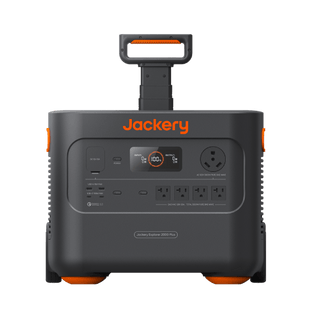
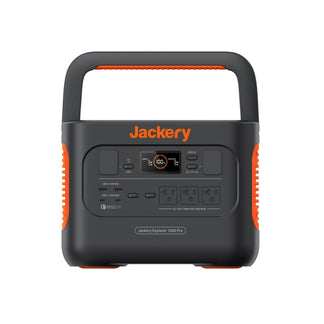
Jackery Explorer 2000 v2 Portable Power Station
The perfect, compact solution for running smaller, highly efficient localized cooling systems.
- Target Systems: Power ductless mini-splits, 12,000 BTU window units, or portable air conditioners.
- Output Specifications: 2,200 W continuous and 4,400 W surge capacity, starting smaller units without requiring a soft-start kit.
- Ultra-Quiet Run: Operates at a whisper-quiet 30 dB indoors with zero toxic emissions, making it safe for bedroom use.
Frequently Asked Questions
How many square feet can a 3-ton AC cool?
As a general estimate, a 3-ton air conditioner is designed to cool between 1,200 and 1,800 square feet. This coverage can stretch up to 2,000 square feet in a tightly sealed, well-insulated home, or decrease in climates with extreme heat or homes with high, vaulted ceilings.
What size generator do I need for a 2.5-ton AC?
A 2.5-ton central AC requires approximately 2,500 to 3,000 running watts and a starting surge of 7,500 to 9,000 W. You will need a generator rated for at least 8,000 to 10,000 surge watts, or a smaller generator paired with a soft-start kit to lower the initial starting spike.
Which AC brand is the most reliable?
Industry surveys and technician repair-rate data consistently rank premium brands like Trane, Carrier, and American Standard at the top for long-term reliability and warranty support. However, overall lifespan correlates most heavily with the quality of the initial professional installation.
What appliances should I turn off when running an AC on backup power?
To prevent overloading your generator or battery backup system, shut off high-draw 240V appliances such as electric water heaters, clothes dryers, electric ovens, and EV chargers. Prioritize running your AC and essential low-draw devices like lights and refrigerators.
How noisy are mini-splits compared to central AC?
Ductless mini-splits are incredibly quiet, with indoor heads operating between 19 and 30 dB (comparable to a whisper). Traditional central AC outdoor condenser units run much louder, typically producing 50 to 70 dB of noise during active operation.


