

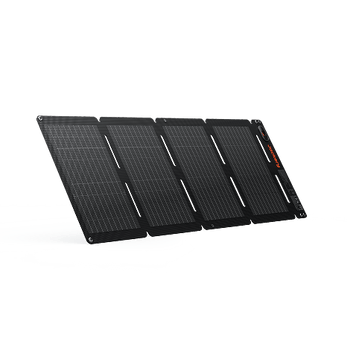
















![[Add-on] Jackery SolarSaga 500 X - Jackery](http://www.jackery.com/cdn/shop/files/add-on-jackery-solarsaga-500-x-1493607.webp?v=1786503068&width=324)
![[Add-on] Jackery Battery Pack 5000 Plus - Jackery](http://www.jackery.com/cdn/shop/files/add-on-jackery-battery-pack-5000-plus-6713401.webp?v=1786503068&width=324)

















Is a Whole House Generator Tax Deductible? For a standard fossil-fuel standby generator, the short answer is almost always no. The IRS classifies a whole house generator as a personal residential home improvement rather than a clean energy upgrade, meaning you will not find a line on Form 1040 to write off a natural gas, propane, or diesel unit.
However, the IRS does permit deductions for traditional standby generators in three highly specific, narrow situations: documented medical necessity, exclusive business use, or rental property operations. Even within these exceptions, the deduction is often partial and heavily restricted.
Solar-powered battery storage, on the other hand, tells a completely different story. While the federal Residential Clean Energy Credit (Section 25D) for direct homeowner purchases expired on December 31, 2025, under the One Big Beautiful Bill Act (OBBBA), clean energy backup remains highly tax-advantaged. Through pathways like Section 213 medical deductions, Section 179 business expensing, or third-party leasing credits under Section 48E, choosing solar backup is still financially superior to fossil-fuel units. This guide will break down the strict rules of backup power tax deductions, sizing, and clean energy credits under the current 2026 tax code.
Medical Necessity Deductions for Home Backup Power
Under IRS Section 213, a home backup generator can be partially deducted as a medical expense if a licensed physician prescribes it to run life-sustaining medical equipment. This allows the cost of the generator and its installation to qualify as a deductible medical expense, provided your total unreimbursed medical costs exceed 7.5% of your Adjusted Gross Income (AGI).
If a doctor signs a letter declaring that continuous, uninterrupted electricity is medically necessary to power devices like oxygen concentrators, ventilators, or dialysis machines, the generator enters the medical expense category. However, this deduction faces two major limitations:
- The AGI Floor: You can only deduct the portion of your total medical expenses that exceeds the 7.5% AGI threshold. For example, if your AGI is $80,000, your AGI floor is $6,000. If your total medical expenses (including the generator) are $10,000, you can only write off the remaining $4,000.
- The Property Value Increase Rule: You cannot deduct the portion of the generator's cost that permanently increases your home's capital value. If a permanent standby generator costs $10,000 to install but increases your property's resale value by $4,000, your deductible medical expense is limited to the remaining $6,000.
To withstand an IRS audit, you must maintain a robust documentation package. This must include a signed doctor’s letter specifying your exact medical condition, the critical devices requiring continuous power, and a statement that backup electricity is a medical necessity. You must also keep all equipment purchase receipts, installation invoices, and electrical logs.
Business Use and Rental Property Depreciation
If you use a whole house generator to protect a business or a rental property, the IRS offers a much clearer path to tax savings. However, you can only deduct or write off the exact portion of the system that serves your income-generating spaces.
If you operate a qualifying home office that meets the IRS exclusive and regular use standards, you can write off the business-use percentage of your generator. For example, if your home office occupies 200 square feet of a 2,000-square-foot home, you can deduct exactly 10% of the generator's purchase and installation costs on Schedule C. Self-employed filers can use this to reduce their self-employment tax burden directly. Note that W-2 employees working from home do not qualify for this deduction under IRC Section 67, as the One Big Beautiful Bill Act (OBBBA) of 2025 permanently repealed all miscellaneous itemized deductions (excluding certain educator expenses), ensuring this restriction remains in place permanently.
For rental property owners, a permanently installed standby generator is classified as a capital improvement to the building's structural systems. Consequently, the IRS requires you to depreciate a permanent, hardwired generator over a lengthy 27.5-year recovery period under MACRS GDS (or 39 years for commercial units), unless you execute a formal cost segregation study.
However, portable solar generators and battery storage units (like Jackery's products) are legally classified as tangible personal property rather than structural components. Under the Modified Accelerated Cost Recovery System (MACRS), these portable systems qualify for a rapid 5-year recovery period. Even better, as qualifying personal business property under IRC Section 179, you can choose to claim a 100% immediate expense deduction to write off the entire cost of the Jackery system in the first year it is placed in service on Schedule E.
Federal Tax Credits for Solar Generators and Battery Storage (30% through 2032)
While fossil-fuel generators are excluded from clean energy tax credits, solar-powered generators and battery storage systems qualify for the Residential Clean Energy Credit (Section 25D). This provides a substantial 30% federal tax credit for systems installed and placed in service through December 31, 2032.
To qualify for this 30% credit, residential battery storage systems must meet three clear conditions:
- The battery must feature a usable capacity of at least 3 kilowatt-hours (kWh).
- The system must be permanently installed at your primary or secondary U.S. residence.
- The equipment must meet standard safety and electrical building codes.
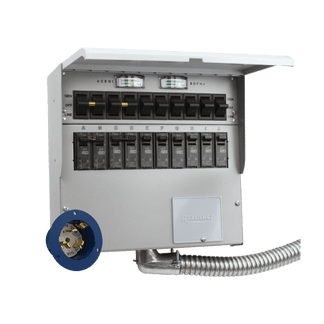
Unlike standard building repairs, which do not qualify for energy incentives—as explained in our guide on the new roof energy tax credit—standalone battery storage systems and solar arrays qualify fully. Portable solar generators only qualify if they are permanently hardwired to your home's main electrical panel via a transfer switch or subpanel, rather than simply plugged into a standard wall outlet.
This tax credit covers 30% of the total system cost, including the battery cells, solar panels, cabling, associated electrical components, and professional installation labor. The credit is nonrefundable, meaning it can reduce your federal tax liability to zero, and any unused credits can be carried forward to offset your taxes the following year. After 2032, the credit steps down to 26% in 2033, 22% in 2034, and expires in 2035.
How to Claim the Solar Tax Credit for Current and Past Installations
To claim the historical 30% clean energy tax credit for systems with expenditures completed on or before December 31, 2025, you must file IRS Form 5695 along with your standard Form 1040 tax return for the tax year in which your system was installed and operational. If you installed a qualifying battery or solar system in a prior tax year but forgot to claim the credit, you can file an amended return using Form 1040-X. For a step-by-step breakdown of how to file, check out our guide on claiming home improvements on your taxes.
When filing, you must reduce your total qualified system cost by any local utility rebates or state subsidies before applying the 30% credit calculation. For example, if you purchase a $5,000 solar battery system and receive a $500 rebate from your local power company, your net qualified system cost is $4,500. Your 30% federal tax credit is exactly $1,350.
State and Local Incentives for Backup Power
Many states and local utility providers offer additional incentives that can be combined with the federal clean energy credit. These can be researched by zip code on the Database of State Incentives for Renewables & Efficiency (dsireusa.org):
- Sales Tax Exemptions: Many states waive sales tax on solar panels and home battery systems, saving you 5% to 10% on your upfront hardware purchases.
- Property Tax Waivers: Ensure that the capital value added to your home by a new solar battery system is excluded from your annual property tax assessments.
- Utility Rebates: Some power companies offer active incentives for enrolling your battery in demand-response programs, paying you credits for discharging your battery during peak load events.
Storm-prone states often offer dedicated incentives. For example, homeowners in hurricane risk zones can access unique tax waivers and state rebates. To review these regional savings, check out our comprehensive guide to Florida solar incentives. Combining state and federal tax write-offs can dramatically lower your system's net cost.
Practical Generator Decisions: Sizing and Fuel Choices
Sizing your backup system correctly requires identifying your critical household loads rather than attempting to power your entire house. A standard refrigerator draws about 150W of continuous power but requires up to 1,500W to start its compressor motor. To calculate your home's backup requirements, review our essential home backup power guide.
If you choose a traditional generator, your fuel source will dictate your ongoing maintenance and fuel storage logistics. Natural gas lines provide an uninterrupted fuel supply, while propane tanks store fuel reliably on-site. Dual-fuel portable generators offer excellent flexibility, allowing you to run on either liquid propane or standard gasoline during extended grid failures.
|
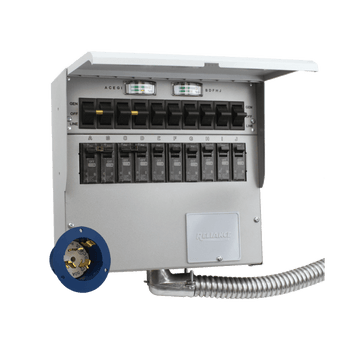
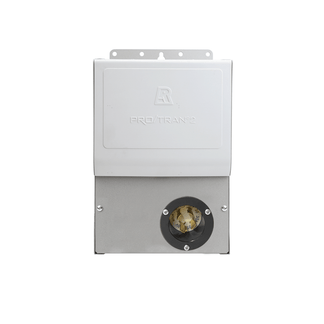
Transfer Switch Type |
Installed Cost |
Operation & Best Application |
|
Manual Transfer Switch |
$200 – $600 |
Requires manual cable connection and breaker flipping. Best for occasional brief outages. |
|
Automatic Transfer Switch (ATS) |
$2,000 – $5,000 |
Automatically detects outages to switch power in seconds. Best for whole-home standby and critical medical needs. |
Jackery Solar Generators: Eligible Clean Backup Energy
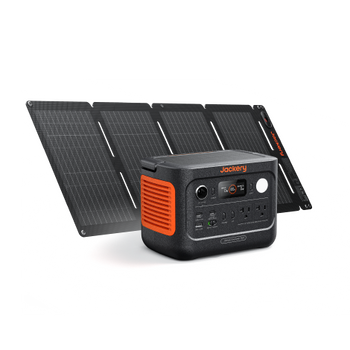
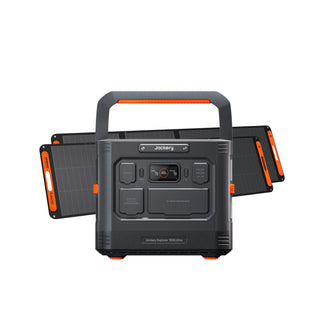
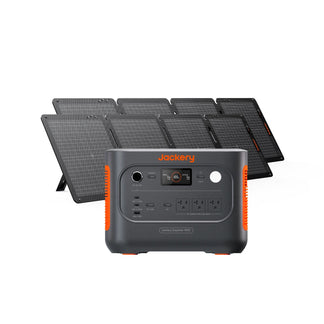
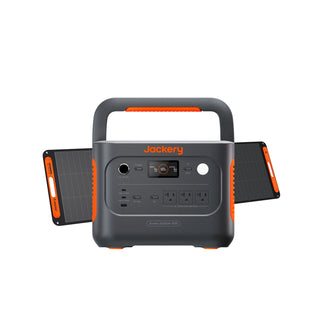
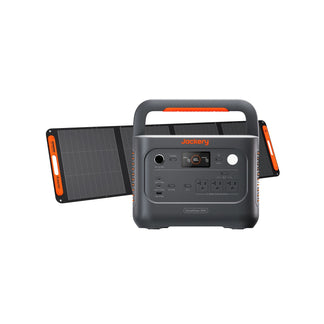
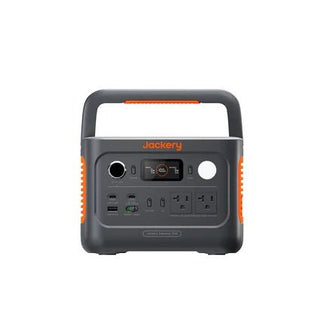
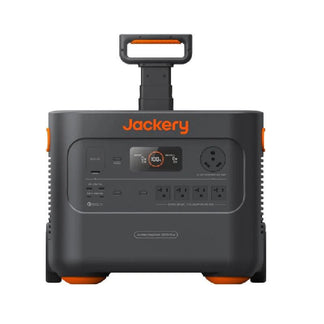
While the 30% federal tax credit remains available through 2032, Jackery solar generators represent a highly practical clean energy investment. Because they operate with zero emissions, these batteries can be placed safely indoors right next to a patient’s bedside, avoiding the carbon monoxide risks of combustion engines and strengthening your medical expense deduction claim.

Two premium systems cover a broad range of household backup and medical needs:
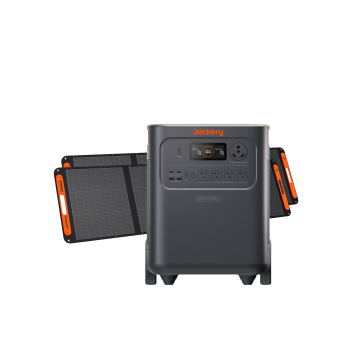
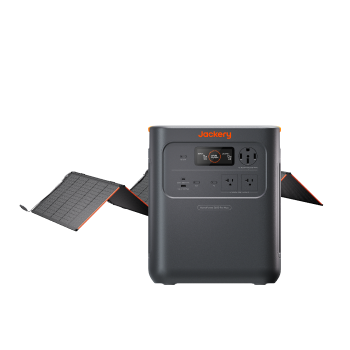
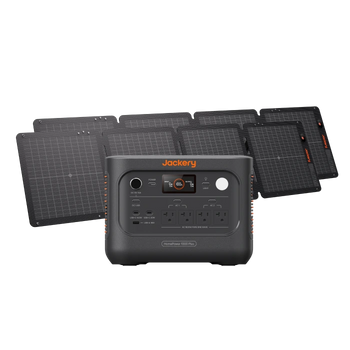
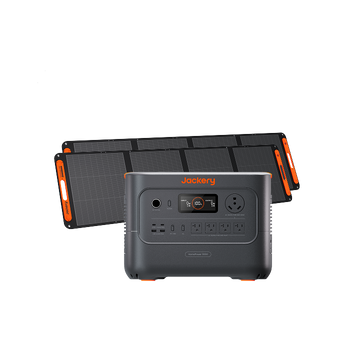
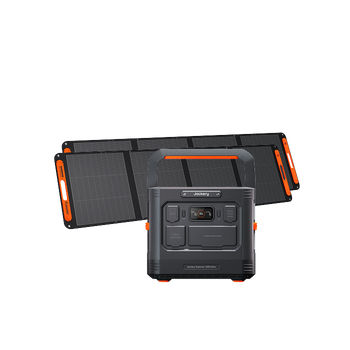
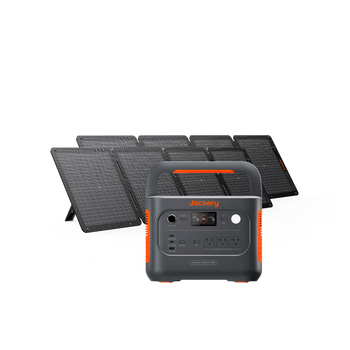
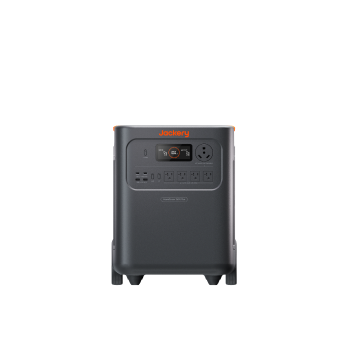
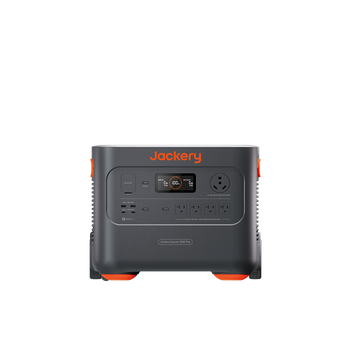
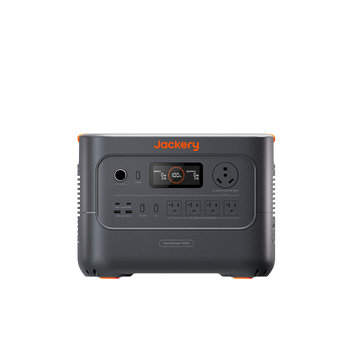
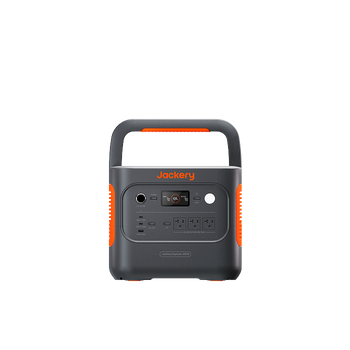
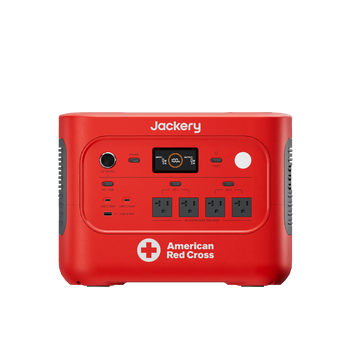
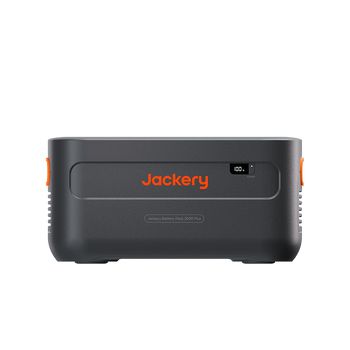
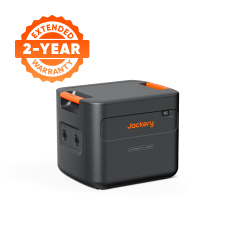
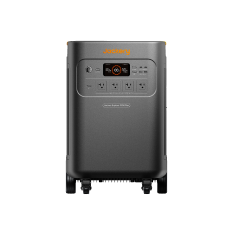
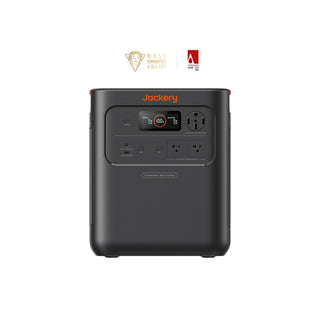
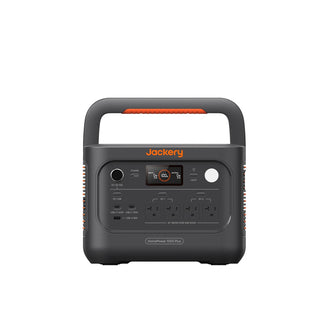
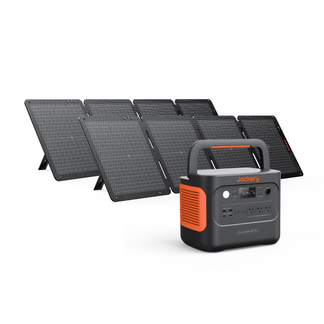
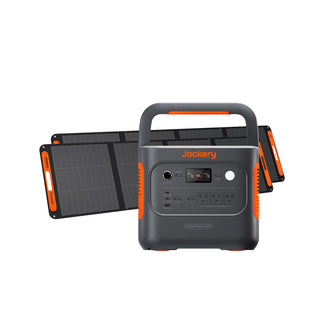
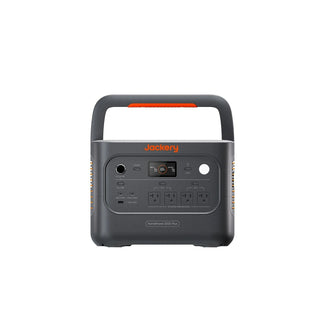
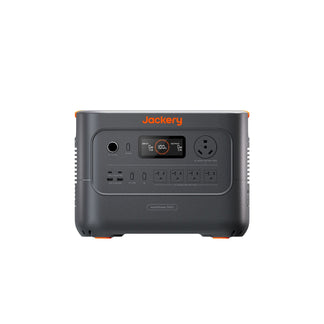
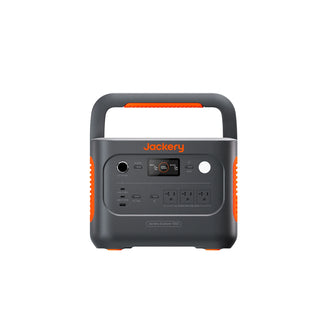
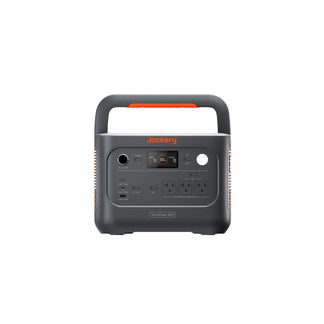
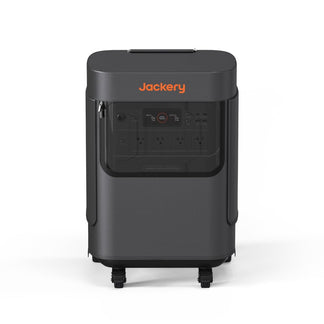
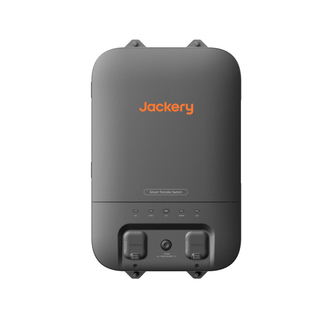
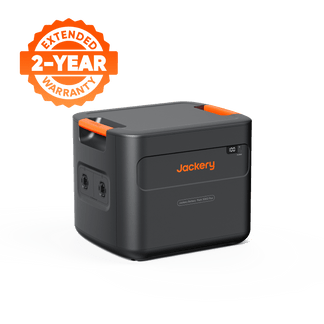
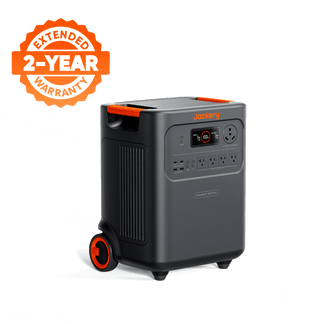
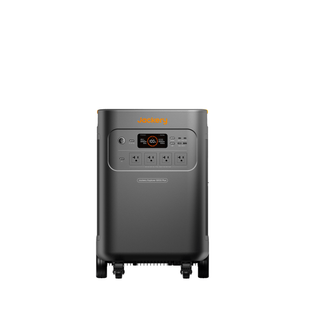
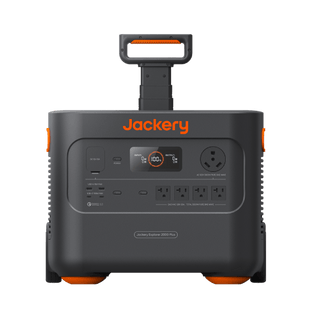
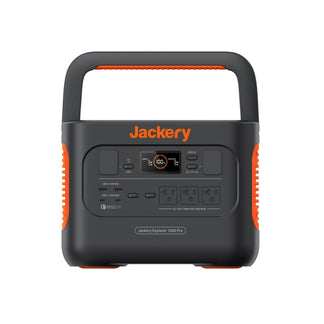
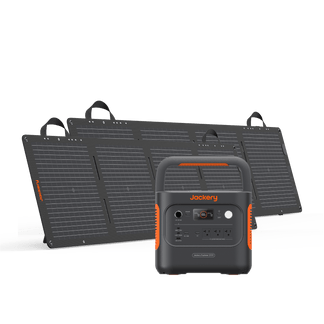
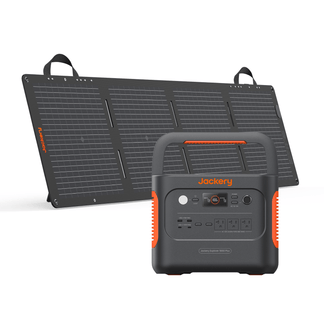
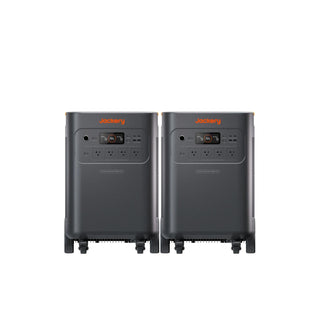
Jackery Solar Generator HomePower 3600 Plus: Features a robust 3,584 Wh LiFePO4 battery. For rental property owners or home office users, its classification as personal property rather than real estate allows for 100% immediate write-offs under Section 179 or standard 5-year MACRS depreciation.
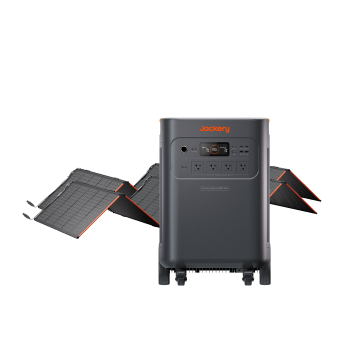
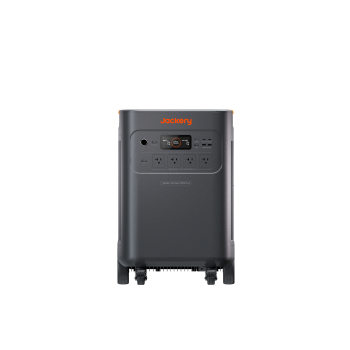
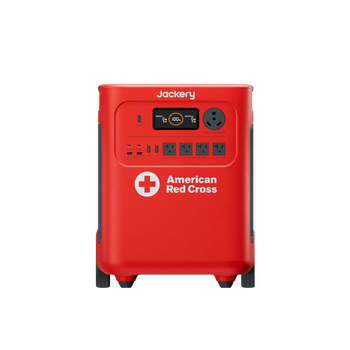
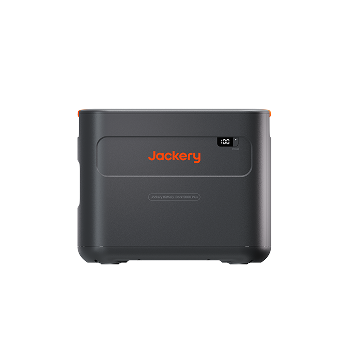
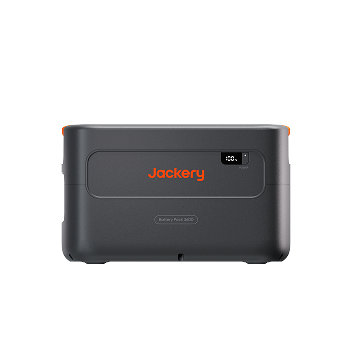
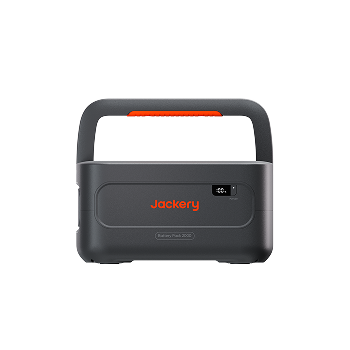
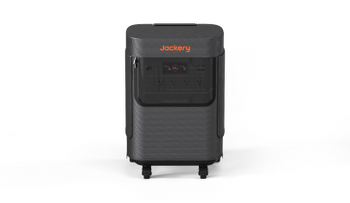
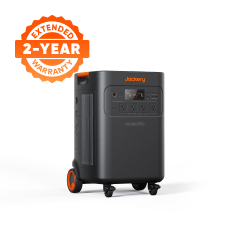
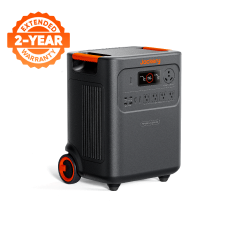
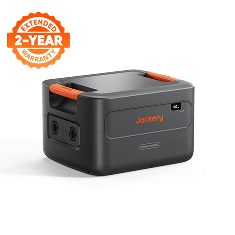
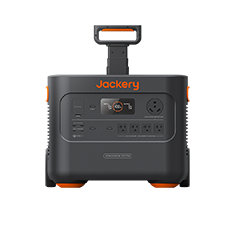
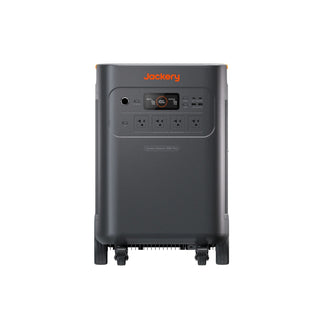
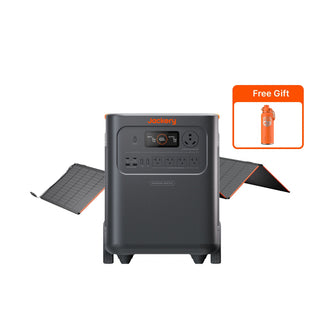
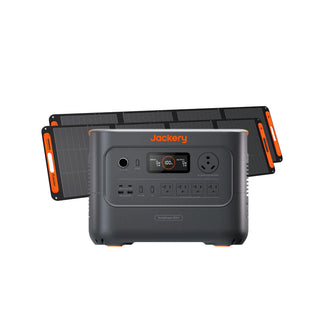
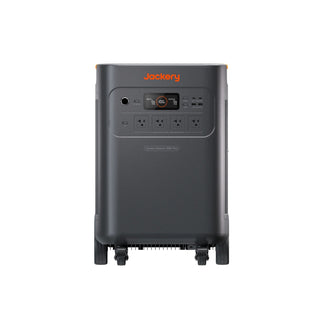
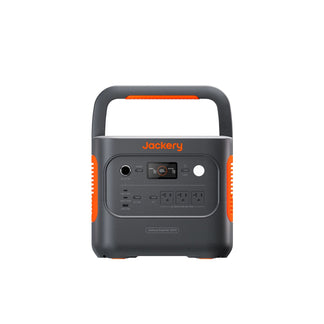
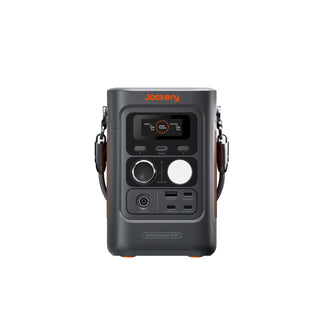
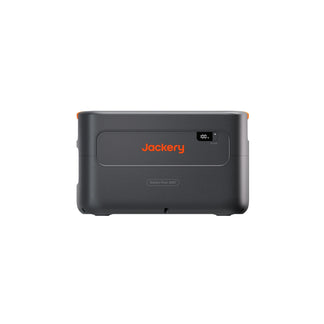
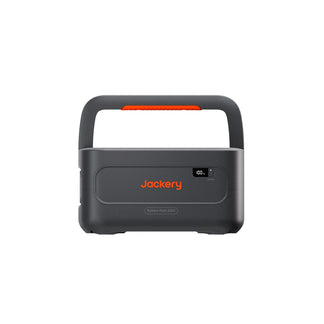
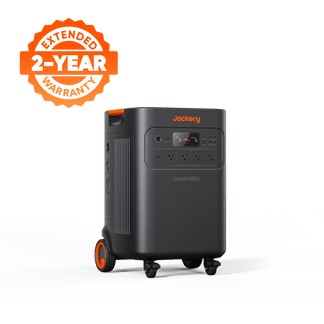
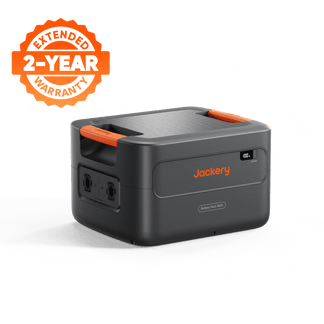
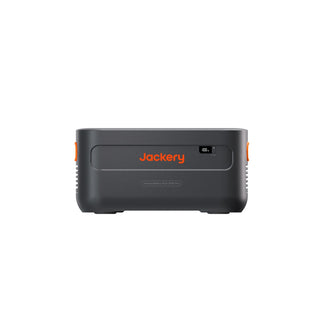
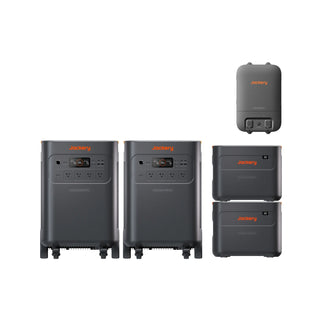
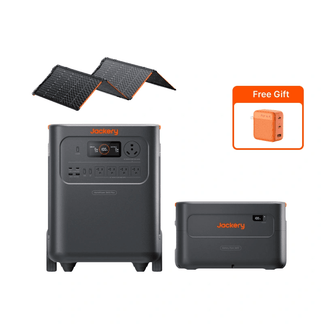
Jackery Solar Generator 5000 Plus: Delivers a massive 5,040 Wh capacity (expandable to 60 kWh) paired with an instantaneous 0-millisecond UPS automatic switchover. This zero-delay handoff is a critical safety requirement for life-support devices like oxygen concentrators or ventilators. Because of its complete portability, it is classified as tangible personal property, meaning you do not have to reduce your medical deduction based on home property value appreciation.
If you claim a Section 213 medical necessity deduction for your Jackery backup system, ensure your records include your physician’s prescription letter, purchase receipts, and manufacturer specification sheets documenting zero-emission, UPS-compliant indoor operation.
Frequently Asked Questions
Can I deduct the entire generator cost?
No. Even if your generator qualifies under medical necessity, business use, or rental property rules, you can only deduct the portion of the cost that exceeds capital improvements or AGI floors. Fully personal standby generators do not qualify for any federal deductions.
Does a home office make the generator deductible?
Yes, but only the exact percentage of your home office's square footage relative to your total household area can be written off on Schedule C. The home office must be used exclusively and regularly for business operations to qualify.
What if the generator powers critical medical equipment?
You can claim the system as a medical expense under Section 213 if you have a signed doctor's letter and your total medical expenses exceed 7.5% of your AGI. You must subtract any permanent increase the generator adds to your home's capital value before calculating the deduction.
Is a solar-powered generator treated differently?
Yes. While the federal Section 25D tax credit for homeowner-owned clean energy purchases officially expired on December 31, 2025, solar-powered generators are treated far more favorably than fossil-fuel standby units under 2026 tax laws. For medical deductions (Section 213), portable solar generators are fully deductible without property value offsets. For business or rental use (Section 179), portable solar units can be written off immediately in the first year (5-year MACRS), whereas a standby natural gas or propane unit is classified as real property and must be depreciated over 27.5 years. Additionally, solar-powered systems leased through third parties continue to qualify for a 30% tax credit under Section 48E.


