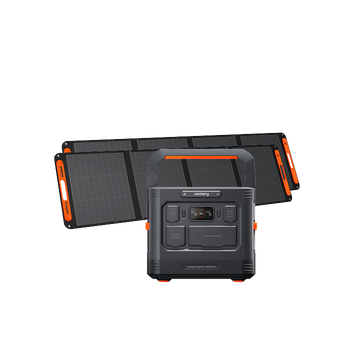
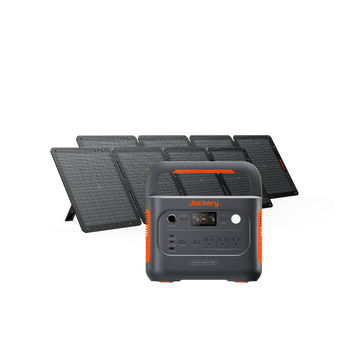
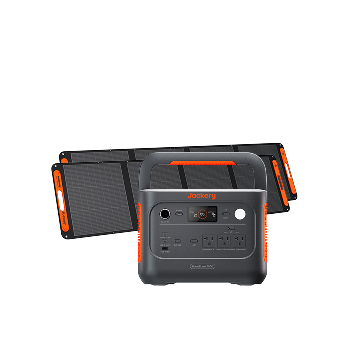
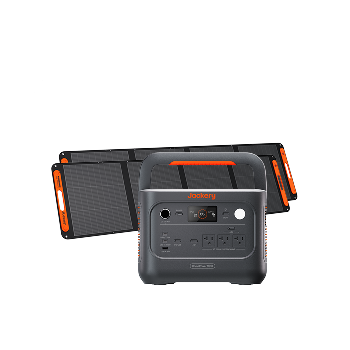
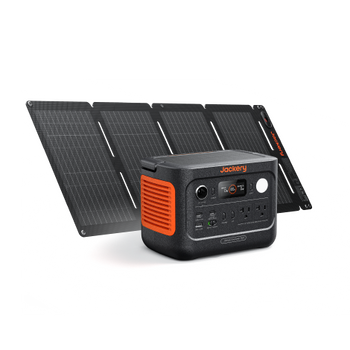

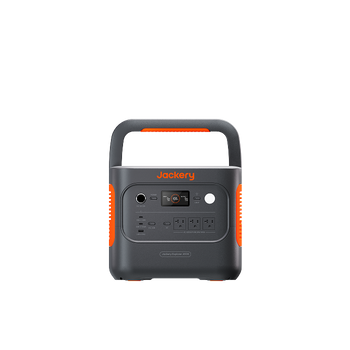
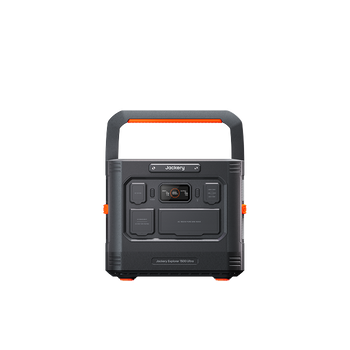
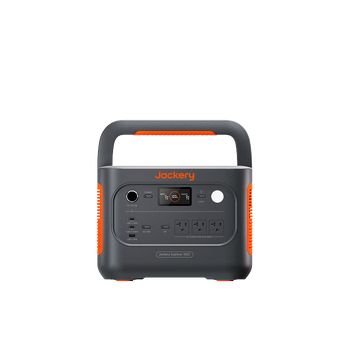
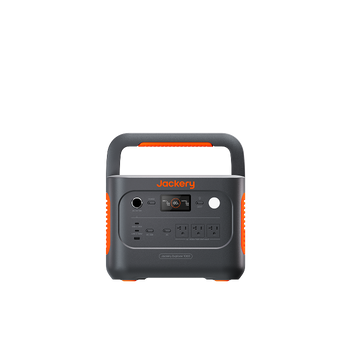
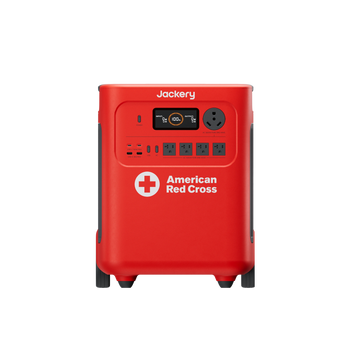
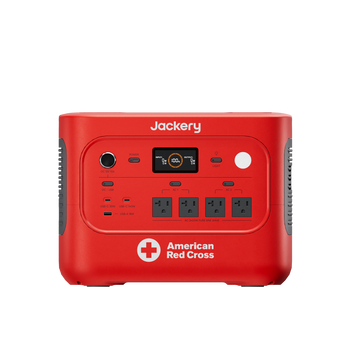
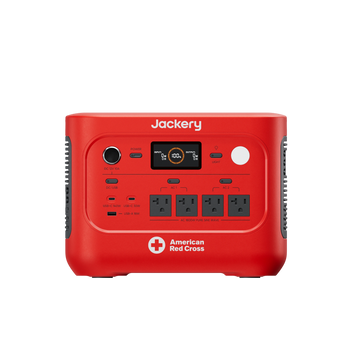


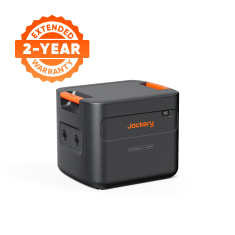
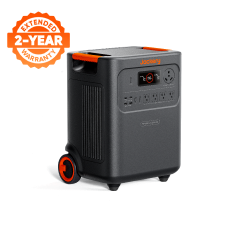
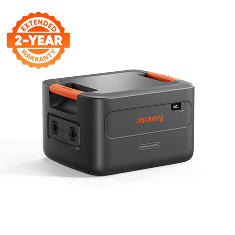
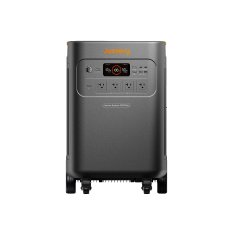
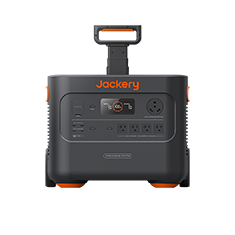
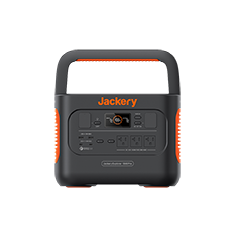
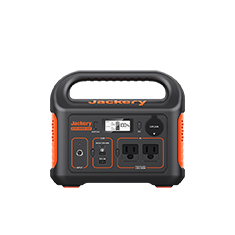
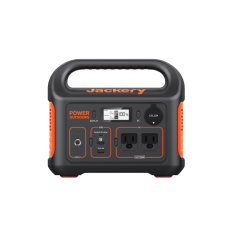
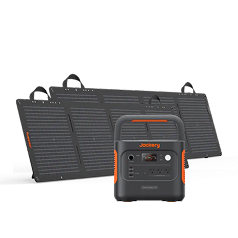
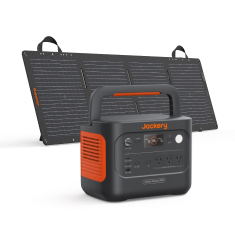
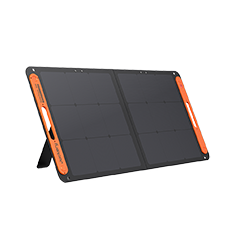


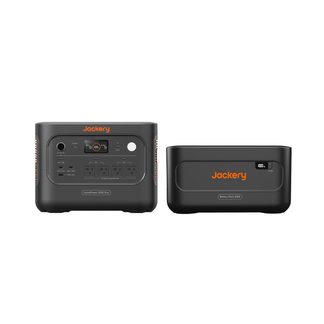

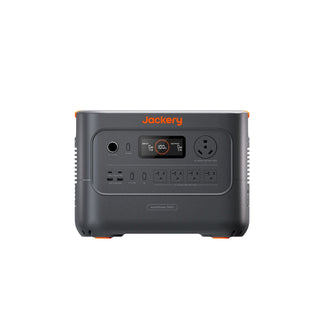
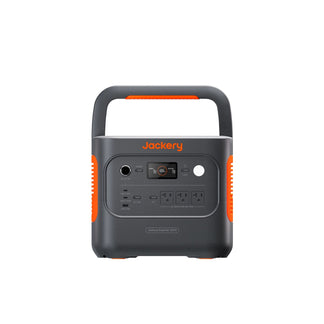
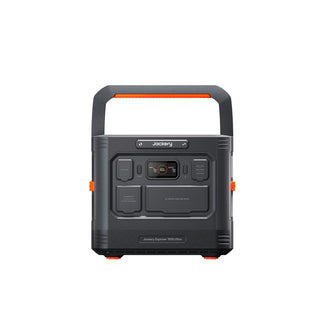
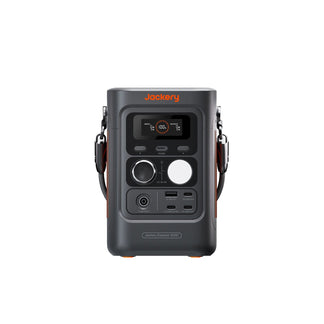
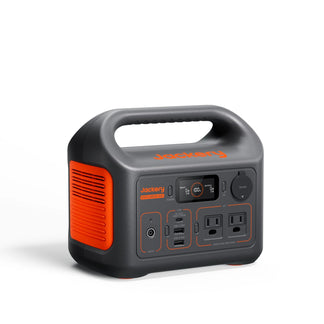
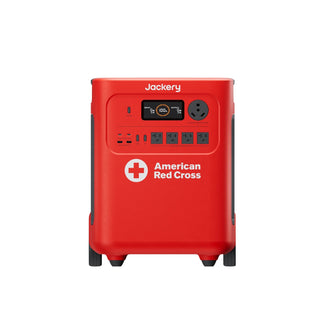
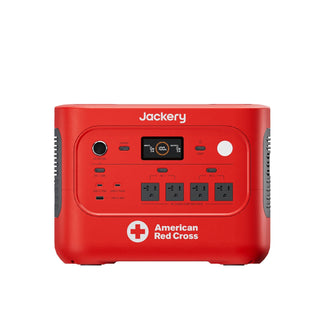



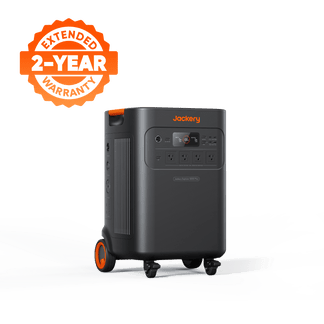
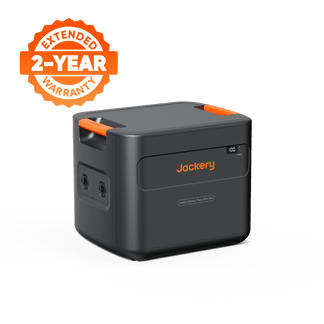
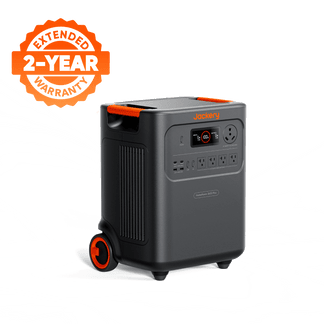
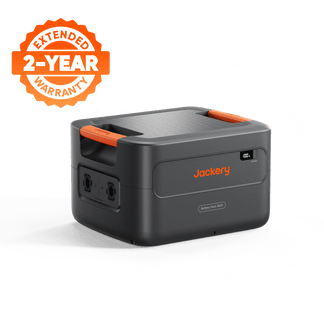
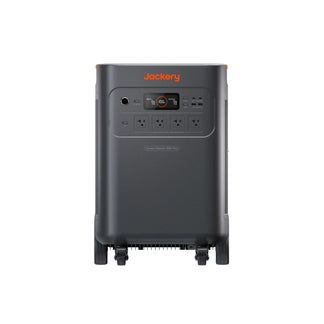


For most homeowners who plan to use a battery backup regularly to run a refrigerator, power essential appliances during outages, or pair it with solar panels, LiFePO4 (LFP) is the better chemistry. It lasts significantly longer, withstands heat and indoor storage better, and costs less per usable cycle over its lifetime. NMC excels in compact, lightweight applications and low-frequency use, but for home backup where the battery is cycled regularly and stored indoors year-round, LFP's advantages in durability and safety are decisive.
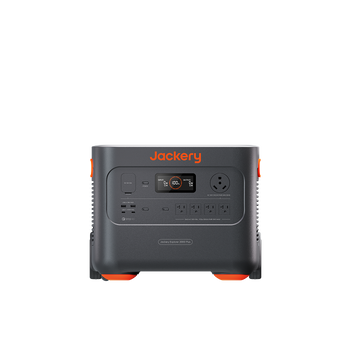
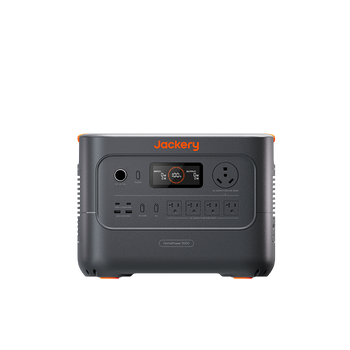
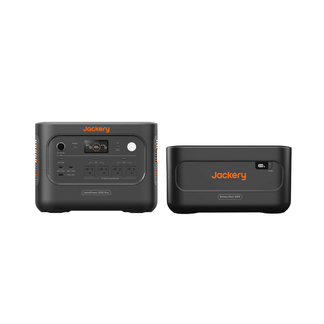
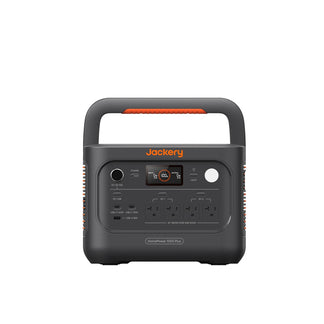
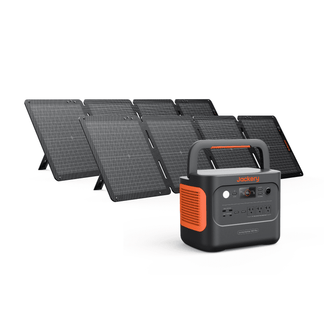
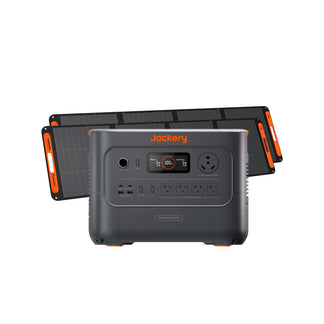
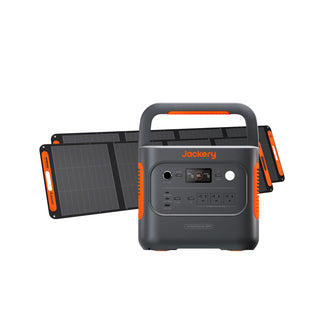
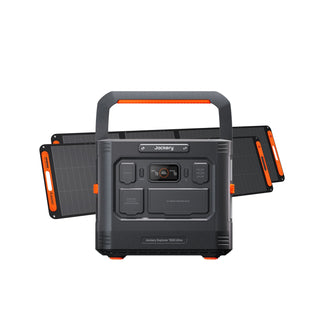
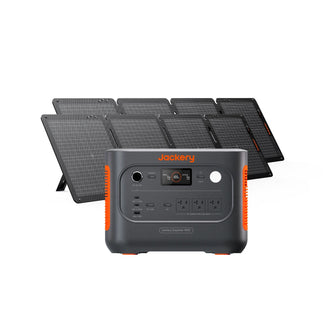
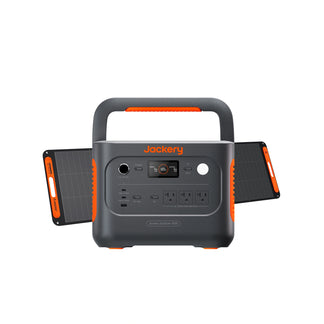
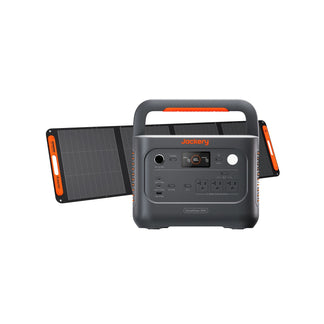
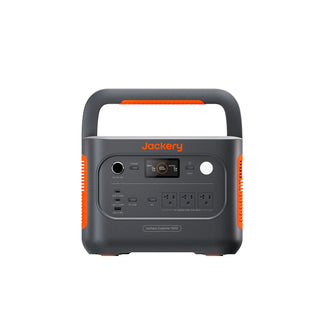
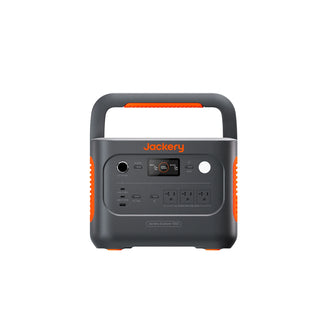
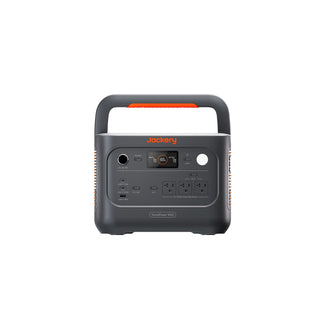
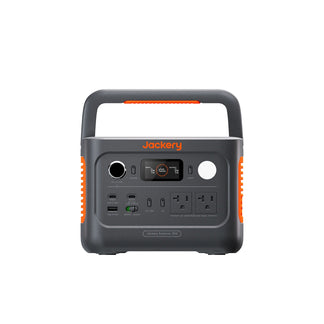
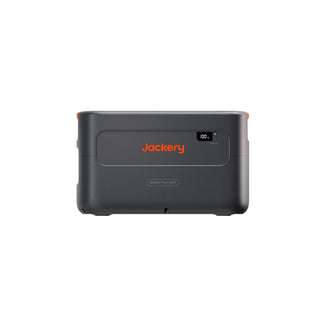
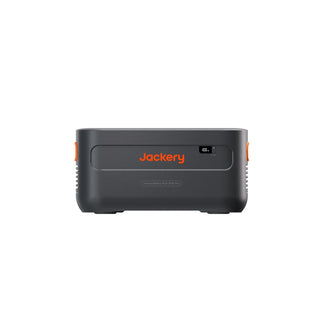
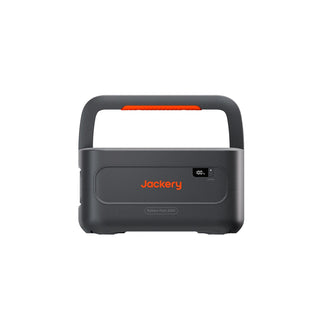
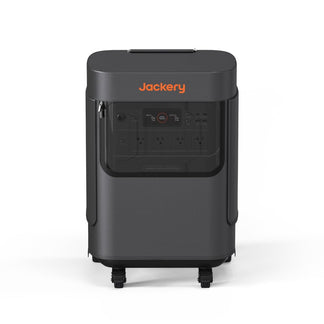
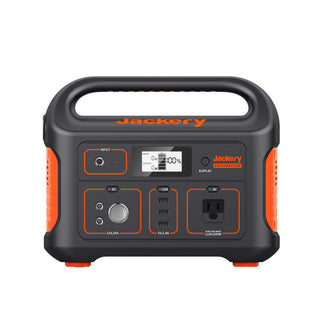
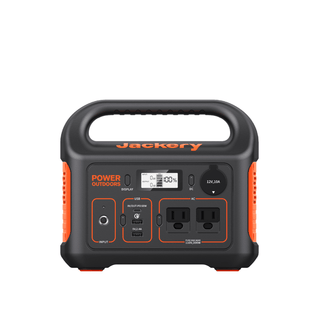
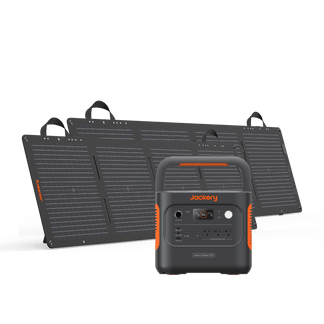
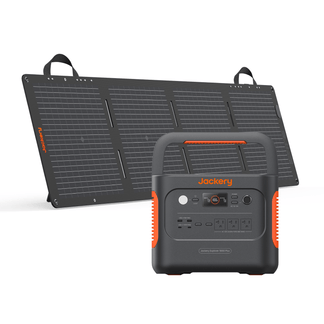
Jackery Solar Generators are reliable home battery backups that feature LiFePO4 batteries, allowing them to run appliances safely. If you will use your home battery more than a few times a year, LiFePO4 is the right choice. If you need the most power in the smallest possible package and will use the battery infrequently, NMC may suit you. The detailed LiFePO4 vs. NMC breakdown below explains exactly why, and helps you match the right chemistry to your specific home, climate, and usage pattern.
Key Takeaways
- LiFePO4 (LFP) batteries offer 3,000 - 6,000+ charge cycles, compared with 500 - 2,000 for NMC. It is a difference that translates to 10–16 years of daily use vs. 3–5 years of daily use.
- LFP is significantly safer for indoor storage, especially in hot climates. It is far more resistant to thermal runaway and holds up better in high ambient temperatures.
- NMC offers higher energy density, making it better for compact, portable builds where weight and size are the priority.
- The right battery chemistry depends on how often you use the battery. LiFePO4 wins on every metric for regular daily or weekly use. NMC remains acceptable only for low-frequency emergency backup.
What are LiFePO4 and NMC Batteries?
Before comparing the two chemistries head-to-head, it helps to understand what each one actually is and what that chemistry means for a homeowner in practical terms.
LiFePO4: LiFePO4, commonly called LFP, is a type of lithium battery that uses iron and phosphate as its cathode material. The iron-phosphate bond is chemically very stable, which is the root of almost every advantage LFP offers. Because the bond is hard to break, the battery is resistant to overheating, resistant to thermal runaway, and capable of handling thousands of charge and discharge cycles without significant capacity loss.
You can also check our detailed guide to know more: What is a LiFePO4 Battery.
NMC: NMC batteries use a combination of nickel, manganese, and cobalt as the cathode material. This combination produces higher energy density than LFP, meaning more power stored per pound of battery weight. NMC is the chemistry behind most electric vehicle battery packs and many portable electronics, and it is common in the earlier generation of portable power stations, where compact size was a design priority.
How Do LiFePO4 and NMC Batteries Compare?
LiFePO4 (Lithium Iron Phosphate or LFP) excels in lifespan, safety, and long-term cost-effectiveness, making it ideal for solar storage and standard EVs. NMC (Nickel Manganese Cobalt) provides higher energy density and better cold-weather performance, making it ideal for long-range EVs or space-constrained devices.
Which Battery Chemistry Lasts Longer in a Home Backup Setup?
Cycle life is the most decisive specification for any battery used in a home backup role, and it is where the gap between LFP and NMC is most striking.
LFP Cycle Life: 3,000–6,000+ charge cycles to 70%+ capacity retention. At one full cycle per day, a 4,000-cycle LFP battery lasts approximately 11 years. A 6,000-cycle LFP battery lasts approximately 16 years.
NMC Cycle Life: 500–2,000 charge cycles to 70%+ capacity retention. At one full cycle per day, a 1,000-cycle NMC battery lasts approximately 2.7 years. A 2,000-cycle NMC battery at the same usage rate lasts approximately 5.5 years.
|
Usage Frequency |
NMC (1,000 cycles) |
NMC (2,000 cycles) |
LFP (4,000 cycles) |
LFP (6,000 cycles) |
|
Daily (1 cycle/day) |
~2.7 years |
~5.5 years |
~11 years |
~16 years |
|
Every other day |
~5.5 years |
~11 years |
~22 years |
~33 years |
|
Weekly |
~19 years |
~38 years |
77+ years |
115+ years |
|
Monthly (emergency only) |
83+ years |
166+ years |
Not limiting |
Not limiting |
Note: Projections based on theoretical cycle life. Actual lifespan varies by temperature, depth of discharge, and charging habits.
Which Battery is Safer to Store and Use Indoors?
Both LFP and NMC power stations can be safely stored indoors. Neither produces fumes, emissions, or exhaust during operation or storage, which is a fundamental advantage both share over gas generators, which cannot safely be stored or operated indoors under any circumstances. For apartment renters and urban homeowners who need an indoor backup solution, both chemistries are viable.
LFP batteries are significantly more resistant to thermal runaway than NMC batteries. The iron-phosphate chemistry that gives LFP cells their structural stability also makes them far less likely to enter a runaway condition under overcharge, over-temperature, or physical damage scenarios. LFP cells have been subjected to nail penetration tests, overcharge tests, and crush tests at significantly higher rates than NMC without resulting in fire or explosion.
NMC batteries carry a higher risk of thermal runaway, which is why well-designed NMC power stations invest heavily in their Battery Management Systems (BMS) to continuously monitor cell voltage, temperature, and current. A quality NMC power station from a reputable manufacturer is safe for indoor use, as the BMS effectively manages the risk.
Does Battery Chemistry Affect How Well a Home Battery Performs in Extreme Heat or Cold?
Both LFP and NMC lose capacity in extreme cold. NMC has a slight advantage in charge acceptance at temperatures near freezing. However, LFP has a better discharge performance floor in cold conditions than its charging behavior suggests. For most US homeowners, the cold-weather performance difference between the two chemistries is less significant than the heat and cycle-life differences, unless the power station is stored in an unheated outdoor shed in an extreme cold climate through winter.
LFP holds up significantly better than NMC in high-ambient-temperature environments. The thermal stability that makes LFP safer in storage also means it sustains a higher percentage of its rated capacity at elevated operating temperatures. For homeowners using solar backup daily through a Texas or Florida summer, this performance difference compounds over months and years into a meaningful real-world capacity difference.
If your power station lives in a hot garage, a utility room in a warm climate, or anywhere that regularly exceeds 86°F (30°C), LFP is the clear choice. If it lives in a temperature-controlled indoor space and is used infrequently, NMC is a manageable option for cost-sensitive buyers.
|
Feature |
LiFePO4 (LFP) |
NMC |
What It Means for You |
|
Safety |
Very high; stable chemistry |
Moderate; needs BMS management |
LFP safer indoors, in garages, hot climates |
|
Cycle Life |
3,000–6,000+ cycles |
500–2,000 cycles |
LFP outlasts NMC by years in daily-use scenarios |
|
Energy Density |
Lower (needs more space) |
Higher (compact) |
NMC fits smaller footprints; LFP needs more room |
|
Heat Tolerance |
Excellent; stable above 130°F (54.4°C) |
Degrades faster under heat |
LFP better for garages, hot states (TX, AZ, FL) |
|
Cold Performance |
Good; slight disadvantage at charging |
Slight edge in cold charge acceptance |
Minimal real-world difference for most US locations |
|
Upfront Cost |
Higher |
Lower |
NMC cheaper to buy; LFP cheaper over its lifetime |
|
Risk of Thermal Runaway |
Very low |
Higher without cooling |
LFP safer for unattended indoor storage |
|
Self-Discharge Rate |
Very low (~2–3% per month) |
Slightly higher |
LFP retains charge better in long-term storage |
|
Cobalt Content |
None |
Yes (cobalt + nickel) |
LFP more ethical and eco-friendly to manufacture |
|
Ideal For |
Solar backup, daily cycling, long-term home use |
Portable stations, compact builds, low-frequency use |
Depends on how often you need it |
For Jim and Martha Martell, off-grid cabin life in Ontario and British Columbia used to mean candles, frozen batteries, and constant maintenance. Over the years, they built up a Jackery system ranging from an Jackery Explorer 500 that outlasted entire seasons to a Jackery Explorer 5000 Plus that now powers refrigerators, water pumps, and lighting without a single generator running. What started as a workaround for off-grid inconvenience became something deeper: a way to keep their cabins quiet, simple, and "calm, comfortable, complete," even in the dead of a Canadian winter. You can check out more real Jackery Stories to see how a reliable power supply has made lives easier during power outages and outdoor adventures.
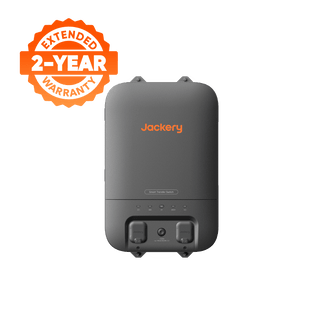
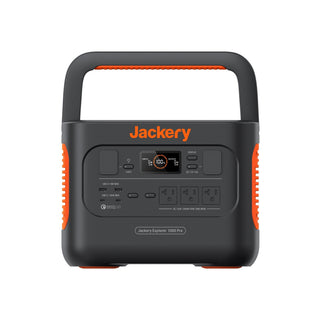
Recommended Jackery Solar Generators with LiFePO4 Batteries
All three Jackery Solar Generators below use LiFePO4 (LFP) battery chemistry and are designed specifically for essential home backup use.
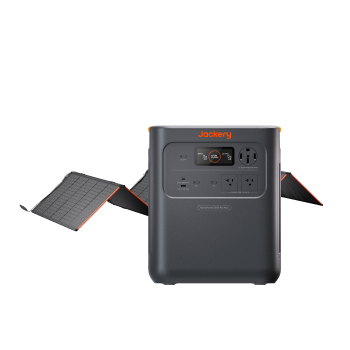
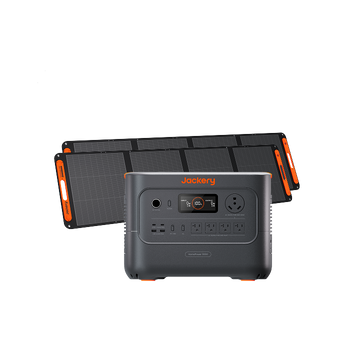
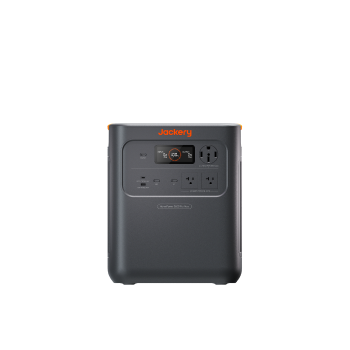
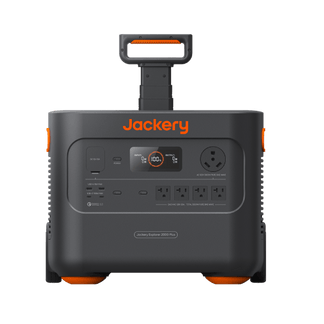
Jackery Solar Generator HomePower 2000 Plus v2
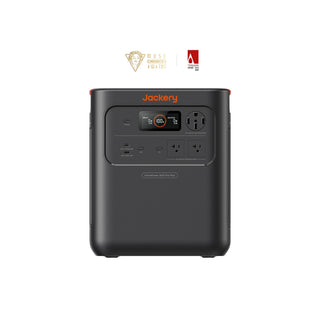
The Jackery Solar Generator HomePower 2000 Plus v2 is an essential home backup solution that can easily power a refrigerator, a WiFi router, LED lights, fans, and phone chargers simultaneously during a 12 to 24-hour outage. It recharges in as fast as 1.5 hours from a wall outlet and supports solar, car, and gas generator charging for extended coverage. Its Jackery Priority Routing™ feature allows you to choose appliances that you would like to power on priority during an outage. When the grid fails and the battery falls below the threshold, it automatically disconnects non-essentials and keeps supplying power to the essential devices.
Appliances Running Time
- Refrigerator (400W) = 4H
- Blender (300W) = 5H
- Coffee Maker (1000W) = 2.0H
- Window AC (2000W) = 1.0H
- TV (150W) = 10.0H
Who Should Buy This
The Jackery Solar Generator HomePower 2000 Plus v2 is ideal for solo homeowners, small households, and anyone who wants a compact, long-lasting LFP backup station that stores easily, recharges fast, and is always ready without maintenance.

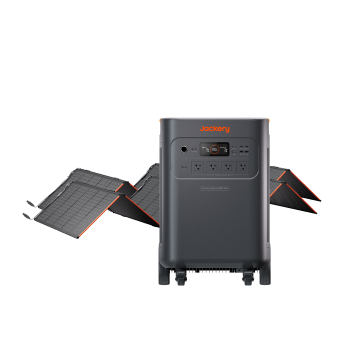
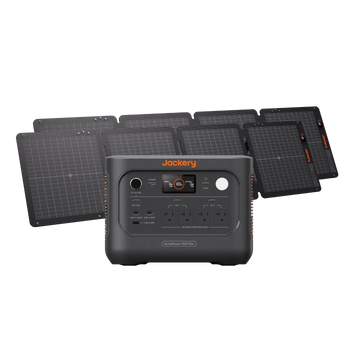
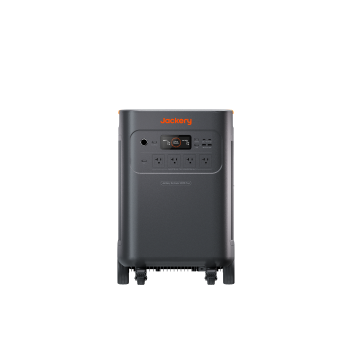
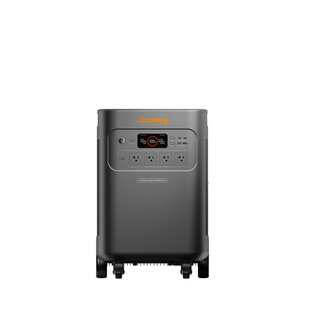
Jackery Solar Generator HomePower 3600 Plus
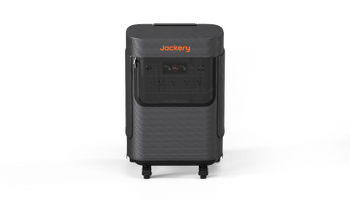
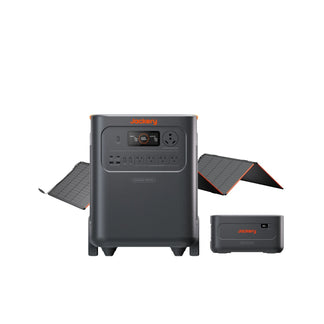
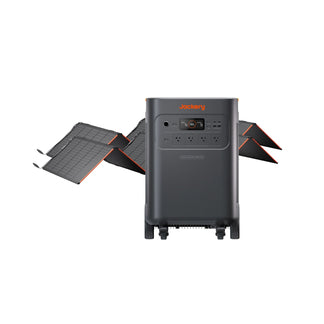
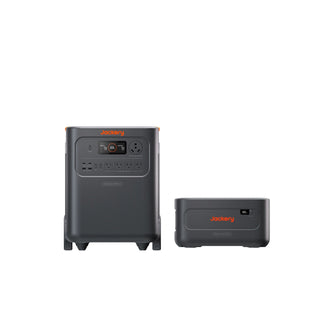
The Jackery Solar Generator HomePower 3600 Plus is another essential home backup solution that features a LiFePO4 battery. The 3,584Wh base capacity expands up to 21kWh or 43kWh with additional battery packs, and the sub-10ms UPS switching keeps sensitive home electronics running without a flicker when the grid drops. It also features built-in wheels and a telescoping handle, allowing it to be rolled from room to room. At 30dB in Quiet Mode, it operates without disruption in any room of the home.
Appliances Running Time
- Refrigerator (400W) = 7.2H
- Blender (300W) = 9.5H
- Coffee Maker (1000W) = 3.0H
- Window AC (2000W) = 1.5H
- TV (150W) = 17.7H
Who Should Buy This
The Jackery Solar Generator HomePower 3600 Plus is the right choice for families who want a long LFP lifespan available in a home solar generator, with expandable capacity and fast UPS switching of the three units here.

Customer Review
I was very hesitant in purchasing but we just went camping for four days and never had to run my gas generator! Very impressed with this generator and extremely happy with this purchase!!!
— Julie R.
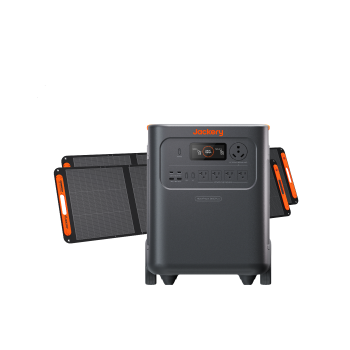
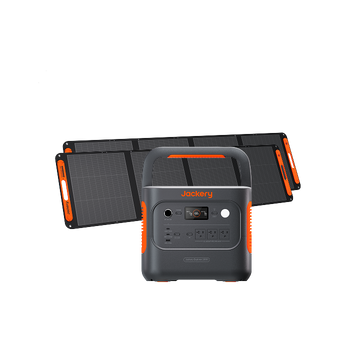
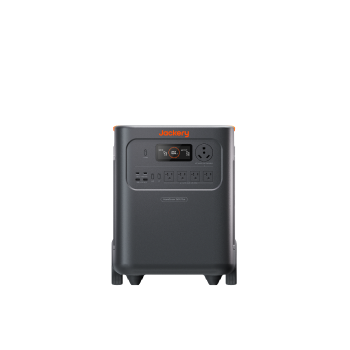
Jackery Solar Generator 5000 Plus
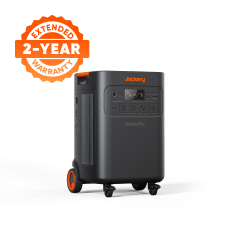
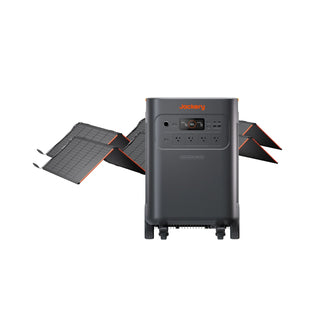
The Jackery Solar Generator 5000 Plus is a powerful home backup solar generator with 120V/240V support. It is capable of running 240V heavy appliances without a parallel configuration. Its LFP battery is protected by ChargeShield™ 2.0 with 62 BMS protection algorithms, AI variable charging speed, and 94V-0 fireproof materials that meet UL safety standards. With the true 0ms Online UPS switching, this home battery backup ensures connected appliances experience zero interruption when the grid drops, and it expands to 60kWh with compatible battery packs for multi-day home coverage.
Appliances Running Time
- Refrigerator (400W) = 9.5H
- Blender (300W) = 12.2H
- Coffee Maker (1000W) = 4.1H
- Window AC (2000W) = 2.1H
- TV (150W) = 21.4H
Who Should Buy This
The Jackery Solar Generator 5000 Plus is the right choice for households that need 240V heavy appliance coverage, maximum surge power, the most comprehensive LFP battery protection available, and the most scalable capacity path in Jackery's lineup.

Customer Review
Had a 2 hour power outage and it ran our house refrigerator and a few fans. With 88% more power to use!!! So impressive I bought the small 1000.
— Joe K.
You can also check Which Jackery Products Have LFP/LiFePO4 Batteries.
Frequently Asked Questions
How many years does a LiFePO4 home battery last?
A LiFePO4 home battery rated for 4,000 charge cycles lasts approximately 11 years at one full cycle per day. A unit rated for 6,000 cycles, like the Jackery HomePower 3600 Plus, is projected to last approximately 16 years at the same usage rate. Real-world lifespan depends on usage frequency, operating temperature, and charging habits. Units kept in cooler environments and charged to 80% rather than 100% routinely will often exceed their rated cycle life.
Can I store a LiFePO4 battery in my garage or shed?
Yes, you can store a LiFePO4 battery in a garage or shed under reasonable conditions. LiFePO4 batteries are well-suited for garage storage given their thermal stability. The key guidelines are to avoid storing in extreme heat above 113°F (45°C) for extended periods, keep the battery between 50% and 80% state of charge for long-term storage, and check the level every three months. In hot-climate states like Texas, Arizona, or Florida, be mindful of unventilated garage temperatures in summer. Even LFP units benefit from the cooler indoor side of the garage or a partially conditioned space during peak summer months.
Is NMC safe to use indoors as a home backup battery?
Yes, a well-designed NMC power station from a reputable manufacturer with a quality BMS is safe for indoor home backup use. Neither NMC nor LFP produces fumes or emissions during operation, making both safe for indoor environments, unlike gas generators. The caution with NMC is specifically for high-heat storage and frequent high-cycle use, where NMC degrades faster and carries a modestly higher thermal risk than LFP over time. For infrequent emergency backup in a temperature-controlled indoor space, NMC is a reasonable option.
What does LFP mean on a battery label?
LFP is the abbreviated name for LiFePO4 (Lithium Iron Phosphate). It refers to the cathode chemistry of the battery cell. When you see "LFP battery" or "LiFePO4 battery" on a power station spec sheet, it means the unit uses iron-phosphate cathode cells. The chemistry is associated with long cycle life, high thermal stability, and strong indoor safety performance.
Does battery chemistry affect solar charging performance?
Not directly. Solar charging performance is primarily determined by the power station's MPPT charge controller efficiency. Both LFP and NMC batteries can effectively accept solar input when paired with a well-designed MPPT controller. Indirectly, LFP is better suited for daily solar cycling because its higher cycle life means it can be charged and discharged from solar every day for years without meaningful degradation, whereas NMC batteries cycle out faster under the same daily use pattern.
Which battery is better for extreme heat: LFP or NMC?
LFP is significantly better in extreme heat, both for sustained performance and long-term health. LFP batteries are thermally stable at temperatures that cause NMC cells to degrade measurably faster. For homeowners in hot states (Texas, Arizona, Florida, and Nevada) or anyone storing a power station in an unconditioned garage or outdoor shed, LFP is the clear recommendation. NMC's energy density advantage does not compensate for its accelerated heat degradation in environments with inconsistent temperature control.
Is LiFePO4 worth the extra cost over NMC for home backup?
Yes, LFP is worth the higher upfront cost for regular home backup use, cycling the battery weekly or more often, using it in a solar charging routine, or relying on it for multi-day outage coverage. The cost-per-cycle calculation is straightforward: if LFP costs 30% to 50% more than NMC but delivers three to eight times the cycle life, the cost per usable cycle is two to five times lower for LFP. Over a five to ten-year ownership period, LFP saves money. The only scenario where NMC's lower upfront cost is genuinely the better value is if the unit will be used very infrequently (fewer than 10 to 20 times per year), making cycle life a non-factor.
Conclusion
The LiFePO4 vs. NMC decision comes down to one practical question: how often will you use this battery?
If the answer is frequent, such as weekly solar cycling, daily home backup operation, multi-room outage coverage, or continuous UPS use for a home office or other essential device, LiFePO4 is the right chemistry. Its combination of 3,000 to 6,000+ cycle life, superior heat tolerance, lower thermal risk, and lower long-term cost per cycle is decisive for any homeowner who plans to rely on their battery backup as a genuine part of their home's energy system.
If the answer is rarely, such as twice a year for storm backup, light occasional use, NMC remains acceptable, particularly in smaller, lighter designs where energy density matters more than raw longevity. The current Jackery Solar Generators use LiFePO4 chemistry. For a home backup solar generator that will be stored indoors, cycled regularly with solar panels, and relied upon through years of outages and daily use, LFP is the foundation that makes everything else in the specification sheet meaningful.


