





















































![[Add-on] Jackery Battery Pack 5000 Plus - Jackery](http://www.jackery.com/cdn/shop/files/add-on-jackery-battery-pack-5000-plus-6713401.webp?v=1786503068&width=324)











The FIFA World Cup 2026 is scheduled to run from June 11 through July 19, placing the world's biggest sporting event right in the heart of the North American summer. As millions of fans descend on host venues in sweltering cities like Houston, Dallas, Miami, and Atlanta, they will face more than just world-class soccer—they will face intense, record-breaking summer heat waves.
On a baking asphalt stadium lot, surface temperatures can easily exceed 140 degrees Fahrenheit. This stored heat radiates upward for hours, turning your pre-match canopy into a literal convection oven. With FIFA enforcing strict, stadium-level combustion generator bans and local authorities penalizing idling vehicles, keeping your pre-game setup cool requires a smart, portable energy strategy.
Why is a High-Velocity Fan Your Best Defense Against Parking Lot Heat?
A high-velocity fan is your best defense against extreme blacktop heat because it maximizes sweat evaporation, creating a wind-chill effect that can make you feel up to 10 degrees Fahrenheit cooler. High-speed airflow creates a significantly greater cooling sensation than low-speed circulation, which is crucial when the ambient air is stifling:
- Focused Spot Cooling: You cannot air-condition open asphalt, but a high-velocity blast aimed at your seating circle can create a comfortable zone within 10 to 15 feet.
- Enhanced Portability: Many modern high-velocity units now feature telescopic handles and wheeled frames.
- Aggressive Misting Options: In dry climates, misting fans can drop ambient temperatures by up to 25 degrees Fahrenheit within a 20-foot range. However, if you are tailgating at humid World Cup venues like Miami's Hard Rock Stadium or Houston's NRG Stadium, skip the misting function to avoid sticky discomfort and rely entirely on high airflow.
- Superior Centrifugal Airflow: While standard cage fans bounce air off obstacles, compact centrifugal blowers build high static pressure to push a focused column of air farther. Centrifugal designs dissipate heat faster in tight or constrained spaces, such as narrow gaps between parked vehicles.
How Do FIFA's 2026 Regulations Impact Your Cooling Setup?
Operating a high-velocity cooling setup during the World Cup requires navigating strict, stadium-level security constraints:
- Strict Generator Bans: Traditional fuel-powered generators are strictly prohibited at almost all official FIFA 2026 parking areas due to noise, emissions, and fire hazards.
- No Vehicle Idling: Leaving your vehicle's engine running to use its air conditioning is heavily restricted by security personnel and local city ordinances, carrying steep fines.
- The Infrastructure Gap: Off-site parking lots, city parks, and private transit hubs lack any public electrical outlets, meaning you must bring your own independent, clean energy source to power your cooling gear.
How Do You Choose the Right Power Source for Your Fan?
Running a high-velocity fan (which typically draws 100 to 150 Watts on high speed) for a 4-hour pre-game and 2-hour post-game session requires a substantial power reserve:
- The Battery-Integrated Route: Dedicated cordless tool batteries (such as 40V or 56V packs) offer cordless freedom, but they are expensive and can be restrictive. A typical 7.5Ah tool pack will only run a 120W fan for about 1.5 hours, requiring multiple expensive spares.
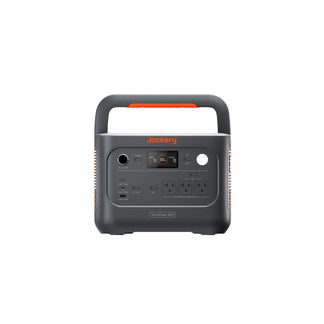
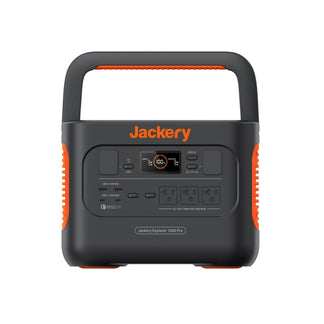
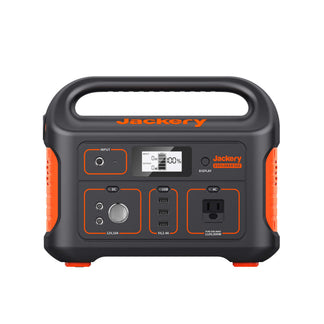
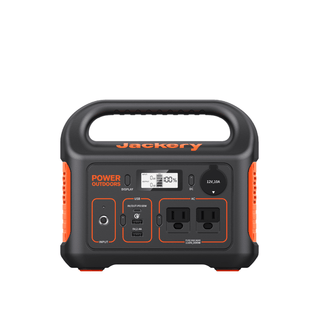
- The Portable Power Station Solution: Portable power stations allow you to run standard, high-performance AC fans silently and without fumes. If you are wondering about compatibility, our guide on can Jackery power a fan breaks down the continuous and surge wattage calculations.
- Calculating Runtime: A high-velocity fan drawing 120W will run for approximately 13 to 15 hours on a 2,000 Wh power station. If you want to see the specific math for other battery capacities, read our detailed breakdown on how long will a Jackery run a fan.
- Sizing Your Battery Conservatively: Never assume a small 300Wh unit can run a fan, phone chargers, and a mini-fridge simultaneously. Ensure you map out your total continuous draw—if your combined loads total 200W, a 500Wh station will run out of power in just over two hours.
What are the Pro Tips for Maximizing Cooling Under a Canopy?
Simply turning on a fan beneath your canopy isn't enough. You must set up your ventilation strategically to maximize comfort:
- Prioritize Shade First: A canopy cuts direct solar radiation by over 90%. While the air underneath it can still be hot, the fan acts as a multiplier of that shade, making a solar powered fan setup highly effective.
- Create a Wind Tunnel: Do not leave your canopy walls completely down. Open two opposing sides, position one fan blowing inward on the shaded side to pull fresh air in, and place another fan on the opposite side blowing outward to eject hot air. This cross-ventilation prevents hot air recycling.
- Pre-Cool Your Vehicle: Run your vehicle's air conditioner for the final 10 minutes of your drive. Starting with a cool cabin means your gear absorbs less initial heat, reducing the work your fans must do.
- Elevate Your Fans: Because asphalt radiates intense heat upward, place your fans on a table or tailgate at least three feet off the ground to push cool, elevated air across your seating area.
- Use Misting Wisely: On dry afternoons, use intermittent mist modes to cool the area without soaking your guests or surrounding gear.
What are the Essential Safety and Health Rules for Outdoor Events?
During peak summer months, extreme heat-related illness is a major concern at large outdoor events. According to warnings from the U.S. National Oceanic and Atmospheric Administration (NOAA), a high-velocity fan is a critical first-line of defense alongside hydration and shade breaks:
- Never Leave Fans Running Unattended: Motor bearings in high-velocity fans can wear, overheat, and become potential fire hazards if left running unattended in overnight lots.
- Position Fans Upwind of Food Prep: Keep your cooling fans blowing upwind of your grill area to prevent ash, charcoal dust, or insects from blowing directly onto your food.
- Keep Power Stations Shaded: Lithium batteries are sensitive to extreme heat. Always keep your power station shaded beneath your vehicle or canopy edge to prevent thermal throttling.
- Manage Noise Levels: Look for fans that operate in the 42 to 50 dB range. This is comparable to quiet conversation and ensures the motor will not drown out your music, pre-game radio broadcast, or conversation.

How Can You Power Your Entire Setup with a Solar Generator?
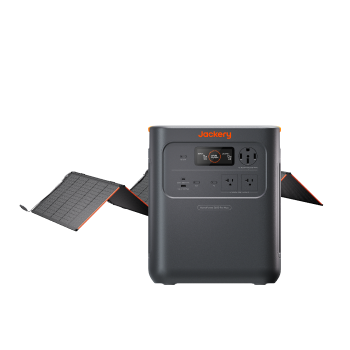
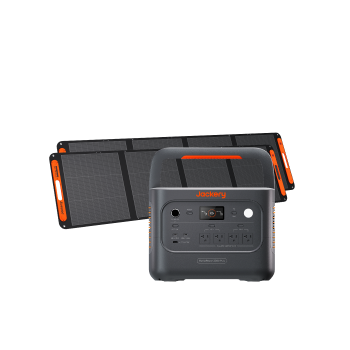
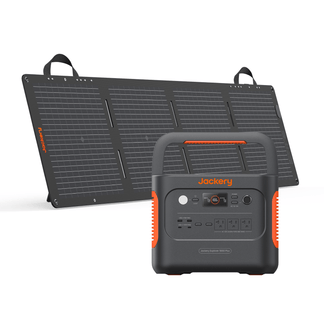
A high-capacity solar generator is the most reliable, clean, and silent way to run your entire tailgate cooling setup, fully complying with strict stadium generator bans:
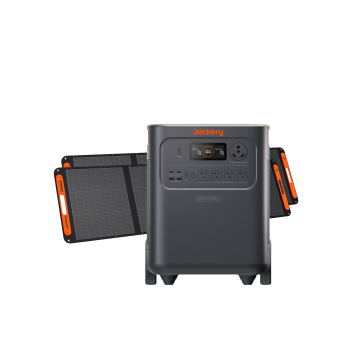
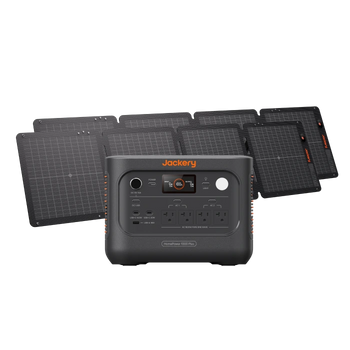
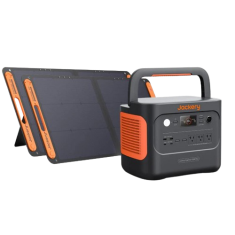
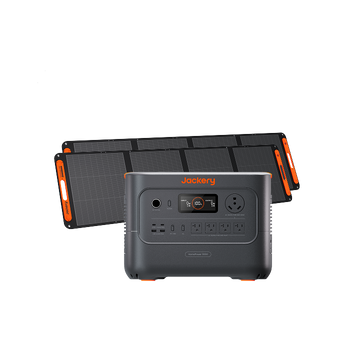
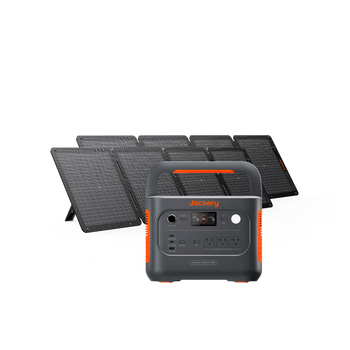
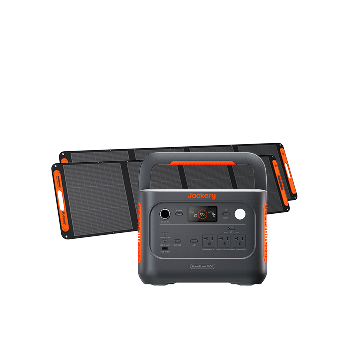
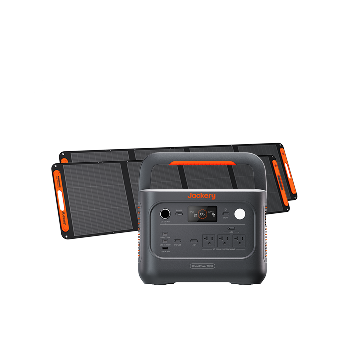
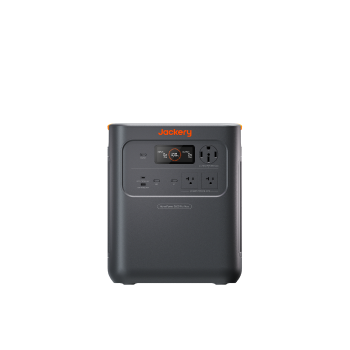
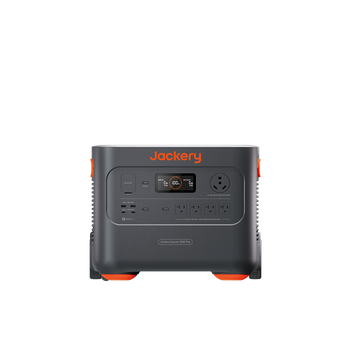
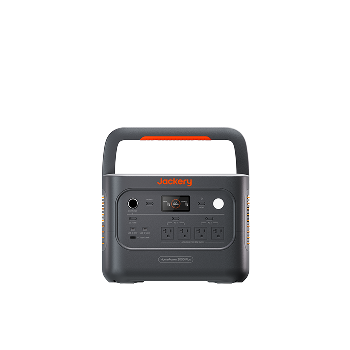
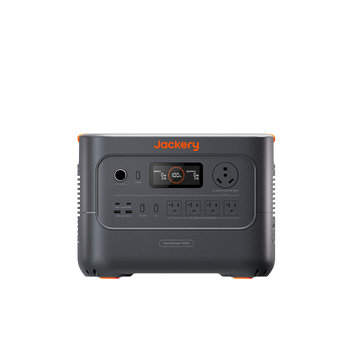
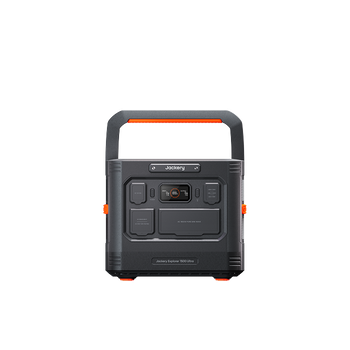
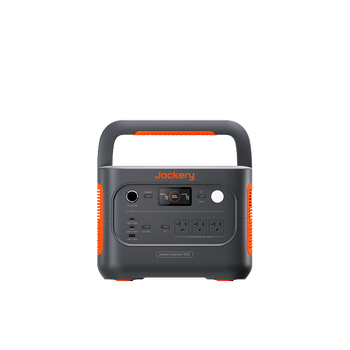
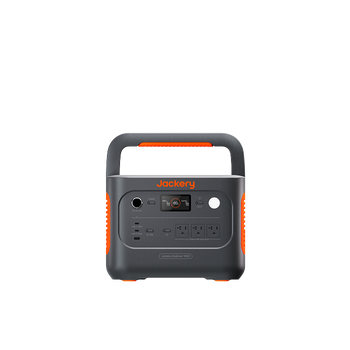
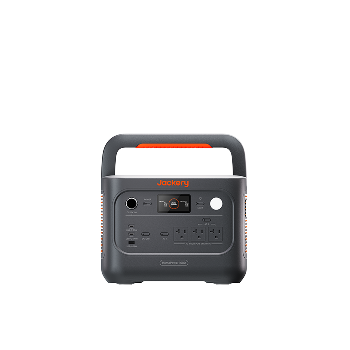
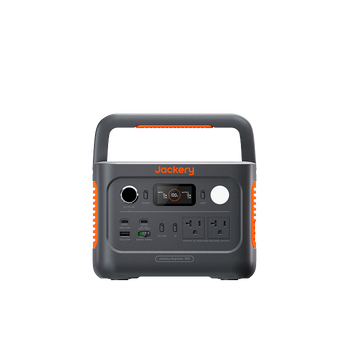
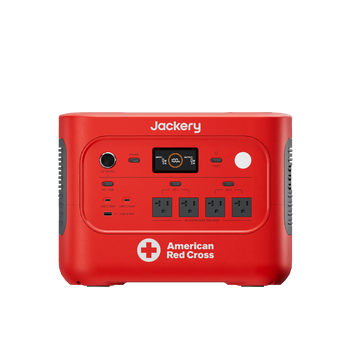
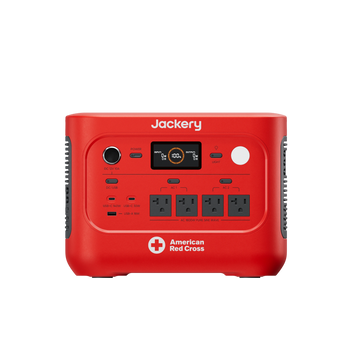
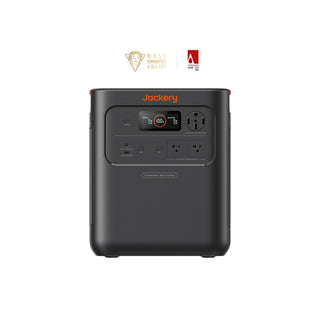
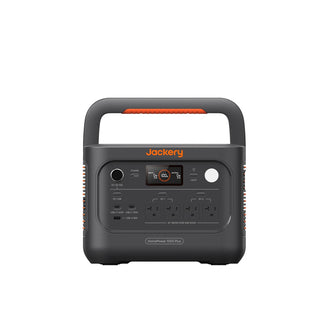
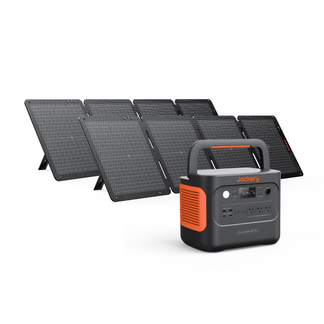
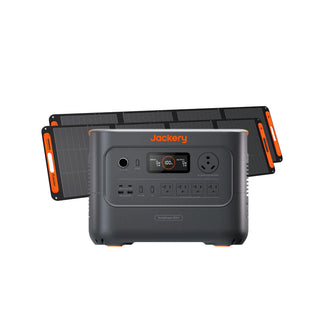
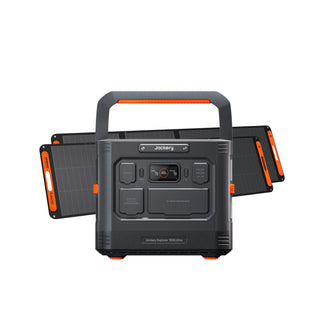
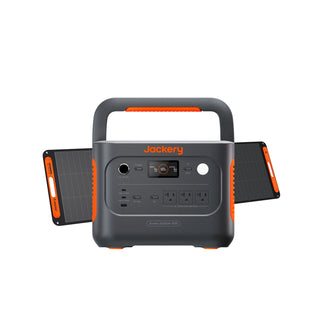
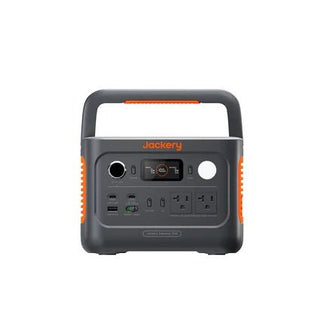
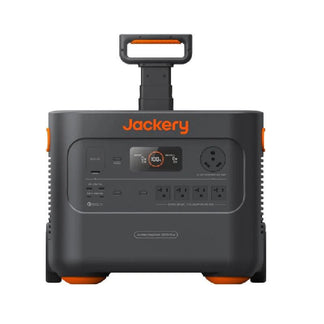
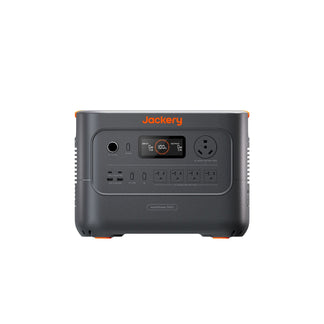
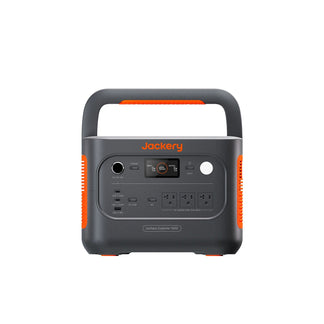
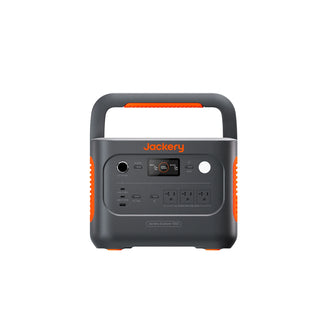
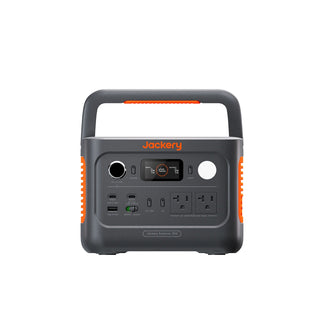
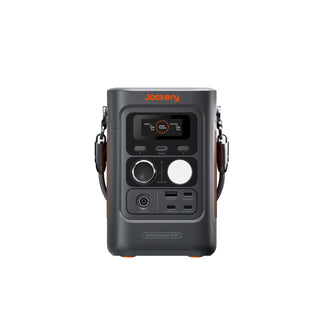
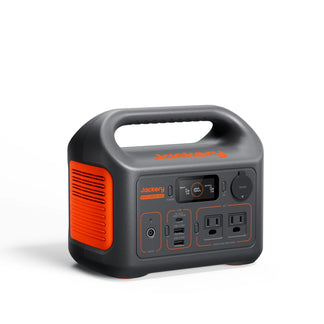
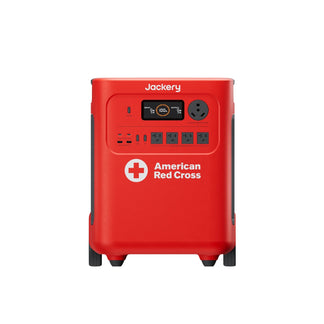
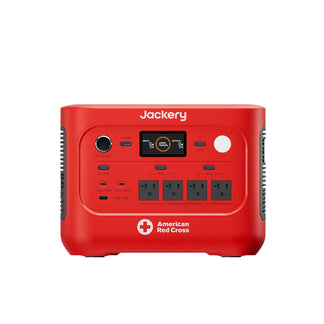
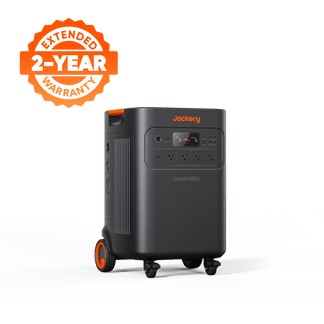
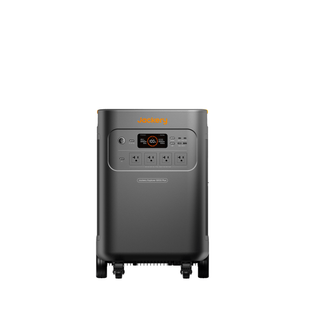
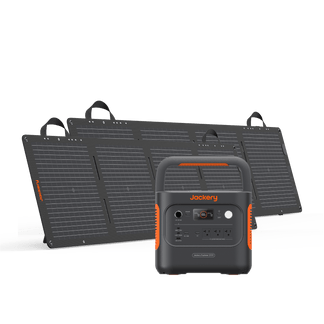
Jackery Solar Generator 2000 v2
A compact, highly portable energy solution for standard day-long pre-game parties:
- Runtime: Holds 2,042 Wh of capacity, capable of running a 150W high-velocity fan for over 13 hours straight while charging multiple phones.
- AC Output: Features a 2,200W pure sine wave inverter (4,400W surge) to run your electronics safely without electrical hum or motor strain.
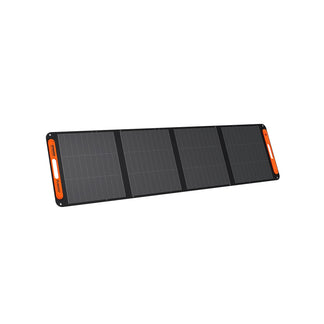
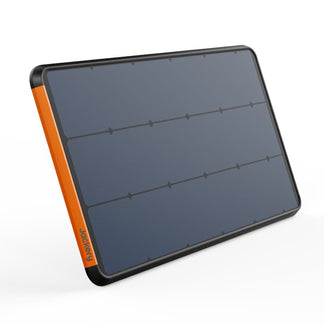
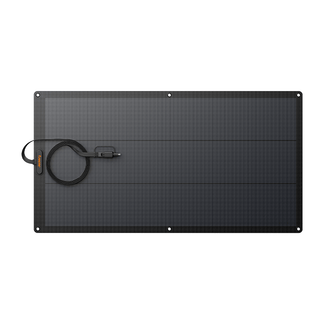
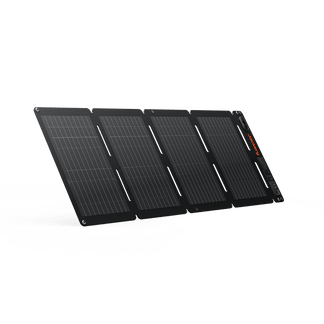
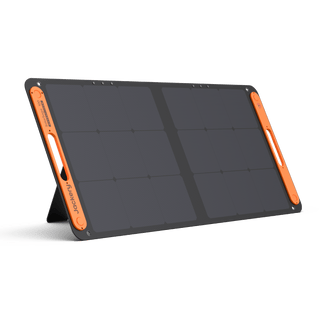
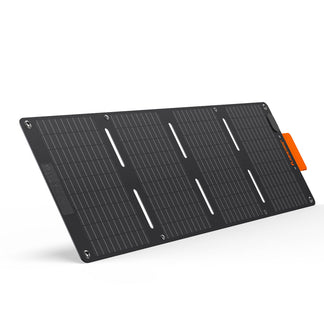
- Rapid Recharge: Fully recharges in just 1.7 hours from a wall outlet before you leave, or in 7.5 hours using four Jackery SolarSaga 100W Solar Panels.
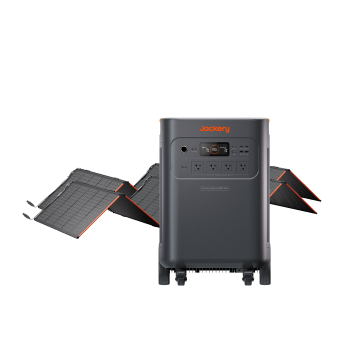
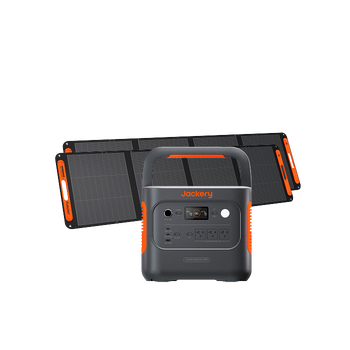
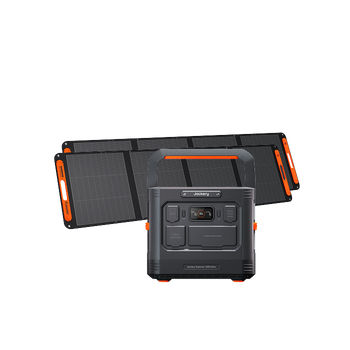
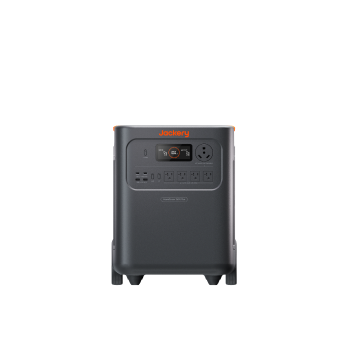
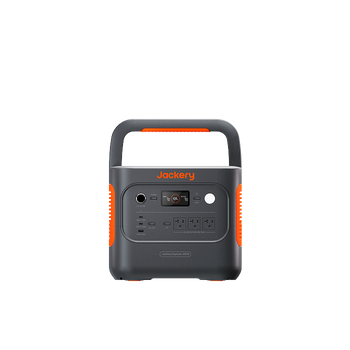
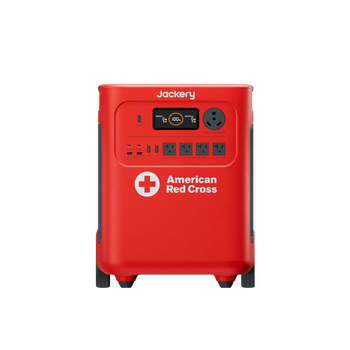
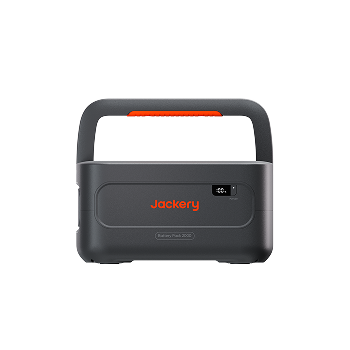
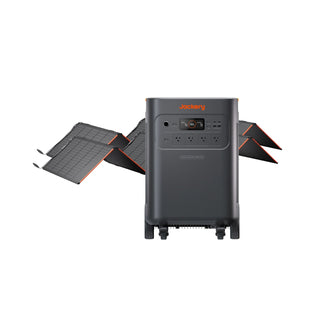
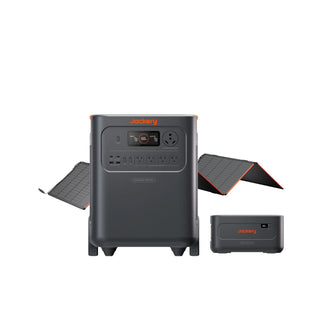
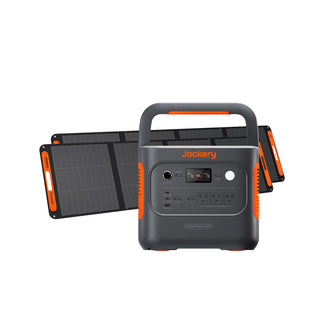
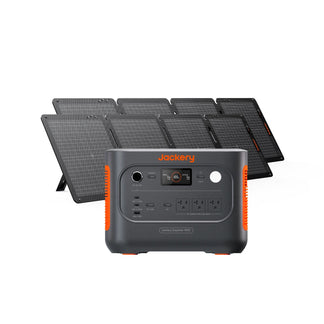
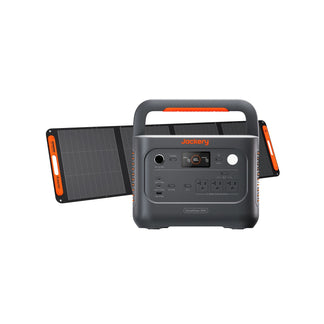
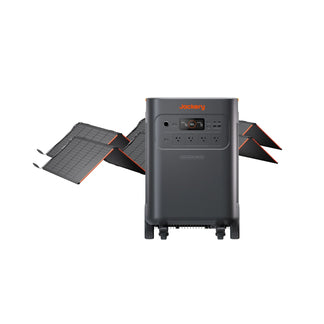
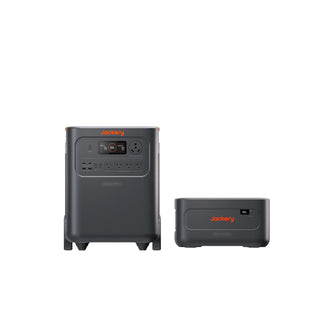
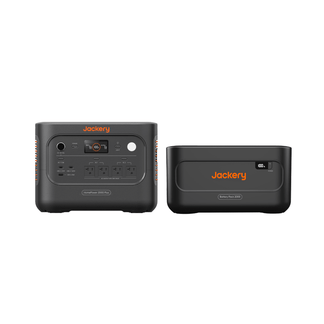
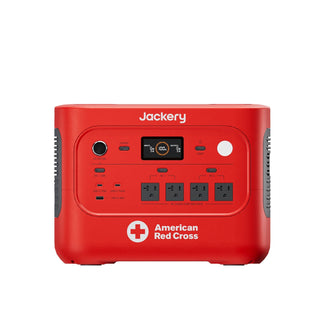
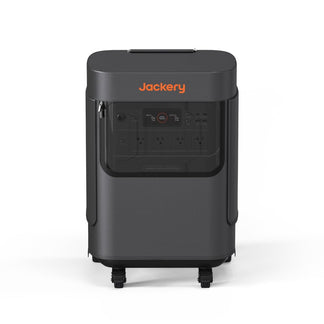
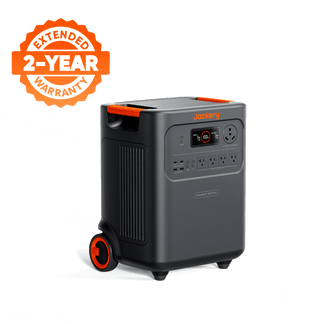
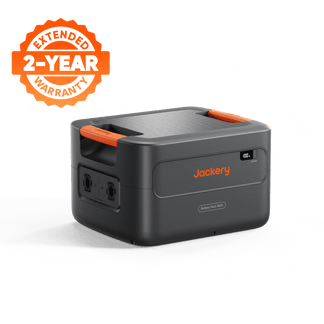
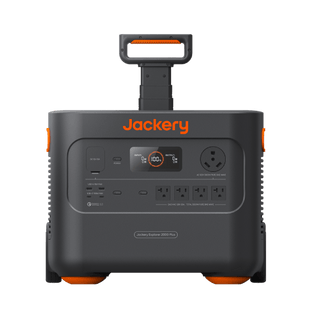
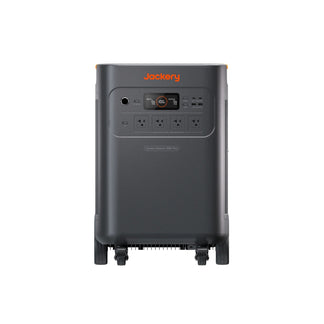
Jackery Solar Generator 2000 Plus
The ultimate modular power station designed to eliminate energy anxiety for large groups and multi-day tournaments:
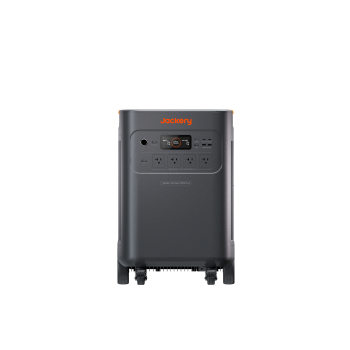
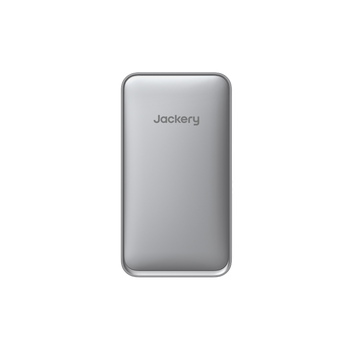
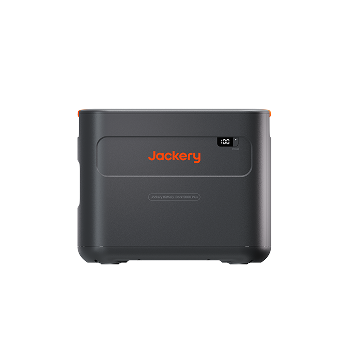
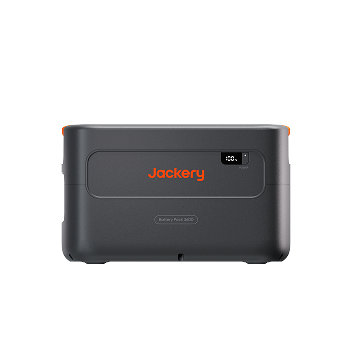
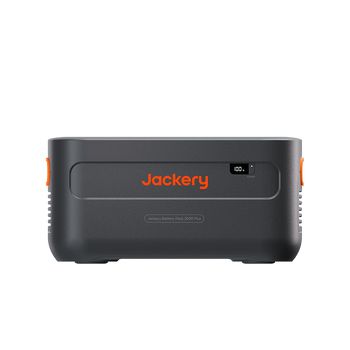
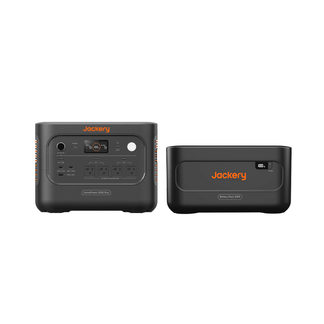
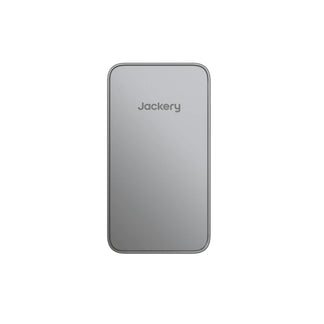
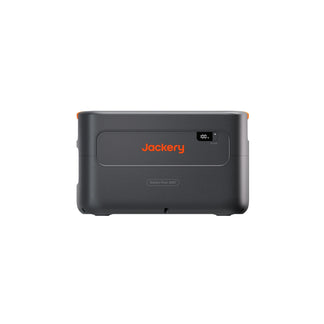
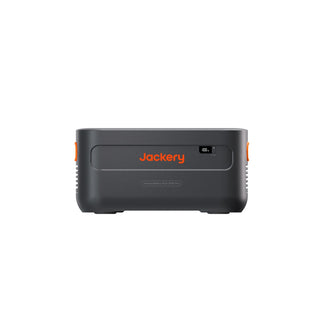
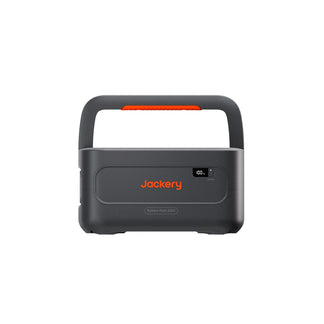
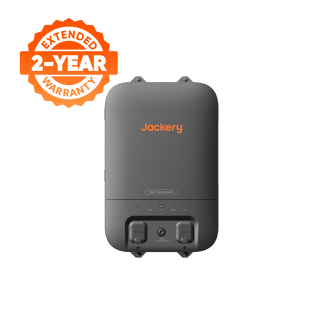
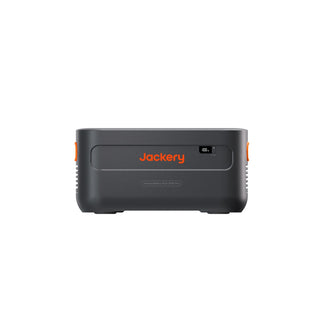
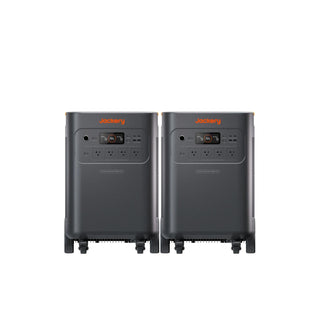
- Expandable Capacity: Starts at 2,042.8 Wh and scales up to an incredible 24 kWh with add-on battery packs. This massive headroom lets you run multiple high-velocity fans, portable fridges, sound systems, and electric grills. Learn more in our guide on what can the Jackery 2000 Plus run.
- High Power Output: Delivers 3,000W of continuous AC output (6,000W surge) to handle heavy-duty fans and compressors easily.
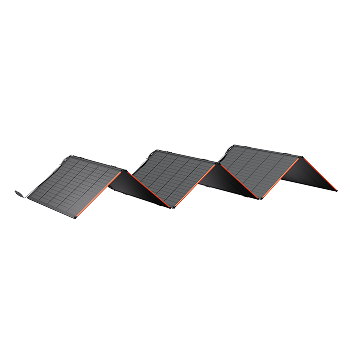
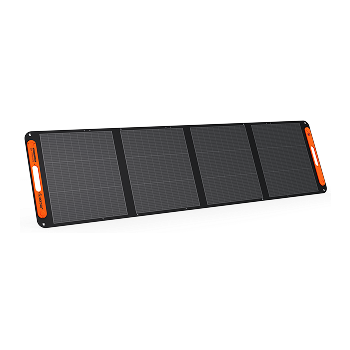
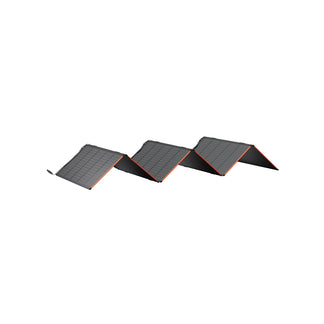
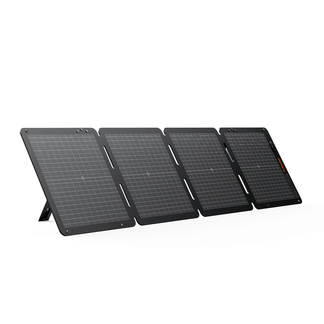
- Solar Charging: Fully recharges in as little as 2 hours under ideal sun conditions using six Jackery SolarSaga 200W Solar Panels.
Frequently Asked Questions
Will a fan actually cool us down, or just circulate hot air?
A fan cools you down by accelerating sweat evaporation from your skin, creating a refreshing wind-chill effect. However, for maximum comfort, you must pair your fan with direct shade and a clear cross-ventilation path so you are not simply circulating trapped, superheated air.
What is the best way to cool my setup before the fan even runs?
Park in the shade if possible, use reflective windshield shades to block direct sunlight, and run your vehicle's AC for the final ten minutes of your drive so your gear and seats are cool before you set up.
How much fan power do I need for a standard canopy?
For a typical 10x10 canopy, prioritize airflow strength over novelty features. Look for a high-RPM axial fan or a centrifugal blower that delivers between 4,000 and 5,000 CFM (Cubic Feet per Minute) of airflow.
What noise level is acceptable for a tailgate fan?
Look for fans that operate in the 42 to 50 dB range. This is comparable to quiet conversation and ensures the motor will not drown out your music, pre-game radio broadcast, or conversation.
Should I choose a misting fan or a standard high-velocity fan?
If you are tailgating in dry desert or high-plains climates, a misting fan is highly effective. However, if you are in highly humid coastal regions (like Houston or Miami), skip the misting function—since the air is already saturated, the mist won't evaporate and will simply make everyone sticky.


