
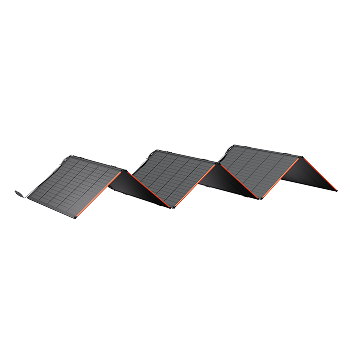





![[Add-on] Jackery SolarSaga 500 X - Jackery](http://www.jackery.com/cdn/shop/files/add-on-jackery-solarsaga-500-x-1493607.webp?v=1786503068&width=324)
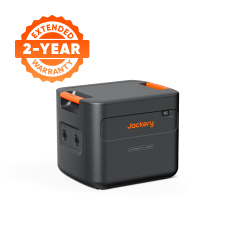
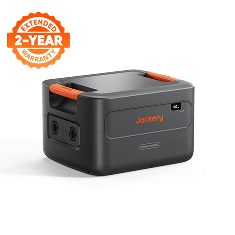
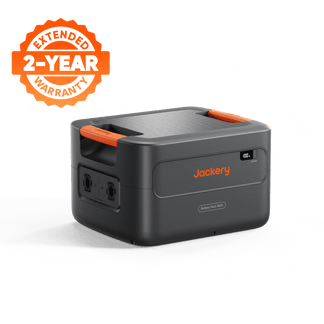
![[Add-on] Jackery Battery Pack 5000 Plus - Jackery](http://www.jackery.com/cdn/shop/files/add-on-jackery-battery-pack-5000-plus-6713401.webp?v=1786503068&width=324)




Quick Answer:
- A 10,000 BTU portable AC runs at 900–1,200 W but surges to 1,800–2,200 W.
- For 8 hours of cooling, you need 7–9 kWh usable energy, requiring a 9–12 kWh nameplate battery.
- Single-hose units, poor insulation, and low thermostat settings can double that.
- The math is simple, but ignoring surge, duty cycle, and the overnight gap is why most off-grid setups fail.
Key Takeaways
- A 10,000–12,000 BTU portable AC runs at 900–1,200 W, but its 1,800–2,200 W compressor surge for 1–3 seconds demands an inverter that can handle that peak or the system won’t start.
- Usable battery capacity for an AC load is roughly 75–80% of nameplate watt-hours after accounting for inverter losses and an 80% depth-of-discharge limit.
- Dual-hose portable ACs can be 15–25% more efficient than single-hose units, because single-hose models create negative pressure and pull hot outside air into the cooled space.
- Setting the thermostat to 78°F instead of 72°F can cut compressor run time by 20–30%, extending battery life substantially.
- Overnight cooling demands a battery that bridges 12+ hours without solar input, and sizing only for daytime generation is a common failure point.
The Core Problem: Why Battery Sizing for Portable ACs Is Different from Generator Sizing
Battery sizing for a portable AC is uniquely punishing because of two facts: compressor startup surge and total energy consumption over long off-grid periods.
First, compressor startup draws a massive inrush — a 900 W AC can spike to 2,000–3,000 W instantly. A solar generator sizing guide that only looks at running watts will miss this entirely. If the inverter can’t supply that surge for 1–3 seconds, it trips. Battery capacity means nothing if the unit never starts.
Second, batteries must deliver total energy (watt-hours), not just peak power. Generator sizing focuses on surge capacity (often 2–3× running watts), because the engine can refuel. Battery sizing must account for every watt-hour the AC will consume over the entire runtime window. And that window often stretches to 12 hours overnight with zero solar input.
Combined inverter losses and depth-of-discharge limits reduce usable capacity:
- Inverter losses: 10–15%
- Lithium depth-of-discharge limit: 80% (for longevity)
- Net usable capacity: a 5 kWh power station delivers only about 3.8–4.0 kWh to the AC.
- Compressor duty cycle (60% in a well-insulated room to nearly 100% in a hot tent) then determines how quickly those 4 kWh disappear.
Miss any of these variables and your battery runs dry hours before sunrise.
Step-by-Step Battery Sizing Math for a Portable AC
Step 1: Find the true running wattage. Look at the EnergyGuide label or manufacturer specs. A 10,000 BTU portable AC typically draws 900–1,200 W.
Step 1a: Verify with a clamp meter. A hot room can push actual draw to 1,100 W or more, making nameplate math unreliable.
Step 2: Identify the surge wattage. A 10,000 BTU unit needs 1,800–2,200 W for 1–3 seconds at compressor startup. The inverter must deliver this peak without tripping.
Step 3: Calculate daily energy consumption.
`(Running Watts × Hours of Use) ÷ 1,000 = Daily kWh`
Example: 1,000 W × 8 hours ÷ 1,000 = 8 kWh per day.
Did you know? This assumes the compressor runs continuously. In reality, it cycles, so actual consumption swings based on duty cycle.
Step 4: Determine required usable battery capacity. Add a 20–25% buffer for inverter losses and depth-of-discharge. Usable capacity = daily kWh ÷ 0.75.
Example: 8 kWh ÷ 0.75 ≈ 10.7 kWh nameplate capacity needed.
Step 5: Convert to amp-hours at system voltage. For a 48V battery bank, divide watt-hours by voltage. Higher voltage reduces current and wiring losses.
`Required Ah = (Nameplate Wh) ÷ System Voltage`
Example: 10,700 Wh ÷ 48V ≈ 223 Ah.
Real-World Variables That Change the Math
Variable |
Impact on Runtime |
Why It Matters |
|---|---|---|
Room insulation & ambient temperature |
Poor insulation can increase duty cycle from 60% to 90%, nearly doubling energy draw. |
A well‑sealed room is the cheapest way to extend battery life. |
Single‑hose vs. dual‑hose design |
Single‑hose units pull hot air in, draining batteries up to 2× faster than dual‑hose. Dual‑hose models are 15–25% more efficient because they don’t exhaust conditioned indoor air. |
If you’re buying a new AC for off‑grid use, choose dual‑hose. |
Thermostat setting |
Setting to 78°F instead of 72°F cuts power consumption by 20–30%. |
A 60 W DC fan layered with a warmer thermostat saves huge amounts of battery capacity. |
Soft starter installation |
A $50–$100 soft‑start module reduces compressor surge by ~55%, allowing a smaller inverter to start the AC without tripping. |
Essential for running a larger AC on a medium‑sized power station. |
Eco mode on modern units reduces compressor speed and run time further. When comparing a solar generator versus a portable power station, remember that the inverter’s ability to handle reduced surge loads from a soft starter can make a smaller unit viable.
Common Battery Sizing Mistakes and How to Avoid Them
Mistake 1: Using running watts only
Ignoring surge wattage leads to an inverter that trips every time the compressor kicks on. The system becomes unusable. Always size the inverter so its surge rating exceeds the AC’s locked‑rotor amps (LRA) by at least 15%.
Mistake 2: Oversizing the AC for the room
A 14,000 BTU unit in a 200 sq ft room cycles on and off too rapidly. Short cycling wastes energy and drains the battery faster than a correctly sized 8,000 BTU unit that runs steady, longer cycles.
Mistake 3: Neglecting the solar night gap
A battery bank sized for daytime solar input will fail overnight. The battery must store enough energy for 12+ hours without sun. Many off‑grid users double their daytime capacity estimate to cover a full night — otherwise, the AC shuts off well before dawn.
Mistake 4: Using lead‑acid batteries
Lead‑acid chemistry allows only 50% depth of discharge, effectively halving usable capacity compared to LiFePO4 (80–100% DoD). For off‑grid AC applications, LiFePO4 is the standard. No amount of careful sizing saves a lead‑acid bank from being double the size and weight it needs to be.
Mistake 5: Forgetting inverter efficiency
Cheap inverters can lose 15–20% as heat. That loss directly translates to less energy reaching the AC. Factor a minimum 10% loss when going from battery watt‑hours to AC runtime.
How to Maximize Battery Runtime for a Portable AC
- Raise the thermostat to 78°F. The U.S. Department of Energy recommends this for cooling efficiency; it can triple runtime by reducing compressor duty cycle.
- Seal and shade your space. Close doors to unused rooms, apply weatherstripping, and hang blackout curtains. A well‑sealed room cuts AC power demand by up to 20%.
- Switch to an inverter AC unit. Inverter compressors ramp gradually, have negligible surge, and can draw as low as 200–400 W at partial load. This extends battery life 2–3× over a standard on/off compressor.
- Use pass‑through charging. Charge the battery via solar while the AC runs during the day. This offsets consumption and preserves stored capacity for nighttime. A secure home backup setup that layers solar and battery together improves reliability.
- Install a soft starter. Reduces surge from ~2,500 W to ~1,400 W, enabling smaller inverters to start the AC and conserving battery health.
- Layer cooling with a fan. A 60 W DC fan moves air at minimal power, allowing you to set the thermostat higher without sacrificing comfort.
Matching Your Battery System to a Portable AC: Jackery Solutions
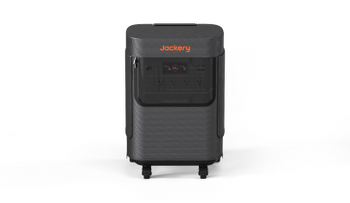
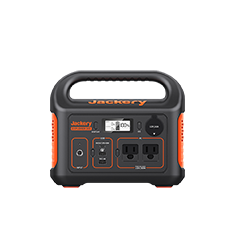
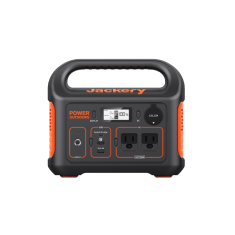
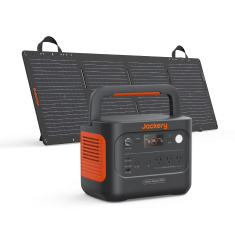
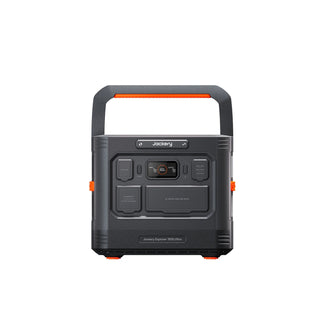
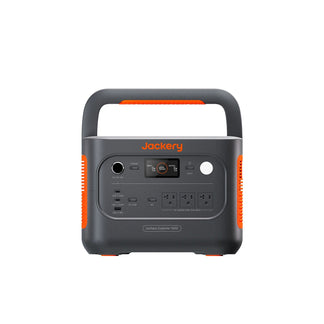
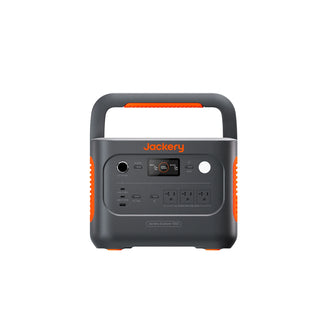
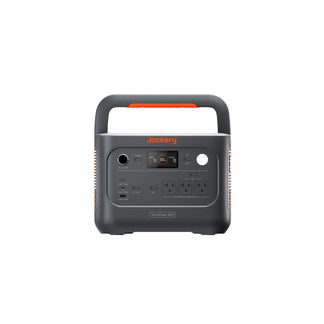
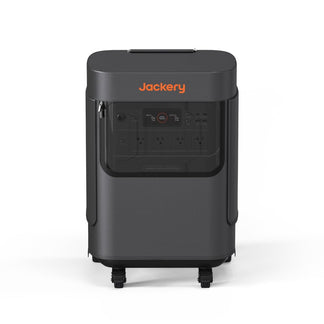
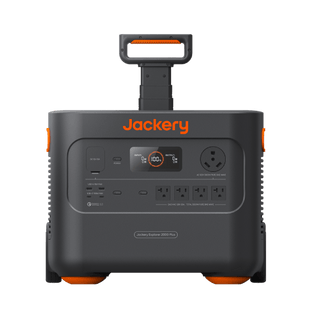
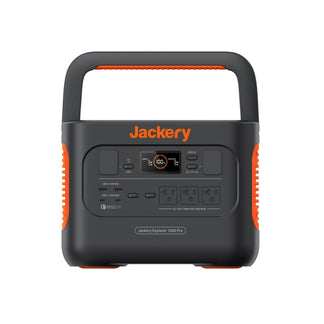
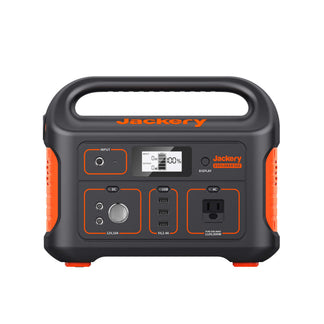
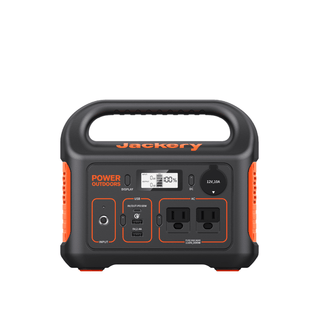
A plug‑and‑play power station with a pure sine wave inverter simplifies the math and avoids the complexity of wiring, charge controllers, and separate inverters. Three Jackery models cover most off‑grid AC scenarios as essential backup power for individual rooms or small spaces — not as unlimited whole‑home replacements.
Model |
Continuous / Surge Power |
Usable Capacity |
Runtime (1,000‑W AC) |
Recharge Time |
Best For |
|---|---|---|---|---|---|
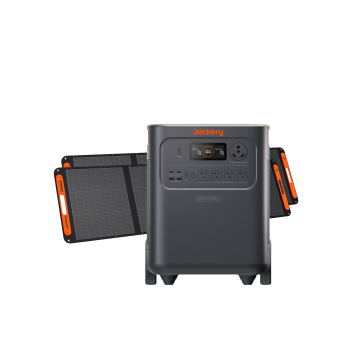
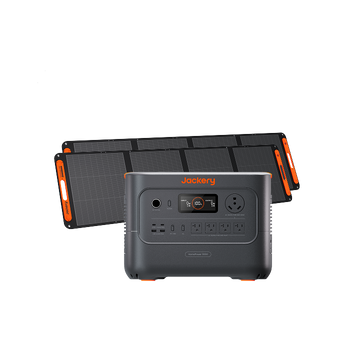
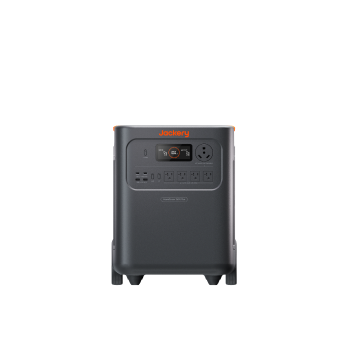
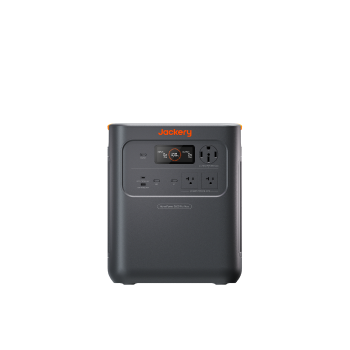
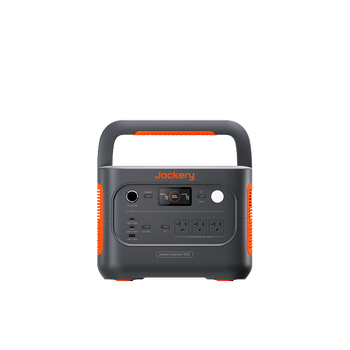
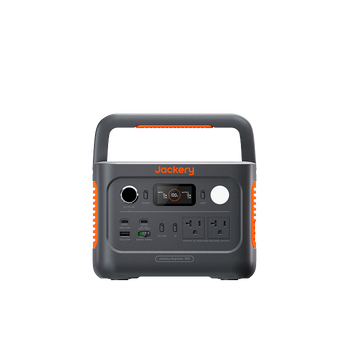
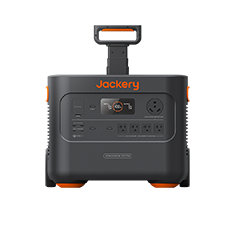
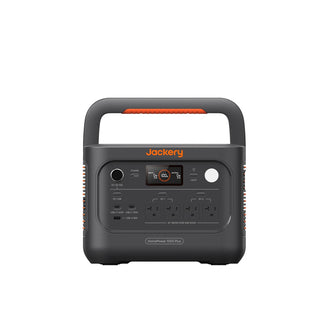
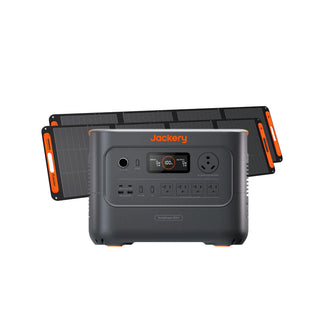
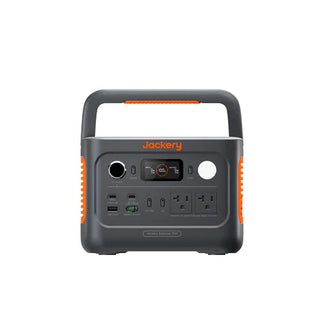
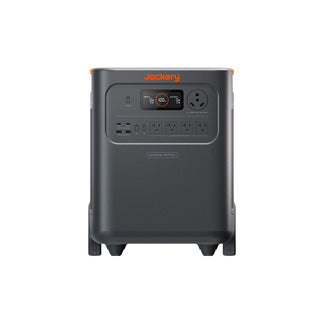
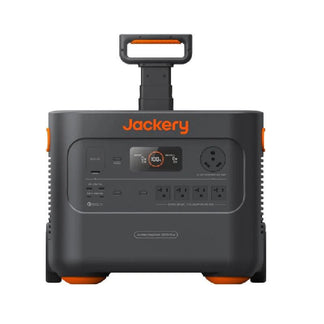
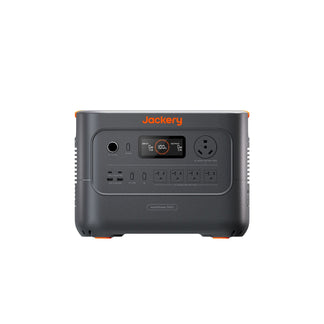
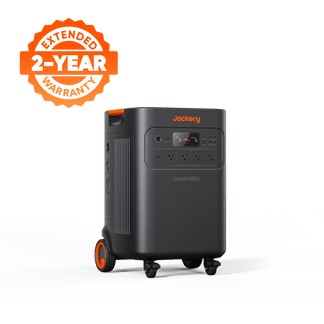
Jackery Explorer 2000 v2 |
2,200 W / 4,400 W |
1,634 Wh |
~1.5 hours |
~2 h AC |
10,000–12,000 BTU ACs, short cooling sessions |
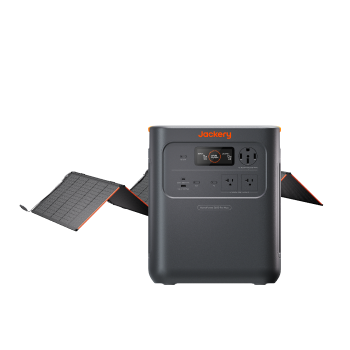
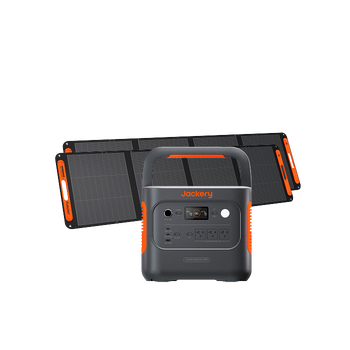
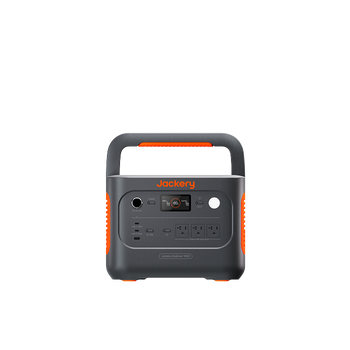
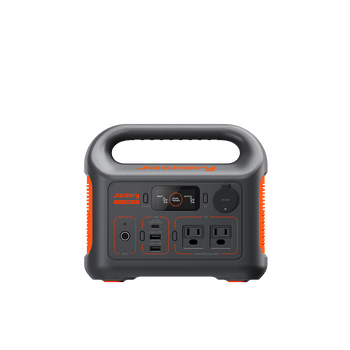
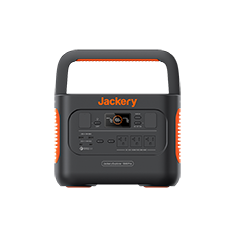
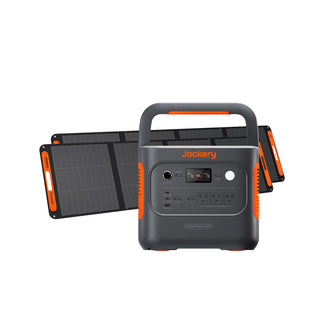
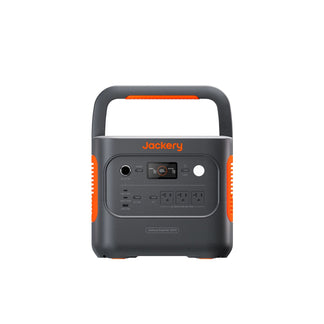
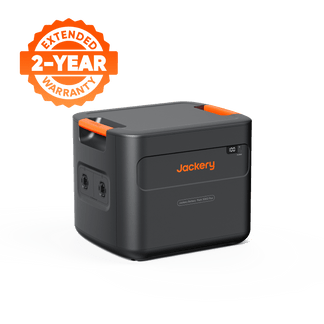
Jackery Explorer 1000 v2 |
1,500 W / 3,000 W |
856 Wh |
~45 min |
~1 h AC |
8,000 BTU ACs, brief relief in small spaces |
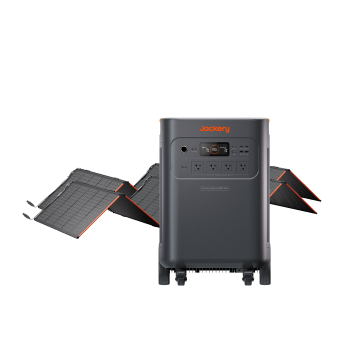
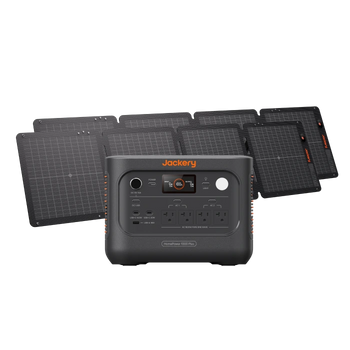
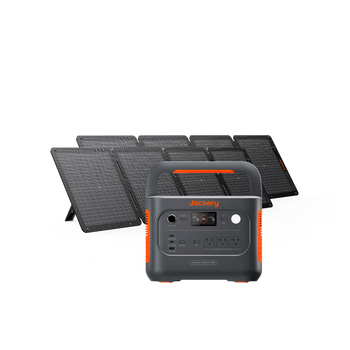
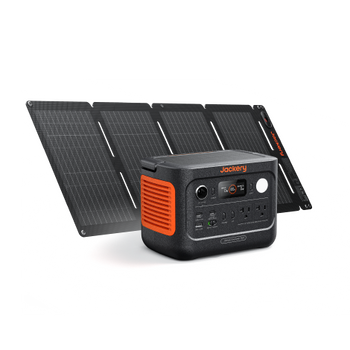
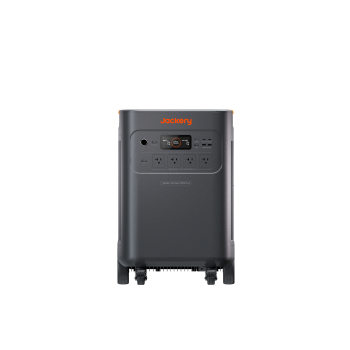
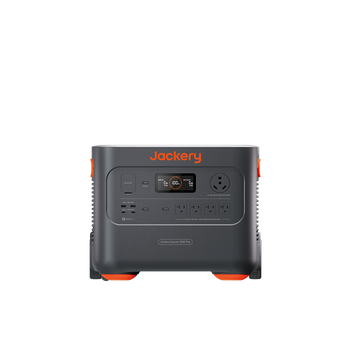
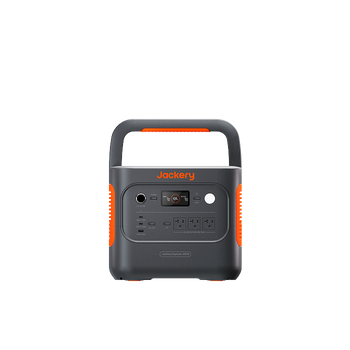
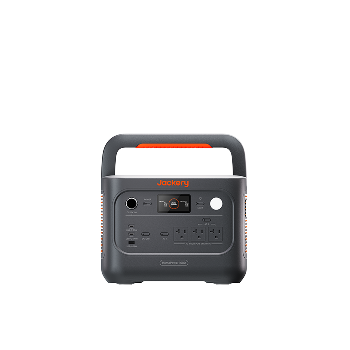
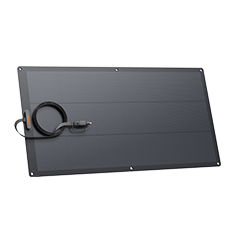
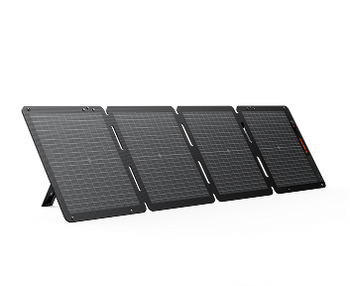
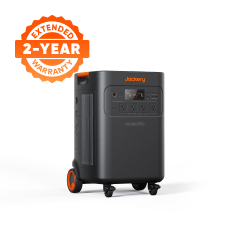
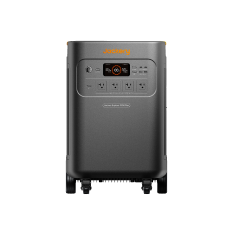
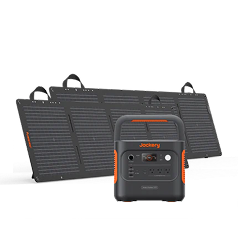
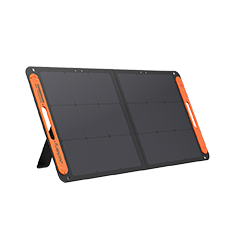
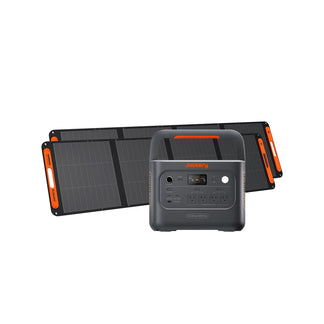
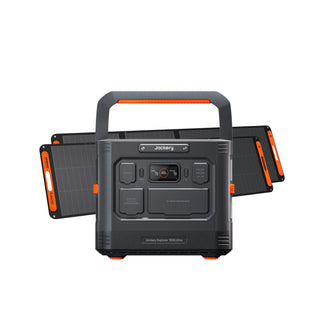
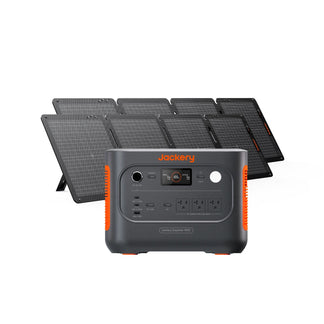
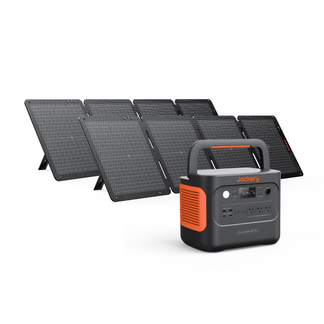
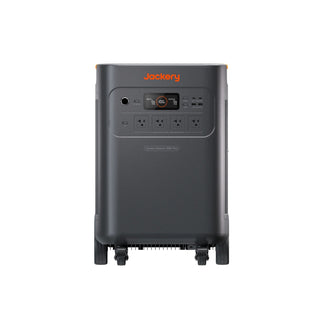
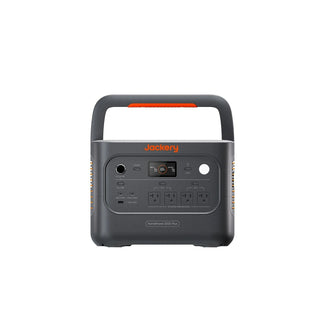
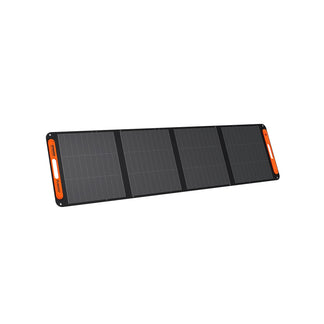
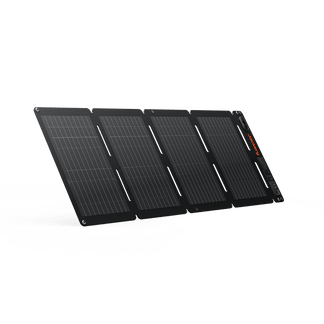
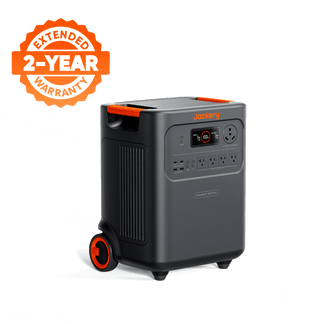
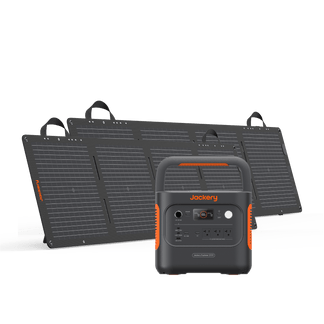
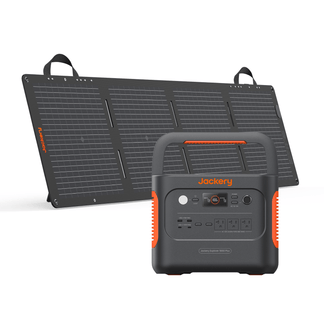
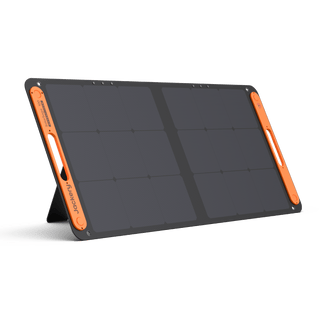
Jackery Solar Generator HomePower 3600 Plus + SolarSaga 500X |
3,600 W / 7,200 W |
2,867 Wh (base) / up to 17,184 Wh expandable |
~2.5 h base / up to 15+ h expanded |
~16 h solar (500‑W panel) |
12,000–14,000 BTU ACs, essential backup cooling for a single room |
Usable capacity calculated as 80% of nameplate watt‑hours after accounting for inverter efficiency.
Runtime assumes compressor runs 100% of the time; actual runtime with typical duty cycles will be longer, especially in eco mode. These estimates are for essential backup use — not for whole‑home cooling or indefinite off‑grid living.
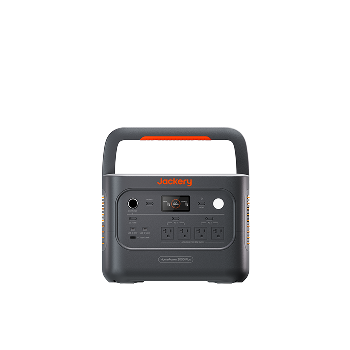
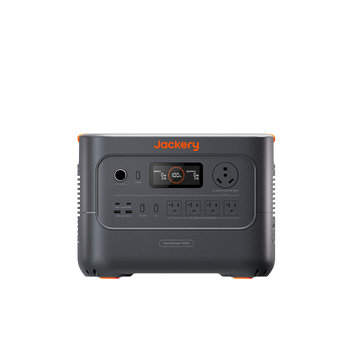
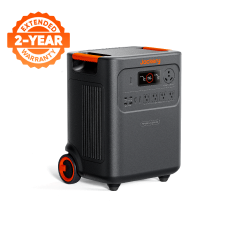
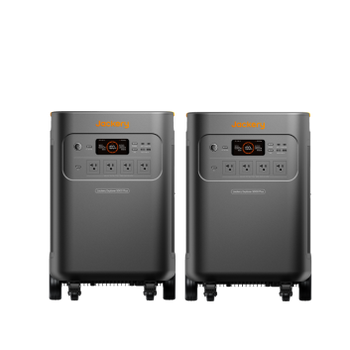
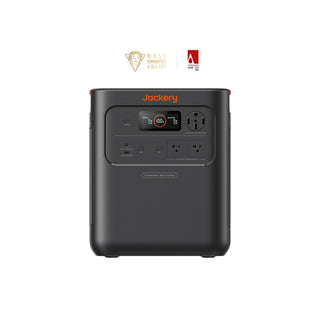
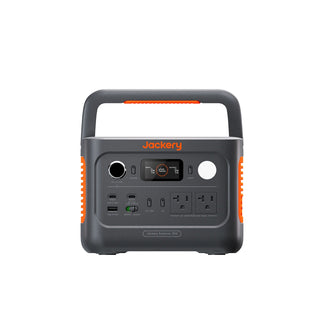
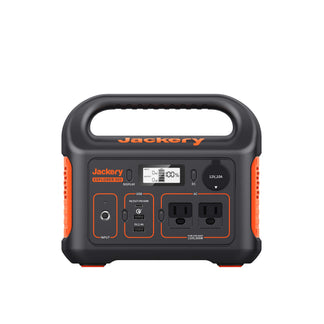
The Explorer 2000 v2’s 4,400 W surge easily starts a 10,000 BTU AC, while its 2,042 Wh LiFePO4 battery provides several hours of nighttime cooling for a small room. The Explorer 1000 v2 handles smaller 8,000 BTU units for short relief in a tent or RV.
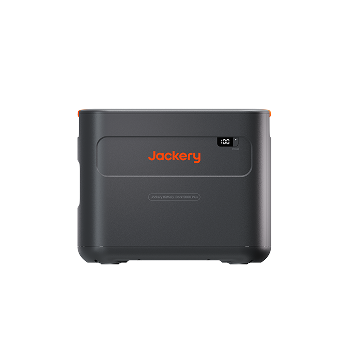
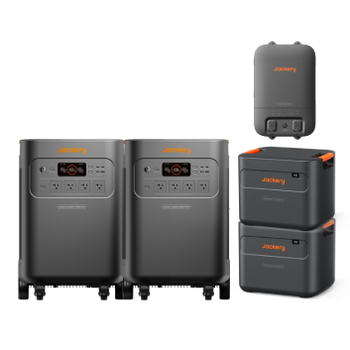
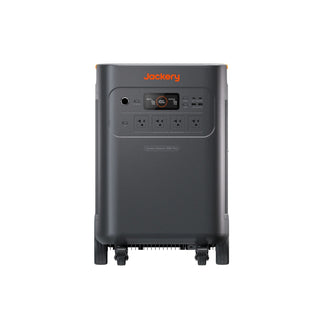
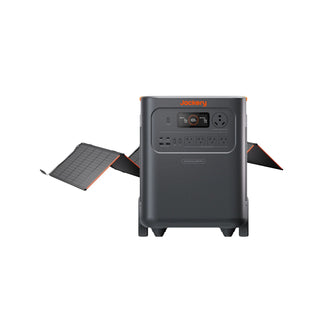
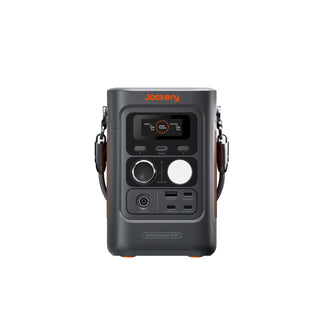
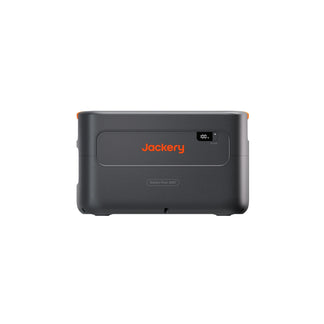
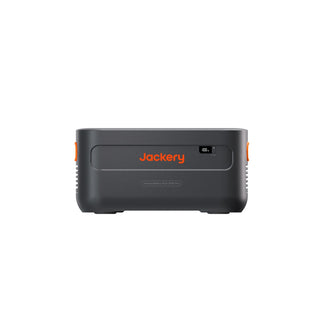
For essential backup cooling, the HomePower 3600 Plus system accepts up to five battery packs, pushing usable capacity past 17 kWh — enough to run a 1,000 W AC in a single room overnight and into the next morning. Every model recharges quickly via AC, but pairing with solar prevents overnight capacity from being a limiting factor. For a deeper look at how these compare to other backup options, see our guide to the best battery backup generators.
Frequently Asked Questions
Can I run a portable AC on a 15 amp circuit?
Yes, most 8,000–10,000 BTU portable ACs draw 7–10 amps running, but the startup surge can briefly exceed 15 amps and trip a standard breaker. Use a circuit with higher surge tolerance or a soft starter.
Does a higher BTU AC always cool better off‑grid?
No, an oversized AC cycles on and off too frequently, wasting battery power and failing to dehumidify properly. A correctly sized unit runs longer, steadier cycles and uses less total energy.
Will a portable AC raise my electric bill significantly?
Running a 1,000 W portable AC for 8 hours daily adds roughly 240 kWh per month, costing $30–$50 depending on local electricity rates.
Can I use a car battery to run a portable AC?
No, a standard car battery provides only 50–60 Ah usable capacity, which would drain in under 15 minutes with a 900 W AC. A deep‑cycle LiFePO4 battery is required.
How long can a 100 Ah battery run a portable AC?
A 100 Ah LiFePO4 battery at 12 V delivers roughly 960 Wh usable (after 80% DoD), powering a 900 W AC for about one hour before depletion.


