





![[Add-on] Jackery SolarSaga 500 X - Jackery](http://www.jackery.com/cdn/shop/files/add-on-jackery-solarsaga-500-x-1493607.webp?v=1786503068&width=324)
![[Add-on] Jackery Battery Pack 5000 Plus - Jackery](http://www.jackery.com/cdn/shop/files/add-on-jackery-battery-pack-5000-plus-6713401.webp?v=1786503068&width=324)





A combustion propane generator sized incorrectly will leave your household in complete darkness. It is that simple. Most standard American homes require only 4,000 to 7,000 watts to power their critical electrical circuits during a grid failure.
Yet, many buyers routinely overspend on massive 22 kW whole-house standby units they will never fully load, or worse, undersize their system and discover that their refrigerator compressor cannot start when the utility grid fails.
Understanding Generator Sizing Fundamentals
When operating any combustion generator, the 80% continuous load rule is non-negotiable. You must never load your generator beyond 80% of its rated capacity for continuous operation lasting more than an hour. Doing so increases the risk of thermal overload, damaged winding insulation, and premature engine failure. This means a standard 5,000-watt generator is effectively a 4,000-watt unit for continuous emergency use.
Motor-driven appliances require massive starting surge wattages to spin their electric motors. For example, a standard refrigerator may draw 700 running watts once its motor is spinning but can spike to 2,200 surge watts when the compressor kicks on. A 1 HP deep well pump rated at 1,000 running watts can spike to 3,000 surge watts. If these appliances start simultaneously, an undersized generator’s breaker will instantly trip, even if your running wattage calculations looked correct on paper.
Always add a 20% to 25% safety margin to your total calculated electrical load to prevent your generator from running constantly at its redline. Additionally, avoid the common mistake of sizing your generator based on your home's square footage; appliance fuel configurations (all-electric vs. gas-heated) dictate your energy demands, not your floor space.
Calculating Your Home's Power Requirements
To accurately calculate your home's backup energy requirements, list the running and surge wattages of every appliance you intend to power simultaneously, then add the single highest starting surge to your total. Running wattages can be found on the silver data plates located on the back or bottom of your appliances. To calculate your home's total baseline wattage, consult our guide on How to Calculate What Size Generator I Need.
Consider this standard electrical load profile for a typical mixed-fuel home utilizing gas heating and appliances:
|
Household Appliance |
Running Watts |
Starting Surge Watts |
|
Refrigerator / Freezer |
800W |
2,200W |
|
Furnace Blower Fan |
700W |
1,400W |
|
1 HP Well Pump |
1,100W |
2,800W |
|
LED Lighting Circuits (10 fixtures) |
150W |
150W |
|
Wi-Fi Router / Modem |
15W |
15W |
Using our load formula: 2,765 running watts + 1,700 starting watts (the 2,800W well pump surge minus its 1,100W running baseline to avoid double-counting) = 4,465 total peak watts. Applying our 1.20 safety margin: 4,465 × 1.20 = 5,358 Watts minimum generator size. A standard 5,500 to 6,000-watt generator provides a comfortable margin to run this home safely. To analyze whole-home generator parameters, explore our guide on What Size Generator to Run a House.
Matching Generator Size to Backup Level
Depending on your budget and required comfort levels, propane systems fall into four primary capacity tiers:
- 5,000 – 7,000 Watts (Bare-Essentials): Runs critical low-wattage circuits, including your refrigerator, lights, router, and heating blowers. High-draw climate control, electric ovens, and central AC are completely excluded.
- 7,500 – 10,000 Watts (Essential plus Comfort): Supports basic critical loads while providing enough capacity to run a microwave, television, deep well pump, or a small window air conditioner.
- 14,000 – 18,000 Watts (Mid-Sized Standby): Ideal for moderate-sized homes with gas heating and hot water. This capacity can handle a 3 to 4-ton central air conditioner's starting surge without tripping.
- 20,000 – 22,000+ Watts (Whole-House Standby): Sized for larger, all-electric homes with no gas service, capable of powering central AC, electric ranges, and pool pumps simultaneously.
Portable vs. Standby Propane Generators
Choosing between a portable ground unit and a permanently installed standby generator dictates your upfront installation costs and operational complexity:
|
System Feature |
Portable Propane Generators |
Standby Propane Generators |
|
Wattage Range |
2,000 – 9,000 Watts |
10,000 – 22,000+ Watts |
|
Operation |
Manual starting and physical cable connection required. |
Fully automatic startup via ATS within 10 seconds of grid failure. |
|
Installation Cost |
$500 – $2,500 (Unit) + $300 – $800 (Interlock kit) |
$8,000 – $16,000 (Fully installed with concrete pad and permits) |
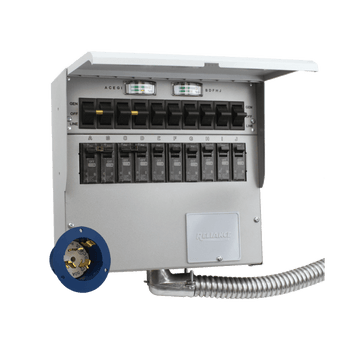
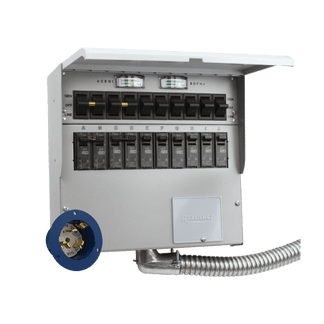
Standby generators require a permanently wired Automatic Transfer Switch (ATS) matched to your home's main panel amperage rating. To explore sizing parameters on a professional engineering level, consult the Popular Mechanics Generator Sizing Guide.
Propane Tank Sizing for Extended Runtime
A standard 20 lb BBQ cylinder is completely insufficient for emergency home backup, running a mid-sized portable generator (such as 5,000 to 7,500 watts) for only 4 to 6 hours under a 50% load. For multi-day winter outages, you must size your fuel tanks correctly:
- 100 lb Cylinder: Provides 24 to 36 hours of continuous fuel supply for a portable 7,500-watt unit.
- 250-Gallon Stationary Tank: The practical minimum for permanent standby generators, supporting a 14 kW unit for 4 to 5 days of moderate usage.
- 500-Gallon Stationary Tank: Sized for extreme winter storm regions, providing 7 to 10 days of continuous whole-home standby runtimes.
Always limit your propane tanks to an 80% fill capacity. Because liquid propane expands with ambient temperature changes, filling a tank to 100% can cause dangerous pressure-release venting on hot summer days. Sizing your stationary tanks to offset seasonal vaporization drops is highly recommended.

Safety Clearance and Carbon Monoxide Prevention
Every year, carbon monoxide poisoning claims lives because a homeowner placed their combustion generator too close to an open window or under a roof eave. Always position any combustion generator at least 20 feet away from windows, doors, and structural vents. Propane is heavier than air, meaning unburned fuel can pool near ground level and enter your home's crawlspaces.
Additionally, follow the "20-20-20" safety rule: place your generator at least 20 feet away from the home, allow it to cool for 20 minutes before refueling, and ensure a 20-inch physical clearance around the unit. For maintenance, exercise the unit for 20 minutes every 20 days at a 20% load, and perform a full oil and filter service every 50 to 100 hours of continuous operation (after the initial 20-hour engine break-in period).
Modern Clean Alternatives: Solar Generators
Clean, battery-based backup systems completely eliminate fuel storage logs, carbon monoxide risks, and continuous maintenance schedules. For standard residential outages lasting under 12 hours, portable solar generators provide an exceptional emergency backup solution. To explore clean energy sizing models, consult our Essential Home Backup Power guide.
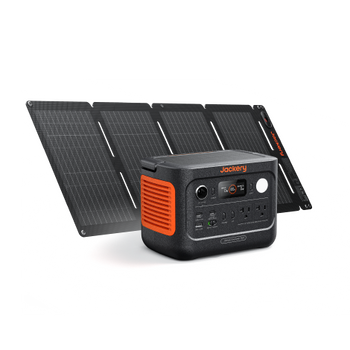
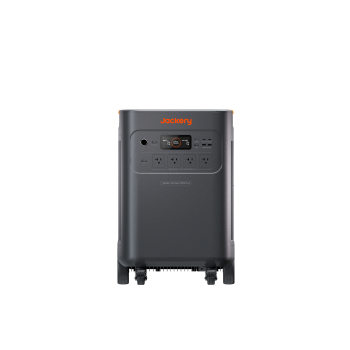
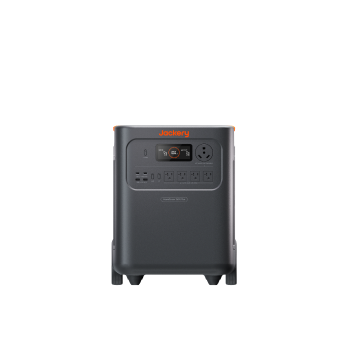
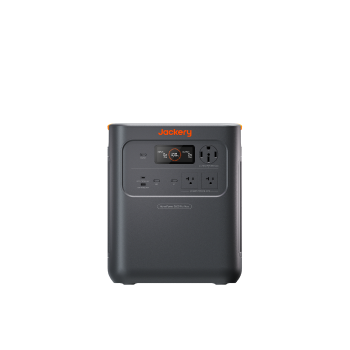
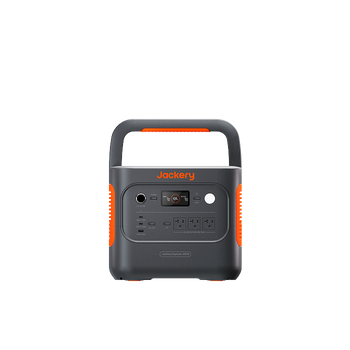
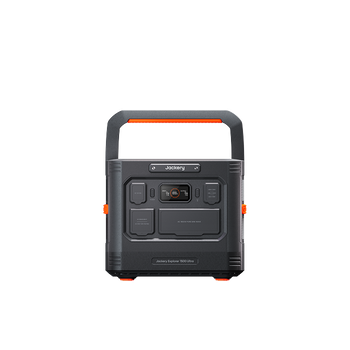
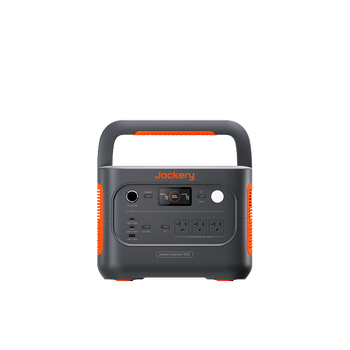
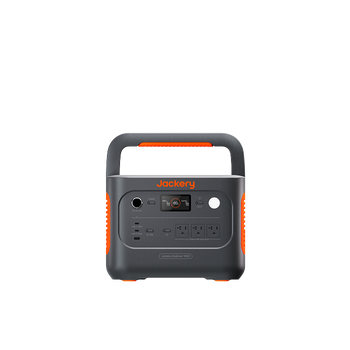
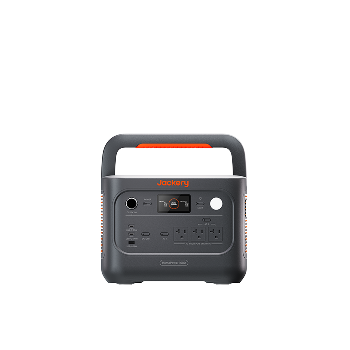
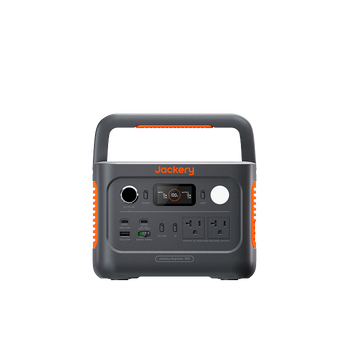
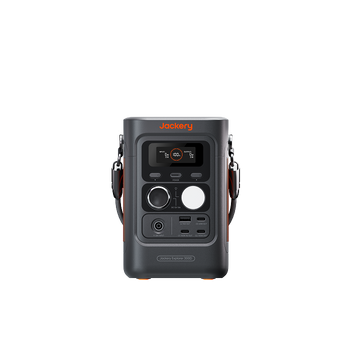
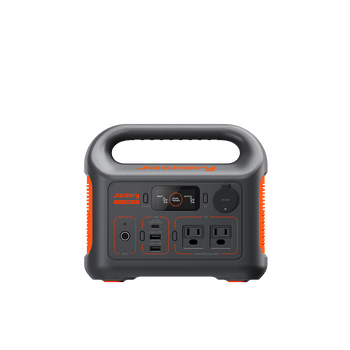
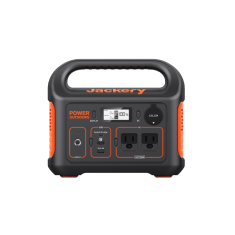
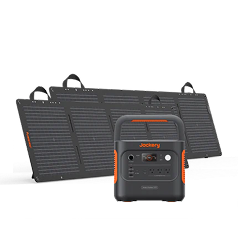
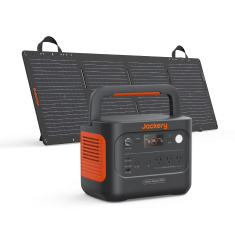
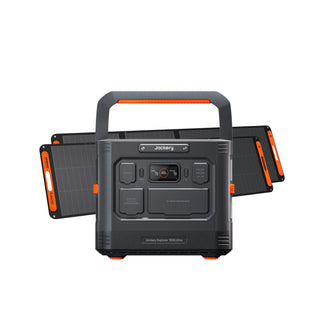
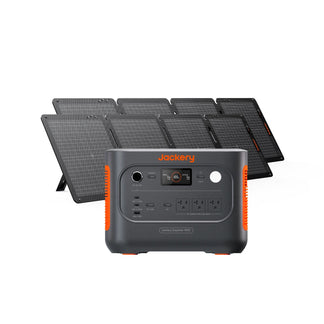
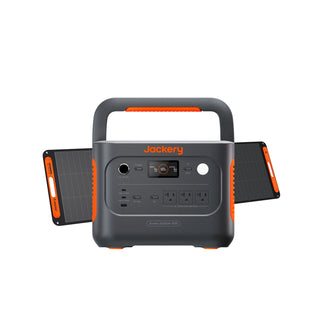
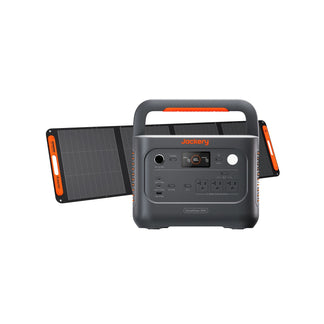
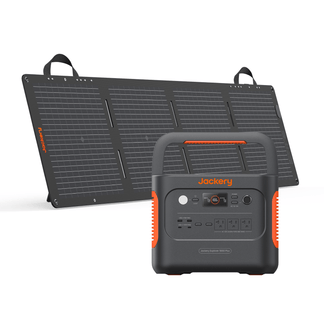
Three premium solar generator systems from Jackery are ideal home backup candidates:
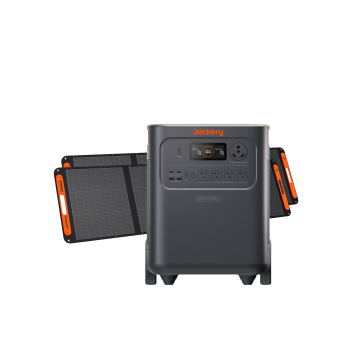
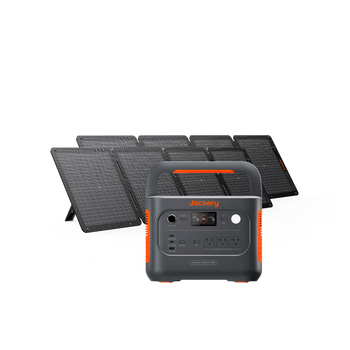
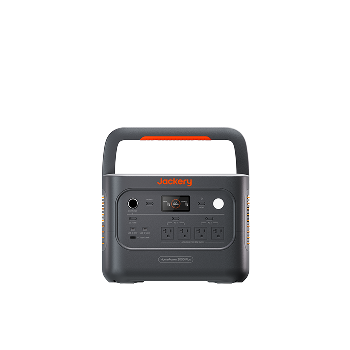
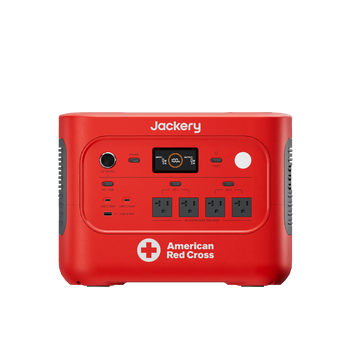
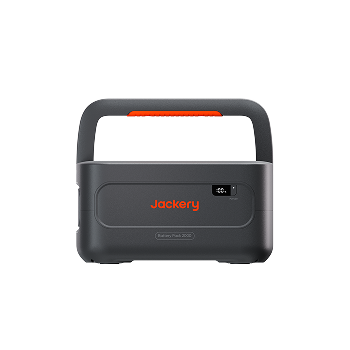
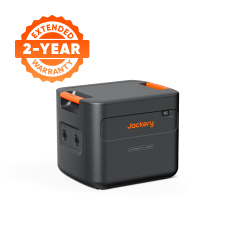
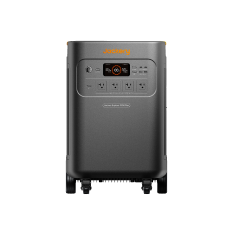
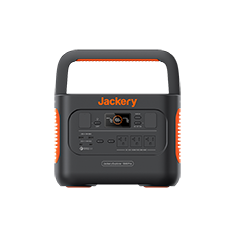
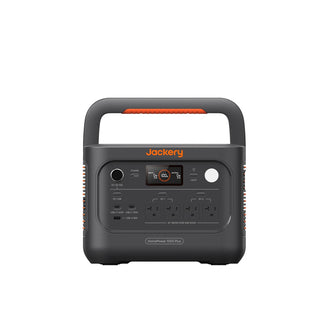
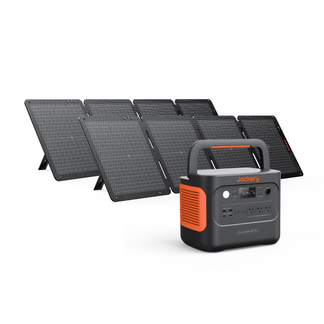
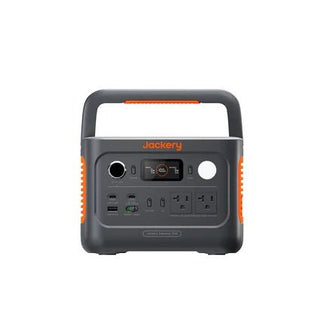
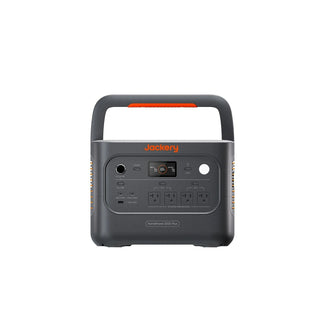
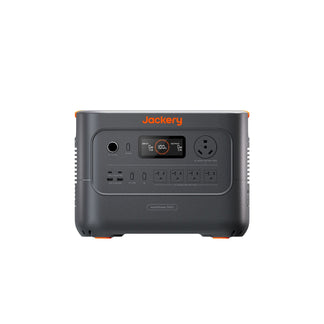
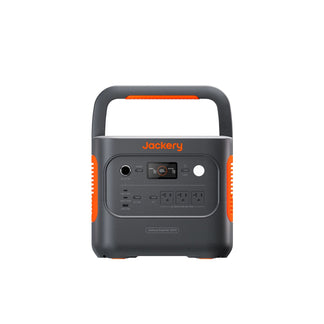
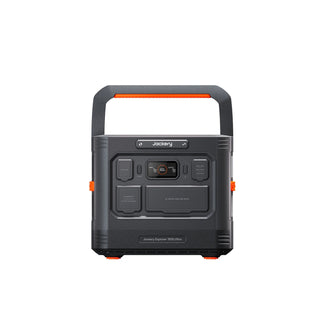
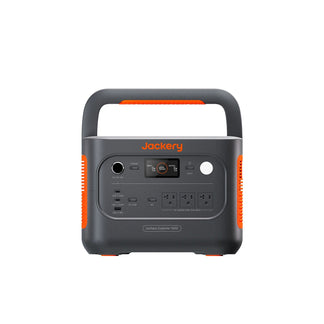
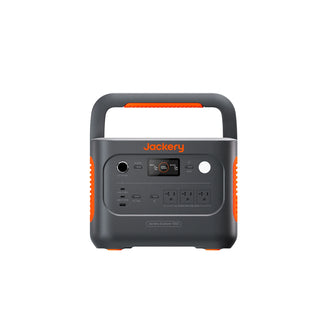
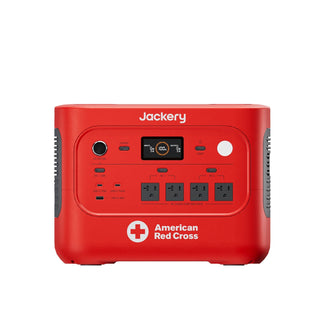
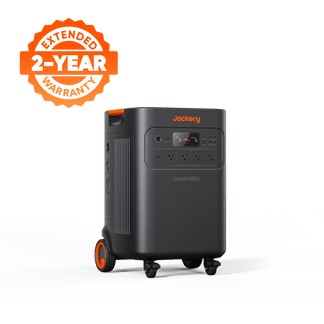
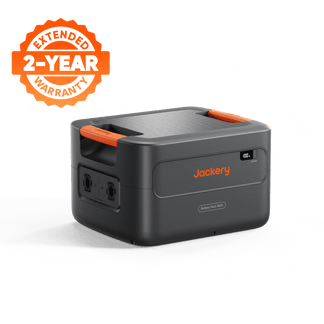
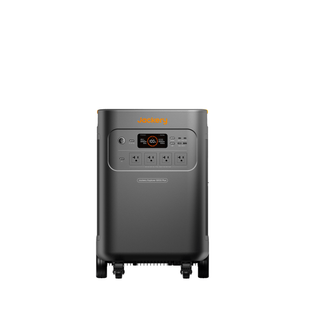
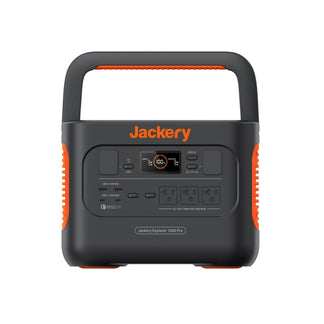
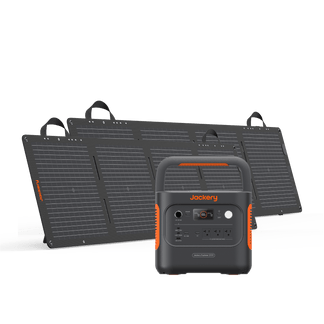
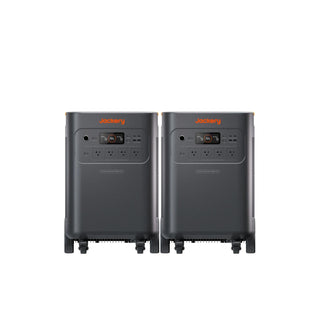
Jackery Solar Generator HomePower 3600 Plus: Features a 3,584 Wh base capacity (expandable up to 43 kWh) capable of running essential loads (refrigerator, lights, Wi-Fi) silently for 8 to 12 hours. It can recharge completely via AC wall power in just 2.5 hours.
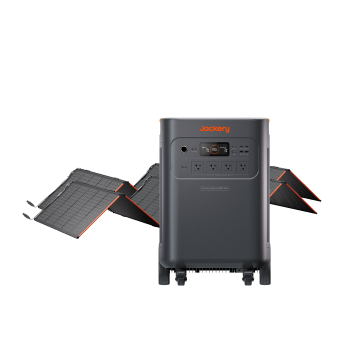
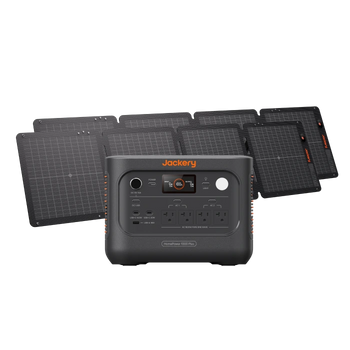
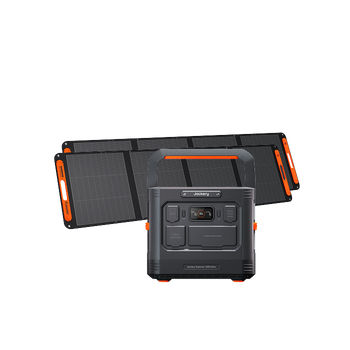
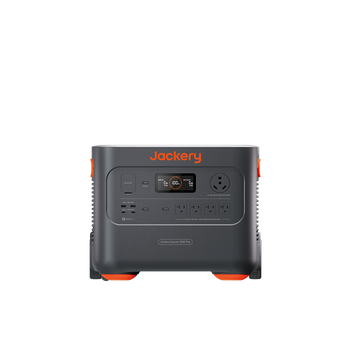
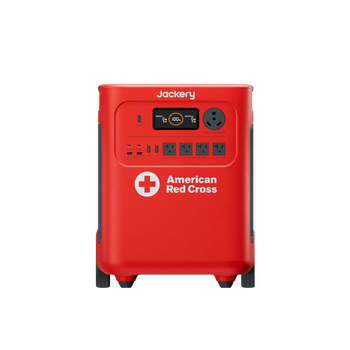
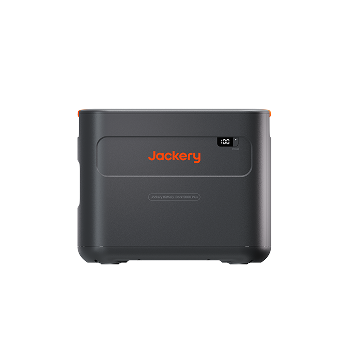
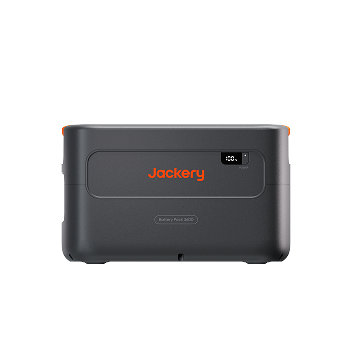
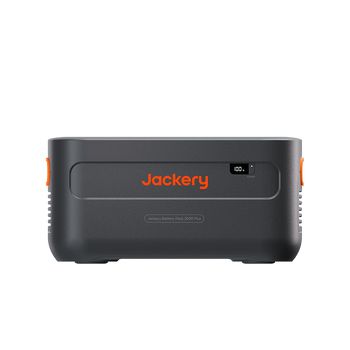
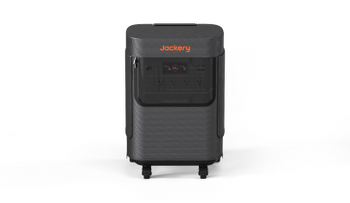
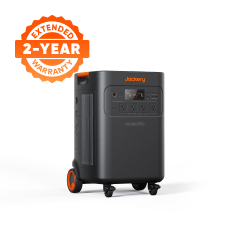
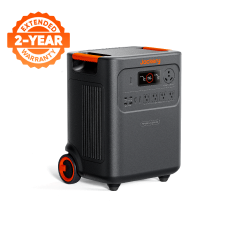
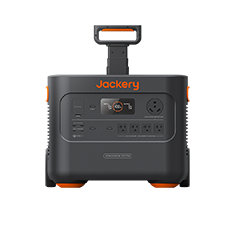
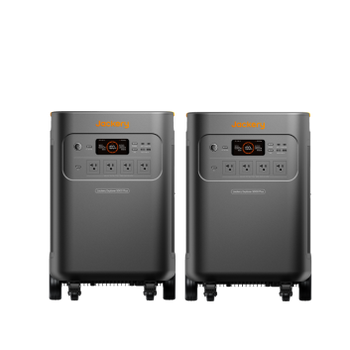
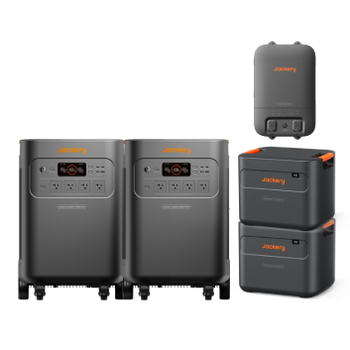
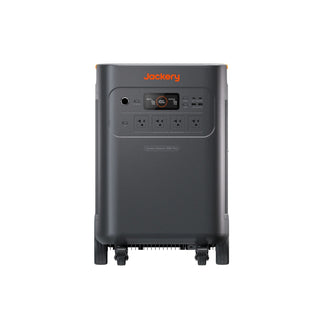
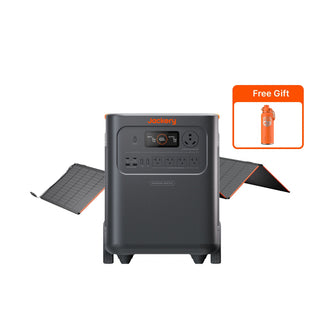
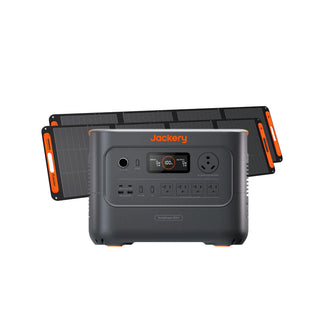
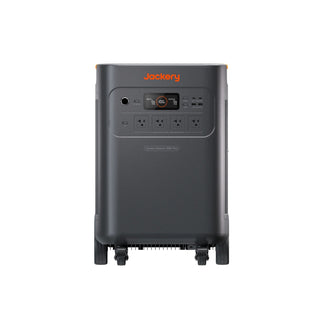
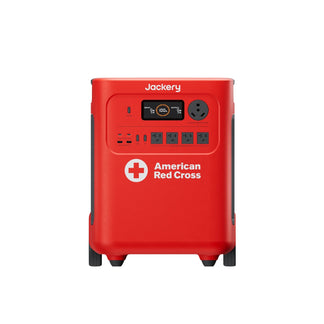
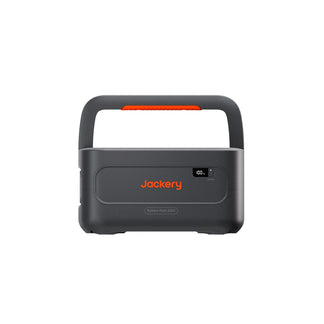
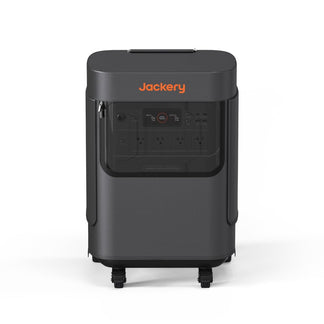
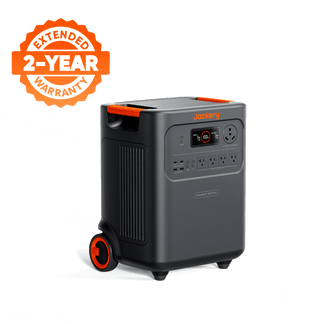
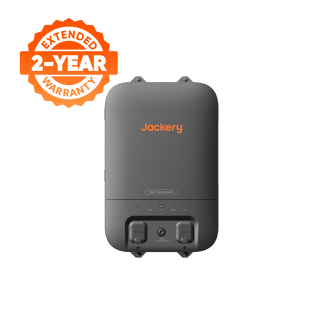
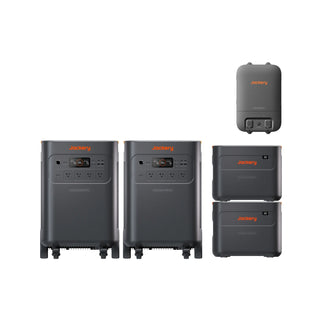
Jackery Solar Generator 5000 Plus: Houses a robust 5,040 Wh base capacity (scalable up to 60 kWh) with a massive 7,200W continuous output. It can start heavy inductive well pumps and air conditioners safely, producing zero carbon monoxide and allowing for safe indoor operation.
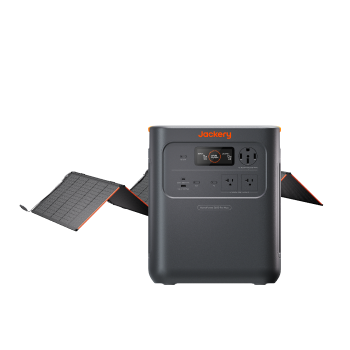
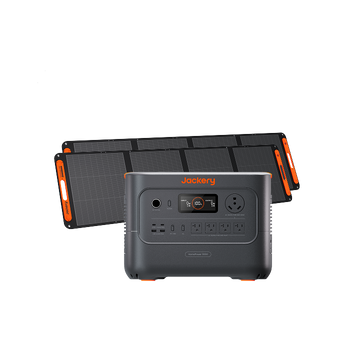
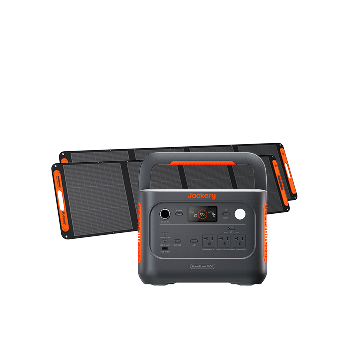
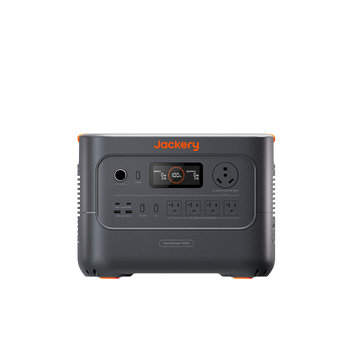
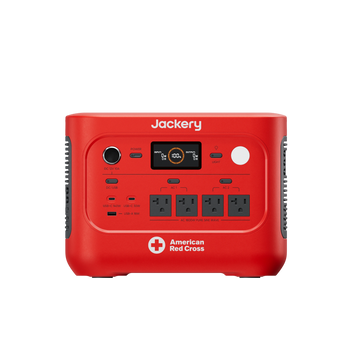
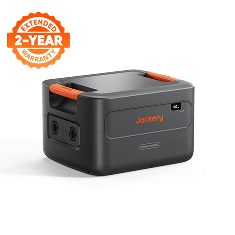
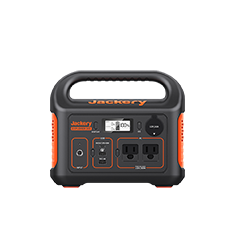
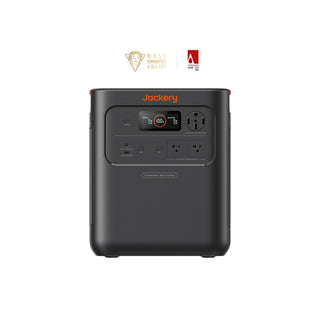
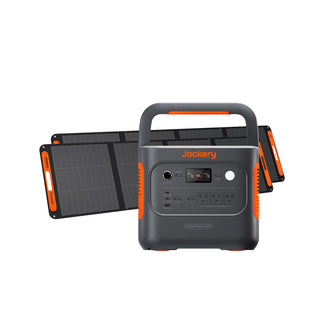
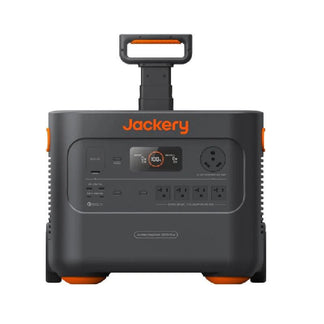
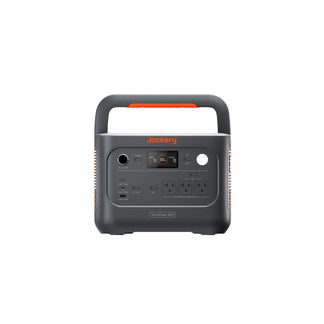
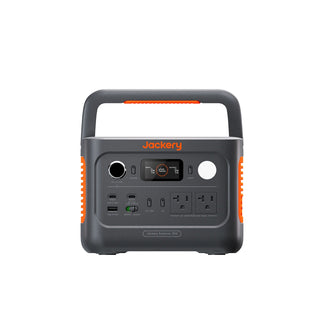
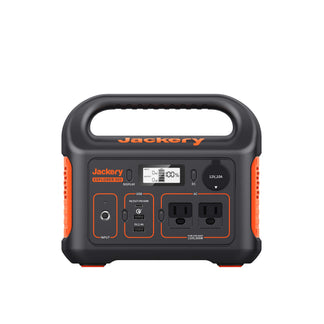
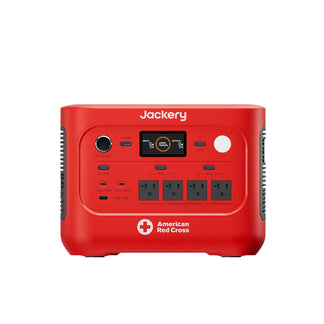
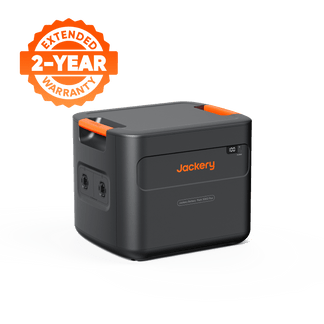
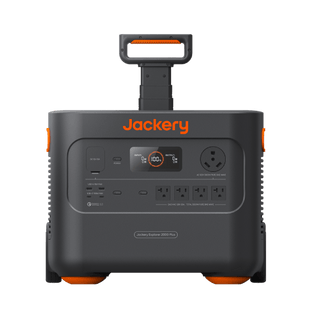
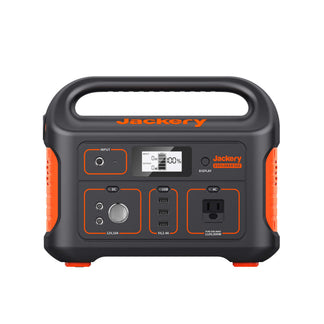
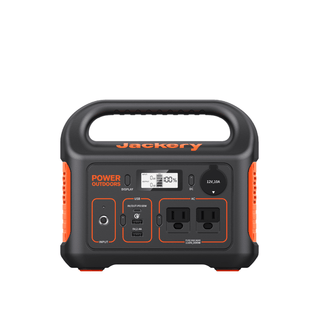
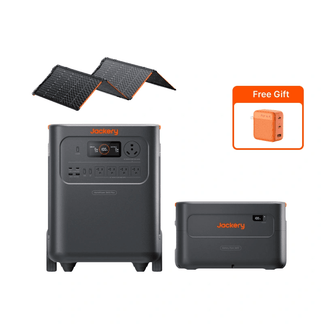
Jackery Explorer 2000 v2 Portable Power Station: Packs a 2,042 Wh capacity in a compact 39.5 lb package—perfect for apartment dwellers or short outages, recharging in just 1.7 hours from an AC outlet.
Frequently Asked Questions
What size propane generator runs a fridge and furnace?
A generator rated for 5,000 to 7,000 Watts is sufficient to power a refrigerator (700W), a furnace blower fan (800W), lighting circuits, and basic internet routers, leaving a safe 20% operating margin.
How long does a 20 lb propane tank last on a generator?
A standard 20 lb BBQ tank will only last between 4 and 6 hours on a mid-sized portable generator running under a moderate 50% load, making it highly impractical for overnight storm outages.
Can a 14 kW generator power central AC?
Yes, for a standard 3 to 4-ton central AC unit in a mixed-fuel home with gas heating. If your property is all-electric, you will need a larger 20 kW to 24 kW standby generator to handle the higher starting surges of all-electric climate systems.
Why follow the 80% rule?
Continuous operation above 80% of your generator's rated capacity can cause severe engine overheating, damaged alternator windings, and permanent mechanical wear. Adhering to the rule preserves your equipment’s lifespan.
Is a 22 kW generator too big for a 2,000 sq. ft. home?
Yes, unless your home is completely all-electric with an EV charger and hot tub. For standard mixed-fuel homes with gas heating, a 14 kW to 16 kW generator provides plenty of capacity without wasting fuel under light loads.
Do I need a transfer switch for a portable generator?
Yes, if you plan to power hardwired household appliances like furnace blowers or well pumps. A manual transfer switch or an interlock kit is legally required to prevent backfeeding electricity, protecting utility line workers.
How do I reduce my AC starting surge on a generator?
Installing an RV or residential soft-start kit on your AC compressor can cut starting surge requirements by 40% to 60%, allowing you to run your climate systems using a significantly smaller, more efficient generator.
Should I choose a dual-fuel or propane-only generator?
Dual-fuel models offer excellent operational flexibility if you need to use gasoline or natural gas during extended fuel shortages. However, propane-only units are simpler to maintain, as propane does not gum up carburetor jets like stored gasoline.


