








Solar energy is the most popular energy source nowadays. But there are still clouds of confusion lingering on this topic. Is it financially feasible to invest in a solar power system? Is it expensive? Is it a long-term solution or just a temporary hustle and bustle? In this article, we will discuss all the pros and cons of solar energy to help you make an informed decision depending on your circumstances.
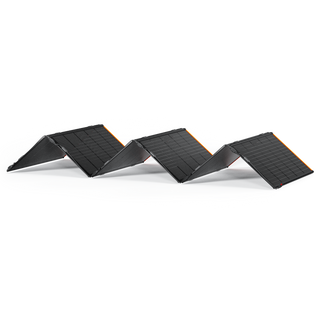
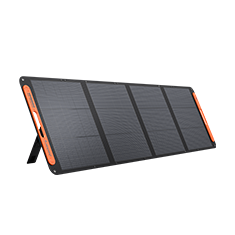
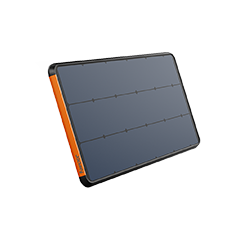
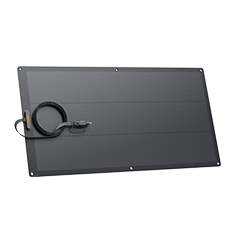
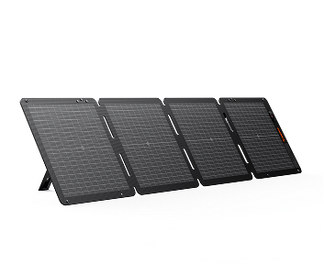
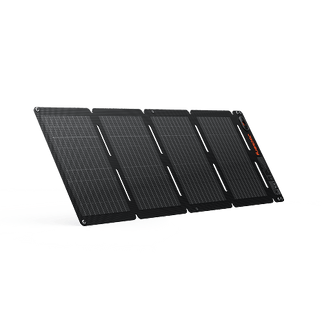
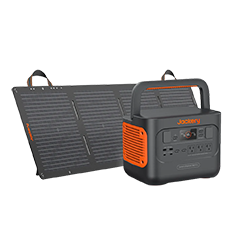
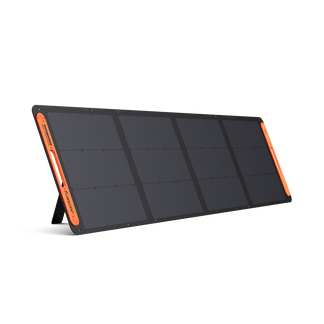
Solar energy technology is evolving, and it is becoming increasingly less expensive and more efficient. Also, governments in almost all countries are offering subsidies, incentives, and low-interest loans to encourage solar installations. Jackery SolarSaga Solar Panels are highly efficient and can be paired with Jackery Portable Power Stations to power most essential household appliances and lower the utility bills. In this guide, we will explore the pros and cons of solar energy for homes in detail, so you can make an informed decision.

8 Advantages Of Solar Energy
Solar energy can be harnessed using different technologies, including passive solar technology, PV technology, and solar thermal energy. The most popular domestic technology remains PV or photovoltaic technology, in which solar panels are used to capture sunlight.
Passive solar energy technology relies on designs, climate, and materials to make buildings energy efficient. The advantages of passive solar energy are that it is very efficient, inexpensive, and does not require special equipment.
Let us discuss the pros and cons of solar energy in detail.
1. Renewable Energy Source
The scarcity of resources is a gigantic problem globally. We need more water, mineral resources, natural gas, etc. Hence, it is high time that we convert to renewable resources. We have an unlimited supply of sunlight in most parts of the world. In fact, according to the US Department of Energy, the amount of sun energy the earth receives in one hour is enough to fulfill the energy requirements of the whole world for a year.
2. Reduced Electricity Bills
Power tariffs are at an all-time high at this point, and they are only going to go higher. With even more devices and power-eating equipment becoming important parts of life, many people are wondering why their electric bill is so high. Since the sunlight is free, solar energy is cheaper than other forms of energy. Since you will be running some of your appliances with the electricity your solar system has generated, your energy bills will drop. The money you save on your electricity bill depends on the size of the solar system and your electricity consumption.
3. Diverse Applications
Solar energy is very diverse, so there are multiple applications of this power, adding more to the pros of solar energy. You can use it to generate electricity or heat even in areas where access to the national grid doesn't exist. Additionally, if you are using solar generators, you can even take your power generation with you on boats, camping, RVing, etc.
4. Low Maintenance Costs
Solar energy systems generally have minimal moving parts, so maintenance is minimal as well. The main purpose of maintenance is to keep them clean, and doing it a couple of times a year is enough. You can do it yourself, or you can hire a specialized cleaning service.
Another advantage of solar energy is that it is very durable. But how long do solar panels last? Most of the solar panels come with a 20-25 years warranty. Only the inverter is one part that you might need to change after 5-10 years.
5. Advanced Technology
When looking into the pros and cons of solar energy for homes, it is important to note that solar power technology is improving at a fast pace. It is going to get even better with advancements in quantum physics and nanotechnology in the future. This advancement means solar energy is going to become more output-efficient, space-efficient, and less expensive.
6. Transfer The Benefit
When you have a solar energy system installed, and you produce more electric units than you consume, you can sell your production to the grid. It means you are also helping the community to become less dependent on fossil fuels. Secondly, you also earn credit by selling your electricity.
7. Environmentally Friendly
The most promising pro of solar energy is that it saves the environment and helps us make this planet a healthy place to live for future generations. Solar energy means no fossil fuel or any other type of fuel. Also, there are no toxic fume emissions or noise.
8. Property Value
Every property that has a solar energy system installed has better value in the market. A careful estimation is that it can increase your property’s market value. So it is an investment for the future.
6 Disadvantages Of Solar Energy
We have discussed the pros of solar energy above. But we all know that there is always a downside to every technology. There are some cons of solar energy, too, which may make it not suitable for some people.
1. Expensive
Many people ask, “What are the pros and cons of solar energy,” especially as solar panels are becoming more popular. Though the prices of solar energy systems are declining, governments are also introducing schemes to make it easier for people to install these systems. However, the upfront cost of solar electric systems and thermal systems is still a major deciding factor for many people. Even at this time, an average 6-kilowatt-hour residential solar system may cost USD$20,000 or more.
2. Weather Dependent
Another major disadvantage of solar energy is its dependence on weather. There may be better choices for areas that remain under the cloudy or rainy season for most of the year. Though solar panels do work on overcast days, they are not as efficient and may need to produce more to run your entire household.
3. Environmentally Issues
The carbon footprint of generating solar energy is minimal; however, the same cannot be said for the manufacturing of solar panels. They also require some chemicals and heavy metals to manufacture solar panels. Secondly, the disposal of hazardous materials is another issue. The International Renewable Energy Agency (IRENA) reports that solar energy systems could produce up to 78 million tonnes of waste by 2050. Jackery built the Industry's First Green Factory and was certified "Industry First Carbon Footprint Verification" by TÜV SÜD in 2023. Learn more about how Jackery inspires a sustainable lifestle.
4. Installation Issues
Installation issues are also a disadvantage of solar energy systems. Solar systems work better with shingle and metal rooftops. Also, if you have roof decks or skylights, installation can be difficult. Additionally, you need enough space on your roof for solar panels, and the angle and orientation of your house also matter. Solar systems work well if your roof is at 15 to 40 degrees. And if your solar panels are installed on the north side of your roof, they might not be efficient.
5. Mobility
If you are planning to move houses, then investing in a solar energy system might not be a viable financial decision because it takes around 7 to 10 years to break even your upfront cost. It will be difficult to move your entire system anywhere else, and leaving it there will be a loss.
6. Low Consumption Users May Not Be Saving Enough
If your electricity usage is low and you install a solar energy system, it will take more time to break even your upfront cost. Also, the average saving on electricity bills needs to be more lucrative.
Jackery Solar Generators
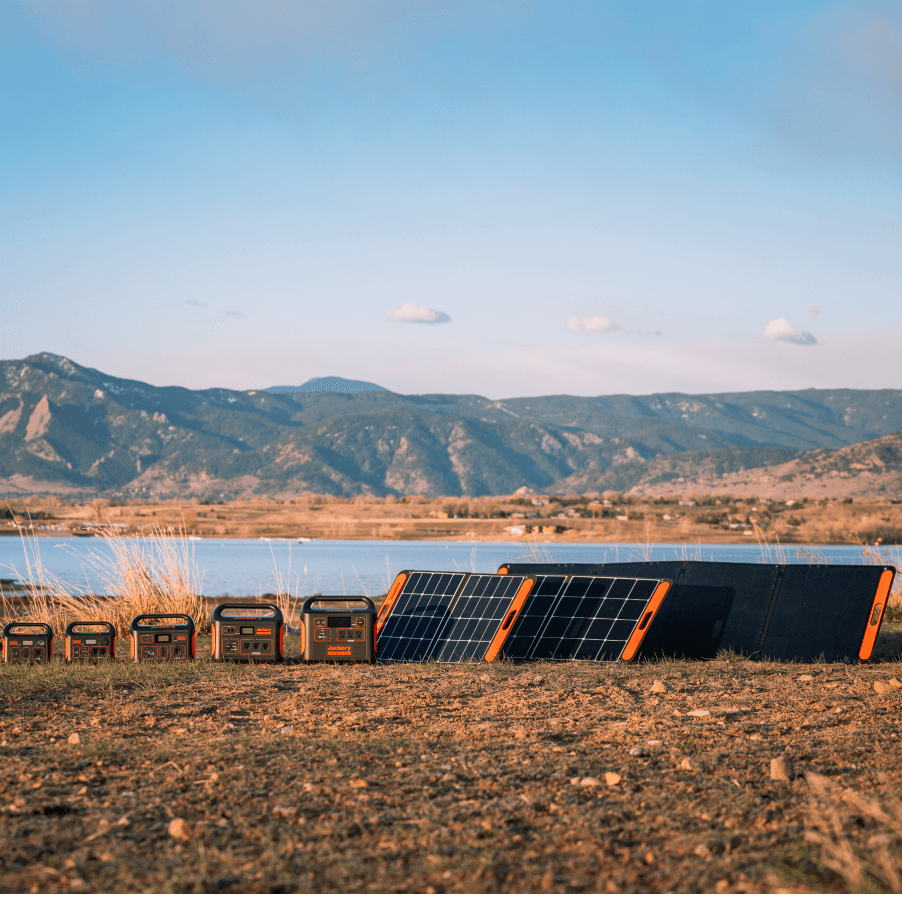
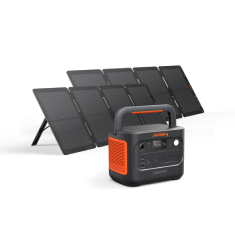
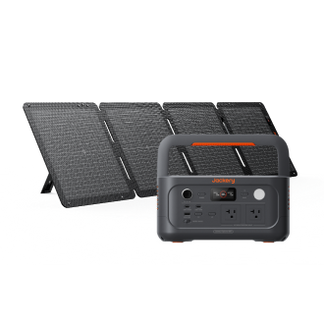
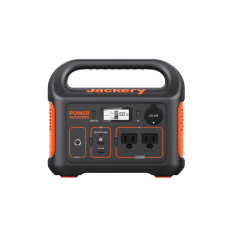
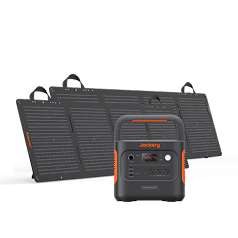
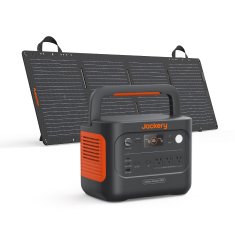
As we discussed above, in terms of the pros and cons of solar energy, solar electric systems are not easily movable. In such scenarios, the Jackery solar generators provide you with a combination of solar power and portability. These solar generators combine the inverter and battery and are connected to portable solar panels. So, you can reap the advantages of solar energy while on the go.
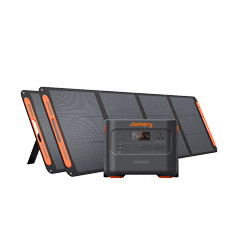
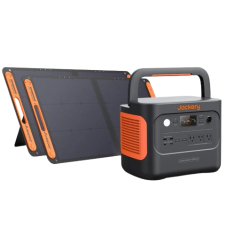
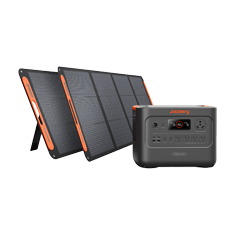
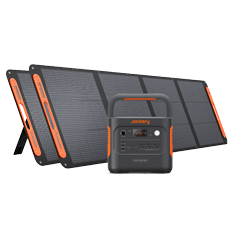
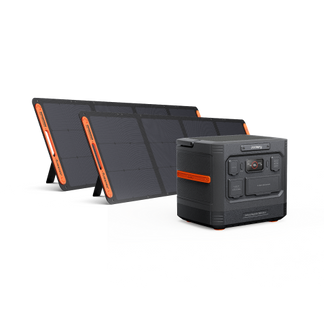
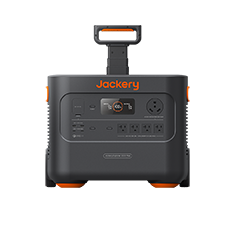
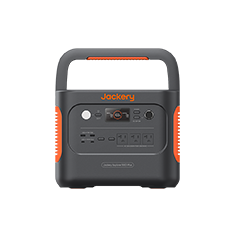
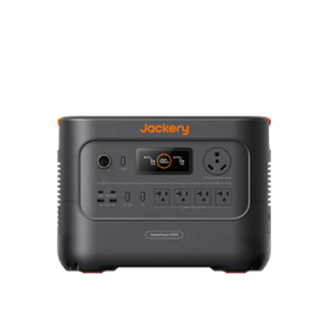
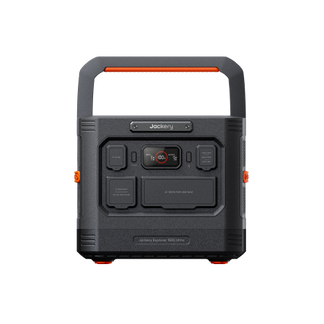
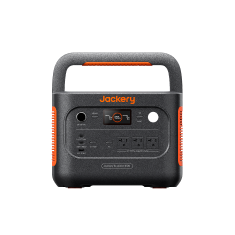
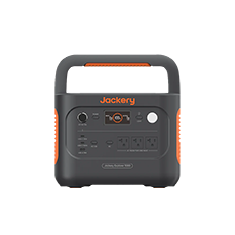
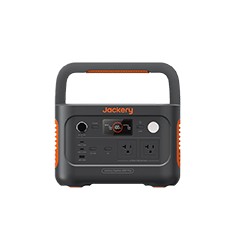
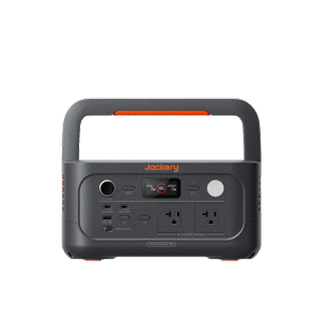
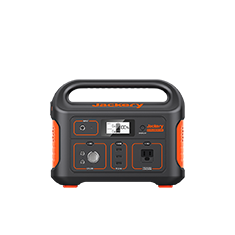
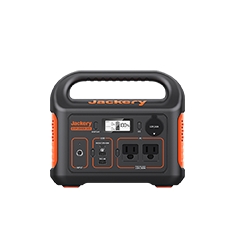
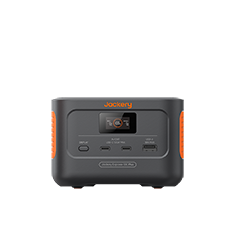
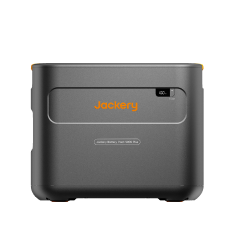
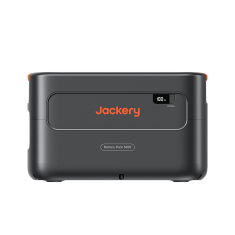
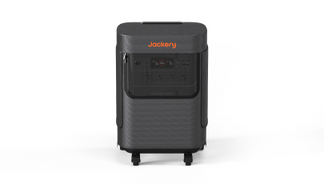
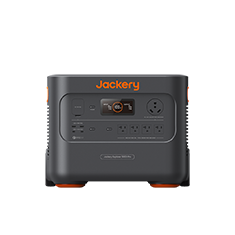
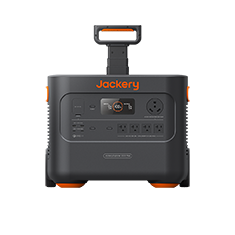
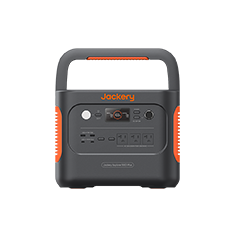
The Jackery Solar Generators are essential home backup solutions available in different sizes, and you will have to choose according to your requirements. For example, we recommend the Jackery Solar Generator 2000 Plus for the home, Jackery Solar Generator 300 Plus for outdoor adventures, and the Jackery Solar Generator 100 Plus for carrying like a hand with you.
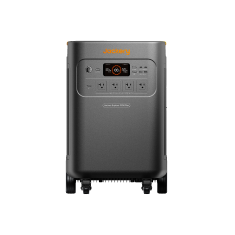
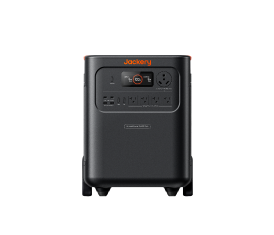
Jackery Solar Generator 2000 Plus
Capacity:
- Rated Watt: 3000W
- Surge Watts: 6000W
- Capacity: 2-24 kWh (expandable)
Battery Cell&Life Cycle: LFP (LiFePO4 battery) Cycle life:4000 cycles to 70%+ capacity
Recharging Methods & Time:
- Solar Panel 2-7 Hours
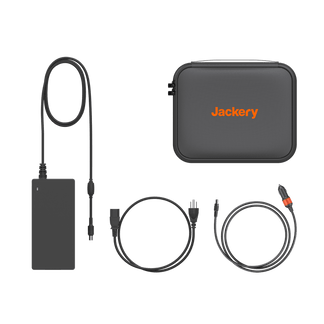
- AC Adapter: 2 Hours
- Car Charging: 25 Hours
Appliances:
- Portable Air Conditioner(1150W) 1.9 H
- Microwave(1050W) 1.5 H
- Kettle (850W) 1.9 H
- Coffee Maker (550W) 2.8 H
- Drone (90W) 45 Times
- Electric Oven (800W) 2.1 H
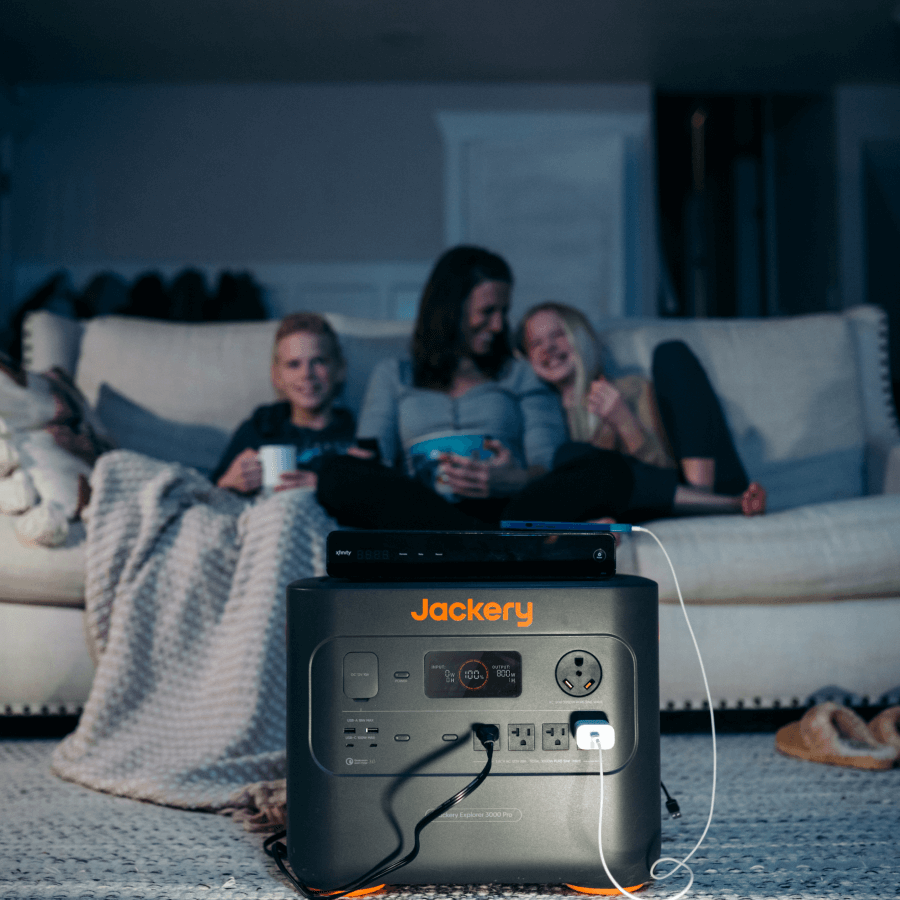
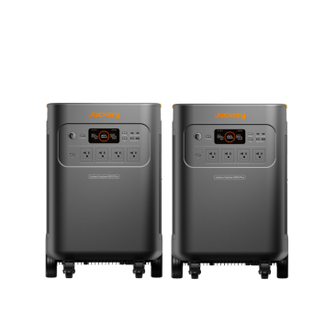
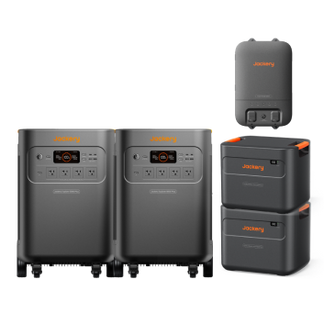
The Jackery Solar Generator 2000 Plus is a ideal option for homes. It has enough capacity in its basic version to power up most of your household. If you have a higher requirement, you can expand its capacity by connecting two 2000-plus generators or by adding more battery packs. So, your solar generator capacity can grow as your usage expands. Additionally, it is totally noise-proof with only a 30DB(like in a library) noise level. So, you can run it in your house without any disturbance.
Review
I have yet to use it extensively, but what I have charged was perfect. As the title implies……I feel a lot better having it.
--- Nancy Hagie
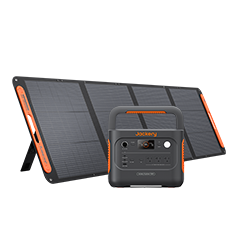
Jackery Solar Generator 300 Plus
Capacity:
- Rated Watt: 300 W
- Surge Watts: 600 W
- Capacity: 288Wh
Battery Cell & Life Cycle: LiFePO4 Cycle life:3000 cycles to 80%+ capacity
Recharging Methods & Time:
- Solar Panel: 9.5 Hours
- AC Adapter 2 Hours
- Car Adapter: 5.5 Hours
Appliances:
- Drone (90W) 5 Times
- Camera (8.4W) 12 Times
- Mobile Phone (29W) 13 Times
- Computer (80W) 3 Times
- Gaming Console (18W) 10 Times
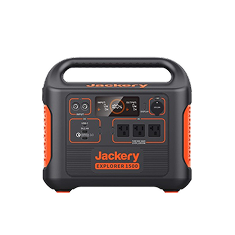
The Jackery Solar Generator 300 Plus is a compact solar generator that can easily fit in your camper, RV, and even on your boat. So this is your partner for all the outdoor adventures. You can easily run your camping equipment, including a laptop, mobile phone, lights, and a ventilator. Also, these generators are weather-resistant and waterproof, so they work in all weather conditions, including rain, heat, and cold.
Review
I bought the 300 Plus to have a source of power while camping with my son. The 300 Plus has been a great option. We need powering lights, Bluetooth speakers, and a fan throughout the night, along with other random charging and blowing up our air mattresses. We love it.
--- Gregory Turner.
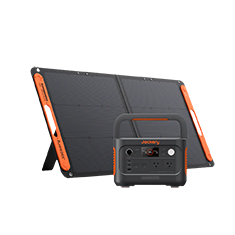
Jackery Explorer 100 Plus
Capacity:
- Rated Watt: 128W
- Surge Watts: 128W
- Capacity: 99 Wh
Battery Cell & Life Cycle: LiFePO4 battery capable of 2,000 cycles to 80%+ capacity
Recharging Methods & Time:
- Solar Charging 2 Hrs
- PD100W Adapter 1.8 Hrs
- Car Charging 2.5 Hrs
Appliances:
- MacBook Air 2020 (69.6W) 1.4 Charges
- iPad Pro 2022 (29W) 3.4 Charges
- iPhone 14 (12.7W) 7.8 Charges
- Apple Watch (1.2W) 82.5 Charges
- Apple AirPods Pro (1.5W) 66 Charges
- Nintendo Switch (13W) 7.6 Charges
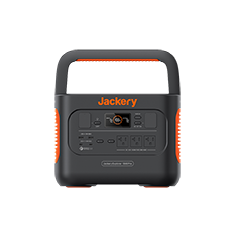
The Jackery Explorer 100 Plus is your power partner on the go. It is so lightweight and tiny that you can place it on your palm. It is great for charging your laptop or phone in the car. Also, it fully complies with UN 38.3 shipping standards for lithium batteries, which means you can take it with you on the flight.
Review
So far so great. This product is used with an emphasis on lightweight mobile video production, and I'm already finding it indispensable for both its mass and rapid charging.
Common Myths & Misconceptions About Solar Energy
Now that you know what are the pros and cons of solar energy, let's debunk some common myths and misconceptions about solar energy so you can decide if solar is right for your home:
- Solar Panels Are Not Efficient Enough: Many people often wonder why solar panels are only 22% efficient and not 100%. That's because solar cell materials cannot absorb all types of light in the sunlight, like infrared light. Sun produces a lot of heat, and solar panels with high power output can provide plenty of power to meet the home's needs.
- Solar Panels Are Maintenance Heavy: Compared to gas generators, solar panels, and solar systems require very limited maintenance because they do not have any moving parts. Jackery Solar Generators do not require a lot of maintenance, which makes them cost-effective in the long run.
- Solar Only Works When Sun is Shining: While solar panels produce electricity only when the sun is shining, the battery storage can be connected to the solar panels to store the excess electricity generated. The battery backup can supply electricity to essential household appliances even when the sun is not shining.
FAQs
How do solar panels work?
Solar panels work by converting sunlight into electricity through the photovoltaic effect. It involves the absorption of sunlight by semiconductor materials like silicon to create electricity.
What is solar energy?
Solar energy is the radiant energy emitted by the sun, which can be harnessed to generate electricity. Unlike fossil fuels, it is a clean and renewable source of energy.
Should I invest in solar energy for my home?
Yes, investing in a solar panel system can be a worthwhile investment that offers long-term financial and environmental benefits. For example, you can use solar generators to keep essential appliances powered during outages or even during peak electricity hours to reduce the bills.
Conclusion
Is solar energy worth it? The short answer is yes. It is environmentally friendly, saves on electricity bills, has low maintenance costs, and so on. But there are some downsides too like it is expensive to install, it may be weather dependent, and so on. We have discussed all the pros and cons of solar energy for home to help you make an informed decision to see if the pros of solar energy weigh heavier than the cons of solar energy.