








![[Add - on] SolarSaga 200W - Jackery](http://www.jackery.com/cdn/shop/files/add-on-solarsaga-200w-4834329.png?v=1754016915&width=324)


Solar panels are a lasting source of clean energy for you and your family. If you plan to offset your electricity usage and reduce your bills with a solar power generator, it's vital to know how long solar panels last and when you'll need to replace your system.
Generally, the useful life of a solar panel is between 25-30 years. However, that does not mean the solar panels will die instantly after three decades. Instead, the power output will decrease gradually over time.
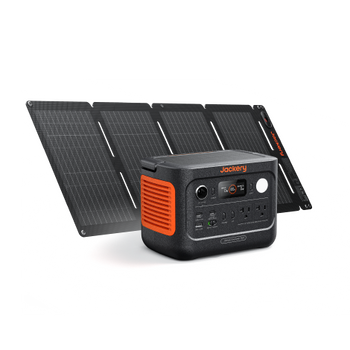
Jackery portable solar panels utilize top-tier monocrystalline technology with industry-leading efficiency. Together with Jackery rechargeable portable power stations, this cost-effective solar power solution can provide clean energy for years. This article reveals the reality of solar panel lifespan, degradation rates, and how to maximize your investment.
How Long Do Solar Panels Last?
Most residential solar panels operate effectively for 25-30 years before they degrade significantly. Degradation simply means they produce less energy than when they are new. If well-maintained, a solar panel can continue generating electricity for 40-50 years, albeit at reduced efficiency.
However, the exact lifespan differs depending on the panel type.
Monocrystalline Solar Panels
Monocrystalline silicon panels are the gold standard for efficiency and longevity in the US market. Made from pure silicon crystals, they offer the highest durability.
- Lifespan: 25–30+ years.
- Jackery Connection: All Jackery SolarSaga panels are made with high-quality monocrystalline solar cells, boasting conversion efficiency up to 25%.
Polycrystalline Solar Panels
Polycrystalline cells are recognizable for their blue, speckled look. They are less efficient and generally cheaper than monocrystalline options.
- Lifespan: 20–25 years.
- Drawback: The fragmented silicon structure degrades slightly faster under thermal stress.
Thin-Film Solar Panels
These panels are formed by depositing photovoltaic material onto a substrate. While lightweight, they are rarely used for residential rooftops due to lower efficiency and faster degradation.
-
Lifespan: 10–20 years.
What Is Solar Panel Degradation?
Over time, solar panels lose their ability to absorb sunlight and convert it into energy. This annual loss of output is called the degradation rate.
According to the National Renewable Energy Laboratory (NREL), the median degradation rate is about 0.5% per year. Premium panels may degrade as slowly as 0.25%, while standard panels may drop by 0.8% annually.
The Math of Degradation
A panel with a low degradation rate produces far more energy over its lifetime. Here is a simple calculation based on the NREL median of 0.5%:
Let's say you install a solar panel with an initial output of 10,000 kWh annually.
After Year 1:
- Lost output: 10,000 kWh x 0.005 = 50 kWh
- Remaining capacity: 9,950 kWh
After Year 25:
-
At a 0.5% annual loss, the panel will still operate at roughly 88% of its original capacity.
This means that after 25 years, your system isn't dead—it is simply producing slightly less power than day one.
Climate Impact
Geography matters. Panels in hotter US regions (like Arizona) may degrade faster (approx. 0.88% annually) due to heat stress compared to those in moderate climates (approx. 0.48%).
Lifespan of Other System Components
While panels last decades, other parts of the system often fail sooner. It is crucial to budget for these replacements.
- Inverters: The inverter converts DC solar energy into AC power for your home.
- String Inverters: Typically last 10–15 years. You will likely need to replace this once during the panels' life.
- Microinverters: Often carry 25-year warranties that match the panels.
- Solar Batteries:
- Lead-Acid: Last 3–5 years (common in older off-grid setups).
- Lithium-Ion: The standard for modern home storage and portable power stations. These typically last 10–15 years depending on usage cycles.
- Racking: The mounting hardware generally lasts as long as the panels but should be inspected for corrosion or loose bolts during maintenance.
Factors That Affect Solar Panel Lifespan
External factors beyond your control can shorten the life of your system.
Thermal Cycling
Temperatures fluctuate drastically between day and night. This causes panel materials to expand and contract, leading to micro-cracks in solar cells over time. Jackery solar panels are designed with a specialized battery grid structure to minimize these risks.
Extreme Weather
Heavy snow loads, hail, and hurricane-force winds can cause physical damage. While panels are tested to withstand high impacts, extreme events can crack the glass or damage the frame.
UV Exposure
Ultraviolet rays slowly break down the backsheet of solar panels. Advanced panels include UV blockers to mitigate this damage and extend longevity.
How to Extend Solar Panel Lifespan
Proper maintenance ensures your solar power station works efficiently for decades.
Keep The Panels Clean
Dirt, pollen, and bird droppings block sunlight and can create hotspots that damage cells. Clean your panels monthly with soft cloth or water. If you live in an area with heavy dust or snow, clean them weekly. Learn some tips on keeping the panels clean.
Maintain Backup Batteries
For portable systems, battery health is key. Keep your portable power station charged and store it in a cool, dry place when not in use. Avoid draining the battery to 0% frequently.
Professional Inspection
For rooftop systems, a professional inspection every 3-5 years can catch loose wiring or racking issues before they cause system failure.
Solar Warranties: What They Actually Cover
Understanding warranties is essential for calculating long-term value.
- Performance Warranty: Guarantees that the panel will produce a certain amount of power (usually 80-90%) after 25 years. This protects you against excessive degradation.
- Product Warranty: Covers manufacturing defects and equipment failure. This typically lasts 10–25 years depending on the brand.
Impact on Home Resale Value
One of the biggest hidden benefits of solar longevity is home equity. Solar panels are a long-term asset.
- Increased Value: Homes with solar panels sell for 4.1% to 6.9% more than comparable non-solar homes.
- Faster Sales: Energy-efficient homes often spend less time on the market.
- Appraisal: Owned systems add immediate value. Leased systems can be more complex to transfer, so owning your system outright is usually the better financial move.
End-of-Life Management and Recycling
What happens after 30 years? The US is currently facing a growing volume of solar waste, projected to reach 1 million tons by 2030.
- Recycling: While panels contain valuable materials like silver, copper, and silicon, recycling infrastructure is still developing.
- Repowering: Many homeowners choose to replace old panels early (at year 20) to upgrade to higher-efficiency technology, a process known as repowering.
- Regulations: Unlike the EU, the US lacks federal mandates for solar recycling, though states like Washington are implementing stewardship programs.
Best Portable Solar Panels for Longevity
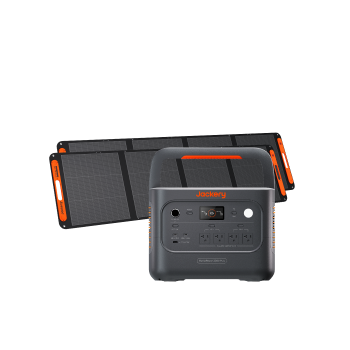
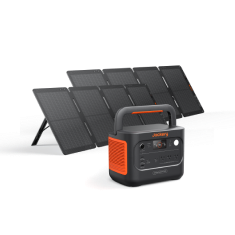
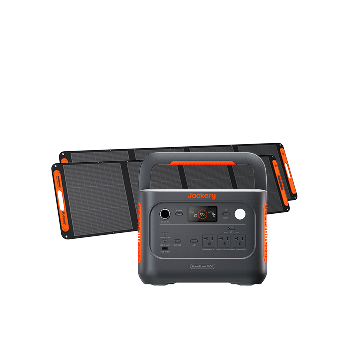
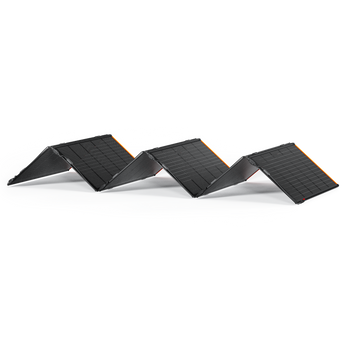
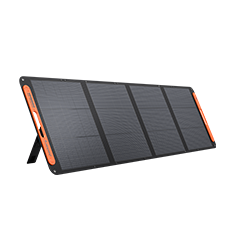
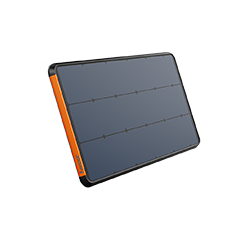
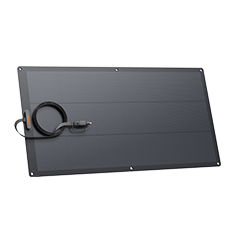
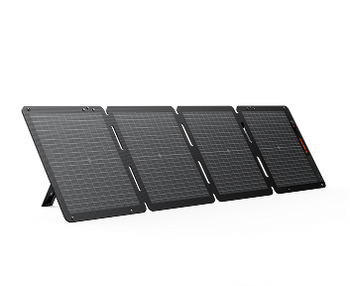
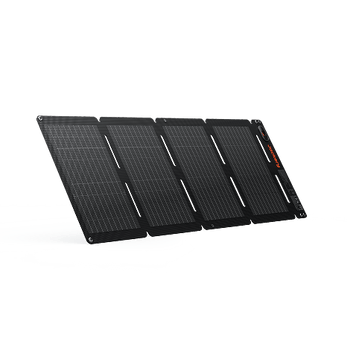
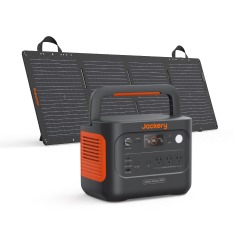
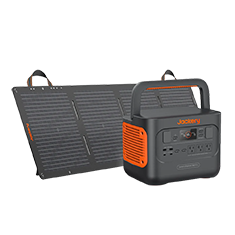
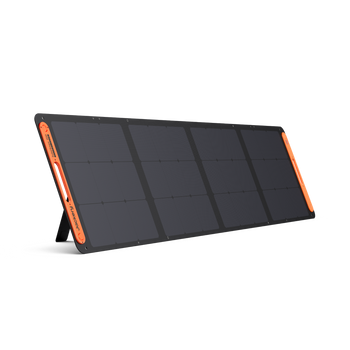
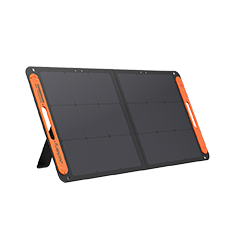
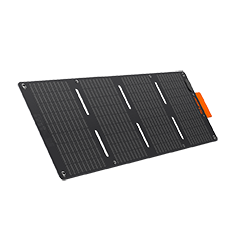
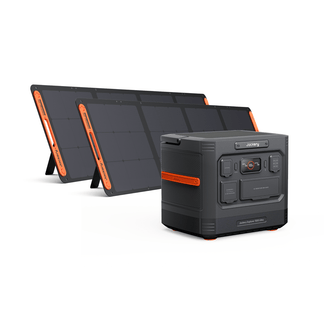
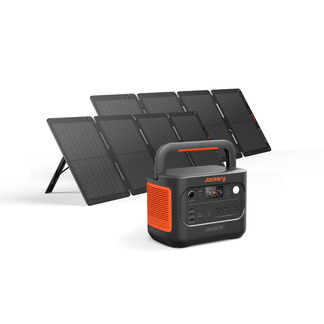
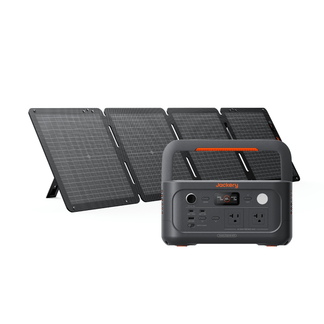
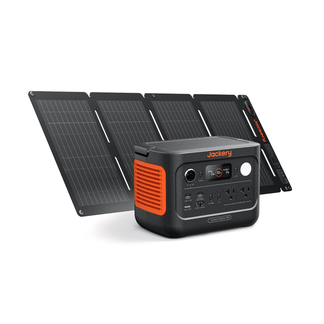
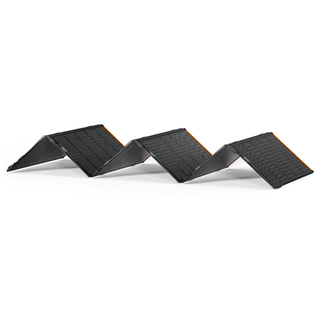
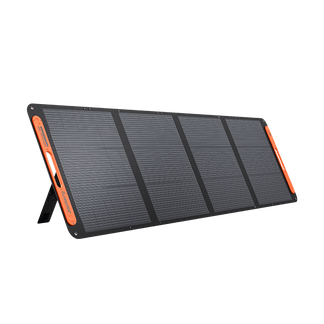
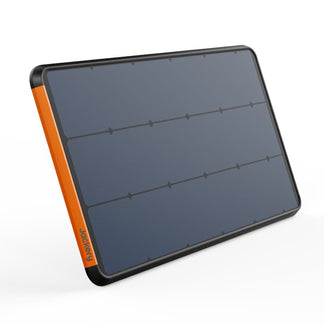
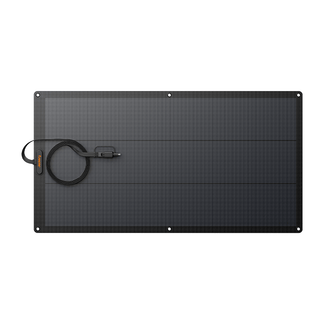
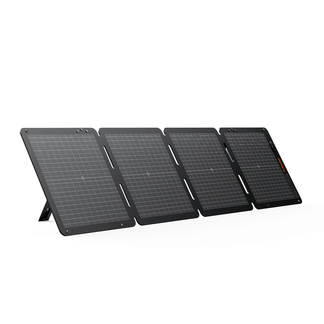
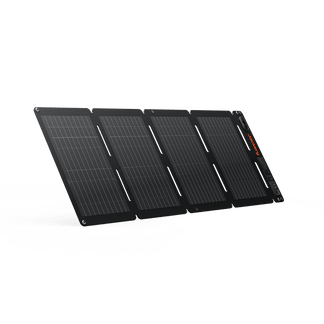
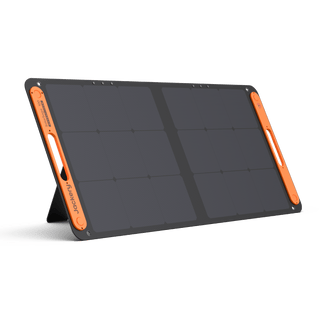
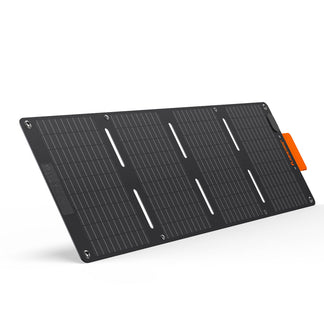
Jackery portable solar panels are designed for durability and high efficiency. They feature foldable designs for portability and use monocrystalline cells to ensure a long service life.
Here is a breakdown of current Jackery SolarSaga models:
|
Solar Panel |
Material |
Efficiency |
Best For |
|---|---|---|---|
|
Jackery SolarSaga 200W |
Monocrystalline |
24.3% |
High-power needs, camping trips, and pairing with large power stations. Features 3 kickstands for stability. |
|
Jackery SolarSaga 100W |
Monocrystalline |
24.3% |
The classic choice for balance between power and portability. Lightweight and easy to set up. |
|
Jackery SolarSaga 100 Prime |
Monocrystalline |
25% |
Highest Efficiency. Designed for maximum solar conversion in a durable, sleek form factor. |
|
Jackery SolarSaga 40W Mini |
Monocrystalline |
24.3% |
Ultra-portable power for backpacking and small devices. |
Other Options:
- Jackery SolarSaga 500 X: For extreme power needs.
- Jackery SolarSaga 100 Light / Air: Lightweight alternatives for hikers.

All these panels are durable, easy to use, and highly efficient. You can use them to recharge your Jackery Portable Power Station during outages or outdoor adventures.
When Should You Replace Your Solar Panels?
You do not need to replace panels just because the warranty expires. Consider replacement only if:
- Output is Insufficient: The system no longer covers your energy needs due to degradation.
- Physical Damage: Panels are cracked or broken, creating safety hazards.
- Incompatible Technology: You want to upgrade to a modern system with higher efficiency and smart monitoring.
Final Thoughts
Understanding solar panel lifespan helps you make smarter financial decisions. Whether you are installing a rooftop system or choosing a portable Jackery SolarSaga 200W for camping, you are investing in technology built to last decades.
Jackery SolarSaga panels offer a versatile, durable power backup solution. By choosing high-quality monocrystalline panels, you ensure reliable energy for years to come.
For more information and exclusive deals on the latest solar gear, sign up for Jackery's newsletter today!
Frequently Asked Questions
What happens to solar panels after their useful lives are over?
End-of-life management involves decommissioning and disposing of the system. While many panels end up in landfills, recycling is becoming more accessible to recover valuable materials like glass, aluminum, and silver.
Should you replace your solar panels after 25 years?
Not necessarily. If your panels are still producing enough electricity to lower your bills effectively, keep using them. The 25-year mark is simply when the warranty typically ends, not when the panel stops working.
What is the carbon footprint of solar panels?
Solar panels typically pay back their carbon footprint within 1 to 3 years of operation. For the remaining 20+ years, they produce 100% carbon-free energy.
Disclaimer: The runtime mentioned for appliances powered by Jackery is for reference only. Actual runtime may vary under different conditions. Please refer to real-world performance for accurate results.


