
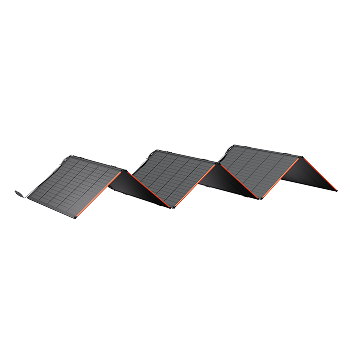
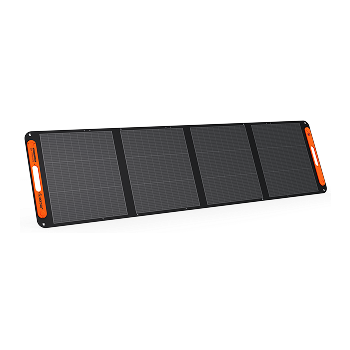




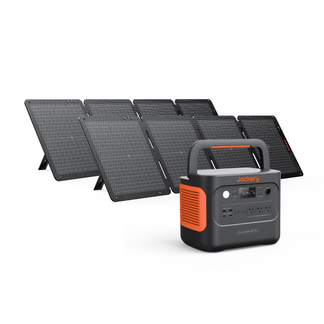
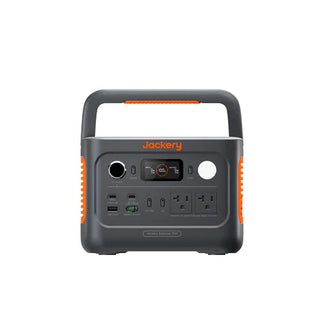

![[Add-on] Jackery SolarSaga 500 X - Jackery](http://www.jackery.com/cdn/shop/files/add-on-jackery-solarsaga-500-x-1493607.webp?v=1786503068&width=324)
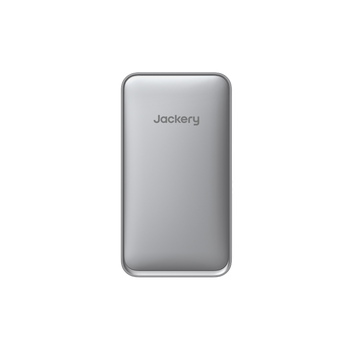
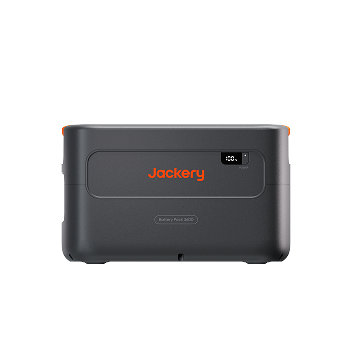
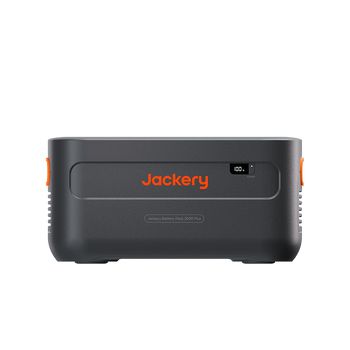
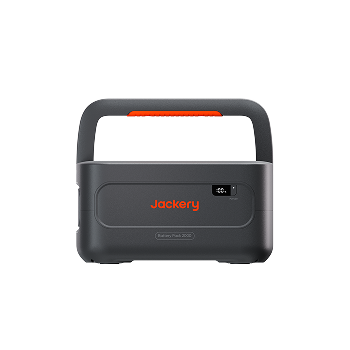
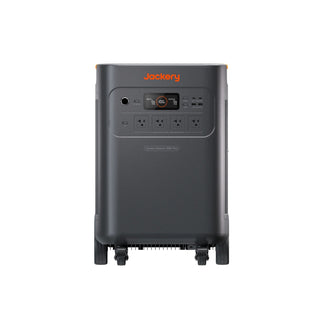
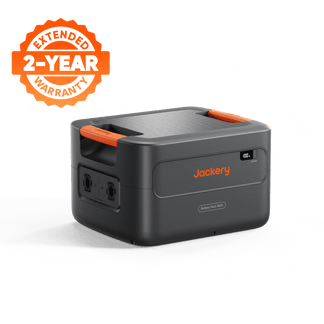
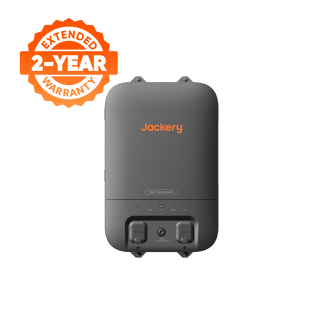
![[Add-on] Jackery Battery Pack 5000 Plus - Jackery](http://www.jackery.com/cdn/shop/files/add-on-jackery-battery-pack-5000-plus-6713401.webp?v=1786503068&width=324)




Quick Answer:
A panel’s nameplate efficiency (20–22%) is measured under pristine lab conditions: 25°C cell temperature, 1,000 W/m² irradiance. On a real roof, heat, dust, partial shade, wiring losses, and off-angle sunlight trim daily output by 15–30%. A 400 W lab-rated panel often delivers only 280–340 W net. Understanding these losses is the first step to sizing a system that covers your bill.
Key Takeaways
- A well-sited residential solar system typically captures 70–85% of its nameplate rating due to heat, soiling, wiring, and angle losses — plan for a 20% buffer.
- High rooftop temperatures of 140–165 °F rob 12–20% of panel power on summer afternoons; the temperature coefficient is the spec that matters most in hot climates.
- Partial shade from a single chimney, tree branch, or bird dropping can slash a whole string’s output by 50–70% in systems without microinverters or DC optimizers.
- Dust and pollen accumulation cause an invisible 5–15% annual loss — a single professional cleaning or heavy rain can instantly recover that energy.
- Portable solar panels avoid permanent shading and orientation headaches entirely by letting you reposition them every hour to follow the sun.
Why Lab-Tested Efficiency Differs from Real-World Output
Lab efficiency figures rely on Standard Test Conditions (25°C cell temperature, 1,000 W/m² irradiance, air mass 1.5) that rarely occur on a roof. Real‑world irradiance averages 400–800 W/m², cutting daily output by 10–30% before any other loss.
The performance ratio — the fraction of potential energy you actually capture — typically falls between 0.70 and 0.85 for home systems. Losses come from four main categories:
- Temperature derating: voltage drops as cells heat up.
- Wiring and inverter losses: 5–15%, depending on cable distance and MPPT quality.
- Soiling: dust on glass.
- Spectral mismatches: when sunlight hits at odd angles.
Even the physics of silicon is unkind: the Shockley‑Queisser limit caps a single-junction cell at roughly 33% theoretical efficiency, so a commercial panel at 20–22% isn’t defective — it’s simply obeying thermodynamics.
Peak power ratings assume direct, perpendicular sunlight. Once the sun moves, irradiance drops and the power curve flattens — that’s why a 400 W panel rarely puts 400 W into your home. As the energy.gov solar performance overview notes, temperature, wiring, and inverter inefficiencies together trim 15–25% off a system’s nameplate capacity. Understanding this mismatch is the foundation for sizing any array — fixed or portable — realistically.
Temperature: The Hidden Efficiency Killer
Heat is the silent thief most homeowners never see. On a blazing July afternoon in Phoenix or Dallas, rooftop panels can hit 140–165 °F (60–75 °C). Every degree above 25 °C squeezes voltage, and power falls by the temperature coefficient — typically −0.3% to −0.5% per °C. At 65 °C, that’s 12–20% of rated power lost, right when you need it most.
The temperature coefficient is the spec that matters most in hot climates. A panel with −0.35%/°C drops 14% at 65 °C; one with −0.45%/°C loses 18%. Monocrystalline silicon typically shows an 8–15% efficiency dip between 25 °C and 75 °C, while thin-film panels hold up better in heat — but start with lower baseline efficiency.
Mounting technique matters. Raising panels 4–6 inches above the roof deck creates a natural convection current that can cut operating temperatures by 5–10 °C — worth 2–5 percentage points of recovered output. Flat-roof installations at 0° tilt compound the problem: they catch less light from the sun at a low angle and trap heat, resulting in a 10–25% additional loss.
And here’s the irony: cool, sunny spring days frequently generate more monthly kilowatt-hours than scorching July and August afternoons, even with shorter daylight. Heat kills voltage faster than extra photons can compensate.
Shading and Soiling: The 5–15% Theft from Your Array
A tiny shadow can have an outsized effect. In a traditional string inverter system, all panels in a series string operate at the current of the weakest cell.
Partial shading of just one cell can throttle the entire string’s output by 50–70%. A single bird dropping — opaque, stationary — sitting on one panel can pull the whole string down 5–25%. It’s not just the shaded panel; the string can’t bypass it unless microinverters or DC optimizers are installed, which isolate each panel’s performance.
Dust, pollen, leaves, and pollution settle as a fine film. NREL field data shows a 5–15% annual efficiency loss when panels go uncleaned for 4–6 months. The insidious part? Soiling losses are invisible day to day — until a professional cleaning or a heavy storm rinses them off and you see a one-day jump in production.
Seasonal factors add their own headaches:
- Snow: blocks everything until it slides, though panels tilted above 30° shed light dustings on their own.
- Corroded MC4 connectors: can choke current and slash output; annual professional service avoids this common, fixable issue.
- Tree growth and new construction: can turn a once-perfect solar site into a shade problem within 2–3 years, so periodic trimming and a shading audit are essential.
Portable solar panels sidestep permanent shading entirely. You can reposition them every hour to dodge shadows cast by trees, chimneys, or neighboring buildings. Unlike fixed roof arrays, portable solar generators give you the freedom to chase full sun all day, eliminating the 50–70% string losses that haunt shaded rooftops.
Orientation, Tilt, and Degradation: Long-Term Performance Factors
A 20% efficient panel pointed the wrong way can be out-harvested by an older 17% panel at the perfect angle. In the US, true south orientation captures the most daily energy. An east‑west roof slope loses 15–20% depending on latitude — a trade-off many homes must accept.
Tilt is equally critical. Tilt equal to latitude delivers near‑maximum annual production: 30° in Miami, 45° in Seattle; deviations of less than 10° cost under 5%. Flat-mounted panels on a shallow-roof home will underperform year-round. For those with adjustable ground mounts, tweaking the angle to 30° in winter and 45° in summer can squeeze out another 10% across the year.
Panel degradation is slow but real. Premium monocrystalline panels lose 0.3–0.5% of capacity per year, retaining 90–92% of original output after 20 years. That gradual decline is one reason to oversize the inverter — adding up to 33% more DC capacity than the inverter’s AC rating — which captures extra morning and late-afternoon low-light generation without clipping during peak hours.
Local building codes can also limit your harvest. Fire setback rules often cap coverage at 33–50% of each roof plane, preventing you from filling every square foot. Portable panels bypass these code restrictions completely. Microinverters or DC optimizers prevent a single shaded module from dragging down neighbors, making them non‑negotiable for any roof with partial shade, dormers, or chimneys.
How to Calculate Your Realistic Energy Harvest: The 20% Rule and Beyond
The simplest way to avoid a system that under-delivers: multiply your true monthly usage by 1.2 before sizing.
The 20% buffer formula
(Monthly kWh ÷ 30 ÷ daily peak sun hours) × 1.2 = DC kW needed
Example: An 800 kWh/month home in Phoenix with 5.5 peak sun hours:
800 ÷ 30 = 26.7 kWh/day.
26.7 ÷ 5.5 = 4.85 kW nameplate, then × 1.2 ≈ 5.8 kW DC system.
No home system runs at STC year-round. Use NREL’s free PVWatts calculator to model your exact address, roof pitch, and local weather. It accounts for all the losses discussed — heat, wiring, shading — and will show that even a properly installed array rarely tops 85% of its nameplate rating.
When you shift energy to evening use with battery storage, those afternoon watts aren’t wasted. A portable power station or stationary battery bank can capture the excess that would otherwise flow away, maximizing the output you actually consume. Sizing a solar generator to match your essential loads means you don’t over-invest in capacity you won’t use.
Limitations: When Efficiency Data Won’t Match Your Reality
Panel lab specs are a starting point, not a promise. Homes with heavy shading, flat roofs, or no-ventilation mounting may see real-world efficiency 30–40% below the sticker. No amount of high-efficiency silicon can defeat a fast-growing oak or a neighboring condo that blocks the southern sky after 2 pm.
Portable solar panels excel at avoiding fixed shading, but they require active repositioning every couple of hours to keep output high. They also generally provide less total wattage than a large roof array, making them better suited for essential backup than for offsetting a whole household’s consumption. Building a secure backup for key circuits — refrigerators, routers, lights — is where this approach shines.
And while battery storage can shift afternoon sun into evening use, it adds cost and should be evaluated against your actual blackout frequency and peak electricity rates. No published efficiency curve can predict a neighbor’s new chimney or an unusually dusty construction season.
Portable Solar Solutions That Bypass Rooftop Losses
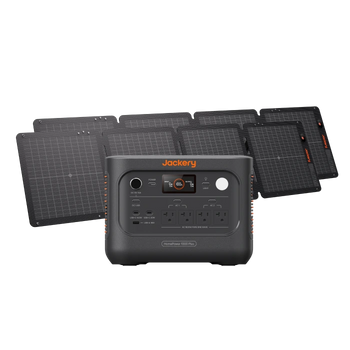
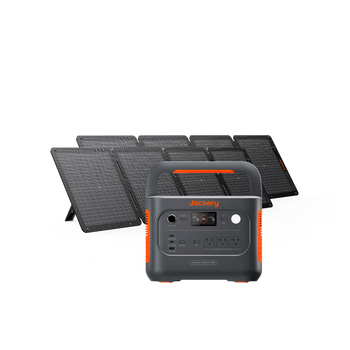
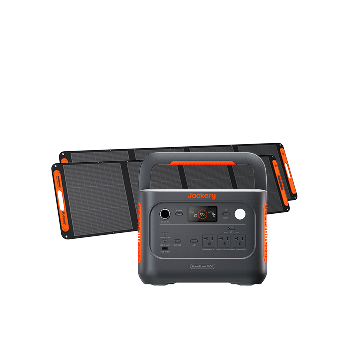
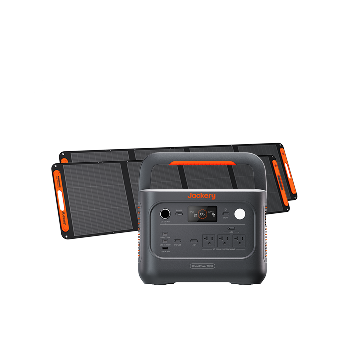
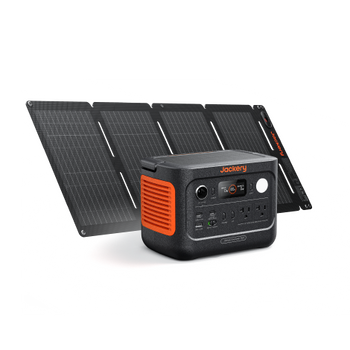
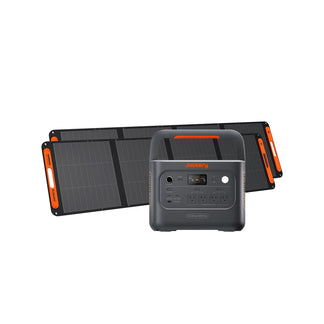
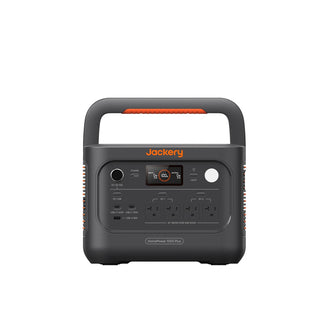
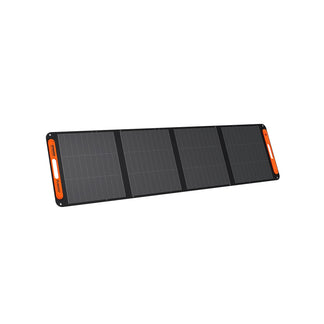
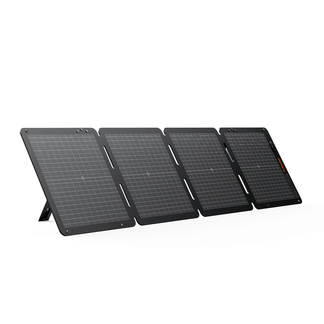
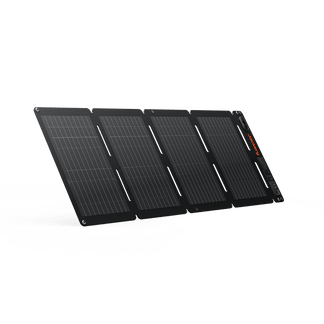
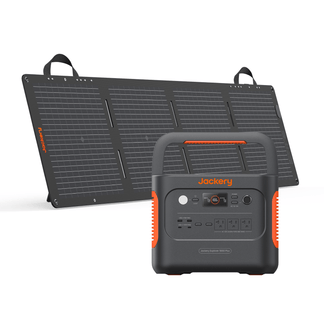
Jackery’s portable power ecosystem lets you capture solar energy without permanent roof mounts, shading penalties, or fire‑code restrictions. Move the panels to full sun, store power in LiFePO₄ batteries, and run essential home loads on your terms.
Product / Bundle |
Key Specs |
Best For |
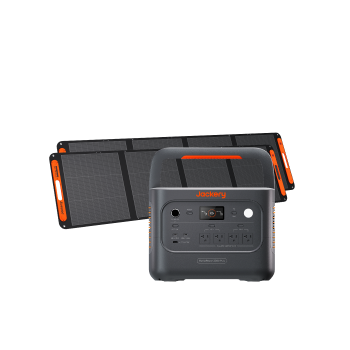
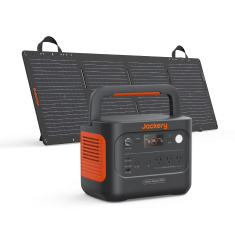
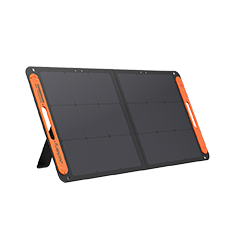
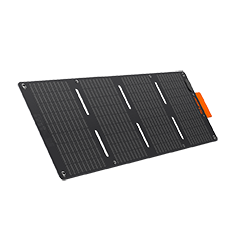
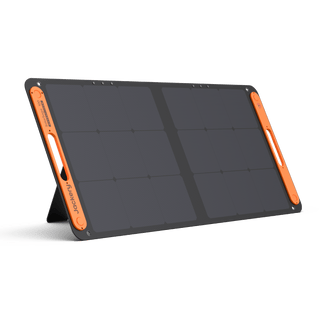
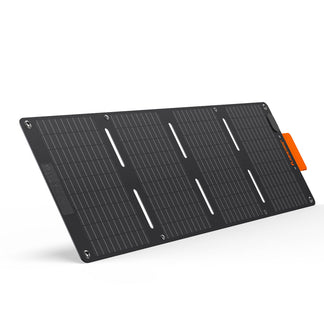
Jackery SolarSaga 500X |
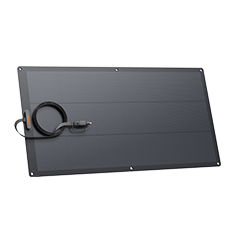
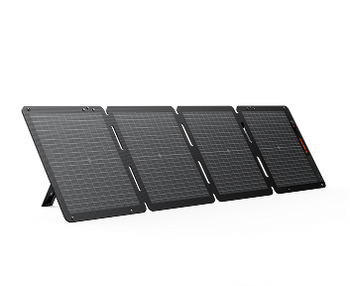
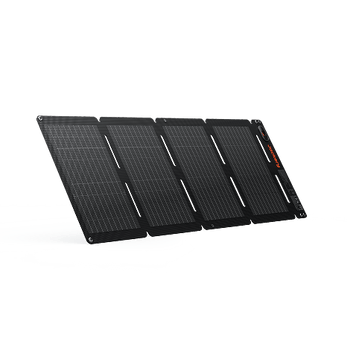
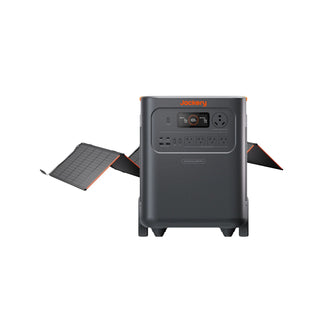
500 W bifacial TOPCon, 25% efficiency, up to 547 W peak output, IP68, folding design. |
Maximizing portable harvest with high-efficiency panels you can reposition every hour. |
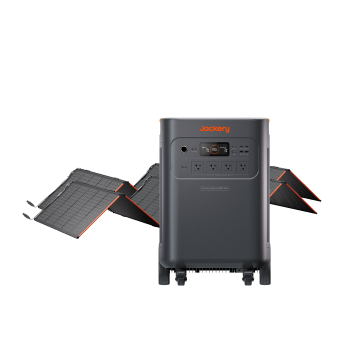
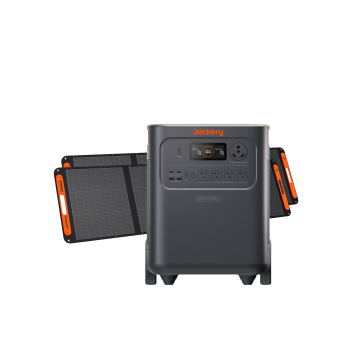
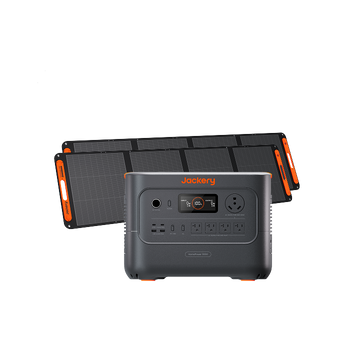
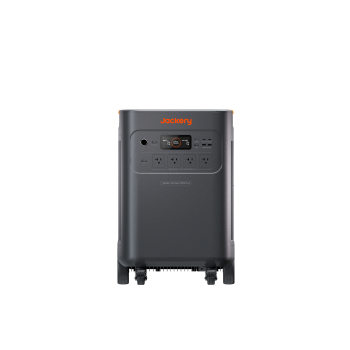
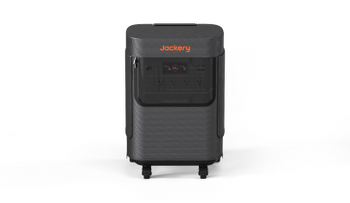
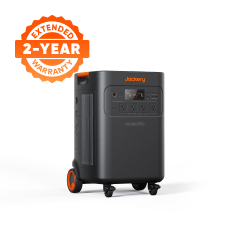
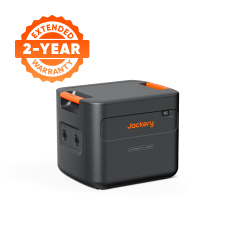
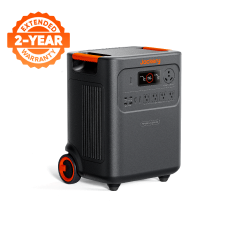
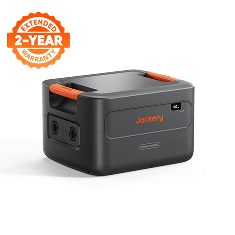
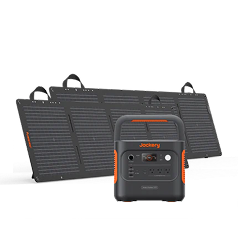
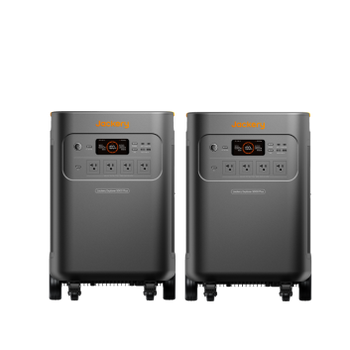
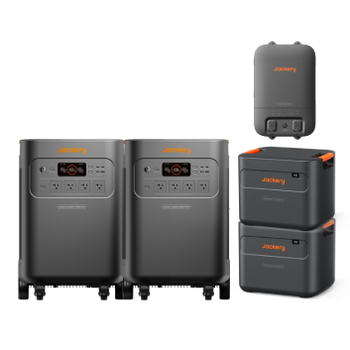
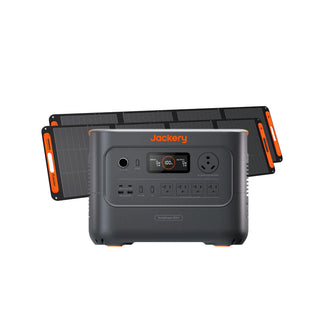
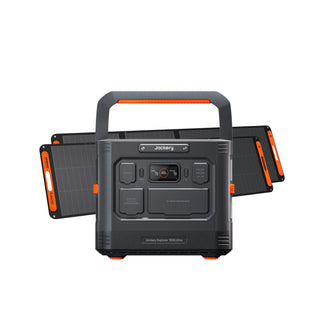
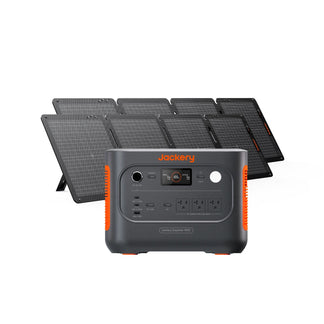
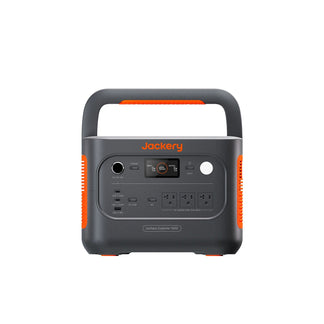
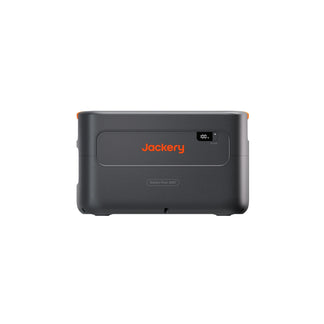
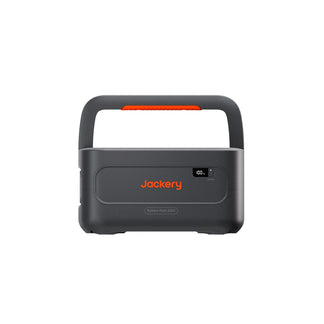
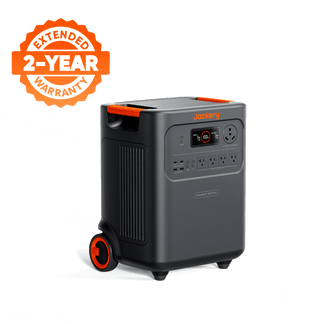
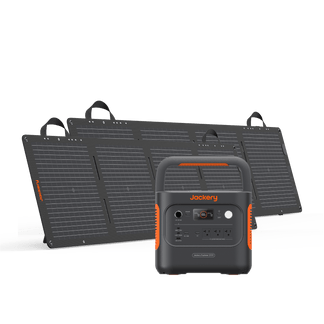
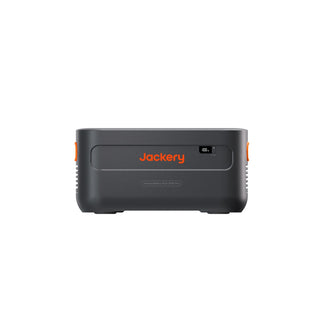
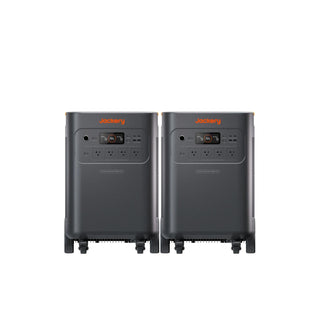
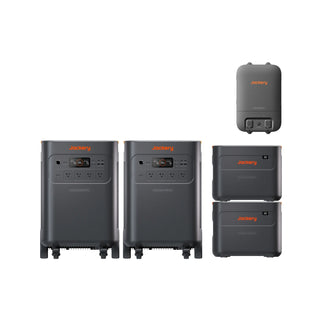
Jackery Explorer 5000 Plus + 2× SolarSaga 500X |
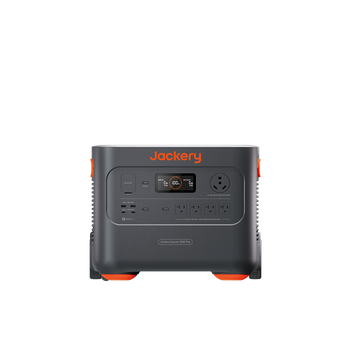
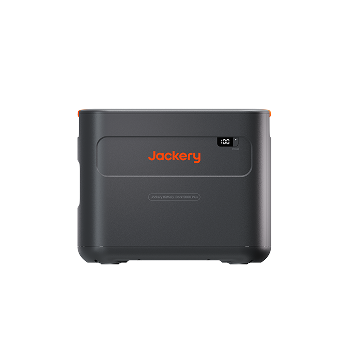
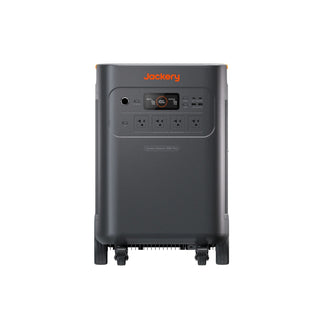
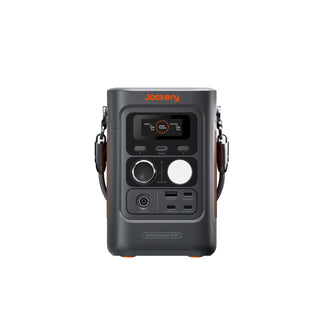
5040 Wh capacity, 7200 W continuous (14400 W surge), 120 V & 240 V dual‑voltage, expandable to 60 kWh. |
Extended essential backup for refrigerators, well pumps, and A/C units during multi‑day outages. |
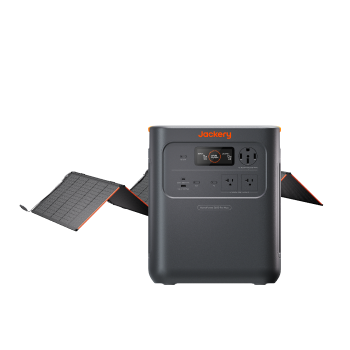
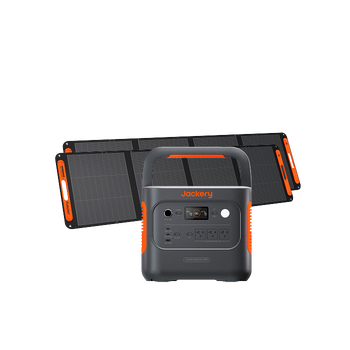
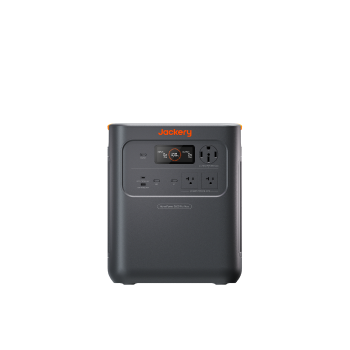
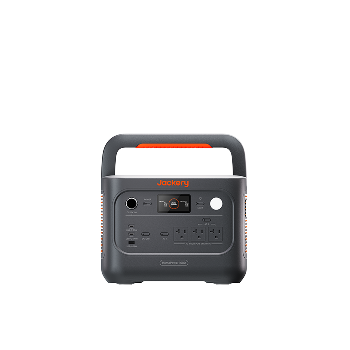
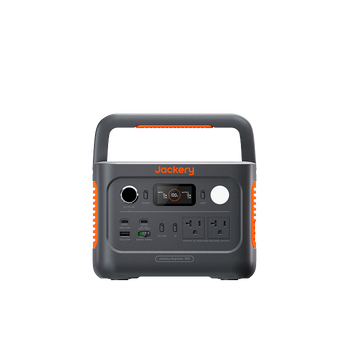
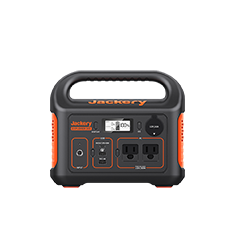
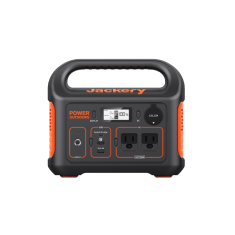
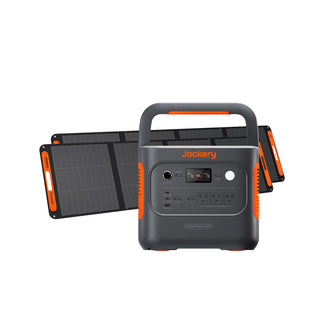
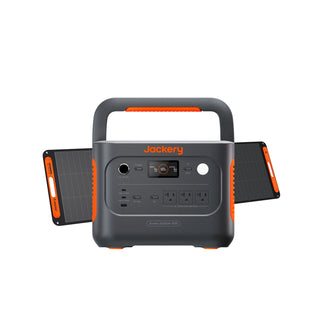
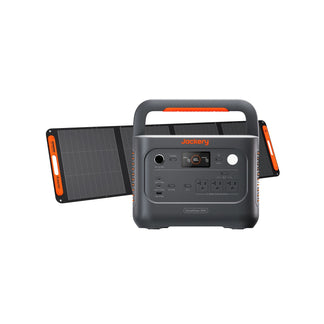
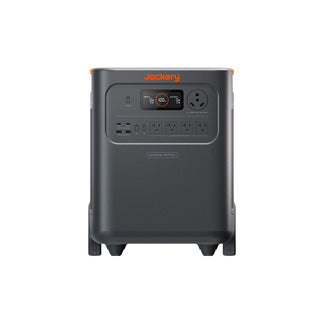
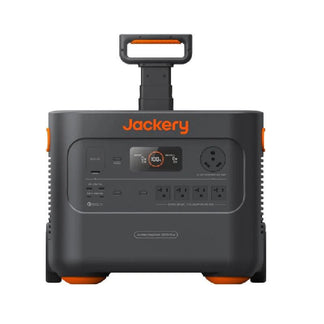
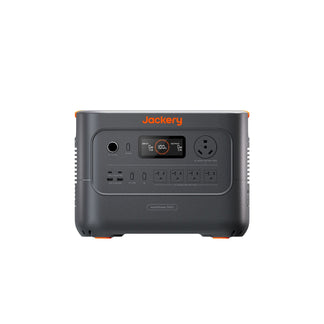
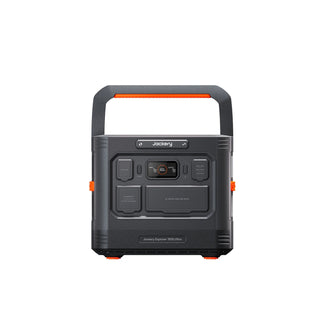
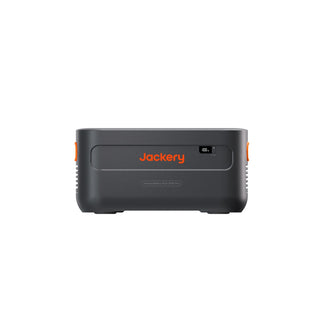
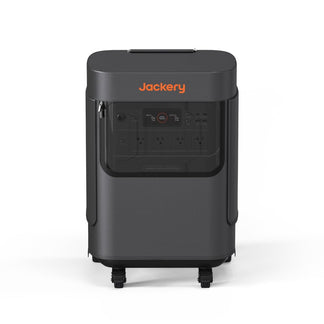
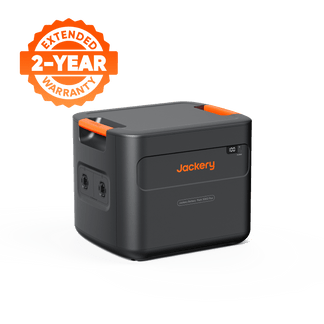
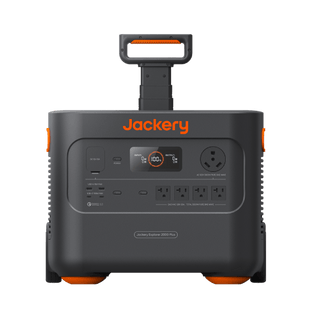
Jackery Explorer 2000 v2 |
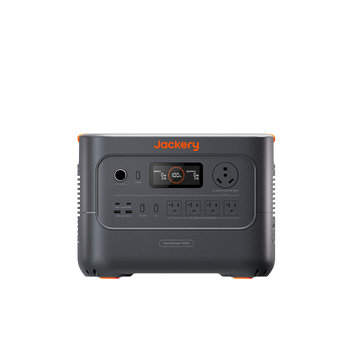
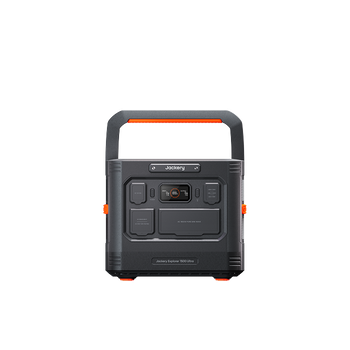
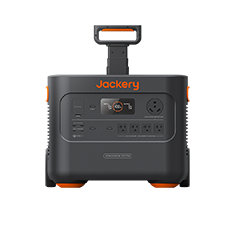
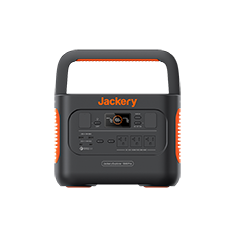
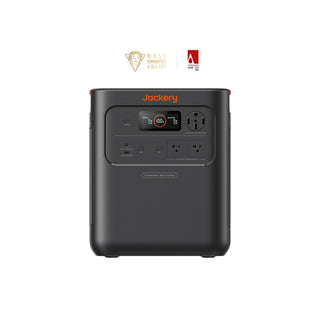
2042 Wh, 2200 W output (4400 W surge), 39.5 lbs, LiFePO₄, 1.7‑hour emergency super charge, <20 ms UPS mode. |
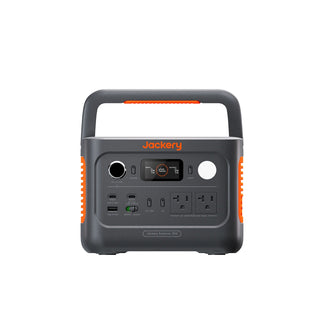
Targeted backup for a fridge, router, lights, and a portable AC — sized to avoid overspending. |
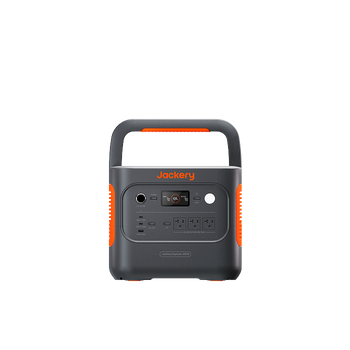
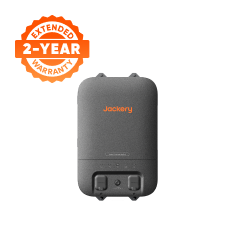
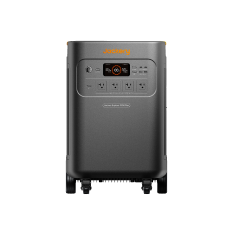
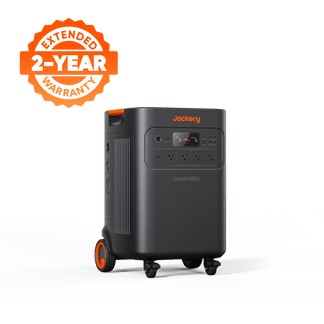
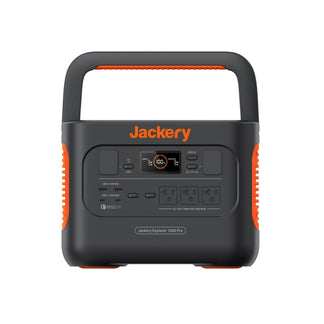
High-capacity battery backup generators like the Explorer 5000 Plus pair with solar to create a self‑sufficient loop — harvest during the day, run circuits through the night.
Frequently Asked Questions (FAQ)
What is the average lifespan of a solar panel?
Premium residential panels retain 90–92% of original capacity after 20 years and continue producing usable power well beyond 30–40 years with gradual annual decline.
Can hail damage solar panels?
Modern panels are certified to withstand 1‑inch hail at 50 mph. Larger hailstones can crack the glass, requiring individual panel replacement.
Do solar panels increase my home’s property taxes?
Property tax treatment varies by locality and state law. In many areas, the added home value from panels does not automatically raise your annual assessment, but you should confirm with your local assessor.
How often do I need to replace the inverter?
String inverters typically need replacement after 10–15 years. Microinverters and DC optimizers often last the full 25‑year panel warranty period.
Can I monitor my system’s real‑time performance?
Yes, most modern solar systems include mobile apps that track per‑panel output, alerting you instantly to shading, soiling, or equipment failures as they happen.


