






![[Add-on] Jackery SolarSaga 500 X - Jackery](http://www.jackery.com/cdn/shop/files/add-on-jackery-solarsaga-500-x-1493607.webp?v=1786503068&width=324)
![[Add-on] Jackery Battery Pack 5000 Plus - Jackery](http://www.jackery.com/cdn/shop/files/add-on-jackery-battery-pack-5000-plus-6713401.webp?v=1786503068&width=324)



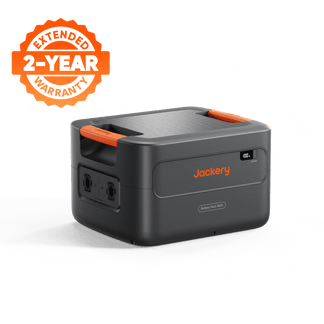
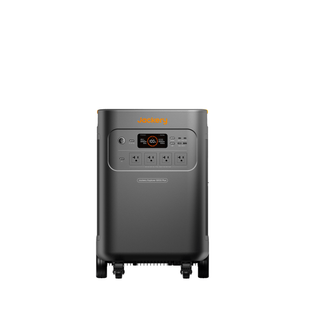
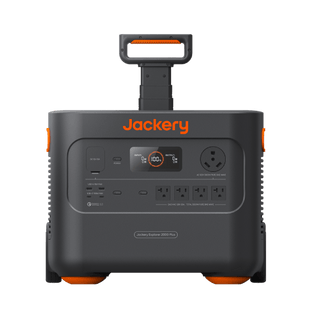
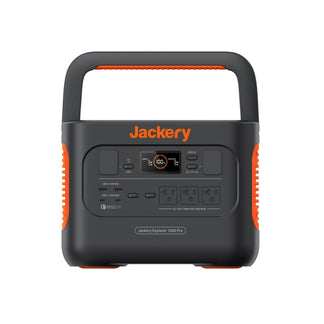
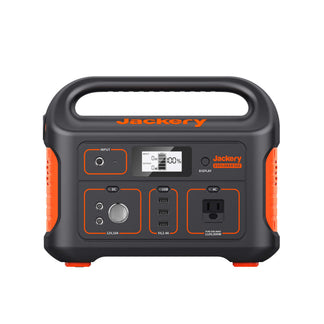
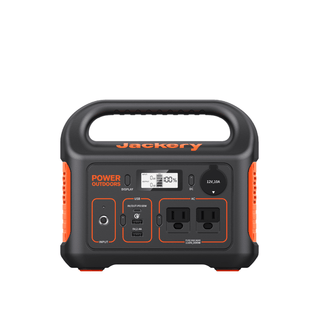
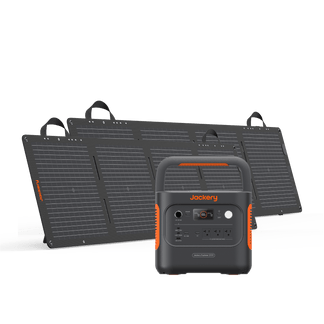
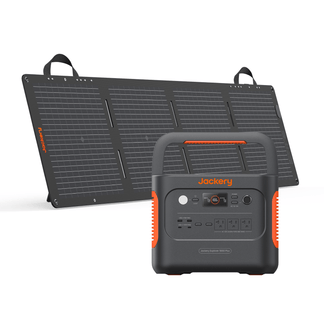
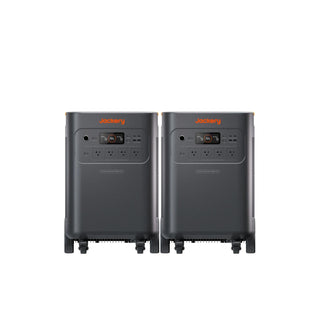
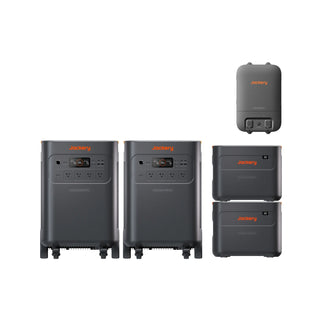
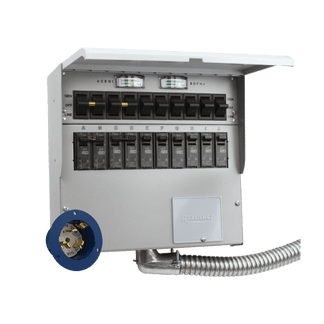


When household power demand exceeds a solar generator’s inverter limit, an inverter overload may limit output, prevent a load from starting, display a fault, or shut down the unit. The exact response and reset procedure depend on the model. Stop adding appliances, turn off nonessential loads, and follow the manual before attempting a restart.
The key sizing question isn’t just how much energy the unit stores. Inverter watts determine whether connected loads can run at the same time, while watt-hours mainly indicate stored energy and potential runtime.
What Happens During an Inverter Overload?
The immediate result is a model-specific protection response, not a universal failure mode. A solar generator may limit output, refuse to start a newly connected appliance, display an overload or fault message, or shut down. Connected demand should remain within the manufacturer’s stated output rating, a conservative boundary supported by portable-generator safety guidance and relevant safety guidance from ESFI.
Use this table to match the symptom with the first practical action:

| What you observe | What it may indicate | First action |
|---|---|---|
| A load fails to start | Startup demand may exceed the available surge rating | Remove nonessential loads and review the appliance’s documented startup requirement |
| Output stops or an overload/fault indication appears | Connected demand may exceed the inverter’s permitted output | Stop adding loads, reduce the simultaneous load, and read the exact model manual |
| The unit shuts down after several appliances are running | Combined or sustained demand may be too high | Turn off nonessential appliances and compare the running-watt total with continuous output |
| The fault persists or the unit shows unusual heat, odor, or smoke | The problem may not be a simple load mismatch | Stop using the unit and seek model-specific guidance from the manufacturer or a qualified professional |
Follow these steps after an apparent inverter overload:
- Stop adding appliances or other loads.
- Turn off or disconnect nonessential loads so the generator is no longer carrying the full household electrical demand.
- Read the display, indicator, or fault message, and locate the exact model manual.
- Restart the unit only as the manual describes. Do not bypass protection or repeatedly restart a unit that continues to show a fault or abnormal symptoms.
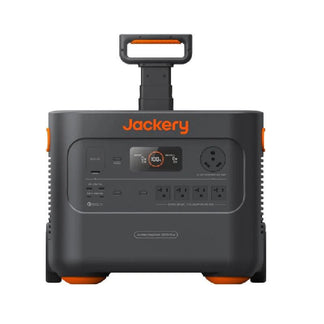
A manual for one model cannot establish the response for every solar generator. For example, the Explorer 2000 Plus manual provides model-specific operating guidance, not a universal shutdown or reset rule. The technical standard for portable generators likewise provides design context rather than a single response for every unit. The same principle applies to the battery rating: a larger watt-hour figure does not automatically provide more instantaneous inverter output.
Is the Overload a Startup Surge or Sustained Household Demand?
Treat the timing of the failure as a clue, not a diagnosis. Compare the loads running together with the largest startup event that occurs while those loads are already operating. Continuous output and starting or surge output are separate specifications, so both matter when matching a solar generator to household loads.
Before interpreting the symptom, make a short load record:

- List every appliance intended to operate at the same time.
- Record each appliance’s documented running-watt figure.
- Mark equipment with motors, compressors, pumps, or another documented startup requirement.
- Identify the largest startup event that could overlap with appliances already running.
- Compare the combined running demand with the exact model’s continuous output, then compare the overlapping startup event with its surge rating.
Running Demand From Loads Operating Together
Running demand is the power required after appliances reach normal operation. Add the documented running watts for the loads that must run together, then compare that total with the generator’s continuous inverter output. Don’t add unmeasured loads simply because the battery has energy remaining or the displayed watt-hour capacity is large.
This is where accumulated household power demand can become the issue. A unit may appear to work with one appliance, then show an overload after several others are added. If the combined running demand remains above the continuous rating, waiting between startups won’t solve the underlying limit. Reduce the load profile or use an inverter with more documented continuous output.
Watts and watt-hours answer different questions. Watts describe the immediate output the inverter must deliver. Watt-hours describe the stored energy available over time, subject to operating conditions and conversion losses. A larger battery can extend runtime without enabling an undersized inverter to run a higher-demand appliance.
Startup Surge From Loads Beginning Operation
Some motors, compressors, pumps, and similar equipment may briefly need more power when starting than they use during steady operation. A failure at the exact moment one of these appliances starts points toward checking startup demand first. A failure only after additional appliances are connected, or during continued operation, points more toward combined or sustained demand.
Timing alone doesn’t prove the cause. Find the appliance’s documented startup requirement and compare it with the generator’s surge rating while accounting for loads already running. Don’t apply a universal startup multiplier, and don’t assume solar input can overcome the inverter’s output limit. If the documentation isn’t available, the responsible conclusion is that the load profile hasn’t been measured well enough for a confident compatibility decision.
For help interpreting the numbers on an appliance label or specification sheet, use this power formula and wattage guide. It’s a calculation aid, not a substitute for the exact appliance and generator specifications.
Which Fix Fits the Overload: Reduce Loads, Stagger Startup, or Size Up?
Choose the fix based on whether the problem is a brief, documented startup event or a continuous load profile that exceeds the inverter. The three options aren’t interchangeable: staggering changes timing, reducing loads changes demand, and sizing up changes the available inverter output.
| Option | Use it when | Hard limit |
|---|---|---|
| Reduce loads | An essentials-only profile fits the current continuous and surge ratings | You must keep simultaneous demand within those ratings |
| Stagger startup | One brief, documented startup event is the problem and each appliance can start without overlapping another startup | Staggering does not increase continuous inverter capacity |
| Size up | Required appliances must run together, a priority load exceeds the continuous limit, or the documented profile doesn’t fit | The new model still needs to match the documented running and startup profile |
- Reduce loads for essentials-only backup. Remove nonessential appliances and decide which loads truly need to operate together. This is the right first adjustment when the reduced profile fits the current model’s continuous and surge ratings.
- Stagger startup for a documented brief event. Start one load before another only when the appliance documentation and generator ratings support that sequence. Leave enough output margin for loads already running. Staggering may address overlap at startup, but it can’t make a continuously excessive load acceptable.
- Choose a larger inverter when the profile doesn’t fit. Size up when necessary appliances must run simultaneously or the documented running and startup profile exceeds the current inverter. Compare continuous output and surge capability before considering watt-hours for runtime.
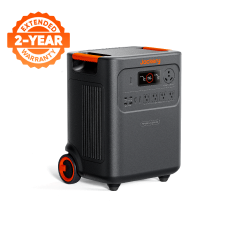
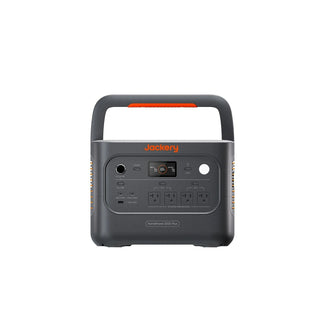
As a bounded example, our HomePower 3600 Plus lists 3,600 W of output. That figure illustrates the watts-versus-watt-hours distinction; it doesn’t prove that any particular appliance combination will run. Compare your written load profile with the exact model’s continuous and surge specifications before choosing a system.
For a pre-purchase decision, write down the appliances that must run together, each documented running-watt figure, the highest overlapping startup requirement, and the exact generator’s continuous and surge ratings. If the profile exceeds the current inverter, remove simultaneous loads or select a larger inverter. Make that written comparison before the next outage or purchase.
Frequently Asked Questions
The answers below address the model differences and load comparisons that matter when diagnosing an overload.
What Happens When a Solar Generator Has an Inverter Overload?
It may limit output, fail to start a load, display an overload or fault indication, or shut down. The result varies by model, so stop adding loads and identify the displayed condition before following the manual’s recovery instructions.
How Can I Tell Whether Startup Surge Caused the Overload?
A failure exactly when a motor, compressor, or pump starts is a reason to investigate startup demand. A failure after loads accumulate or during continued operation points toward sustained or combined demand. Confirm the cause with the appliance documentation and the generator’s continuous and surge ratings.
What Should I Do After a Solar Generator Shuts Down From Overload?
Turn off or disconnect nonessential loads first. Then use the exact model manual for reset instructions. If the fault persists or the unit has unusual heat, odor, or smoke, stop using it and contact the manufacturer or a qualified professional rather than repeatedly restarting it.
How Do I Size a Solar Generator for Household Loads?
Record the total running demand of the loads intended to operate together and the largest startup requirement that may overlap. Compare both with the exact model’s continuous and surge ratings. Use watt-hours to assess runtime separately; don’t use battery capacity as a substitute for inverter output.


