


















![[Add-on] Jackery SolarSaga 500 X - Jackery](http://www.jackery.com/cdn/shop/files/add-on-jackery-solarsaga-500-x-1493607.webp?v=1786503068&width=324)
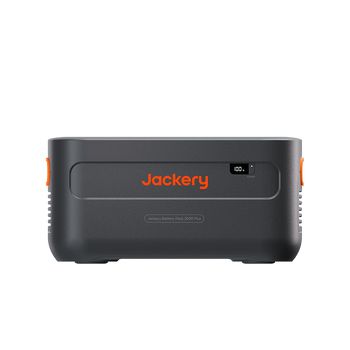
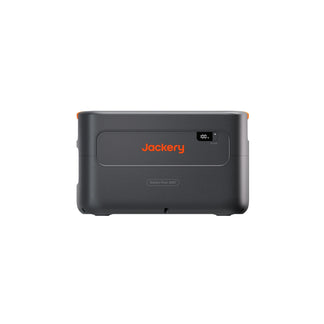
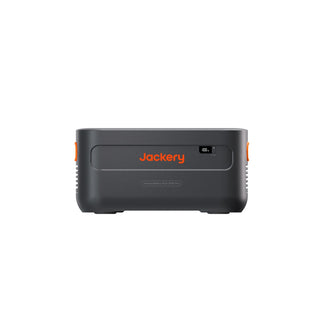
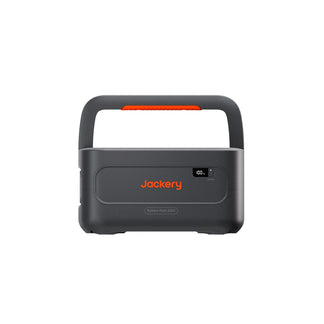
![[Add-on] Jackery Battery Pack 5000 Plus - Jackery](http://www.jackery.com/cdn/shop/files/add-on-jackery-battery-pack-5000-plus-6713401.webp?v=1786503068&width=324)















Quick Answer:
Solar panels convert sunlight into DC electricity through the photovoltaic effect—photons knock electrons loose from silicon atoms. A charge controller regulates that energy into a battery bank, and an inverter turns stored DC into AC for appliances. For off-grid homes, understanding every step of how solar panels work from sunlight to electricity is non-negotiable, because you’re the utility. Sizing must cover the darkest winter week, not just a sunny afternoon, and battery storage is mandatory.
Key Takeaways
- Off-grid solar requires 100% self-sufficiency: you must size panels and batteries for worst-case conditions, not average output.
- The photovoltaic chain is pure physics—sunlight → freed electrons → DC current—and each conversion loss eats into usable power.
- LiFePO4 battery chemistry (3,000–5,000 cycles, 10–15 years) is the standard for long-term off-grid storage.
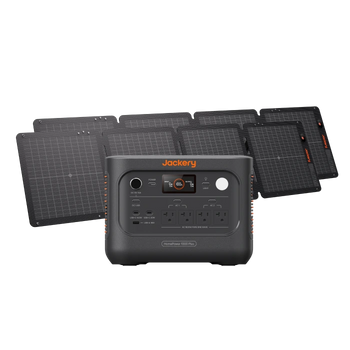
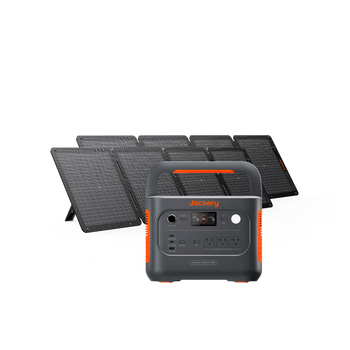
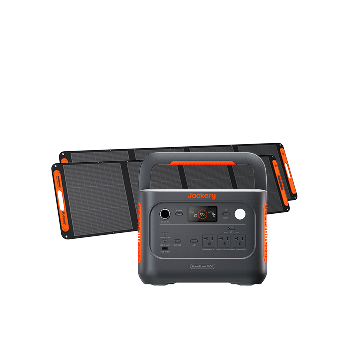
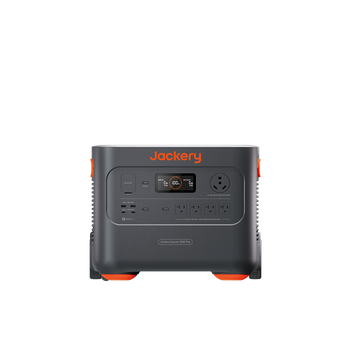
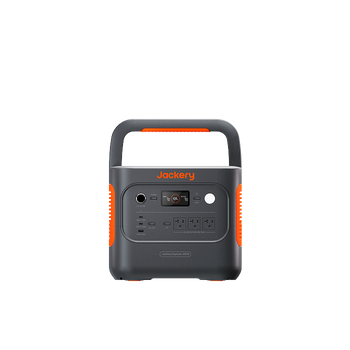
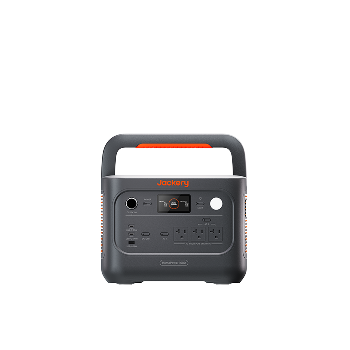
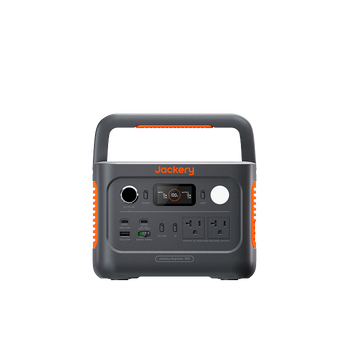
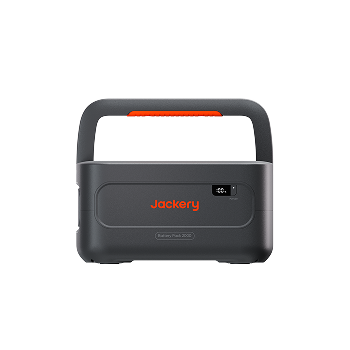
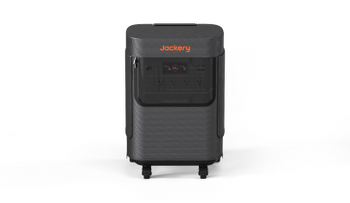
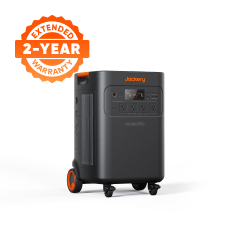
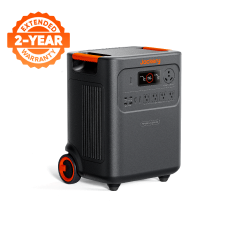
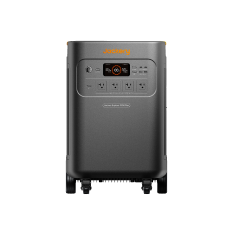
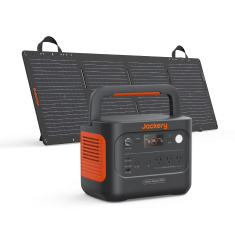
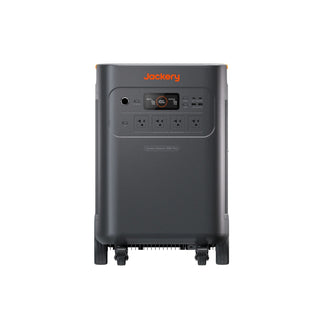
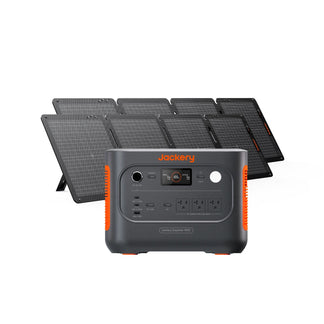
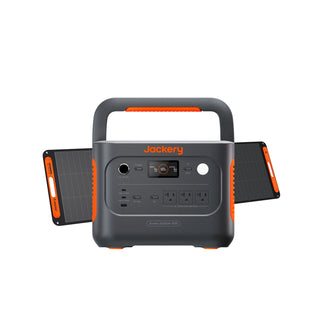
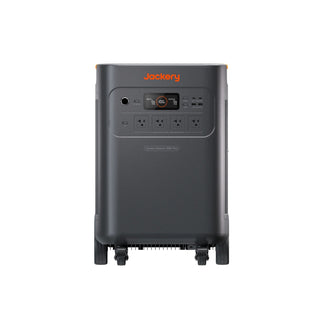
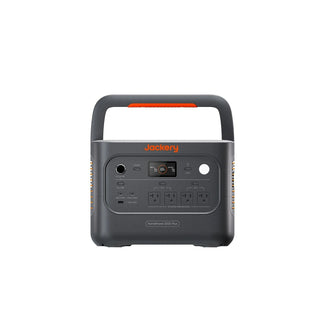
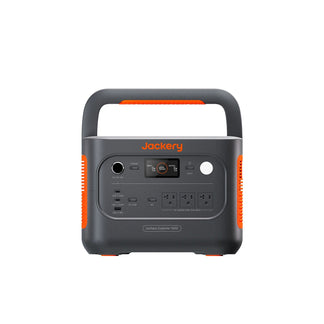
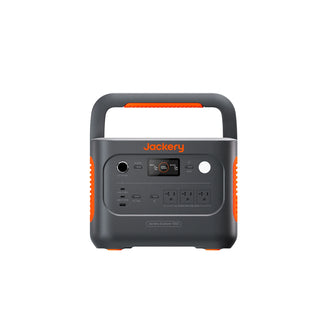
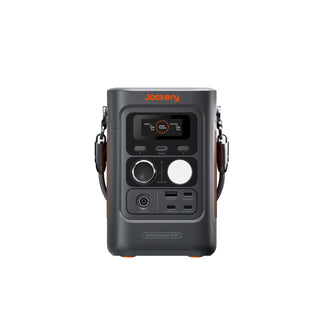
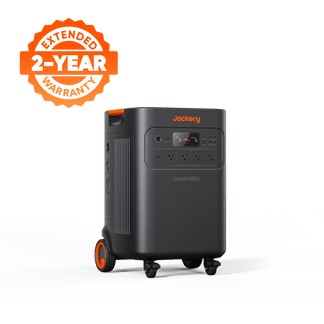
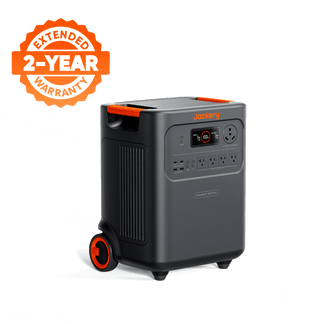
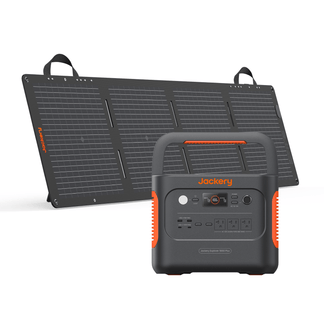
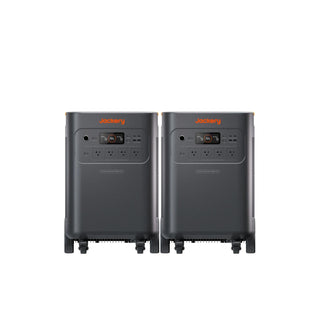
- A portable power station like the Jackery Explorer 5000 Plus Portable Power Station, when paired with SolarSaga 500X panels, can provide essential home backup without permanent installation, but it’s not a whole-home substitute.
- MPPT charge controllers extract 20–30% more energy than simpler PWM controllers in the same conditions.
Why Off-Grid Solar Demands a Deeper Understanding Than Grid-Tied Systems
Off-grid systems must generate, store, and deliver every watt without utility backup, demanding precision sizing for the darkest weeks—unlike grid-tied homes that use the grid as a battery. A single error in load calculation or battery capacity leads to silent nights.
- Upfront cost: $15,000–$30,000 for a permanent system, trading monthly bills for a one-time investment.
- Battery storage mandatory: Batteries are not optional; you must store all energy.
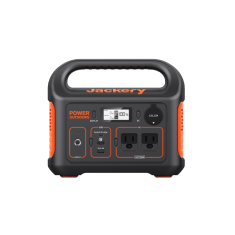
- Portable alternative: Solar generators like the Jackery Explorer 5000 Plus avoid permits and can be relocated, but still require careful load analysis (e.g., a fridge and lights need 2,000Wh for 12 hours).
Load analysis focuses on watt-hours over 24 hours, not just watt ratings. A 10W router running continuously draws 240Wh per day—a detail many first-time off-gridders overlook.
The Photovoltaic Effect: Understanding the Core Science for System Sizing
Photons with sufficient energy knock electrons free from silicon atoms, generating about 0.5V per cell. Panels wire 60–72 cells in series to deliver 30–40V open-circuit for battery charging—a silent, solid-state process. Commercial panels convert 15–22% of sunlight to electricity; higher efficiency (20%+) saves space. The Shockley-Queisser limit caps single-junction silicon at 33.7% theoretical efficiency.
Temperature derating: for every degree Celsius above 25°C (77°F), output drops 0.3–0.5%. A 300W panel may deliver only 260W at 40°C. Shading kills strings: a single leaf can halve a panel’s output. Bypass diodes (typically three per 60‑cell module) isolate shaded groups to prevent hot spots.
The Four-Step Conversion Chain
1. Absorption: Photons with energy ≥ silicon’s bandgap (1.1 eV) transfer energy to electrons; lower-energy photons heat the panel.
2. Excitation: Electrons break free, creating electron-hole pairs that drive current.
3. Current Generation: Metal fingers and bus bars collect freed electrons, producing DC electricity.
4. Storage or Inversion: A charge controller regulates DC voltage to charge batteries; an inverter converts DC to AC for appliances. Total round-trip loss: 10–20%.
MPPT: The Critical Efficiency Booster
Maximum Power Point Tracking adjusts input to harvest peak watts, boosting yield 20–30% over PWM. A 400W array with MPPT behaves like 480W on a basic controller, and MPPT compensates for voltage drop from heat or cloud cover.
Essential Components Beyond Panels: What Off-Grid Users Actually Need
- Solar charge controller: Regulates voltage to prevent overcharging. MPPT essential; a 30A MPPT unit handles up to 400W of 12V panels.
- Battery bank: LiFePO4 batteries, with 3,000–5,000 cycles at 80% depth of discharge (10–15 years), cost $800–$1,300 per kWh installed in 2026. A 5kWh LFP battery forms the core of any off-grid system.
- Pure sine wave inverter: Converts DC to 120V AC; modified sine wave can damage electronics. A 3,000W unit handles typical loads, but motors require 2–3× surge capacity.
- Overcurrent protection: Fuses/breakers between components, sized per code to prevent fire.
- Battery management system (BMS): Built into LiFePO4 batteries; prevents overcharge, deep discharge, and temperature extremes, cutting off charging below 0°C unless heated.
- Wiring: Undersized wire causes voltage drop and heat. Use pre-sized wiring kits matched to system voltage and current.
Limitations: Winter, Clouds, and Shade Constraints
Off-grid solar’s biggest vulnerability is weather. Key limitations include:
- Winter production drops 50–80% at northern latitudes (1–2 peak-sun hours/day in December). Oversizing the array by 30–50% is standard above the 40th parallel.
- Cloud cover slashes output 10–80%; a 5kWh clear-day system may deliver 1kWh under heavy overcast, making 2–5 days of battery autonomy essential.
- Tilt angle: a fixed flat panel loses 15–25% in winter vs. a 60° tilt.
- Soiling causes 5–25% loss; monthly cleaning restores output.
- Panel degradation: 0.5–0.8% per year (a 300W panel becomes 270–285W after a decade).
- LiFePO4 batteries derate in cold: below 0°C, capacity shrinks 20–30% unless the BMS includes a heating element.
Off-Grid Sizing: How to Calculate Your Solar Requirements
1. Daily energy audit
List every appliance and its daily watt-hours. Example: refrigerator 1,500Wh, lights 200Wh, laptop 150Wh, water pump 300Wh → total 2,150Wh/day.
2. Peak sun hours
Use your location’s winter peak-sun hours. Phoenix averages 6+ hours; Seattle 3–4 hours. Off-grid sizing uses the poorest month, not the annual average.
3. Battery capacity
(Daily Wh × Days of Autonomy) ÷ Battery Voltage = Amp-Hours
Example: 2,150Wh × 3 days autonomy = 6,450Wh. Using a 48V battery bank: 6,450 / 48 = 134Ah at 48V. Add 50% depth-of-discharge cushion for lead-acid; LiFePO4 can use 90% but reserve 20%.
4. Panel wattage
(Daily Wh ÷ Peak Sun Hours) × 1.25 = Minimum Panel Array
Example: 2,150Wh ÷ 3 h = 717W × 1.25 = 896W. A 900W array of three 300W panels covers the base, with a 25% buffer for inefficiencies.
5. Inverter sizing
Sum all simultaneously running AC watts, then double for startup surges. 2,000W continuous loads need a 4,000W surge-capable inverter.
6. Generator backup
A gas or propane generator provides emergency charging during extended cloudy periods. Even a 2,000W inverter generator can pour 80A into a 48V battery bank in a few hours.
7. Production ratio
Multiply nameplate panel wattage by your region’s production ratio (1.1–1.6). A 900W array with a 1.2 ratio delivers roughly 1,080 kWh per year.
Grid-Tied vs True Off-Grid: Practical Trade-Offs
Option |
Best For |
Key Trade-offs |
Typical Cost |
Off-grid |
Full independence, remote locations |
No electric bill, but requires 3–5 days battery autonomy and 150% array oversizing; all maintenance on you |
$15,000–$30,000 |
Grid-tied |
Lower upfront cost, utility backup |
Cheaper system, but shuts down during blackouts unless battery is added; still pays connection fees |
Lower upfront, but ongoing utility costs |
Portable solar generator |
Renters, RV owners, temporary backup |
No permits, movable, but limited capacity; not whole-home |
Varies by capacity (e.g., Jackery Explorer 5000 Plus ~$3,000+) |
Mistakes to Avoid When Going Off-Grid with Solar
Common mistakes include:
- Mistake 1: Undersizing battery capacity – Settling for a single day of autonomy guarantees shutdowns. Build for at least two cloudy days, three in northern climates.
- Mistake 2: Ignoring winter production – Using summer sun-hour data for sizing leaves batteries dead in January. Oversize the array by 30–50% if you live north of 40° latitude.
- Mistake 3: Mixing incompatible panels – Panels in a series string must share similar voltage and current characteristics. A high‑watt panel paired with an older, lower‑current panel drags the entire string down.
- Mistake 4: Skipping the charge controller – Connecting panels directly to a battery destroys LiFePO4 cells. A quality MPPT controller is not optional.
- Mistake 5: Using undersized wiring – Undersized wiring creates heat and voltage drop, risking fire. Always use wiring kits or cables rated for your system’s current and distance, and consult a professional if unsure.
- Mistake 6: Forgetting inverter idle draw – Modern inverters consume 20–60W just being on. Over 24 hours, that’s 480–1,440Wh wasted. Turn off the inverter when not needed, or choose a model with a low‑power standby mode.
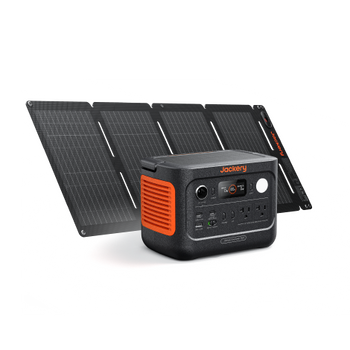
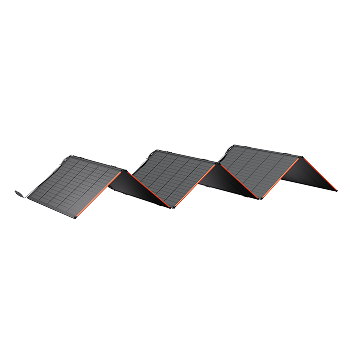
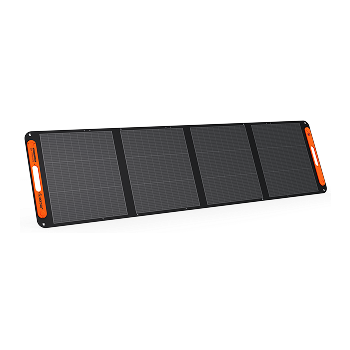
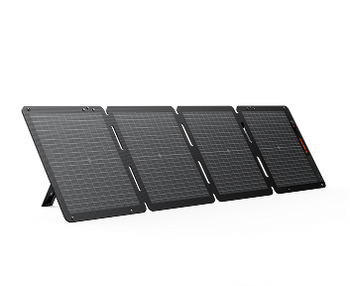
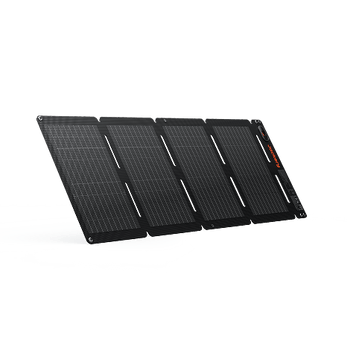
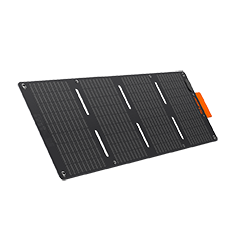
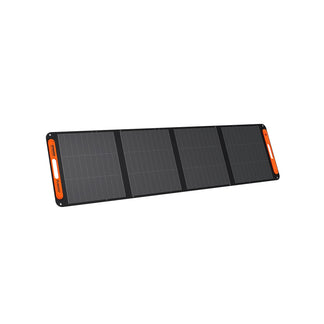
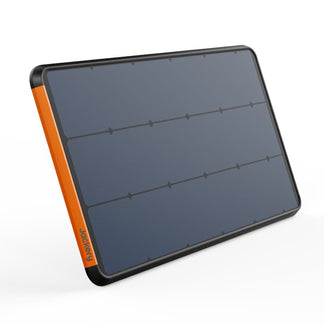
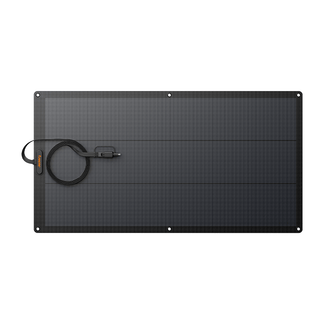
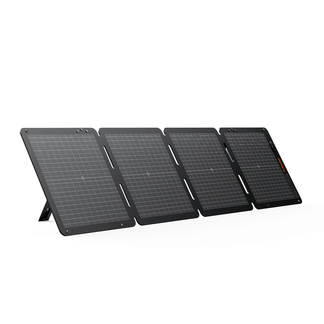
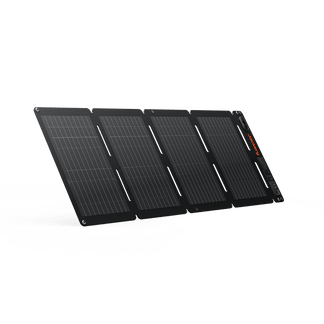
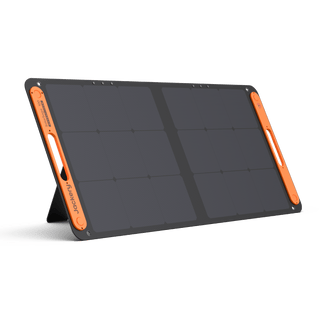
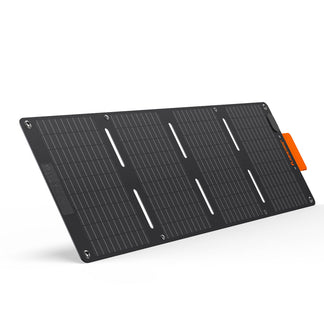
- Mistake 7: Assuming portable panels match roof panels – Portable panels like the Jackery SolarSaga 500X use advanced TOPCon bifacial cells achieving 25% efficiency, exceeding many roof‑mount panels at 18–22%. But they require manual positioning. Treat them as a flexible tool, not a set‑and‑forget asset.
Off-Grid Solar in Action: Jackery Products That Deliver Standalone Power
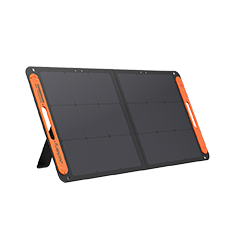
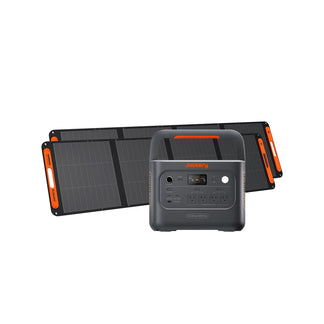
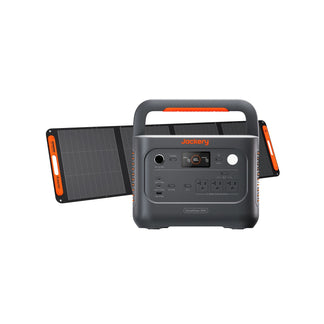
Jackery SolarSaga 500X: High-Efficiency Portable Solar Panel
Feature |
Specification |
Cell technology |
TOPCon bifacial, 25% efficiency (vs. 18–22%) |
Bifacial gain |
5–15% extra energy from reflected light |
Weather resistance |
IP68, -40°C to 85°C |
Portability |
Folds compactly; pairs with 200W panel for 700W peak input |
Deployed, it refills a power station quickly.
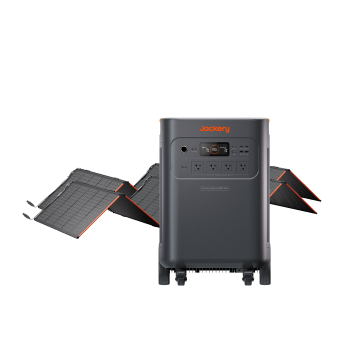
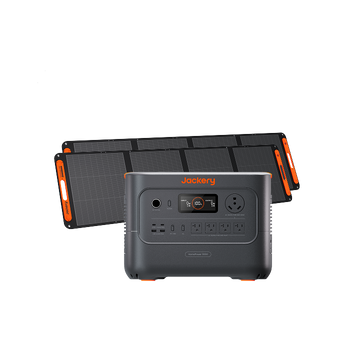
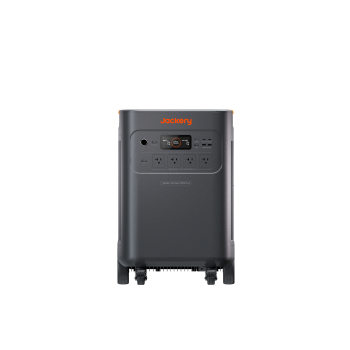
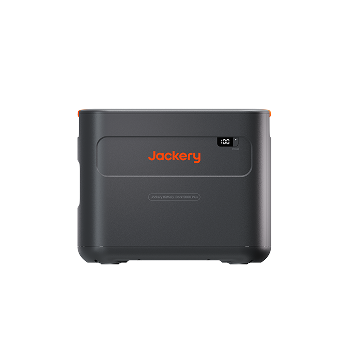
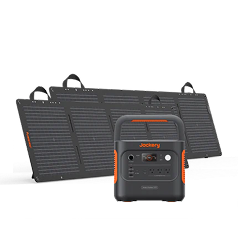
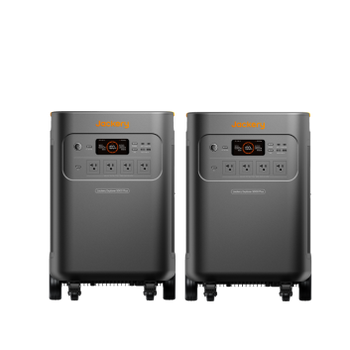
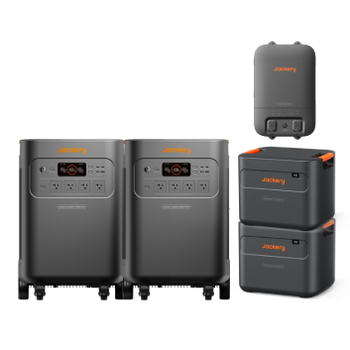
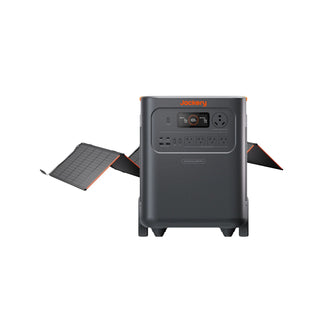
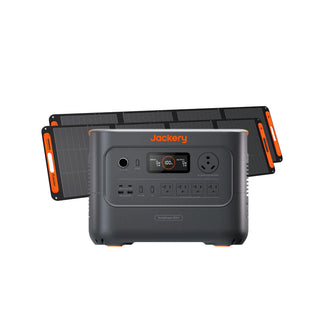
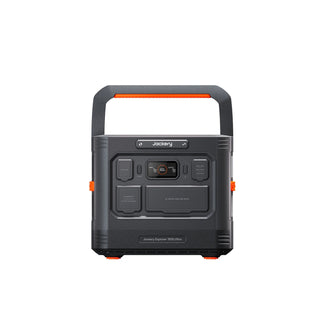
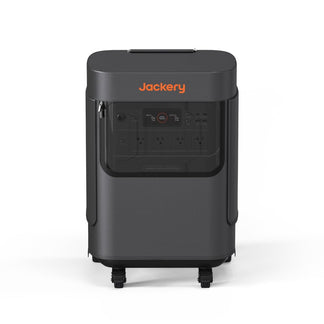
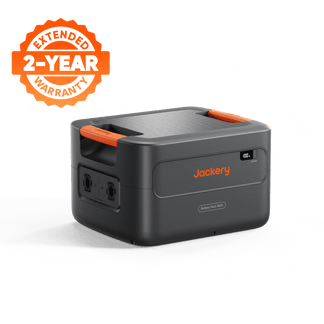
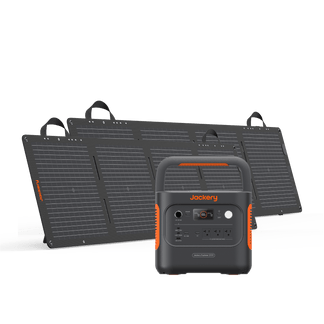
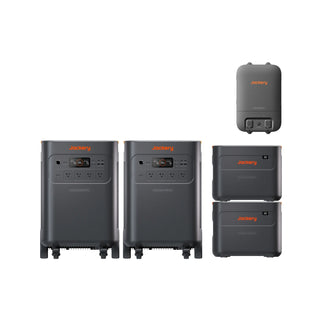
Jackery Solar Generator 5000 Plus + 2x SolarSaga 500X: Essential Home Backup Power
Feature |
Specification |
Key Benefit |
Continuous output |
7,200W (14,400W surge) |
Handles well pumps and compressor startups |
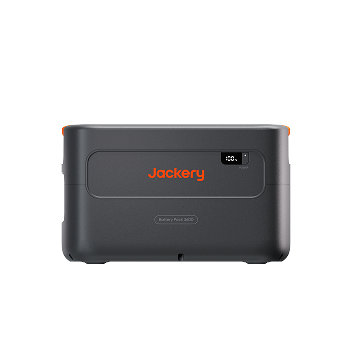
Base capacity |
5,040Wh |
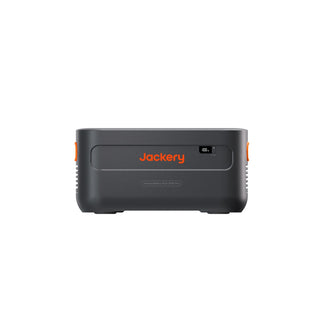
Expandable to 60kWh with extra battery packs |
Solar input |
1,000W max (2×500X panels) |
0–100% recharge in ~6.5 hours of full sun |
Battery chemistry |
LiFePO4, 4,000 cycles to 70%+ capacity |
10‑year rated lifespan for daily cycling |
Charging flexibility |
Solar + AC/generator bypass |
Charges from a generator during extended clouds |
When solar is insufficient, an AC bypass accepts generator input, solving the winter charging gap. For a deeper dive into sizing and multi‑method charging, see how to charge the Explorer 5000 Plus with different methods.
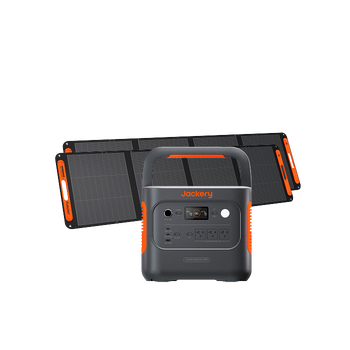
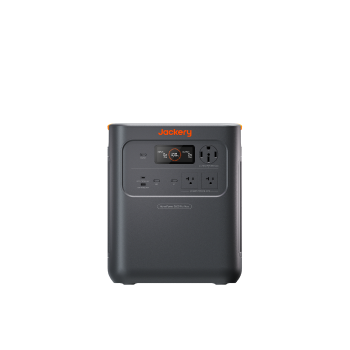
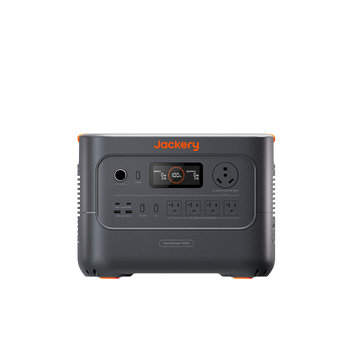
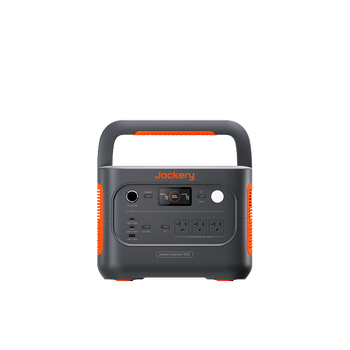
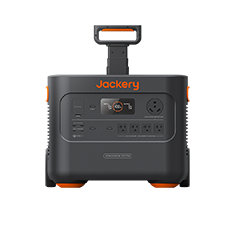
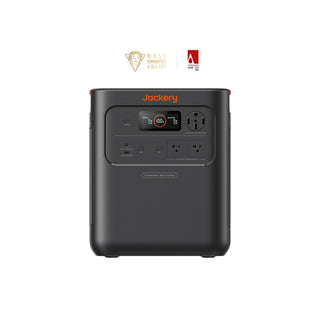
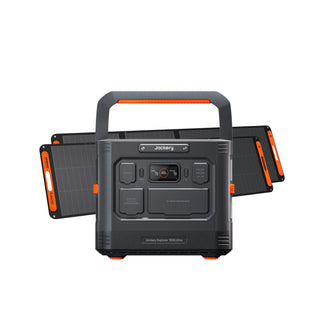
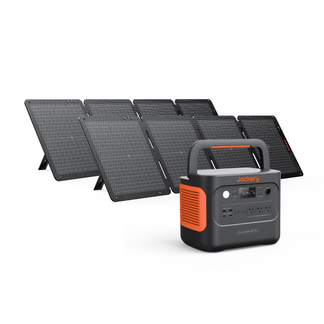
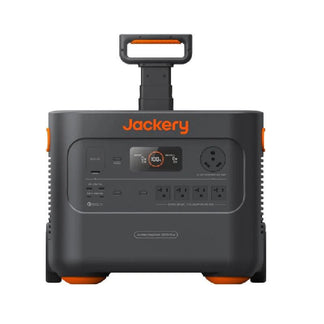
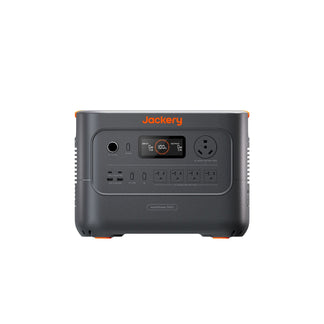
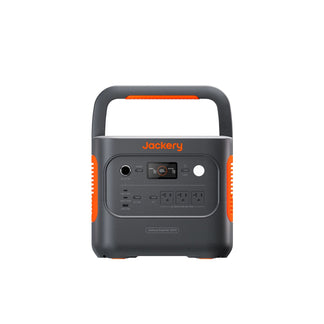
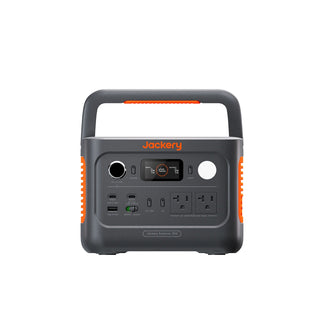
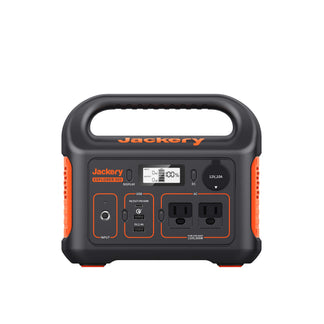
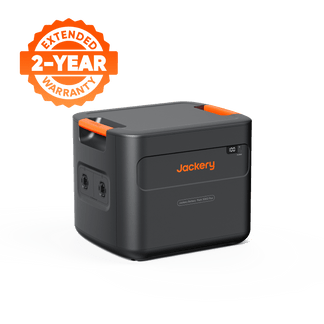
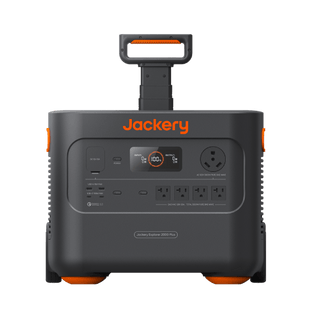
Jackery Explorer 2000 v2 Portable Power Station: Lightweight Off‑Grid Power for Mobile Living
Feature |
Specification |
Key Benefit |
Storage |
2,042Wh LiFePO4 |
Runs a mini‑fridge (24W) for ~85 hours |
Inverter |
2,200W pure sine wave |
Powers induction cooktops without harmonic distortion |
Emergency charge |
0–100% in ~1.7 hours (Emergency Super Charge) |
Quick top‑ups between solar windows |
Weight |
39.5 lb |
40% smaller volume than similar‑capacity units |
Solar input |
Accepts 4×100W panels, recharges in 7.5 hours |
Scalable to RV roof‑space constraints |
At under 40 pounds, the Explorer 2000 v2 moves easily from van to campsite. A detailed product comparison of the 5000 Plus, 2000 Plus, and 3000 Pro breaks down the differences.
Frequently Asked Questions (FAQ)
What is the average lifespan of a solar panel?
Most residential panels carry a 25–30‑year performance warranty and continue producing at reduced output for another 10–15 years, with annual degradation around 0.5–0.8%.
How does snow affect solar panel performance?
Heavy snow blocks light completely, but panels shed snow quickly due to their tilt and the heat generated during operation. A steep winter tilt angle accelerates shedding.
Can I take solar panels with me when I move?
Yes, but removal and reinstallation typically cost $3,000–$5,000 and may void roof‑penetration warranties. Portable solar generators avoid this entirely.
Does homeowners insurance cover solar panels?
Standard policies usually cover panels as a property addition, but you must notify your insurer to confirm the increased replacement value is included.
How are solar panels recycled at end of life?
Up to 95% of a panel’s materials—glass, aluminum frames, silicon cells—can be recovered through specialized recycling facilities, though infrastructure is still scaling.


