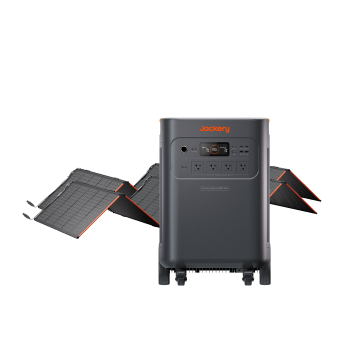
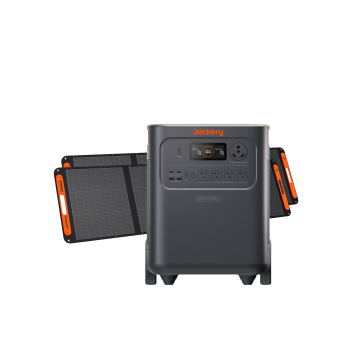
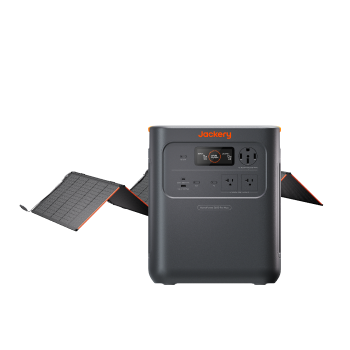
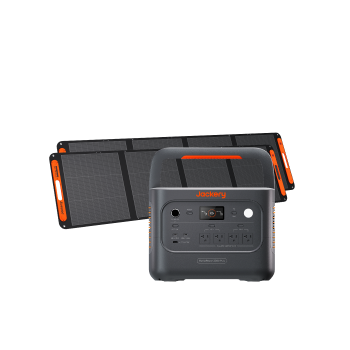























































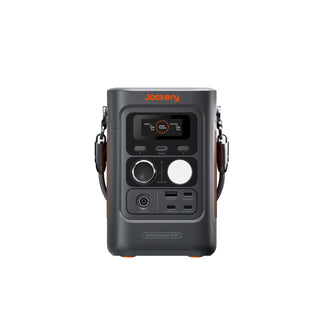
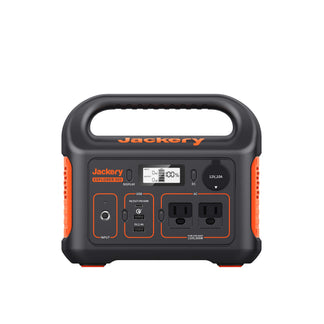
![[Add-on] Jackery SolarSaga 500 X - Jackery](http://www.jackery.com/cdn/shop/files/add-on-jackery-solarsaga-500-x-1493607.webp?v=1786503068&width=324)
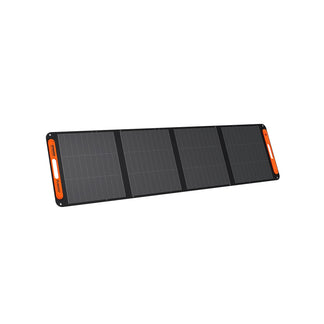
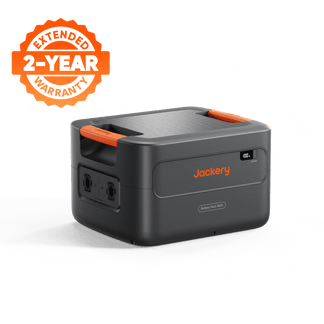
![[Add-on] Jackery Battery Pack 5000 Plus - Jackery](http://www.jackery.com/cdn/shop/files/add-on-jackery-battery-pack-5000-plus-6713401.webp?v=1786503068&width=324)















Quick Answer: Monocrystalline panels (20–23% efficiency) are now the default residential choice thanks to vanishing price premiums; they maximize limited roof space. Polycrystalline costs less per panel but demands 20–30% more area for the same power. Thin-film is lightweight and shade-tolerant but degrades quickly and lasts only 10–20 years, making it a niche option.
Key Takeaways:
- Monocrystalline panels convert 20–23% of sunlight into electricity, making them the clear winner for space-constrained residential roofs where every square foot counts.
- The installed cost for an 8 kW residential system in 2026 runs $20,000–$30,000 installed, with payback periods of 7–12 years depending on local electricity rates and sun hours.
- Thin-film panels degrade fastest — losing 1–2% output in year one alone — and typically need replacement after 10–20 years, creating a long-term cost risk crystalline panels don't carry.
- Choosing polycrystalline to save upfront money can backfire: needing 40% more panels often erases those savings through extra mounting hardware, racking, and labor costs.
- Temperature matters less than most buyers think — monocrystalline loses about 0.3–0.4% efficiency per °C above 25°C, while thin-film handles heat better but degrades faster in those same hot conditions.
The Real Cost of Choosing Wrong
Pick the wrong panel type, and you pay twice: once at installation, again every month your system underperforms. The trade-offs come down to three key tensions:
- Space vs. upfront cost: Monocrystalline panels pack more watts into less square footage but carry a higher per-panel price. Polycrystalline saves money upfront but demands a larger installation area — and if your roof can't accommodate that extra footprint, those savings evaporate instantly.
- Lifespan vs. niche advantages: Thin-film introduces a different risk entirely. The technology's 10–20 year lifespan and rapid initial degradation create a premature replacement problem. A crystalline panel still produces ~87% of its rated output at year 25. A thin-film panel may need complete replacement before year 15.
- Heat tolerance vs. degradation: Temperature sensitivity creates "pick your poison" anxiety. Mono loses efficiency in extreme heat. Thin-film degrades faster in those same hot conditions. Neither wins in the desert — you're choosing which weakness you can live with.
- Aesthetics vs. performance: Aesthetics versus performance is a real struggle for homeowners who care about curb appeal. Mono offers a sleek, uniform black appearance. Poly's blue speckled, fragmented look often clashes with modern home designs — a consideration that matters more than installers admit.
Understanding how solar panels integrate with storage systems helps clarify the full picture before committing to a panel type.
Mistake #1: Assuming All "High-Efficiency" Panels Perform the Same
"High-efficiency" is a marketing term, not a standard. The number behind it tells the real story.
Monocrystalline: The Efficiency Leader
Monocrystalline panels convert 20–23% of sunlight into electricity — the highest among standard residential options. A single 400W monocrystalline panel occupies roughly 18–20 square feet. That density matters when roof space is finite.
Polycrystalline: The Budget Workhorse
Polycrystalline panels lag at 15–17% efficiency. Multiple crystal boundaries impede electron flow, creating inherent resistance losses. To match a 400W mono panel's output, you need a physically larger poly panel — roughly 22–25 square feet for the same wattage.
Thin-Film: The Space Hog
Thin-film tops out at 10–13% efficiency. You need approximately twice the roof area to match crystalline output. On a 500-square-foot roof section, mono might deliver 5 kW. Thin-film delivers 2.5–3 kW from the same space.
Temperature Coefficient: Heat Changes the Math
Monocrystalline loses about 0.3–0.4% efficiency per °C above 25°C (77°F). On a 35°C (95°F) roof, that's a 3–4% output drop. Thin-film degrades less per degree in extreme heat — but remember, it degrades faster over time regardless of temperature.
Low-Light Performance
Monocrystalline harvests more diffuse morning and evening light than polycrystalline. That extends productive hours by 30–60 minutes daily — small per day, significant across 25 years.
PERC Technology: The New Standard
Modern monocrystalline panels include Passivated Emitter and Rear Cell (PERC) technology. A reflective layer behind the cells captures light that would otherwise pass through, boosting efficiency and low-light performance. For 2026 installations, PERC-equipped mono panels are the baseline, not the upgrade.
Panel Type |
Efficiency Range |
Space Needed for 5 kW |
Best Use Case |
|---|---|---|---|
Monocrystalline (PERC) |
20–23% |
250–300 sq ft |
Space-limited residential roofs |
Polycrystalline |
15–17% |
350–400 sq ft |
Ground-mounts with ample area |
Thin-Film (CIGS) |
10–13% |
500–600 sq ft |
Weight-constrained commercial roofs, RVs |
Mistake #2: Ignoring the Fine Print of Long-Term Degradation
Efficiency at installation is only half the story. What happens in year 10, 15, or 25 determines whether your investment pays off.
Degradation Rates by Panel Type
- Monocrystalline: Degrade at roughly 0.5% annually. After 25 years, they retain approximately 87% of original output under standard warranties. A 400W panel still produces 348W — functional, predictable, insurable.
- Polycrystalline: Degrades slightly faster at 0.5–0.7% per year. The initial efficiency gap with mono widens over decades. A poly panel that started 3% behind mono at installation may trail by 5–7% at year 25.
- Thin-film: Shows the fastest initial degradation. Expect 1–2% output loss in year one alone, followed by stabilization at 0.5–1% annually. Most thin-film warranties cover 10–20 years, not 25 — and the replacement cost lands entirely on you.
Manufacturing Waste: The Hidden Environmental Cost
- Monocrystalline: Manufacturing wastes 30–50% of the silicon. Cylindrical ingots get cut into square wafers, discarding the curved edges.
- Polycrystalline: Uses cast blocks with less cutting waste.
- Thin-film: Deposits material directly onto substrate, minimizing silicon loss.
Recyclability
- Silicon-based panels (mono and poly): Achieve 85–100% material recovery through specialized processors. Glass, aluminum frames, and silicon cells all have established recycling streams.
- Thin-film panels: Containing cadmium telluride require hazardous-material handling, though dedicated recyclers exist.
The "A-Grade" Factor
A-Grade cells are defect-free, while B- and C-grade cells contain micro-cracks that accelerate degradation — and buying lower-grade panels can cut your system's lifespan. Specifically:
- "A-Grade" cells meet strict visual and electrical standards.
- B- and C-grade cells contain micro-cracks or inconsistencies that accelerate degradation.
When buying from wholesalers, verify the panel carries a 25-year power warranty and 10-year workmanship warranty — anything less signals lower-grade sourcing.
Panel degradation directly affects how you size a backup power system — a system sized for day-one output may fall short a decade later if you don't account for annual losses.
Mistake #3: Overlooking Installation Constraints That Kill Performance
A 23% efficient panel installed in the wrong spot performs worse than a 15% panel in the right one. Installation realities override lab specs.
Shading Sensitivity
- Monocrystalline panels: Most sensitive to partial shade. A single shaded cell in a string can disproportionately drop output across the entire array — one leaf or chimney shadow can cut production by 20–40%. Microinverters or power optimizers mitigate this, but they add $0.30–$0.50 per watt to installed cost.
- Thin-film panels: Handle partial shade better due to parallel cell wiring. CIGS panels isolate shade impact to affected cells only. This niche advantage matters on roofs with unavoidable obstructions — but only if you accept the shorter lifespan.
Weight Limitations
- Monocrystalline panels: Average 40–50 pounds each. A 20-panel array adds 800–1,000 pounds to your roof structure. Older homes or those with 2×4 truss spacing may require structural reinforcement — a $1,500–$5,000 unplanned expense.
- Thin-film panels: Weigh roughly half as much as crystalline. For weight-constrained commercial roofs, RVs, or older residential structures, this difference eliminates the need for costly upgrades.
Bifacial Requirements
Bifacial monocrystalline panels capture light from both sides, boosting output 5–15%. But they require elevated ground-mounts or highly reflective surfaces (white roofing, light gravel) underneath. Install bifacial panels flush against a dark asphalt shingle roof, and you've paid extra for a feature that delivers nothing.
Physical Size Limits
- Monocrystalline: Single-crystal ingots cap panel width. Larger arrays need more individual panels — increasing mounting hardware, wiring connections, and potential failure points.
- Polycrystalline: Can be manufactured in larger formats, reducing per-watt racking costs for ground-mount installations.
Constraint |
Mono Performance |
Poly Performance |
Thin-Film Performance |
|---|---|---|---|
Partial shade tolerance |
Poor (string-level losses) |
Poor (string-level losses) |
Good (parallel cell isolation) |
Weight per 400W panel |
40–50 lbs |
42–52 lbs |
20–25 lbs |
Bifacial gain potential |
5–15% (elevated mount) |
Minimal |
Not applicable |
Max practical panel size |
~22 sq ft |
~25 sq ft |
Flexible/rollable formats |
Mistake #4: Misjudging the Financial Reality in 2026
The solar financial equation shifted. Old assumptions about payback periods no longer apply the way they used to.
Installed Cost Reality
The average installed cost in 2026 ranges from $2.50–$3.80 per watt. An 8 kW system — typical for a 2,000–2,500 square foot home — runs $20,000–$30,000 installed.
Monocrystalline costs have dropped dramatically. The historical price gap with polycrystalline has nearly vanished. When mono costs 5–10% more but delivers 20–30% more power per square foot, the efficiency choice becomes straightforward for most homes.
The "Cost Per Watt" Trap
Comparing panels by cost per watt alone misses the installation reality. Needing 40% more polycrystalline panels to match mono output means:
- 40% more mounting rails
- 40% more wiring connections
- 40% more labor hours
Those costs often erase the per-panel savings entirely.
(Panel Cost × Quantity) + (Mounting Hardware × Quantity) + (Labor Hours × Rate) = Total Installed Cost
Example: 20 mono panels at $250 each plus $150/panel hardware and labor = $8,000. 28 poly panels at $200 each plus $150/panel hardware and labor = $9,800. The "cheaper" panel produced the more expensive system.
Payback Reality
Payback periods span 7–12 years depending on local electricity rates, sun hours, and whether retail-rate net metering credits apply. A household paying $0.25/kWh with 5 peak sun hours daily recovers costs faster than one paying $0.12/kWh with 3.5 sun hours. Run the math for your specific location — national averages mislead.
The financial equation changes when you add battery storage — a decision that affects both upfront cost and long-term electricity savings.
Mistake #5: Choosing a Panel Type Before Defining Your Use Case
Panel selection should follow use case, not lead it. The right answer for a suburban rooftop is wrong for an RV roof.
- Limited Roof Space, High Energy Demand: Monocrystalline panels deliver maximum watts per square foot. When roof dimensions constrain system size, efficiency isn't optional — it's the only way to hit your production target. A 400-square-foot south-facing roof section fits roughly 5.5 kW of mono versus 4 kW of poly. That 1.5 kW gap compounds over 25 years.
- Ample Ground Area, Tight Budget: Polycrystalline or thin-film can achieve the same total output at lower upfront cost when space is free. A rural property with an acre of open field doesn't need 23% efficiency — it needs the lowest cost per watt. Ground-mount racking adds $0.50–$1.00 per watt, but the panel savings often offset it.
- Portable and RV Setups: Thin-film's flexibility and light weight suit mobile applications. Rollable panels stow compactly, weigh under 15 pounds, and conform to curved RV roofs. The trade-off: lower efficiency means carrying more panels to achieve the same charging speed. For a weekend camper running lights and a fridge, that's acceptable. For full-time off-grid living, crystalline panels usually win.
- Weight-Sensitive Commercial Roofs: Flat commercial roofs with load restrictions often mandate thin-film or lightweight monocrystalline modules. The structural cost of reinforcing a roof for standard crystalline panels — $5–$15 per square foot — dwarfs any panel efficiency savings.
- Emergency Backup Systems: Portability and rapid deployment matter more than peak efficiency during outages. A rollable thin-film panel deploys in under a minute and stores in a closet. Building a secure backup system starts with matching panel output to your essential loads — refrigerator, router, lights, phone charging — not chasing efficiency numbers.
- The Residential Default — Mono: For most homes, the efficiency premium on monocrystalline is now small enough that the extra energy production easily offsets the cost. Unless you have a specific constraint — weight limits, unlimited ground space, or mobile requirements — start with mono and only deviate if the use case demands it.
Use Case |
Recommended Panel Type |
Why |
|---|---|---|
Residential rooftop (limited space) |
Monocrystalline (PERC) |
Max watts per sq ft; 25-year warranty standard |
Rural ground-mount (ample space) |
Polycrystalline |
Lower $/watt; space constraints irrelevant |
RV / camper / portable |
Thin-film (CIGS) or lightweight mono |
Weight savings; flexible mounting options |
Commercial flat roof (weight limit) |
Thin-film |
Half the weight of crystalline; no structural upgrade |
Emergency backup (rapid deploy) |
Thin-film rollable |
Compact storage; one-minute setup |
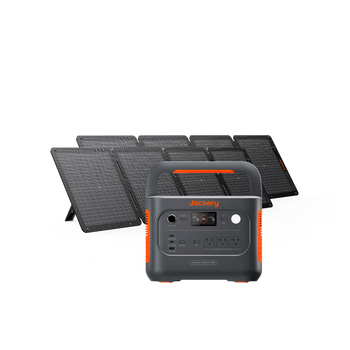
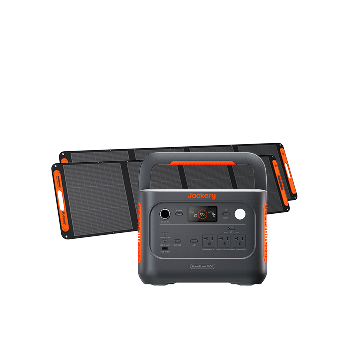
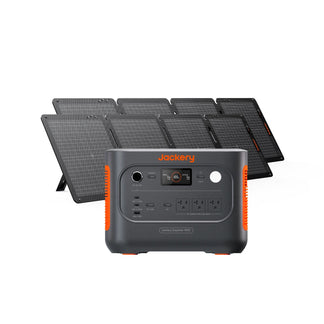
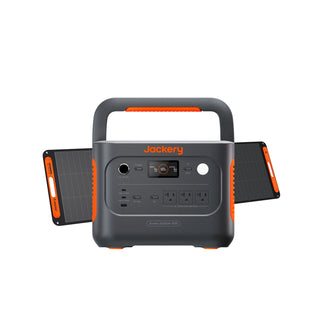
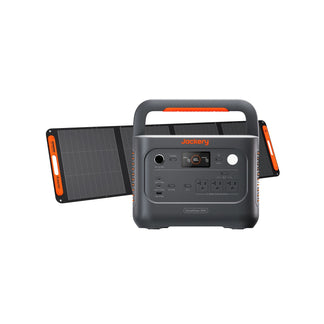
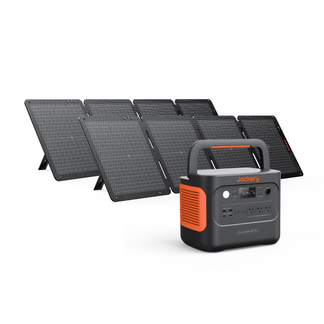
Jackery Solar Solutions That Match These Real-World Scenarios
The panel technology you choose for portable or backup power follows the same logic as residential installations — efficiency, weight, and deployment speed all matter.
If your priority is… |
Recommended Jackery Solution |
Key Advantage |
|---|---|---|
Maximum portable output from a single panel |
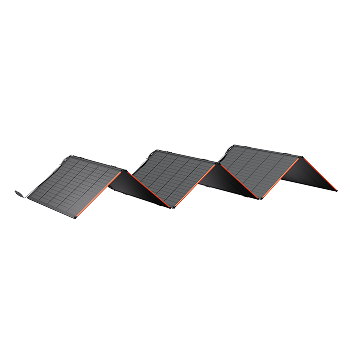
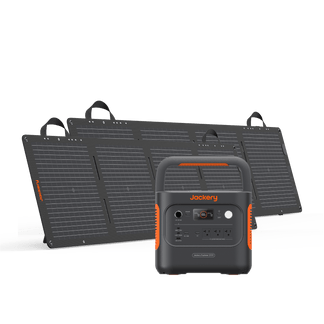
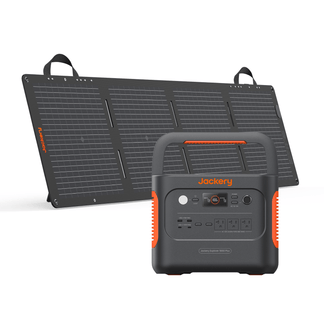
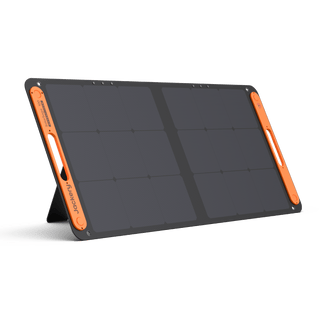
SolarSaga 500X |
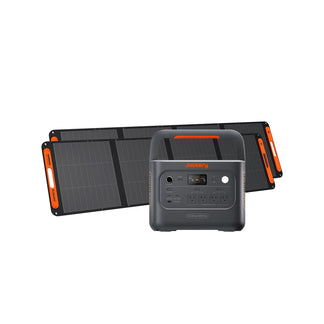
25% bifacial efficiency, 500W |
Whole-home backup with scalable storage |
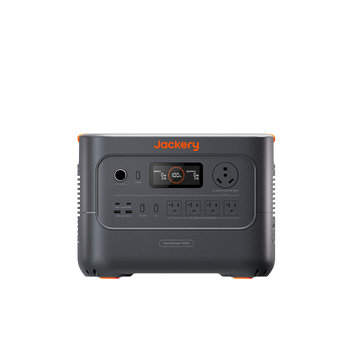
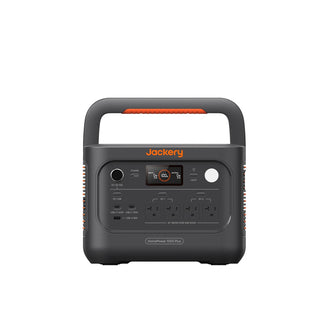
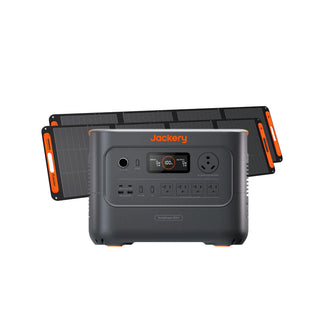
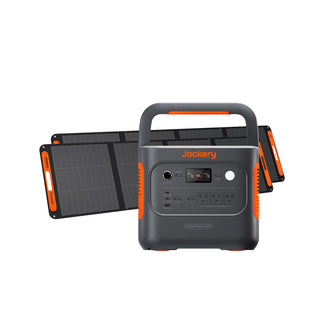
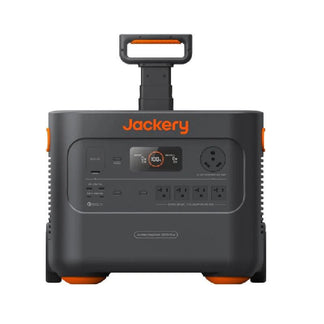
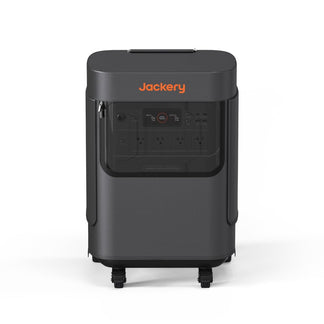
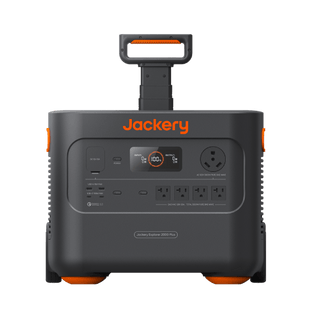
Solar Generator 2000 v2 |
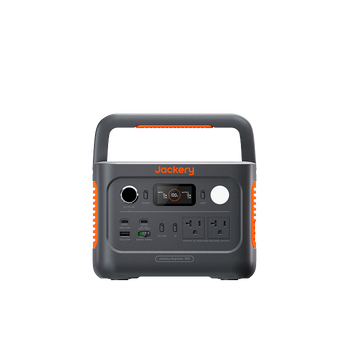
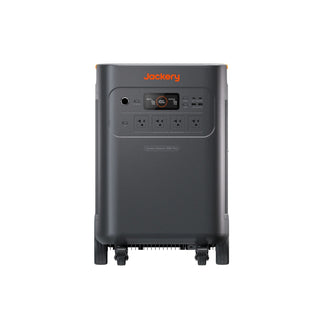
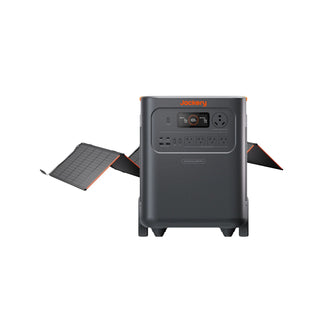
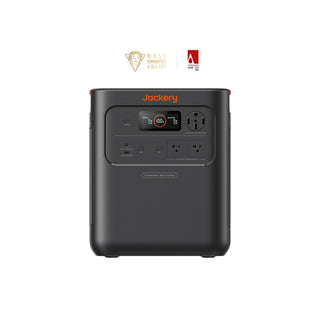
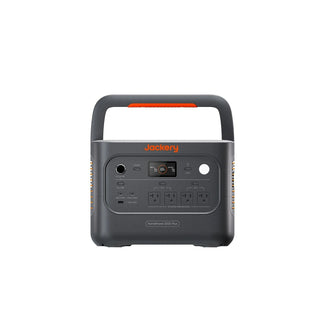
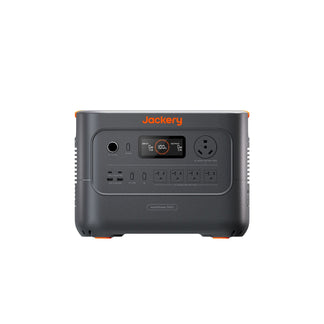
2,042Wh capacity, LiFePO4 10-year lifespan, expandable |
Frequently Asked Questions (FAQ)
Can I mix different solar panel types on one roof?
Mixing mono and poly panels is possible but requires separate MPPT charge controllers to handle their different voltage and current characteristics. Mixing thin-film with crystalline panels is not recommended due to significant electrical mismatches.
How much roof slope affects solar panel performance?
A 30–40 degree tilt is optimal for most US latitudes, but flat roofs can use angled racking to achieve similar efficiency. Panels mounted at less than 15 degrees may accumulate dirt faster, requiring more frequent cleaning.
Do solar panels increase home insurance premiums?
Most insurers add $50–$150 annually for roof-mounted solar, though some states prohibit premium increases for renewable energy systems. Notify your insurer before installation — undisclosed panels can void coverage.
What happens to solar panels during a hailstorm?
Modern tempered glass panels withstand 1-inch hail at 50 mph under IEC testing standards. Hail larger than 1.5 inches may crack the glass, and impact damage is typically excluded from standard warranties — check your homeowner's policy for coverage.
Can I install solar panels myself to save money?
DIY installation saves 30–50% on labor but risks voiding manufacturer warranties and missing critical electrical safety inspections. Most utilities require licensed electrician sign-off for grid interconnection — a barrier that makes DIY impractical for grid-tied systems.


