






![[Add-on] Jackery SolarSaga 500 X - Jackery](http://www.jackery.com/cdn/shop/files/add-on-jackery-solarsaga-500-x-1493607.webp?v=1786503068&width=324)
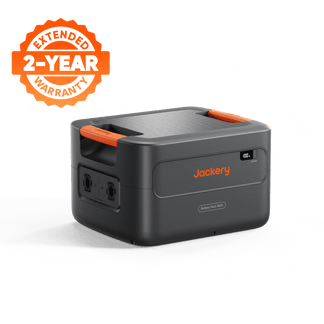
![[Add-on] Jackery Battery Pack 5000 Plus - Jackery](http://www.jackery.com/cdn/shop/files/add-on-jackery-battery-pack-5000-plus-6713401.webp?v=1786503068&width=324)
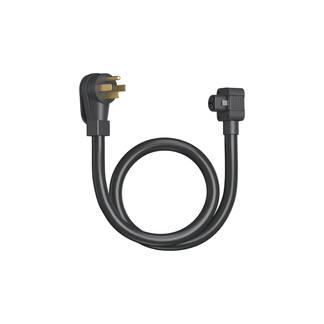
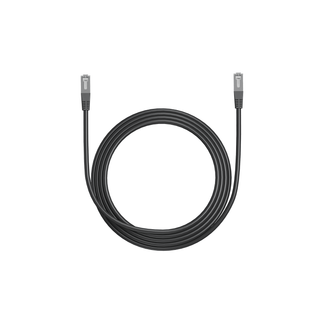
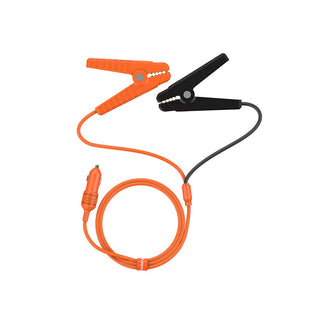
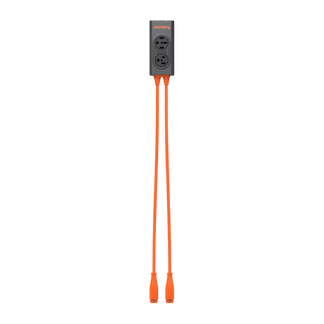





An improperly wired generator house connection is a life-threatening hazard. Backfeeding electricity through a dryer outlet can send a lethal 7,200 volts back onto local utility lines, endangering the very crews working to restore your power. If a sudden summer storm knocks out your electricity right before kickoff on match day, scrambling to flip breakers is not a safe strategy.
To keep your fan cave running without risking lives, you need a properly planned, code-compliant connection. By understanding the essentials of transfer switches, neutral bonding, and wattage sizing, you can build a highly resilient, future-proof backup system. This comprehensive guide outlines the step-by-step math, safety codes, and top backup equipment needed to ensure your home theater and appliances never lose power.
What are the Basics of a Code-Compliant Generator House Connection?
Utilizing a dedicated transfer switch or mechanical interlock is the only legal, safe way to connect an external power source to your home's electrical panel. Both safety devices physically prevent utility power and generator power from meeting on the same wire, eliminating backfeed:
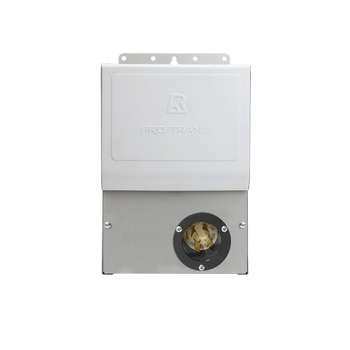
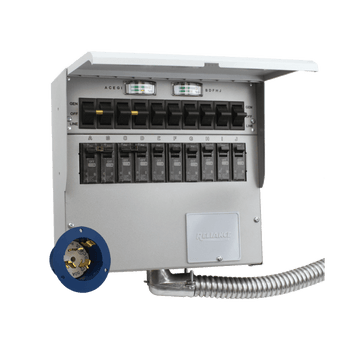
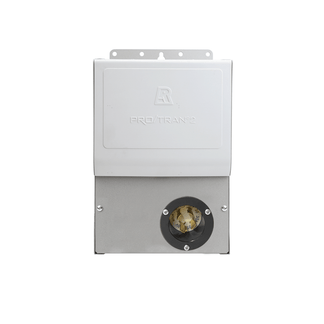
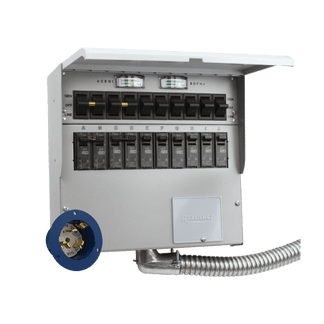
- The Transfer Switch: A transfer switch isolates selected critical circuits (like your refrigerator, TV, and internet) from the main panel. During an outage, you plug your generator into an inlet box, flip a manual lever on the switch, and these pre-selected circuits transfer to generator power while the rest of the house stays dark. Review our complete guide on how to connect a portable generator to your house using a transfer switch.
- The Interlock Kit: A highly cost-effective alternative ($60 to $140) consisting of a sliding metal plate mounted on your main breaker panel cover. The interlock physically blocks your main grid breaker from being "on" while your generator breaker is "on." This allows you to safely feed your entire panel and manually toggle individual branch breakers to manage your load. Learn how this works in our guide on how to connect a solar generator to a breaker panel.
- The Weatherproof Inlet Box: Both systems require a permanent, weatherproof generator inlet box mounted on your home's exterior wall. This connects directly to your transfer panel, eliminating the deadly hazard of running extension cords through open doors or windows.
The Suicide Cord Warning: Never use a "suicide cord"—a double-ended male extension cable plugged into a standard clothes dryer or range outlet. This highly dangerous practice is illegal, constitutes criminal negligence, and is a major cause of residential fires and electrocutions.
How Do You Manage Neutral Bonding to Avoid Nuisance Trips?
Most portable generators ship with a bonded neutral. When connected to a bonded home panel, this dual-bond configuration creates parallel ground paths that will instantly trip your generator's built-in GFCI safety switches:
- The GFCI Trip: Current returning from your household loads has two routes back to the source, causing the generator's GFCI breaker to register a ground fault and immediately shut down.
- Switched-Neutral Transfer Switches: These advanced switches solve the issue by switching both the hot and neutral conductors, isolating the return paths completely without requiring you to modify your generator.
- Floating Neutral Modification: If you are using a standard transfer switch or interlock kit, you must convert your generator to a "floating neutral" by removing the internal bonding jumper. Never attempt this unless you are fully confident in your electrical skills.
- Verify with a Multimeter: Before an outage strikes, test your generator's outlets with a multimeter set to resistance (ohms). Continuity between the neutral and ground slots indicates a bonded neutral; no continuity indicates a floating neutral.
How Do You Calculate Your Sump Pump, Fridge, and Fan Wattage Surges?
To prevent overload failures, calculate your baseline load first and purchase your backup equipment second. Here are standard real-world requirements for a typical fan cave:
|
Appliance / Device |
Continuous Running Watts |
Peak Startup Surge |
|
Kitchen Refrigerator |
150 W |
450–750 W |
|
Campsite Mini-Fridge |
80 W |
240–400 W |
|
55-inch LED Television |
150 W |
150 W (no surge) |
|
Home Theater Soundbar |
30 W |
30 W (no surge) |
|
Ceiling Fan |
75 W |
180 W |
|
Wi-Fi Router & Modem |
10 W |
10 W (no surge) |
|
Total Combined Load |
495 W |
1,060–1,520 W |
Do not size your system based only on running watts. If your refrigerator and mini-fridge compressors cycle on simultaneously, their combined starting surge can easily exceed 1,150W. Add a mandatory 20% operating margin to extend your equipment's lifespan, meaning your backup source must deliver at least 1,740W of starting capacity.
What are the Essential Safety Rules for Generator Placement and Operation?
Combustion-powered generators produce colorless, odorless, and lethal carbon monoxide (CO) gas, requiring strict operational safety precautions:
- Keep Your Distance: According to CDC guidelines, a generator must be placed at least 20 feet away from any door, window, or building vent. Point the hot exhaust shroud away from your house to prevent toxic fumes from pooling near open windows.
- Install CO Alarms: Install battery-operated CO alarms on every level of your home. These alarms are your final line of defense against carbon monoxide poisoning.
- Prevent Refueling Fires: Never pour gasoline into a running or hot generator. A hot muffler can reach 300 degrees Fahrenheit, which will instantly ignite spilled fuel. Always shut the unit down and allow it to cool for 20 minutes before refueling.
- Conduct Quarterly Dry Runs: Schedule a 20-minute test run every three months. Turn off your main grid breaker, start your generator, and switch over your critical circuits one by one. This ensures your equipment works and you remember the manual steps under pressure.
What are the Legal, Permitting, and Building Code Requirements?
Installing any permanent wiring to your home's electrical system is strictly regulated by municipal and national electrical codes:
- NEC Article 702: Governs optional standby systems. The National Electrical Code (NEC) mandates a permanent, mechanical transfer switch or interlock kit to ensure grid and generator power can never be connected simultaneously.
- Local Permits are Mandatory: You must pull an electrical permit and pass a building inspection before wiring a generator inlet box. Unpermitted electrical work can void your homeowner's insurance policy, leading to denied claims if a fire occurs.
- Use Professional Labor: To ensure complete code compliance and safety, always hire a licensed electrician to install your transfer switch and exterior inlet box.
How Do You Future-Proof Your Wiring for Solar and Battery Integration?
The wiring and inlet infrastructure you install today should be designed to accommodate future clean solar and battery upgrades:
- Choose a High-Amperage Inlet: Install a 30-amp, 240-volt inlet box (utilizing an L14-30 receptacle) wired with heavy 10 AWG copper wire. This setup handles up to 7,200W, allowing you to easily plug in high-capacity battery systems or larger standby units in the future.
- Ensure Floating Neutral Compatibility: Most advanced hybrid solar inverters expect a floating-neutral generator input. Sizing a floating-neutral generator now prevents having to purchase expensive isolation transformers later.
- Keep Conduit Accessible: Run your electrical conduit along exposed basement or garage walls rather than burying it behind drywall, making future solar MPPT charge controller or automatic transfer installations far cheaper.
Why is a Traditional Generator Often a Poor Choice for Your Fan Cave?
While fuel-powered generators deliver raw wattage, they have severe drawbacks for residential entertainment setups:
- Deafening Noise: A gas generator running outside your window produces 65 to 75 dB of noise, ruining the atmosphere of your home theater during quiet game moments.
- Dirty Power Issues: Standard portable generators produce irregular electrical current with high Total Harmonic Distortion (THD), which can quickly fry the sensitive microprocessors inside smart TVs, streaming consoles, and sound systems.
- Messy Maintenance: Gasoline degrades and gums up carburetors in just 30 days unless treated with stabilizers. Maintaining an engine—oil changes, air filters, spark plugs—is a constant headache.
Portable battery generators provide a modern, superior alternative. They run completely silently (under 30 dB), produce zero emissions (allowing safe indoor placement directly next to your couch), require no maintenance, and deliver pure sine wave power. Read our guide to find the best solar generator for home power outages.

Which Jackery Power Stations Keep Your Home Theater Running?
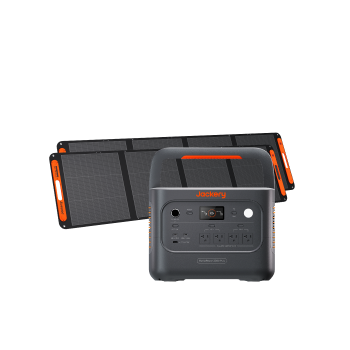
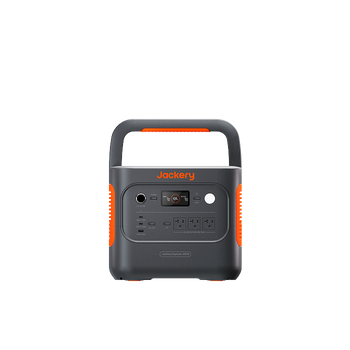
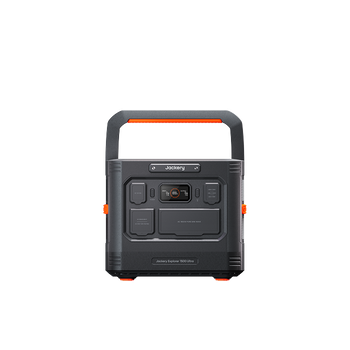
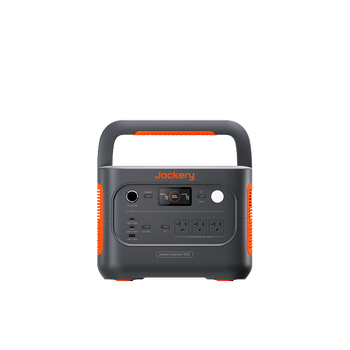
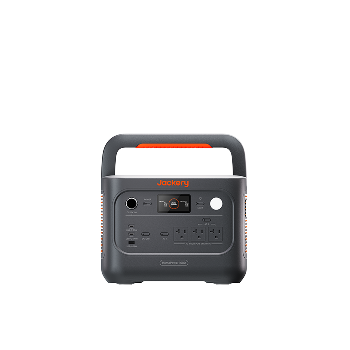
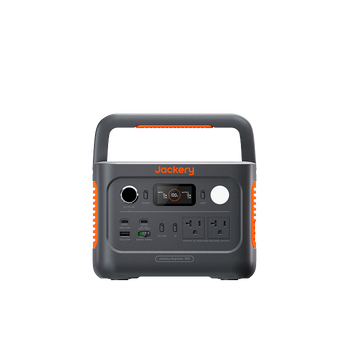
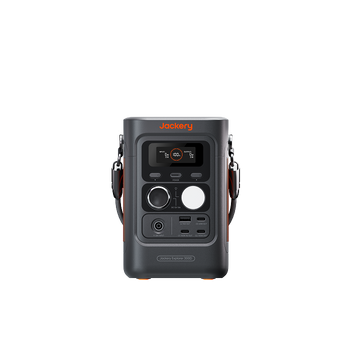
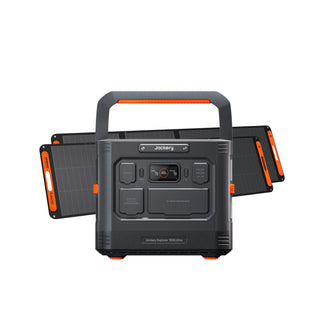
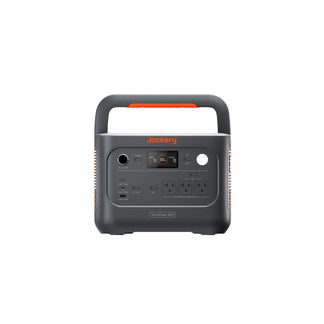
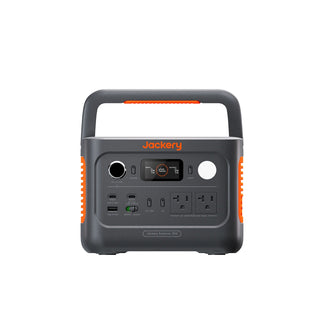
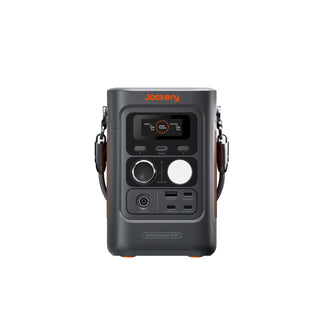
Three premium, pure sine wave power stations from Jackery can integrate seamlessly with your manual transfer switch to provide clean, silent, and reliable backup power. If you are wondering about whole-house capability, read our analysis on can Jackery power a house:
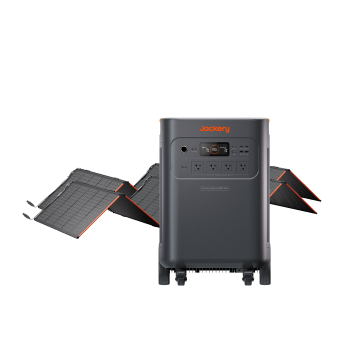
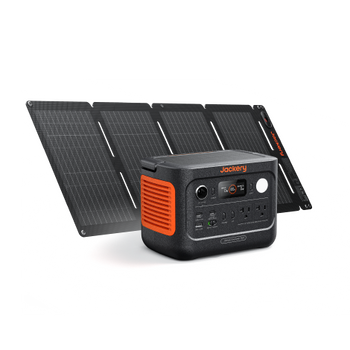
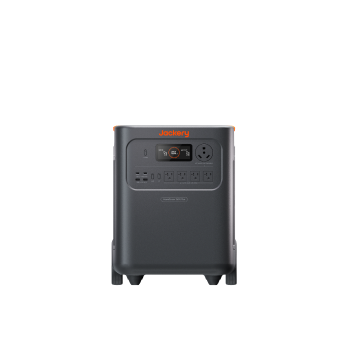
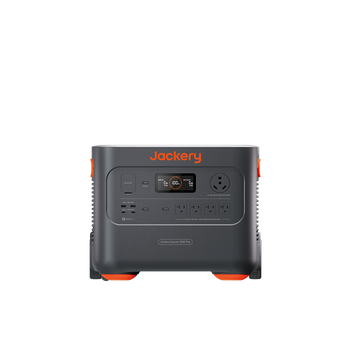
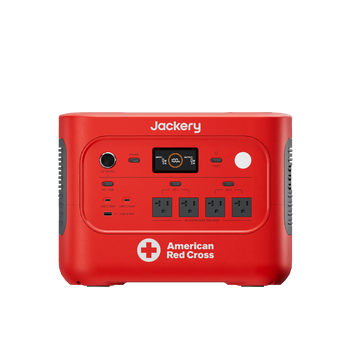
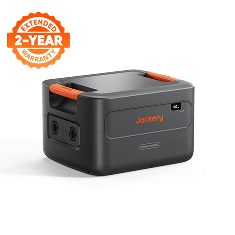
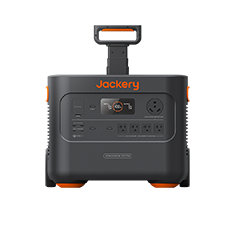
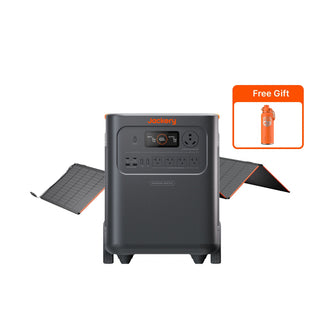
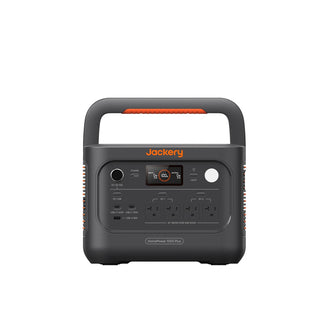
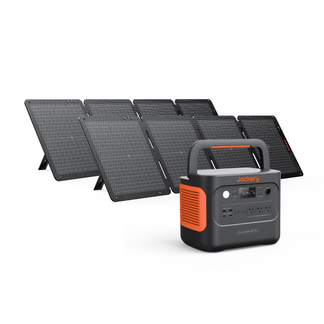
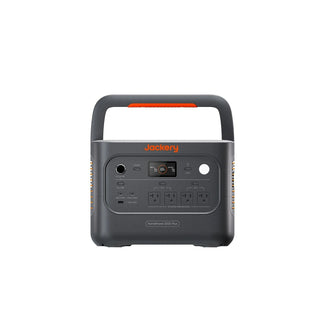
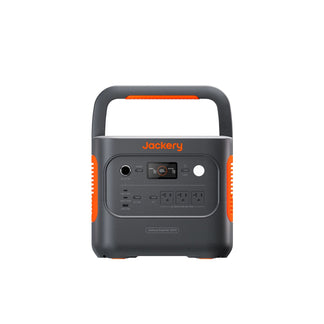
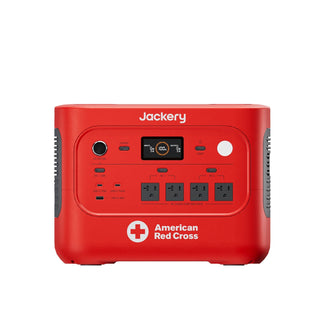
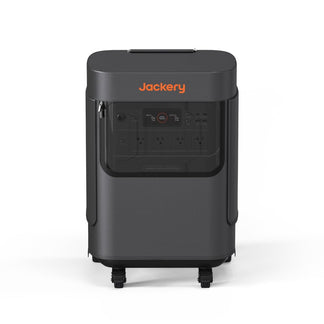
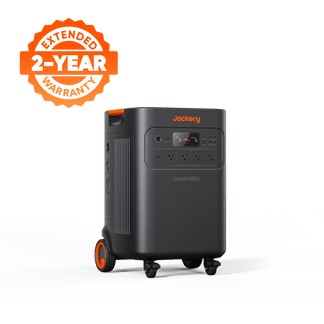
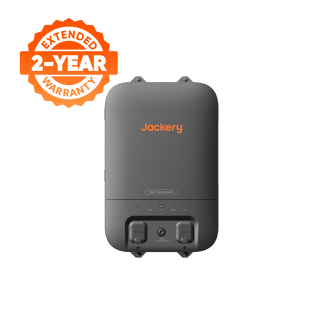
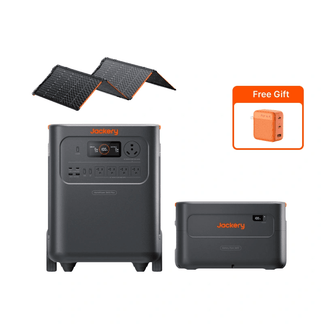
Jackery Solar Generator HomePower 3600 Plus
The high-capacity, silent backup designed to sustain your essential household circuits through prolonged outages:
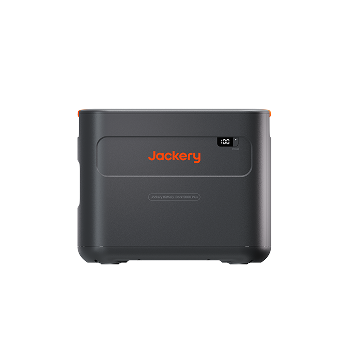
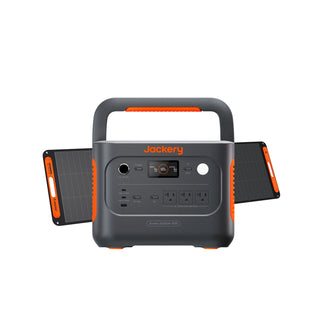
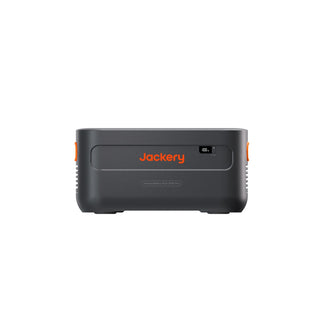
- Specs & Capacity: Packs a 3,584 Wh base capacity (expandable up to 43 kWh) to run a standard refrigerator, TV, and fan for hours.
- Ultra-Quiet Run: Operates at an incredibly low 30 dB, allowing you to hear the game commentary with zero background hum.
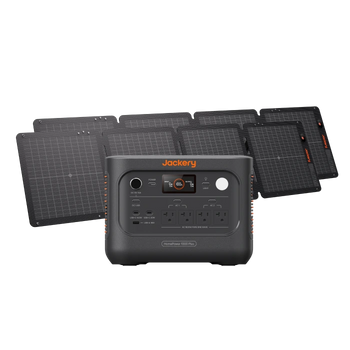
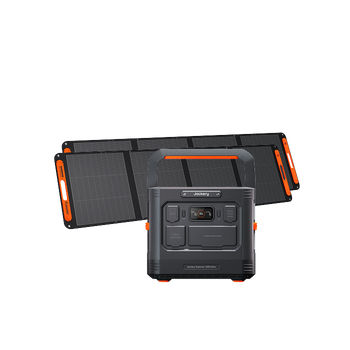
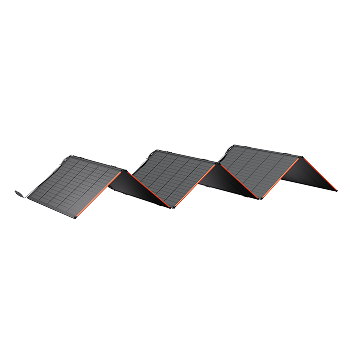
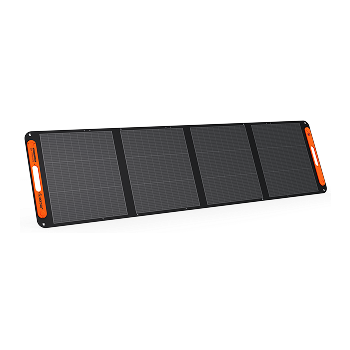
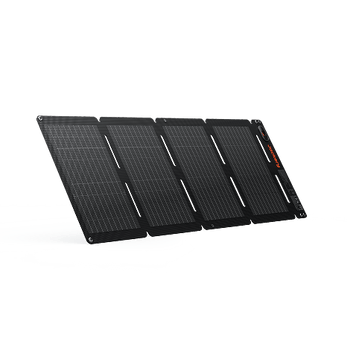
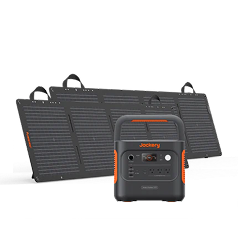
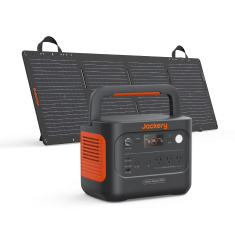
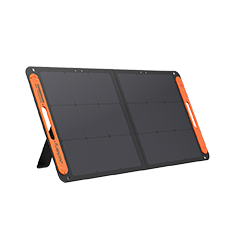
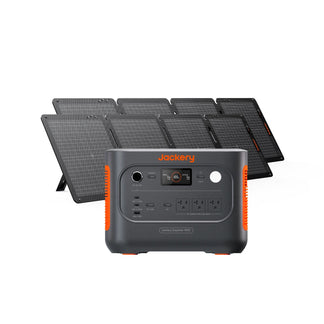
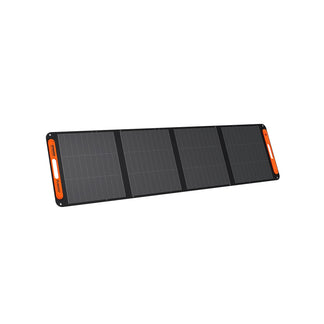
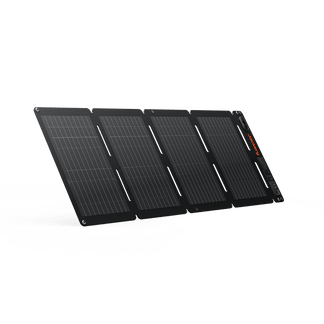
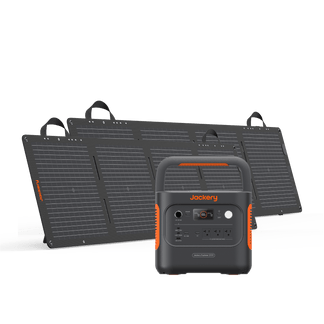
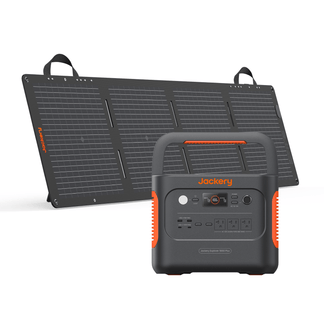
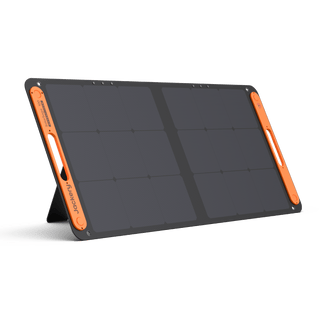
- Rapid Recharge: Fully recharges in just 2.5 hours via AC power, or recharges silently off-grid using the Jackery SolarSaga 500X Solar Panel.
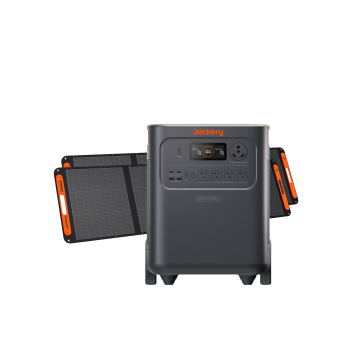
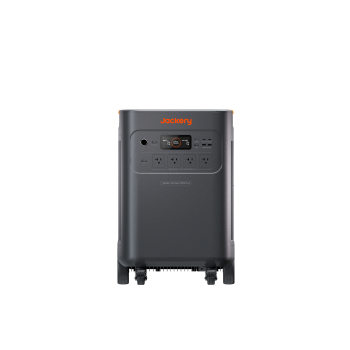
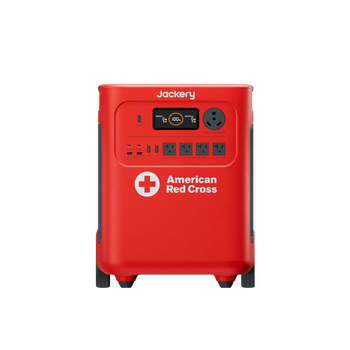
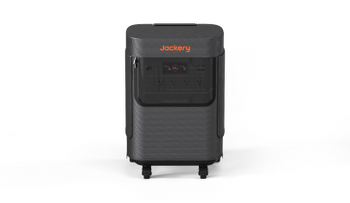
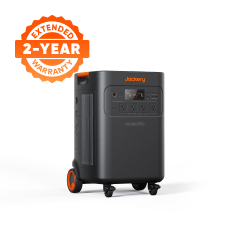
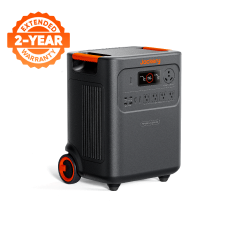
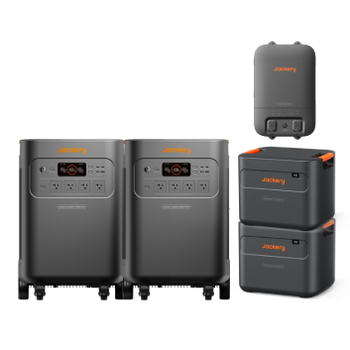
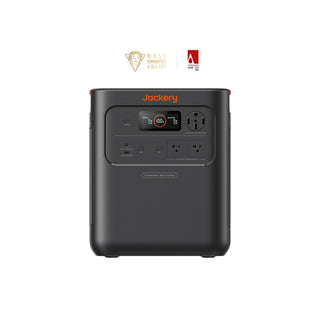
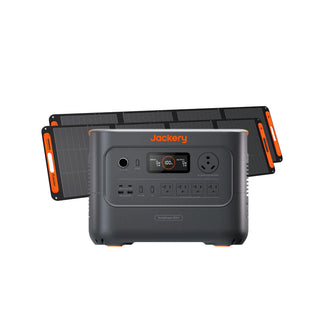
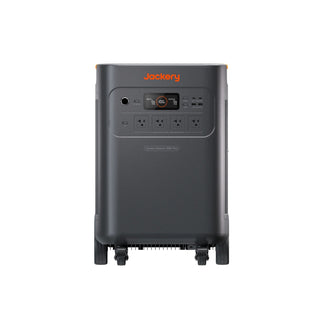
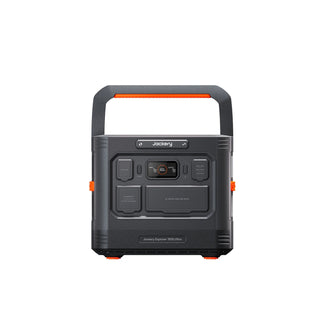
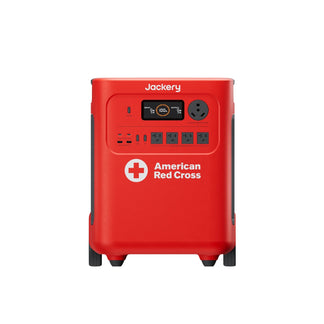
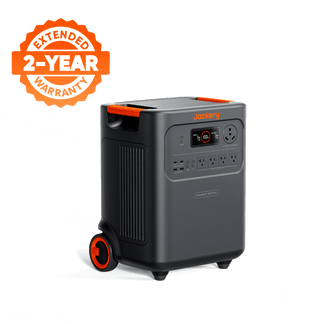
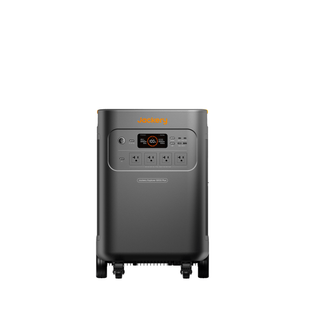
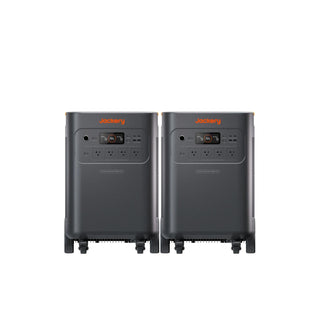
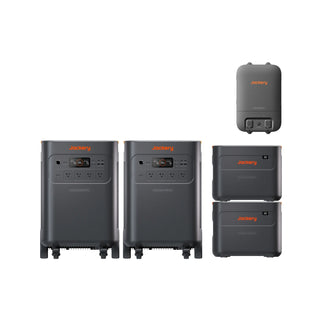
Jackery Solar Generator 5000 Plus
The heavy-duty, split-phase backup system designed to power climate systems and heavy appliances:
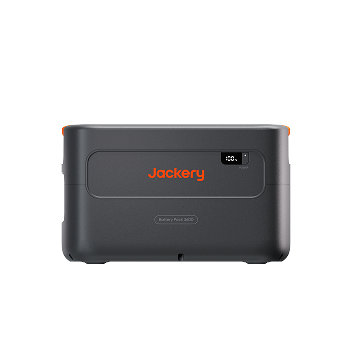
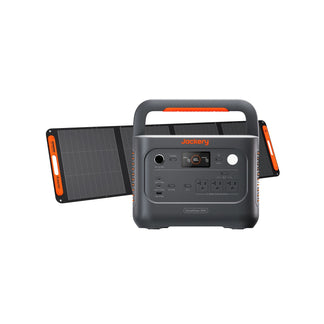
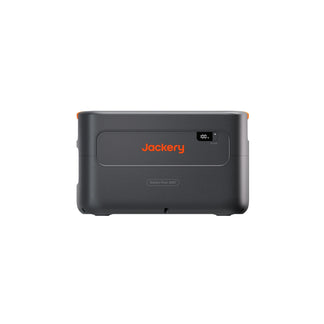
- Robust Power: Delivers 7,200W of continuous output and 14,400W of surge capacity, running a window AC, refrigerator, and home theater simultaneously.
- Split-Phase Output: Supports 120V/240V output to power heavy 240V appliances like well pumps or mini-split ACs.
- 0ms Online UPS: True uninterruptible power with 0ms transfer time, ensuring sensitive electronics never register a power flicker during grid transitions.
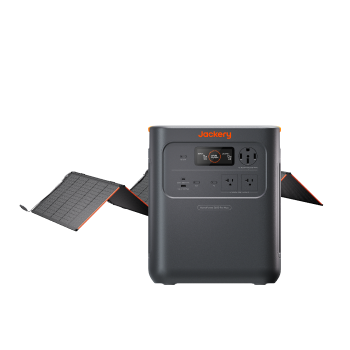
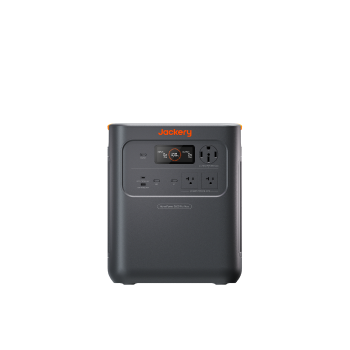
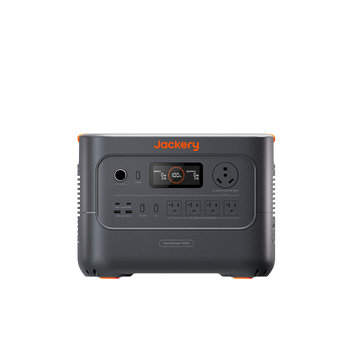
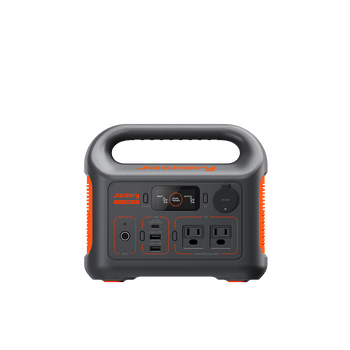
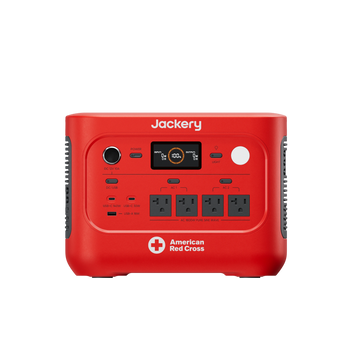
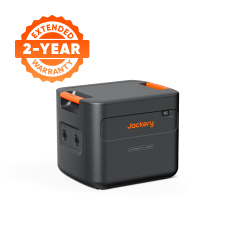
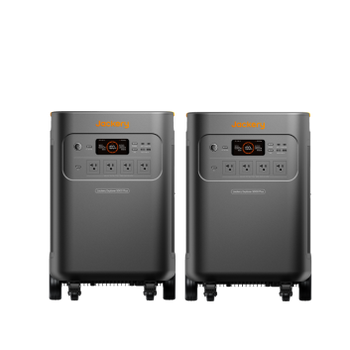
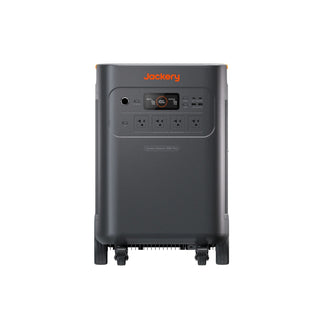
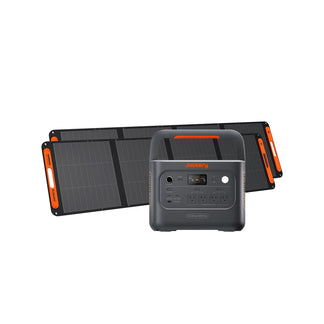
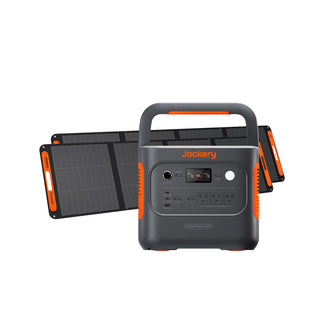
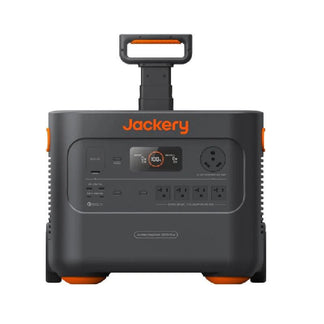
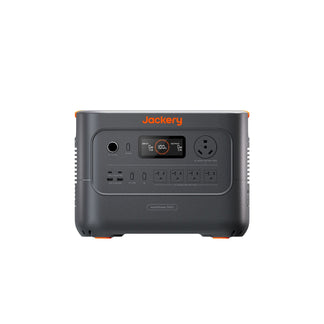
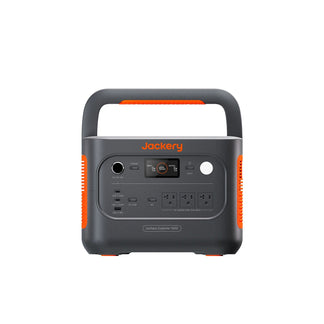
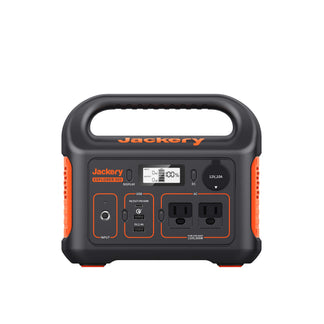
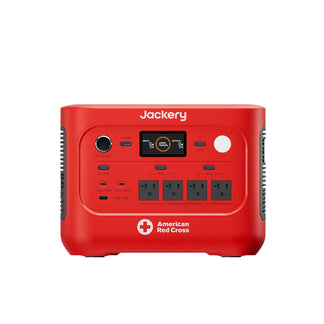
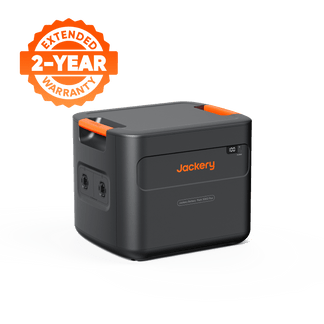
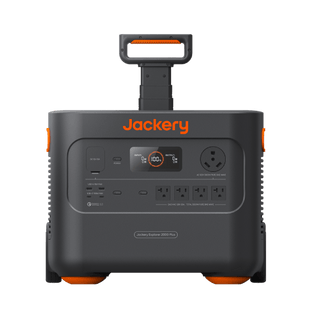
Jackery Explorer 2000 v2 Portable Power Station
The compact, lightweight, and versatile under-desk backup station:
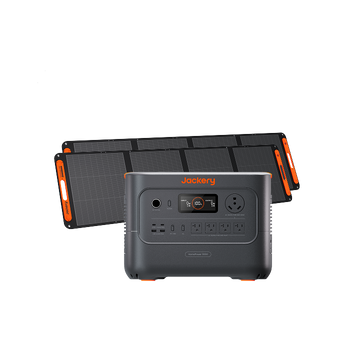
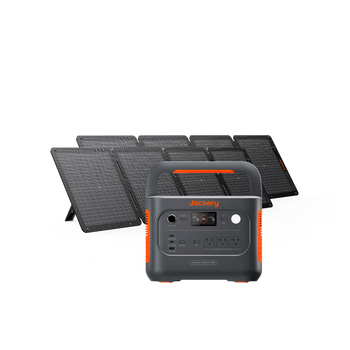
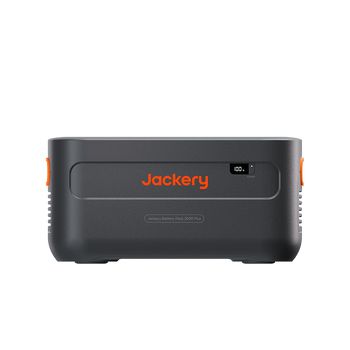
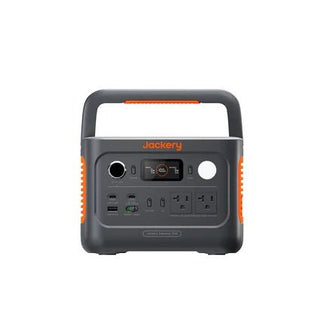
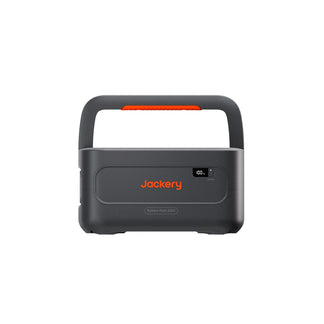
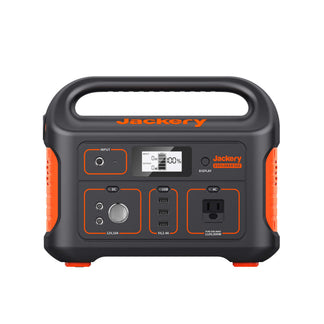
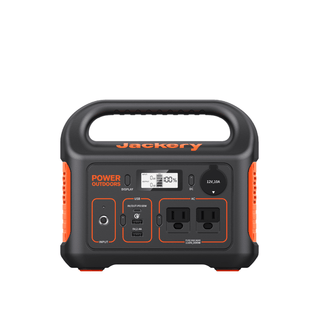
- Specs & Weight: Packs 2,042 Wh of capacity into a portable, 39.5-pound frame that can run your TV, Wi-Fi router, and game console through a blackout.
- Fast Wall Charging: Features a rapid 1.7-hour AC charge, allowing you to fully recharge between rolling blackouts.
Frequently Asked Questions
Do I need a transfer switch, or is an inlet with an interlock enough?
Both are fully code-compliant. An interlock kit is cheaper and allows you to feed your entire panel manually, while a pre-wired transfer switch is more expensive but pre-selects specific critical circuits to prevent accidental overloads.
Can I wire my generator into my solar inverter's AC input?
Yes, provided your solar inverter is specifically engineered with a dedicated generator input port. This ensures proper electrical isolation and allows you to easily charge your batteries using generator power during extended cloudy periods.
How do I handle neutral bonding with my generator connection?
Most portable generators have a bonded neutral. If connecting to a standard, non-switched neutral panel, you must modify the generator to a floating neutral configuration, or utilize a switched-neutral transfer switch to avoid GFCI tripping.
What plug size and cable rating do I need for my house connection?
A standard residential generator connection utilizes a 30-amp, 240V L14-30 inlet box wired with heavy 10 AWG copper wire, which can safely handle up to 7,200W of continuous power.
Do I need to ground my portable generator separately from the house?
No. When connected directly to your home's breaker panel through an approved transfer switch or interlock, the generator utilizes your home's existing electrical grounding system. Always consult local codes to verify.


