

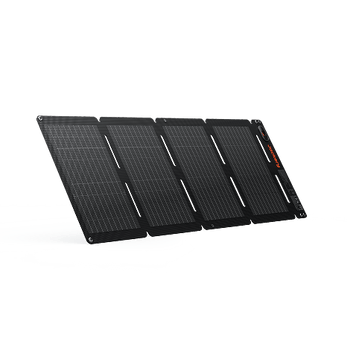





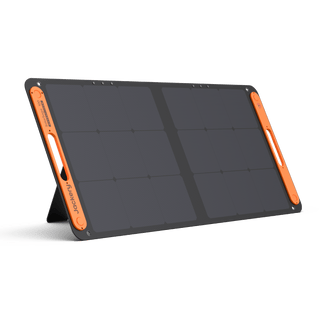
![[Add-on] Jackery SolarSaga 500 X - Jackery](http://www.jackery.com/cdn/shop/files/add-on-jackery-solarsaga-500-x-1493607.webp?v=1786503068&width=324)
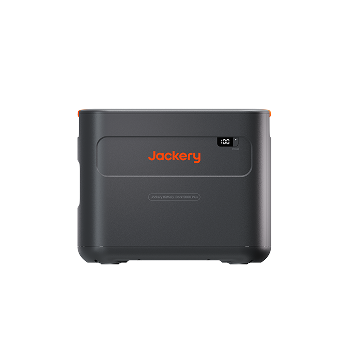
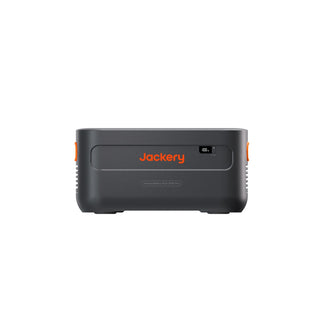
![[Add-on] Jackery Battery Pack 5000 Plus - Jackery](http://www.jackery.com/cdn/shop/files/add-on-jackery-battery-pack-5000-plus-6713401.webp?v=1786503068&width=324)






When preparing your home for unexpected power grid failures, the first question almost every homeowner asks is: how much wattage is needed to power a house? While many people immediately look at the square footage of their home, your actual wattage requirements are determined by the specific appliances you plan to run simultaneously, not your floor space.
Attempting to power a whole house exactly like you are connected to the grid is a highly expensive and inefficient goal. You do not need to run high-draw appliances like electric dryers or ovens during a brief storm blackout. Instead, focusing your budget on a safe, correctly sized backup system that can handle your critical household loads—including your refrigerator, water pump, furnace blower, and home lighting—will deliver the ultimate off-grid resilience without wasting capital.
Running Watts vs. Starting Watts: The Critical Difference
To calculate your home's total wattage, you must distinguish between running (continuous) watts and starting (surge) watts. Running watts represent the steady-state electrical power an appliance consumes during normal operation. Starting watts are the intense, split-second current burst required to start the electric motors in inductive appliances like refrigerators, sump pumps, and deep well pumps.
This startup surge can be 2 to 3 times higher than the running wattage—and can reach up to 5 times for older, hard-starting compressor motors. For example, a refrigerator that consumes 150W of continuous running power can easily spike to 900W for a fraction of a second to start its compressor. If your backup battery's inverter cannot deliver this peak surge current, the motor will stall and your backup power system will trip its safety fuses and shut down.
To prevent these nuisance shutdowns under a heavy load, always incorporate a 20% to 25% operating safety margin above your calculated peak demand. For battery-based backup storage systems, make sure you evaluate usable depth of discharge (DoD) rather than raw nominal capacity, ensuring you do not drain your battery bank too deeply during extended blackouts.
Calculating Your Home’s Essential Load Step-by-Step
To find the minimum wattage required to back up your home safely, follow this simple calculation formula:
Required Surge Rating = (Total Running Watts × 1.25 Safety Margin) + Highest Single Starting Surge
Let's calculate the requirement for a typical medium-sized home utilizing gas appliances and a deep well pump:
- Refrigerator/Freezer: 800 running watts (2,200 starting surge).
- Furnace Blower Fan: 700 running watts (1,400 starting surge).
- 1 HP Well Pump: 1,100 running watts (2,800 starting surge).
- LED Lighting (10 fixtures) & Wi-Fi: 165 running watts.
- Microwave: 1,000 running watts (1,500 starting surge).
Our calculations: 3,765 running watts × 1.25 safety margin = 4,706 Watts. Adding the highest single starting surge (your well pump’s 2,800W surge): 4,706W + 2,800W = 7,506 Watts minimum peak surge rating. Staggering your appliance startups—such as letting your refrigerator cycle on before running your microwave—is the most effective way to keep your peak demands within safe limits. To explore detailed sizing parameters, read our guide on how to calculate what size generator you need.
Typical Wattage Ranges by Home Type
Depending on your property size and appliance fuel configurations, your essential running and starting surge targets will scale accordingly:
|
Property Profile |
Floor Area (Sq. Ft.) |
Essential Running Watts |
Recommended Surge Rating |
|
Tiny Home / Apartment |
Under 1,000 sq. ft. |
1,500 – 3,000W |
2 – 4 kW Surge |
|
Small Home (Gas Heat) |
1,000 – 2,000 sq. ft. |
3,000 – 5,000W |
3 – 7 kW Surge |
|
Medium Home (Gas Heat, Window AC) |
2,000 – 3,000 sq. ft. |
5,000 – 7,000W |
7 – 15 kW Surge |
|
Large Home (Central AC, Electric Hot Water) |
3,000+ sq. ft. |
7,000 – 12,000W |
15 – 22 kW Surge |
Why 1,200W or 1,800W Systems Fall Short for Essential Home Backup
While compact 1,200W or 1,800W generators are excellent for running isolated camping gear, charging laptops, they fall short of powering house essential circuits. A single standard refrigerator compressor starting surge can hit 1,200W to 1,800W, leaving zero capacity to run other baseline appliances.
A sump pump alone can surge to 1,700W. If your sump pump and your refrigerator compressor attempt to start simultaneously while a 1,800W generator is running, the inverter will instantly trip its safety overload protection and shut down. To back up house essentials safely, you require a system with at least 5,000 to 7,000 Watts of continuous AC output. For details on planning your home backup panel, see our essential home backup power overview. You can also review average residential power requirements in our guide to what size generator to run a house.
Common Sizing Mistakes and How to Avoid Them
Avoiding these common, expensive sizing errors will protect your backup hardware from damage:
- Skipping the Starting Surge: This is the number-one reason generators stall. Always add your largest motor's startup surge to your total running wattage calculation.
- Using Breaker Ratings: Do not base your calculations on your breaker panel ratings. A 20-amp breaker does not mean your connected appliance draws 2,400W continuously. Always use the nameplate Full Load Amps (FLA) times volts to calculate actual draws.
- Forgetting Inverter Efficiency: Traditional inverters waste a portion of their stored energy as heat. Apply a 15% to 20% safety overhead to your capacity planning to prevent draining your batteries too deeply.

Scalable Power Solutions from Jackery
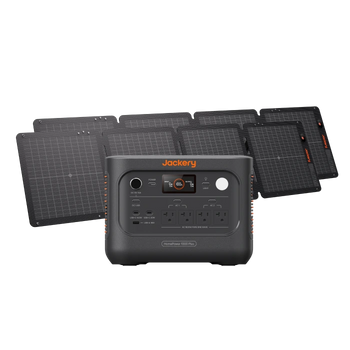
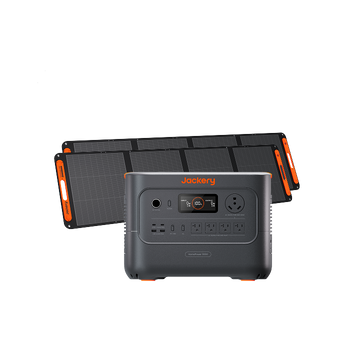
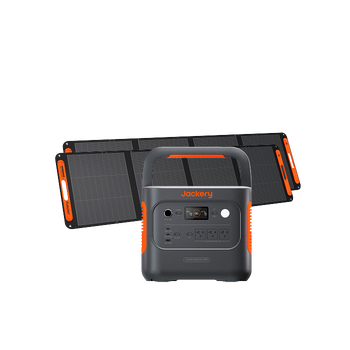
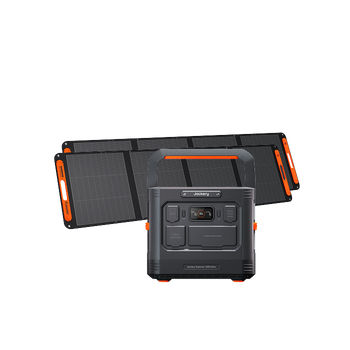
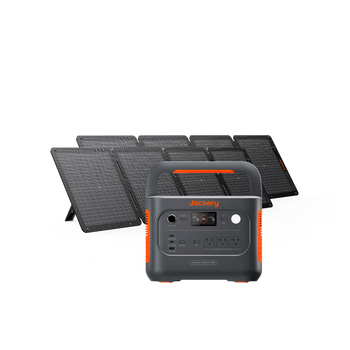
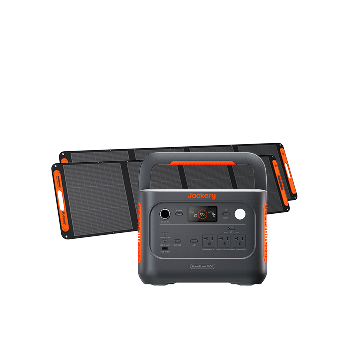
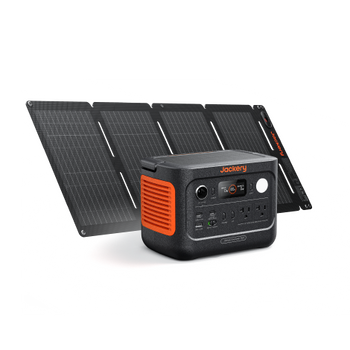
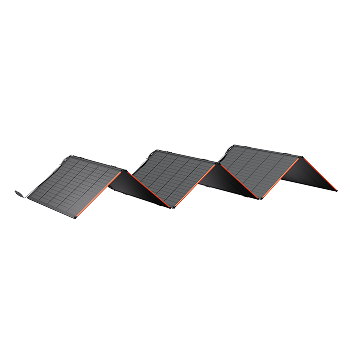
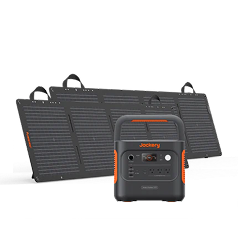
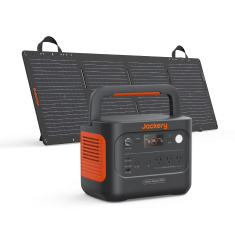
Integrated portable solar generators eliminate complex component matching, manual wiring, and fuel storage logs. They pack a pure sine wave inverter, an advanced MPPT controller, and a durable LiFePO4 battery bank into a single, zero-emission, silent enclosure that is completely safe to operate indoors. For a detailed guide on selecting the best storm backup, review our guide to solar generators for power outages.
Three premium systems from Jackery provide ideal, scalable home backup power:
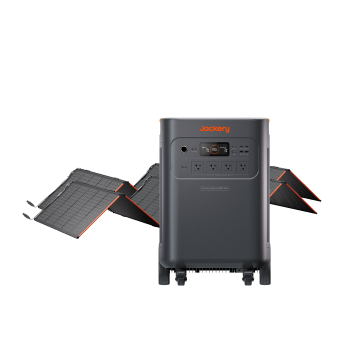
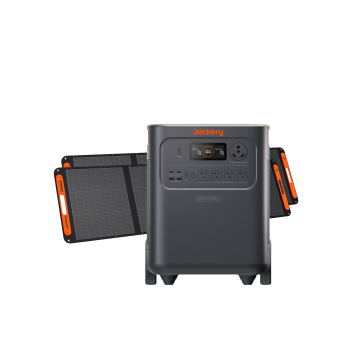
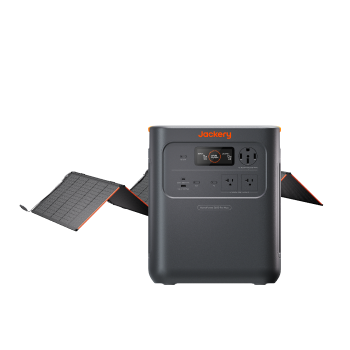
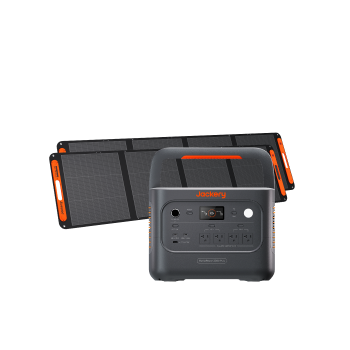
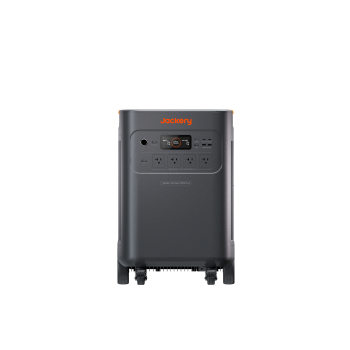
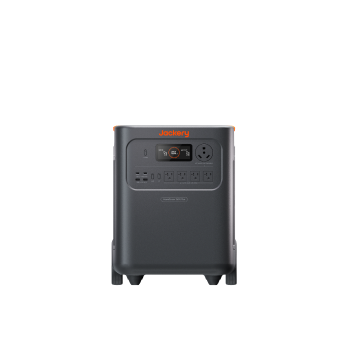
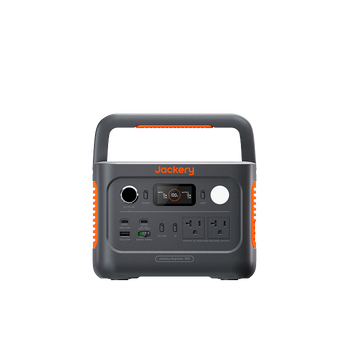
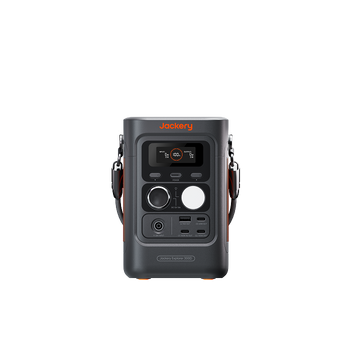
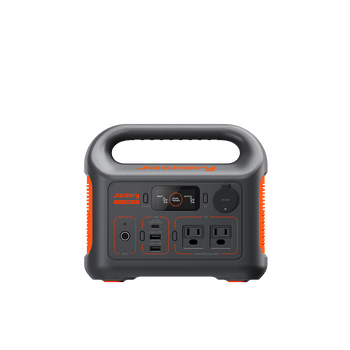
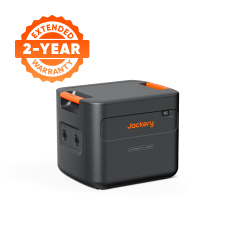
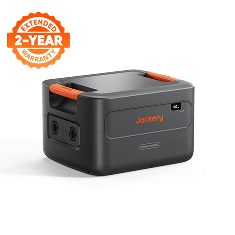
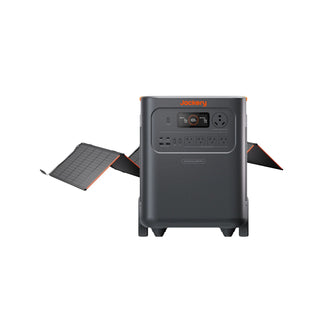
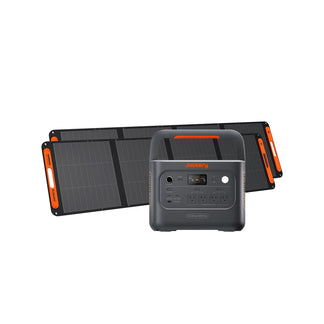
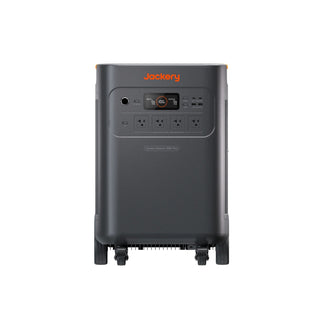
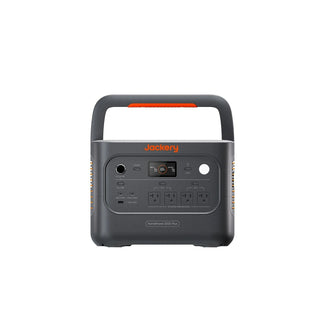
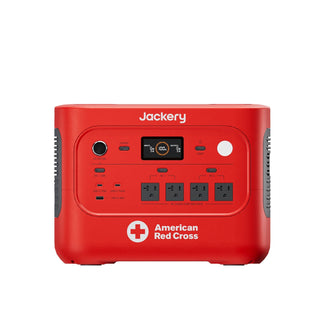
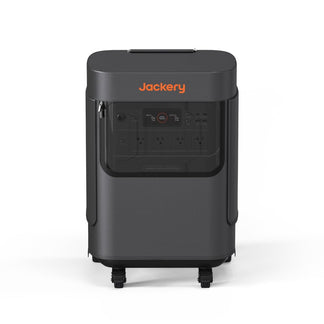
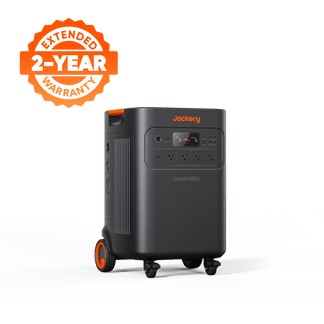
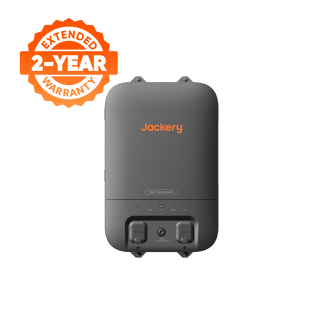
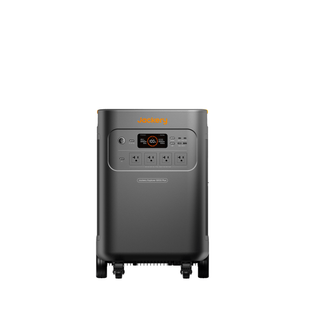
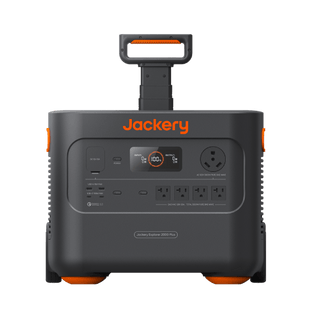
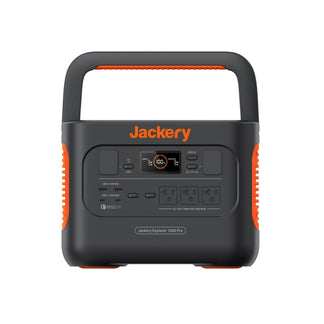
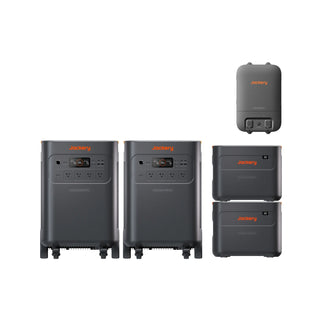
Jackery Solar Generator HomePower 3600 Plus: Features a robust 3,600W continuous output (7,200W surge) and a 3,584 Wh capacity, capable of running a refrigerator, lights, and water pumps through an outage. You can scale the capacity up to 43 kWh to run multiple critical appliances through extended, multi-day blackouts.
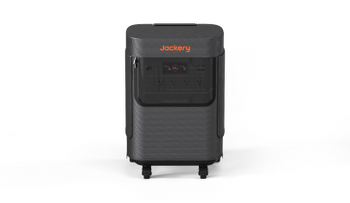
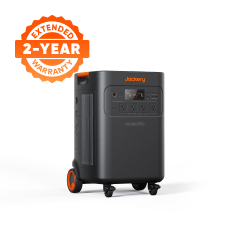
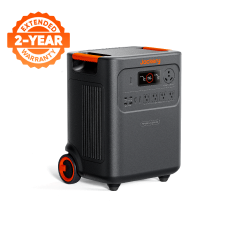
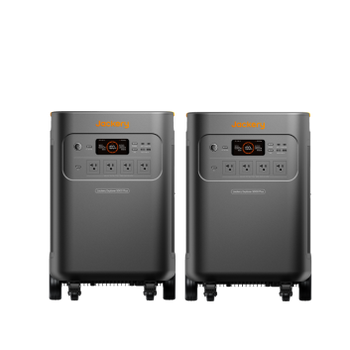
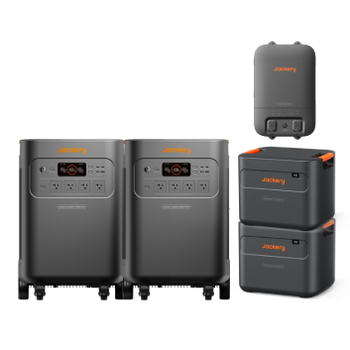
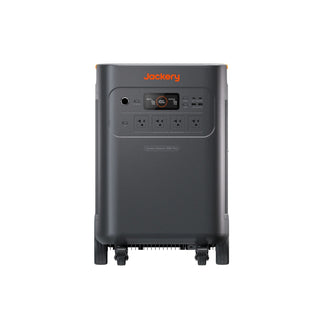
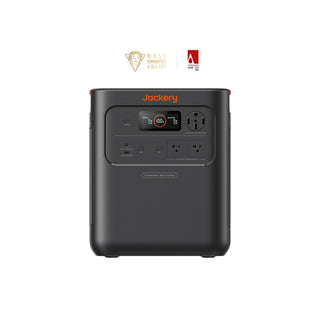
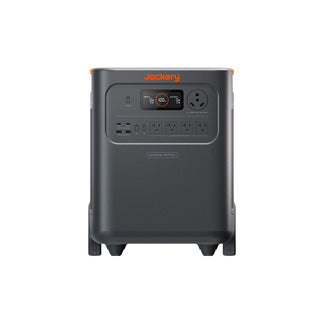
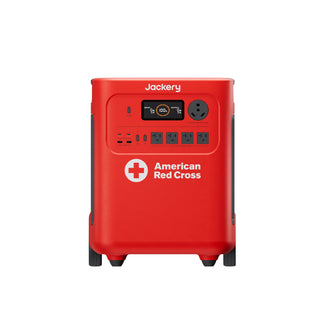
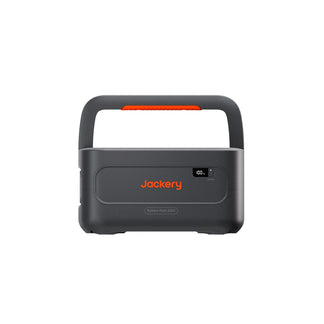
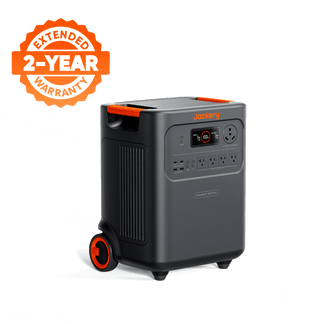
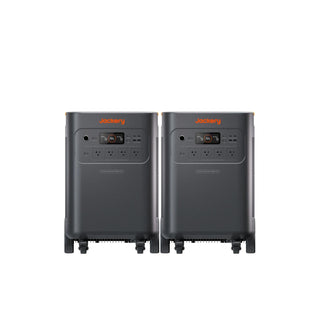
Jackery Solar Generator 5000 Plus: Sized for essential home critical circuit backup, delivering a massive 7,200W continuous output (14,400W surge) to easily run a 240V deep well pump, water heater, and central AC fan simultaneously. The 5,040 Wh base capacity is expandable to 60 kWh, backed by a true 0ms online UPS switchover.
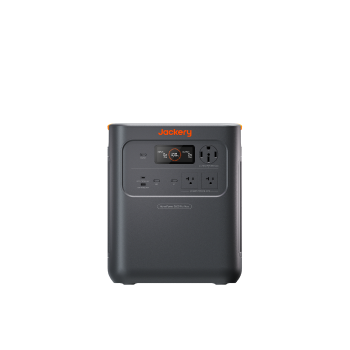
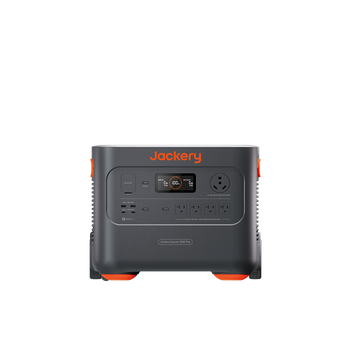
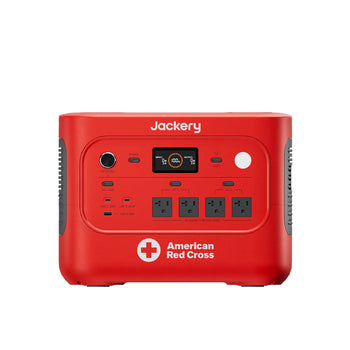
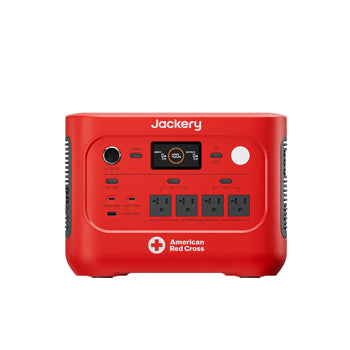
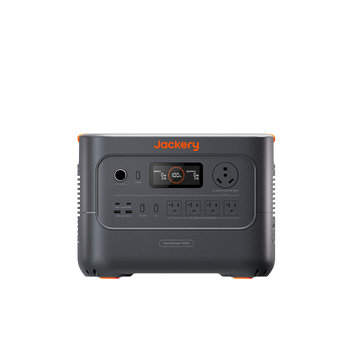
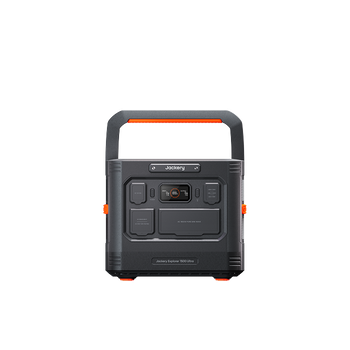
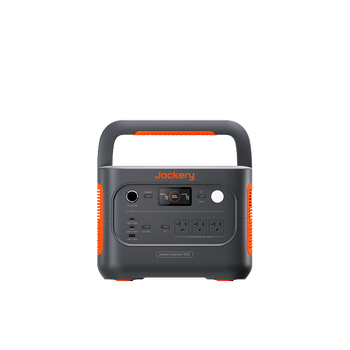
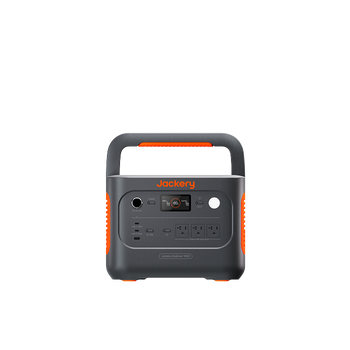
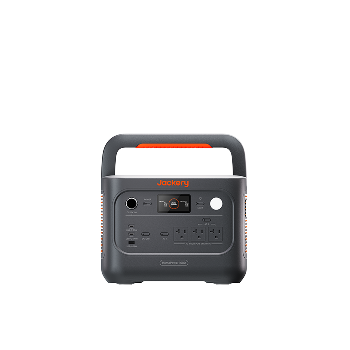
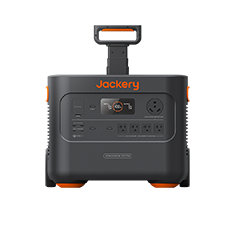
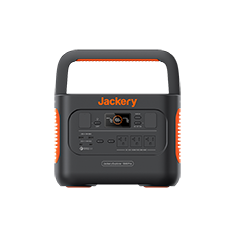
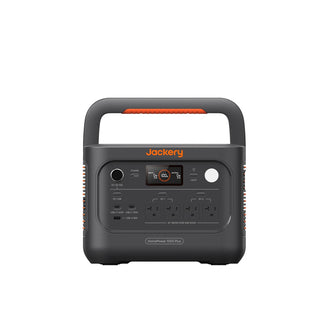
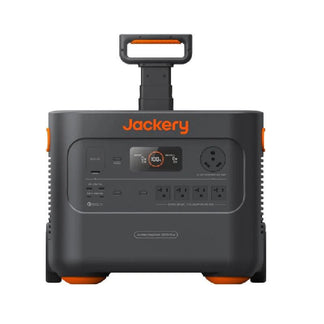
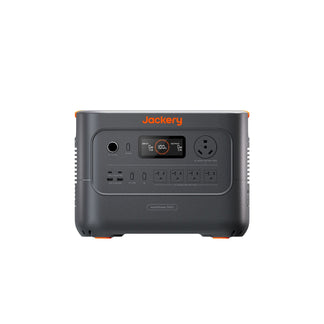
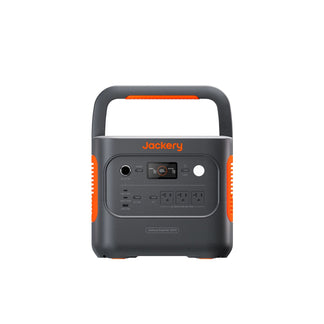
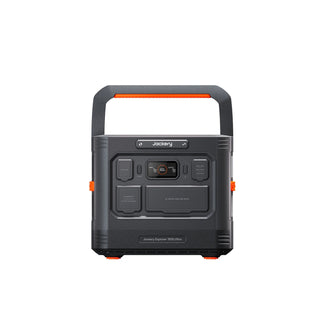
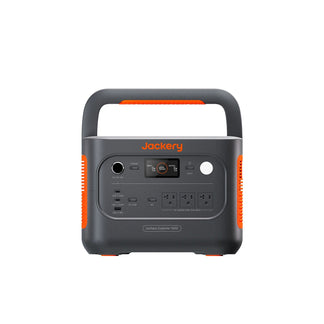
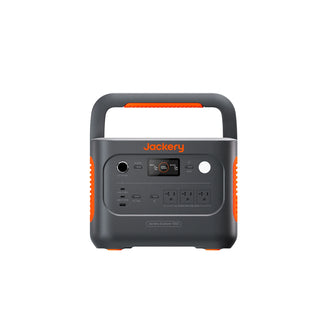
Jackery Explorer 2000 v2 Portable Power Station: The compact option, packing a 2,042 Wh capacity and a 2,200W output (4,400W surge) to run a standard refrigerator, Wi-Fi, and lights overnight. It can recharge completely via AC wall power in just 1.7 hours.
Frequently Asked Questions
Do I need a transfer switch or can I use extension cords?
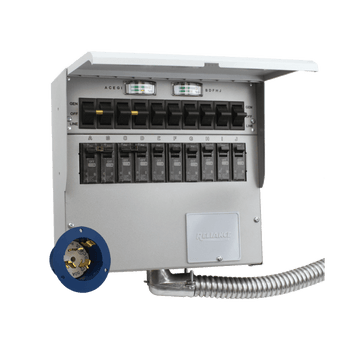
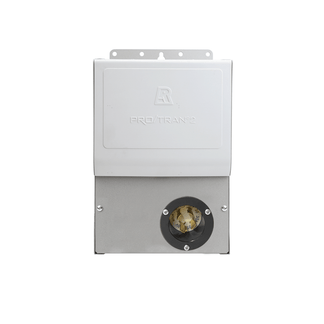
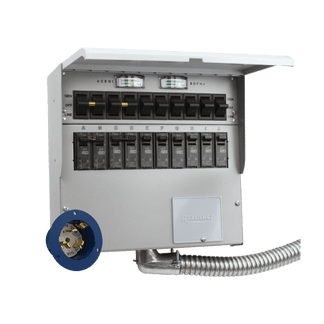
To power hardwired household appliances like furnace blower fans or well pumps, a manual transfer switch or a breaker panel interlock kit is legally required to prevent backfeeding electricity, protecting utility line workers. You can use standard extension cords to run portable appliances plugged directly into your solar generator's outlets.
What fuel type is best for a home backup generator?
Propane is stable and stores indefinitely; natural gas provides unlimited runtime if utility lines stay pressurized; gasoline degrades rapidly and requires stabilizer. Solar generators are the cleanest alternative, requiring zero fuel, zero oil changes, and utilizing only free, abundant sunlight.
How do I safely place a generator outside my home?
Keep any combustion generator at least 20 feet away from any doors, windows, or structural HVAC intake vents, keeping the hot engine exhaust pointed completely away from your home or neighboring properties to prevent carbon monoxide poisoning. Never operate a fuel-burning unit inside a garage or crawlspace.
Can a portable generator run my central air conditioning?
Most standard portable units cannot handle the high starting surge of a central AC compressor. Installing an RV or residential soft-start kit on your AC compressor can cut starting surge requirements by 40% to 60%, allowing you to run your climate systems using a significantly smaller, more efficient generator.
What happens if I try to run an electric stove or oven during a blackout?
Electric ranges typically require 8,000 to 12,000 Watts of continuous power, meaning they will easily overload standard essential backup plans. To protect your battery storage, use a compact microwave, a camping stove, or an outdoor propane grill during an emergency outage instead.


