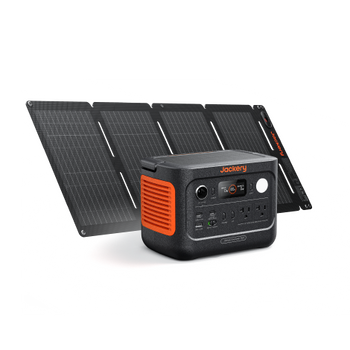
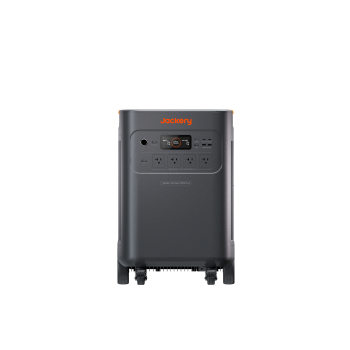
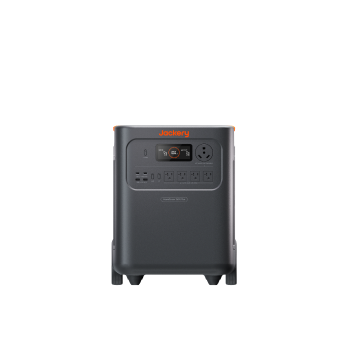


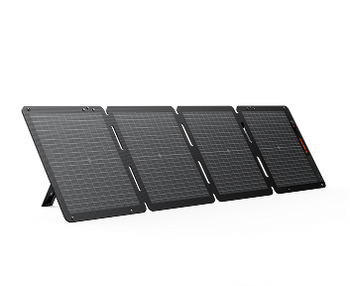













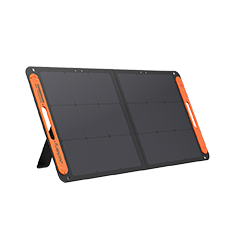


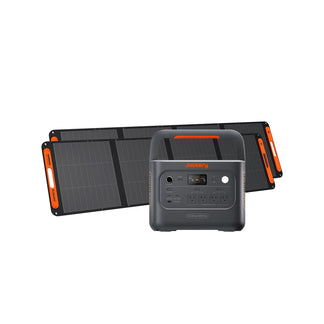
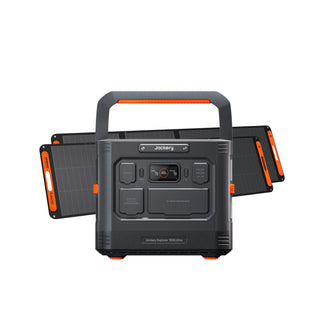
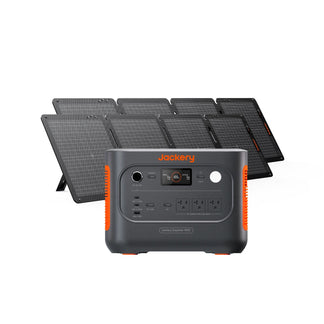
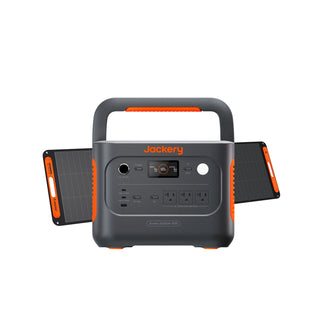
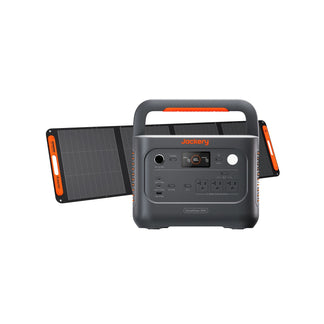
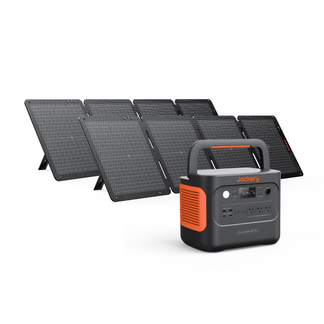
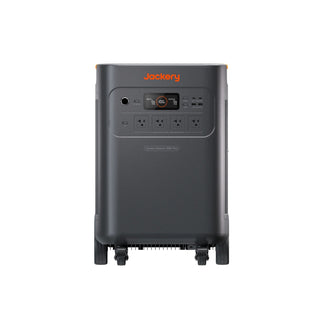

![[Add-on] Jackery SolarSaga 500 X - Jackery](http://www.jackery.com/cdn/shop/files/add-on-jackery-solarsaga-500-x-1493607.webp?v=1786503068&width=324)

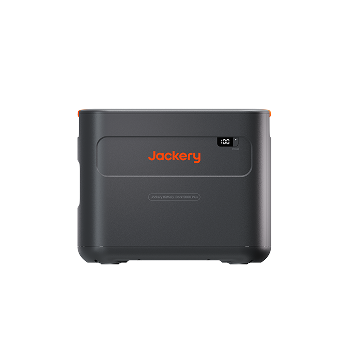
![[Add-on] Jackery Battery Pack 5000 Plus - Jackery](http://www.jackery.com/cdn/shop/files/add-on-jackery-battery-pack-5000-plus-6713401.webp?v=1786503068&width=324)



















Quick Answer: A watt-hour (Wh) is the total energy a battery stores — voltage (V) multiplied by amp-hours (Ah). Wh is the only fair metric to compare batteries because it accounts for voltage differences, unlike milliamp-hours (mAh). Airlines, laptop makers, and power station brands all use Wh as the standard rating because it reflects real energy content, not just charge quantity.
Key Takeaways
- Wh = V × Ah: a 12 V battery rated 100 Ah stores 1,200 Wh, while a 3.7 V cell at 100 Ah stores only 370 Wh — mAh alone hides this.
- Comparing batteries by mAh is misleading because a 20,000 mAh power bank at 3.7 V holds 74 Wh, while a 20,000 mAh battery at 12 V holds 240 Wh.
- The FAA and TSA restrict carry‑on lithium‑ion batteries to 100 Wh (≈27,000 mAh at 3.7 V), with up to 160 Wh allowed with airline approval.
- Real‑world usable Wh is typically 80–90 % of the rated label value because of voltage conversion losses, heat, cable resistance, and depth‑of‑discharge limits.
- For LiFePO₄ batteries, safe depth of discharge is 80 %, so a 2,042 Wh battery delivers about 1,634 Wh of usable energy.
What Does Wh Mean on a Battery Label?
Watt‑hours (Wh) measure stored energy. The formula is simple:
Wh = V × Ah
A 12 V battery with 100 Ah provides 1,200 Wh. A 3.7 V lithium‑ion cell with the same 100 Ah holds only 370 Wh. The voltage makes the difference.
Think of a water tower. mAh is like the volume of water in the tank — how much charge is there. Wh is like the total work that water can do when it falls — that depends on the height (voltage) as well as the volume. A tall, narrow tank can do more work than a short, wide one with the same water volume.
A 100 Wh battery can theoretically power a 100 W device for one hour, a 50 W device for two hours, or a 10 W device for ten hours. The label tells you total energy, not just how many electrons are inside.
Why Is Wh Better Than mAh for Comparing Batteries?
mAh hides voltage. A 20,000 mAh power bank at 3.7 V (74 Wh) stores far less energy than a 20,000 mAh battery at 12 V (240 Wh), yet both labels say 20,000 mAh. Without Wh, you can’t tell which one runs your gear longer.
Wh normalizes comparisons across all chemistries — lithium‑ion (3.7 V), alkaline (1.5 V), lead‑acid (12 V), and LiFePO₄ (12.8 V). It gives you the true energy picture.
Marketing sometimes exploits mAh by omitting voltage. A low‑voltage battery with a big mAh number looks impressive but delivers less actual work. When you see only mAh without voltage, be skeptical.
Airlines regulate batteries by Wh, not mAh, because energy content — not charge quantity — determines fire risk. The FAA standard limit is 100 Wh for carry‑on, with up to 160 Wh allowed with airline approval [1]. That’s a hard number based on true energy.
Within a fixed‑voltage system (all 12 V), mAh is okay. But when you’re comparing a smartphone battery, a laptop pack, and a portable power station, only Wh tells the truth.
What Factors Affect Real‑World Wh Performance?
Conversion Efficiency Losses
When a power bank steps up from its internal 3.7 V to USB 5 V, energy is lost. Typical conversion efficiency is 80–90 %, so a 100 Wh battery might deliver only 80–90 Wh to your device. The rest becomes heat.
Depth of Discharge (DoD)
Most lithium‑ion batteries shouldn’t be drained to zero. Running them below 10–20 % remaining charge shortens life. LiFePO₄ batteries tolerate an 80 % DoD — so a 2,042 Wh battery yields about 1,634 Wh of usable energy. That’s a built‑in haircut on the label number.
Temperature Extremes
Cold saps capacity. Below 32 °F (0 °C), lithium‑ion cells can temporarily lose 20–30 % of their rated Wh. Heat above 95 °F (35 °C) accelerates degradation. If you’re powering a fridge in a hot garage, expect less runtime than the label suggests.
Battery Age and Cycle Count
Capacity fades with use. LiFePO₄ cells typically retain 80 % of their original Wh after 3,000–5,000 full cycles. Standard lithium‑ion degrades faster. A three‑year‑old battery delivers fewer watt‑hours than when it was new, even if the label hasn’t changed.
Device Power Draw
A laptop drawing 15 W runs four times longer on the same battery than one drawing 60 W. Wh is constant, but runtime depends entirely on how hard your device pulls power.
How Many Wh Do You Need for Common Devices?
Daily essential loads can be mapped to Wh to size a backup power source.
Device |
Average Power Draw |
Daily Energy Use (Wh) |
Suitable Power Bank (usable Wh) |
|---|---|---|---|
Smartphone |
5 W charging |
10–15 Wh per full charge |
74 Wh → 4–5 charges |
Tablet |
10–15 W |
25–45 Wh per charge |
74 Wh → 1.5–2 charges |
Ultraportable laptop |
15 W |
42–60 Wh per charge |
100 Wh → 1–2 charges |
Wi‑Fi router |
10 W |
240 Wh daily |
2,000 Wh → 8+ hours |
Refrigerator (Energy Star) |
150 W running |
1,200–2,400 Wh daily |
2,000 Wh → 8–16 h |
Portable AC (8,000 BTU) |
700 W |
5,600 Wh (8 h) |
5,000 Wh → ~7 h |
Airline‑compatible power banks under 100 Wh (≈27,000 mAh at 3.7 V) can charge a smartphone 5–7 times or a laptop 1–2 times. For essential home backup, a refrigerator alone needs roughly 1,200–2,400 Wh per day.
For a detailed guide on sizing a solar generator to your specific daily energy needs, see our article on what size solar generator you need.
Limitations / What to Know Before
- mAh vs. Wh trap: A 20,000 mAh at 3.7 V is not the same as 20,000 mAh at 12 V. Always check voltage.
- Label Wh ≠ usable Wh: Expect 10–20 % loss from voltage conversion, plus additional loss from DoD limits.
- LiFePO₄ safe DoD is 80 %: A 2,042 Wh battery delivers about 1,634 Wh of usable energy.
- Use nominal voltage: Calculate with the battery’s nominal voltage (3.7 V for Li‑ion, 12 V for car batteries), not the fully charged or discharged voltage.
- Missing voltage is a red flag: If a manufacturer claims mAh without specifying voltage, demand Wh or look elsewhere.
Jackery Essential Home Backup Solutions: Applying Wh to Real‑World Needs
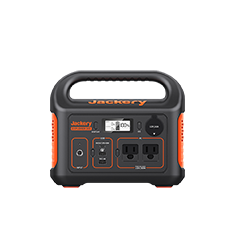
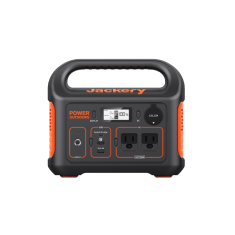
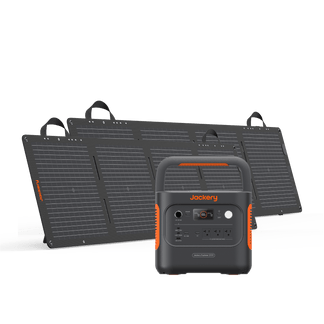
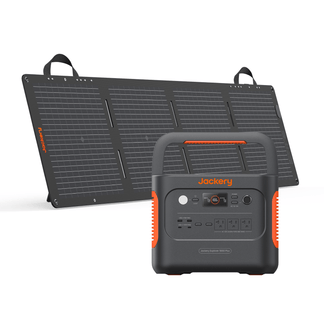
When you understand Wh, you can size a backup system that matches your actual daily loads. Jackery portable power stations and solar generators use LiFePO₄ batteries rated in Wh, giving you predictable, usable energy. They’re designed for essential home backup — not whole‑home power — but they handle the critical loads that keep a household running during an outage.
If you’re new to the category, start with our explainer on what a solar generator is.
Model |
Key Specs |
Why It Fits Your Wh Calculation |
|---|---|---|
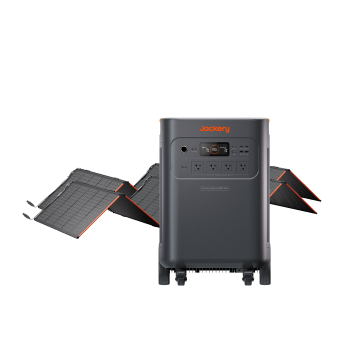
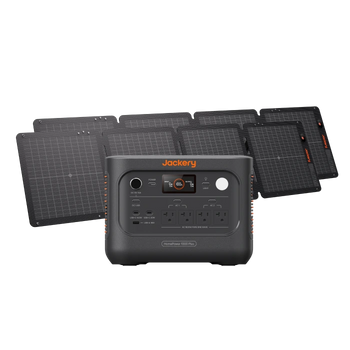
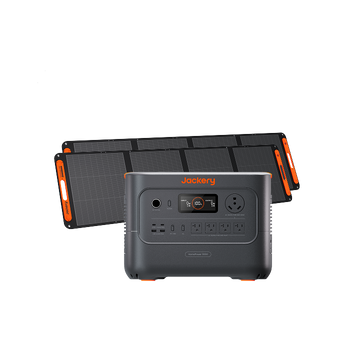
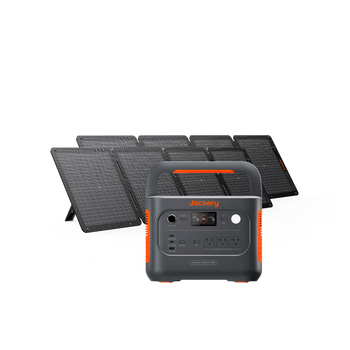
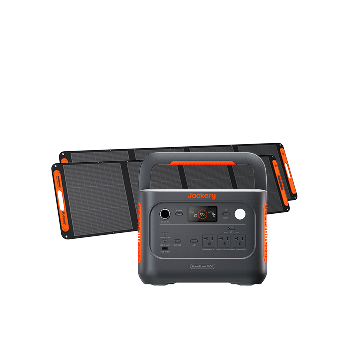
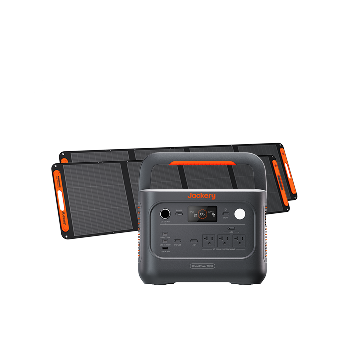
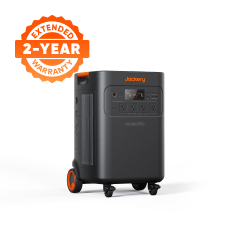
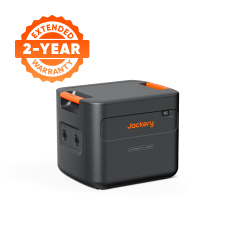
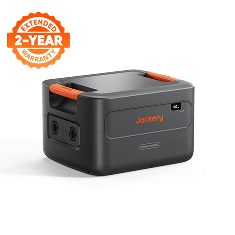
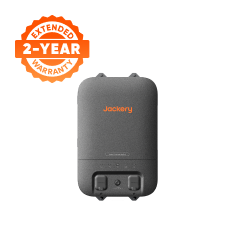
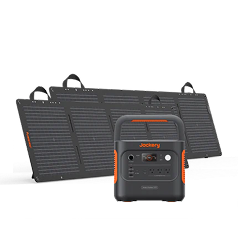
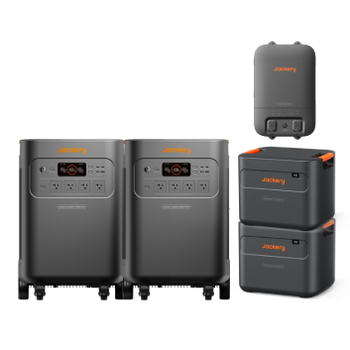
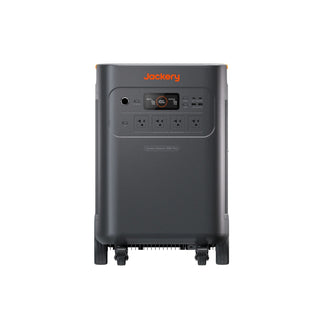
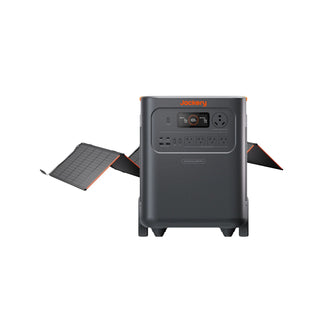
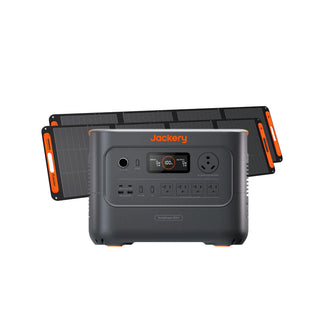
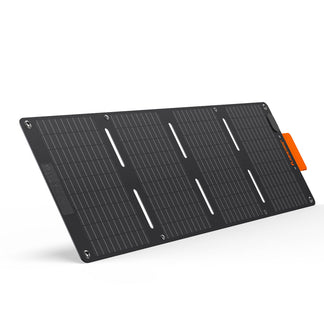
Jackery Solar Generator 5000 Plus + 2x SolarSaga 500X |
5,040 Wh capacity, expandable to 60 kWh; 7,200 W continuous, 14,400 W surge |
Runs a refrigerator (150 W) for 30+ hours, plus lights, Wi‑Fi, and phone charging simultaneously. Scalable storage matches your daily Wh total. |
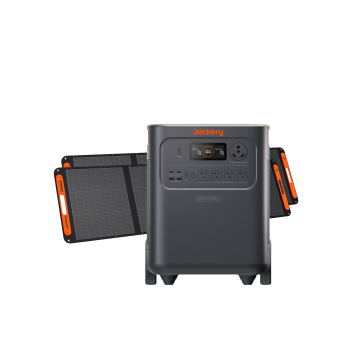
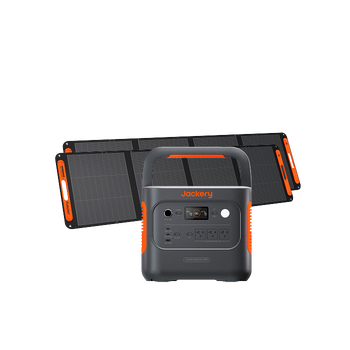
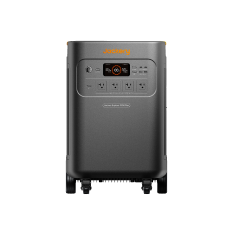
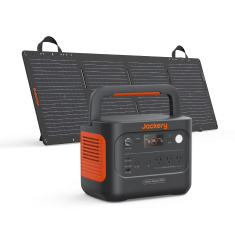
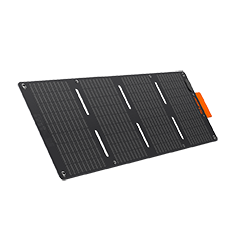
Jackery Solar Generator HomePower 3600 Plus + SolarSaga 500X |
3,584 Wh, expandable to 21.48 kWh; dual‑voltage output (120V/240V AC) |
24+ hours of essential backup for a fridge, router, lights, and a fan or portable AC. Covers common household and device Wh needs. |
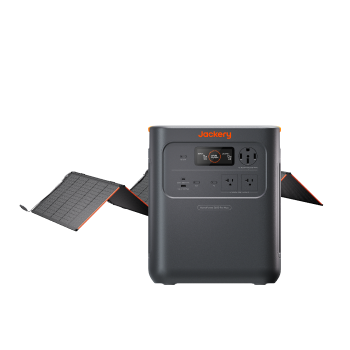
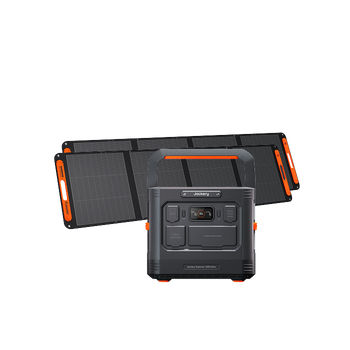
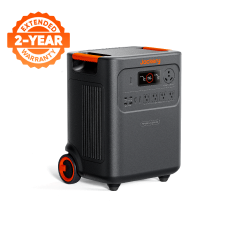
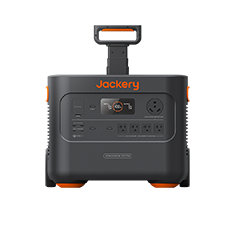
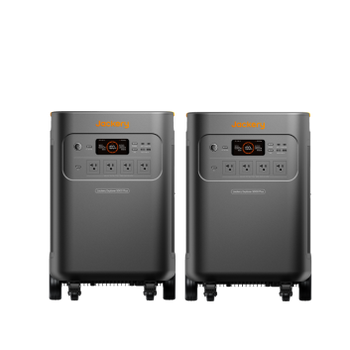
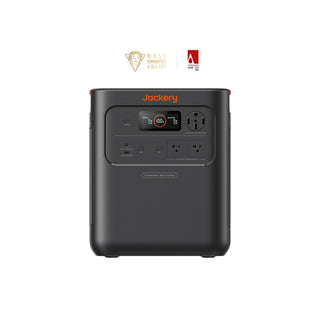
Jackery Explorer 2000 v2 |
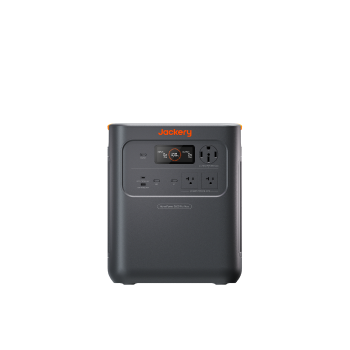
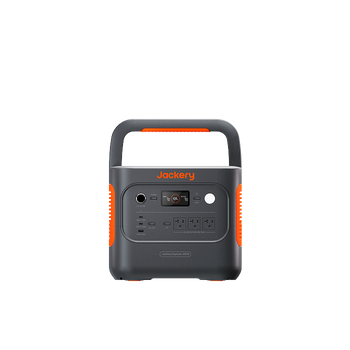
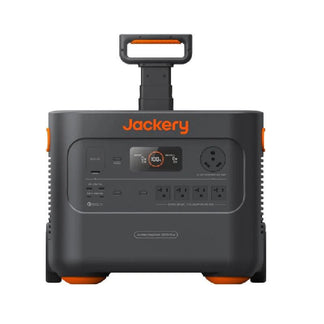
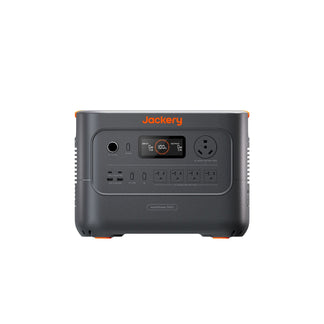
2,042 Wh LiFePO₄; fast recharge |
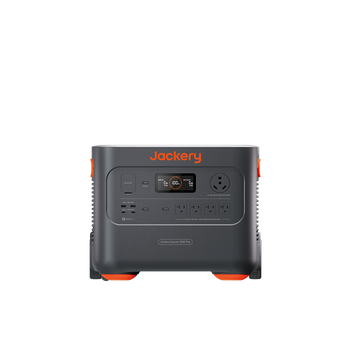
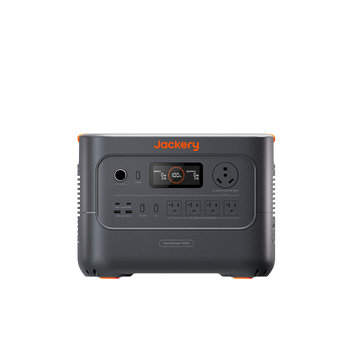
Portable outdoor backup that matches your calculated Wh. Delivers reliable usable Wh over thousands of cycles. |
These units combine a power station and solar panels into a solar generator system. For a breakdown of the differences between the components, read our comparison of solar generators vs. portable power stations vs. solar panels.
If you’re choosing a battery backup for your home, understanding Wh is critical. Learn more about selecting the right unit in our guide to the best battery backup generators.
Frequently Asked Questions (FAQ)
Can I take a power bank in checked luggage?
No. Lithium‑ion power banks over 2 g of lithium (most modern units) are prohibited in checked baggage due to fire risk [1]. They must be carried in the cabin.
What is the difference between Wh and kWh?
A kilowatt‑hour (kWh) is simply 1,000 watt‑hours. A 5,040 Wh battery equals 5.04 kWh. Divide Wh by 1,000 to convert.
How do I test if my battery’s actual Wh matches the label?
Use a USB power meter (inline tester) between the battery and a load. Measure cumulative energy delivered and compare to the rated Wh. Expect some loss from conversion.
Does a higher Wh battery always take longer to charge?
Not necessarily. Charge time depends on the charger’s wattage and the battery’s internal charge controller. A 100 Wh battery with a 60 W charger fills faster than a 50 Wh battery with a 5 W charger.
Why do some devices show different Wh when connected to a power bank?
Devices report power draw based on their own operating voltage and efficiency. The power bank’s output voltage conversion creates small measurement discrepancies. The values are close but rarely identical.
Sources & References
[1] Federal Aviation Administration. “Lithium Batteries.” https://www.faa.gov/hazmat/packsafe/lithium-batteries (accessed May 2026).


