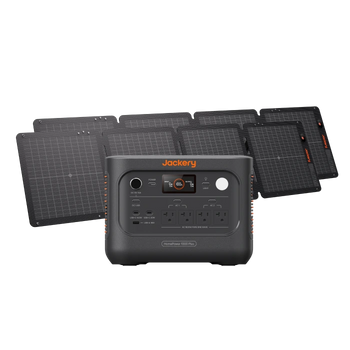


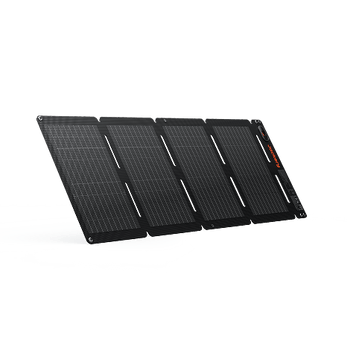


















![[Add-on] Jackery SolarSaga 500 X - Jackery](http://www.jackery.com/cdn/shop/files/add-on-jackery-solarsaga-500-x-1493607.webp?v=1786503068&width=324)
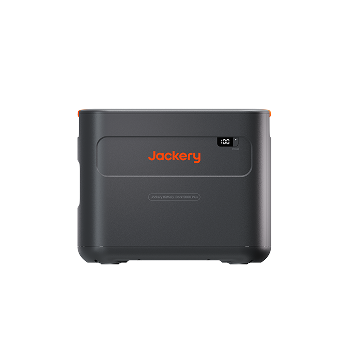
![[Add-on] Jackery Battery Pack 5000 Plus - Jackery](http://www.jackery.com/cdn/shop/files/add-on-jackery-battery-pack-5000-plus-6713401.webp?v=1786503068&width=324)














![[Add - on] SolarSaga 200W - Jackery](http://www.jackery.com/cdn/shop/files/add-on-solarsaga-200w-4834329.png?v=1754016915&width=324)



A portable power station is a long-term investment. The best models on the market today are rated for 4,000 to 6,000 charge cycles, which is enough to last a decade or more with daily use. But that lifespan is not guaranteed. How you charge, store, use, and maintain your power station determines whether it reaches its rated cycle life or degrades years before it should.
The good news is that maximizing your power station's battery life does not require technical expertise. It requires a handful of consistent habits that compound into significantly longer battery performance over time. In this guide, we cover the 10 most effective tips for extending your portable power station's battery life, explain the science behind each one, and recommend three Jackery Solar Generators built for long-term, reliable everyday use.
Key Takeaways
- A portable power station's battery life is measured in charge cycles. It is the number of full-charge and discharge cycles it can complete before capacity drops below 70% of its original rating. Most modern LFP power stations are rated for 4,000 to 6,000 cycles.
- Keeping your battery between 20% and 80% state of charge (SoC) during regular use significantly extends cycle life. This is the single most impactful daily habit you can build.
- Temperature is the most damaging environmental factor for battery longevity. Charging and storing within the manufacturer's recommended range, which is typically 32°F to 113°F (0°C to 45°C), prevents accelerated degradation.
- LiFePO4 (LFP) battery chemistry, used in all current Jackery Portable Power Stations, is inherently more stable and longer-lasting than older NMC or lead-acid alternatives, but proper care still matters.
- For long-term storage, store at 50% to 80% charge in a cool, dry location and recharge every three months to prevent deep self-discharge.
What is Battery Cycle Life?
A battery cycle is one complete charge and discharge of the battery. If you charge a power station from 0% to 100% and then discharge it back to 0%, that is one full cycle. If you charge from 50% to 100% and discharge to 50%, that is half a cycle. Battery cycle life is the number of cycles a battery can complete before its capacity drops to a specified threshold, typically 70% to 80% of its original capacity.
The cycle life of a battery depends on its chemistry, design, and how it is used. Here is a comparison of common battery types used in portable power stations:
|
Battery Type |
Typical Cycle Life |
Projected Lifespan (1 cycle/day) |
Notes |
|
Lead-Acid |
200–500 cycles |
Under 2 years |
Oldest technology; heaviest; least efficient |
|
NMC (Lithium-Ion) |
500–2,000 cycles |
1–5 years |
Common in older power stations; higher energy density |
|
LiFePO4 (LFP) |
3,000–6,000+ cycles |
8–16+ years |
Safest, most stable; used in all current Jackery models |
Most current Jackery Portable Power Stations all use LiFePO4 (LFP) battery chemistry. It is the most durable and thermally stable option available in consumer portable power stations today. But even the best battery chemistry benefits significantly from proper usage habits.
What Affects Portable Power Station Battery Life?
Three primary factors determine how quickly a battery ages beyond its rated cycle life:
Depth of Discharge (DoD): How deeply you drain the battery in each cycle. Discharging to 0% consistently is significantly harder on battery cells than keeping the discharge between 20% and 80%. Shallower discharge cycles extend the overall number of cycles the battery can deliver over its lifetime.
Temperature: Both high and low extremes accelerate battery degradation. High temperatures (above 113°F / 45°C) increase the rate of chemical reactions in the battery cells, leading to faster capacity loss. Low temperatures (below 32°F / 0°C) reduce charge acceptance and can cause lithium plating inside the cells during charging, which is a form of permanent damage.
Charging Behavior: Fast charging generates more heat than standard charging. Consistently charging at maximum speed, particularly in warm environments, accelerates cell aging more than normal charging. Partial charging (not always charging to 100%) and partial discharging (not always depleting to 0%) together reduce stress on the cells significantly.
10 Tips to Maximize Your Portable Power Station Battery Life
If you want to maximize your portable power station's battery life, you can keep it between 30% and 80% charged for daily use, avoid deep discharges, and store it in a cool, dry place at 50% charge. Following these steps prevents cell degradation and helps the internal Battery Management System (BMS) stay calibrated. Here are more tips to maximize power station battery life:
Tip 1: Keep Your State of Charge Between 20% and 80% During Daily Use
This is the single most impactful thing you can do for long-term battery health. Lithium-based batteries, including LFP cells, experience the least stress when they operate in the middle of their charge range.
Keeping your power station between 20% and 80% SoC (state of charge) during regular daily use dramatically reduces the number of high-stress cycles, which in turn extends the total number of cycles the battery can deliver over its lifetime.
In practice, this means not waiting until the battery is at 2% before charging, and not leaving it plugged in at 100% indefinitely. Charge the battery to around 80% for daily use and let it discharge to around 20% before recharging.
Tip 2: Avoid Leaving the Battery at 0% or 100% for Extended Periods
Both extremes of the charge range are stressful for lithium battery cells. A battery sitting at 0% for days or weeks will experience deep discharge, which can permanently damage cells and reduce overall capacity. A battery sitting at 100% for extended periods experiences a form of stress called "overcharge aging," even if the power station is not actively being overcharged, because cells are under continuous chemical strain at full saturation. If you are putting your power station into long-term storage, charge it to 50% to 80% before storing.
Tip 3: Charge and Store Within the Recommended Temperature Range
Temperature is one of the most damaging factors for battery longevity, and one of the most frequently overlooked.
All Jackery Portable Power Stations specify a charge temperature range (typically 32°F to 113°F / 0°C to 45°C) and a discharge temperature range. Operating outside these ranges, particularly charging in sub-freezing temperatures or storing in a hot garage or car in summer, causes cumulative and often irreversible damage to battery cells.
In hot climates, avoid storing the power station in an unconditioned garage, attic, or vehicle during the summer months. In cold climates, let the power station warm up to room temperature before charging after it has been stored or transported in freezing conditions.
Tip 4: Use Standard Charging Over Fast Charging for Routine Use
Fast charging generates more heat than standard charging, and heat is one of the primary drivers of battery aging. While fast charging is valuable when you need to recharge quickly before an outage or storm, using it as your default charging method every day will accelerate cell degradation over time compared to standard-speed charging.
For routine daily or weekly charging, use standard AC charging at the power station’s normal input rate. Reserve fast charging modes, including Emergency Fast Charge, for situations where speed genuinely matters. Most Jackery Portable Power Stations also have a Quiet Charging Mode that reduces charging power to extend battery health and lower noise. Enabling quiet mode for overnight or background charging is a simple way to protect the battery long-term.
Tip 5: Avoid Consistent Deep Discharges to 0%
Consistently draining a portable power station to 0% before recharging is one of the fastest ways to shorten its cycle life. Deep discharges put maximum strain on the battery cells, and lithium cells that are repeatedly taken to near-zero capacity lose usable capacity faster than those operated with a floor of 10% to 20%.
In practical terms, aim to recharge your power station when it reaches around 20% rather than waiting until it shuts off from depletion. This maintains a shallower discharge depth per cycle, which directly translates to more total cycles before capacity degrades to the 70% threshold.
Tip 6: Store Long-Term at 50%–80% and Recharge Every Three Months
If you are not using your power station regularly, perhaps it is a seasonal backup for hurricane season, or a camping unit you only use a few times per year, how you store it matters as much as how you use it.
For long-term storage, the ideal state of charge is between 50% and 80%. Store the power station at this level in a cool, dry location (away from direct sunlight, moisture, and extreme temperatures) and check the battery level every three months. If the level has dropped below 50% due to natural self-discharge, recharge it back up to 50% to 80% before putting it away again.
Tip 7: Calibrate the Battery Once Every Few Months
Battery management systems (BMS) in modern power stations track charge level using algorithms that can drift over time, particularly if the battery has always been kept in the 20% to 80% range and never fully cycled. An occasional full calibration cycle (charging to 100% and discharging to near 0%) helps the BMS recalibrate its state-of-charge readings and maintain accurate capacity reporting.
Once every three to four months is sufficient for most users. The goal is not to regularly deep-cycle the battery (which accelerates aging) but to give the BMS a reference point to work from. After the calibration cycle, return to your regular 20%–80% charging habits.
Tip 8: Minimize the Time the Battery Spends at High Temperatures Under Load
Heat generated during heavy use, such as running multiple high-wattage appliances simultaneously close to the power station’s output ceiling, combined with warm ambient temperatures, is one of the most damaging combinations for battery longevity. When a battery is hot from usage and also hot from the environment, the degradation rate accelerates significantly.
When possible, position your power station in a well-ventilated area during use rather than enclosed spaces with poor airflow. Avoid placing it in direct sunlight while running. During hot summer months, keep it in an air-conditioned space during high-draw usage. This is particularly relevant for power stations with high continuous output loads.
Tip 9: Use the Manufacturer's Recommended Charging Accessories
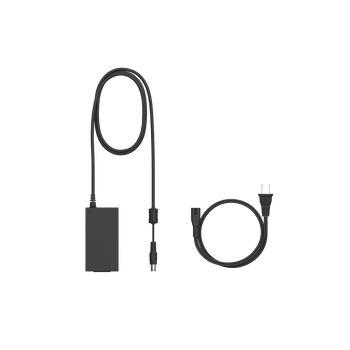
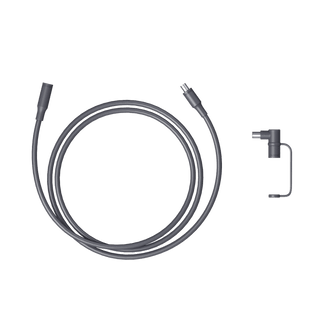
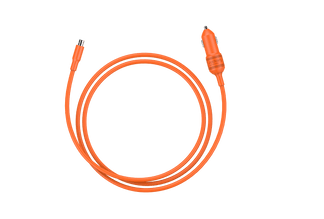
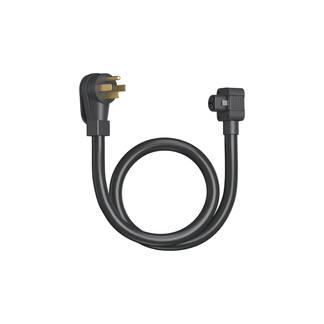
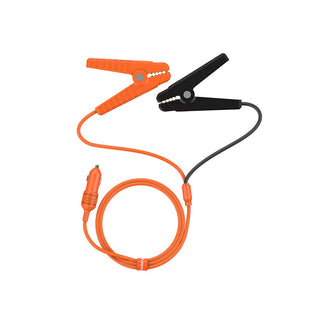
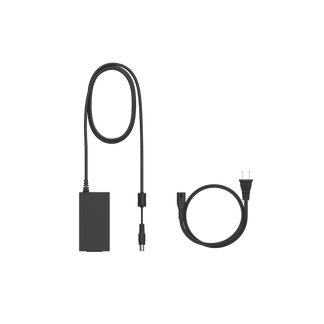
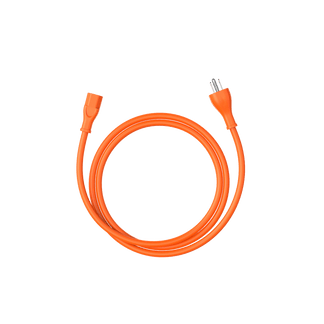
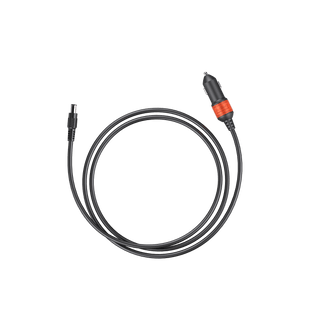
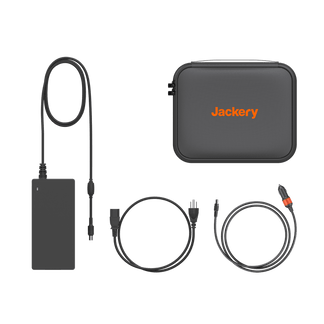
Using non-Jackery AC cables, solar panels, or car charging cables introduces the risk of voltage and current inconsistencies that the power station’s BMS may not handle optimally. Off-spec input can cause thermal stress, inconsistent charging curves, and, in some cases, trigger overcharge or over-temperature protection events that interrupt charging mid-cycle.
Tip 10: Enable Battery-Saving Modes and App Monitoring
Most current Jackery Portable Power Stations are app-connected via WiFi or Bluetooth, giving you real-time visibility into battery level, input wattage, output wattage, and estimated runtime. Use this visibility actively.
Through the Jackery app, you can enable Battery Saving Mode (which limits available capacity to reduce cell stress over time), set Quiet Charging Mode for slower, lower-temperature overnight charging, and configure Time-of-Use charging schedules for off-peak recharging. These are not set-and-forget features. Checking in via the app monthly takes less than five minutes and gives you the data to check unusual patterns, such as unexpected capacity loss, abnormal temperature readings, or charging irregularities, before they become irreversible.
Recommended Jackery Solar Generators for Long Battery Life
Choosing a solar generator with a durable battery foundation makes every tip in this guide more effective. These three Jackery Solar Generators are built around LFP chemistry with strong cycle life ratings, app-based monitoring and management, and features that actively support long-term battery health.
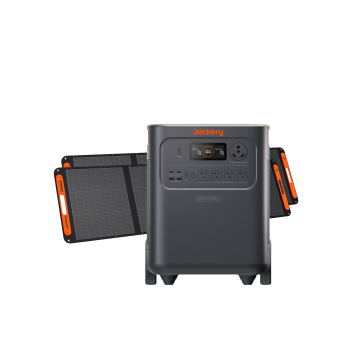
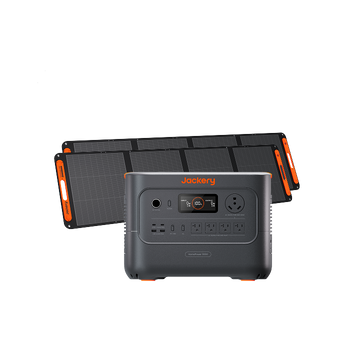
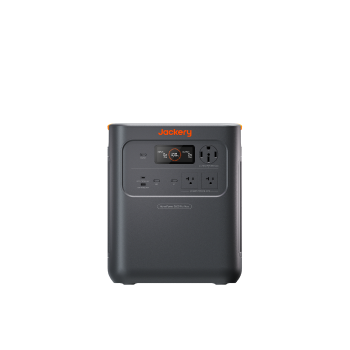
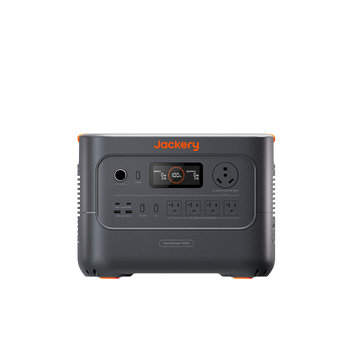
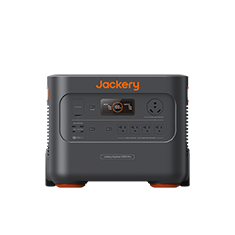
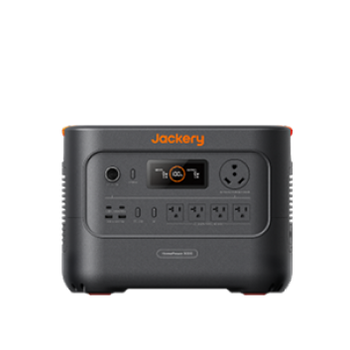
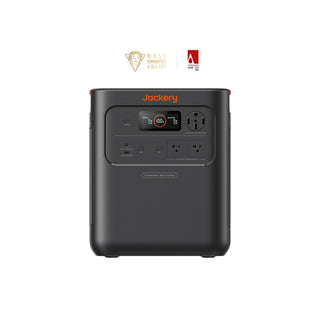
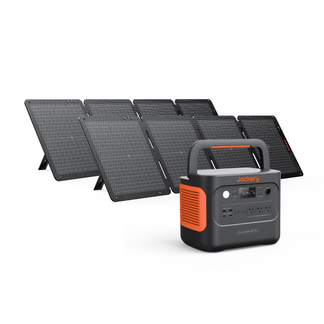
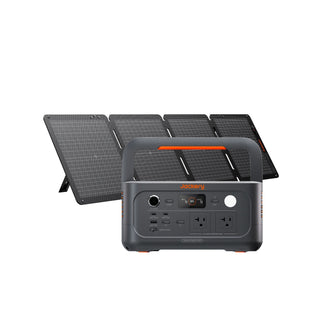
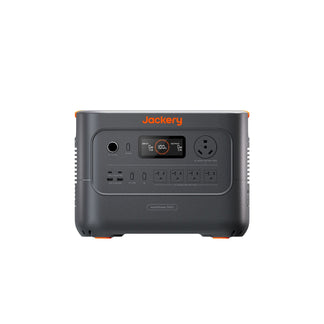
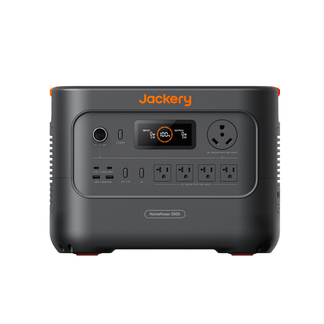
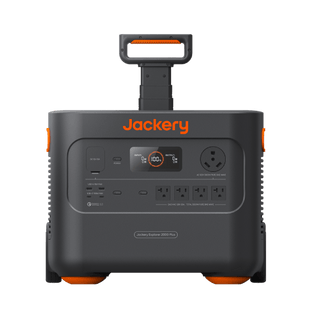
Jackery Solar Generator HomePower 3000
The Jackery Solar Generator HomePower 3000 is an excellent entry point for households that want serious home backup power in the world's lightest and smallest 3kWh package. It features ZeroDrain™ self-discharge retention technology, which keeps approximately 95% of charge after 12 months of storage. It can handle a wide range of home essentials, including refrigerators, fans, WiFi routers, lights, and cooking appliances simultaneously. For battery longevity, the combination of ZeroDrain™ storage retention and ChargeShield™ 2.0 BMS protection makes it one of the most storage-friendly solar generators in the lineup.
Appliances Running Time
- Refrigerator (200W) = 11.8H
- LED Lights (30W) = 50.2H
- WiFi Router (10W) = 81.6H
- Portable AC (900W) = 2.8H
- Coffee Maker (800W) = 3.2H
Who Should Buy This
The Jackery Solar Generator HomePower 3000 is ideal for homeowners and families who want reliable 1 to 2 day essential home backup, the peace of mind of ZeroDrain™ long-term storage readiness, and a compact form factor that does not sacrifice output or safety. It is the right choice for users who want a capable, long-lasting backup station without the complexity of expandable systems.

Customer Review
This is the sweetest purchase I have ever made. We own a gelato business and wanted to take a freezer to markets. This was the best solution. We set the solar panels on top of the van, and they charge right up.
— Morgan.
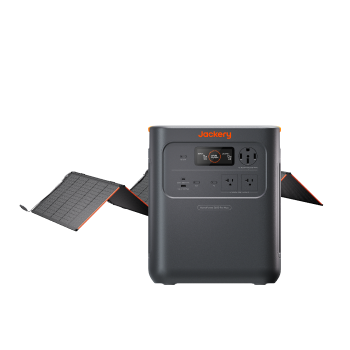
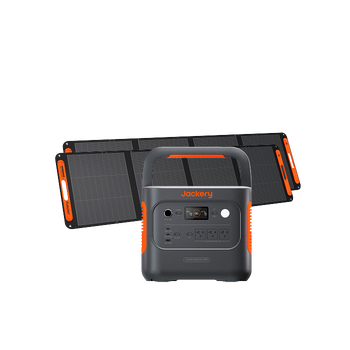
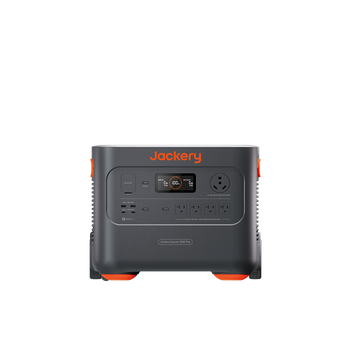
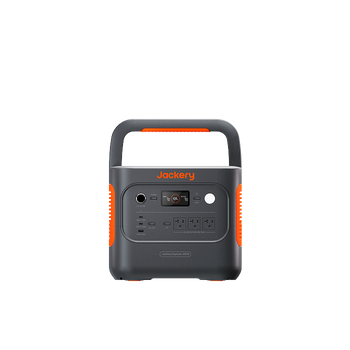
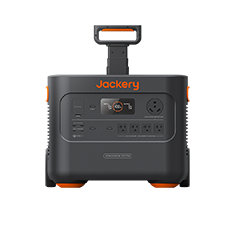
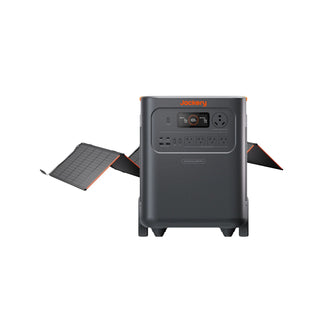
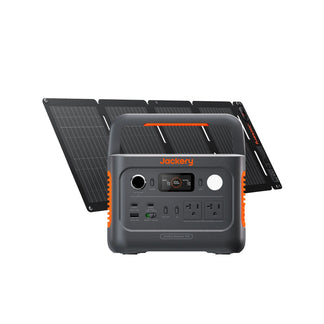
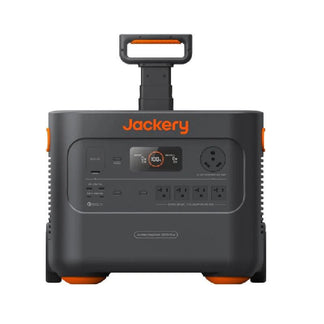
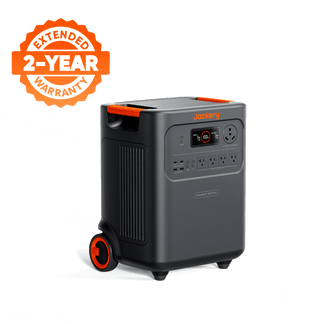
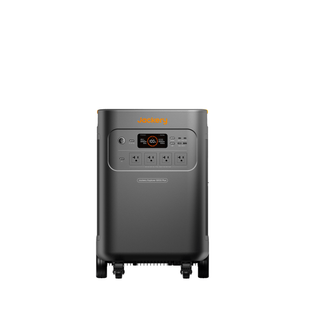
Jackery Solar Generator HomePower 3600 Plus
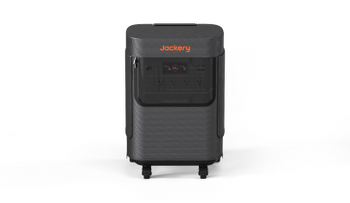
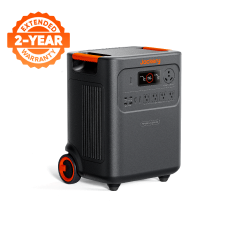
The Jackery Solar Generator HomePower 3600 Plus is one of the most battery-durable large-capacity solar generators, projected to last 16 years of daily use at its rated cycle life. It features a sub-10ms UPS switchover, making it the most responsive home battery backup option for sensitive devices like home offices, medical equipment, and smart home systems that cannot tolerate even a brief power interruption. The built-in wheels and a pull handle allow easy repositioning throughout the home, and at just 30dB in Quiet Mode, it runs through the night without any disruption.
Appliances Running Time
- Refrigerator (200W) = 13.7H
- LED Lights (30W) = 58.6H
- WiFi Router (10W) = 95.2H
- Portable AC (900W) = 3.3H
- Coffee Maker (800W) = 3.7H
Who Should Buy This
The Jackery Solar Generator HomePower 3600 Plus is the right choice for households that want the longest battery lifespan in a home solar generator, with the ability to expand capacity over time and sub-10ms UPS protection for sensitive home electronics.

Customer Review
Many desirable features come with this product: a telescoping handle, rolling wheels, a 30A AC outlet for RV, parallel AC-output ports, a sturdy cabinet, and dual handles. I feel comfortable recommending this storage system to other folks.
— Glenn F.
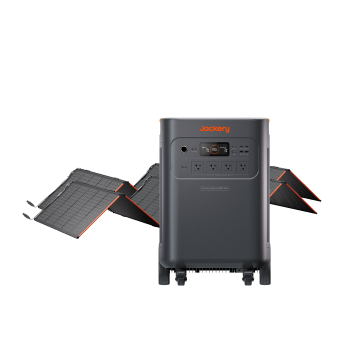
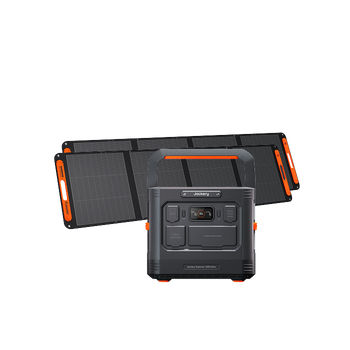
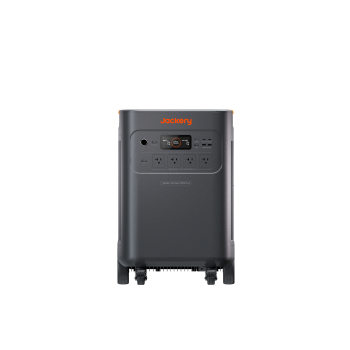
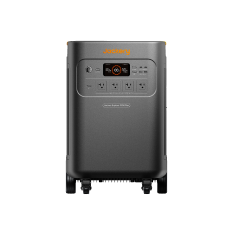
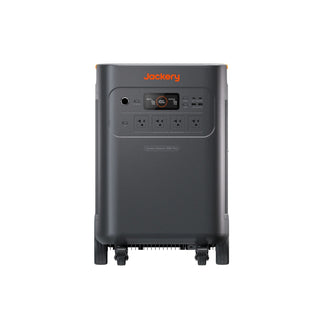
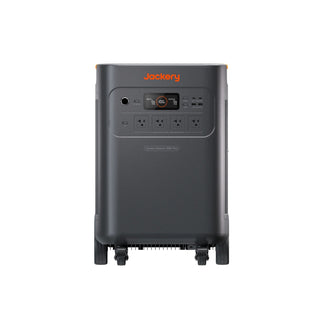
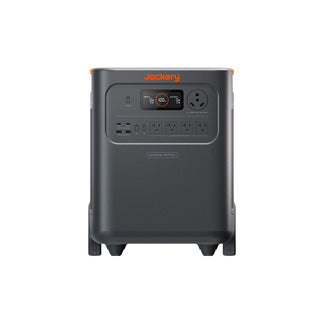
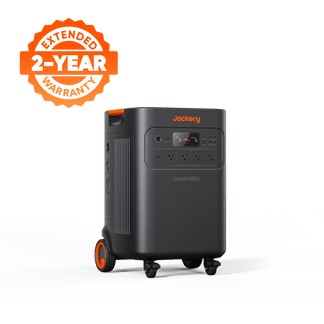
Jackery Solar Generator 5000 Plus
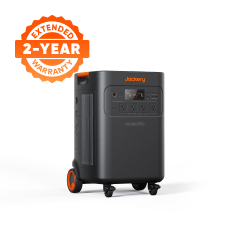
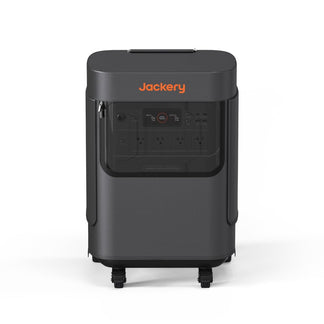
The Jackery Solar Generator 5000 Plus is a powerful and scalable solar generator that supports 120V and 240V appliances. It offers the widest range of app-controllable battery management features: Battery Saving Mode, Quiet Charging Mode, Energy Saving Mode, Time-of-Use scheduling, and switchable UPS modes (0ms Online UPS for maximum protection, 20ms Backup UPS for lower battery standby stress). Its true 0ms UPS switching ensures computers, medical devices, and critical home equipment experience no interruption when the grid drops.
Appliances Running Time
- Refrigerator (200W) = 17.1H
- LED Lights (30W) = 53.5H
- WiFi Router (10W) = 71.4H
- Portable AC (900W) = 4.5H
- Coffee Maker (800W) = 5.0H
Who Should Buy This
The Jackery Solar Generator 5000 Plus is the right choice for households that need essential home backup, including 240V heavy appliances, the most app-controllable battery management in Jackery's lineup, and the most scalable capacity path for long-term energy security.

Customer Review
Had a 2-hour power outage, and it ran our house refrigerator and a few fans. With 88% more power to use!!! So impressive, I bought the small 1000
— Joe K.
FAQs About Portable Power Station Battery Life
How do I keep my battery 100% healthy?
Proper care and maintenance of any battery will help you keep it healthy. For example, you should not fully charge or discharge the battery — unless calibration is needed. While storing and using the battery, it is advised to keep it in a cool, moisture-free environment. In addition, you must use a manufacturer-recommended charger to power the battery. This will help keep the battery healthy and even improve its lifespan.
Can I use an iPhone while charging?
Yes, you can use the iPhone while charging. However, constantly using the smartphone while it is charging can degrade the battery and even contribute to heating your phone. In order to maintain optimal battery performance, you must use the original charger.
Should I charge my iPhone to 100%?
If you want to keep the optimal battery health, it is recommended to charge your iPhone between 20% and 80%. While charging to 100% won't necessarily damage the battery, overcharging can cause damage and shorten the battery's lifespan.
What is the 20 to 80 battery rule?
The 20-80% rule suggests that the battery should be charged between 20% and 80% of total capacity. It's one of the methods that can extend the battery life cycle and even improve the battery health.
Is slow charging better for the battery?
Yes, slow charging is one of the best ways to charge a battery. However, using a fast charger occasionally will not have an appreciable effect on the battery health. With slow charging, you can reach more than 3000 life cycles.
Conclusion
A portable power station's battery is its most valuable and irreplaceable component. Unlike a solar panel that can be replaced or a cable that can be swapped out, battery cell degradation is cumulative and cannot be reversed. The good news is that it is largely preventable with consistent habits, and the 10 tips in this guide cover every dimension of battery care that matters for long-term longevity.
Regardless of which Jackery Solar Generator you invest in, the same principles apply: operate in the middle of the charge range, manage temperature, charge gently when speed is not critical, store thoughtfully, and use the app to monitor and configure what you cannot see. These habits do not take significant time or effort, but over a decade of use, they are the difference between a power station that delivers its full rated lifespan and one that underperforms its potential.


![4 Best Lithium-ion Backup Batteries [2024 Updated]](http://www.jackery.com/cdn/shop/files/4-best-lithium-ion-backup-batteries-2024-updated-4211043.jpg?v=1786013688&width=90)


