
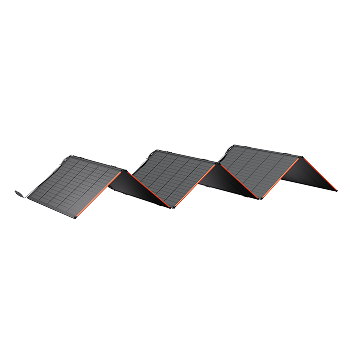
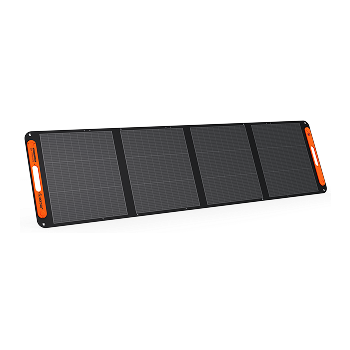
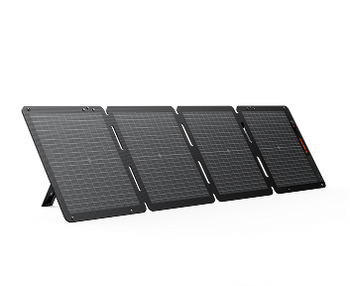





![[Add-on] Jackery SolarSaga 500 X - Jackery](http://www.jackery.com/cdn/shop/files/add-on-jackery-solarsaga-500-x-1493607.webp?v=1786503068&width=324)
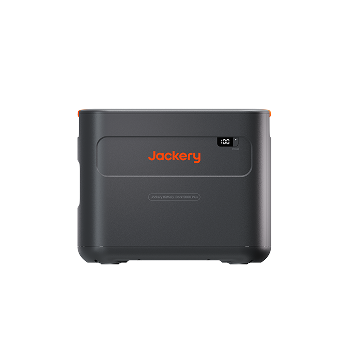
![[Add-on] Jackery Battery Pack 5000 Plus - Jackery](http://www.jackery.com/cdn/shop/files/add-on-jackery-battery-pack-5000-plus-6713401.webp?v=1786503068&width=324)
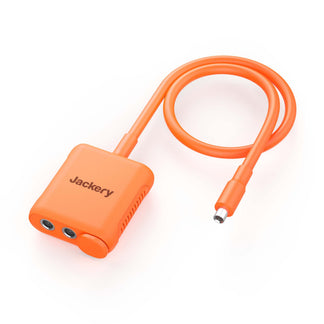
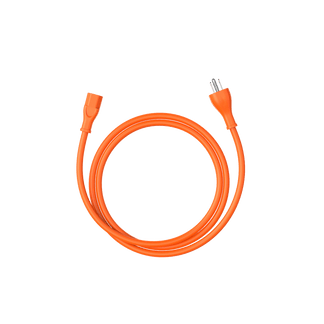
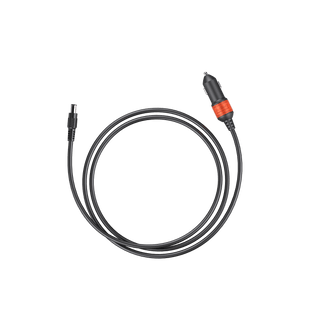



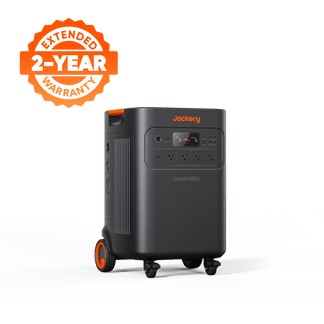
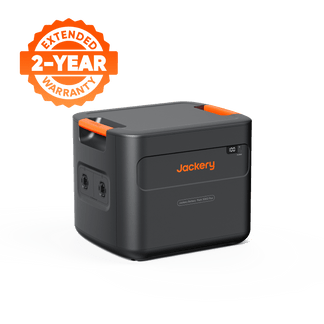
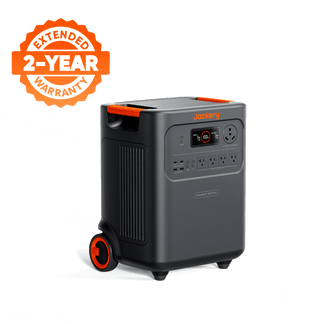
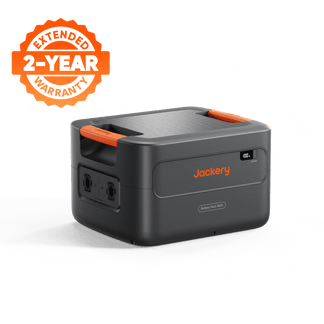
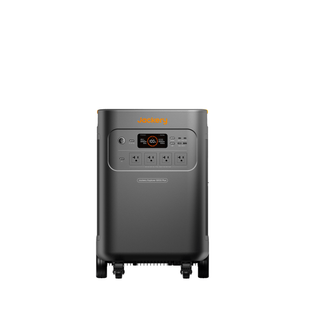
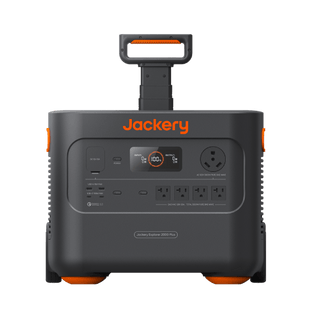
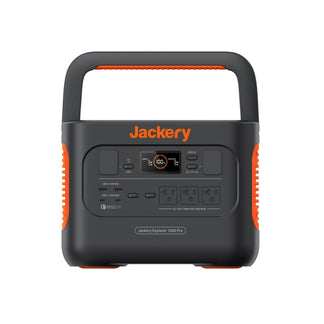
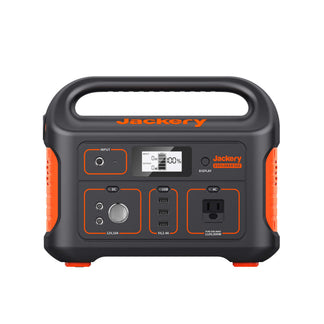
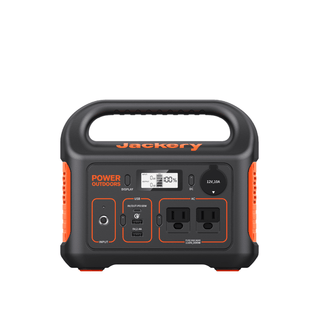
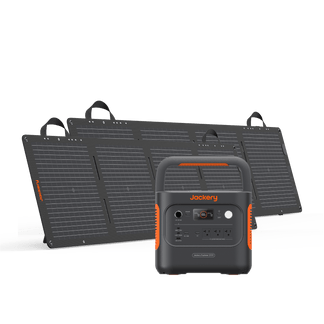
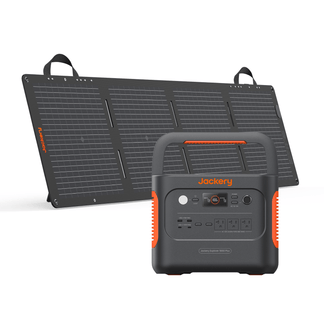


Pass-through charging means a backup battery or portable power station accepts incoming power while sending power to connected devices at the same time. During an outage, it may be reasonable only when the exact model documents simultaneous charging and discharging, the intended load fits the model's instructions, and the unit operates normally. The feature name alone does not guarantee UPS behavior, uninterrupted transfer, unlimited runtime, or zero battery wear.
What Pass-Through Charging Means—and the First Safety Check
Pass-through charging is the ability to charge a unit while it powers connected loads. For example, a power station may receive AC, vehicle, or solar input while its outlets supply a laptop, lights, or another connected appliance. This is also called simultaneous charging and discharging.
The first safety check is model-specific: identify the exact unit, the incoming source, and the connected load, then look in the manual or official support page for explicit wording about pass-through charging. Jackery's published definition describes a power station accepting input while supplying connected appliances, and its support information says its power stations support the feature. Those statements are manufacturer-specific, not proof that every backup battery or portable power station has the same design, limits, or operating instructions. See the definition of pass-through charging and the official pass-through support guidance for the terminology.

Use this rule before connecting anything during an outage: proceed only if the exact model documents the mode and the intended input and output arrangement fits its instructions. If the manual is silent, unclear, or restrictive, do not assume that charging a backup battery while it powers appliances is supported. A product's capacity label is not enough to establish that the combined setup is appropriate.
| What the feature establishes | What you still need to verify |
|---|---|
| The unit can accept incoming power while supplying connected loads. | Whether the exact model supports the intended input source and output load together. |
| Power can flow into and out of the unit at the same time. | The model's documented input, output, startup, and operating restrictions. |
| The setup may keep selected loads running while the unit recharges. | Whether the model separately supports UPS or automatic transfer behavior. |
If your goal is to keep essential devices operating during a sudden outage, first classify the setup rather than relying on the feature name. A practical outage power station guide can help with general outage preparation, but the exact model manual controls this use. A retailer guide notes that many models use the term for powering devices while charging, but that category language does not establish support for a particular model or load (buyer-facing pass-through explanation).
When Simultaneous Charging and Powering Is Reasonable—or Risky
Pass-through can be a reasonable documented operating mode, but it becomes a poor assumption when the device design, connected load, ventilation, or outage duration falls outside the instructions. Power flow into and out of a unit and UPS backup are separate capabilities, so the model must support each one explicitly.
Device Design and Documentation
Start with the manufacturer's documentation, not a general rule about all portable power stations. Confirm that the exact model permits simultaneous charging and discharging, and note any restrictions on the input source, output ports, connected devices, or operating conditions.
Also look for separate language about UPS mode, bypass operation, automatic transfer, or outage response. Pass-through charging does not automatically mean a load will remain powered without interruption when utility power fails. Jackery's UPS guidance addresses whether a Jackery power station can be used as a UPS, while a separate Jackery article identifies selected products that advertise UPS mode. Treat UPS mode as a separate feature to verify for the exact model.

A prohibition, warning, or model-specific restriction is decisive. Do not turn a general statement that a product can be used while recharging into permission for every load, every input source, or prolonged outage operation.
Load, Heat, and Outage Duration
The connected load changes the decision. Light electronics may place different demands on a unit than high-draw or motor-driven appliances, especially when an appliance has a startup surge. Check the exact model's documented input, continuous output, and startup limits instead of applying a universal wattage cutoff. Available category guidance also notes that capabilities vary, so the product manual remains the controlling source for limits.
Keep vents unobstructed and place the unit where its normal operating conditions can be maintained. Stop using the setup if the housing becomes unusually hot, a warning appears, the unit becomes unstable, or it repeatedly shuts down. These are conservative stop signals, not universal temperature or failure thresholds.
A short emergency bridge and a prolonged or multi-day outage are different use cases. For longer use, apply any duration or operating restrictions in the instructions rather than treating the arrangement as routine. There is no universal safe runtime, battery-life result, or temperature threshold that applies across models.
Check These Conditions Before Using It in an Outage
Use this compact screen before and during use. It supplements the exact manual and does not replace model-specific instructions.
Before and during use
- Identify the exact model and read its instructions for simultaneous charging and discharging, including any restrictions on the input source and output ports.
- Confirm that the incoming source is one the model allows for this mode.
- Identify every connected load, including high-draw or motor-driven appliances, and compare the intended setup with the model's documented input, output, and startup limits.
- Check separately whether the model documents UPS, automatic transfer, or bypass behavior. Do not treat pass-through charging as proof of uninterrupted power.
- Inspect the housing, cords, plugs, and ports for visible damage before connection.
- Keep ventilation openings clear and observe the unit while it is charging and powering loads.
Stop or avoid
- Avoid the setup when the manual does not clearly support the intended simultaneous input/output arrangement.
- Stop if the unit shows a warning, becomes unusually hot, behaves erratically, or shuts down repeatedly.
- Stop if the load or input source exceeds, or may exceed, the model's documented limits.
- Do not continue using equipment with visible damage or blocked ventilation.
- Do not rely on pass-through for a continuity-dependent load unless the exact model separately documents the required UPS or transfer behavior.
The final go/no-go rule is simple: use the setup only when documented model support and documented input/output fit agree with normal operation. Before connecting the input and load, open the exact model manual or official support page and compare those requirements. If support or fit is missing, or the unit behaves abnormally, do not connect it and contact the manufacturer about another documented backup arrangement.
Frequently Asked Questions
These answers address common edge cases that the main decision rule does not settle by itself.
What Does Pass-Through Charging Mean on a Portable Power Station?
It means the unit receives incoming power while supplying power to connected loads. Whether that mode is supported, restricted, or suitable for a particular load depends on the exact product documentation.
Is Pass-Through Charging Safe During a Power Outage?
It may be reasonable when the exact model documents the mode, the intended input and load fit its instructions, ventilation is unobstructed, and the unit behaves normally. If the documentation is ambiguous or warning signs appear, do not use the setup as an assumed safe default.
Can I Use It With a Refrigerator or Other High-Draw Appliance?
Only after checking the model's documented output and startup limits for that type of load. Refrigerators and other motor-driven appliances can make startup behavior especially relevant, so a general feature label does not answer the question.
Is It the Same as UPS Backup?
No. Simultaneous power flow and UPS backup involve different behavior. Verify explicit UPS or automatic-transfer support for the exact model before relying on it during a utility-power failure.


