













![[Add-on] Jackery SolarSaga 500 X - Jackery](http://www.jackery.com/cdn/shop/files/add-on-jackery-solarsaga-500-x-1493607.webp?v=1786503068&width=324)

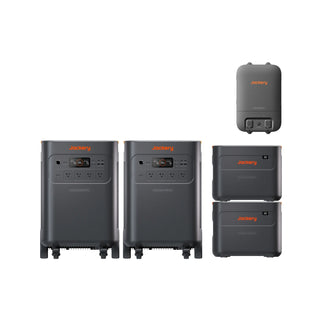
![[Add-on] Jackery Battery Pack 5000 Plus - Jackery](http://www.jackery.com/cdn/shop/files/add-on-jackery-battery-pack-5000-plus-6713401.webp?v=1786503068&width=324)
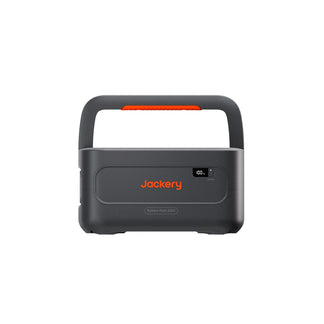






For passionate United States Men's National Team (USMNT) supporters, the real anxiety of the FIFA World Cup 2026 isn't whether the team will qualify for the knockout stage—it is where in North America they will actually play if they do.
The official FIFA tournament match schedule is not a single, predictable destination. Instead, it is a complex, high-stakes "choose-your-own-adventure" bracket that hinges entirely on whether the USMNT finishes first, second, or advances as a wild-card third-place team. Sizing up your travel itinerary requires understanding how these different group-stage finishes dictate stadium assignments.
While winning Group D locks in a convenient, West Coast-focused travel loop, finishing second or third triggers a grueling, cross-country logistical scramble. This comprehensive guide maps out every potential knockout venue, dates, and opponent scenarios to help you navigate your World Cup travel planning with confidence.
How Does the Group D Finish Dictate the USMNT's Knockout Venues?
Your team's standing in Group D locks in one of three wildly different travel schedules for the Round of 32. The US plays Paraguay (June 12, Los Angeles), Australia (June 19, Seattle), and Turkey (June 25, Los Angeles) during the group stage. How they perform across these three matches determines where they head next:
- Finishing First in Group D: This is the absolute best-case scenario. Winning the group sends the USMNT to Levi’s Stadium in Santa Clara, California, on July 1 for the Round of 32. This is just a short 90-minute charter flight from the team’s primary training base in Irvine, California—effectively giving the squad home-field advantage.
- Finishing Second in Group D: Placing second moves the Round of 32 to AT&T Stadium in Arlington, Texas, on July 3. This triggers a two-hour time zone jump east, placing the team 1,200 miles away from their West Coast training base and initiating a non-stop travel cycle.
- Finishing Third in Group D: If the US advances as one of the eight best third-place qualifiers (highly possible in the expanded 48-team format), their Round of 32 venue is determined by a FIFA algorithm. Potential landing spots include Arrowhead Stadium in Kansas City, Missouri, Gillette Stadium in Foxborough, Massachusetts, or MetLife Stadium in East Rutherford, New Jersey.
What are the Potential Knockout Bracket Paths for the USMNT?
According to the Sports Illustrated bracket paths, the initial Round of 32 venue is the first domino in a chain of potential stadium assignments. The table below outlines the first-place and second-place paths through the final rounds:
|
Knockout Round |
First-Place Path (Group D Winner) |
Second-Place Path (Group D Runner-Up) |
|
Round of 32 |
Levi’s Stadium (Santa Clara, CA) - July 1 |
AT&T Stadium (Arlington, TX) - July 3 |
|
Round of 16 |
Lumen Field (Seattle, WA) - July 6 |
Mercedes-Benz Stadium (Atlanta, GA) - July 7 |
|
Quarterfinal |
SoFi Stadium (Los Angeles, CA) - July 10 |
Arrowhead Stadium (Kansas City, MO) - July 11 |
|
Semifinal |
AT&T Stadium (Arlington, TX) - July 14 |
Mercedes-Benz Stadium (Atlanta, GA) - Date TBA |
|
The Final |
MetLife Stadium (East Rutherford, NJ) - July 19 |
MetLife Stadium (East Rutherford, NJ) - July 19 |
Winning the group creates a highly favorable West Coast loop (Santa Clara to Seattle to Los Angeles) with zero time zone changes. This allows the team to train comfortably at their Irvine base through the Round of 16. Conversely, finishing second forces a grueling, cross-country Dallas-Atlanta-Kansas City sequence, accumulating over 2,900 air miles across three time zones in just 12 days.
Who Could the USMNT Face in the Knockout Rounds?
Your group standing doesn't just dictate your travel; it directly influences the caliber of your opponents:
- If the US Wins Group D: The Round of 32 opponent will be a third-place finisher from Groups B, E, F, I, or J. Based on current FIFA rankings, potential opponents include Senegal, Norway, or Iraq. This is a highly favorable path, shielding the USMNT from heavyweight teams early in the bracket.
- If the US Finishes Second: The opponent will be the runner-up of Group G (which contains Belgium, Egypt, Iran, and New Zealand). Facing a formidable Belgium squad or an Egypt side led by a fit Mohamed Salah is a significantly more dangerous challenge than facing a third-place group finisher.
What are the Key Dates and Travel Logistics for U.S. Fans?
To plan your travel itinerary safely, you must anchor your calendar around the confirmed group-stage dates detailed in the NBC Sports USMNT schedule breakdown:
- June 12: US vs. Paraguay at SoFi Stadium (Los Angeles, CA)
- June 19: US vs. Australia at Lumen Field (Seattle, WA)
- June 25: US vs. Turkey at SoFi Stadium (Los Angeles, CA)
- Knockout Phase: The Round of 32 runs from June 29 through July 3. The US will play on July 1 (if first) or July 3 (if second).
If you are planning to follow the team, booking flexible travel arrangements is highly recommended. The first-place path is highly budget-friendly, allowing you to base yourself in Southern California and utilize short West Coast flights. The second-place path is far more expensive, requiring multiple hotel check-ins, rental car returns, and expensive last-minute flight bookings across four different states.
Why is Portable Energy Essential for Your World Cup Journey?
Following the USMNT across multiple host cities means your smartphones, navigation, and digital match tickets cannot go dead. Whether you are tailgating at AT&T Stadium, setting up camp outside Arrowhead, or traveling off-grid, stadium parking lots and remote campgrounds lack accessible wall outlets. Having a high-capacity portable power station is the ultimate way to keep your essential electronics and camping gear running.
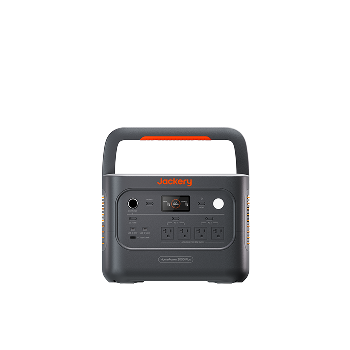
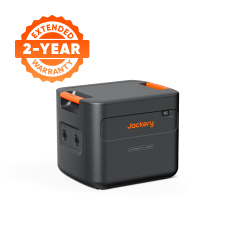
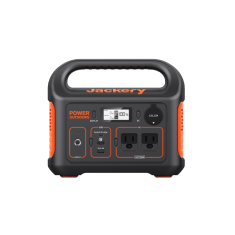
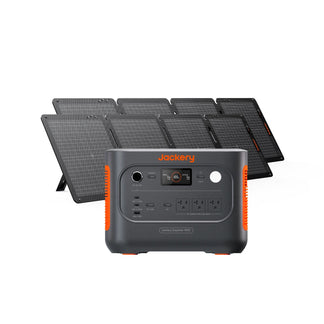
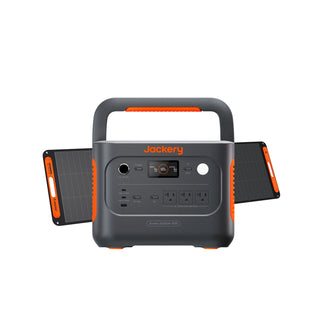
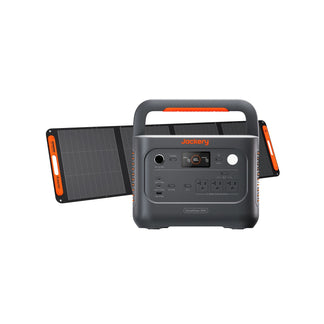
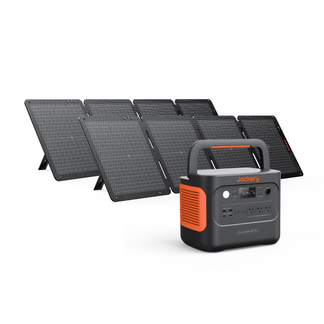
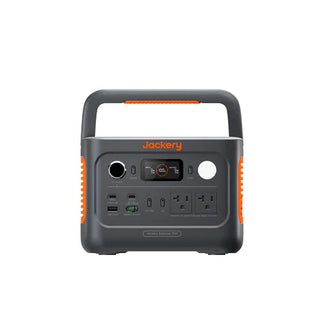
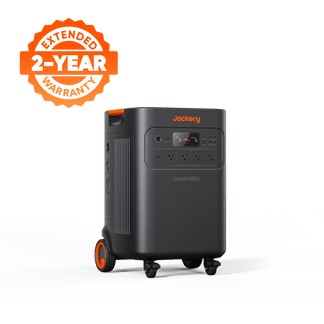
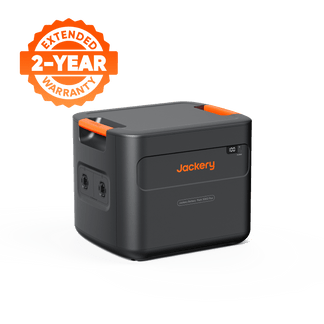
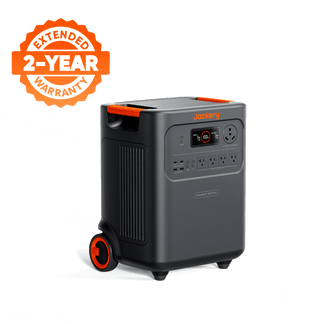
Two premium, highly portable power systems from Jackery are uniquely suited to handle your World Cup travel and tailgating loads.
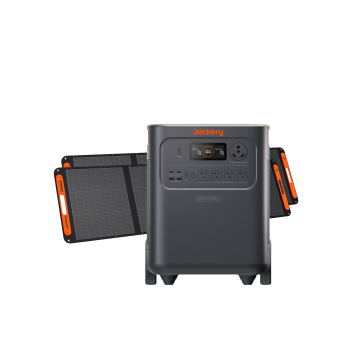
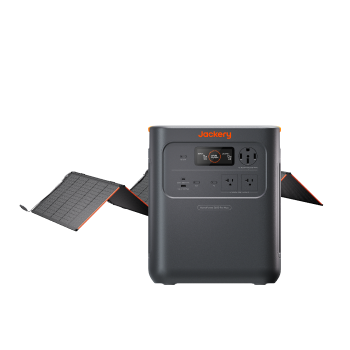
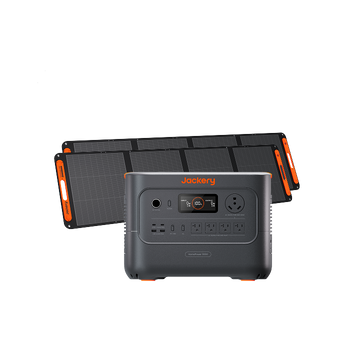
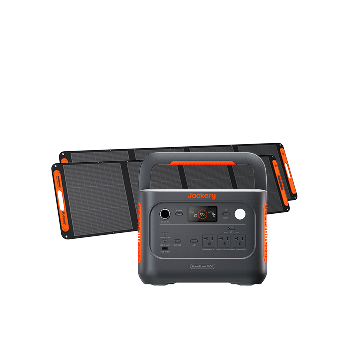
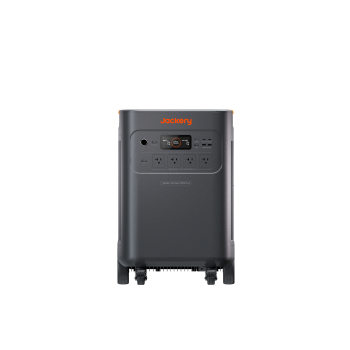
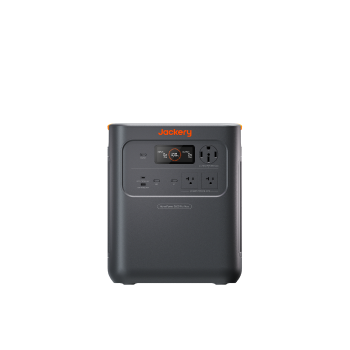
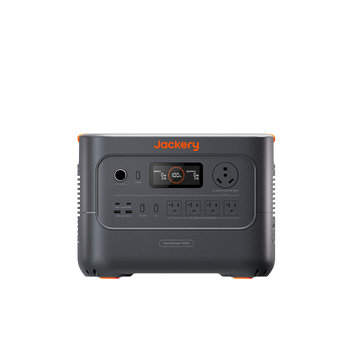
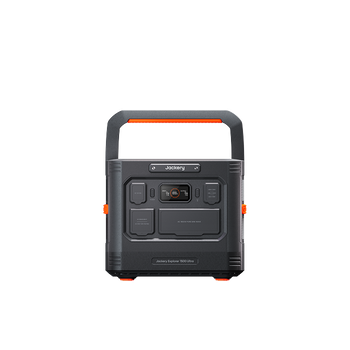
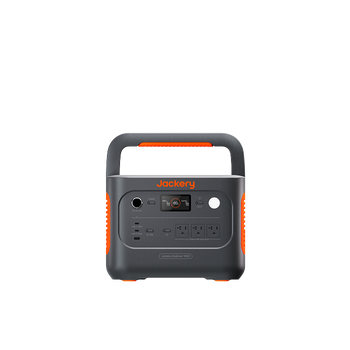
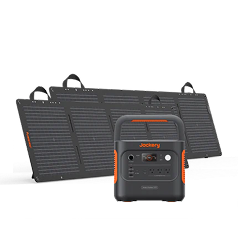
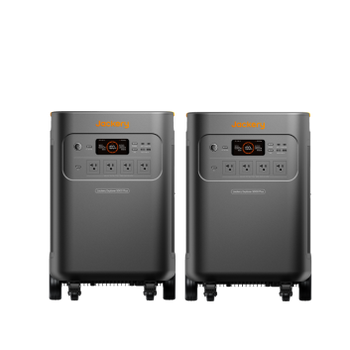
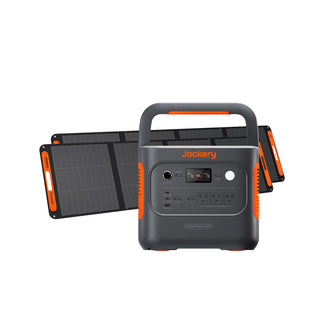
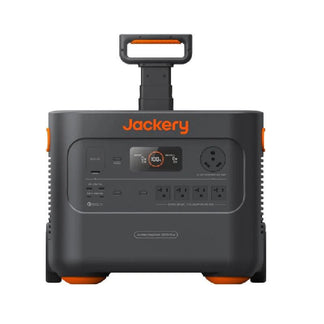
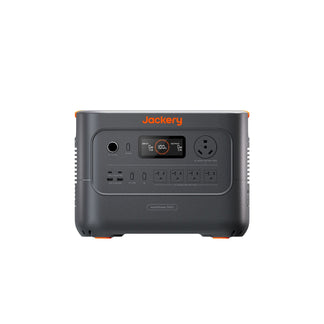
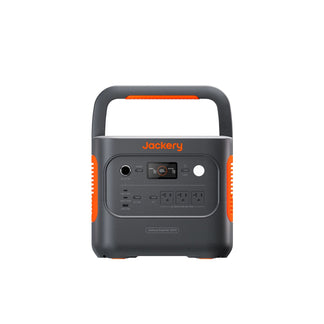
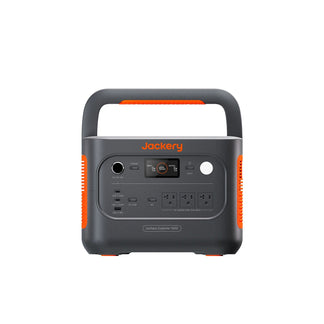
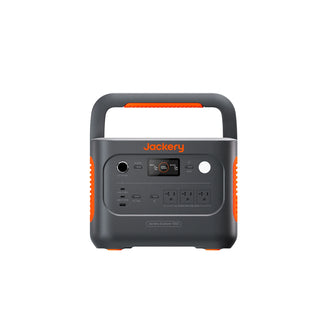
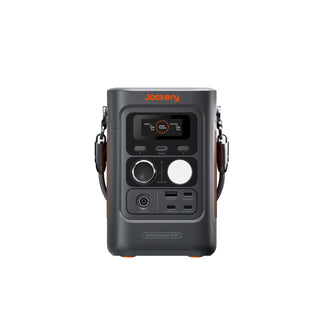
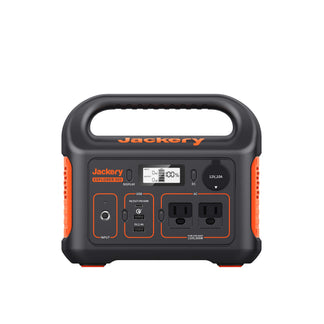
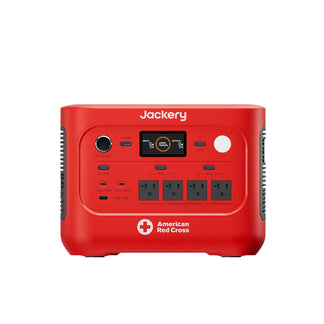
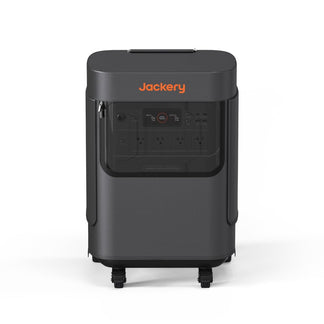
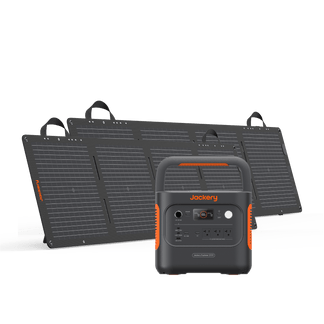
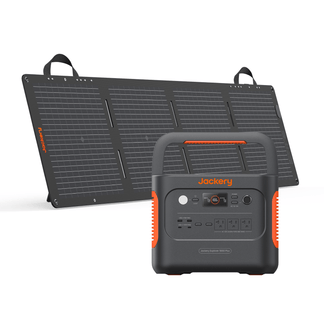
Jackery Solar Generator 2000 v2
The compact, lightweight, and versatile power station designed for easy vehicle transport:
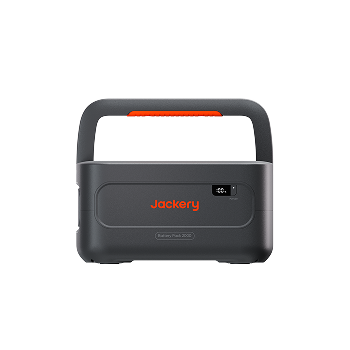
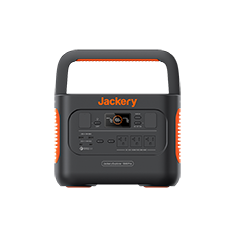
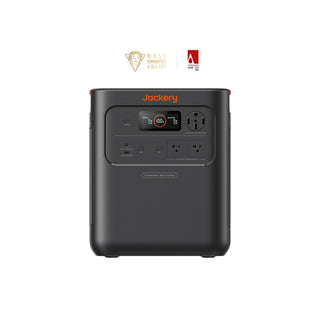
- Specs & Output: Packs a 2,042Wh capacity and a 2,200W inverter (4,400W surge) into a highly portable, 39.5-pound frame that slides easily under a car seat.
- Tailgating Support: Runs a 1,200W coffee maker, a 900W portable AC unit, or keep a 520W portable refrigerator running for up to 3.2 hours during pre-game parties. Review our NCAA tailgating guide for optimal pre-game planning.
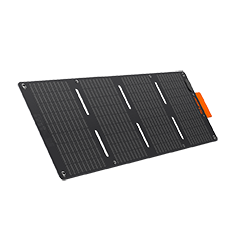
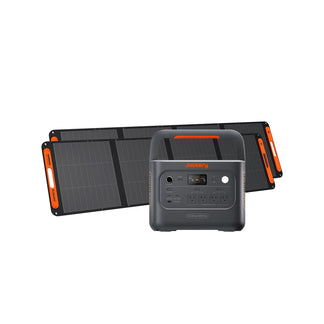
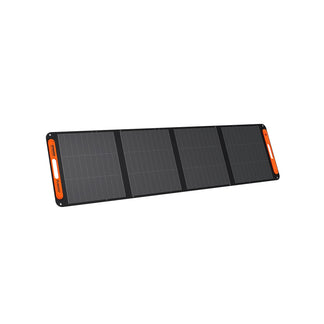
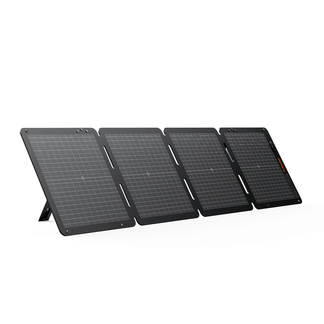
- Solar Charging: Fully recharges in 7.5 hours of direct sun using two included SolarSaga 100W panels.
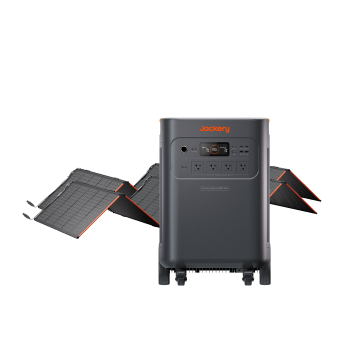
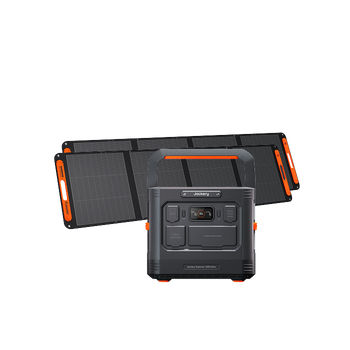
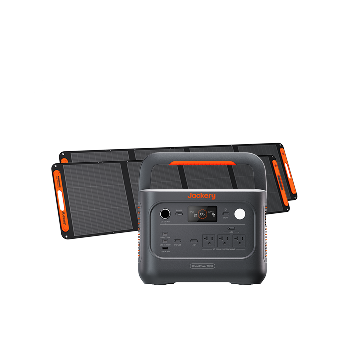
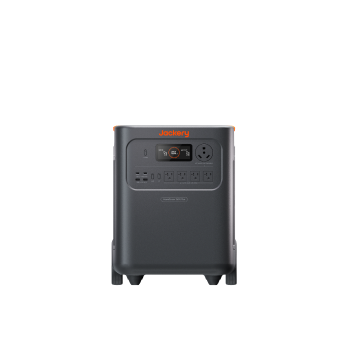
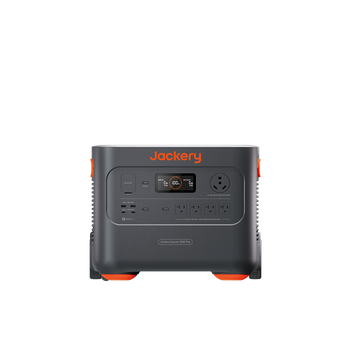
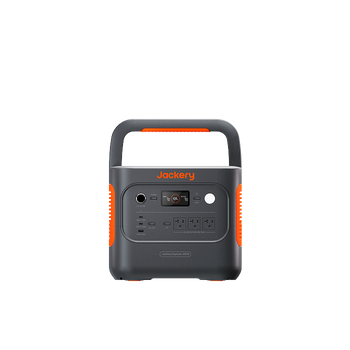
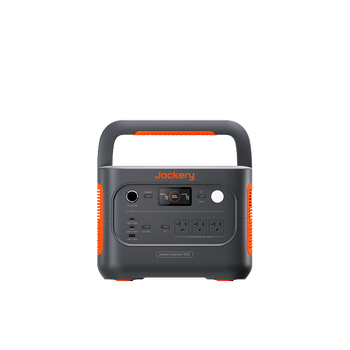
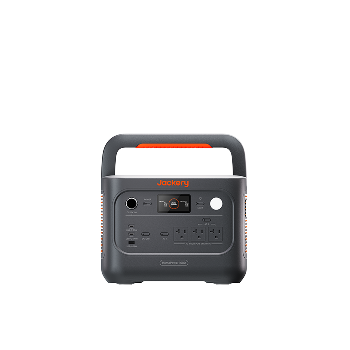
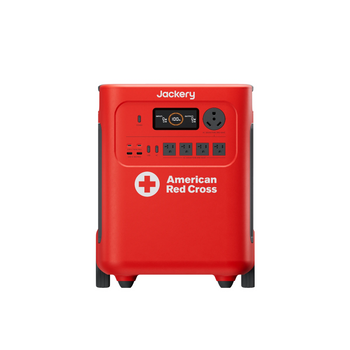
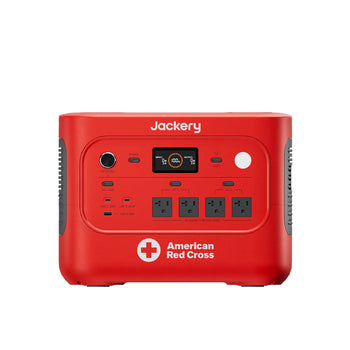
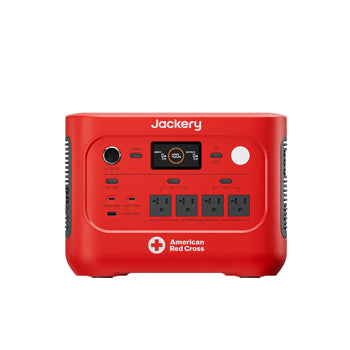
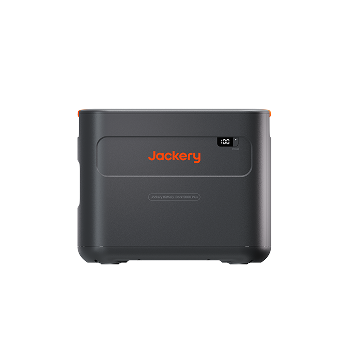
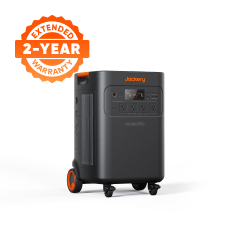
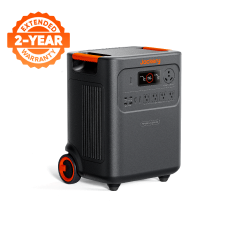
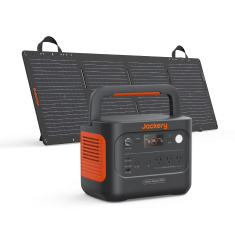
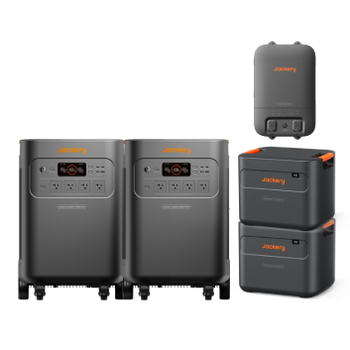
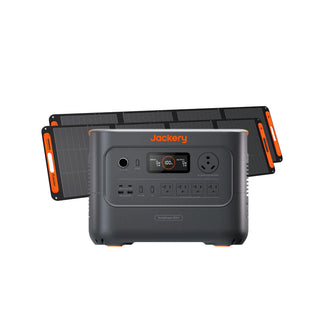
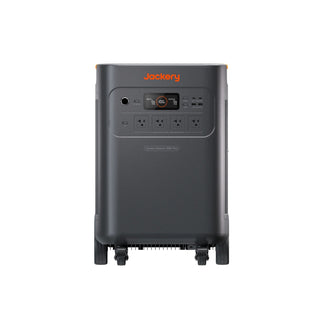
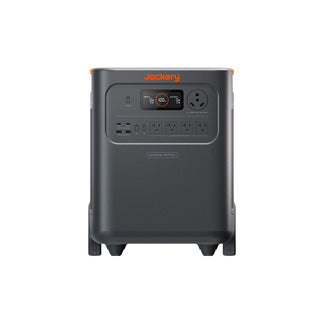
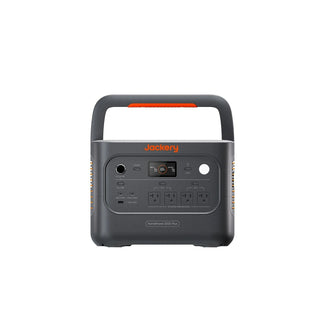
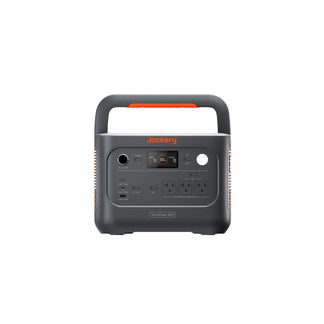
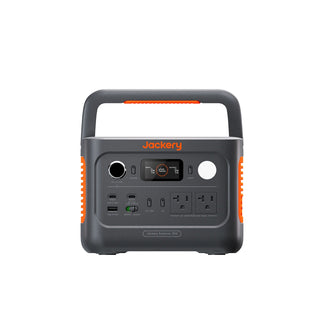
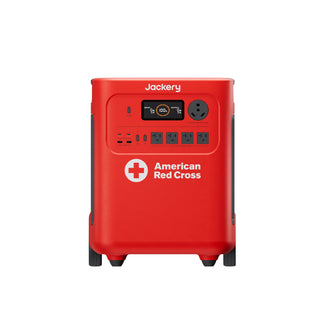
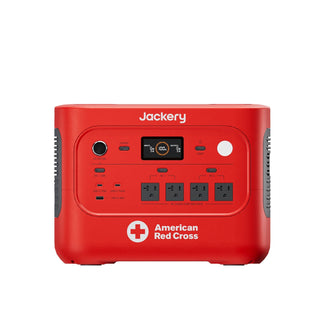
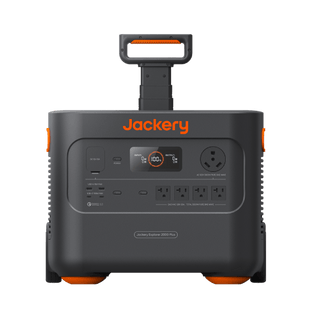
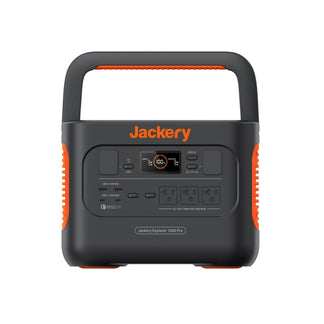
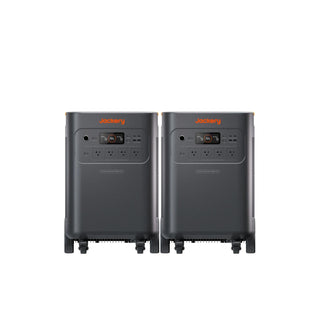
Jackery Solar Generator 2000 Plus
The ultimate expandable power station designed for large groups and multi-day road trips:
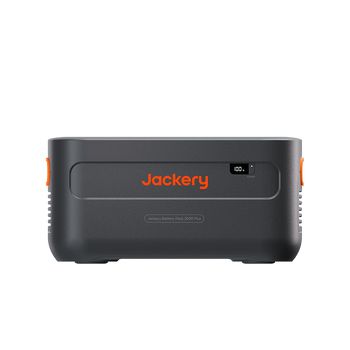
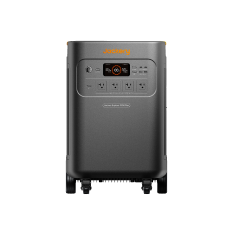
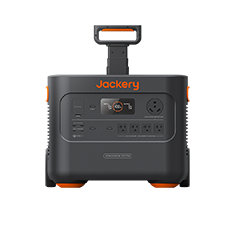
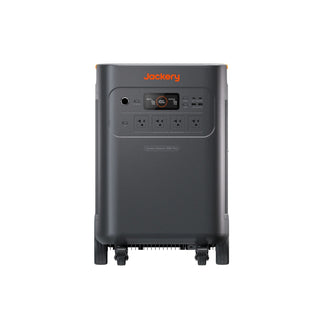
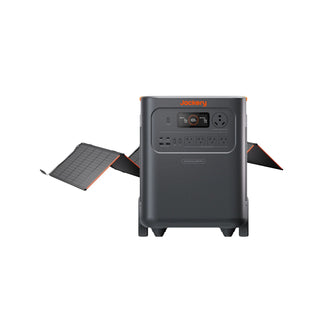
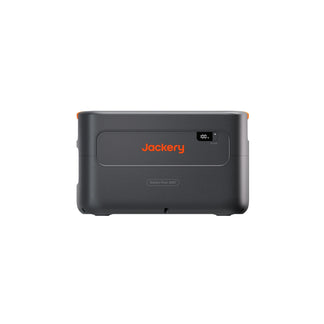
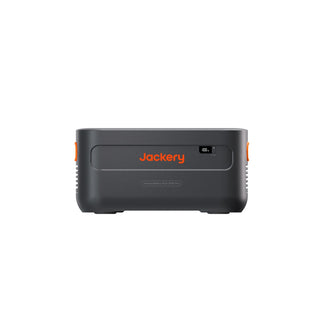
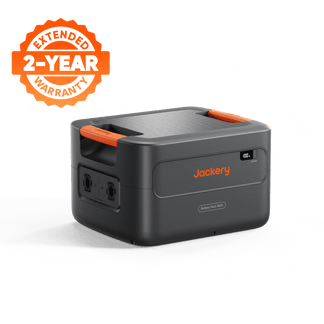
- Massive Capacity: Starts at 2,042Wh of base capacity and scales up to an incredible 24 kWh with plug-and-play battery expansion packs.
- High Power Output: Delivers 3,000W of continuous AC output (6,000W surge) to run heavy induction cooktops, blenders, and large refrigerators simultaneously.
- Fast Wall Charging: Recharges from empty to 100% in just 2.0 hours from a standard wall outlet, allowing for quick top-offs at hotels between host cities.

Frequently Asked Questions
If the US wins Group D, where is the first knockout match?
The USMNT's first knockout match (the Round of 32) will be held at Levi’s Stadium in Santa Clara, California, on July 1.
What happens if the US finishes second in Group D?
The first knockout match will shift to AT&T Stadium in Dallas, Texas, on July 3, with subsequent matches potentially routing the team to Atlanta and Kansas City.
Can the US stay on the West Coast for the entire knockout stage?
Yes, but only on the most favorable path. Winning Group D cleanly is the only way to keep the USMNT on the West Coast (Santa Clara, Seattle, and Los Angeles) for the early knockout rounds.
Which cities are in play for the US knockout round?
Depending on the final standings, potential host cities include Santa Clara, Seattle, Los Angeles, Dallas, Atlanta, Kansas City, Boston, and New York/New Jersey.
How should I plan my travel if the USMNT's bracket path is uncertain?
Prioritize booking refundable flights and accommodations centered around the most probable path (the Group D winner's West Coast loop). Treat your subsequent tickets and travel bookings as conditional until the final group standings are mathematically locked in.
What are the best airports to fly into for each venue?
For Santa Clara, utilize San Jose International (SJC) or San Francisco International (SFO). For Seattle, fly into Seattle-Tacoma International (SEA). For Los Angeles, utilize Los Angeles International (LAX) or John Wayne Airport (SNA) in Orange County near the team's Irvine training base. For Dallas, utilize Dallas/Fort Worth International (DFW).
What is the best way to travel between West Coast knockout cities?
For travel between Los Angeles and Santa Clara, driving or utilizing short commercial flights is highly practical. For travel between the San Francisco Bay Area and Seattle, short commercial flights are the most efficient option to bypass the 13-hour drive.
How does the US team’s Irvine training base affect travel to knockout venues?
Irvine's proximity to LAX makes West Coast venues (Santa Clara and Seattle) highly efficient, requiring minimal travel disruption. Relocating to Dallas, Atlanta, or East Coast venues requires longer charter flights and complete adjustments to training environments.


