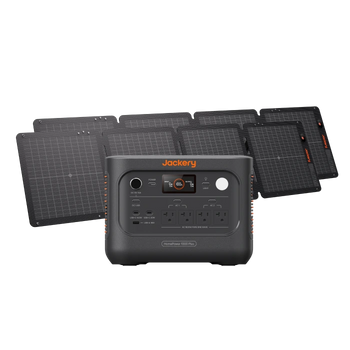
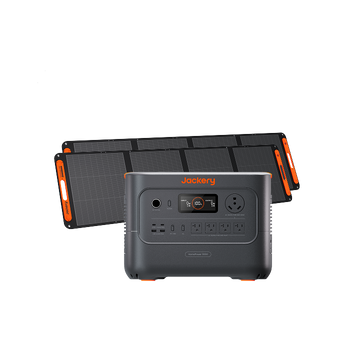
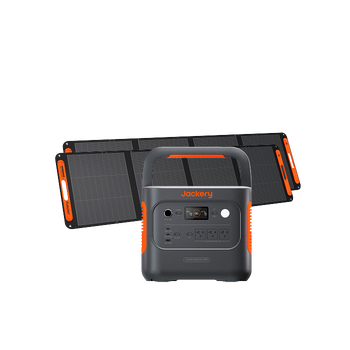
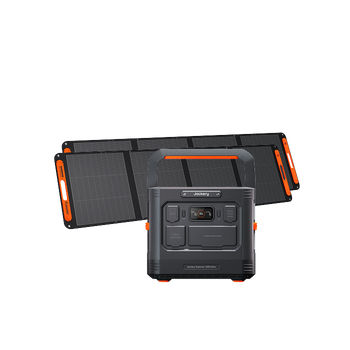
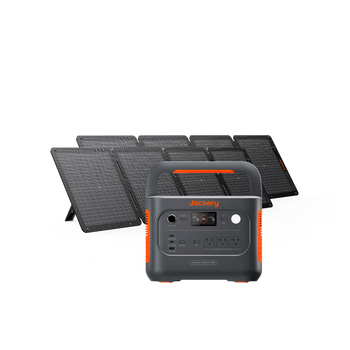


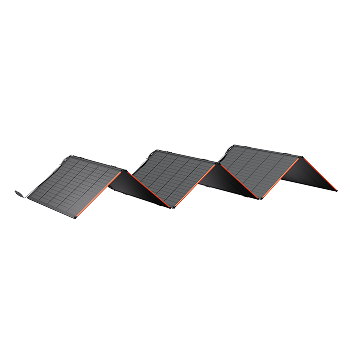
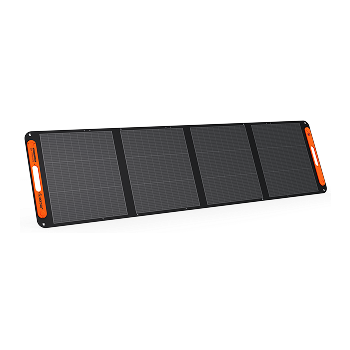
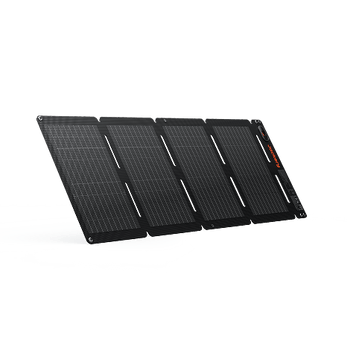









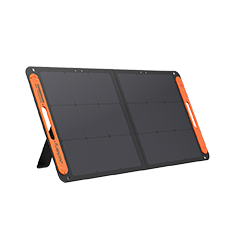


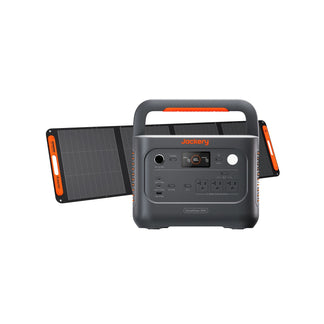
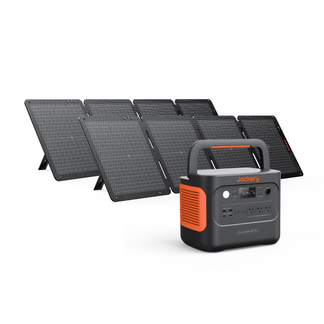
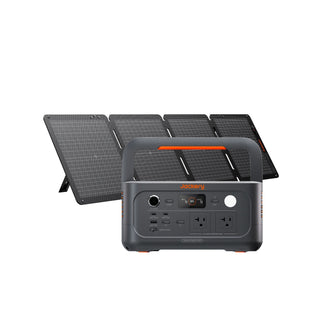
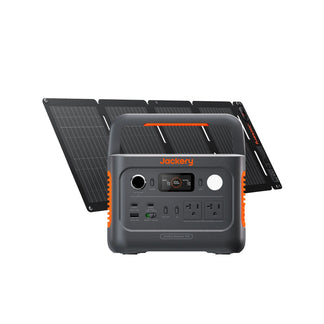

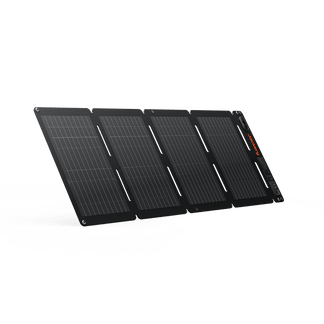
![[Add-on] Jackery SolarSaga 500 X - Jackery](http://www.jackery.com/cdn/shop/files/add-on-jackery-solarsaga-500-x-1493607.webp?v=1786503068&width=324)
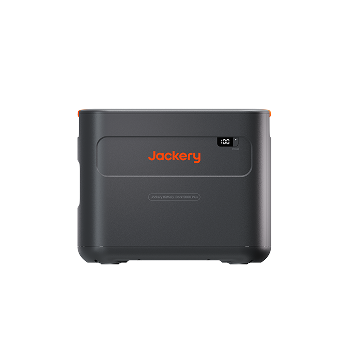
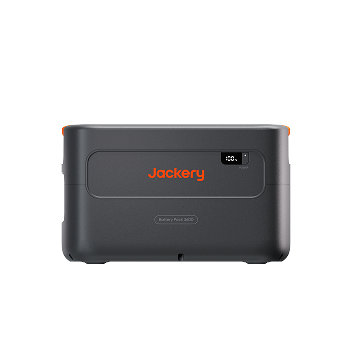
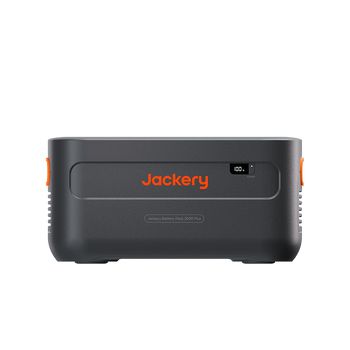
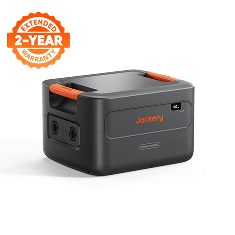
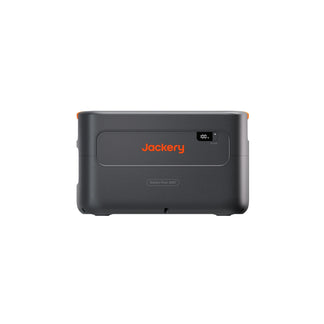
![[Add-on] Jackery Battery Pack 5000 Plus - Jackery](http://www.jackery.com/cdn/shop/files/add-on-jackery-battery-pack-5000-plus-6713401.webp?v=1786503068&width=324)
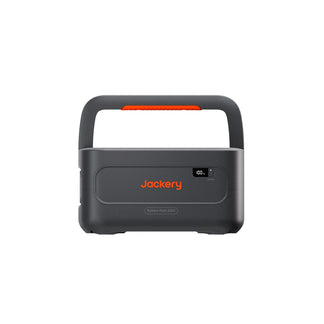







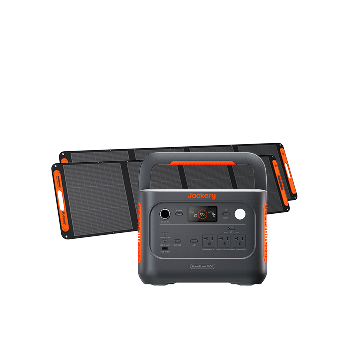
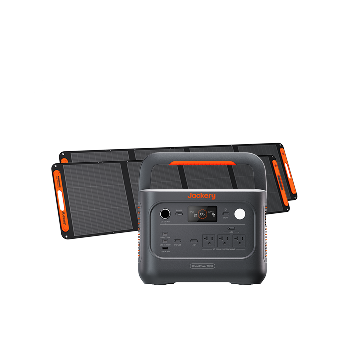
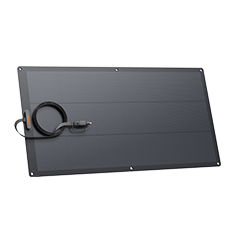
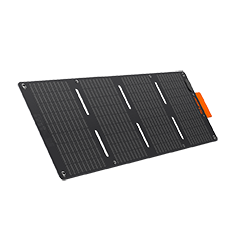
![[Add - on] SolarSaga 200W - Jackery](http://www.jackery.com/cdn/shop/files/add-on-solarsaga-200w-4834329.png?v=1754016915&width=324)
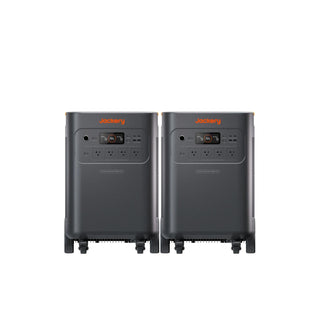
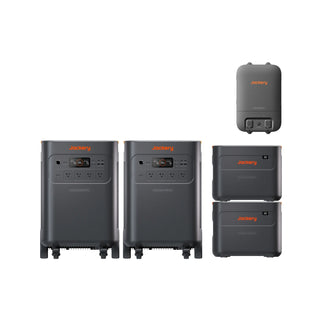
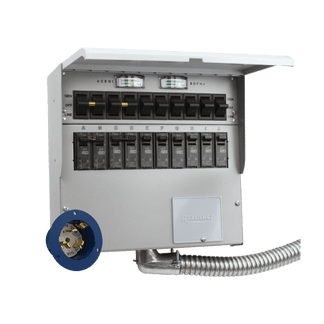
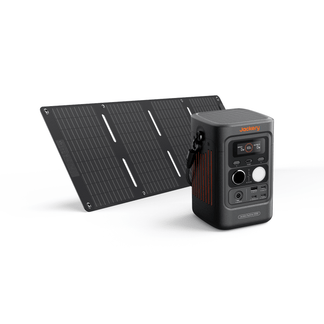


A true whole-home battery backup system costs between $20,000 and $50,000 fully installed in 2026, depending on your home size, system capacity, and local labor rates. Essential-load-only systems covering your refrigerator, lighting, router, and devices start around $12,000 installed. Full whole-home coverage for a large home with HVAC and high-draw appliances can push well past $40,000.
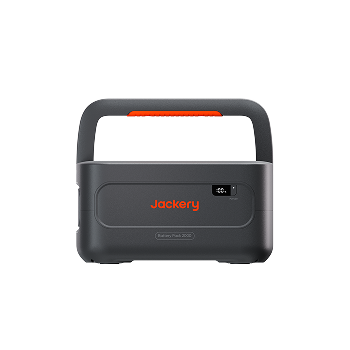
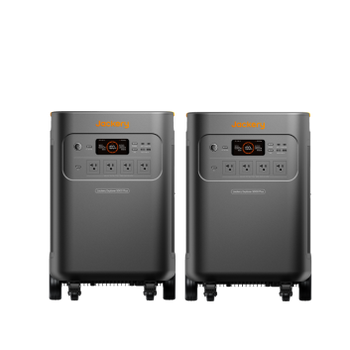
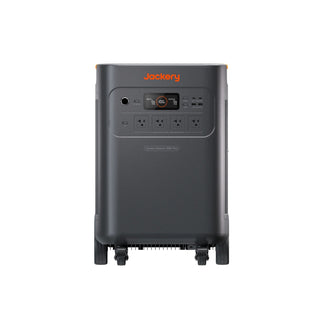
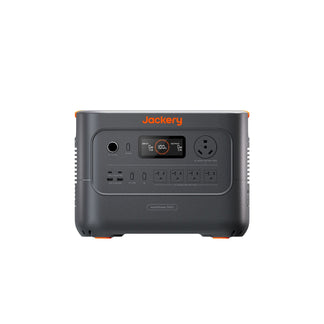
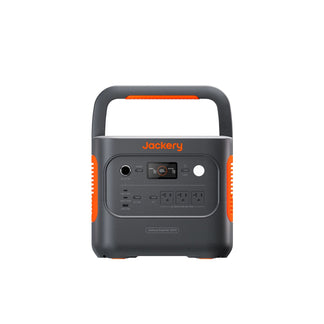
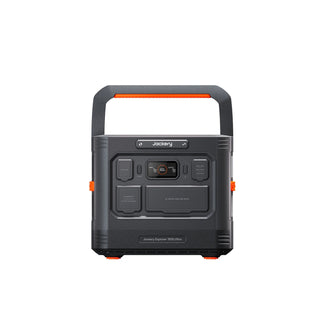
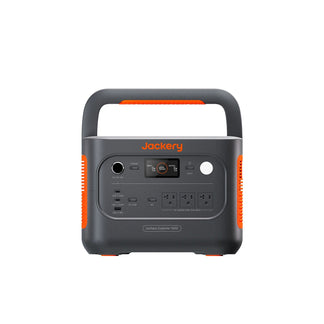
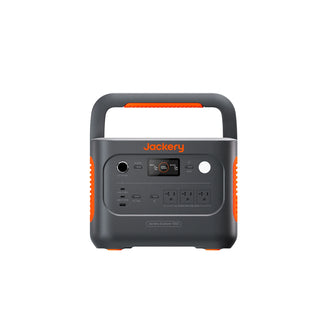
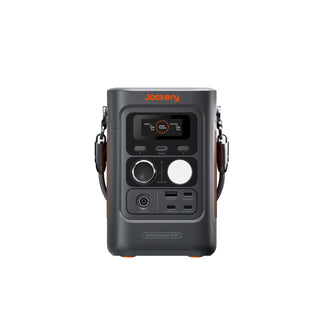
For homeowners who need reliable home battery backup for the essentials without the cost or complexity of a permanently installed system, a high-capacity portable power station like the Jackery Solar Generator HomePower 3600 Plus or Jackery Solar Generator 5000 Plus delivers comparable everyday coverage at a lower price. Read the detailed guide where we break down the whole home battery backup cost and compare it with portable solar generators.
Key Takeaways
- A true whole-home battery backup system costs $20,000–$50,000 fully installed in 2026, and the battery unit itself is only part of the total cost.
- Hidden costs such as panel upgrades, transfer switches, labor, and permits often add $4,000–$13,000 on top of the battery price.
- The 30% federal Investment Tax Credit for residential battery storage expired at the end of 2025, making 2026 installations more expensive than previous years.
- For most households, a high-capacity portable power station covers essential backup needs at a fraction of the cost without installation, permits, or a contractor required.
- Portable power stations paired with solar panels offer a genuinely self-sustaining backup solution that matches whole-home performance for everyday outage scenarios.
What Does a Whole-Home Battery Backup System Actually Include?
A whole-home battery backup system is a collection of components that work together to store energy, convert it for home use, and route it to your circuits automatically when the grid goes down. The total whole-home battery backup cost reflects all of these parts combined, which is why the final installed price is almost always higher than the battery price alone.
What are the Core Components of a Whole-Home Battery Backup System?
A DIY whole-house battery backup system includes five core components: a battery bank (the main storage unit, typically 10–40kWh for whole-home use), an inverter/charger that converts stored DC power into usable AC electricity, a transfer switch or critical load sub-panel that automatically routes power to your home during an outage, electrical wiring and labor to connect everything safely, and a monitoring system for real-time energy management.
Battery Bank: It is the core storage unit and the most visible cost. A whole-home setup typically requires 10–40kWh of capacity, depending on home size and how long you need to run without grid power. Cost per kWh of storage averages $400–$750 across major brands in 2026.
Inverter/Charger: It converts DC battery power to AC electricity that your home appliances can use. Many portable power stations include an integrated inverter, which reduces complexity and cost. Standalone inverters run $1,500–$4,000, depending on output capacity and brand.
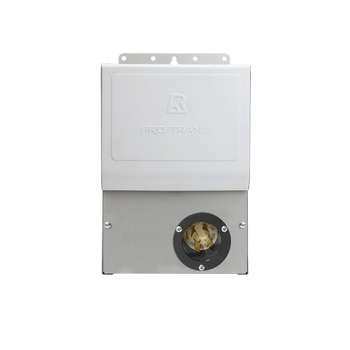
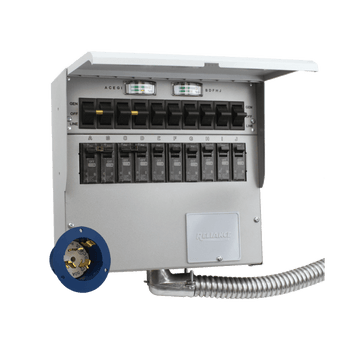
Transfer Switch: It safely routes power from the battery to your home's circuits during an outage and prevents backfeeding electricity to the grid. Cost ranges from $500 for a manual transfer switch to $2,500 installed for an automatic transfer switch, depending on the number of circuits.
Electrical Labor and Permits: It is the most underestimated cost in whole-home battery installations. Labor alone runs $2,000–$6,000+, depending on home size, panel age, local electrician rates, and installation complexity.
Why Does Whole-Home Battery Backup Installation Cost Vary?
Installation cost varies because every home's electrical situation is different, and the labor, permits, and upgrades required to connect a battery system safely depend entirely on what's already in your walls. Here are the four factors that drive most of the variation:
Panel Upgrade: Homes with older 100A or 150A panels often require an upgrade before a battery system can be safely installed, adding $1,500–$3,500 to the total.
Local Permit Fees: Some counties charge $100–$200 for a straightforward permit. Others in major metro areas impose complex review processes that push fees to $500–$1,200 or more.
Utility Interconnection: Grid-tied systems require utility approval and sometimes additional hardware, adding $200–$1,000.
Solar Pairing: Adding solar integration increases upfront cost by $2,000–$5,000 but enables self-charging and significantly improves long-term value.
How Much Does a Whole-Home Battery Backup System Cost in 2026?
In 2026, a whole-home battery backup system costs between $12,000 and $50,000+ fully installed, depending on how much of your home you need to cover.
Small Home / Essential-Load Only (10–13 kWh)
This configuration covers critical circuits only, such as the refrigerator, lighting, router, device charging, and medical devices, rather than the whole house. It is the most common entry point for homeowners who want outage protection without whole-home coverage.
Medium Home / Partial Whole-Home (20–27 kWh)
This configuration handles most of the home's load, such as lights, kitchen appliances, devices, fans, and potentially a smaller AC unit, but may not sustain central HVAC continuously.
Large Home / True Whole-Home (40+ kWh)
This is where "whole-home backup," as marketed, actually delivers what most homeowners imagine: every circuit, every appliance, HVAC included, without prioritization or load management. It requires four or more high-capacity battery units, a high-output inverter, a full automatic transfer switch, and substantial electrical work.
|
Cost Category |
Installed Whole-Home Battery System |
Portable Power Station System |
Notes |
|
Unit / Hardware Purchase |
$8,000–$20,000+ |
$500–$5,000 |
Installed systems require proprietary hardware; portable power stations are direct-purchase |
|
Professional Installation |
$2,000–$8,000+ |
$0 |
Installed systems require licensed electrician, transfer switch, and conduit work |
|
Permits and Inspection |
$200–$1,500 |
$0 |
Most jurisdictions require permits for grid-tied battery installations |
|
Utility Interconnection Fees |
$0–$500 (varies by utility) |
$0 |
Grid-tied battery systems often require utility approval and inspection |
|
Maintenance Over 10 Years |
$500–$2,000 (inverter service, firmware, inspection) |
~$0 (BMS self-manages; no service required) |
Installed systems have inverter components requiring periodic professional attention |
|
Inverter Replacement Risk (10-Yr Horizon) |
$1,000–$3,000 (if inverter fails outside warranty) |
$0 (inverter integrated; unit replaced as whole) |
External inverters in installed systems are a separate failure point and cost |
|
Capacity Degradation Offset (Replacement Or Top-Up) |
$2,000–$8,000 (module replacement at ~70% capacity) |
$0–$1,000 (LiFePO4: 3,000+ cycles; minimal degradation) |
NMC-based installed systems degrade faster; LiFePO4 portable units retain capacity longer |
|
10-Year Total Cost (Est. Mid-Range) |
~$11,300–$42,000 |
~$500–$6,500 |
/ |
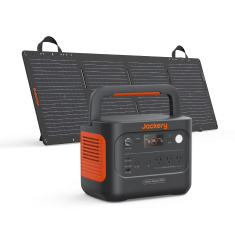
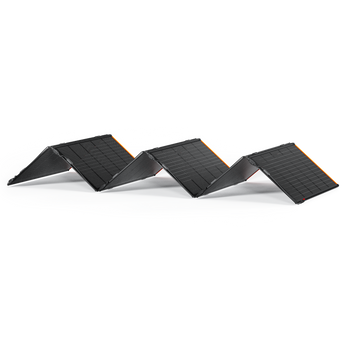
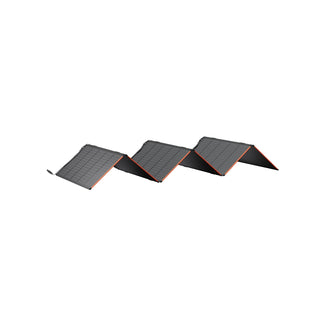
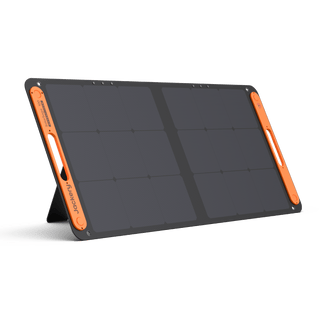
Kyle Miller spent his career running toward emergencies, but it was the ones at home that kept him up at night. With 24-hour shifts that can stretch to 96 hours during major storms, Kyle knew better than most what it meant to leave a family behind during a hurricane. He researched and landed on the Jackery Explorer 5000 Plus paired with SolarSaga 500 X Solar Panels and a Smart Transfer Switch, a system his wife could operate without him there. Testing it at home, he confirmed 18 to 24 hours of runtime on the fridge, fans, microwave, and phones, with solar extending coverage through daylight hours. Read more Jackery Stories to see how everyone uses their home battery backup solutions.
Recommended Jackery Solar Generators for Essential Home Backup
For the majority of homeowners who experience standard outages (12 to 48 hours a few times a year), a high-capacity Jackery Solar Generator covers essential backup needs at a fraction of the installed whole-home system cost.
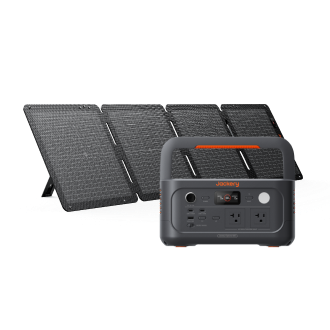
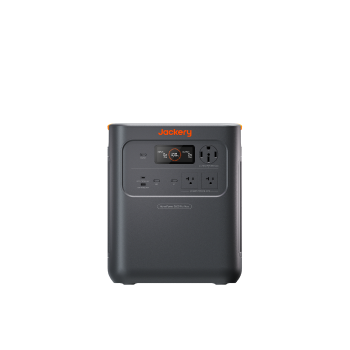
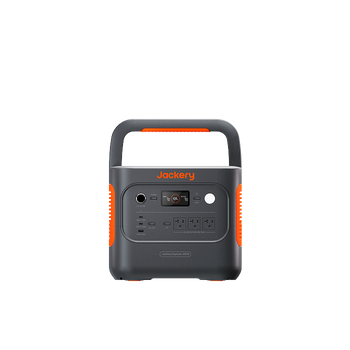
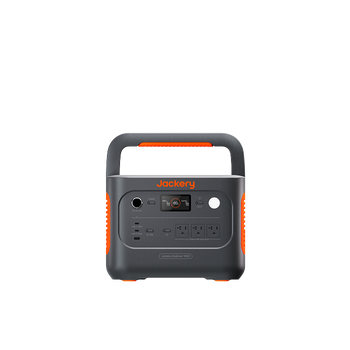
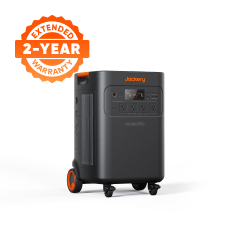
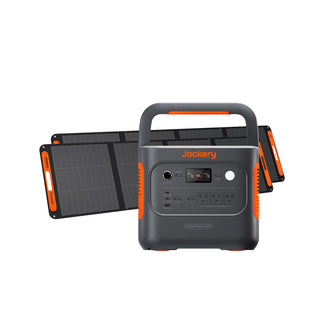
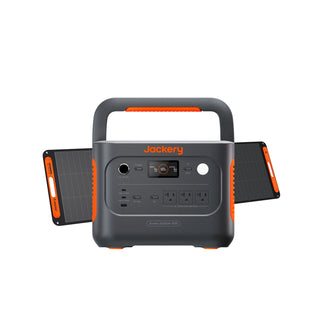
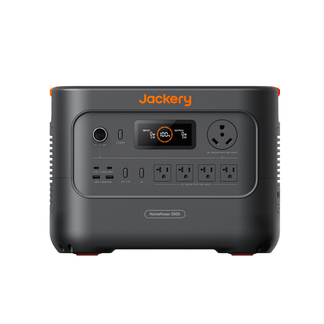
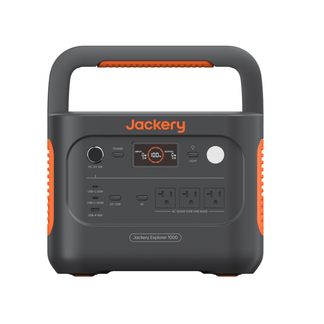
Jackery Solar Generator HomePower 3000
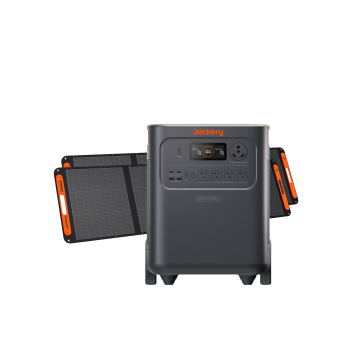
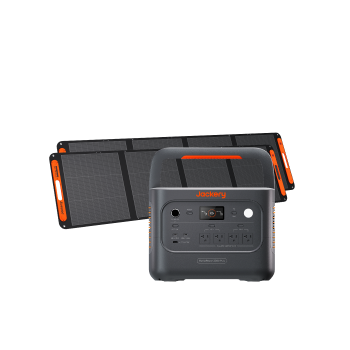
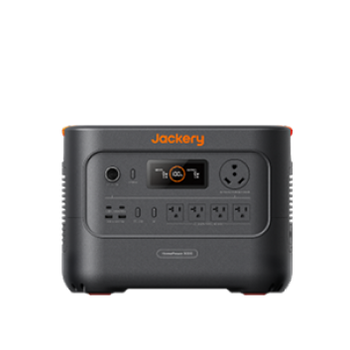
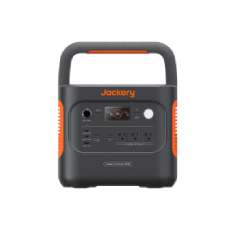
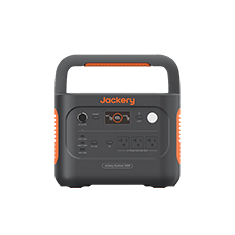
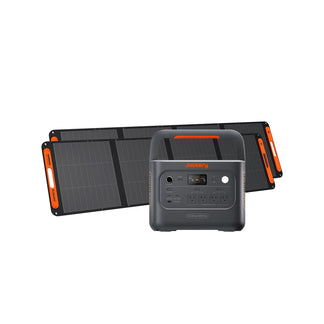
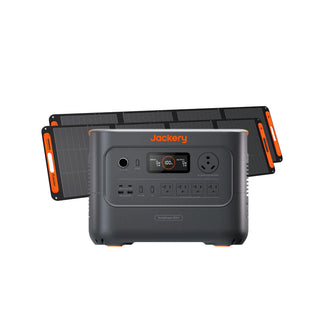
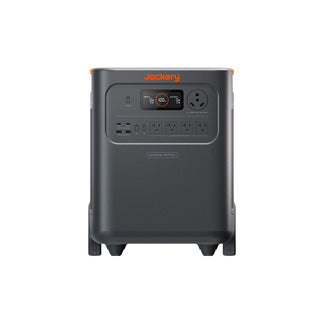
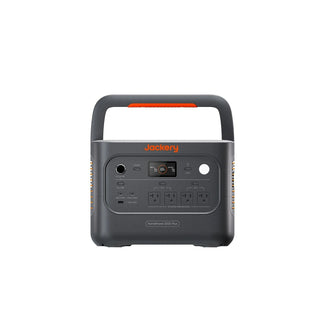
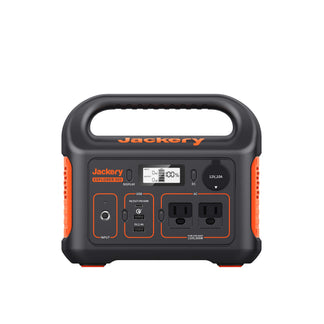
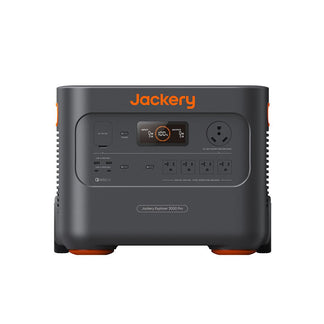
The Jackery Solar Generator HomePower 3000 is the most accessible entry point for essential home backup. It handles a refrigerator, lighting, router and device charging simultaneously through a standard 12–24 hour outage, covering almost everything most households actually need without paying for capacity they'll rarely use. It delivers essential load coverage for roughly 15–20% of the cost of a basic installed whole-home system.
Appliances Running Time
- Refrigerator (300W) = 8.1H
- Sump Pump (800W) = 3.2H
- Portable AC (1000W) = 2.6H
- Coffee Maker (800W) = 3.2H
- Electric Grill (1000W) = 2.6H
Who Should Buy This
If you want reliable, essential home backup for standard outages without the cost or complexity of a permanently installed system, and you need something you can move, store, and use beyond just the home, the Jackery Solar Generator HomePower 3000 is the right starting point.

Customer Review
I purchased the 3000, and it can run my refrigerator for 24+ hours. With the 500W Solar Panel, I can recharge quickly.
— Tracie.
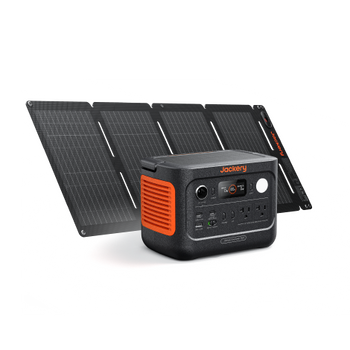
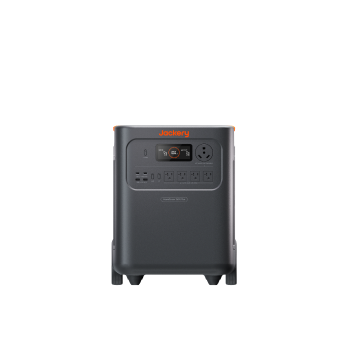
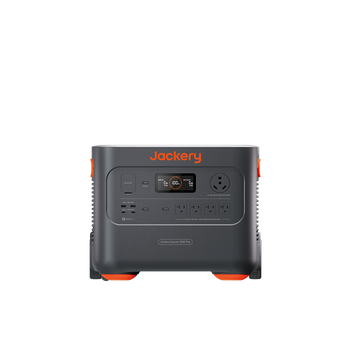
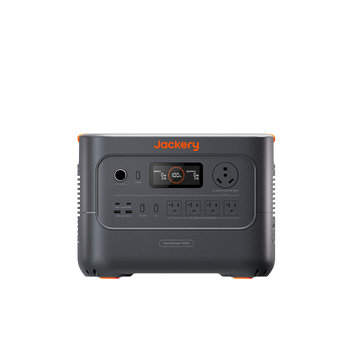
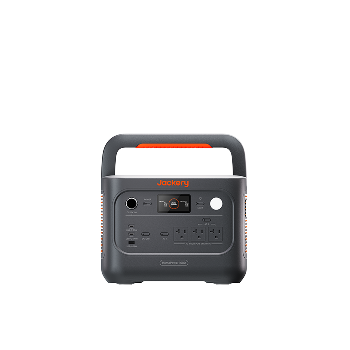
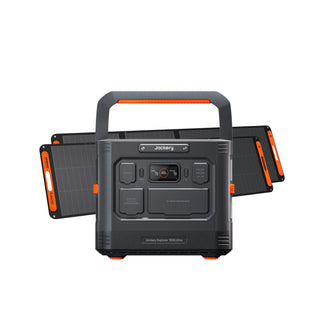
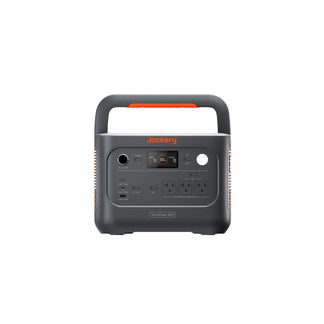
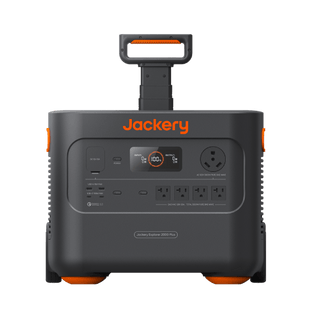
Jackery Solar Generator HomePower 3600 Plus
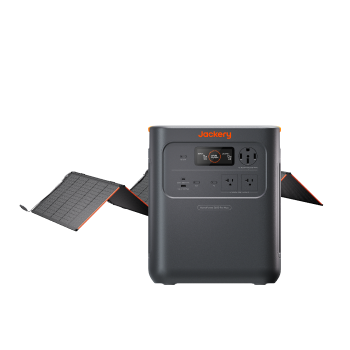
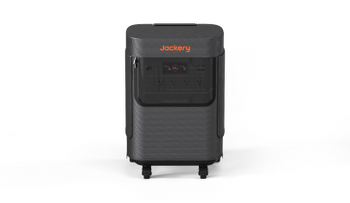
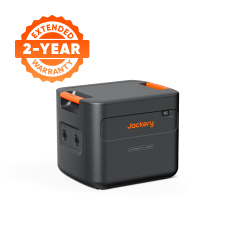
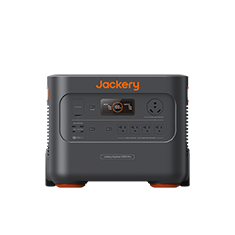
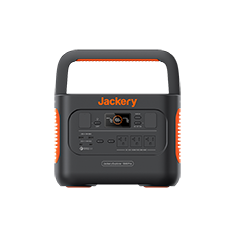
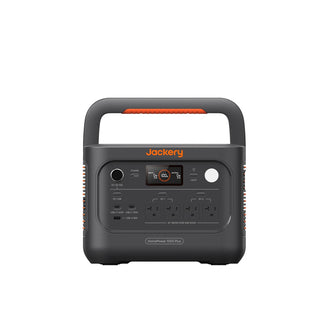
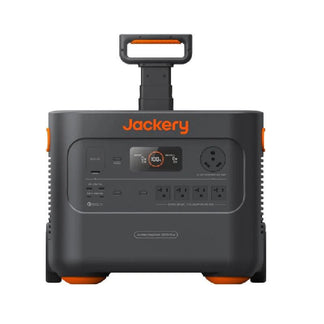
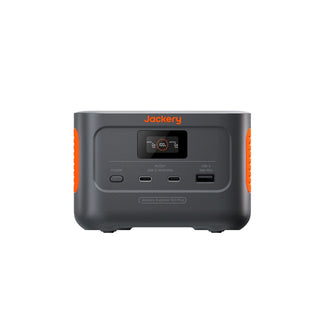
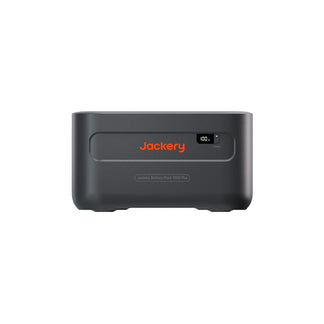
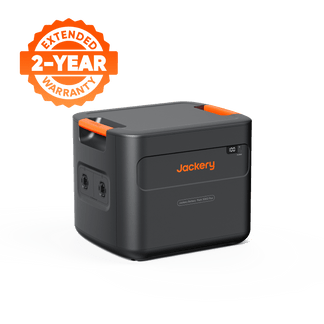
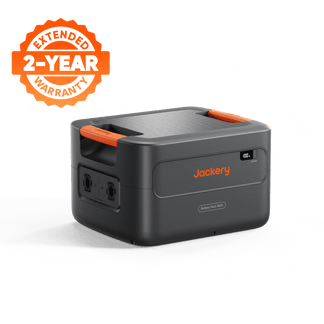
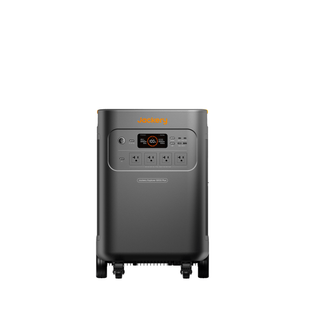
The Jackery Solar Generator HomePower 3600 Plus steps up in both capacity and expandability. At 3,584Wh base capacity and expandable to 43kWh with additional battery packs, it covers a wider appliance load and can sustain refrigeration for up to 14 days when expanded. It supports solar recharging, gas generator passthrough charging, and hybrid AC/DC charging simultaneously, making it genuinely self-sustaining for multi-day outages. With the help of a foldable handle and pull rod, it can easily be moved around the home or even outdoors.
Appliances Running Time
- Refrigerator (300W) = 9.5H
- Sump Pump (800W) = 3.7H
- Portable AC (1000W) = 3.0H
- Coffee Maker (800W) = 3.7H
- Electric Grill (1000W) = 3.0H
Who Should Buy This
If you want an expandable home backup system that grows with your needs, covering essential loads today and scaling to multi-day coverage tomorrow, the Jackery Solar Generator HomePower 3600 Plus is the most flexible option.

Customer Review
We had one short power outage of just a few minutes, and the unit worked seamlessly through it; TV and internet were never lost. That was my test using it as a UPS, and it worked flawlessly. Very Pleased. The drain on the battery in that short period of time with TV, internet, and peripherals connected was exactly as I had hoped, and I believe this will suffice as a backup power for my essentials in the event of an extended outage.
— Mtibbs
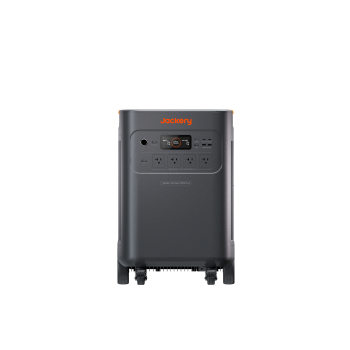
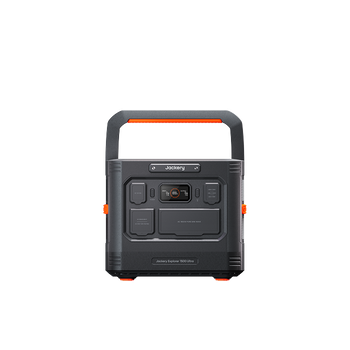
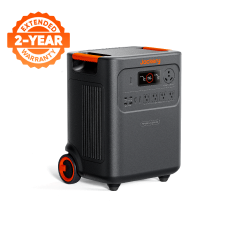
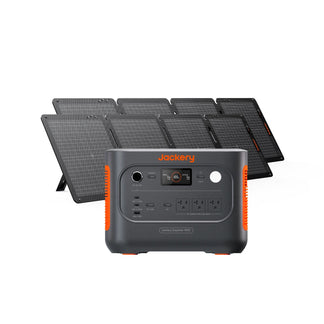
Jackery Solar Generator 5000 Plus
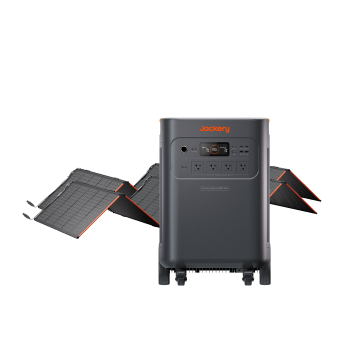
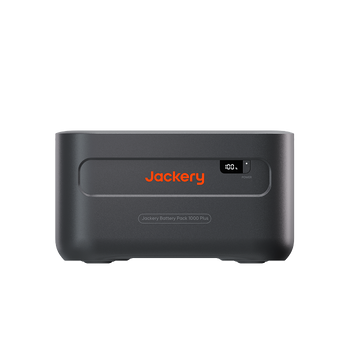
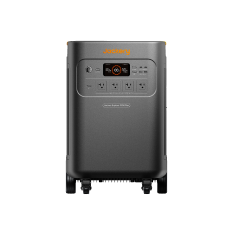
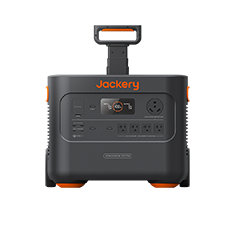
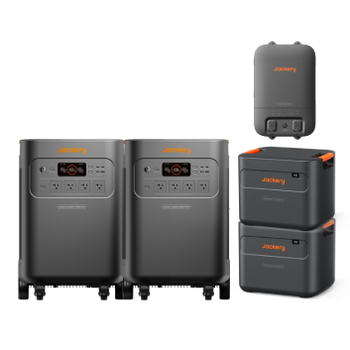
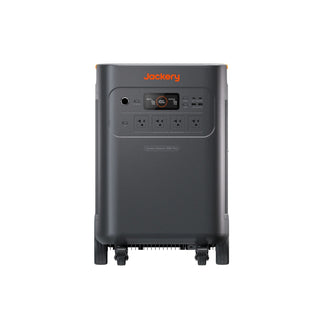
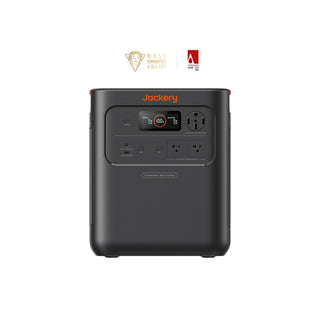
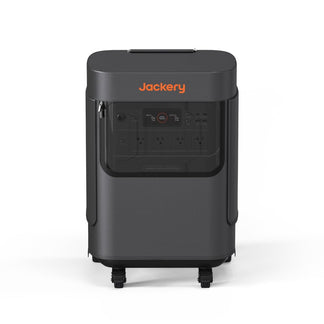
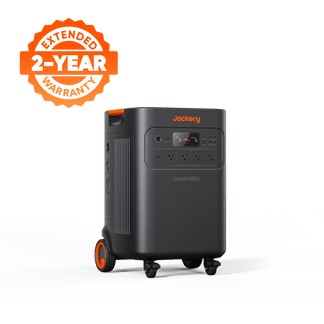
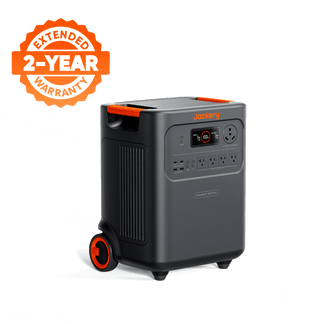
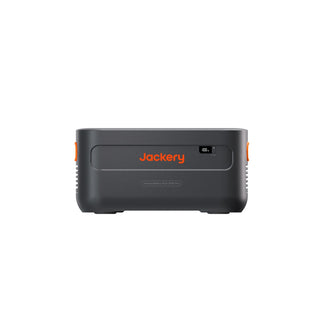
The Jackery Solar Generator 5000 Plus is where portable power station performance genuinely converges with whole-home backup capability. At 5,040Wh of base capacity and expandable to 60kWh, it handles the full essential load of a standard home and integrates directly with the Jackery Smart Transfer Switch for automatic, seamless switchover when the grid goes down. With the help of the Jackery Smart Transfer Switch, you can connect the home battery backup to the electrical panel and automatically power critical circuits when the grid is down.
For more information, you can check out How to Build a Whole Home System With Jackery 5000 Plus.
Appliances Running Time
- Refrigerator (300W) = 12.2H
- Sump Pump (800W) = 5.0H
- Portable AC (1000W) = 4.1H
- Coffee Maker (800W) = 5.0H
- Electric Grill (1000W) = 4.1H
Who Should Buy This
If you need automatic switchover, 240V support, and the ability to expand capacity over time, the Jackery Solar Generator 5000 Plus with Smart Transfer Switch is the most powerful home battery backup available.

Customer Review
Kept my house powered all night during a blackout. Everything works as intended. Thank you.
— Daniel H.
FAQs
How much does it cost to install a whole-home battery backup?
In 2026, a whole-house battery backup system costs $12,000–$50,000 fully installed, depending on system size and home requirements. A single-unit essential-load system (13kWh) runs $12,000–$18,000 installed. A medium home partial whole-home system (20–27kWh) costs $22,000–$32,000. True whole-home coverage for a large home (40 kWh+) costs $35,000–$50,000 or more.
How long will a 10kW home battery last?
A 10kWh battery system running only essential household loads, such as refrigerator, lighting, router, and device charging, drawing a combined 300–400W, can last approximately 20–28 hours before depleting. Running higher-draw appliances like a window AC unit (1,000W+) or an electric water heater significantly shortens that runtime.
Is a propane generator better than a battery backup?
For sustained high-draw use, such as running central HVAC, an electric range, and high-load appliances continuously during a multi-day outage. A propane generator produces power as long as there's fuel, which gives it an endurance advantage. For everything else, a battery backup wins on almost every practical measure: no noise, no emissions inside the home, no fuel storage or sourcing during a storm, no exhaust risk, no maintenance schedule, and solar compatibility.
Conclusion
Whole-home battery backup is worth the investment for the right household, but that's a smaller group than most people assume. If you live in a region with frequent multi-day outages, depend on life-critical medical equipment, or genuinely need every circuit in your home to run without interruption, the installed system cost is justified. For most households dealing with standard outages a few times a year, that level of investment isn't necessary. A high-capacity Jackery Solar Generator covers every essential home backup need, including refrigerators, lighting, routers, devices, and medical equipment, at a fraction of the cost of a permanently installed system.


