


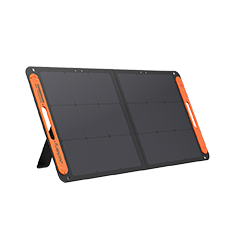



![[Add-on] Jackery SolarSaga 500 X - Jackery](http://www.jackery.com/cdn/shop/files/add-on-jackery-solarsaga-500-x-1493607.webp?v=1786503068&width=324)
![[Add-on] Jackery Battery Pack 5000 Plus - Jackery](http://www.jackery.com/cdn/shop/files/add-on-jackery-battery-pack-5000-plus-6713401.webp?v=1786503068&width=324)




120/240V split-phase power is not required for every whole-home solar backup plan. A 120V-only system may be enough when every intended outage load is verified as 120V and leaving 240V loads off is acceptable. Choose a system with explicitly documented 120/240V capability when any appliance or circuit you plan to run is verified as 240V, or when broader two-leg coverage is part of the promise. If you have not identified the loads and their ratings, pause before buying.
Does Whole-Home Solar Backup Need 120/240V Split-Phase Power?
No. The requirement depends on the loads you want to power, not on the phrase "whole-home" alone. Whole-home backup is a coverage goal, not proof that a system supports every voltage, circuit, appliance, or home connection. The background distinction between backup categories helps frame the coverage question, but your planned load list and the system's official documentation control the purchase decision.
| Planned use | Likely path | Boundary before purchase |
|---|---|---|
| Verified 120V essential loads only | 120V-only backup may be sufficient | Confirm every intended load is 120V, the system's output is adequate, and leaving 240V loads off is acceptable. Backup for selected critical loads can be a useful shopping category for this narrower goal. |
| A verified 240V load or broader two-leg coverage | Explicitly documented 120/240V split-phase capability | Match the appliance or circuit rating to the system's documented voltage configuration, output behavior, and supported connection arrangement. |
| Load list or connection scope is unknown | Pause and gather more information | Do not infer compatibility from a whole-home label, capacity, wattage, or a dual-voltage phrase without matching documentation. |
This is the practical answer to "does home backup need split-phase power?" A selected essential-load plan can stay 120V-only when its boundaries are clear. A plan that includes a verified 240V appliance cannot be treated as supported by a 120V-only system. A broad home-coverage goal with an unknown load list is not ready for a responsible comparison.

Which Home Loads Change the Backup Requirement?
The load list changes the requirement when it includes equipment rated 240V rather than 120V. In plain homeowner terms, 120/240V split-phase power is the voltage arrangement a backup system may use to serve both types of planned household loads. Identify the actual rating and compare it with the backup system's documentation rather than classifying an appliance from its name alone.
Many refrigerators, lights, electronics, and small appliances are commonly 120V, but treat those categories as screening prompts rather than guarantees. Large fixed or motor-driven loads such as ranges, dryers, water heaters, central air-conditioning equipment, and some pumps may be 240V. The nameplate, owner's manual, or circuit information for the actual equipment must settle the question.

A 120V-only system should not be represented as powering a 240V appliance. Conversely, seeing 120/240V capability does not finish the check. Voltage configuration, continuous output, startup or surge handling, usable energy, and the supported connection method are separate questions. A system can have a large capacity or wattage figure without that figure proving appliance, panel, or connection compatibility.
This is also why a split-phase inverter or dual-voltage inverter should be evaluated by its complete documentation rather than by the label alone. For each load, record its voltage, expected simultaneous use, and any startup demand described in its documentation. Then compare those requirements with the system specifications. Do not assume that a familiar appliance category gives you a reliable 120V versus 240V answer.
What Should You Verify Before Choosing a Whole-Home Solar Backup System?
Start by defining what "whole-home" means for your outage plan, then match a verified load list to documented system capabilities. Use this sequence before comparing models or adding a system to your cart:
- Define the coverage promise. Decide whether you want selected essential circuits, most household circuits, or genuinely broad home coverage. Write down which loads must operate and which 240V loads can remain off.
- Record each intended load's verified voltage. Use the appliance nameplate, manual, or available circuit information. Separate verified 120V loads from verified 240V loads, and mark anything still unknown instead of guessing.
- Note simultaneous-use and startup needs. List which loads may run at the same time and identify equipment with startup behavior that the manufacturer describes. Do not compare only the largest single wattage number.
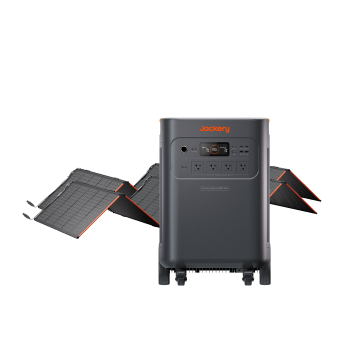
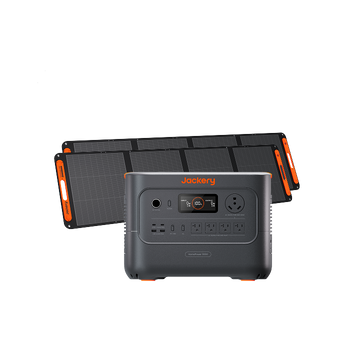
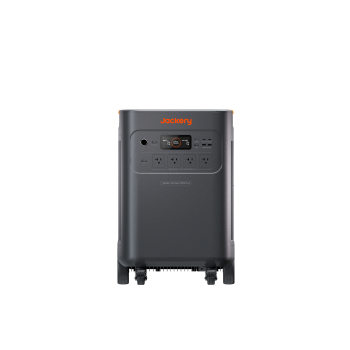
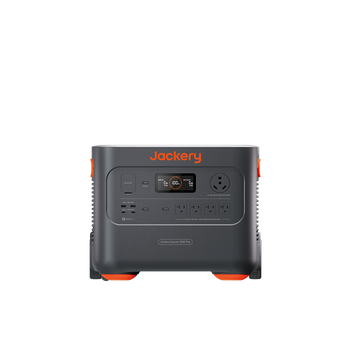
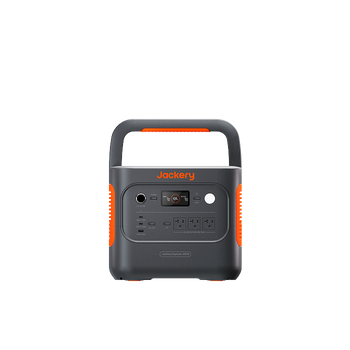
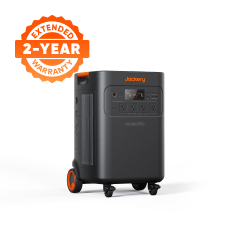
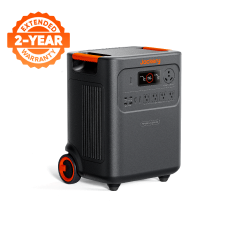
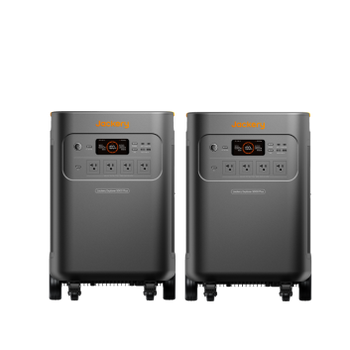
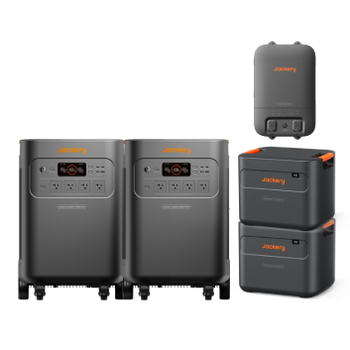
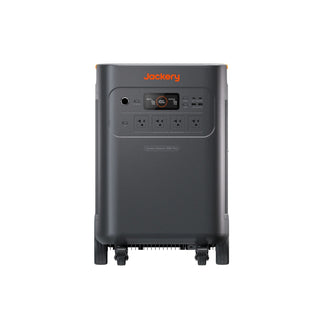
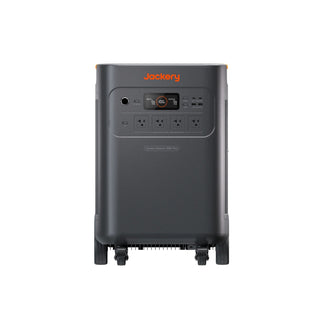
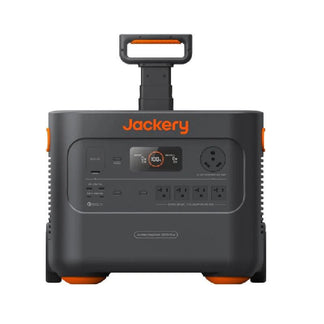
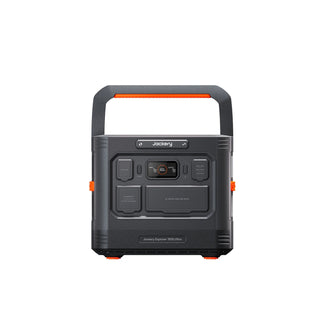
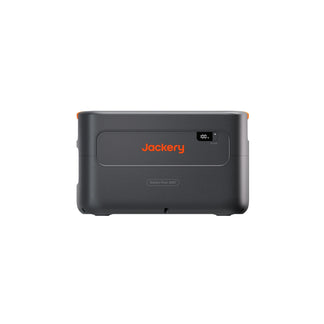
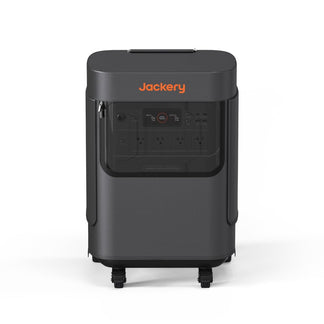
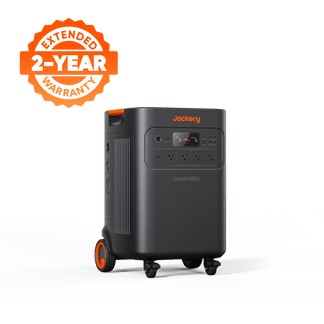
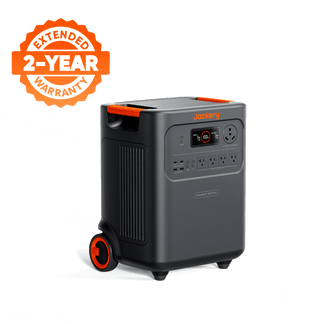
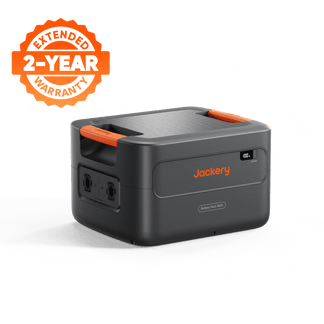
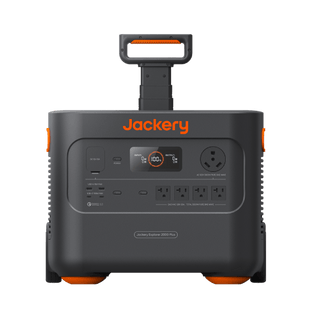
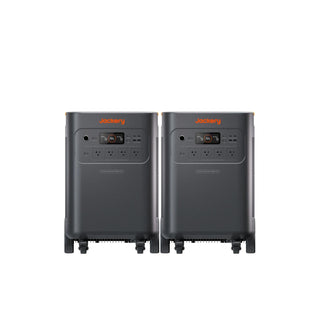
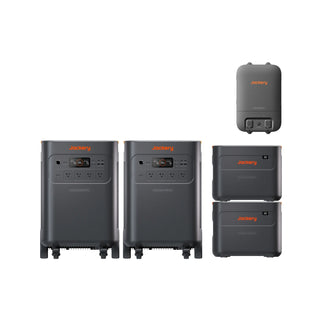
- Check the system's official voltage and output documentation. Look for an explicit 120V-only or 120/240V configuration, continuous output, startup or surge handling, usable energy, and any stated operating limitations. For example, the Jackery Explorer 5000 Plus Double Kit listing specifies 120V/240V dual voltage and 14,400W output. Those are listed product specifications, not proof that a particular home panel or appliance is compatible.
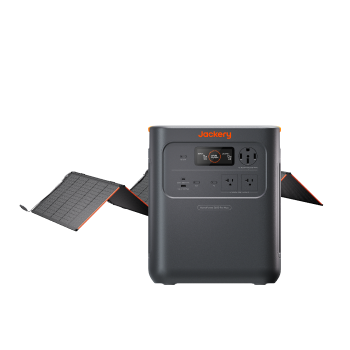
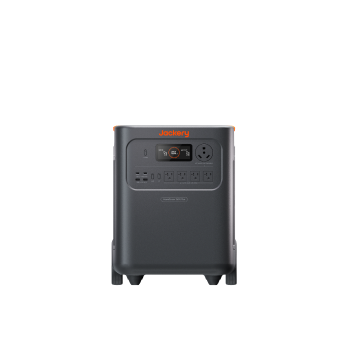
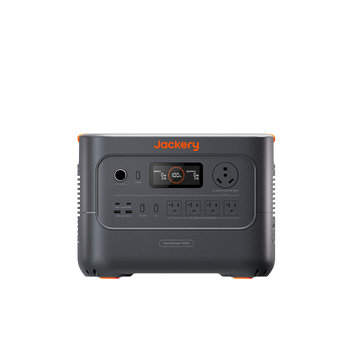
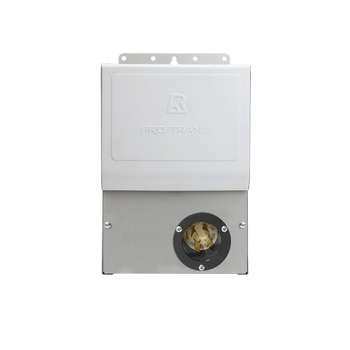
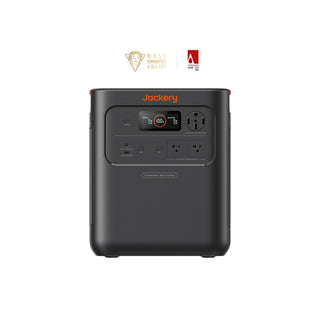
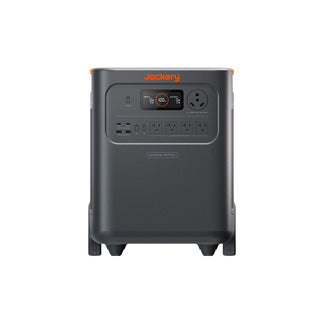
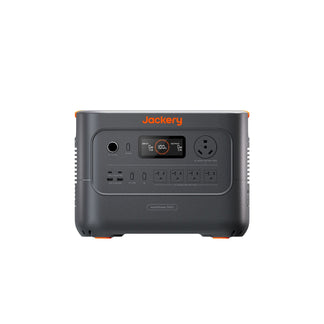
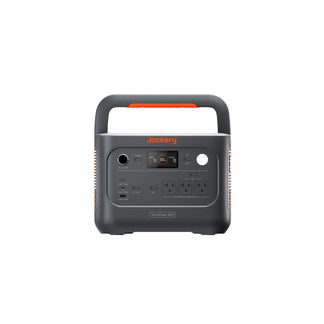
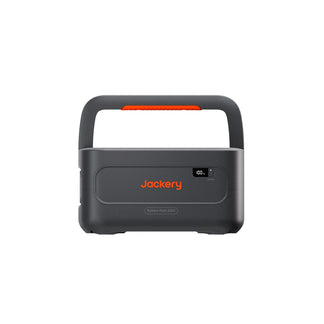
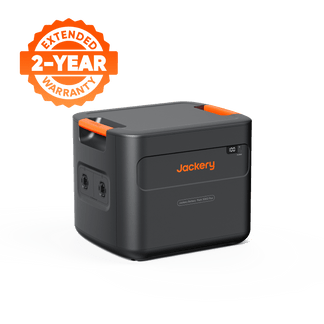
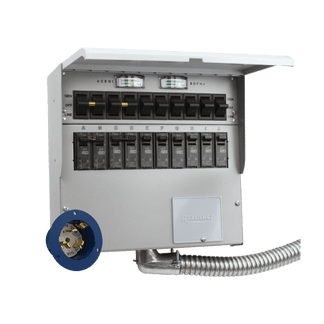
- Confirm the connection arrangement and limitations. A system's voltage capability and its supported connection method are separate checks. If the documentation does not clearly match the intended home connection and load scope, treat the setup as unverified rather than inferring fit from capacity. The Jackery HomePower 3600 Plus listing describes 120V/240V dual voltage in parallel and 3,600W output, but that example does not establish compatibility with every panel, transfer connection, or 240V appliance.
- Obtain qualified review before any household connection. Keep this article's decision at the pre-purchase stage. Installation, connection equipment, and the home's existing electrical arrangement need model-specific documentation and qualified review; do not treat a product page as installation approval.
The first action is simple: photograph or write down the ratings for the appliances and circuits you want during an outage. Separate verified 120V and 240V loads, then compare systems only when their official documentation matches that list. If the voltage or connection scope remains unclear, do not select a system yet.
Frequently Asked Questions
Does whole-home solar backup always require 120/240V split-phase power?
No. A 120V-only plan can be enough for verified 120V essential loads when 240V equipment will remain off. Any intended 240V load changes the comparison to systems with explicitly documented 120/240V capability and a matching connection arrangement.
Which household appliances may require 240V backup power?
Electric ranges, dryers, water heaters, central air-conditioning equipment, and some pumps are useful screening prompts, not universal classifications. Check the actual appliance nameplate, manual, or circuit information before deciding whether it changes the required backup voltage.
How can I tell if a solar generator can run a 240V home appliance?
Match the appliance's verified voltage rating with the system's explicit voltage configuration, output requirements, startup handling, supported connection method, and limitations. A high wattage or capacity rating alone is not proof that the system can run a 240V appliance.
Is 120V backup enough for essential home circuits during an outage?
Yes, when the intended circuits are verified as 120V and the system's documented output and connection arrangement support them. That narrower plan is not automatically the same as broad whole-home coverage, so write down the circuits and loads before shopping.


