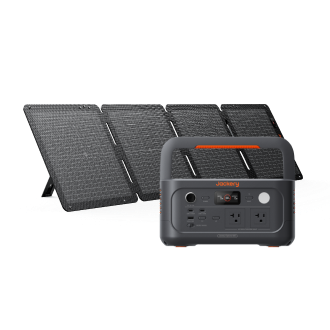
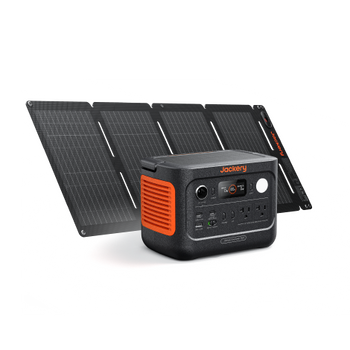
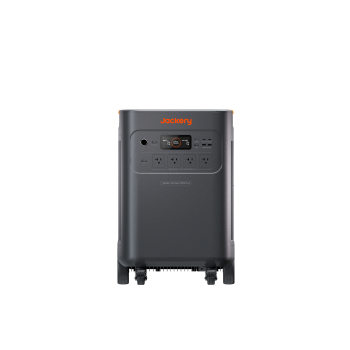
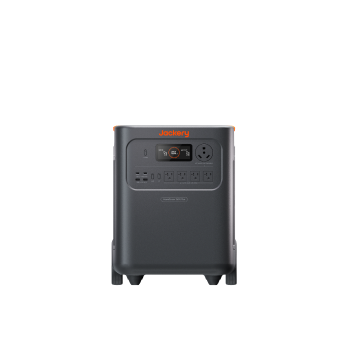


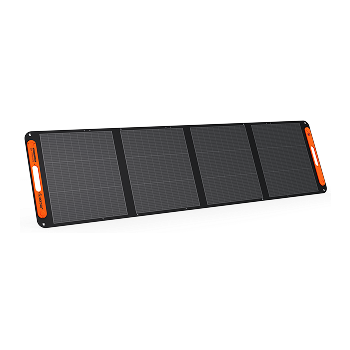
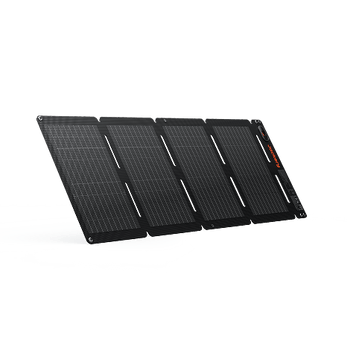














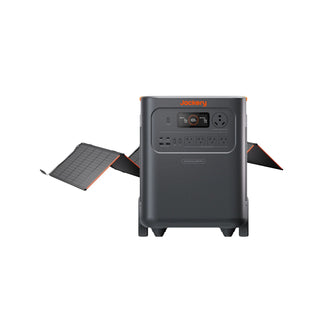
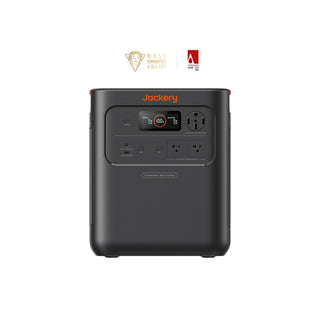
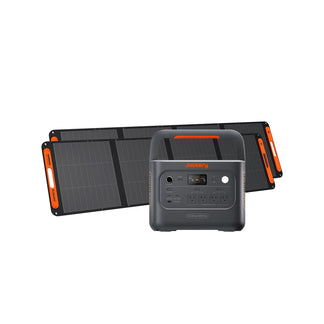
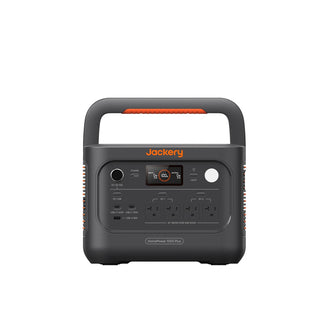

![[Add-on] Jackery SolarSaga 500 X - Jackery](http://www.jackery.com/cdn/shop/files/add-on-jackery-solarsaga-500-x-1493607.webp?v=1786503068&width=324)
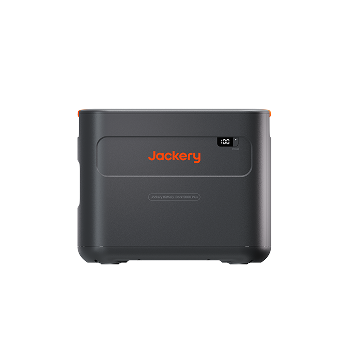
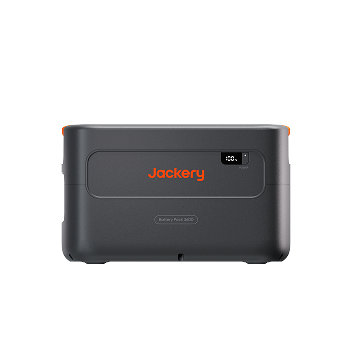
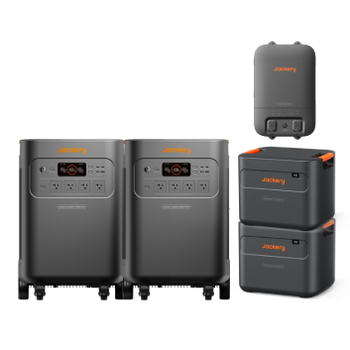
![[Add-on] Jackery Battery Pack 5000 Plus - Jackery](http://www.jackery.com/cdn/shop/files/add-on-jackery-battery-pack-5000-plus-6713401.webp?v=1786503068&width=324)















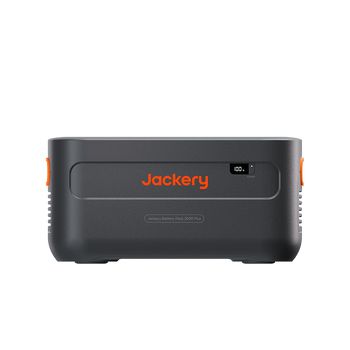
![[Add - on] SolarSaga 200W - Jackery](http://www.jackery.com/cdn/shop/files/add-on-solarsaga-200w-4834329.png?v=1754016915&width=324)



![Why Has My National Grid Bill Doubled in One Month [2025 Update] - Jackery](http://www.jackery.com/cdn/shop/articles/why-has-my-national-grid-bill-doubled-in-one-month-2025-update-3753069.jpg?v=1787249807&width=800)
Brief Answer: Your National Grid bill may have doubled due to higher energy rates, increased seasonal usage, billing adjustments, or an inefficient appliance. Checking these factors can help you find the cause and cut costs.
If you have noticed a significant spike in your National Grid bill, you are not alone. Many homeowners are searching "Why has my National Grid bill doubled?" because they are experiencing higher-than-usual electricity costs, even without significant changes in their usage. Several factors could be at play, from rate increases and seasonal consumption patterns to billing errors and inefficiencies in your home.
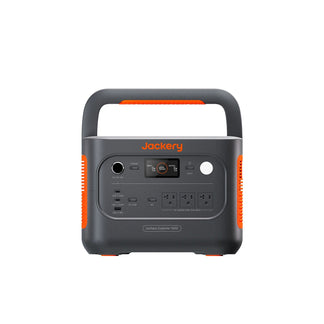
One way to reduce high monthly electricity bills is by investing in essential home backup solutions like Jackery Solar Generators. Solar generators with large capacities can power essential household appliances such as refrigerators, TVs, ACs, lights, heaters, etc., for long hours. They feature a sturdy handle and ergonomic design that ensures easy transportation from one room to another.
AI Takeaways
- National Grid rate hikes and seasonal changes can cause sudden bill increases.
- High-energy appliances and phantom loads contribute to rising electricity costs.
- Errors in billing or meter readings can sometimes be the culprit behind high electricity bills.
- Jackery Solar Generators are essential home backup solutions that reduce reliance on the electricity grid and lower bills.
- How National Grid's Time of Use pricing affects the monthly electricity bill.
- How to reduce your National Grid electricity bill.
Why are National Grid Bills Suddenly Increasing?
National Grid bills are rising due to higher energy rates, seasonal demand spikes, and adjustments in supply charges. In many cases, even normal household usage can feel more expensive because of changing utility costs.
How to Break Down Your Bill?
There are four components of any electricity bill: a fixed monthly connection charge, a supply charge, a delivery charge, and miscellaneous taxes and fees. Let's break down the list of electricity terms and common components for a typical National Grid bill so you can better understand your electricity bill:
- Fixed Monthly Connection Charge: This is the basic service charge that the utility charges. The amount stays the same monthly, regardless of how much electricity you use.
- Supply Charge: The supply charge changes slightly from month to month, depending on factors such as weather and fuel demand.
- Delivery Service Charge: The section in the National Grid bill summarizes what the company charges to deliver electricity through the grid.
- Miscellaneous Taxes and Fees: The miscellaneous taxes and fees section lists any additional adjustments in the bill, including credits or taxes.
How to Read Your Usage Report?
National Grid provides a usage summary in your electricity bill, indicating how much electricity you have consumed. Here is how to read the usage report to get an answer to why your electric bill doubled in one month:
- Compare With Previous Month: Start by comparing the current electricity bills with the previous months to see if electricity usage has increased significantly.
- Check the kWh Rate: If you have consumed similar kWh units, the reason behind the increase in the electricity bills is the rise in electricity prices per kWh.
- Look for Anomalies: If the kWh usage and rate are the same as in previous months, the sudden spike in electricity bills may be due to a faulty appliance or incorrect meter reading.
What are the Reasons Behind High National Grid Bill?
If your National Grid bill has suddenly doubled, there's usually an underlying reason. It can be anything from a rate increase to higher energy consumption and a billing error. Here are some reasons that provide answers to why your electricity bill is so high:
National Grid Rate Increases in 2024-2025
National Grid has proposed significant rate increases for electric and gas delivery services, which will take effect on April 1, 2025. The company filed amendments to its tariff schedules on May 28, 2024. It seeks an annual revenue boost of approximately $525 million for electric delivery (a 20% increase in base delivery revenues, translating to an 11% hike in total revenues).
If approved, these changes would raise the average residential customer's monthly electricity bill by roughly $18.92 (a 15% increase). Public comments on the proposed rate adjustments are currently being solicited.
Seasonal Energy Consumption Changes
Your energy usage naturally fluctuates with the seasons. During colder months, heating systems work harder, while air conditioners increase electricity consumption in summer. Even if you haven't changed your routine, external temperatures can make your home use more power.
Increased Appliance Usage & Phantom Loads
Many appliances consume electricity even when turned off. This is known as phantom load or standby power consumption. Common culprits include televisions and gaming consoles left on standby. Phone chargers plugged in without a device attached, smart home devices, and WiFi routers running 24/7 can also increase overall power consumption.
Errors in Billing & Meter Readings
Mistakes can happen, and sometimes, an incorrect meter reading or billing error could be responsible for your higher bill. If your usage report looks off, consider checking your meter reading against the bill. In addition, consider reviewing past bills to spot inconsistencies or contacting National Grid to verify the accuracy of your charges.
How Appliance Usage Impacts Your Electricity Bill [With Calculations]
Your electricity bills are directly impacted by the power consumption of your appliances. Some household appliances use minimal energy, whereas heating and cooling systems are high contributors to electricity bills. Using a simple mathematical formula, you can calculate the appliance’s wattage consumption and the cost per month.
Cost = [(Wattage Consumption * Hours Per Day * 30) ÷ 1000] * Electricity Rate
For instance, if you have a refrigerator (400W) that works for 8 hours daily at an electricity rate of $0.1626 per kWh, the monthly cost to run the fridge will be:
Cost = [(400W * 8H * 30) ÷ 1000] * $0.1626 = $15.60
Similarly, you can calculate the monthly electricity bill for running various essential household appliances.
Here's a table revealing the appliance wattage consumption, their average daily and monthly usage, and estimated monthly cost:
|
Appliances |
Wattage Consumption |
Daily Running Hours |
Daily kWh Consumption |
Estimated Monthly Cost |
|
Refrigerator |
400W |
8H |
3.20kWh |
$15.60 |
|
TV |
150W |
2H |
0.30kWh |
$1.46 |
|
Fan |
100W |
4H |
0.40kWh |
$1.95 |
|
Microwave |
1200W |
1H |
1.20kWh |
$5.85 |
|
Lights |
30W |
5H |
0.15kWh |
$0.73 |
Note: The wattage consumption values in the table are just for reference purposes and may vary from actual values.
How National Grid's Time of Use Pricing Affects Your Bill
National Grid provides time-of-use tariffs, which means electricity usage is billed at different rates during peak and off-peak periods. Here is a table that reveals the on-peak, shoulder, and off-peak hours according to the National Grid:
|
Types of TOU Pricing |
Timings |
|
On-Peak Hours |
December, January, February — 5 PM - 8 PM (Weekdays)
June, July, August — 11 AM - 5 PM (Weekdays) |
|
Shoulder-Peak Hours |
December, January, February — 9 AM - 5 PM (Weekdays)
June, July, August — 8 AM - 11 AM and 5 PM - 8 PM (Weekdays) |
|
Off-Peak Hours |
December, January, February — 8 PM - 9 AM (Weekdays)
June, July, August — 8 PM - 8 AM (Weekdays) |
Source: Time-of-Use Hours
If you use appliances during peak hours, you will be charged more than during off-peak hours. For this reason, it is essential to shift loads from on-peak hours to off-peak hours.
For Kent Hagood in Texas, worries about the state’s fragile power grid pushed him to find a dependable backup. With the Jackery Solar Generator, he can keep essentials like the refrigerator, lights, and even a small AC running during outages, while also giving his adventurous son power for trips. Read the Jackery Story to see how Kent brought solar security to his home and family.
How to Reduce Your National Grid Electricity Bill
If you want to reduce your National Grid electricity bills, there are some simple hacks to follow.
- Unplug Your Vampire Devices: Turn off and unplug the chargers and electronics when not in use, as the vampire appliances can still draw some energy when turned off.
- Adjust Thermostat Settings: To significantly reduce energy consumption, lower the thermostat settings in the winter and raise them by a few degrees in the summer.
- Choose Energy-Efficient Appliances: Old appliances consume a lot of power, and switching to appliances with Energy Star ratings can lower electricity bills.
- Invest in a Solar Generator: Jackery Solar Generators are essential home backup solutions that can power crucial household appliances with the sun's energy. Instead of solely relying on grid electricity, solar generators help you harness free sunlight to lower your monthly electricity bills.
Jackery Solar Generators for Lowering National Grid Bills
With rising electricity costs, an essential home backup solution can help reduce dependence on the grid and lower monthly bills. Jackery Solar Generators provide a clean, renewable energy solution that keeps critical appliances running during peak hours or outages. Whether you need power for everyday use or emergencies, these portable power stations and solar panels offer a convenient and cost-effective alternative.
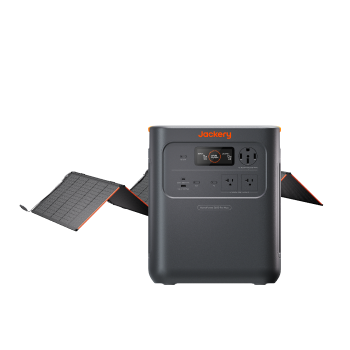
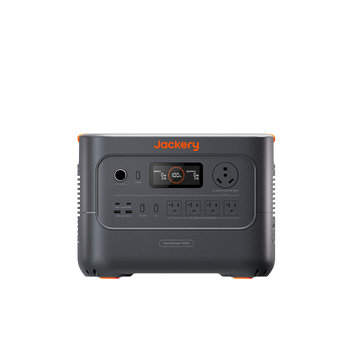
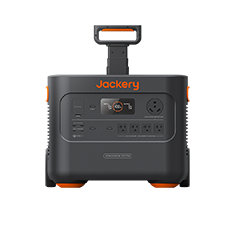
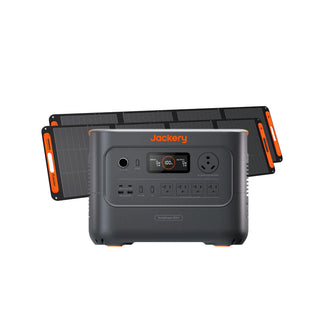
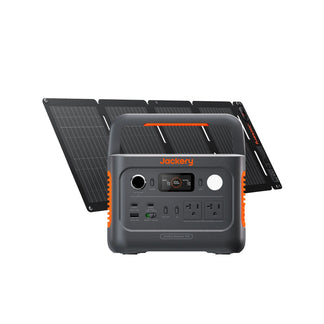
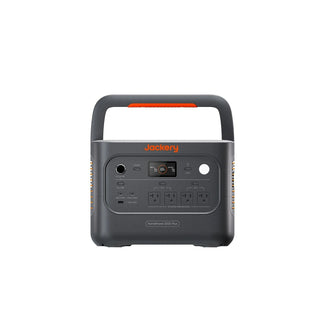
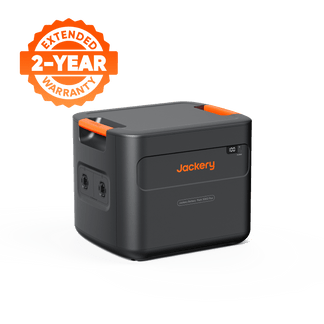
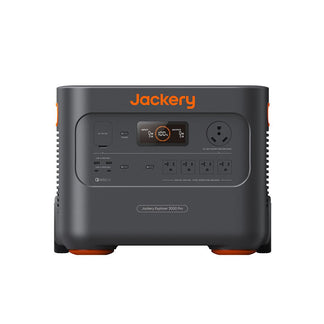
Jackery Solar Generator 2000 Plus
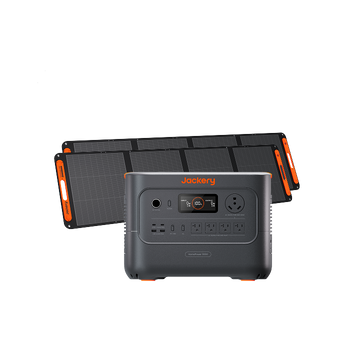
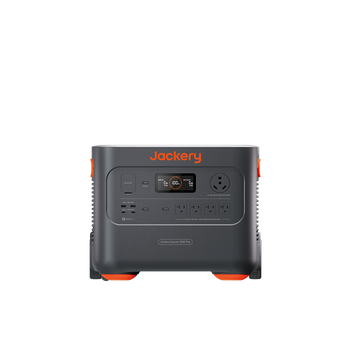
The Jackery Solar Generator 2000 Plus is suitable for households looking to power small to midsize essentials while cutting back on electricity costs. It can keep a refrigerator, fan, and small kitchen appliances running without relying on the grid. Whether you are dealing with a brief power outage or want a backup for peak-hour pricing, this solar generator provides reliable power whenever you need it.
Appliances Running Time
- Double-Door Refrigerator (900W) = 1.8H
- Microwave Oven (1200W) = 1.4H
- Portable AC (1000W) = 1.6H
- Vacuum Cleaner (1200W) = 1.4H
- Electric Grill (1800W) = 54 min
Who Should Buy This
If you are looking to power essentials like refrigerators, fans, and lights during the day with solar while easing reliance on the grid, the Jackery Solar Generator 2000 Plus is a practical way to cut bills.

Customer Review
I'm using it as an EPS for my internet and entertainment system. Works great on the battery save function. Maintains charge to 85%, then comes on seamlessly when the power goes down. I'm good for 12 hours before needing a charge.
— Zachary.
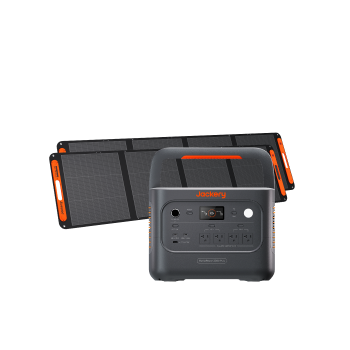
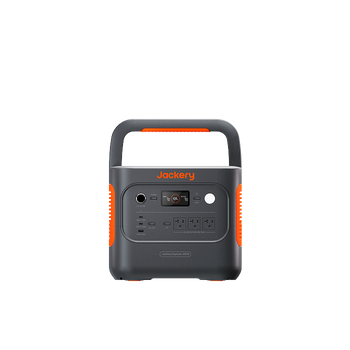
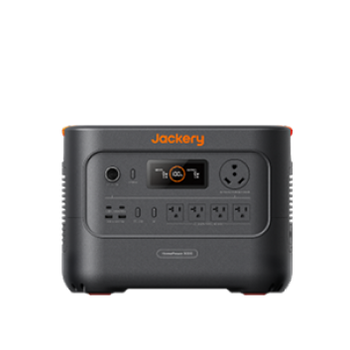
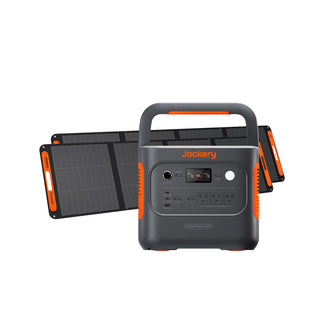
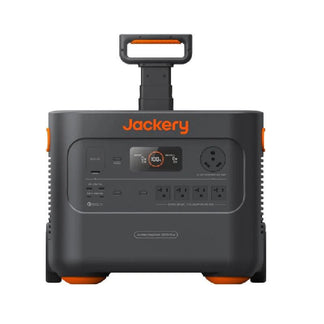
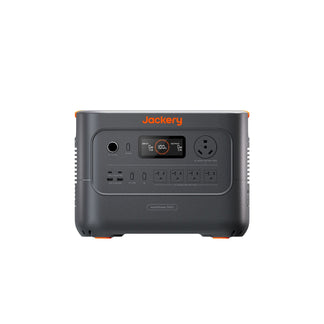
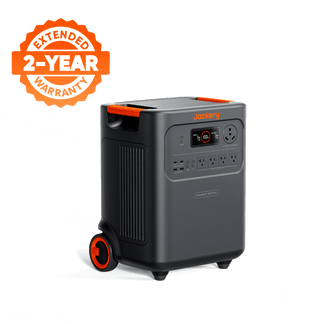
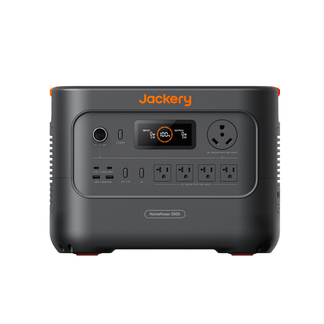
Jackery Solar Generator HomePower 3000
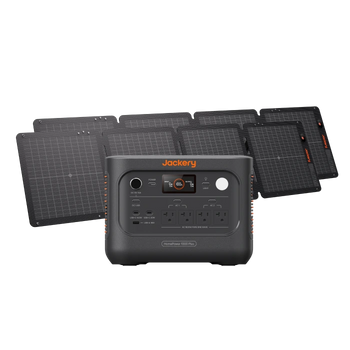
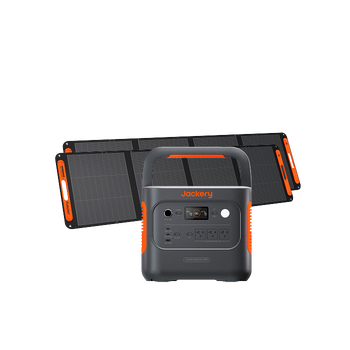
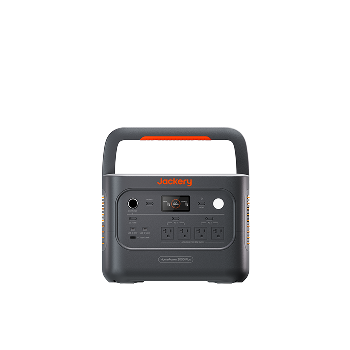
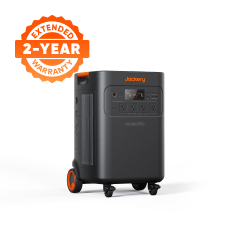
If your National Grid electricity bill keeps eating into your budget, the Jackery Solar Generator HomePower 3000 can be an ideal choice. You can charge the battery during off-peak hours at night and let the sun do the work during the day to save up to 25% on annual bills. With the average US family spending about $1,800 a year on electricity, you can save hundreds of dollars. It can run your fridge, lights, and internet more affordably, reducing the overall reliance on the grid.
Appliances Running Time
- Double-Door Refrigerator (900W) = 2.8H
- Microwave Oven (1200W) = 2.1H
- Washing Machine (2000W) = 1.3H
- AC (2000W) = 1.3H
- Vacuum Cleaner (1200W) = 2.1H
Who Should Buy This
If you are tired of bills creeping higher and just want a simple way to trim costs while still keeping your fridge, WiFi, and lights running smoothly, the Jackery Solar Generator HomePower 3000 is an ideal choice.

Customer Review
So far, I have only used it for a few days to make sure a mini-fridge works for our grandson to take to college. We bought the 3000 in the event of a storm power outage that would prevent us from running our portable generator.
— Michael Brooks.
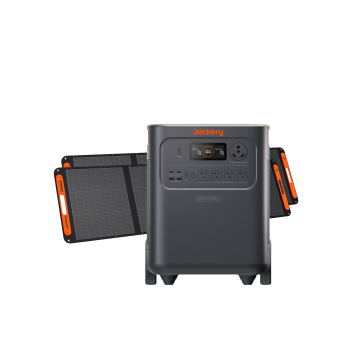
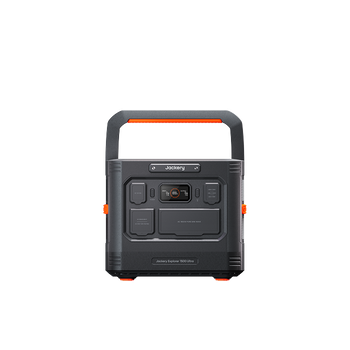
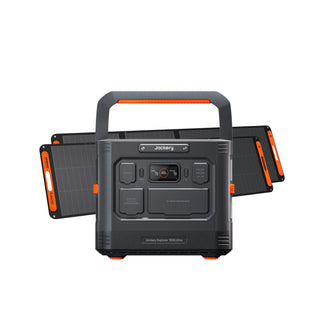
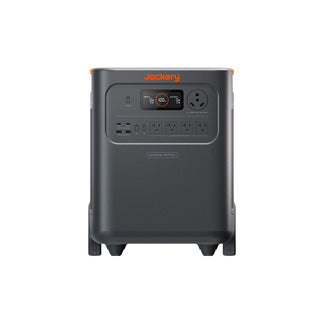
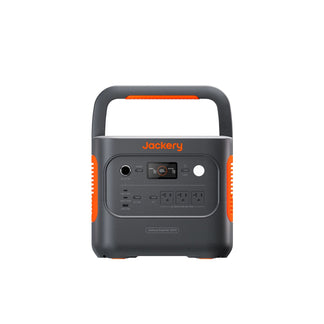
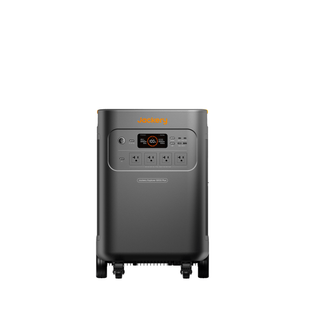
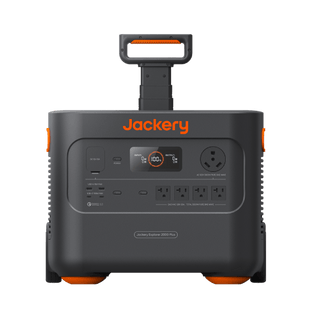
Jackery Solar Generator HomePower 3600 Plus
If you are looking to reduce the monthly electricity bills by a significant margin, the Jackery Solar Generator HomePower 3600 Plus offers powerful savings. With solar charging during the day and smart off-peak charging at night, you could cut your bill by up to 57% each month, which is over $1,000 a year based on average US costs. Instead of paying more on the bills, you will know that your freezer, appliances, and even home office are powered affordably and reliably. It is a long-term way to slash bills while keeping your home running smoothly even during outages.

Appliances Running Time
- Double-Door Refrigerator (900W) = 3.3H
- Microwave Oven (1200W) = 2.5H
- Washing Machine (2000W) = 1.5H
- AC (2000W) = 1.5H
- Vacuum Cleaner (1200W) = 2.5H
Who Should Buy This
If you run multiple appliances, work from home, or live where energy rates are steep, the potential 57% monthly savings make the Jackery Solar Generator HomePower 3600 Plus ideal for cutting expenses and building real energy independence.
Customer Review
Very easy to set up, solar charge, great support! Going to buy more batteries!
— Mike Palmer.
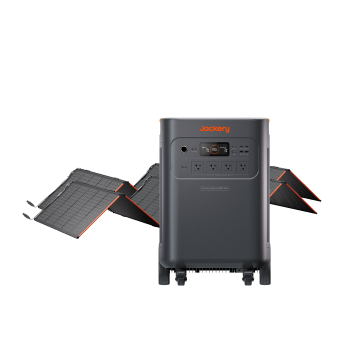
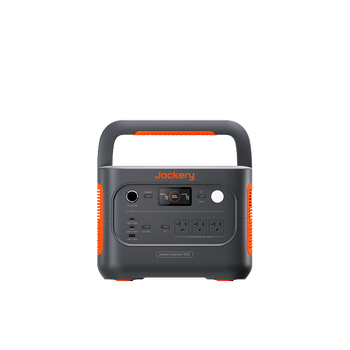
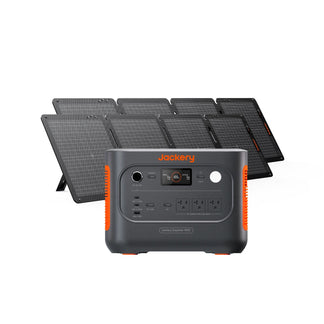
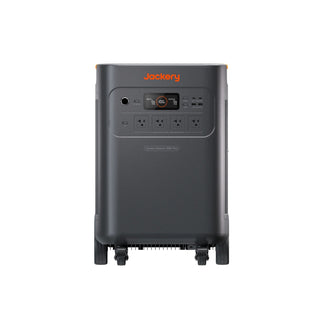
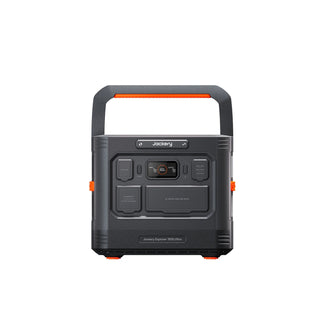
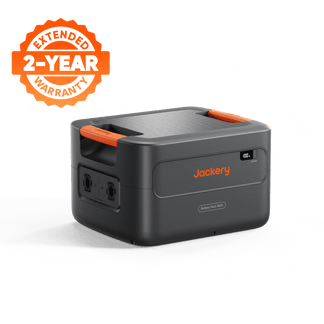
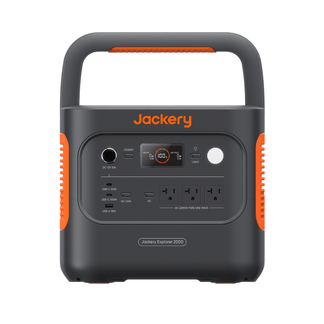
Jackery Solar Generator 5000 Plus
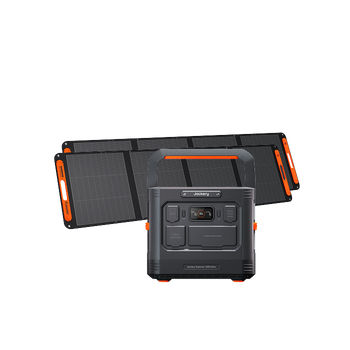
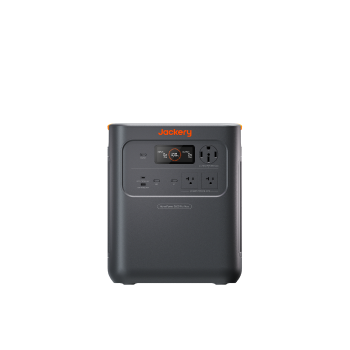
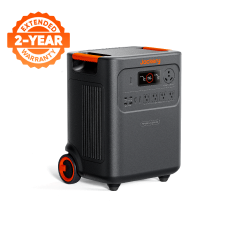
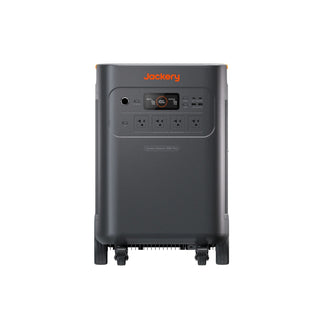
For homes that need an essential home backup solution, the Jackery Solar Generator 5000 Plus can handle heavy-duty appliances like air conditioners, washing machines, and even electric stoves. It's an ideal solution for extended outages, off-grid cabins, and anyone looking to reduce electricity costs in the long term. With its expandable battery system, this solar generator grows with your energy needs.
Appliances Running Time
- Double-Door Refrigerator (900W) = 4.5H
- Microwave Oven (1200W) = 3.4H
- Washing Machine (2000W) = 2.0H
- AC (2000W) = 2.0H
- Vacuum Cleaner (1200W) = 3.4H
Who Should Buy This
If you run multiple big appliances, want to keep your home powered for days, and cut a serious chunk out of yearly utility costs with solar, the Jackery Solar Generator 5000 Plus delivers both savings and security on a bigger scale.

Customer Review
The entire 5000 plus bundle arrived within 3 days of ordering it. High-quality product with amazing power generation capabilities. I will be purchasing a second bundle in order to increase our kWh to 60.
— S.M.
FAQs About Why Has My National Grid Bill Doubled
Why am I getting more electricity bills?
Several factors lead to high electricity bills, including increased usage of energy-intensive appliances, inefficient appliances, changes in electricity rates, and seasonal fluctuations.
Is my National Grid bill high from actual usage or something else?
To determine if the National Grid electricity bills are high based on actual usage, you can compare your current bills to previous ones, check for changes in usage patterns or rates, and review the bill for any unusual charges.
Why am I paying $1200 a month for electricity for a family of 5?
A $1200 monthly electricity bill for a family of 5 is significantly higher than average due to several factors, such as high climate control usage, large home size, inefficient appliances, or high electricity rates in your area.
Do I need to get a battery for my solar panels?
While you don't always need a battery with solar panels, it can store electricity to power appliances at night or during cloudy weather. Jackery Solar Generators combine portable power stations and solar panels that generate and store electricity for powering appliances anytime needed.
Conclusion
A sudden increase in your monthly electricity bill can be frustrating and might leave you wondering why your National Grid bill has doubled, but understanding the reasons behind it can help you take control. Whether it's rate increases, appliance inefficiencies, or billing errors, you can reduce your energy costs. Investing in reliable solar-powered generators like Jackery Solar Generator can help lower your electricity bill and avoid unexpected spikes.


![Why Is My Electric Bill So High [2026 Updated]](http://www.jackery.com/cdn/shop/files/why-is-my-electric-bill-so-high-2026-updated-2639137.jpg?v=1786015386&width=90)


![What Is The Average Electric Bill in New Jersey [2026]](http://www.jackery.com/cdn/shop/files/what-is-the-average-electric-bill-in-new-jersey-2026-2603181.jpg?v=1786014351&width=90)