




































































































![[Add-on] Jackery SolarSaga 500 X - Jackery](http://www.jackery.com/cdn/shop/files/add-on-jackery-solarsaga-500-x-1493607.webp?v=1786503068&width=324)





![[Add-on] Jackery Battery Pack 5000 Plus - Jackery](http://www.jackery.com/cdn/shop/files/add-on-jackery-battery-pack-5000-plus-6713401.webp?v=1786503068&width=324)



















































Haunted hikes are gaining popularity, mixing American history, scenic landscapes, and a touch of the supernatural. But exploring these trails comes with real concerns, from staying safe in remote areas and avoiding trespassing to separating genuine history from tourist folklore.
This guide offers a practical approach to visiting America’s most intriguing eerie trails, with tips for respectful exploration, smart preparation, and the must-have gear for a safe, unforgettable adventure.
America's Eeriest Trails: A Region-by-Region Guide
The country's most compelling haunted trails are often grouped by the type of history they hold. From battlefields soaked in tragedy to the lonely quiet of abandoned frontier towns, each offers a unique and somber atmosphere.
Echoes of History: Battlefields and Colonial Sites
Some of the most profound and eerie hiking experiences are found on land marked by historical tragedy. Trails through Civil War battlefields like the infamous Bloody Lane at Antietam or the fields of Gettysburg are not just walks; they are journeys through living memorials.
When visiting these sites, respect is paramount. Always treat these hallowed grounds as outdoor museums and memorials. Stay on clearly marked paths, adhere to all park regulations, and observe posted hours to ensure you are not trespassing.
Civil War Echoes
- Bloody Lane Trail, Antietam National Battlefield, Maryland
- Site of the bloodiest single-day battle in American history.
- Visitors report ghostly battle sounds, including cries, gunfire, and cannons, emanating from the fog.
- Specific encounters include sightings of phantom soldiers.
- Devil's Den, Gettysburg, Pennsylvania
- A key Civil War battle site, it is considered one of America's most haunted places.
- Paranormal reports include sightings of "The Hippie" ghost.
New England's Spooky Sites
- Madame Sherri's Castle Ruins, West Chesterfield, New Hampshire
- These ruins include the "Stairway to Heaven".
- Visitors report faint laughter, waltz music, and sightings of Madame Sherri's specter.
- Monson Village Ghost Town, Milford, New Hampshire
- This former pioneering settlement (1746) is now a ghost town with 2.5 miles of trails.
- Paranormal investigators have certified ghostly activity, including distant Native American drum beats and flashes of light.
- Mt. Chocorua, White Mountains, New Hampshire
- Legend states that Chief Chocorua's curse causes sorrowful cries to still be heard.
- The Champney Falls trail is the easiest route, a 7-mile round trip, leading to an ominous, rocky summit.
Legends of the Wilderness: Mountains and Forests
Vast, isolated landscapes like the Appalachian Mountains and remote Western ranges are rich with folklore and legends. These haunted trails often derive their mystique from the environment itself.
Safety is a primary concern on these often-remote and challenging trails. The same isolation that creates the eerie atmosphere also means you are far from help. Before attempting one of these hikes, honestly assess your experience level and physical fitness, and choose a trail that matches your capabilities.
Appalachian Legends
- Appalachian Trail, West Virginia (Greenbrier Ghost)
- The trail is a hotbed for ghost stories, particularly the legend of the Greenbrier Ghost in West Virginia.
- Reported experiences include eerie sensations, unexplainable noises, and shadowy figures.
- Cumberland Trail, Tennessee (Signal Mountain)
- Ghost stories are prevalent, especially near Signal Mountain.
- Reported phenomena include strange noises, ghostly figures, and the felt presence of deceased miners.
- Norton Creek Trail, North Carolina Smoky Mountains
- This trail is frequently listed among America's most haunted hikes.
- An eerie fog often blankets the area, and hikers report seeing a mysterious light associated with a settler searching for his daughter along Lake Fontana.
Swamps, Sanatoriums, and Cryptids
- Batona Trail, New Jersey Pinelands National Reserve
- Centuries-old rumors of the Jersey Devil persist here.
- The creature is described as having a kangaroo body, dog head, bat wings, horns, and a tail.
- Great Dismal Swamp National Wildlife Refuge, Virginia/North Carolina
- The swamp is known for its aggressive and eerie atmosphere.
- Seneca Ridge Trail (Coffin Rock), Maryland
- Local legends include connections to the Blair Witch and sightings of the Snallygaster cryptid.
- Devil's Path, New York
- Legends tell of the ghost of Mohawk leader Thayendanegea and witches.
- The trail is characterized by perpetual twilight and deep darkness.
Grand Canyon's Spectral Figures
- Transept Trail, Grand Canyon National Park, Arizona
- The legend of the "Wandering Woman" ghost, also known as the "Wailing Woman," haunts the North Rim.
- She is said to be searching for her family, with sightings of an eerie figure and cries at twilight.
California's Mysterious Trails
- Black Star Canyon Falls Trail, California
- This trail has a reputation for paranormal phenomena.
- Grouse Lake, Yosemite National Park, California (Chilnualna Falls Trail)
- A chilling Native American legend describes a young boy who drowned and now calls out to hikers, attempting to pull them into the water.
Ghosts of the Frontier: Abandoned Mines and Ghost Towns
The American West and Southwest are dotted with the remnants of boom-and-bust cycles. Trails that lead near abandoned mining operations or frontier ghost towns in states like Arizona and California offer a tangible glimpse into the harsh realities of frontier life.
Navigating these areas requires strict attention to both legal and physical safety. Never enter abandoned mines, buildings, or any area marked as private property. These structures are often unstable and extremely dangerous. Stick to designated public trails that interpret this history from a safe, legal distance.
Kentucky's Subterranean Secrets
- Mammoth Cave National Park, Kentucky
- Reputed as one of the most haunted natural wonders, it served as a tuberculosis sanatorium.
- The ghost of Stephan Bishop, a slave, is reportedly seen during tours.
- Reported phenomena include disembodied coughs, deep darkness, and unseen noises.
Tennessee's Haunted Forests
- Ghost House Trail, Big Ridge State Park, Tennessee
- This trail is haunted by Mary Hutchinson and her family after she died of tuberculosis.
- Historical features include a replica mill, Indian Rock, and the Lon Sharp Cemetery.
- Local lore attributes the hauntings to Maston Hutcheson (1826–1910).
Planning Your Haunted Hike: Research, Safety, and Ethics
A successful and respectful haunted hike begins long before you reach the trailhead. Proper research ensures you are safe, informed, and acting as a responsible steward of the land and its history.
How Should You Build a Reliable Research Plan?
- Start with Official Sources: Always begin with park service or forestry websites (.gov) for the most accurate information on trail status, rules, and safety alerts.
- Verify the History: Use local historical societies, libraries, and town records to separate historical fact from embellished legends.
- Use Social Media for Tips: Consult hiking forums and social media groups for anecdotal advice on current conditions or parking, but do not rely on them for primary safety or historical information.
How Can You Spot Red Flags and Hike Ethically?
- Identify Commercial Attractions: Recognize that locations requiring tickets, employing costumed actors, or focusing on entertainment over history are commercial ventures, not authentic sites.
- Follow Leave No Trace: Adhere strictly to Leave No Trace principles by packing out everything you pack in.
- Show Utmost Respect: If a trail has Indigenous cultural significance or is a memorial, be quiet, stay on the path, and leave everything as you found it.
Essential Gear for a Safe Haunted Hike
Thorough preparation is the key to a safe and enjoyable experience, turning potential anxiety into confident exploration. Packing the right gear ensures you are ready for the expected and the unexpected.
What Belongs on the Hiker's Essentials Checklist?
This checklist covers the non-negotiable items for any hike, especially one in a remote or eerie location.
- Navigation: A fully charged phone with offline maps downloaded, supplemented by a physical map and a compass as a reliable backup.
- Lighting: A primary headlamp with fresh batteries and a backup light source, such as a small flashlight.
- Communication: A fully charged phone and a pre-shared trip plan left with an emergency contact who knows your route and expected return time.
- First-Aid: A compact first-aid kit appropriate for your group size and the remoteness of the trail.
- Shelter & Layers: An emergency blanket for unexpected overnight stays and weather-appropriate, non-cotton layers of clothing.
- Food & Water: Pack more than you expect to need to account for potential delays or emergencies.
Powering Your Expedition: Staying Connected and Safe
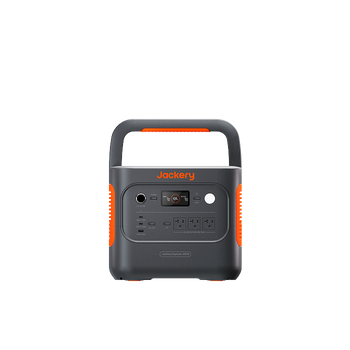
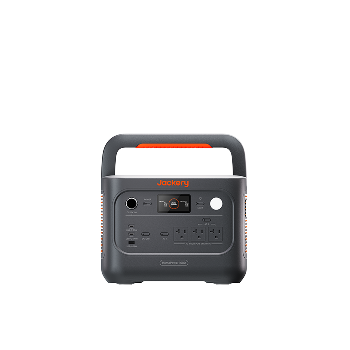
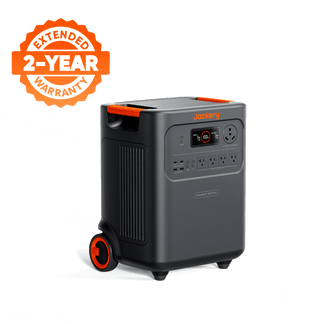
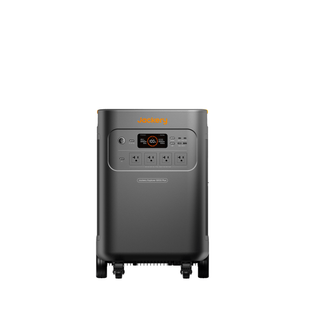
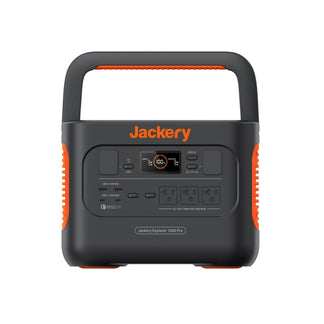
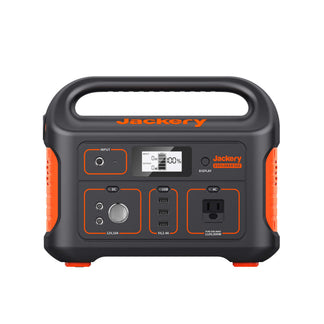
Remote trails, by definition, lack power outlets. A dead phone, GPS, or headlamp is not just an inconvenience—it is a serious safety risk that can leave you lost, in the dark, and unable to call for help. A portable power station has become a modern essential for off-grid safety, providing reliable power and peace of mind.
Which Portable Power Stations Are Recommended?
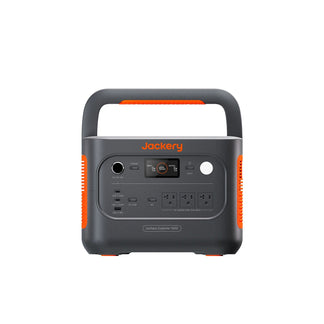
-
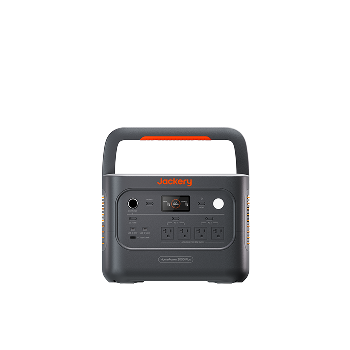
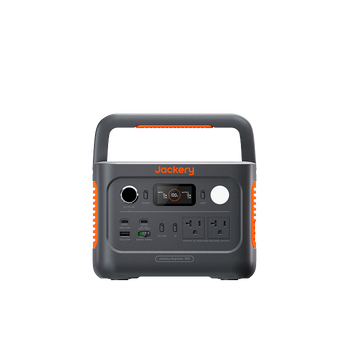
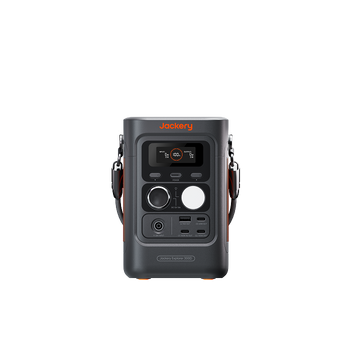
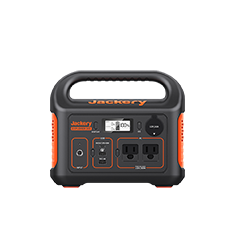
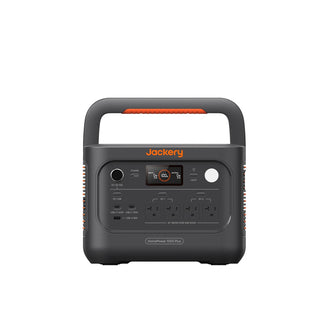
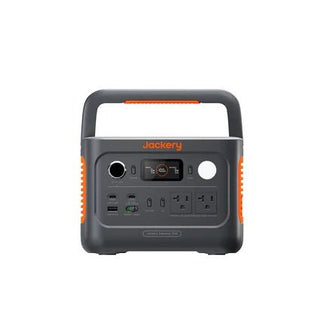
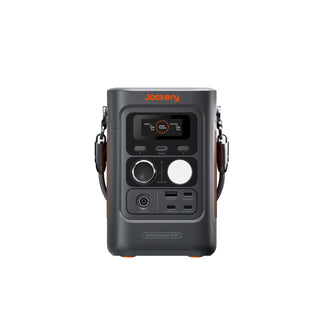
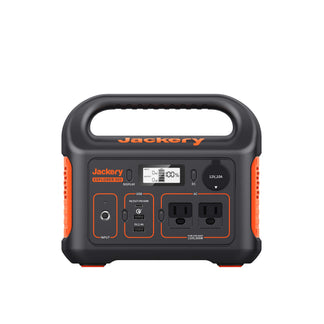
Jackery Explorer 300 Plus Portable Power Station
- Capacity: 288Wh
- Battery: LiFePO4
- Lifespan: 3,000 cycles to 80%+ capacity
- Weight: 8.27 lbs (3.75 kg)
- Ideal for solo hikers or day trips, this portable unit keeps phones, drones, and cameras charged. It recharges in just 2 hours via an AC adapter.

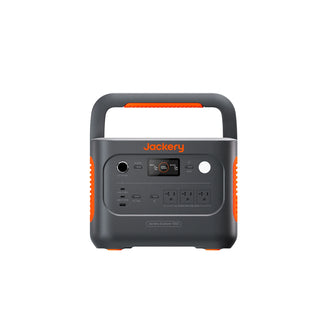
-
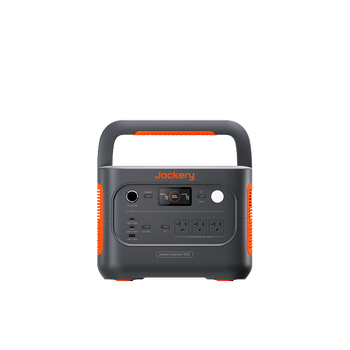
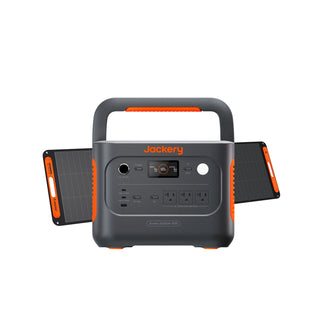
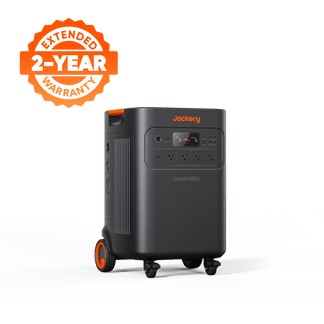
Jackery Explorer 600 v2 Portable Power Station
- Capacity: 640Wh
- Battery: LiFePO4
- Lifespan: 6,000 life cycles
- Weight: 14.11 lbs
- This unit provides enough power for multiple devices, making it ideal for small groups or longer day hikes. It features a UPS function with a <10ms switch time.

What Are the Best Practices for Night Hiking?
- Hike in a Group: Never hike alone at night.
- Scout Ahead: Familiarize yourself with the trail in daylight before attempting a night hike.
- Use Proper Lighting: Navigate with a bright, white headlamp. Use red lights only to preserve night vision when stationary, not for walking.
- Be Aware of Natural Sounds: Recognize that wind, echoes, and nocturnal wildlife are the most common sources of "unexplained" noises.
- Prioritize Safety Over Evidence: Your personal safety is more important than capturing paranormal activity.
- Trust Your Instincts: If you feel unsafe for any reason, leave the area immediately.
Conclusion: Hike with Confidence and Respect
Haunted hikes offer a unique blend of history, atmosphere, and adventure. This fascinating hobby is most rewarding when approached with thorough preparation and profound respect for the places you visit. By prioritizing safety, researching trails with authoritative sources, and packing the right gear, you can explore these storied landscapes responsibly.
Frequently Asked Questions
What are some common natural phenomena or wildlife behaviors that hikers might misinterpret as supernatural occurrences on a haunted trail, especially at night?
Nocturnal animal calls, wind patterns creating strange sounds in canyons or forests, and optical illusions caused by low light or fog are often misinterpreted. Understanding the local ecosystem can help you identify these natural occurrences.
Are there any specific legal considerations or permits required for night hiking in national parks or protected areas, beyond general park regulations?
Yes, always check the specific park's official website before your trip. Many parks have restricted hours, designated night-hiking trails, or require special permits for after-dark access.
Beyond the recommended products, what are other essential safety technologies or apps that can enhance preparedness for remote, potentially eerie, trails?
For areas with no cell service, consider a satellite communication device or a personal locator beacon (PLB) for emergencies. Advanced weather forecasting apps designed for backcountry use can also provide critical, location-specific information.
If I encounter something genuinely unsettling or potentially dangerous on a trail that I suspect is paranormal, what is the recommended course of action?
Your immediate physical safety is the only priority. Calmly and quickly remove yourself from the situation, return to a safe area, and report any genuinely concerning or threatening incidents to park rangers or local authorities.


