


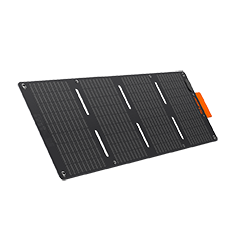



![[Add-on] Jackery SolarSaga 500 X - Jackery](http://www.jackery.com/cdn/shop/files/add-on-jackery-solarsaga-500-x-1493607.webp?v=1786503068&width=324)
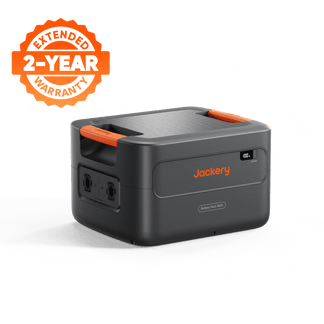
![[Add-on] Jackery Battery Pack 5000 Plus - Jackery](http://www.jackery.com/cdn/shop/files/add-on-jackery-battery-pack-5000-plus-6713401.webp?v=1786503068&width=324)
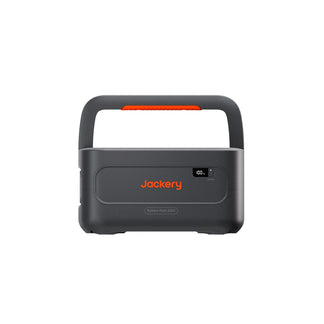



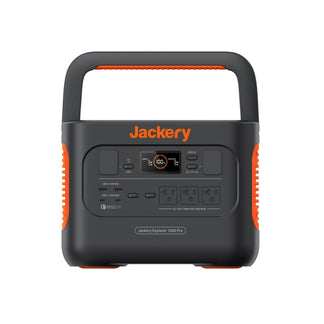
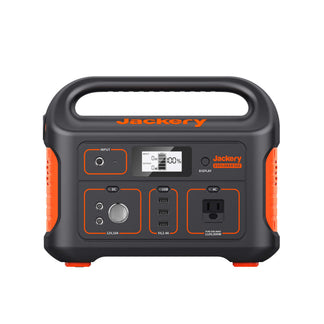
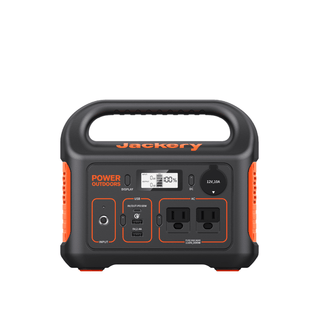
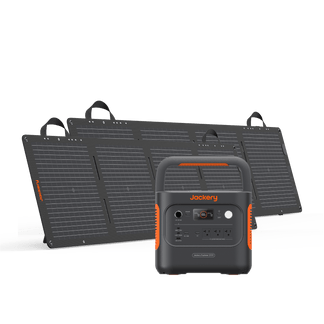
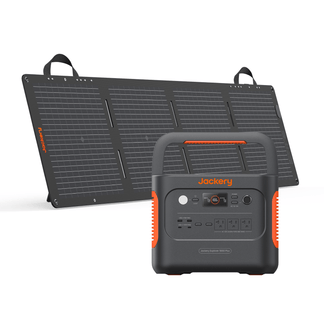


Most people buy a portable power station for one reason: emergencies. A storm is forecast, hurricane season is approaching, or the grid has already gone out once too often. The power station goes in the garage, stays charged at 80%, and waits for the day it is needed. That is a reasonable use. But it is also a significant underutilization of a device that, in many households, costs hundreds to thousands of dollars and is capable of running a refrigerator for eight hours, a laptop for a full workday, or a set of professional photography lights for an entire outdoor shoot.
The best creative use for a portable power station is whichever one solves a friction point you face regularly: the outdoor workspace with no outlet nearby, the backyard party that needs a speaker and a blender, the garage workshop where extension cords are a tripping hazard, or the location photoshoot where you are at the mercy of wherever you can find a plug. A portable power station removes that friction without fuel in almost any scenario where you need electricity, and there is no wall outlet within reach.
In this guide, we cover five underused scenarios where a portable power station earns its value long before any emergency ever arrives.
Key Takeaways
- A portable power station removes the need for wall outlets and extension cords in any outdoor, creative, or unconventional setting.
- Backyard use alone justifies ownership of power stations for many households: movie nights, cookouts, garden tools, and outdoor workspaces all benefit from portable, quiet, fume-free power.
- Freelancers and content creators can run a full professional setup, such as a laptop, monitor, lights, and camera chargers, entirely from a portable power station, with solar panels keeping it recharged between sessions.
- Outdoor enthusiasts get the most creative mileage from a power station: tailgates, fishing trips, overlanding, and beach days all become significantly more capable without a gas generator in sight.
- At home, power stations or solar generators play a surprisingly practical role beyond outage backup, from garage workshops and home renovation projects to reducing peak-hour electricity costs.
How Can You Use a Portable Power Station in Your Own Backyard?
The backyard is probably the most overlooked use case for a portable power station, and one of the most immediately practical. Most outdoor spaces have one or two exterior outlets, usually near the back door, which means running extension cords across the yard for anything more than a couple of devices. A portable power station eliminates that entirely: carry it outside, set it wherever you need it, and plug in. Here are a few creative use cases of a power station in the backyard:
Outdoor Movie Nights: A backyard movie setup typically requires a projector (100W to 300W), a speaker or soundbar (30W to 80W), and string lights (20W to 50W). Combined, that is roughly 150W to 430W, well within the output range of any mid-size power station. A 1,000-watt generator at that load runs for hours, so you can enjoy a feature film with ambiance lighting and sound to match.
Backyard Parties and Cookouts: An electric griddle typically draws 1,000-1,500W. A blender draws 300W to 600W. A portable speaker draws 20-50W. A phone charging hub for guests draws 50-100W. You can blend the drinks first (high draw, short duration), then let the griddle run while everything else draws minimally. With a 2,000Wh or larger unit, a full cookout setup is manageable, and guests never need to hunt for an outlet to charge their phones.
Garden Power Tools: Electric lawn mowers, string trimmers, hedge cutters, and cordless drills all work within the output range of a mid-to-large portable power station. This is particularly useful for larger properties where the far end of the yard or garden is too far from the house to run an extension cord without a significant voltage drop. A 1,000Wh to 2,000Wh unit can run an electric mower (500W to 1,000W) for one to two hours of mowing time, which is enough for most residential lawns.
Kids' Outdoor Setups: Bounce house blowers typically draw 500W to 700W continuously, which is well within the output of most mid-size power stations, and they run for hours at parties. Outdoor gaming setups, projectors for outdoor birthday screenings, and art stations on the patio all become possible without running extension cords to the nearest outdoor outlet. For children, the absence of cords and the fume-free operation of a power station also removes safety concerns associated with extension cords across play areas.
Outdoor Workspace: One of the most practical everyday uses of a portable power station is simply enabling a proper outdoor workspace. A laptop (45W to 65W), a portable monitor (20W to 40W), a desk fan (30W to 50W), and a phone charger (18W to 20W) together draw approximately 120W to 170W, giving you 6 to 8 hours of comfortable outdoor working from a 1,000Wh unit.
What are the Best Ways to Use a Portable Power Station for Work and Remote Productivity?
A portable power station allows you to turn any location into an off-grid workstation. It can power laptops, WiFi routers, and multiple external monitors without relying on wall outlets or noisy gas generators. This gives you the freedom to work remotely from beaches, public parks, or deep in nature.
Can You Run a Full Work Setup From a Portable Power Station?
Yes, and for most knowledge workers and remote professionals, the draw is lower than you might expect.
A standard work setup, including a laptop (45W to 65W), an external monitor (20W to 40W), a desk fan (30W to 50W), a phone charger (18W to 20W), and a WiFi router (10W), draws approximately 120W to 200W combined. At that load, a 1,000Wh power station provides five to eight hours of continuous work. A 2,000Wh or larger unit extends that to a full workday with a meaningful buffer, and can support more demanding setups like dual monitors, a dedicated webcam, and a portable ring light without running short.
For video editors, audio producers, or developers running multiple intensive applications, power draw increases. A high-performance laptop at full load can draw 90-120W. An external SSD draws 5-10W. A large, color-accurate monitor draws 40-60W. Even at 300W combined, a 2,000Wh power station provides approximately five and a half hours of uninterrupted editing, which is enough for a full afternoon session without plugging in.
Working in a garden, at a rooftop terrace, in a rented creative space without guaranteed outlets, or at a client site without power access becomes as straightforward as working at a desk.
How Do Freelancers and Creators Use Portable Power Stations on Location?
Freelancers and creators use portable power stations on location to enable off-grid video production, power commercial-grade photography lights, charge drone fleets, and run laptops for instant 4K rendering in remote settings.
Photographers and Videographers: Professional camera systems, LED lights, and monitor recorders draw more power than a laptop but far less than most people assume. A pair of continuous LED lights (100W to 200W each), a camera battery charger (30W to 60W), an on-site monitor (20W to 40W), and a laptop (50W to 65W) together draw approximately 300W to 500W. A 1,000Wh unit provides two to three hours of active shooting time.
Angelique Herring is a visual storyteller, NASA communication strategist, and van life traveler who relies on Jackery to keep her cameras charged, her drone flying, and her deadlines met, wherever the road takes her. What started as a hurricane road trip documented on social media became a full creative lifestyle, and Jackery became the power system that made it sustainable. When a tornado tore through a Kentucky fishing trip and flooded the Airbnb basement, it was her Jackery that ran the sump pump and kept the lights on through a day-long outage. Explore more such Jackery Stories.
Podcasters and Musicians: A portable recording setup with an audio interface (10W to 20W), a condenser microphone (phantom power via the interface), a laptop (50W to 65W), a studio monitor pair (40W to 80W combined), and a headphone amplifier (5W to 15W) draws approximately 100W to 180W. A 1,000Wh power station provides five to ten hours of recording time.
Content Creators: For creators shooting YouTube, social, or commercial content on location, a portable power station replaces the scramble for outlets. A typical creator setup with a laptop (60W), camera battery charger (30W), ring light or LED panel (50W to 100W), and a phone charging (20W) draws 160W to 210W combined. A 1,000Wh unit covers five to six hours.
Food Vendors and Pop-Up Market Sellers: Card readers and POS systems draw 10W to 20W. A portable display lighting setup draws 30-80W. A small blender for a smoothie pop-up draws 300-600W. A hotplate or warming tray draws 400-900W. For a vendor whose pitch is not guaranteed power access, a power station replaces a gas generator entirely, without noise, exhaust, or permitting concerns.
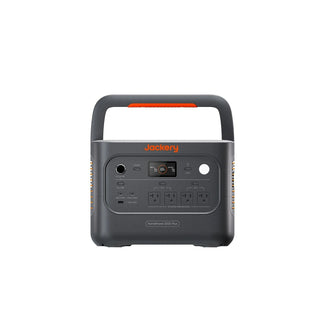
Recommended Jackery Portable Power Stations for Everyday Use
The right Jackery Portable Power Station for everyday use depends on what you plan to power and how often you plan to use it. Here is a quick guide to matching common everyday scenarios with the right model:
|
Everyday Use Scenario |
Recommended Model |
Why It Fits |
|
Backyard entertaining and outdoor workspace |
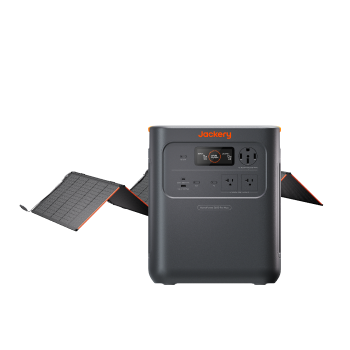
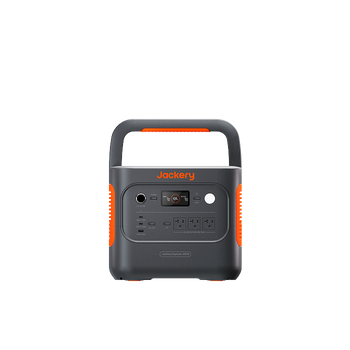
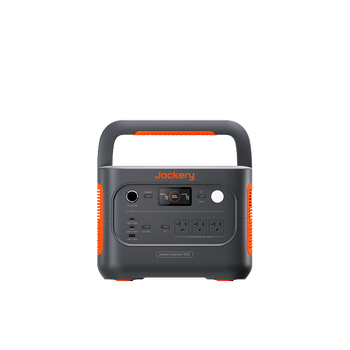
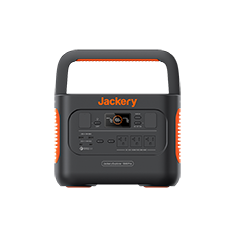
Jackery Explorer 1000 v2 |
Lightweight and easy to carry in and out; handles most outdoor appliances and a full outdoor workspace |
|
Mobile creative studio and location work |
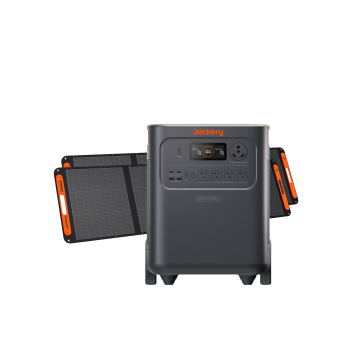
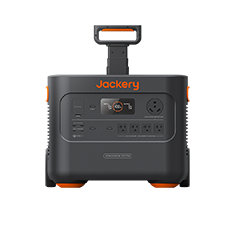
Jackery HomePower 3000 |
High capacity for multi-day use; handles appliances, tools, and entertainment simultaneously |
|
Off-grid cabin and tiny home supplement |
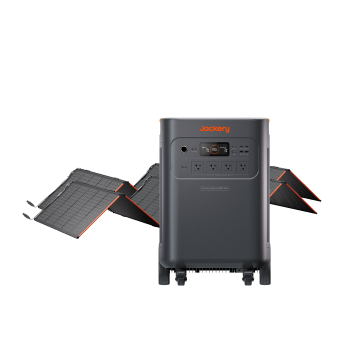
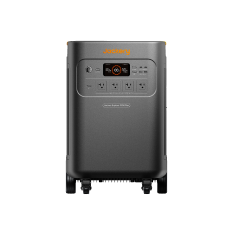
Jackery HomePower 3600 Plus |
Handles daily household loads with expandable battery capacity and solar recharging |
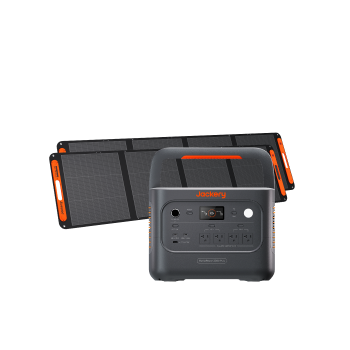
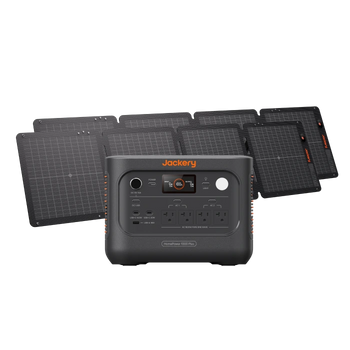
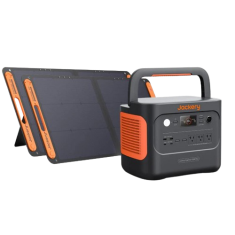
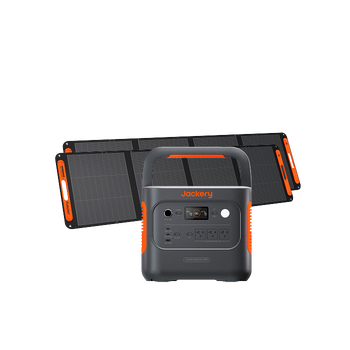
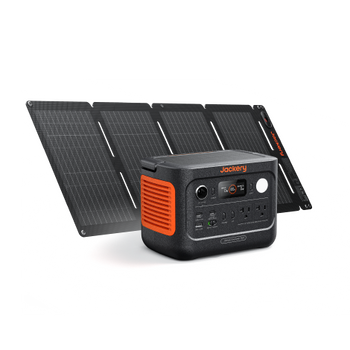
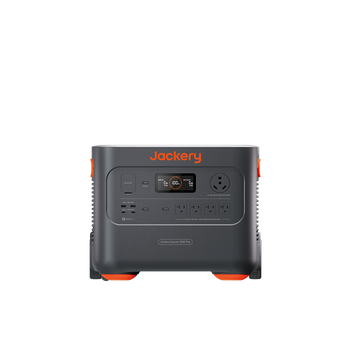
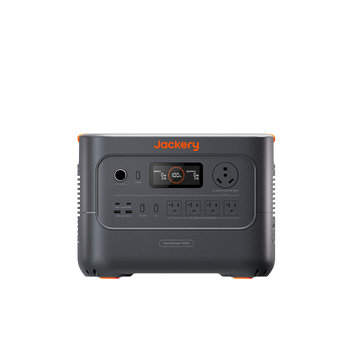
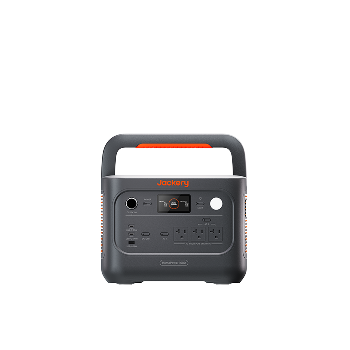
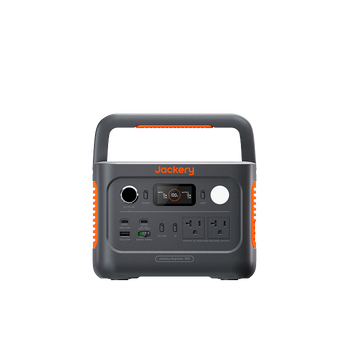
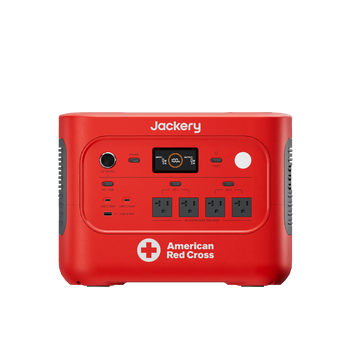
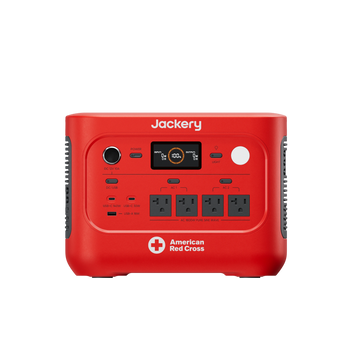
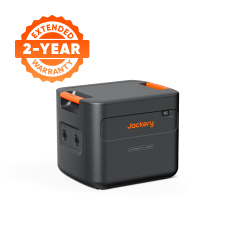
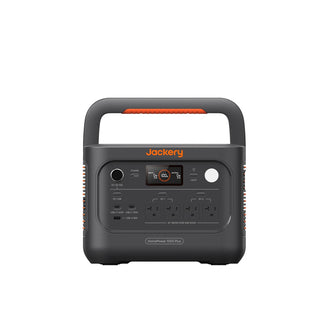
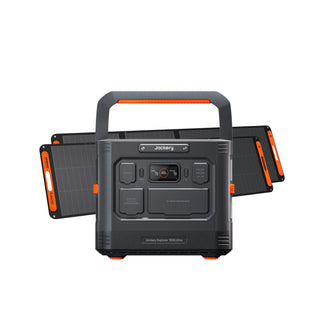
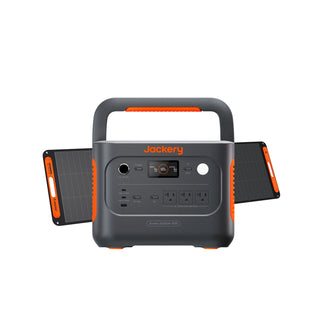
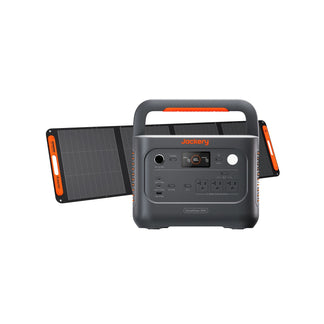
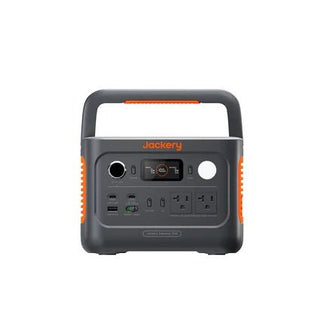
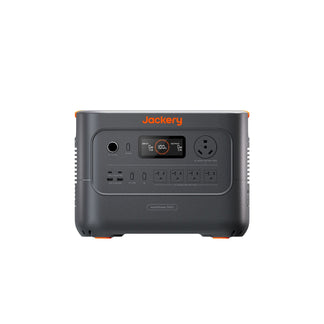
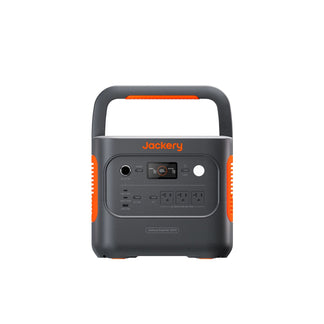
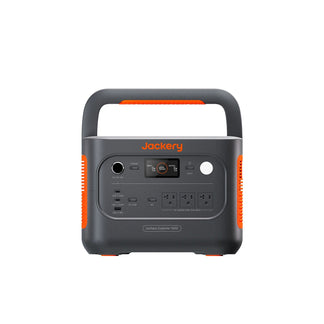
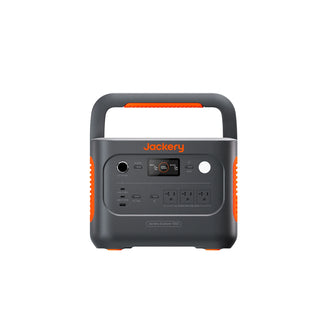
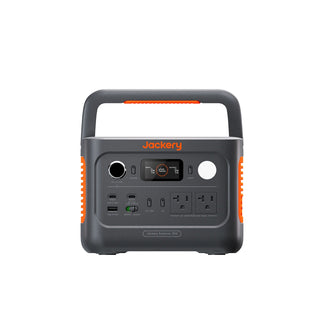
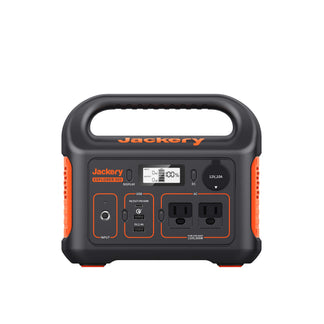
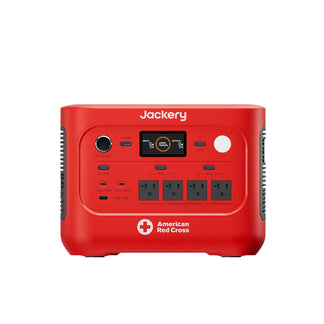
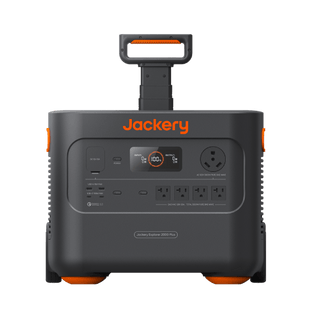
Jackery Explorer 1000 v2
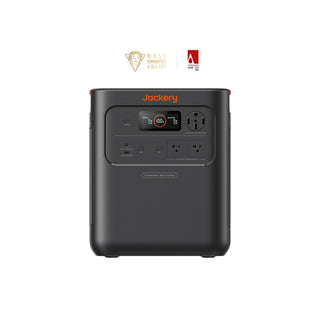
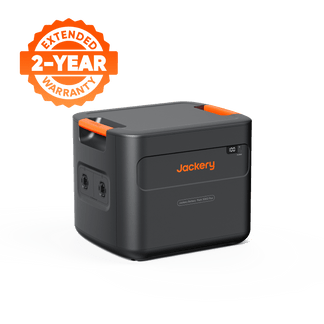
The Jackery Explorer 1000 v2 is the most practical everyday outdoor power station for homeowners and families. It can easily handle a full backyard entertaining setup, such as a speaker, string lights, a phone charging hub, and a portable blender, without running close to its limits. Its standout quality for everyday use is its compact design with a foldable carry handle. A 1-hour Emergency Super Charge means if you forget to charge it ahead of a Saturday cookout, a quick morning plug-in gets you back to operational before the guests arrive.
Appliances Running Time
- Portable Speaker (30W): 19.5H
- Phone Charging Hub (60W): 11.7H
- Laptop (65W): 11.0H
- String Lights (30W): 19.5H
- Portable Blender (350W): 2.4H
Who Should Buy This
The Jackery Explorer 1000 v2 is ideal for homeowners who entertain outdoors regularly, anyone who wants to work or set up in the yard without extension cords, and families who want a light, portable unit that earns its place week to week.

Customer Review
Love this battery! The new color is awesome and the battery does everything we need it for. We'll use it primarily as a backup generator, but will also take it camping, etc. Can't wait to use it all the time!
— Mary A.G.
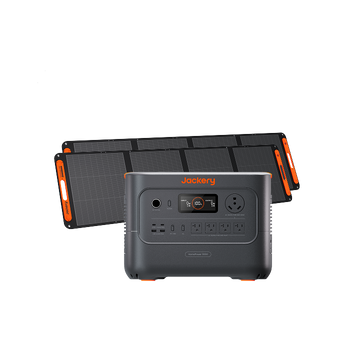
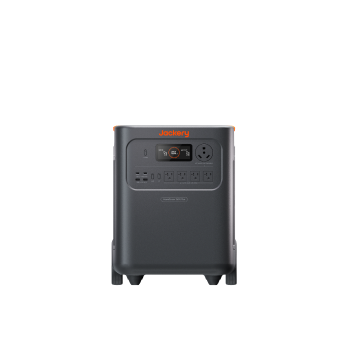
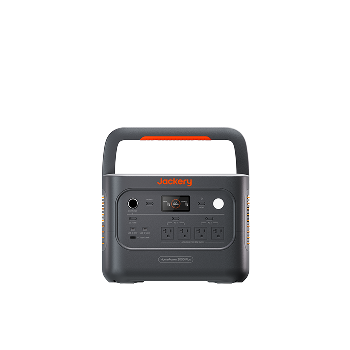
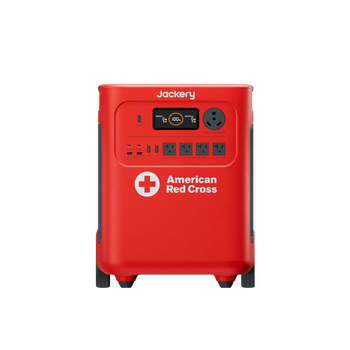
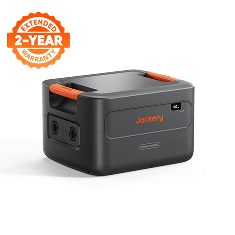
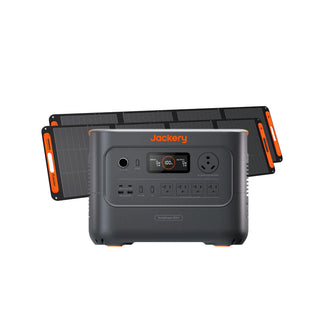
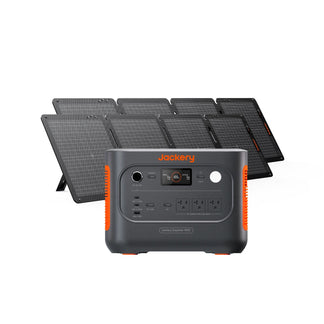
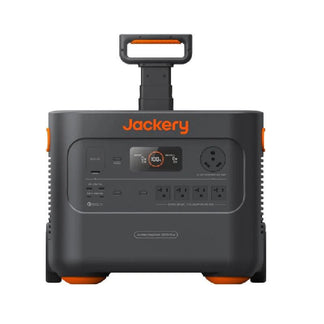
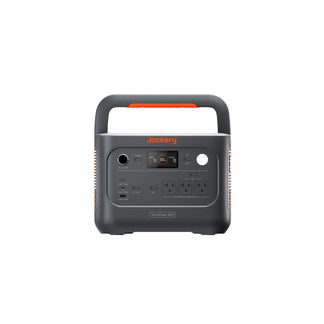
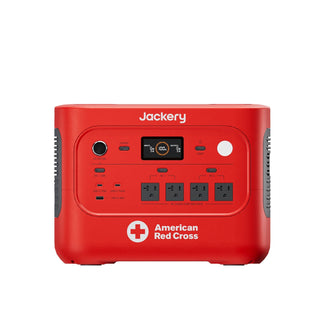
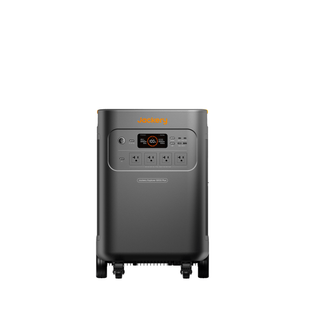
Jackery HomePower 3000
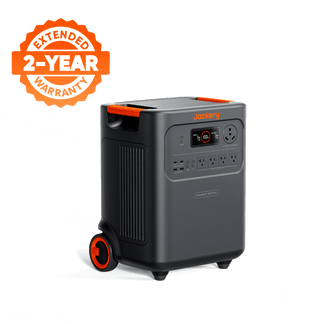
The Jackery HomePower 3000 is built for the professional creative or remote worker who needs a full setup. It comfortably supports a complete location production setup: a pair of LED lights, a camera charger, a laptop, a monitor, and an audio recorder simultaneously. It features a dual-sided handle that makes it easy to move the power station from one room to another or even outdoors. It emits only 30dB, ensuring your work won’t be disturbed by this portable power station running your appliances.
Appliances Running Time
- Portable AC (900W): 2.8H
- 12V Compressor Fridge (50W): 36.3H
- Coffee Maker (800W): 3.2H
- TV (100W): 21.4H
- Laptop (65W): 30.0H
Who Should Buy This
The Jackery HomePower 3000 is ideal for photographers, videographers, podcasters, content creators, and remote workers who need a full professional setup in locations without guaranteed power access.

Customer Review
This is the sweetest purchase I have ever made. We own a gelato business and wanted to take a freezer to markets. This was the best solution. We set the solar panels on top of the van, and they charge right up
— Morgan.
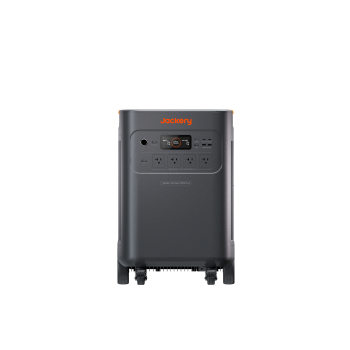
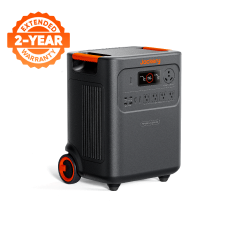
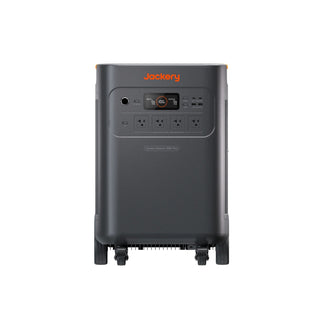
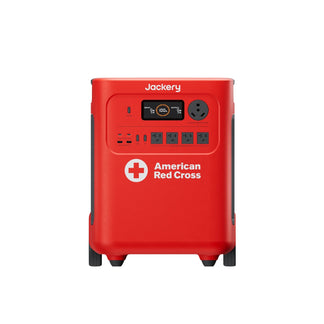
Jackery HomePower 3600 Plus
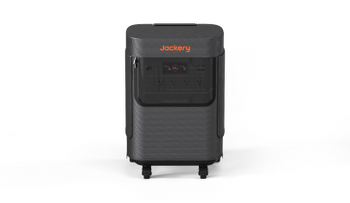
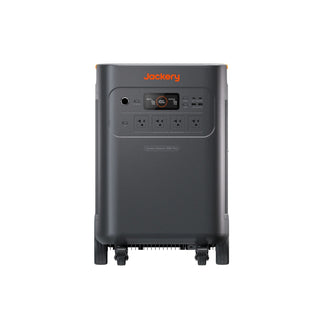
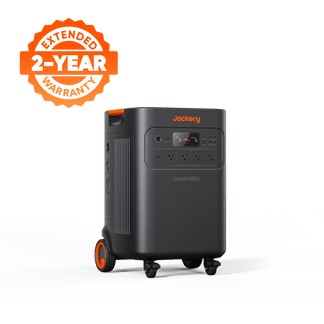
For off-grid cabins, tiny homes, and households that want to supplement grid power daily rather than just use backup power occasionally, the Jackery HomePower 3600 Plus is the right home battery backup solution. With a large battery capacity, it can cover daily household loads, including refrigerators, lights, WiFi, cooking, and device charging, for a full off-grid day when paired with solar panels. It features built-in wheels and a pull handle, making it easy to reposition within the home as needs shift.
Appliances Running Time
- Refrigerator (200W): 13.7H
- LED Lights (30W): 58.6H
- Wi-Fi Router (10W): 95.2H
- Portable AC (900W): 3.3H
- Coffee Maker (800W): 3.7H
Who Should Buy This
The Jackery HomePower 3600 Plus is ideal for off-grid cabin owners, tiny home residents, and households in high-electricity-rate regions who want to significantly offset their daily grid dependence with an essential home backup solution.

What are Some Unexpected Ways People Use Portable Power Stations Outdoors?
People use portable power stations outdoors for surprisingly creative applications, moving far beyond basic phone charging. Some unexpected uses include running outdoor events, hosting backyard movie nights, powering electric grills and slushie machines for tailgates, and running fans to clear campsites of mosquitoes.
Tailgating: A full tailgate setup without a gas generator: a 24-inch TV (60W to 100W), an air compressor for inflatables (300W to 500W), an electric griddle (1,000W to 1,500W), and a phone charging hub for the whole group (50W to 100W). You can run the air compressor and griddle at separate times rather than simultaneously. With a 2,000Wh or larger unit, a six-hour tailgate is achievable.
Overlanding and Off-Road Trips: Overlanding puts some of the most unusual power demands on a portable power station. A portable air compressor for tire inflation (40W to 120W) might be needed once or twice a day. A 12V compressor fridge (40W to 60W) runs continuously. A GPS and satellite communicator charge overnight (5W to 20W). A camp lighting setup draws 30-60W. A 2,000Wh unit handles all of these simultaneously and still has reserve for multi-day trips.
Fishing and Hunting: Live well pumps on small fishing boats draw 5W to 30W and need to run continuously. Fish finders charge at 10W to 20W. Trail cameras charge at 5W to 10W. A portable heater for a hunting blind draws 750-1,500W. A 1,000Wh power station covers a full day of fishing with the live well pump running the entire time, plus fish finder and phone charging throughout.
Beach and Lake Days: A portable blender for smoothies or cocktails (300W to 600W, short bursts), a Bluetooth speaker (20W to 30W), phone charging for a group (50W to 100W), and a small portable fan (30W to 50W). A 500Wh to 1,000Wh power station handles a full beach day comfortably, with no gas generator noise disturbing anyone's afternoon.
Youth Sports and Outdoor Events: A PA system for a youth sports field typically draws 100-300W. A scoreboard controller draws 20-50W. A commercial blender for a concession stand draws 500-1,000W. A 1,500Wh to 2,000Wh power station can run a full PA system for five to ten hours while simultaneously powering the concession stand blender between speeches.
What are Some Unexpected Ways People Use Portable Power Stations at Home?
You can use portable power stations to run DIY power tools without extension cords, set up backyard movie setups with projectors, and keep WiFi servers up and running during grid failures. Some other unexpected ways people can use portable power stations include:
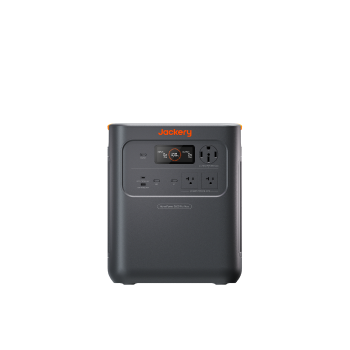
Garage Workshop: Running a drill (400W to 700W), a circular saw (1,200W to 1,800W, intermittent), a shop fan (100W to 200W), and a radio (30W to 50W) from a single power station eliminates the need for an extension cord. A 2,000Wh unit with a 4,000W surge output handles most residential workshop tools without issue.
Home Renovation Projects: When a room's electricity is shut off for rewiring, adding outlets, or installing fixtures, a portable power station keeps work lights, drills, and small saws running without a trip to the breaker box or an extension cord from another room. This is particularly useful during electrical renovation projects.
Kids' Bedroom Setup: A portable fan (30W to 50W), an LED nightlight (5W to 10W), a white noise machine (3W to 10W), and a tablet charger (18W to 20W) together draw approximately 60W to 90W. It is a combined load that a 500Wh unit runs for five to eight hours. For a living room camping night or a sleepover where kids want their own setup, a small power station creates a self-contained zone with all the comfort items without running cords across the room.
Reducing Peak Electricity Usage: This is perhaps the most financially compelling everyday use of a large-capacity portable power station. Pre-charge the power station overnight during your utility's off-peak hours, when electricity rates are lowest. During peak hours, typically 4pm to 9pm in most markets, run high-draw appliances like the dishwasher, washing machine, or electric oven from the stored energy instead of the grid. Recharge again overnight.
Conclusion
A portable power station is one of the most versatile devices a household can own, but most of that versatility goes unused when it sits in a garage waiting for an emergency that may never arrive. The scenarios in this guide are not edge cases or unlikely hypotheticals. They are the kinds of friction points that come up every week in ordinary life: the backyard party that needs more power than one exterior outlet can provide, the location shoot that is held hostage by wherever the nearest outlet happens to be, the tailgate that would be improved by a TV, and the workshop project that is slowed by extension cord logistics.


