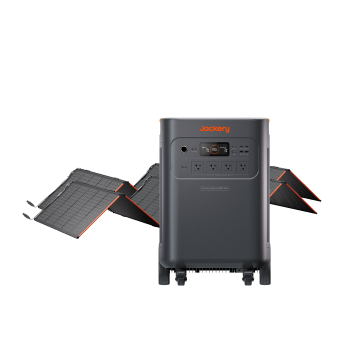

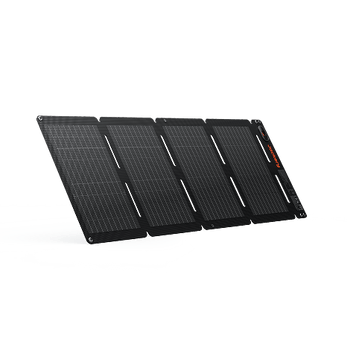
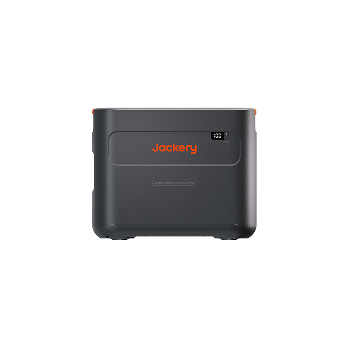
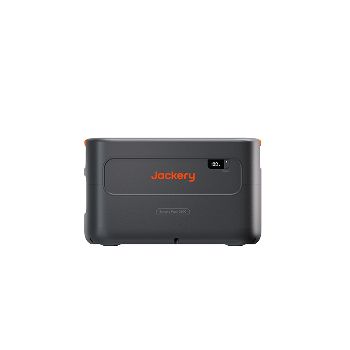
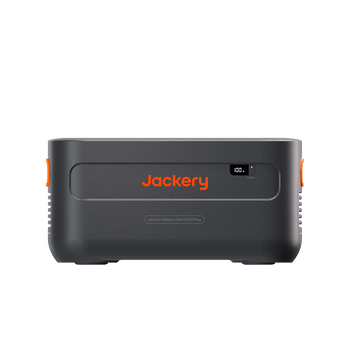













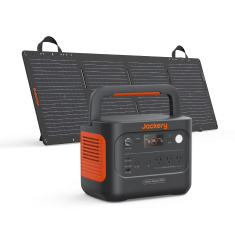
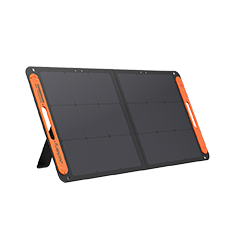


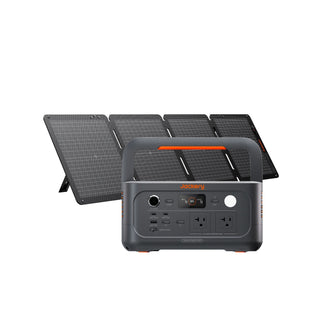
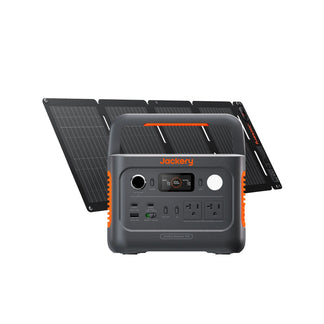
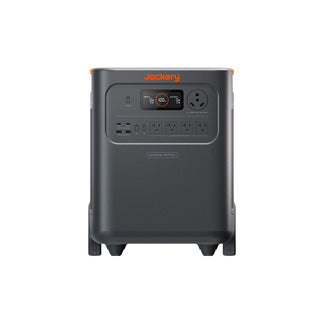
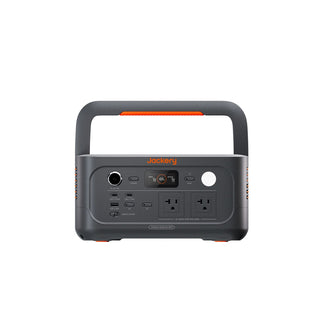
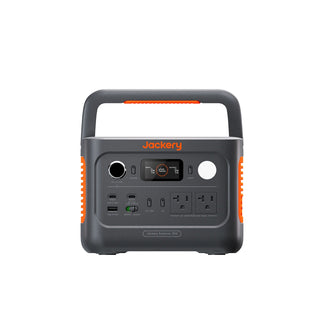
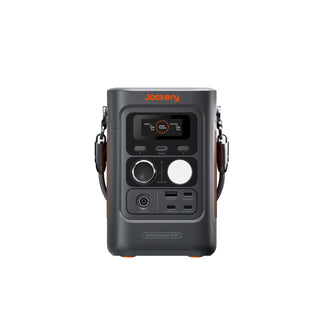
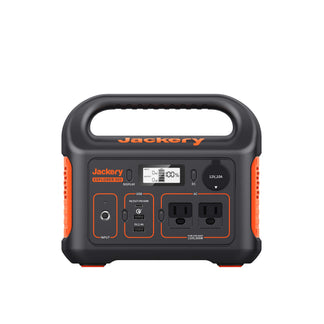
![[Add-on] Jackery SolarSaga 500 X - Jackery](http://www.jackery.com/cdn/shop/files/add-on-jackery-solarsaga-500-x-1493607.webp?v=1786503068&width=324)
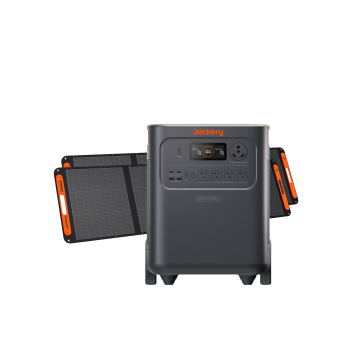
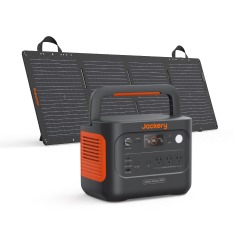
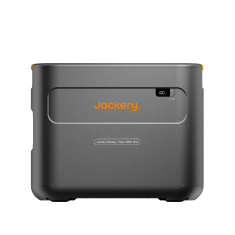
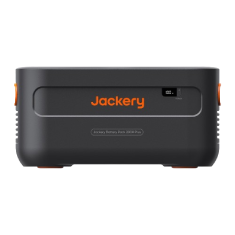
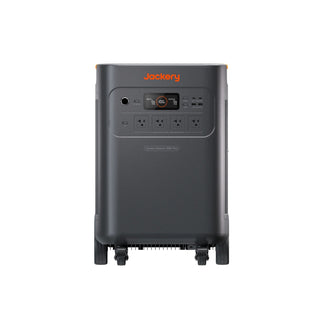
![[Add-on] Jackery Battery Pack 5000 Plus - Jackery](http://www.jackery.com/cdn/shop/files/add-on-jackery-battery-pack-5000-plus-6713401.webp?v=1786503068&width=324)









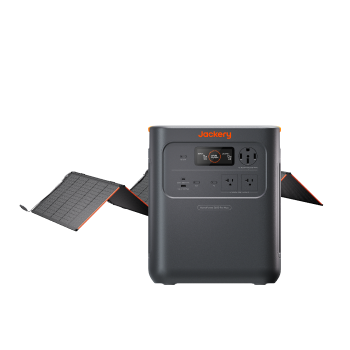
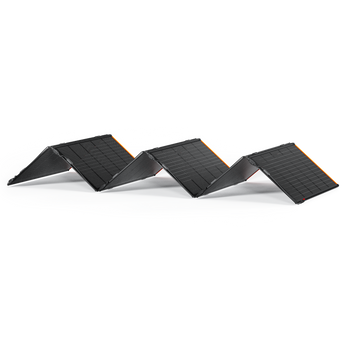
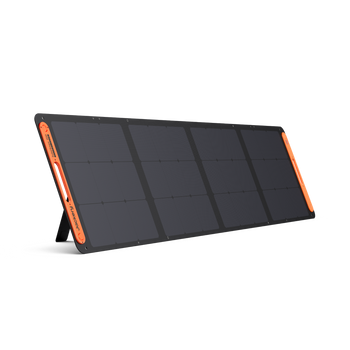
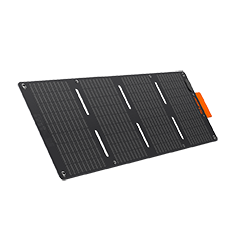
![[Add - on] SolarSaga 200W - Jackery](http://www.jackery.com/cdn/shop/files/add-on-solarsaga-200w-4834329.png?v=1754016915&width=324)


Choosing your first RV can feel daunting. Worries about picking the wrong size, misjudging costs, or running out of power off-grid can lead to decision paralysis.
This guide makes it simple, explaining the different RV classes and helping you find the perfect match for your travel style, budget, and power needs.
What are the different classes of RVs?
Motorized RVs come in three main types—Class A, B, and C—while towable RVs offer their own kind of flexibility. Only motorhomes use these “Class” labels, but towables are far from rare; in fact, they make up a large share of RVs you’ll see at campsites.
Class A Motorhome
Class A motorhomes are the biggest and most luxurious RVs, often resembling a bus. Built on a commercial truck or bus chassis, they offer spacious interiors and high-end amenities, making them ideal for full-time RV living or large families seeking maximum comfort.
Quick Specs:
|
Feature |
Details |
|---|---|
|
Size |
Largest RV type; bus-like design |
|
Chassis |
Commercial truck or bus chassis |
|
Sleeping Capacity |
2–10 people |
|
Fuel Economy |
6–13 mpg |
|
Best For |
Full-time living, long stays, maximum comfort |
|
Driving Difficulty |
High — similar to driving a bus |
|
National Park Access |
May be restricted due to length limits |
Pros:
- Most spacious & luxurious interiors
- Residential-size kitchens & fridges
- King/queen walk-around beds
- Ample interior & exterior storage
- Can tow a “toad” vehicle for local travel
Cons:
- Lowest fuel economy (6–13 mpg)
- Most expensive RV type
- Requires a large turning space
- Length may limit access to some parks
Class B Motorhome (Camper Van)
Class B motorhomes are the smallest and most agile, built on a van chassis for easy driving, parking, and city maneuvering. They’re a great choice for solo travelers or couples who value mobility and fuel efficiency.
Quick Specs:
|
Feature |
Details |
|---|---|
|
Size |
Smallest RV type; van-like |
|
Chassis |
Van chassis |
|
Sleeping Capacity |
1–2 (sometimes 3) |
|
Fuel Economy |
18–28 mpg |
|
Best For |
Urban travel, off-the-beaten-path exploration |
|
Driving Difficulty |
Easy — similar to driving a large van |
|
Storage |
Limited |
Pros:
- Best maneuverability
- Most fuel-efficient
- Fits in regular parking spots
- Great for remote travel
Cons:
- Smallest living space
- Limited storage
- Basic amenities
- No slide-outs
Class C Motorhome
Class C motorhomes are mid-sized RVs with a distinctive cab-over area for sleeping or storage. Built on a cutaway truck or van chassis, they offer a great balance of space, comfort, and easy handling, making them a popular choice for families and small groups.
Quick Specs:
|
Feature |
Details |
|---|---|
|
Size |
Mid-size; cab-over design |
|
Chassis |
Cutaway truck or van chassis |
|
Sleeping Capacity |
4–8 people |
|
Fuel Economy |
14–18 mpg |
|
Best For |
Families, mixed urban & rural travel |
|
Driving Difficulty |
Moderate — similar to a van or small truck |
|
Maintenance Note |
Cab-over seals need regular checks |
Pros:
- Easier to drive than Class A
- More affordable & fuel-efficient than Class A
- Many amenities are in smaller size
- Can tow a car
Cons:
- Less space than Class A
- Moderate fuel economy
- Cab-over area is prone to leaks if not maintained
Towable RVs
Towable RVs have no engine and are hitched to a truck, SUV, or car. Once parked, you can detach your tow vehicle for local exploring. Just make sure your vehicle can handle the load, and plan for a separate power source if you’ll be camping off-grid.
Quick Specs:
|
Feature |
Details |
|---|---|
|
Size |
Varies widely |
|
Chassis |
No engine; towable |
|
Sleeping Capacity |
2–10+ depending on type |
|
Fuel Economy |
N/A — depends on the tow vehicle |
|
Best For |
Flexible camping, local exploration |
|
Driving Difficulty |
Depends on trailer size & towing skill |
Types of Towable RVs:
- Travel Trailers: Affordable, bumper hitch, and a wide size range.
- Fifth-Wheels: Largest towables, require bed-mounted hitch, often two levels.
- Toy Haulers: Garage space for ATVs/motorcycles; convertible to sleeping area.
- Pop-Up Campers: Lightweight, canvas walls, towable by cars/SUVs.
- Teardrop Trailers: Small, distinctive shape, basic amenities.
- Truck Campers: Mount in pickup bed; great for off-road adventures.
Pros:
- Detach the tow vehicle for errands
- Wide range of sizes & prices
- Fifth-wheels rival Class A in luxury
- Lightweight options for smaller vehicles
Cons:
- Requires a capable tow vehicle
- No engine-generated power
- Towing & setup skills required
At-a-Glance RV Comparison Table
|
RV Type |
Size |
Fuel Economy |
Sleeping Capacity |
Best For |
Key Pros |
Key Cons |
|---|---|---|---|---|---|---|
|
Class A |
Largest |
6–13 mpg |
2–10 |
Full-time living |
Luxury, space, storage, tow car |
Expensive, poor mpg, park restrictions |
|
Class B |
Smallest |
18–28 mpg |
1–2 |
Mobility, urban travel |
Easy to drive, fuel-efficient |
Small space, basic amenities |
|
Class C |
Mid-size |
14–18 mpg |
4–8 |
Families |
Balance of space & drivability |
Less space than Class A |
|
Towable |
Varies |
N/A |
2–10+ |
Flexible camping |
Detach tow vehicle, variety |
Requires tow vehicle, no engine power |
Powering Your RV: A Practical Guide to Off-Grid Energy
The biggest challenge in boondocking is keeping the power on. Many campers end up relying on noisy, fuel-hungry gas generators that disturb the peace and demand a steady supply of gasoline.
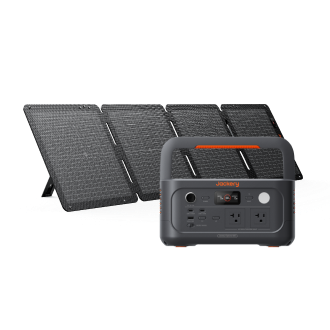
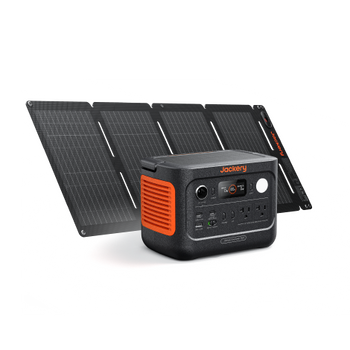
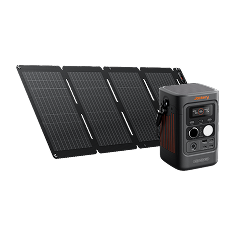
A better option is a quiet, solar-rechargeable power station. It delivers clean, reliable energy so you can enjoy true off-grid freedom—without the noise, fumes, or fuel costs of a traditional generator. For more information, explore different generators for RV and camper options.
Step 1: Conduct a Personal Power Audit
Before choosing a power solution, you must understand your energy consumption. Create a simple checklist to perform a personal power audit.
- List all devices: Write down every electronic item you plan to use. Include phones, laptops, cameras, drones, a coffee maker, a microwave, a television and lights.
- Calculate daily energy use (Wh): For each device, multiply its power consumption in watts (W) by the number of hours you'll use it per day. This gives you its daily watt-hours (Wh). Sum the Wh for all devices to get your total daily energy need.
- Identify peak power needs: Find the single appliance with the highest startup wattage. This is often a microwave, air conditioner, or coffee maker, which requires a large surge of power to start.
Step 2: Match Your Needs to the Right Power Solution
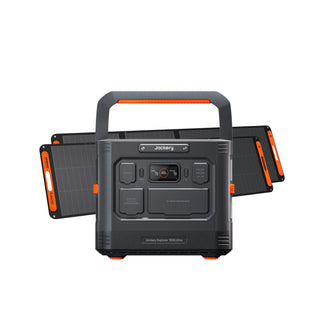
Your power audit results will guide you to the perfect solution. Jackery Solar Generators offer scalable options for every RV class and travel style.
For Essential Electronics & Small Appliances (Class B / Weekend Trips)
If your needs are limited to charging laptops, phones, drones, and running a small portable cooler, a mid-capacity unit is an excellent fit.
-
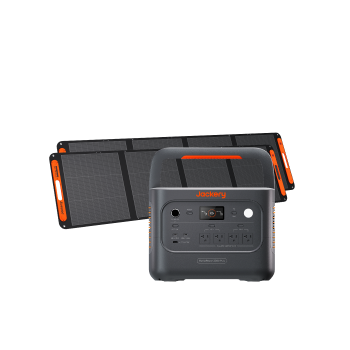
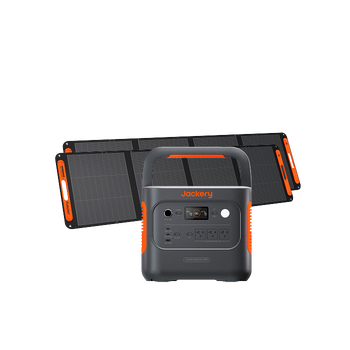
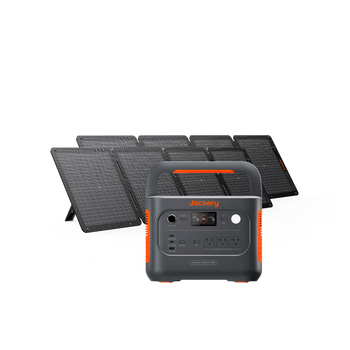
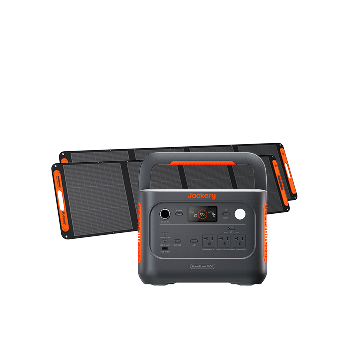
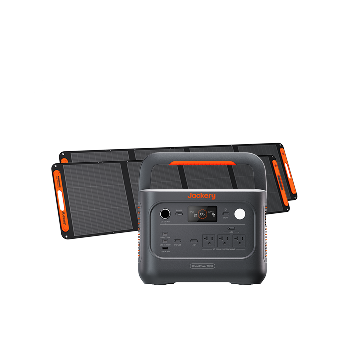
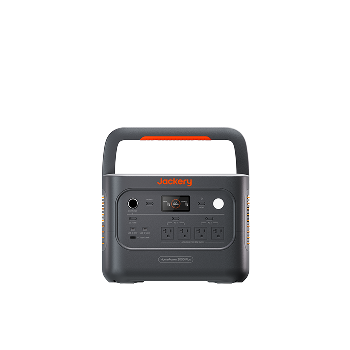
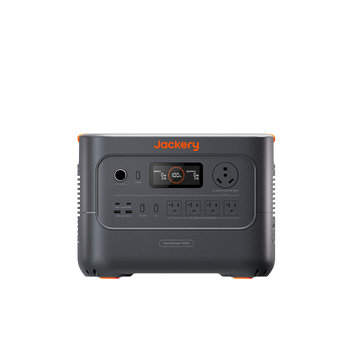
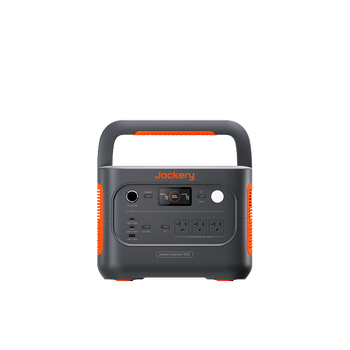
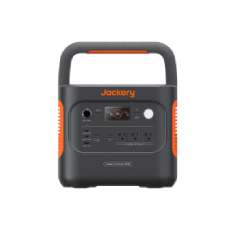
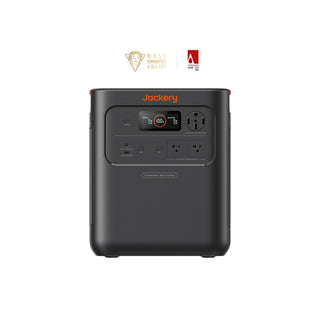
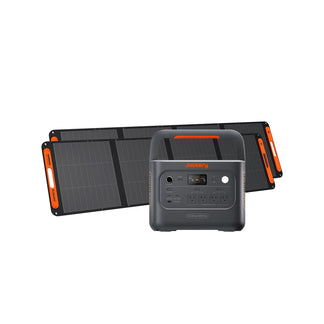
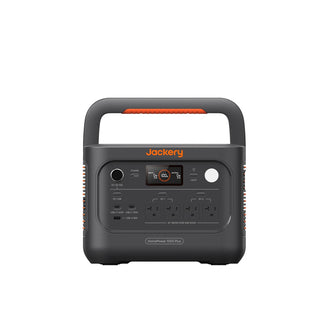
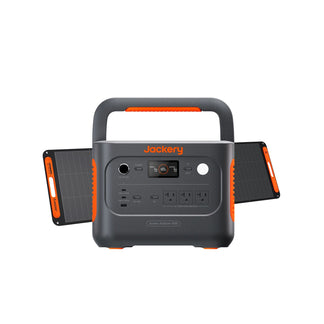
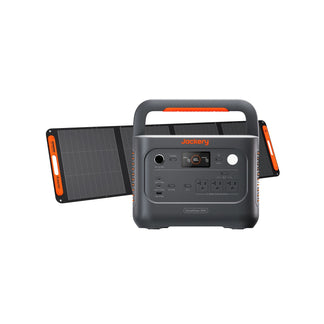
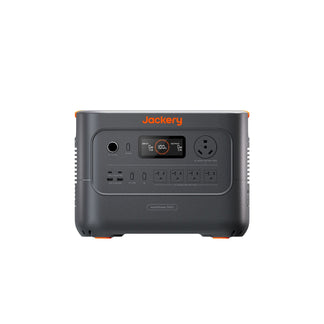
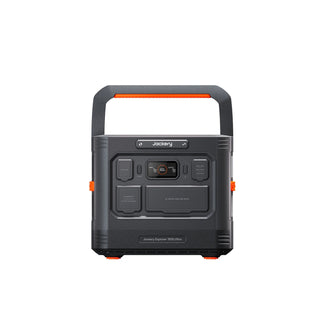
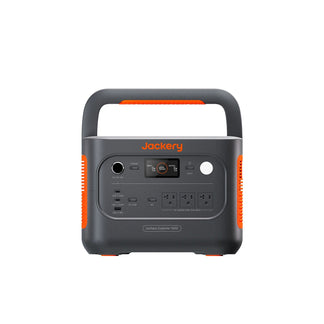
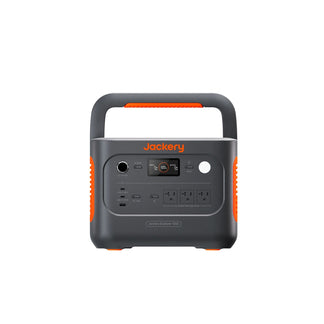
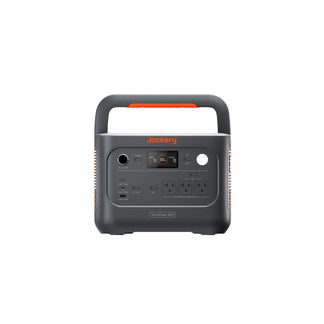
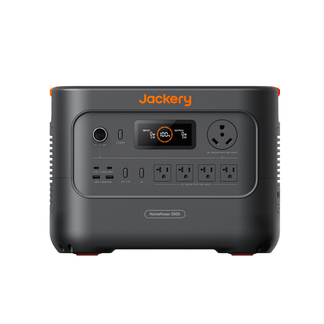
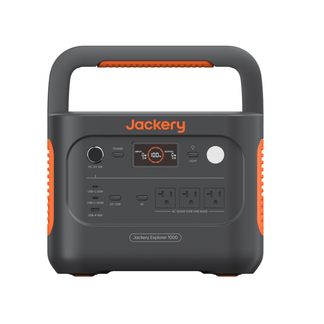
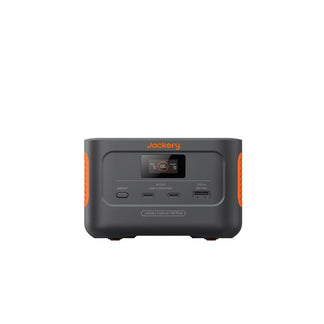
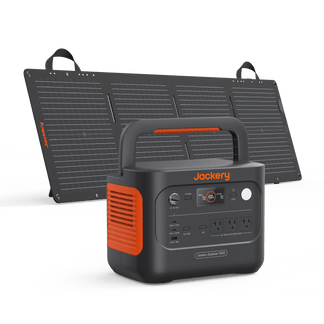
Jackery Solar Generator 1000 v2
- 1070Wh Capacity
- 1500W Rated Output
- Features emergency supercharging, reaching 0-100% in just 1 hour.
- This is an ideal choice for keeping your essential gear powered up during weekend adventures in a camper van or small trailer.
For Powering Larger Appliances (Class C / Fifth-Wheels)
For those in a Class C or fifth-wheel who want to run a microwave, coffee maker, or electric kettle for short periods, a more powerful system is required.
-
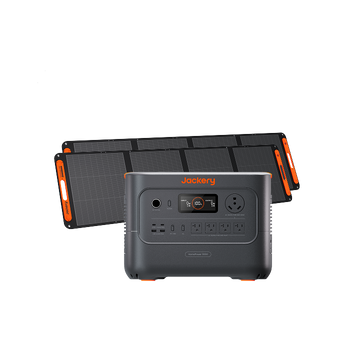
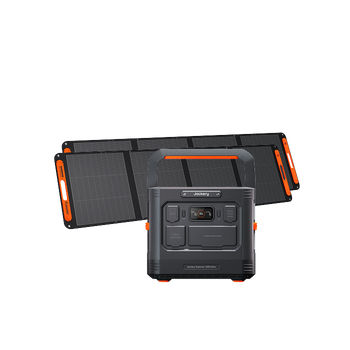
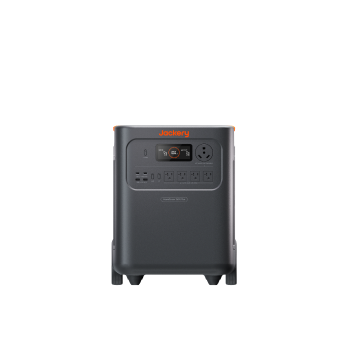
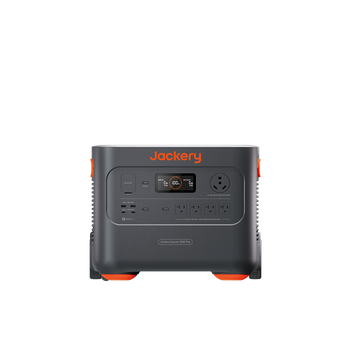
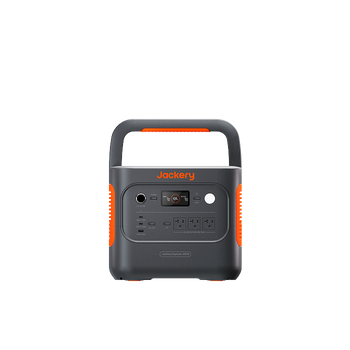
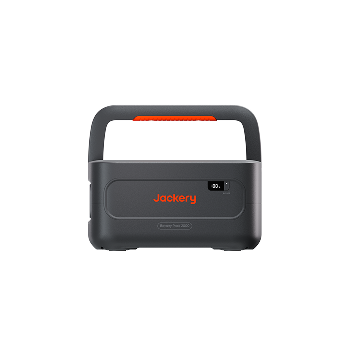
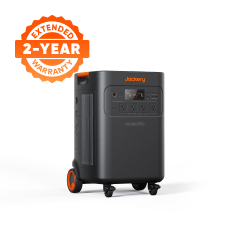
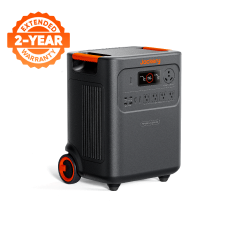
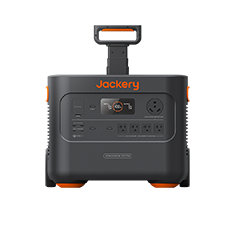
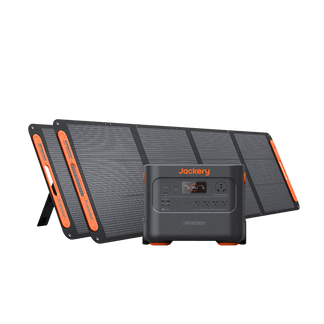
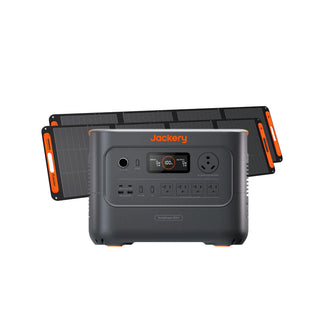
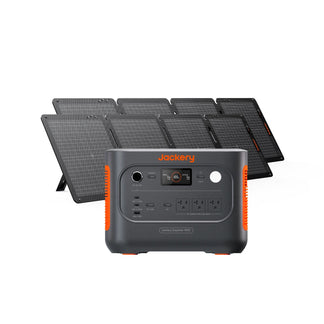
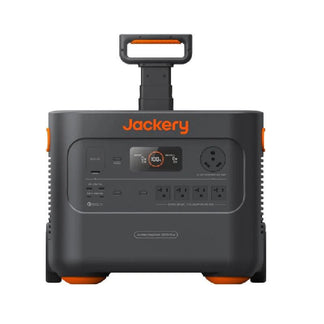
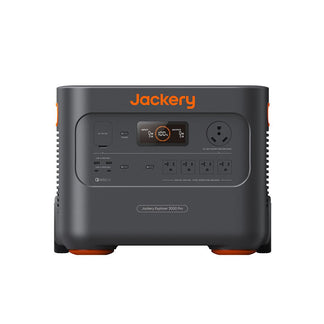
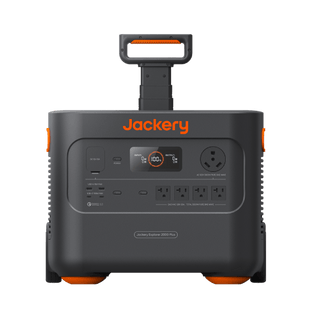
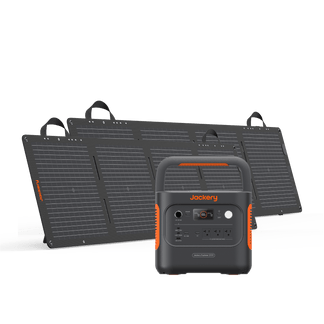
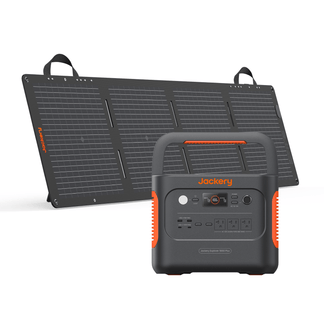
Jackery Solar Generator 2000 Plus
- 2042Wh Capacity, Expandable to 24kWh
- Up to 6000W Surge Output
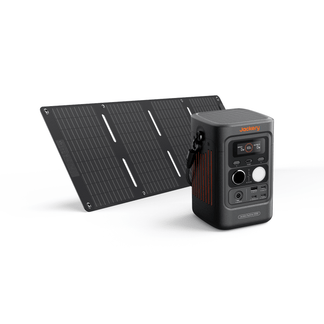
- Ultra-fast solar charging in 2 hours with 6x 200W solar panels.
- A model like the Jackery Solar Generator 2000 Plus can easily power a 1200W coffee maker or a microwave, thanks to its impressive output.
For Full-Time Living & Air Conditioning (Class A / Full-Time Rigs)
For full-time RVers in large rigs, replacing a generator entirely requires a high-capacity, expandable system. These setups can handle demanding loads like air conditioners and residential appliances. If you're considering a 50 amp RV generator alternative, this is a great solution.
-
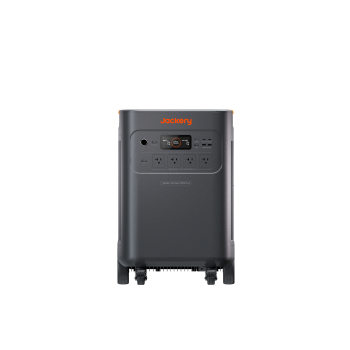
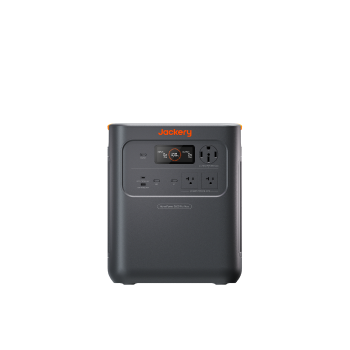
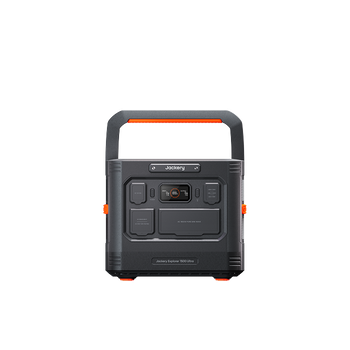
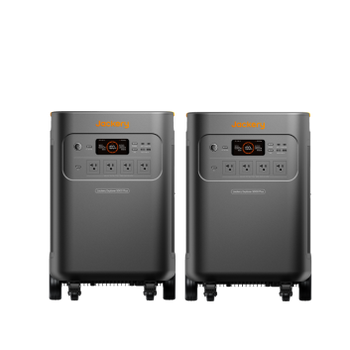
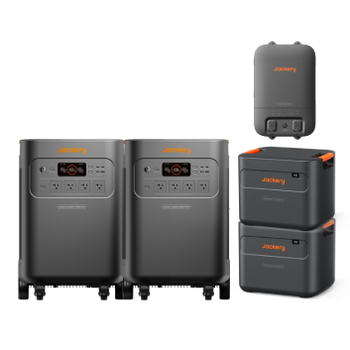
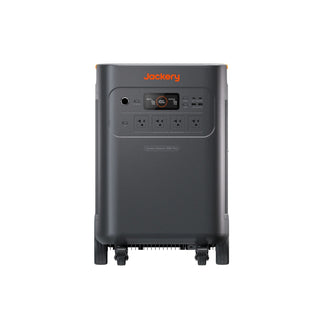
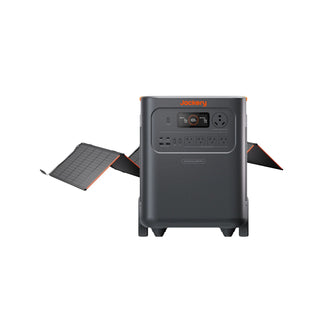
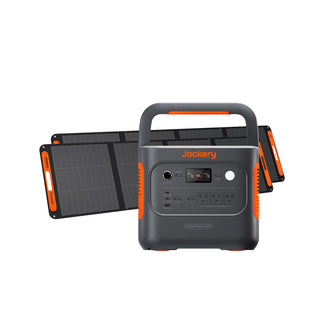
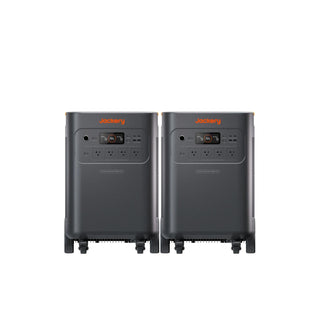
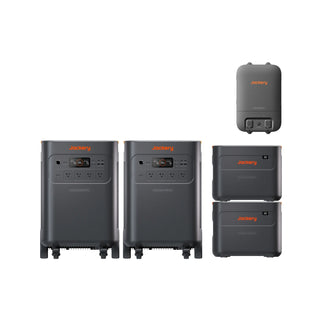
Jackery Solar Generator 2000 Plus
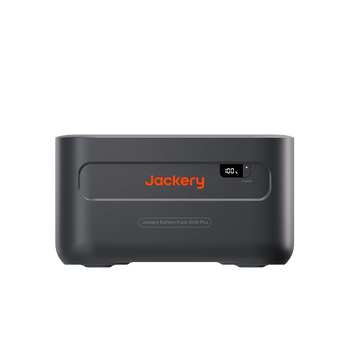
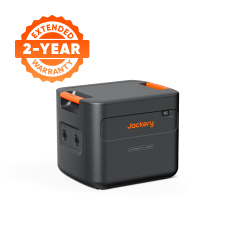
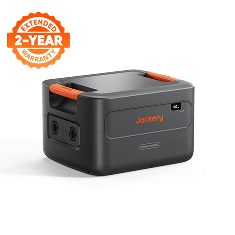
- Expandable from 2kWh to 24kWh with additional battery packs.
- Can run demanding loads, including most RV air conditioners.
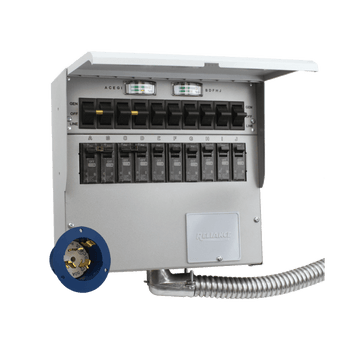
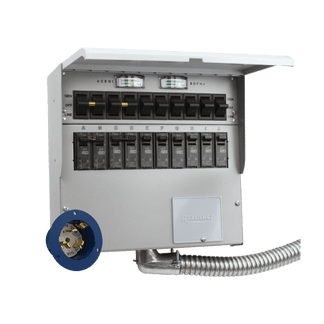
- Compatible with a manual transfer switch for seamless integration with your RV's electrical system, similar to how an RV inverter wiring diagram works.
Step 3: Emphasize Key Features for RVers
When selecting a power station, look for features specifically designed for the rigors of RV life.
- Battery Chemistry: Look for LFP (LiFePO4) batteries. Many Jackery models offer a superior lifespan of over 10 years and can endure up to 4,000 charge cycles, making them a durable, long-term investment.
- Charging Speed: Fast charging is essential on the road. The ability to recharge quickly via solar panels or an AC wall outlet means less downtime and more power when you need it.
- UPS Functionality: An uninterruptible power supply (UPS) feature with a switchover time of less than 20 milliseconds is critical. This ensures that sensitive electronics like computers remain powered without interruption if the primary power source fails.
What Should I Check Before Buying and During My First Year?
Arm yourself with this checklist to make a smart purchase and prepare for a successful first year of RVing.
Before You Buy
- Rent First: Strongly consider renting the RV class you are interested in for a weekend. This is the best way to experience its drivability and living space firsthand and avoid costly "size regret."
- Perform a Power Audit: Use the steps above to calculate your true energy needs before investing in a power system. This ensures you buy the right size solution from the start.
- Get an Insurance Quote: RV insurance premiums can be a significant expense. Get quotes for your desired models to factor this into your overall budget.
- Inspect Thoroughly: Whether buying new or used, conduct a detailed inspection. Check for any signs of water damage, test all appliances and systems, and review maintenance records carefully.
First-Year Essentials
- Budget for Maintenance: A common rule of thumb is to set aside 10-20% of the RV's purchase price for annual maintenance, repairs, and upgrades.
- Prioritize Safety: Install a quality tire pressure monitoring system (TPMS) and good backup cameras. These are invaluable safety tools, especially for larger rigs.
- Invest in Your Power System: A reliable solar generator is not just another cost; it is an investment in freedom, flexibility, and peace of mind. It unlocks the ability to camp wherever you want, independent of noisy generators or crowded campgrounds. For a deeper dive, compare an RV vs. camper setup.
Your Road to Adventure Starts Here
The best RV is the one that matches your travel style, budget, and off-grid power goals. From the agile Class B to the luxurious Class A, there’s a perfect fit for every adventurer.
By learning the differences between RV classes, assessing your power needs, and choosing a scalable solar generator, you can break free from campground limits. Skip the noise and fumes of gas generators and enjoy true energy independence.
Plan your power setup today and unlock real freedom on the open road.
Frequently Asked Questions
What are the common legal requirements or special licenses needed to drive larger RVs like Class A motorhomes or fifth-wheels in different states or provinces?
Most states do not require a special license for RVs under 26,000 pounds, but this varies. Always check the specific DMV or licensing bureau requirements for your state of residence and any states you plan to travel through extensively.
Beyond the initial purchase price, what are the often-overlooked recurring costs associated with RV ownership that new buyers should budget for?
Recurring costs include insurance, storage fees (if not stored at home), registration and taxes, and routine maintenance like oil changes, tire replacement, and sealant inspections. These can add up to a significant annual expense.


