






















































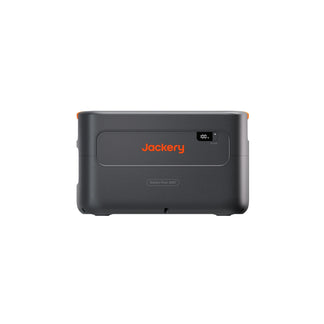
![[Add-on] Jackery Battery Pack 5000 Plus - Jackery](http://www.jackery.com/cdn/shop/files/add-on-jackery-battery-pack-5000-plus-6713401.webp?v=1786503068&width=324)











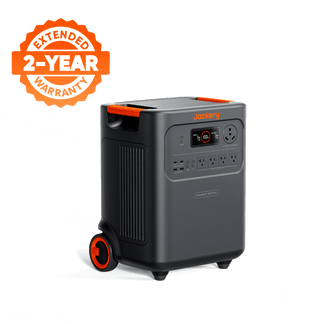
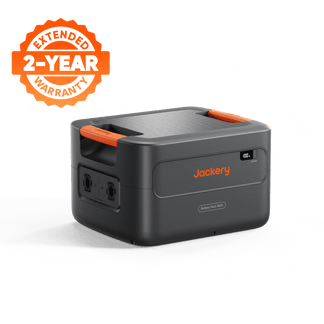
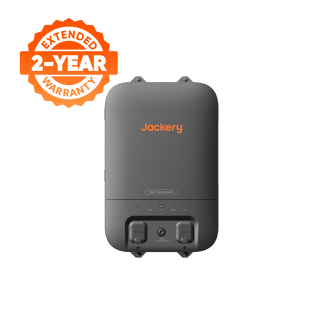
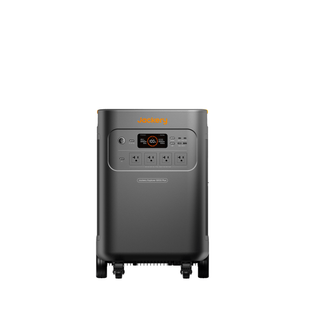



A portable power station typically keeps a standard household refrigerator running for anywhere from 12 to 24 hours. However, the exact runtimes depend on the power station's capacity (watt-hours), the fridge's energy efficiency, and how often you open the doors. To keep the refrigerator running during power outages, you can connect it to a power station before the outage begins, or as soon as it starts, and it will continue running exactly as it normally does, without interruption.
A power station stores electricity in a battery, and when you plug a refrigerator into its AC output, the fridge draws from that stored energy rather than the grid. As long as the battery has capacity remaining and the power station's output wattage can handle the fridge's demands, the refrigerator stays on. The more important question is how long that protection lasts, and that depends on two things: how much stored capacity the power station has, and how much power your specific refrigerator draws.
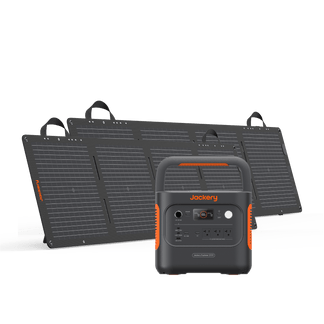
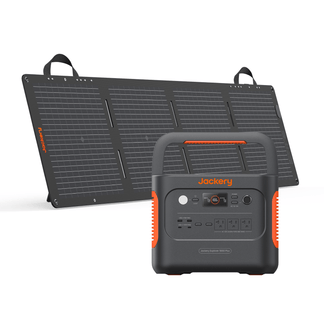
A standard full-size refrigerator draws approximately 150W to 200W during normal operation, but its compressor demands startup surges of 400W to 800W every time it cycles on. A power station needs to handle both the sustained draw and the surge to keep a fridge running reliably. Jackery Solar Generators are reliable home battery backup solutions with large battery capacities that can reliably run refrigerators for hours during unexpected outages.
Key Takeaways
- A power station keeps a refrigerator running during an outage by supplying stored electricity through its AC output, as long as it has sufficient capacity and output wattage to handle both the fridge's running draw and compressor startup surge.
- A standard refrigerator draws 150W to 200W continuously, with compressor startup surges up to 800W. Your power station's surge output must exceed the fridge's startup surge.
- The runtime of a solar generator for refrigerator varies significantly by fridge type. For example, a compact mini fridge at 60W runs roughly three times as long as a large side-by-side at 200W from the same battery.
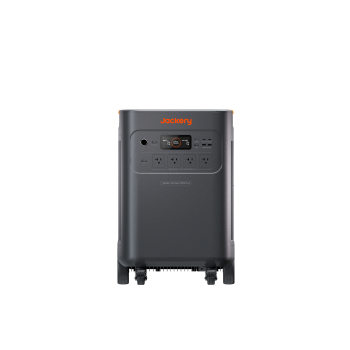
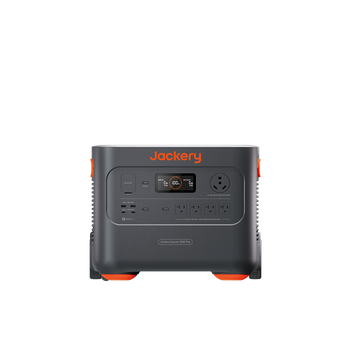
- The Jackery FridgeGuard, Jackery Solar Generator HomePower 3600 Plus, and Jackery Solar Generator 5000 Plus cover three distinct tiers of fridge protection, from dedicated always-on fridge backup to essential home coverage through extended multi-day outages.
How Much Power Does a Refrigerator Actually Use?
Refrigerators do not draw their rated wattage continuously. Instead, they cycle on and off as the compressor maintains temperature. The running wattage is the amount the fridge draws while the compressor is running. The average draw accounts for the on/off cycling over time and is typically lower than the peak running figure. The startup surge is a brief, higher-power demand the compressor requires every time it kicks on.
Here is a practical breakdown of typical wattage by fridge type:
|
Fridge Type |
Running Wattage (Compressor On) |
Average Draw (With Cycling) |
Startup Surge |
Notes |
|
Mini / Compact Fridge |
50–80W |
30–50W |
150–200W |
Most efficient; ideal for smaller power stations |
|
Standard Top-Freezer Fridge |
100–200W |
80–150W |
400–600W |
Most common household fridge |
|
Side-by-Side Fridge |
150–200W |
100–170W |
600–800W |
Larger compressor; higher surge |
|
French Door Fridge |
100–200W |
80–150W |
400–700W |
Varies widely by model and size |
|
Chest Freezer |
80–120W |
60–100W |
200–400W |
Efficient; holds temperature well |
|
Wine Cooler / Beverage Fridge |
60–100W |
40–80W |
150–300W |
Lower surge; compact compressor |
The most important number for power station compatibility is the startup surge. If a power station's peak surge output cannot handle the compressor's startup demand, the fridge will not start, or the power station's overload protection will trip and shut off. Always check both the fridge's startup surge wattage and the power station's surge output before connecting.
Once you know the refrigerator’s power consumption, you can calculate how many solar panels do I need to run a refrigerator or what size generator to run a refrigerator and freezer is needed.
How to Determine Your Refrigerator's Power Consumption?
Knowing your specific fridge's actual power draw rather than using a general estimate gives you the most accurate runtime calculation. There are four ways to find this number:
Method 1: Check the Appliance Label or Nameplate
Every refrigerator has a label, which is usually on the interior wall, the back panel, or inside the door frame, that lists its electrical specifications. Look for the wattage (W) or amperage (A) rating. If you see amps but not watts, you can multiply the amperage by the voltage: Watts = Amps × Volts (e.g., 1.5A × 120V = 180W). This gives you the running wattage when the compressor is active.
Method 2: Read the EnergyGuide Label
Most refrigerators sold in the US have a yellow EnergyGuide label showing estimated annual electricity consumption in kilowatt-hours (kWh). To convert this to an average wattage: Average Wattage = Annual kWh ÷ 8,760 hours × 1,000. For example, a fridge rated at 400kWh/year draws approximately 400 ÷ 8,760 × 1,000 = 45.7W on average (accounting for cycling). This is your average draw figure, which is useful for long-term runtime estimates.
Method 3: Use a Plug-in Watt Meter
A plug-in watt meter (such as a Kill-A-Watt meter) is the most accurate method. Plug it between the wall outlet and your fridge, let it run for 24 hours, and read the actual kWh consumed. Divide by 24 to get the average hourly wattage. This accounts for real-world cycling, door-opening habits, and your specific model's efficiency.
Method 4: Look Up Your Model Online
Search for your refrigerator's model number (found on the interior label) along with "wattage" or "power consumption." Most major brands publish this data in product specifications. Third-party databases, such as the ENERGY STAR product list, also contain verified consumption data for certified models.
Which number to use for runtime calculations:
- Use running wattage for a conservative (shorter) runtime estimate. This assumes the compressor runs continuously.
- Use average draw for a realistic runtime estimate. This accounts for normal cycling and is typically 30% to 50% more generous than the running wattage calculation.
- Always verify that the power station's surge output exceeds the fridge's startup surge before connecting.
How Do You Calculate How Long a Power Station Will Run Your Fridge?
If you want to calculate how long a power station will run a refrigerator, you can use this formula:
Estimated Runtime (hours) = Capacity (Wh) × 0.85 ÷ Running Wattage of the Fridge
The 0.85 factor accounts for the natural energy conversion efficiency loss during use. Use the fridge's running wattage for a conservative estimate, or the average draw for a more realistic long-term estimate. Actual runtime is typically 30% to 50% longer than the conservative calculation because refrigerators cycle off regularly.
Since refrigerators cycle on and off, the compressor runs for 25 to 35 minutes, then rests for 15 to 25 minutes. Hence, the actual runtime is typically longer than the conservative figure. A power station that theoretically provides 20 hours of runtime may realistically keep the fridge going for 26 to 30 hours under normal conditions.
If you want to calculate how long will a Jackery run a refrigerator, you can use the Running Time Calculator available on the Jackery Buying Guide or on specific product pages. It gives you an instant estimate for your specific fridge wattage without doing the math manually.
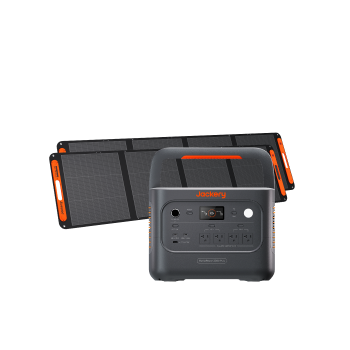
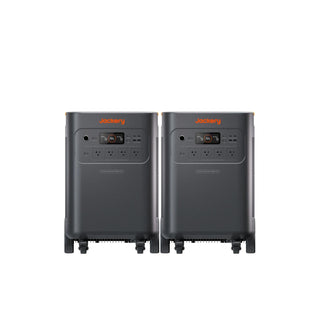
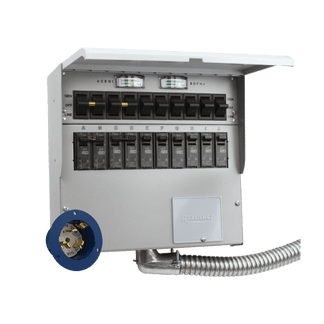
Andrew Evans spent nearly three decades in the Canadian Army and came out the other side with a mindset that does not switch off when the uniform comes off. Now sixty and retired, he and his wife travel in a 23-foot RV, and the same instinct that drove him to prepare for what has not happened yet drives his approach to portable power. He started with the Jackery Solar Generator 1000 v2 paired with solar panels, and the difference was immediate. Electric kettle instead of propane, devices charging without rationing, a camp experience defined by continuity rather than compromise. From there, the system expanded: a Jackery Solar Generator 5000 Plus and an additional battery pack, with plans for a manual transfer switch that would eventually let him run the refrigerator, freezer, furnace, and air conditioning from the same setup. Check out other Jackery Stories to see how people use their solar battery backups for home backup and outdoor adventures.
Which Jackery Power Station Should You Use to Keep Your Fridge Running?
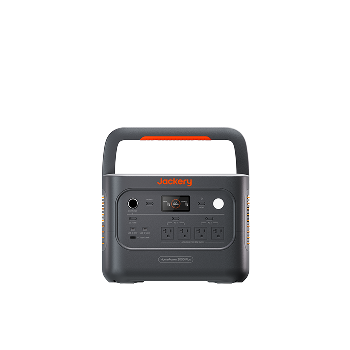
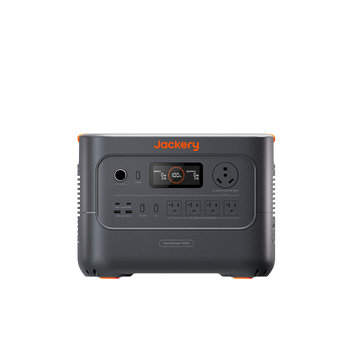
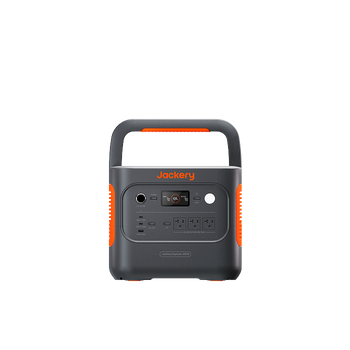
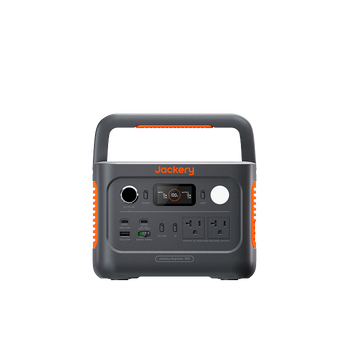
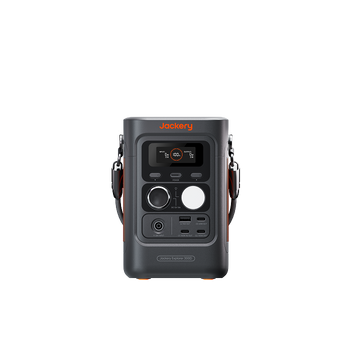
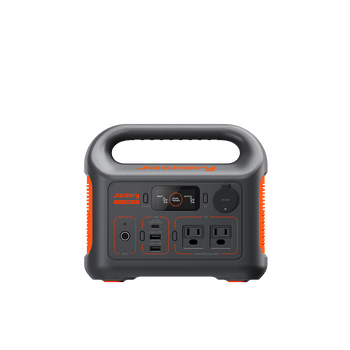
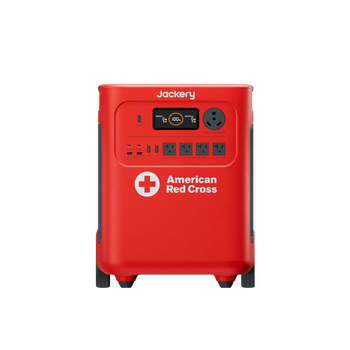
Three Jackery Portable Power Stations and Solar Generators stand out for refrigerator protection during a power outage, each designed for a different level of coverage, ease of setup, and household needs.
Jackery FridgeGuard
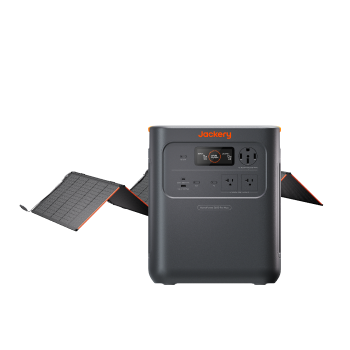
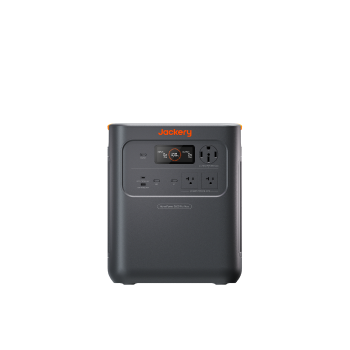
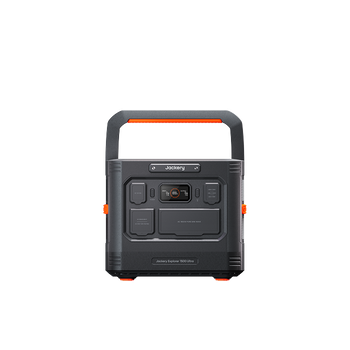
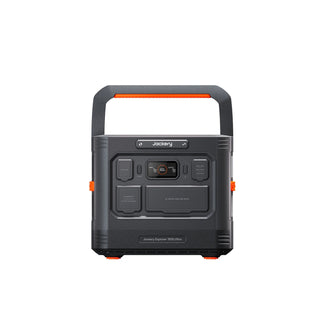
The Jackery FridgeGuard is the only product in Jackery's lineup built to keep your refrigerator and freezer running when the grid goes down. Unlike a general-purpose power station that needs to be manually connected before or during an outage, the Jackery FridgeGuard is a Plug & Play device that is always connected between your wall outlet and your refrigerator, always monitoring, and always ready to switch to battery in under 10 milliseconds. When the grid is active, it operates in Bypass Mode, running the fridge entirely on wall power while keeping its own 1,024Wh LFP battery at 100% charge. When the grid drops, the sub-10ms UPS switchover takes over instantly, and the compressor never restarts because it never stopped.
Who Should Buy This
The Jackery FridgeGuard is the right choice for any homeowner who wants dedicated, always-on refrigerator protection without ever having to think about it during an outage. It is particularly well-suited for households with insulin or medication refrigeration, baby formula, or anyone who has experienced food spoilage from a surprise outage and wants a permanent, zero-effort solution.

You can also check out how long will a 1000W portable solar generator run a refrigerator.
Jackery Solar Generator HomePower 3600 Plus
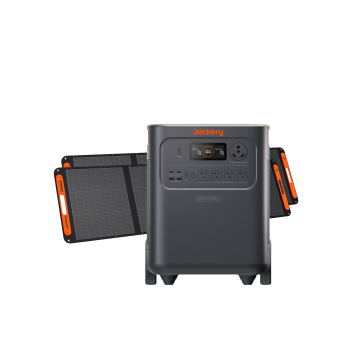
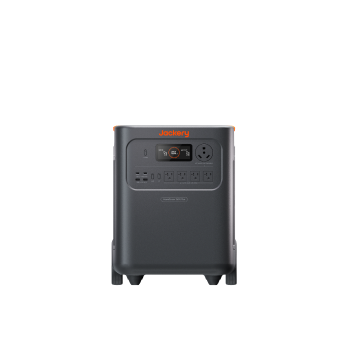
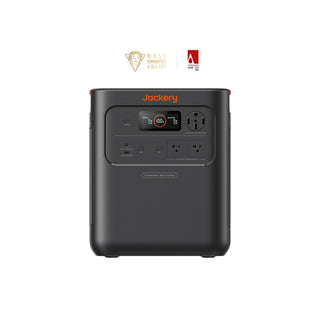
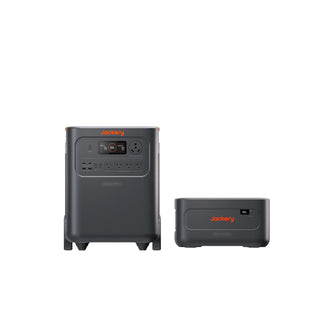
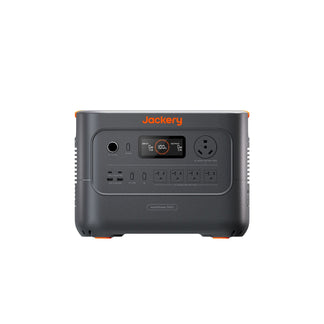
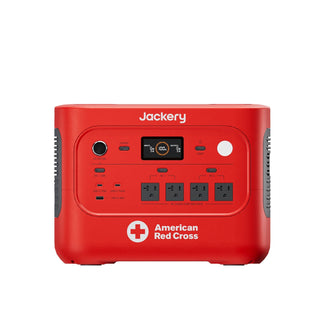
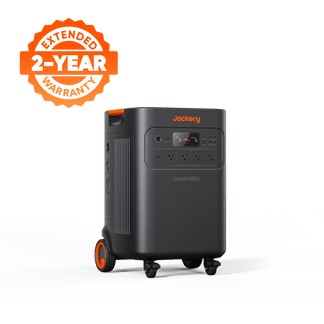
The Jackery Solar Generator HomePower 3600 Plus is a high-capacity home battery backup solution built to keep a refrigerator and other home essentials running through multi-day outages without missing a beat. At 3,600W of output with a sub-10ms UPS switchover, it handles the compressor startup surge of even the largest side-by-side refrigerators comfortably. The capacity expands to 21kWh with up to five add-on battery packs, keeping a standard refrigerator running for up to 14 days at the fully expanded capacity.
Who Should Buy This
The Jackery Solar Generator HomePower 3600 Plus is the right choice for families who want multi-day fridge protection alongside essential home backup for lights, WiFi, medical devices, and cooking appliances in a single unit that rolls wherever power is needed.

Customer Review
This little powerhouse is amazing. I highly recommended. I bought this to protect my business equipment during power outages. It will literally keep my entire house on for days if needed. It's saved me 2x in the last 3 weeks since delivery.
— K.G.
Jackery Solar Generator 5000 Plus
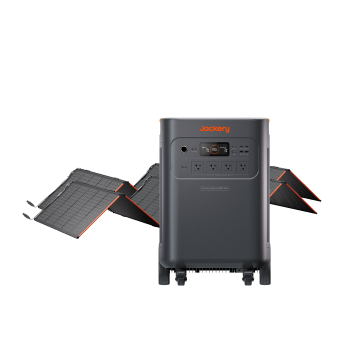
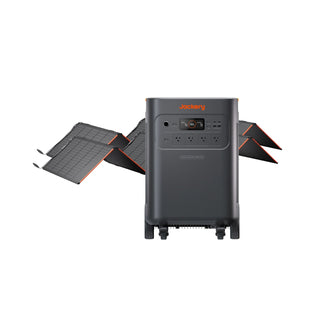
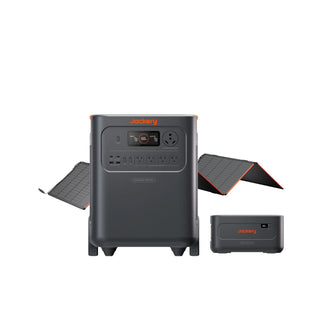
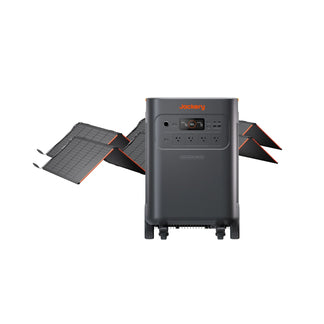
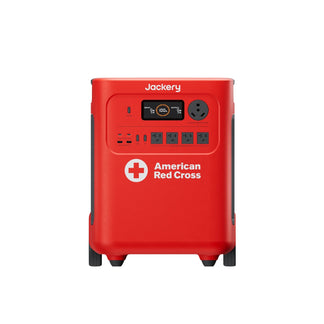
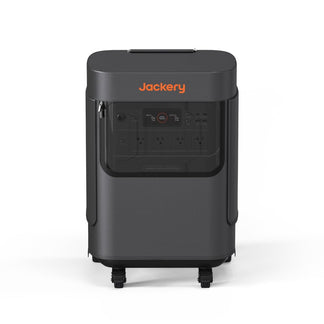
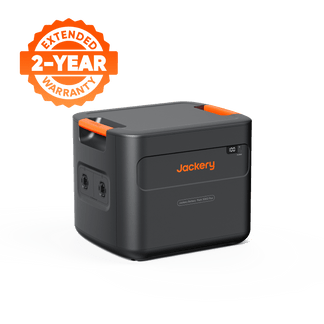
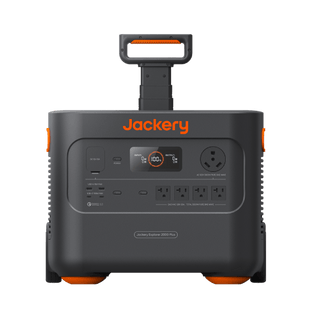
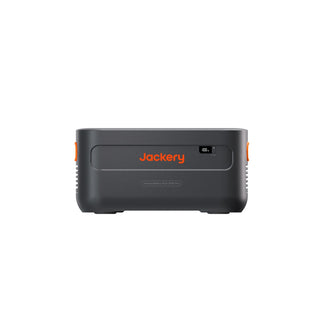
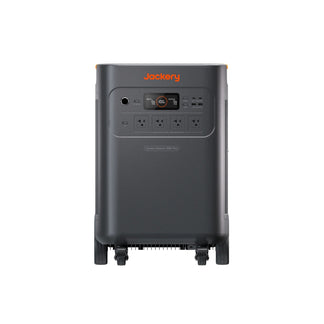
The Jackery Solar Generator 5000 Plus is one of the most powerful and scalable home backup solutions with support for both 120V and 240V appliances. Its true 0ms UPS switching ensures connected refrigerators and appliances experience absolutely no interruption when the grid drops, making it the most seamless fridge protection option in the lineup. It is expandable up to 60kWh, providing enough stored energy to keep a household refrigerator running continuously for weeks. Its 30dB quiet operation means the entire system runs silently in the background regardless of load.
Who Should Buy This
The Jackery Solar Generator 5000 Plus is the right choice for households that want an essential home backup solution capable of running heavy 240V appliances alongside the off-grid refrigerator or for anyone in a storm-prone or hurricane-affected region who needs the longest possible stored-battery coverage and the scalability to expand as needed.

Customer Review
Had a 2-hour power outage, and it ran our house refrigerator and a few fans. With 88% more power to use!!! So impressive, I bought the small 1000.
— Joe K.
|
Fridge Type |
Running Wattage |
Jackery FridgeGuard |
Jackery Solar Generator HomePower 3600 Plus |
Jackery Solar Generator 5000 Plus |
|
Mini / Compact Fridge |
60W |
11.2H |
37.2H |
38.9H |
|
Wine Cooler / Beverage Fridge |
80W |
8.8H |
29.9H |
33.0H |
|
Chest Freezer |
100W |
7.3H |
25.0H |
28.6H |
|
Standard Top-Freezer Fridge |
150W |
5.1H |
17.7H |
21.4H |
|
Side-by-Side / French Door Fridge |
200W |
3.9H |
13.7H |
17.1H |
What Else Affects How Long Your Fridge Runs on Battery?
Runtime is not determined solely by capacity. Several real-world factors can meaningfully extend or shorten how long a power station keeps your refrigerator running:
Ambient Temperature: A refrigerator in a 90°F (32.2°C) kitchen during a summer outage works harder to maintain internal temperature than one in a 70°F (21.1°C) kitchen. Higher ambient temperatures increase compressor run time and total power draw, reducing your effective runtime.
How Often the Door is Opened: Every time the refrigerator door opens, cold air escapes, and the compressor has to work to restore the temperature. During an outage, keeping the door closed as much as possible is one of the most effective ways to extend both food safety and power station runtime. An unopened full freezer maintains its temperature for 24 to 48 hours without power.
How Full the Fridge is: A fully stocked refrigerator loses temperature more slowly than a half-empty one, because the thermal mass of the food itself acts as insulation. A fuller fridge means less frequent compressor cycling and better energy efficiency from the power station.
Running Other Appliances Simultaneously: If you are using the same power station to run lights, a router, phone chargers, or essential appliances alongside the refrigerator, those additional loads reduce the total runtime available for the fridge.Account for all concurrent loads when estimating your battery window.
Power Station Efficiency: Different power stations have different internal conversion efficiencies. The 0.85 factor in the runtime formula is a conservative estimate. High-quality LFP power stations typically perform at or above this efficiency level under normal conditions.
5 Tips for Extending Refrigerator Runtime on a Power Station
Once your refrigerator is running on battery power, these five habits significantly extend how long it stays protected:
Tip 1: Keep the Door Closed
Keeping the fridge door closed is the single most effective thing you can do. During an outage, treat the refrigerator like a cooler: open it with a purpose, retrieve what you need quickly, and close it immediately.
Tip 2: Use the Fridge Cycling Method for Long Outages
If your outage is stretching toward the limit of your power station's capacity, consider running the refrigerator in cycles rather than continuously. Plug the fridge in for two to three hours to bring it back to a safe temperature, then unplug it for one to two hours while it coasts on thermal mass, then repeat. A fully stocked, cold refrigerator loses temperature slowly enough that this approach can meaningfully extend your total coverage window.
Tip 3: Stock the Fridge Before a Storm
A fuller refrigerator loses temperature more slowly than a half-empty one, because the thermal mass of the food acts as insulation. Before an anticipated outage, fill any gaps with water bottles, ice packs, or extra food. The extra mass extends how long the fridge stays cold even when the compressor is off, reducing the frequency of compressor cycling and the total power drawn from your power station.
Tip 4: Dedicate the Power Station to the Fridge If Coverage is Tight
If your power station's remaining capacity is running low, unplug all other connected devices and direct the remaining energy entirely to the refrigerator. A WiFi router, LED lights, and phone chargers are conveniences. A refrigerator full of medication, insulin, or a week's worth of groceries is a necessity. Prioritizing the fridge above everything else is the most important energy decision you can make during a long outage.
For more information, you can check out how to reduce refrigerator power consumption with solar.
Tip 5: Verify Surge Compatibility Before You Need It
If you are connecting a refrigerator to a power station for the first time, confirm that the power station's surge output rating exceeds the refrigerator's compressor startup surge. This information is on the appliance's label or in its documentation. A power station whose surge output is insufficient for the compressor will trip its overload protection the moment the compressor tries to start. The fridge will not run, and the power station will shut off. Better to discover this incompatibility before the outage than during one.
Conclusion
Keeping a refrigerator running during a power outage is one of the most practical and high-value uses of a home power station, and the right solution depends on how long outages typically last in your area, how many appliances you need to run alongside the fridge, and how much setup you want to manage when the power goes out.
- For homeowners who want zero-effort, dedicated fridge protection that is always already connected, the Jackery FridgeGuard handles the job with FridgeSafe Technology and a sub-10ms switchover that the compressor never notices.
- For families who want multi-day coverage across the home, including the refrigerator, lights, WiFi, and medical devices, the Jackery Solar Generator HomePower 3600 Plus delivers 3,584Wh out of the box, expandable to 21kWh or up to 43kWh with two units connected.
- For households that need an essential home backup capable of handling heavy appliances alongside the refrigerator for the longest possible duration, the Jackery Solar Generator 5000 Plus covers it all with 5,040Wh base capacity, true 0ms UPS switching, and expandability up to 60kWh.
Whatever your outage risk, the most important step is the same: make a decision before the next storm arrives. A charged, properly connected power station is the only thing standing between a power outage and a refrigerator full of spoiled food.


![How to Prepare for a Freeze [Complete Guide]](http://www.jackery.com/cdn/shop/files/how-to-prepare-for-a-freeze-complete-guide-3870540.png?v=1786014950&width=90)


