
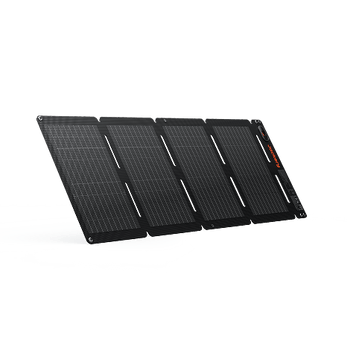
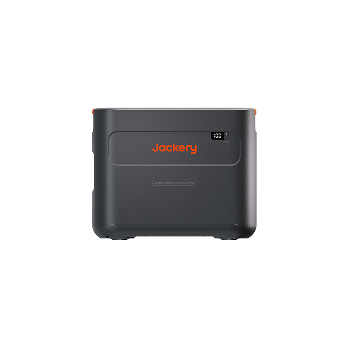
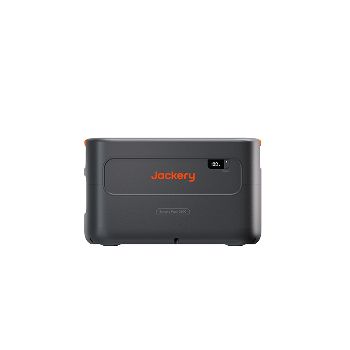
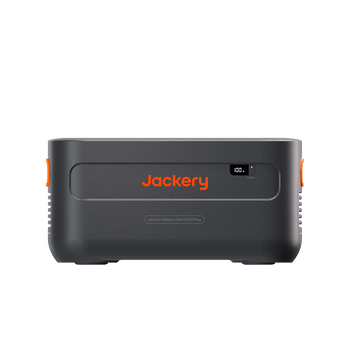










![[Add-on] Jackery SolarSaga 500 X - Jackery](http://www.jackery.com/cdn/shop/files/add-on-jackery-solarsaga-500-x-1493607.webp?v=1786503068&width=324)

![[Add-on] Jackery Battery Pack 5000 Plus - Jackery](http://www.jackery.com/cdn/shop/files/add-on-jackery-battery-pack-5000-plus-6713401.webp?v=1786503068&width=324)








![[Add - on] SolarSaga 200W - Jackery](http://www.jackery.com/cdn/shop/files/add-on-solarsaga-200w-4834329.png?v=1754016915&width=324)


How Should a Damaged or Retired LiFePO4 Home Battery Be Recycled in the United States?
For LiFePO4 battery recycling in the United States, start by classifying the unit. A retired but physically intact battery should go to a confirmed battery recycler, household hazardous waste facility, or take-back program that accepts that exact unit. Contact the manufacturer or installer for an option or referral, but do not assume either one is the receiving site. If the battery is damaged or its condition is uncertain, get condition-specific guidance before moving it. Regular trash and curbside recycling are not default options.
First Decide: Is the Battery Intact and Retired, or Does It Need Damaged-Battery Guidance?
Start with the battery's condition—not a recycling locator. If it is intact and simply retired, identify the unit and verify that a program accepts it. If it may be compromised or you cannot confidently assess it, pause ordinary handling and contact a qualified source before transporting it.
| Condition | Next action |
|---|---|
| Intact but retired: The unit is no longer wanted or useful, but there is no visible swelling, leakage, smoke, abnormal heat, or other apparent compromise. Capacity loss or retirement alone does not prove physical damage. | Identify the exact unit and verify local acceptance. Do not assume that a nearby small-battery drop-off accepts a home-energy battery. |
| Uncertain condition: You cannot confidently determine whether the unit is intact or whether an event has affected it. | Stop the ordinary disposal process. Describe the uncertainty to the manufacturer, installer, local waste authority, household hazardous waste program, or qualified battery handler, and get instructions before moving it. |
| Potentially compromised or recalled: The battery is leaking, swollen, smoking, overheating, visibly damaged, recalled, or showing another concerning change. | Do not move, pack, ship, or drop it off as an ordinary retired battery. Contact a qualified source for condition-specific handling and transport instructions. EPA identifies swelling as battery damage and a potential fire hazard. If there is an imminent fire risk, contact emergency services. |

PHMSA's lithium-battery transport guidance treats damaged, defective, or recalled lithium batteries as a distinct transport category and says they are forbidden from air transport. That regulatory context is not a DIY packing or shipping procedure for a home battery. Keep this condition check in place before using a recycling directory or arranging a handoff.
Find and Verify a US Route for LiFePO4 Battery Recycling
For an intact home-energy battery, start with the equipment manufacturer or installer. You can also contact a qualified battery recycler, household hazardous waste program, or local take-back channel that explicitly accepts the exact unit. Acceptance varies by location and equipment format, so treat a listing or general retailer policy as a lead until the receiving program confirms the details.
Which Channel Types Should I Contact?
For a medium- or large-scale home-energy battery, the manufacturer or company that installed it is the best first contact. EPA recommends contacting the energy-storage equipment manufacturer or installer for end-of-life management options. Do not assume that a small-format battery collection site can handle the system.
A qualified battery recycler or household hazardous waste program may accept the battery, but only after confirming acceptance for that specific product and condition. A local take-back program can also help if it expressly handles home-energy batteries. EPA lists battery-recycling locator resources such as Earth911, Call2Recycle, and Greener Gadgets as ways to find leads, but a search result does not approve transport or prove acceptance for a large or integrated unit.
If the battery is a Jackery product, you can contact Jackery support for product-specific service or end-of-life guidance. The available support information does not establish a Jackery recycling or take-back program, so treat support as a starting point rather than a confirmed disposal channel. If the issue involves a serviceable product concern, you can also check repair support, without assuming that repair support accepts retired batteries.
State and local household hazardous waste requirements can differ, and a state may impose requirements beyond federal guidance. Before relying on a local program, check current EPA recycling guidance, then contact the actual receiving site. The site's direct answer matters more than a generic locator entry.
What Should the Receiving Program Confirm?
Give the program enough information to determine whether it can accept your battery. Include the model or product name, LiFePO4 or other stated chemistry, integrated or removable format, approximate dimensions or weight if known, and current condition. Mention any impact, heat event, swelling, leakage, recall notice, or other abnormal observation instead of describing the unit only as "used."
Ask the receiving program to confirm all requirements that could change the handoff:
- Whether it accepts a LiFePO4 or lithium-ion home battery, rather than only small consumer batteries.
- Whether it accepts this unit's format, dimensions or weight, and current condition.
- Whether delivery, pickup, an appointment, quantity limits, identification, or a fee applies.
- Which preparation, terminal-protection, packaging, vehicle, and delivery instructions apply to this exact unit.
- What to do if the program cannot accept it and whether it can refer you to a qualified alternative.
Use the receiving program's answer—not a generic listing—to decide whether to proceed. This is the practical core of home battery disposal in the United States: identify the equipment, describe its condition accurately, and get a direct yes for that specific battery.
Prepare Only as Instructed and Complete the Intact-Battery Handoff
After a qualified program confirms that it accepts an intact battery, follow its current preparation and delivery instructions exactly. There is no universal homeowner procedure for terminal protection, packaging, removal, loading, pickup, or shipment that can be safely applied to every home-energy system.
Use this short handoff sequence:
- Save the acceptance details. Keep the receiving program's acceptance message, appointment details, and preparation requirements.
- Keep the unit intact. If the program gives exact instructions for a specific preparation or delivery step, follow only those instructions. Do not open, puncture, crush, modify, or dismantle the battery. EPA notes that not all batteries are removable or serviceable by the user.
- Bring the relevant details. Have the model, chemistry, format, approximate dimensions or weight if known, condition, and any damage or heat-event details available for the receiving staff.
- Document the handoff. Use the confirmed delivery method and retain a receipt, transfer record, or other confirmation when provided.
Do Not Assume Household Trash or Curbside Recycling Is the Right Route
Do not put a used LiFePO4 home battery in regular household garbage or a municipal recycling bin unless a current, qualified local authority has specifically directed you to use an applicable route. EPA says used lithium-ion batteries should not go in household garbage or municipal recycling bins because collection, sorting, or processing can damage or crush them and create a fire hazard. Use a dedicated battery-collection or household hazardous waste channel only after it confirms acceptance for your exact battery.
A generic retailer return, curbside stream, or shipper that cannot answer questions about the battery's chemistry, format, size, and condition is not a confirmed route. The existence of a small-format collection guide also does not authorize a homeowner to transport a large or integrated home-energy battery under those instructions.
For LiFePO4 battery recycling, use a confirmed dedicated receiving channel for an intact battery and the condition-specific guidance described above for an uncertain or compromised unit. Document the handoff when the receiving program provides a record.
Frequently Asked Questions
These answers address common questions that arise after a home battery is retired or set aside for recycling.
Where Can I Recycle an Intact LiFePO4 Home Battery in the US?
There is no single receiving route for every home-energy battery. Use the manufacturer or installer as a first contact, then ask a qualified recycler, household hazardous waste program, or take-back channel whether it accepts the exact unit.
What Should I Do With a Damaged Home Backup Battery Before Transport?
Do not treat it as an ordinary return or shipment. Use the condition-specific guidance in the first section, and contact emergency services if there is an imminent fire risk.
Can I Put a LiFePO4 Battery in Regular Trash or Curbside Recycling?
No route should be assumed suitable for a used home battery. A dedicated battery or household hazardous waste program must confirm that it accepts the battery before you use that channel.
What Details Will a Battery Recycling Program Need From Me?
Have the model, stated chemistry, integrated or removable format, approximate dimensions or weight if known, current condition, and any damage or heat-event details ready. The program can then tell you whether its route fits the unit.
Disclaimer:
The runtime mentioned for appliances powered by Jackery is for reference only. Actual runtime may vary under different conditions. Please refer to real-world performance for accurate results.