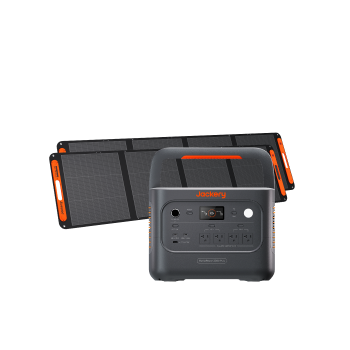
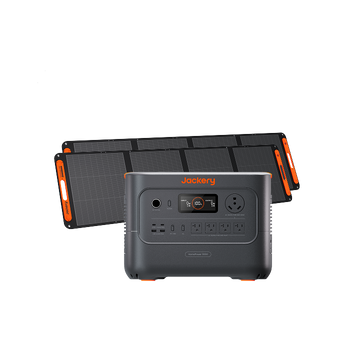
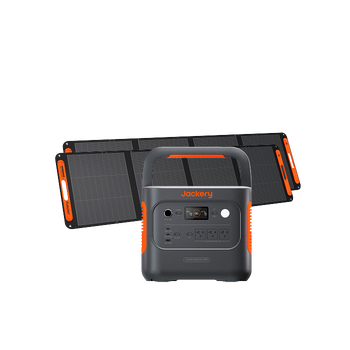

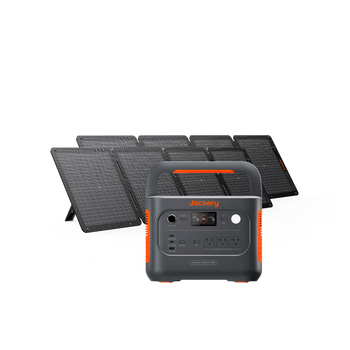



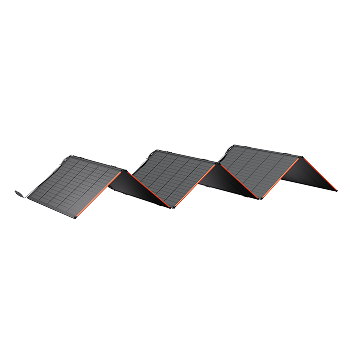
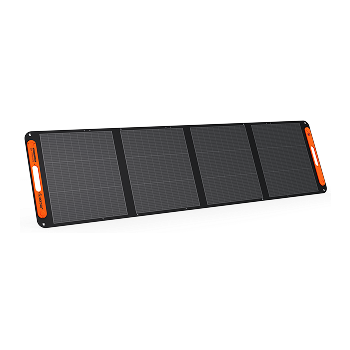

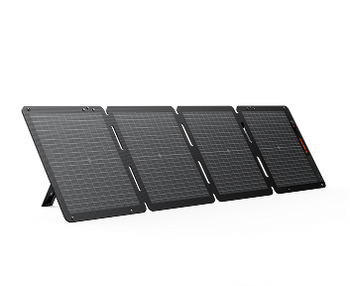































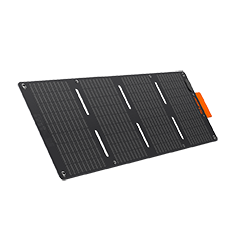


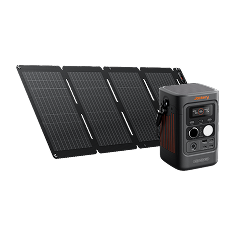


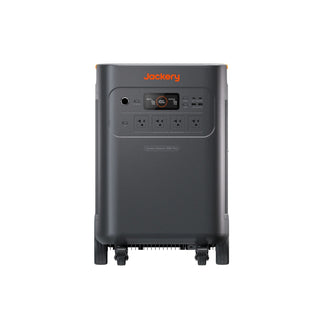
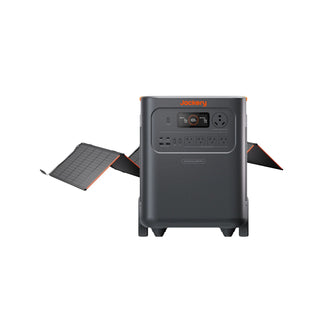
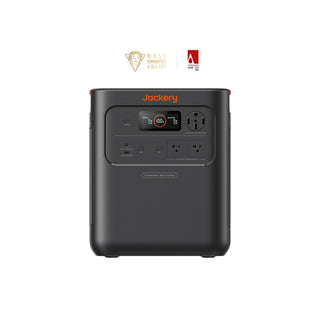


![[Add-on] Jackery SolarSaga 500 X - Jackery](http://www.jackery.com/cdn/shop/files/add-on-jackery-solarsaga-500-x-1493607.webp?v=1786503068&width=324)

![[Add-on] Jackery Battery Pack 5000 Plus - Jackery](http://www.jackery.com/cdn/shop/files/add-on-jackery-battery-pack-5000-plus-6713401.webp?v=1786503068&width=324)

































![[Add - on] SolarSaga 200W - Jackery](http://www.jackery.com/cdn/shop/files/add-on-solarsaga-200w-4834329.png?v=1754016915&width=324)




Can a LiFePO4 Backup Battery Stay Connected to a Charger Year-Round?
LiFePO4 float charging alone does not determine whether a backup battery can stay connected year-round. Leave a specific battery-and-charger system connected only when its documentation explicitly allows continuous charging or connection, always-ready use, maintenance charging, or an equivalent mode. For Jackery power stations, official support guidance recommends unplugging the unit after a full charge to help maintain battery health. That recommendation applies to the covered Jackery products, not to every LiFePO4 system. If the instructions are silent or contradictory, follow the stated periodic or storage routine and contact the manufacturer with the model numbers.
Can a LiFePO4 backup battery stay connected to a charger year-round?
For a specific system, the answer is yes only when the manufacturer documents that operating mode. Treat the battery, charger, and intended location as one setup instead of inferring permission from the LiFePO4 label or the battery's behavior after reaching a full charge.
Look for phrases such as "continuous connection," "maintenance charging," "standby," or "always-ready use" in the battery and charger instructions. If the instructions instead say to disconnect after charging, recharge periodically, or prepare the unit for storage, follow that routine. A chemistry label or battery-management protection does not replace the manufacturer's instructions.

If the documentation does not clearly approve continuous charging or an equivalent maintenance mode, do not create a generic float schedule. Follow the stated alternative while you obtain model-specific guidance.
What LiFePO4 float charging actually means
LiFePO4 float charging describes a possible charger-controlled operating mode, not universal permission to leave a battery plugged in. LiFePO4 charging is chemistry-specific, while float or maintenance charging depends on the particular battery-and-charger system.
How the battery and charger manage a LiFePO4 charge
At a high level, LiFePO4 charging uses a chemistry-specific constant-current/constant-voltage (CC/CV) process. The voltage stages and design details depend on the battery-and-charger system. A Texas Instruments design note on LiFePO4 charging provides technical background on that charging profile; it is not a universal consumer charging schedule.
Battery-management protection can help a product manage charging conditions, but it does not automatically define a long-term charging routine. For Jackery power stations, official full-charge guidance recommends unplugging the unit after a full charge. Whether another product may remain connected depends on its own instructions.

Why float charging is not the same as staying plugged in
A charger that remains physically connected is not necessarily providing controlled maintenance charging. A documented maintenance mode is a defined behavior designed for that specific battery-and-charger system. Leaving an ordinary charger attached without continuous-use instructions does not establish that mode.
Lead-acid-style float charging should not automatically be applied to LFP batteries. Independent technical guidance on LFP charging describes potential concerns with prolonged float charging in some systems. It provides background context, not a governing product rule; some systems may support a documented maintenance mode.
Use the applicable manual's terms, such as "continuous," "maintenance," "standby," or "always-ready," to identify the intended mode. The word "float" alone is not enough.
What to verify before setting up continuous charging
Before using a year-round battery connection, gather the battery or power-station model, the supplied or integrated charger information, and the intended charging location. These four checks show whether the setup is ready for a closer review; a compatible charging profile alone does not prove that continuous connection is supported.
| Check | What to confirm | If unclear |
|---|---|---|
| Battery design and BMS behavior | Identify the model and read how its battery-management protection operates during and after a full charge. | Do not treat that protection as approval for a permanent connection. Follow the manual's alternative routine. |
| Charger compatibility and profile | Confirm that the supplied or integrated charger, connector, and input arrangement are intended for that battery and its LiFePO4 charging profile. | Stop before establishing continuous charging. Use the approved charger and ask support about the exact combination. |
| Continuous-use approval | Find explicit language allowing continuous connection, maintenance charging, standby, or always-ready operation. | Treat the missing instruction as unresolved. Use the stated periodic or storage procedure. |
| Location and inspection | Check the model's charging-temperature, placement, ventilation, and inspection requirements for the intended indoor, garage, or utility-area location. | Do not leave the unit connected until the environment and inspection routine are clear. |
For context, Jackery's general FAQ lists 32–104°F as the recharging range for its power stations. Use Jackery's stated recharging-temperature range as product-family guidance only; the exact model manual controls the decision. A garage can experience seasonal conditions that an indoor living space does not, so location belongs in the setup review.
If any decisive instruction is missing or contradictory, stop the continuous-charging setup. Keep the battery on the stated periodic-charging or storage routine and contact the manufacturer with the battery model, charger model, and intended location.
Choose the routine for outage readiness or long-term storage
The right routine depends on the use case. An active home backup is maintained for readiness, while a unit stored for several months follows a separate storage procedure.
For an active home backup
When the battery-and-charger system documents continuous connection or a maintenance mode, follow that procedure and complete any visual or operational inspections it requires. This is the appropriate path for a supported year-round connection intended to keep the unit ready for an outage.
When continuous connection is not documented, use the manufacturer's periodic-charging routine. Before a forecasted outage or severe-weather event, follow the product's stated readiness procedure rather than creating a schedule based on the LiFePO4 chemistry label.
For extended or seasonal storage
Storage for several months is a separate condition. Follow the model's instructions for storage charge state, power state, environment, inspection interval, and charger disconnection. Jackery's long-term storage guidance describes storage as a partial-charge, periodic-recharge, inspection, and dry, cool-environment routine—not as a default year-round connection.
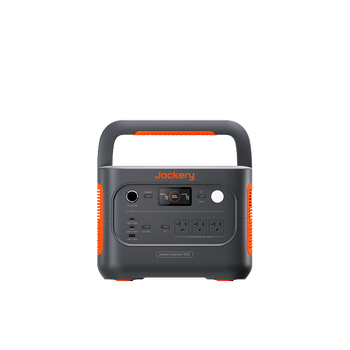
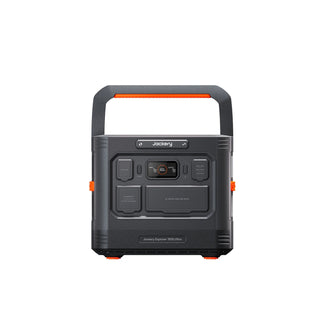
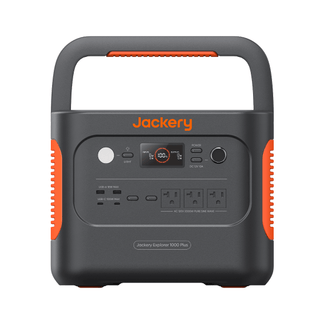
The Explorer 1000 Plus shows why model instructions matter: its manual identifies a LiFePO4 battery and says to check the power regularly and charge it to about 60–80% during long-term storage. That range applies to the cited model's instructions, not to all Jackery products. See the Explorer 1000 Plus storage instruction only as a model-specific example.
If your manual is silent or contradictory, do not choose a generic LiFePO4 float schedule. Follow the stated periodic or storage routine and contact manufacturer support with the exact battery and charger model numbers before establishing a year-round battery connection.
Frequently Asked Questions
These questions distinguish charging terminology, product-specific guidance, and the action to take when instructions are incomplete.
What does LiFePO4 float charging mean?
It describes a charger behavior that may maintain a battery after its main charging stages. It does not identify a universal setting or prove that the battery may stay connected.
Can I leave a LiFePO4 backup battery plugged in all the time?
For a Jackery power station covered by the cited support guidance, unplug the unit after a full charge. For another battery or charger, follow that product's instructions rather than transferring the Jackery recommendation or a generic LFP practice.
How should I handle a LiFePO4 backup battery that will be stored for several months?
Use the model's storage procedure, including its stated charge state, power state, environment, inspection interval, and charger-disconnection instructions. Do not substitute the active-backup routine.
What should I do if the charger manual does not mention continuous charging?
Pause the year-round setup. Send the manufacturer the battery model, charger model, and intended location, and use the stated periodic or storage routine until the intended behavior is clarified.
Sources
- Jackery: Can I keep my power station plugged in after a full charge?
- Texas Instruments: LiFePO4 Design Considerations
- Battery University: Charging Lithium Iron Phosphate
- Jackery: Operating and recharging temperatures
- Jackery: Maintaining an energy storage power supply
- Jackery Explorer 1000 Plus User Manual
Disclaimer:
The runtime mentioned for appliances powered by Jackery is for reference only. Actual runtime may vary under different conditions. Please refer to real-world performance for accurate results.