





![[Add - on] Jackery Manual Transfer Switch for Explorer 5000 Plus - Jackery](http://www.jackery.com/cdn/shop/files/add-on-jackery-manual-transfer-switch-for-explorer-5000-plus-9017324.png?v=1754016782&width=350)


![[Add - on] Jackery Battery Pack 5000 Plus - Jackery](http://www.jackery.com/cdn/shop/files/add-on-jackery-battery-pack-5000-plus-6078351.png?v=1754016791&width=324)
![[Add - on] Jackery Car Charging Cable - Jackery](http://www.jackery.com/cdn/shop/files/add-on-jackery-car-charging-cable-3882421.png?v=1754016863&width=324)


![[Add - on] Jackery Smart Transfer Switch - Jackery](http://www.jackery.com/cdn/shop/files/add-on-jackery-smart-transfer-switch-5842915.png?v=1754016784&width=324)
![[Add - on]Jackery 102W GaN 3 - Port Fast Charger - Jackery](http://www.jackery.com/cdn/shop/files/add-onjackery-102w-gan-3-port-fast-charger-6377742.png?v=1754016790&width=324)


![[Add - on] SolarSaga 200W - Jackery](http://www.jackery.com/cdn/shop/files/add-on-solarsaga-200w-4834329.png?v=1754016915&width=324)
![[Add - on] Jackery Manual Transfer Switch for Explorer 5000 Plus - Jackery](http://www.jackery.com/cdn/shop/files/add-on-jackery-manual-transfer-switch-for-explorer-5000-plus-9017324.png?v=1754016782&width=324)


Yes, a solar generator can power a dehumidifier, but the runtime depends on the generator’s battery capacity and the dehumidifier’s wattage. For example, a small portable dehumidifier may run for several hours on a mid-sized solar generator, while a larger home dehumidifier will require a higher-capacity solar generator to work effectively.
Jackery Solar Generators are essential home backup solutions that not only power dehumidifiers but also other appliances, such as refrigerators, lights, and heaters. These solar generators are portable and require no complex installation. You can easily transport the solar generator wherever you need and keep appliances powered.
AI Takeaways
- A solar-powered dehumidifier is a regular dehumidifier that runs on electricity supplied by solar energy, either through solar panels connected to a battery system or a portable solar generator.
- A “solar-powered dehumidifier” usually refers to running the appliance directly from a solar setup, while a solar generator acts as the power source that stores solar energy in a battery and then supplies it to the dehumidifier when needed.
- Most home dehumidifiers use between 200 and 900 watts, with an average of around 500 watts. You should always check the appliance label for exact power needs.
- Running a dehumidifier (500W) on grid electricity costs about $0.08 hourly, depending on its wattage and local utility rates.
- Can a solar generator power a dehumidifier.
What is Solar Powered Dehumidifier
A solar-powered dehumidifier is an energy-efficient device that removes excess moisture from the air using solar energy, either directly from sunlight or by converting it into electricity to run a conventional dehumidifier's components. It works like a regular dehumidifier that purifies the air, eliminates dangerous elements, and produces a dryer, more tranquil outcome.
It would be best to consider many things when selecting the ideal dehumidifier for your house. However, a solar-powered dehumidifier might be something you want to think about if you're searching for a green option. Solar-powered dehumidifiers are an excellent option for those concerned about their environmental impact. They can also be more cost-effective in the long run than conventional dehumidifiers.
But how do non-electric dehumidifiers work? Well, they work by absorbing the excess moisture from the air. They have natural substances such as silica gel, rock salt, or charcoal that absorb moisture from the air.
How Does A Solar-Powered Dehumidifier Work
A solar-powered dehumidifier removes moisture from the issue area using solar energy and air from the fan units. Using a mix of heating, intake, and extraction, moist air is carried out of the building after removing moisture from the masonry and other materials.
You'll need the dehumidifier, a solar panel, mounting tools for wiring the solar panel components, wire connectors, wire strippers, a screwdriver, a drill, and a saw to install a solar-powered dehumidifier. Install the solar panel on an open area outside your house or an exposed roof first. To support the top, drill holes in it or use stakes.

How Many Watts Does A Dehumidifier Use
On average, a dehumidifier consumes around 500 watts. However, the exact wattage consumption of the dehumidifier will depend on its size, the space, the energy efficiency of the dehumidifier, and the humidity level. If you have a smaller dehumidifier, you can expect it to use nearly 300W. The larger units may consume up to 700W - 900W or higher.
Do Dehumidifiers Use a Lot of Electricity?
Yes, dehumidifiers that run for long hours can use a significant amount of electricity. On average, a dehumidifier runs for 8 - 12 hours daily to maintain a healthy humidity level in the space. If you run a dehumidifier drawing 500 watts for 8 hours, it will consume up to 4kW daily. Depending on your dehumidifier model, you can calculate the electricity consumption of the appliance.
The exact cost to run a dehumidifier will depend on its wattage and how long you run it. For example, if the electricity rate is 17.47 cents per kWh and the dehumidifier wattage is 500W, the total cost you have to pay for running the dehumidifier for 8 hours will be $20.96 monthly. One way to reduce the high electricity cost associated with dehumidifiers is by powering them using solar generators.
How Much Solar Power Does A Dehumidifier Need
A dehumidifier needs enough solar power to cover its specific wattage (which can range from 200 to over 900 watts). In order to calculate the total energy, you need to find your dehumidifier's watt rating in its manual or on the device, then multiply that by the number of hours you plan to use it. For example, a 500-watt dehumidifier used for 8 hours will need 4kWh.
Here is how much power a dehumidifier uses:
|
Dehumidifiers |
Watts |
Length of Use |
Solar Energy Needed |
|
22 Pint |
300W |
8H |
2400Wh |
|
30 Pint |
460W |
8H |
3680Wh |
|
50 Pint |
590W |
8H |
4720Wh |
Can A Solar Generator Power A Dehumidifier
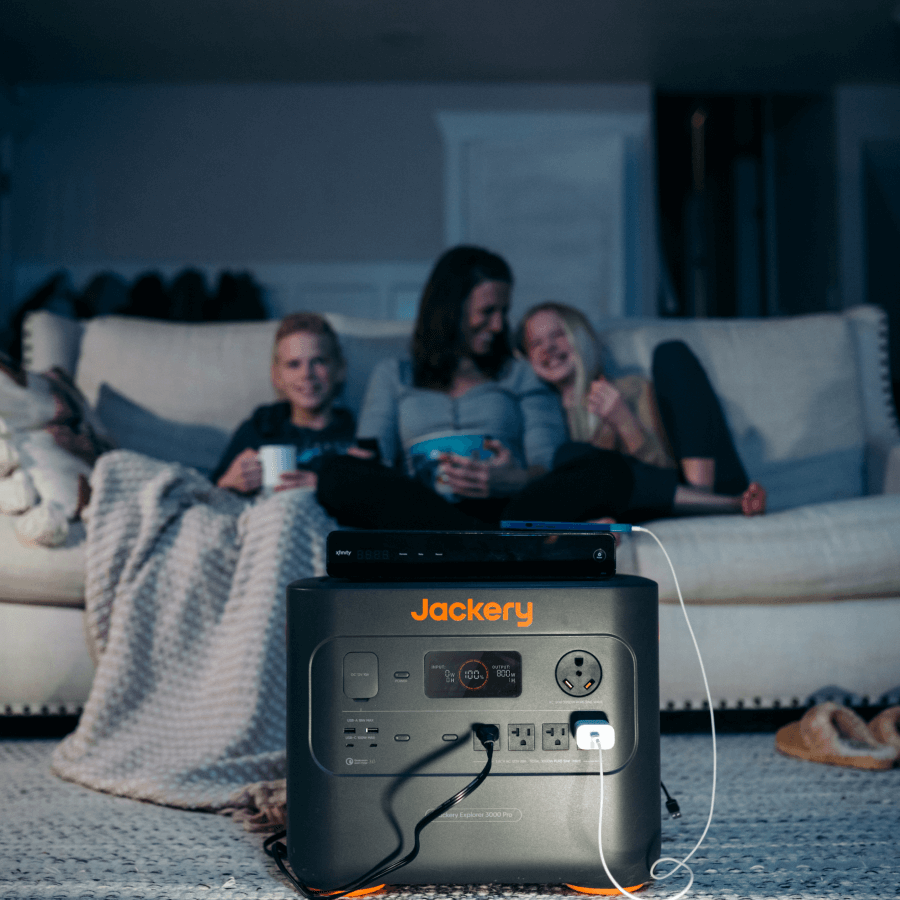
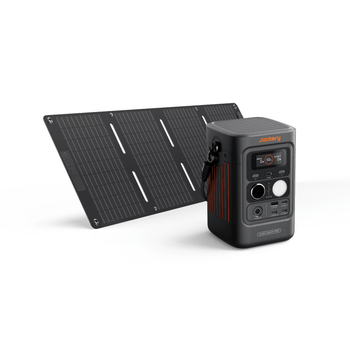
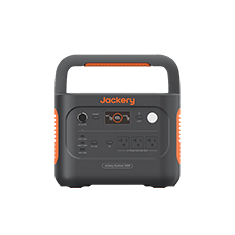
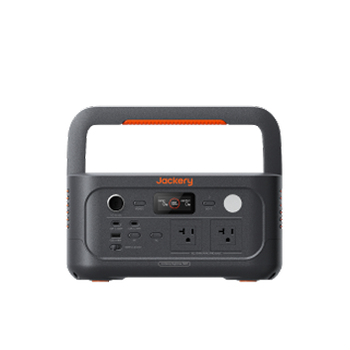
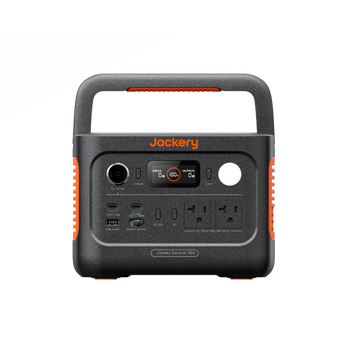
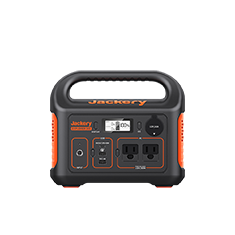
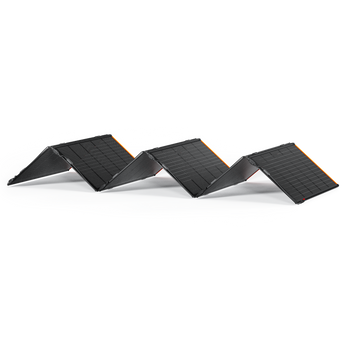
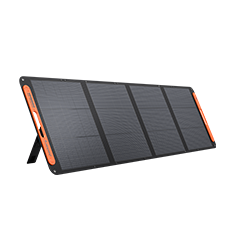
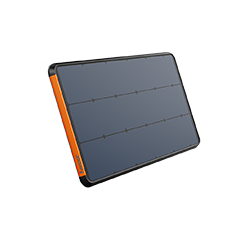
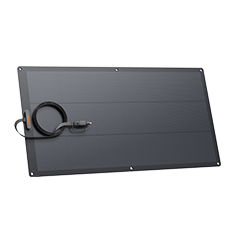
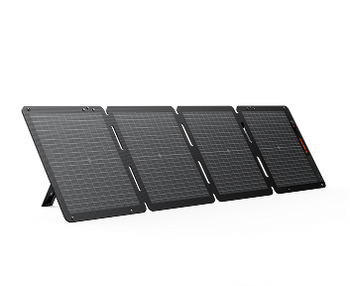
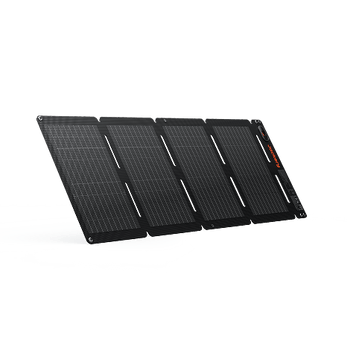
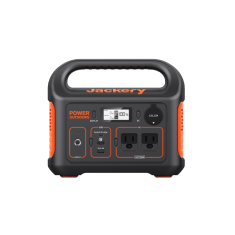
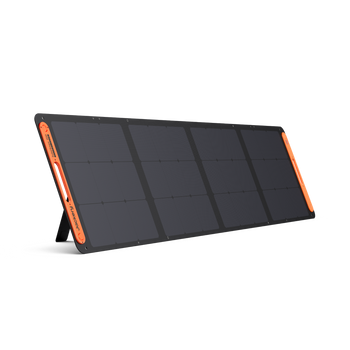
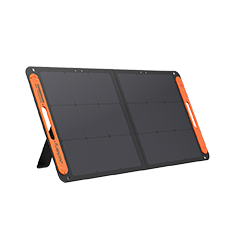
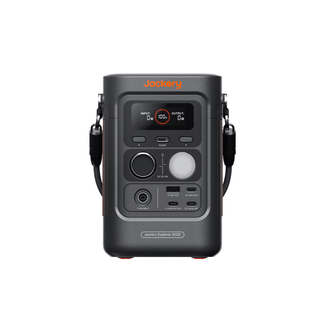
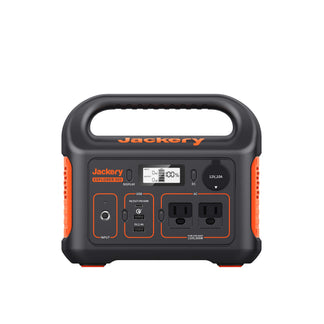
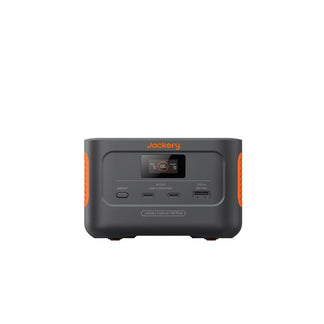
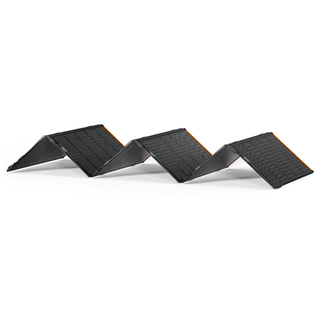
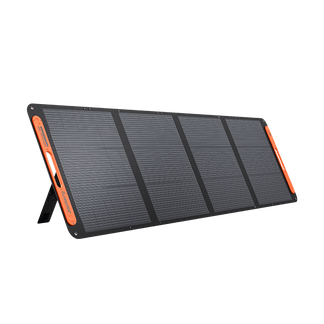
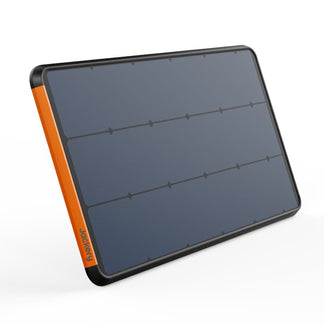
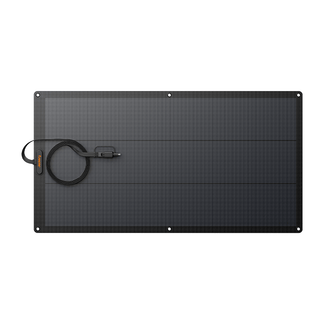
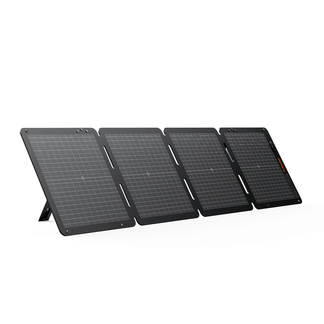
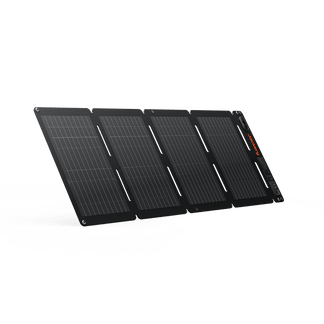
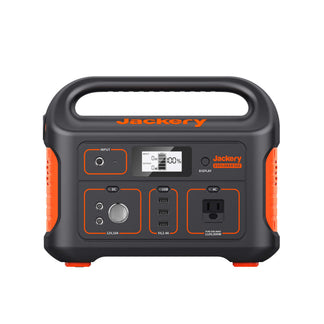
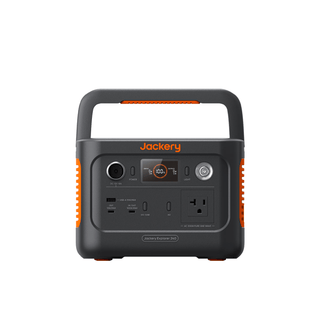
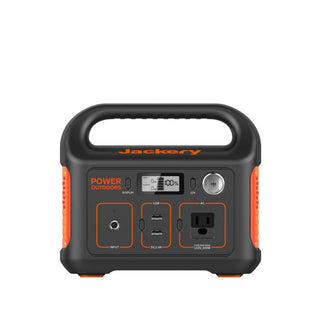
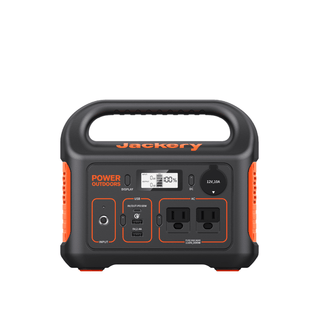
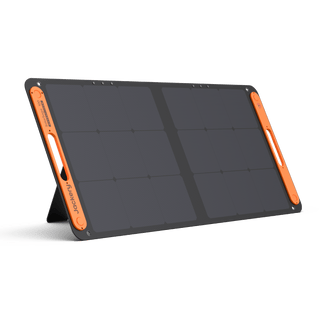
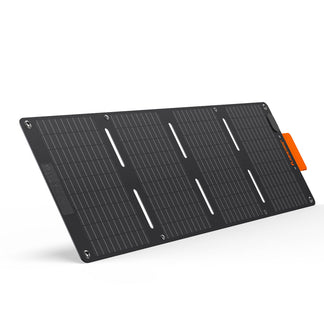
Yes, solar generators can power a dehumidifier, especially when there is a power outage or blackout. Solar generators are designed to convert solar energy into electricity and store the AC electricity to power dehumidifiers or other appliances. Jackery Portable Power Stations can run different types and sizes of dehumidifiers for long hours. These power stations can be easily recharged with wall outlets, car chargers, and Jackery SolarSaga Solar Panels.

Solar Powered Dehumidifier VS. Solar Generator for Dehumidifier
The choice between a solar-powered dehumidifier and a solar generator for a dehumidifier will depend on your specific needs and circumstances. A solar-powered dehumidifier operates directly with the help of solar panels without a battery. On the contrary, a solar generator can not only power dehumidifiers but also other household or outdoor appliances. Here’s a table revealing the advantages and disadvantages of a dehumidifier that is either solar-powered or use solar generator to work:
|
Types |
Pros |
Cons |
|
Solar Powered Dehumidifier |
- Renewable energy - Eco-friendly - Using when the blackout - Little maintenance - Save electricity bills |
- Not as effective as the traditional one - Work not better on cloudy or rainy days - Expensive - Need rooftop solar panels - Low efficiency - Need more spaces |
|
Solar Generator for Dehumidifier |
- Easy to carry - Simple to setup - No installation - No maintenance - Green energy - Work on cloudy or rainy days - Save bills - Suitable for traditional and solar dehumidifiers |
- Some solar generators with large capacities may cost a little (but lower than solar-powered dehumidifiers) |
Jackery Solar Generators for Dehumidifiers
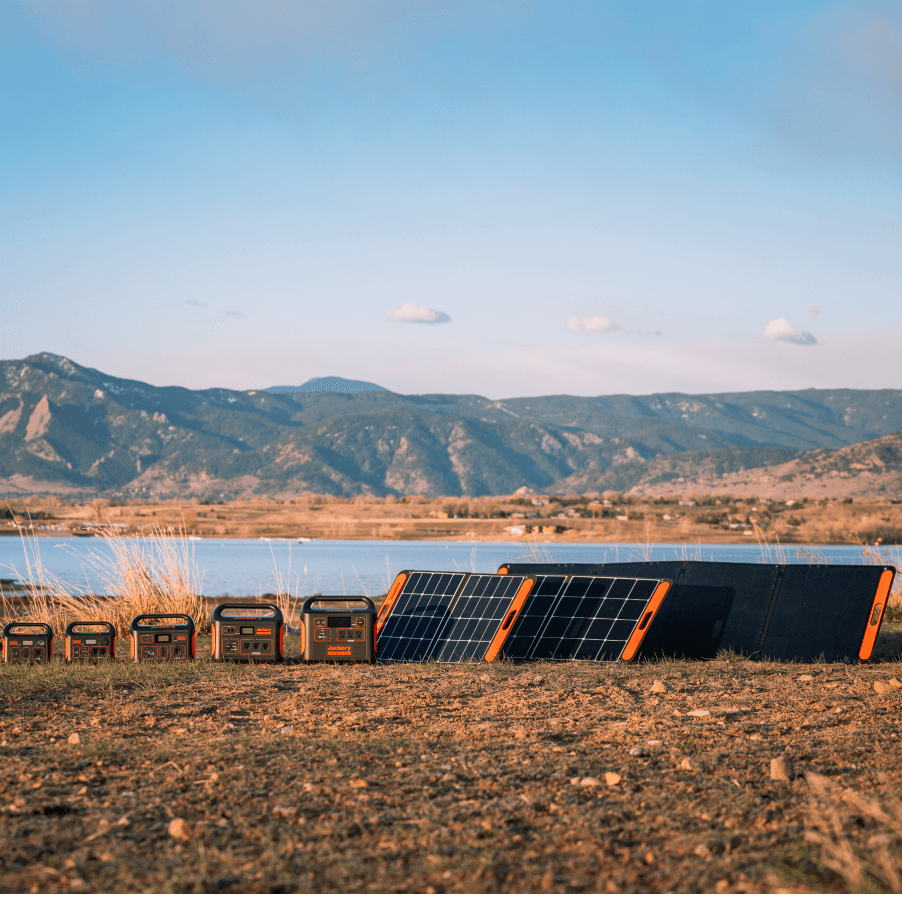
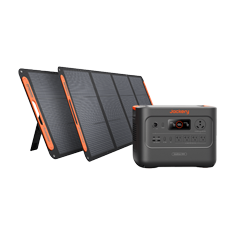
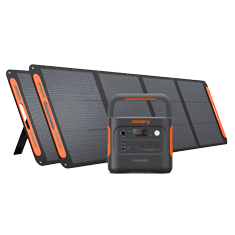
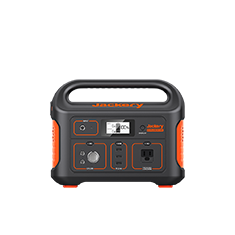
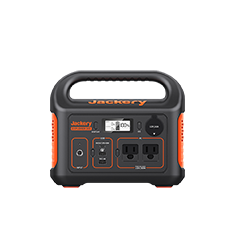
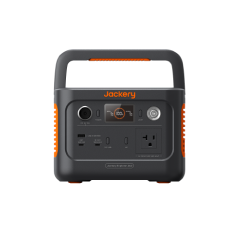
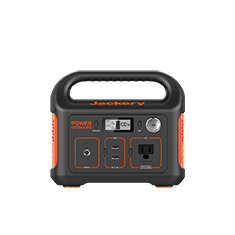
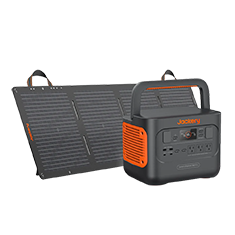
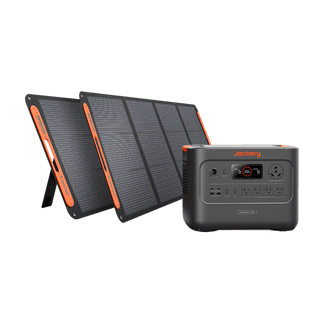
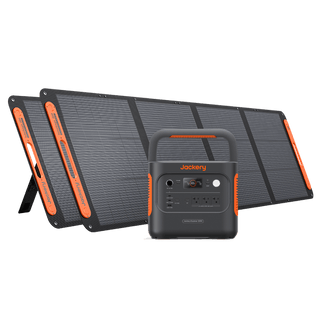
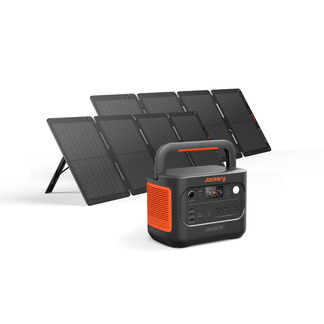
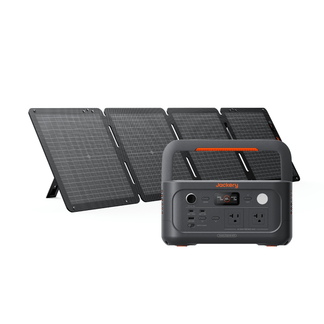
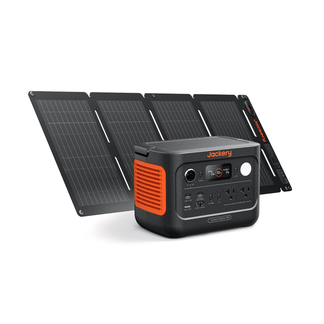
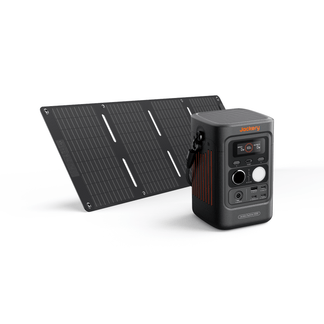
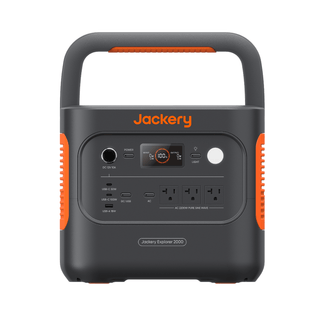
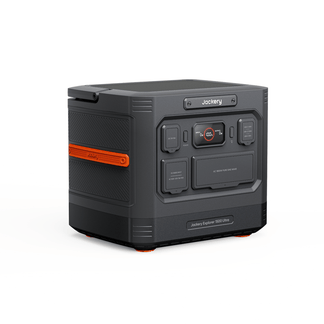
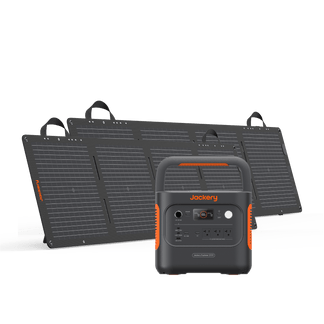
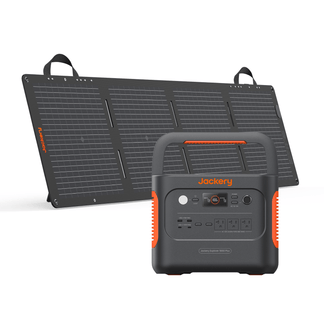
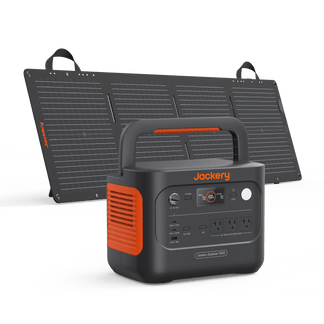
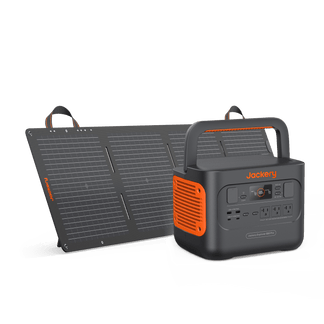
Jackery is a leading solar brand that manufactures solar generators, portable power stations, and solar panels that are ideal for running indoor or outdoor appliances. The Jackery Solar Generators combine the Jackery Portable Power Station with the foldable Jackery SolarSaga Solar Panels to run different types of dehumidifiers and other appliances. Based on different use cases and scenarios, here are two recommended solar generators for powering dehumidifiers:
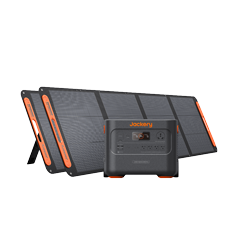
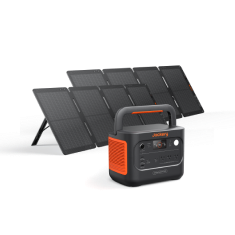
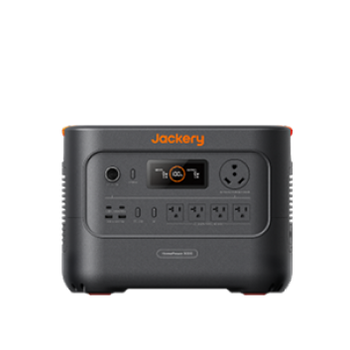
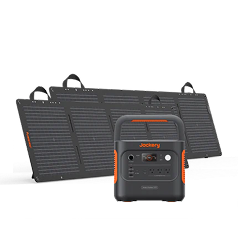
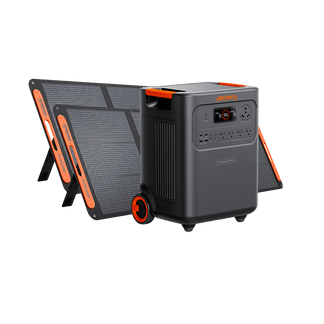
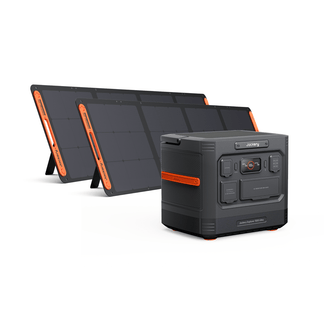
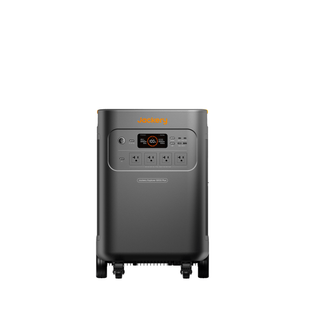
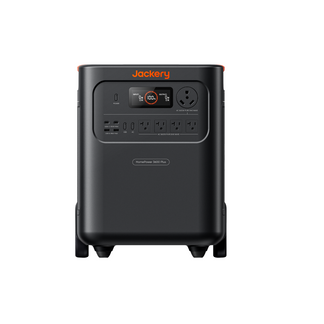
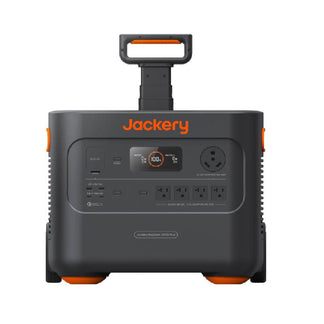
Jackery Solar Generator HomePower 3600 Plus — Best For Dehumidifier For Power Outages
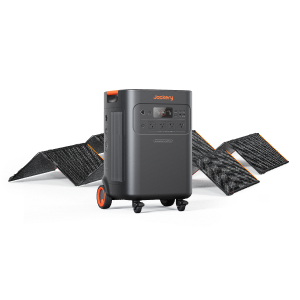
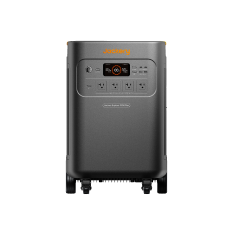
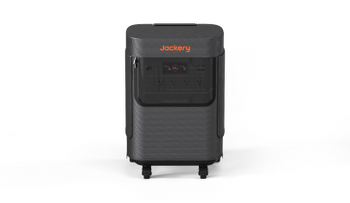
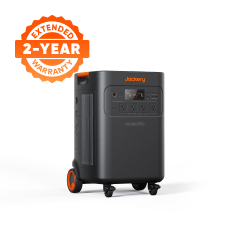
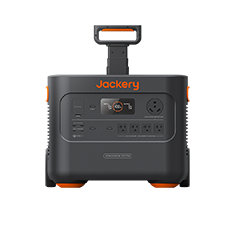
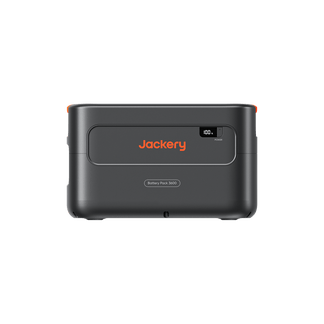
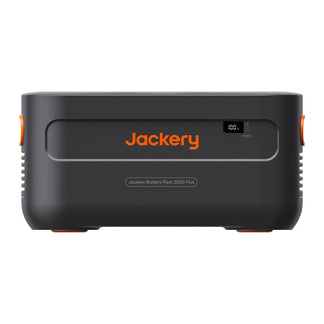
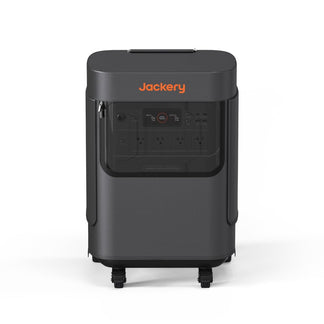
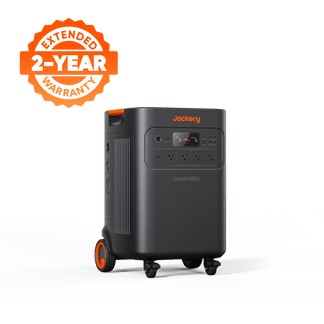
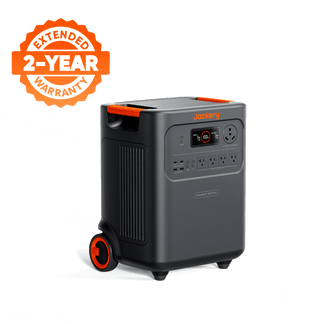
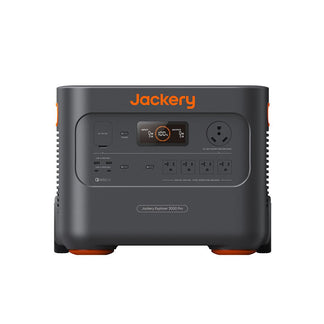
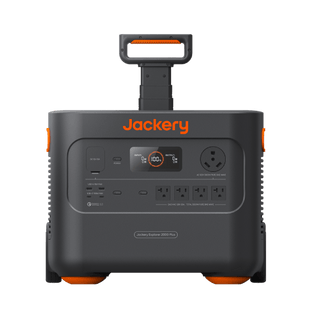
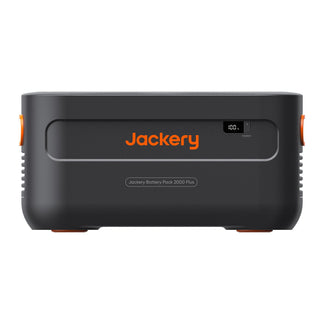
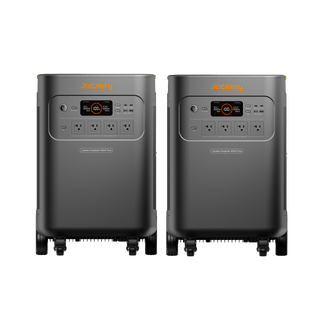
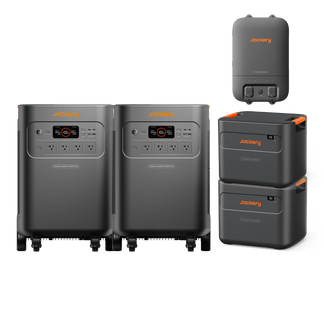
The Jackery Solar Generator HomePower 3600 Plus is a powerful and essential home backup solution that can keep critical household appliances, such as dehumidifiers, refrigerators, HVAC systems, and fans, running for extended periods of time. It is also expandable with the help of add-on battery packs, allowing the battery capacity to be extended up to 43kWh. With the help of a telescoping handle and wheels, you can easily move the solar generator anywhere you go and keep appliances powered during multi-day outages.
Appliances Running Time
- Small Dehumidifier (300W) = 9.5H
- Mini Fridge (200W) = 13.7H
- Outdoor Lights (100W) = 25.0H
- Speaker (100W) = 25.0H
- Rice Cooker (300W) = 9.5H
Who Should Buy This
The Jackery Solar Generator HomePower 3600 Plus is ideal for people who want an essential home battery backup solution to run small to large dehumidifiers at home or in off-grid spaces like cabins.

Customer Review
Have not needed to use this. I have roof mounted solar panels but purchased this to keep my refrigerator running in case of power outage. I depend on refrigeration to keep my life saving insulin cold.
— Kurtis Adams.
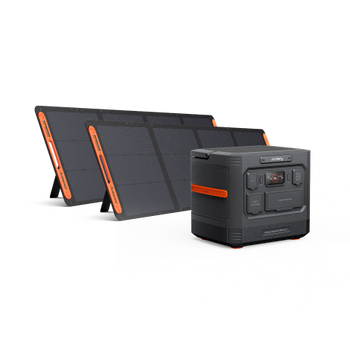
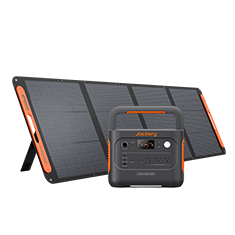
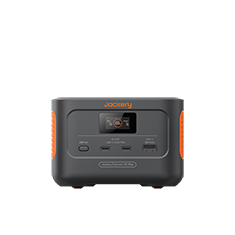
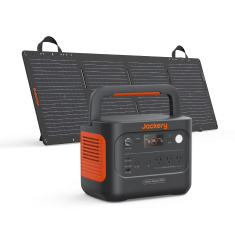
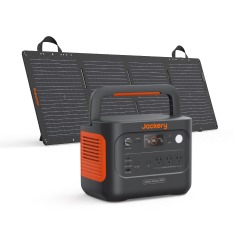
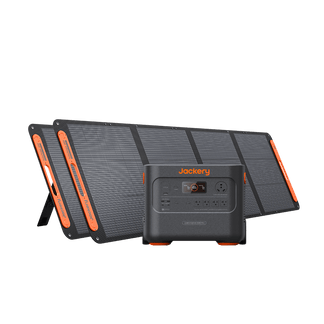
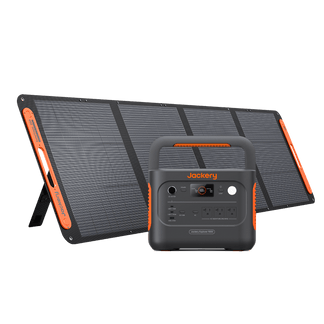
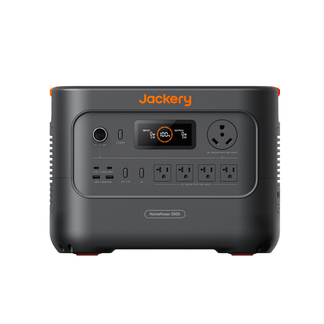
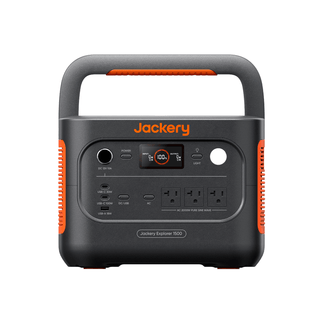
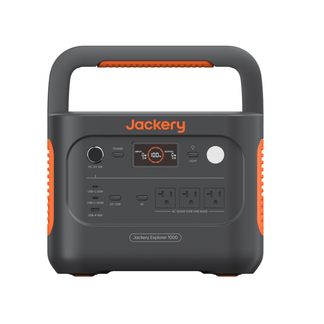
Jackery Solar Generator 1000 v2 — Best For Dehumidifier For Outdoors
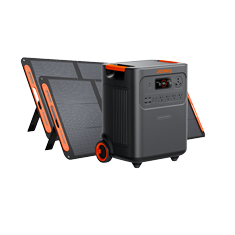
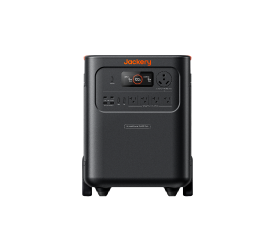
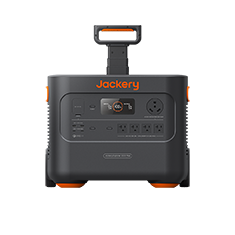
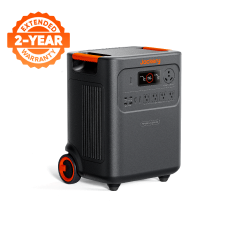
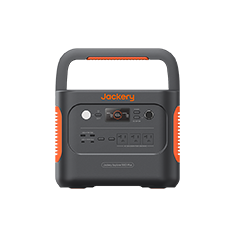
The Jackery Solar Generator 1000 v2 offers more power and capacity, making it suitable for medium-sized dehumidifiers that need longer runtimes. It’s a reliable choice for anyone who wants to control indoor moisture during power outages or outdoors with high humidity. With solar recharging, you can run a dehumidifier for extended periods while cutting down on energy costs.
Appliances Running Time
- Medium-Size Dehumidifier (500W) = 1.7H
- Mini Fridge (200W) = 4.1H
- Outdoor Lights (100W) = 7.6H
- Speaker (100W) = 7.6H
- Rice Cooker (300W) = 2.8H
Who Should Buy This
The Jackery Solar Generator 1000 v2 is ideal for households that need a portable battery backup to run mid-sized dehumidifiers for longer hours during outages or in remote locations.

Customer Review
We use this 1000-unit to power a countertop glass fridge at a farmers' market. Had it running for 6 hours and still had a third of the battery left. Did a great job.
— Ron Ames.
When power outages strike, a reliable backup can do more than just keep a dehumidifier running. It can support most of your essential home appliances. For example, Tom Roberts from Fort Lauderdale relies on his Jackery units to run multiple appliances at once, including his refrigerator, fan, lights, and phone chargers during hurricane season. His story shows how versatile Jackery can be when you need dependable power. Read his Jackery story here.
Solar Powered Dehumidifier FAQs
The following shows the frequently asked questions about the solar-powered dehumidifier:
1. What size of solar generator do I need to power a dehumidifier?
When determining what size solar generator to power a dehumidifier, the first step is to calculate how much wattage it uses and how long you want to run the appliance. Usually, a dehumidifier consumes about 500 watts and runs for 8 - 12 hours. If you want to calculate the runtime of any Jackery Solar Generator model, all you need to do is visit the product page and scroll down to find the calculator. Enter the appliance's wattage consumption and get an estimated running time. For example, the Jackery Solar Generator 1000 v2 can run a dehumidifier (500W) for 1.7 hours on a single charge.
2. Can a solar panel power a dehumidifier?
Yes, a solar panel with a battery backup can power a dehumidifier. While choosing the solar panels and a power station setup, you need to ensure that it meets the dehumidifier's power demands, especially its high starting power.
3. What is the most energy-efficient way to power a dehumidifier?
There are many ways to run a dehumidifier, such as using solar panels on the rooftop, using plug-in solar panels, using a wall outlet, and using generators (gas, fuel, and solar generators):
- Using a wall outlet is the easiest way to charge your dehumidifier, but it may raise your electricity bills.
- Choosing solar panels needs professional installation and post-maintenance, as well as enough space to place the solar panels.
- Gas or fuel generators are bad for the environment and have loud noise when working.
- Only solar generators are clean, quiet, and easy to use. And solar generators use unlimited energy to save your bills accordingly.
4. How to get rid of humidity in the basement without a dehumidifier?
Some ways to lower humidity in the basement without a dehumidifier include using a ventilation fan, fixing the leaks, buying moisture absorbers, keeping surfaces dry, and opening doors regularly.
5. How do you dehumidify a home naturally?
One of the best ways to dehumidify a home naturally is by opening the windows to let the fresh air in and reduce the moisture levels. You can also opt for houseplants that can absorb moisture from the air so you can feel non-sticky.
6. Is it safe to leave a dehumidifier unattended?
No, it is important not to leave a dehumidifier on unattended when you are not nearby. You should turn off the dehumidifier after 8 - 12 hours per day.
Final Thoughts
Using a solar-powered dehumidifier, you can maintain a comfortable temperature in your house without increasing your electricity cost. Choosing Jackery Solar Generators to power a dehumidifier gives you more flexibility to run most of the other indoor or outdoor appliances for long hours. You may enjoy all the advantages of a dehumidifier while being ecologically conscious if you use the sun's energy.