

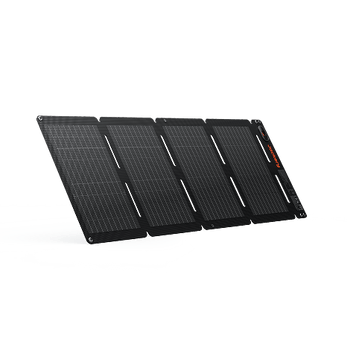









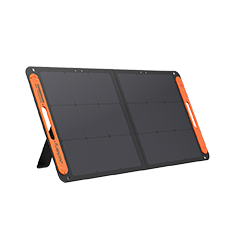





![[Add-on] Jackery SolarSaga 500 X - Jackery](http://www.jackery.com/cdn/shop/files/add-on-jackery-solarsaga-500-x-1493607.webp?v=1786503068&width=324)
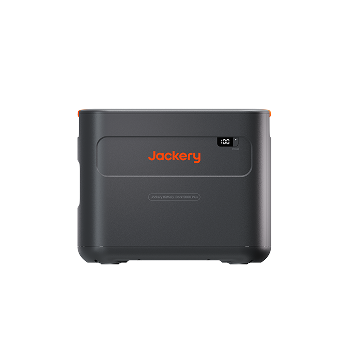
![[Add-on] Jackery Battery Pack 5000 Plus - Jackery](http://www.jackery.com/cdn/shop/files/add-on-jackery-battery-pack-5000-plus-6713401.webp?v=1786503068&width=324)








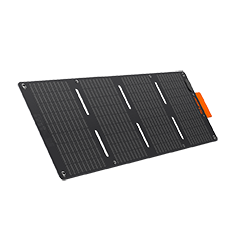
![[Add - on] SolarSaga 200W - Jackery](http://www.jackery.com/cdn/shop/files/add-on-solarsaga-200w-4834329.png?v=1754016915&width=324)



The Blizzard, the Backup Plan, and the House That Stayed Warm
11 min · Aug 6, 2026

Glenn Kampo had already learned what it felt like to be unprepared.
Years before moving to Cape Cod, Massachusetts, Glenn lived in New Jersey when a major storm knocked out power for about a week. The house had gas heat, but without electricity, even the heating system could not run. Stores were closed, food was limited, and the cold became something he did not want to experience again.
“I got screwed during Superstorm Sandy,” Glenn says. “I’m never, ever, ever doing that again. That’s why I have a backup system.”
Now retired on Cape Cod with his girlfriend, Kirsten, Glenn lives a slower life close to the beach. He bikes, goes to concerts, watches TV, and enjoys retirement while he is still, as he puts it, “young and reasonably healthy.” But Cape Cod is not only summer beaches and ocean views. For much of the year, it is cold, windy, dark, and exposed to storms rolling in from the Atlantic.
“High winds knock out power here,” Glenn says. “That happens all the time. There are too many trees, and it’s too expensive for the electric company to run underground wires here.”
After moving to Cape Cod, Glenn experienced another outage before he had his full Jackery system. It was cold enough that he remembers sitting in his Prius for warmth, then going back inside to a freezing house. The choices were limited: go to a shelter, stay in the cold, or sit in a car and hope conditions did not get worse.
That was not the kind of retirement he wanted.
Building a Home Backup System
Glenn is a retired medic, but in the process of building his home backup system, he became what he jokingly calls a “self-taught engineer.” He studied, asked questions, worked with electricians and inspectors, and learned enough to explain his system to people who had never installed anything like it before.
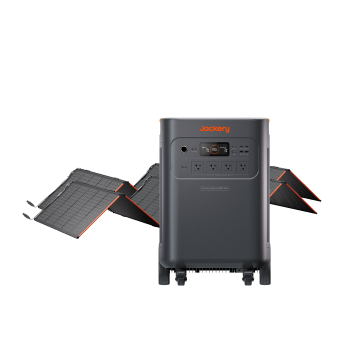
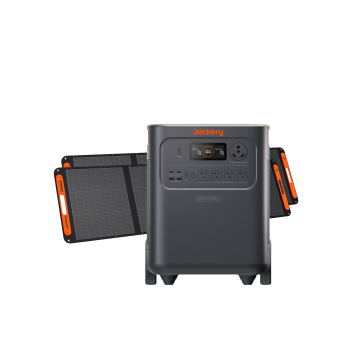
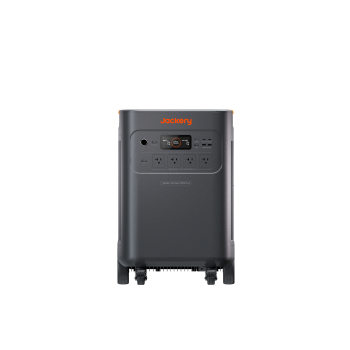
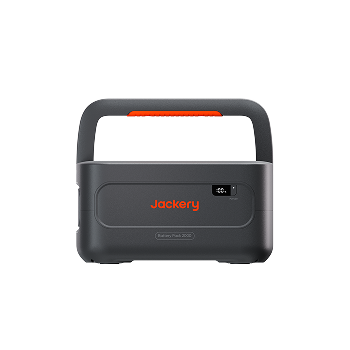
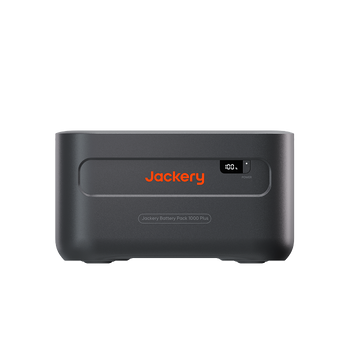
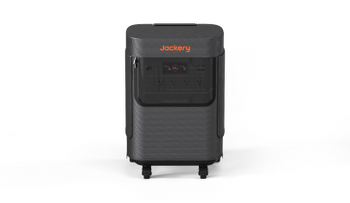
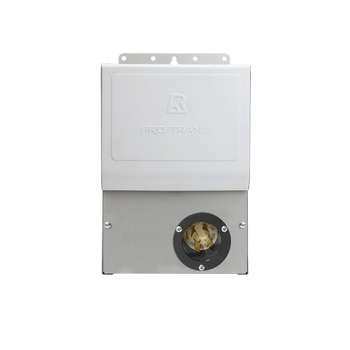
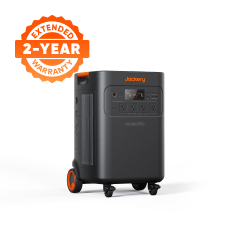
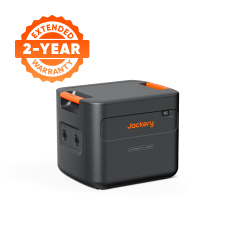
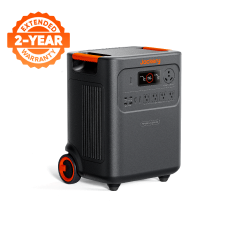
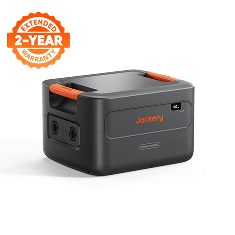
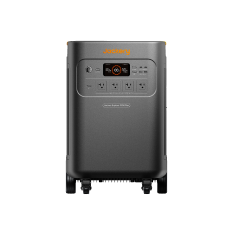
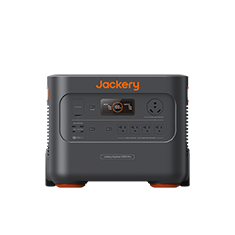
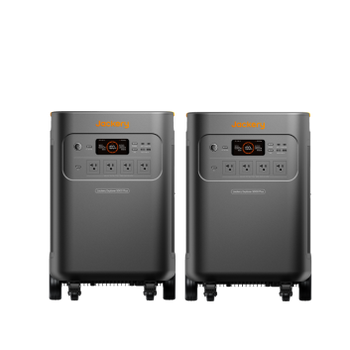
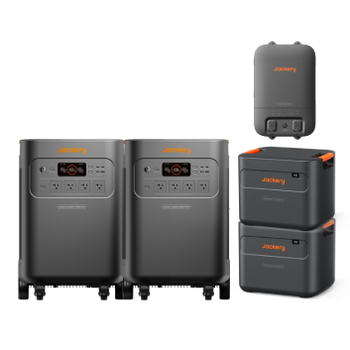
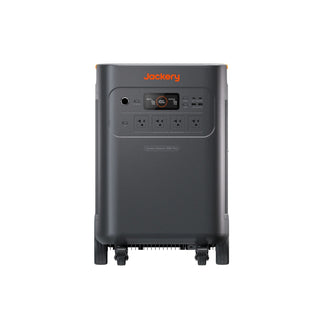
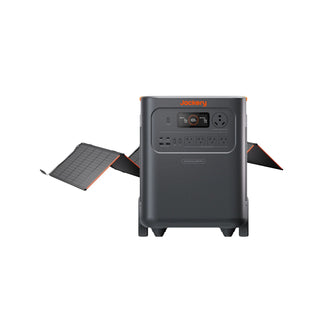
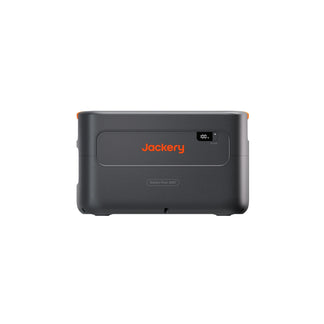
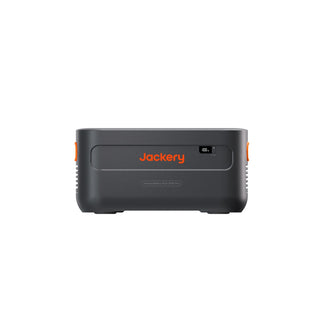
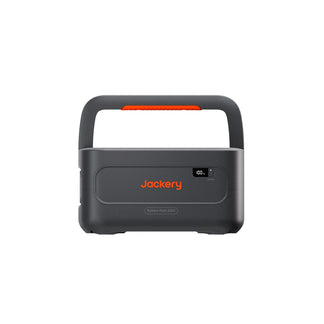
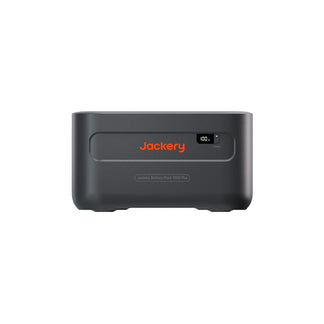
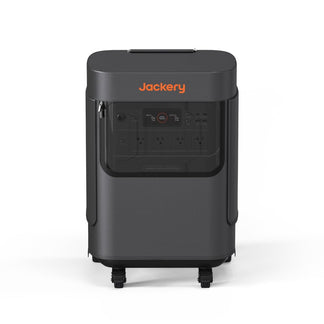
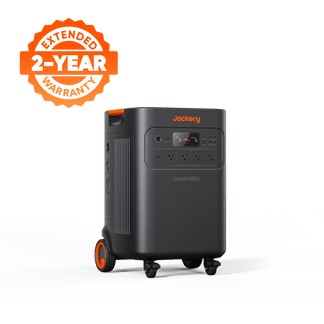
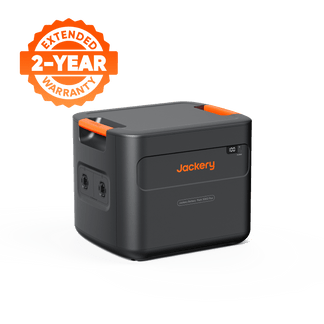
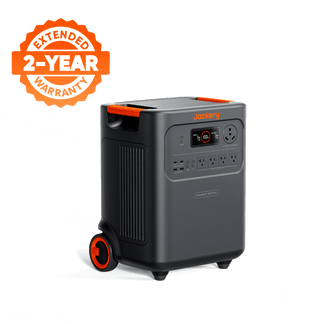
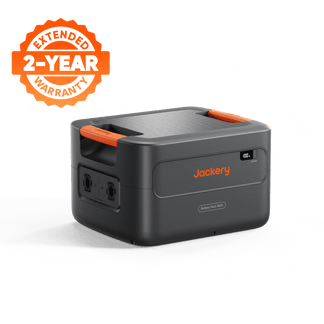
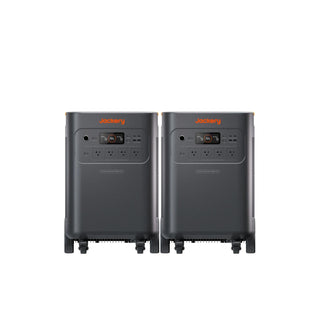
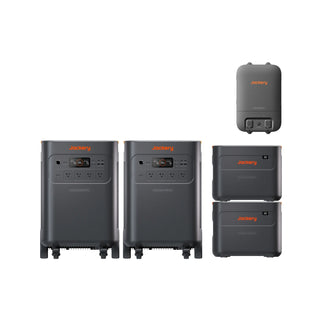
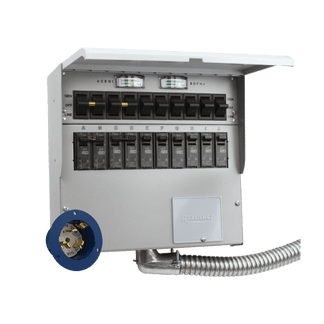
His Jackery setup is not a small emergency kit sitting in a closet. It is a serious whole-home backup system built around two Jackery Solar Generator 5000 Plus units, eight extra batteries, a smart transfer switch, and a locally required emergency shutoff.
“I wanted to buy the biggest system that ran my house,” Glenn says.
The setup took effort. When Glenn first installed it, local approval was complicated. His town required additional safety measures, including a fire-rated closet, interconnected smoke detectors, and an emergency shutoff before Jackery had released its own version. Glenn worked with his electrician to get it done.
The result was a system designed not just to charge phones or run a few lights, but to support the daily systems that keep his home livable during a long outage.
With the transfer switch and additional electrical work, Glenn’s house is now backed up by Jackery for nearly everything except his car charger and oven. He has other ways to cook, including a microwave, a 120V induction cooktop, and a propane grill. During an outage, the priority is not luxury. It is keeping the house warm, functional, and safe.


The Blizzard That Proved It
For more than a year after Glenn installed the system, there were no major outages.
Then one February, Cape Cod was hit by a severe blizzard: 18 inches of snow, 83 mph winds, and power outages across the Cape that lasted for days. For Glenn, it became the first true real-world test of his Jackery Solar Generator 5000 Plus system. Some homes lost power for much longer than Glenn did. Shelters opened nearby. People he knew dealt with freezing houses, overcrowded shelters, and the uncertainty of not knowing when the grid would come back.
Glenn heard the wind outside. Then the lights began to flicker.
“I had the UPS mode on, and I could tell that Jackery took over,” he says. With the Jackery Solar Generator 5000 Plus connected through the smart transfer switch, “you could hear a click from the basement. I heard a click and I was like, okay.”
Inside Glenn’s house, life did not stop.
His oil heating system continued to work. The house stayed around 70°F. He could use lights, heat, hot water, his microwave, his TV, and even small comforts like his massage chair. The internet and cable were down, but he watched offline shows on Netflix and Apple TV. The storm was outside, but inside, the rhythm of the house stayed almost normal.
“Life just went on normally,” Glenn says. “Everything went normal.”
The outage lasted 80 hours. His Jackery system carried the house through almost the entire event, reaching 0% just as the grid power returned.
“I didn’t conserve at all,” Glenn says. “I was microwaving. I was using my bidet. I used my massage chair. I was watching TV.”
For Glenn, that was the proof.
“I’m actually somebody with proof of concept that you can go multiple days in an outage and live your life normally, because I did,” he says.
A Different Kind of Backup
Many of Glenn’s neighbors rely on standby generators. He understands why. But for his own home, he wanted a different kind of backup solution.
He did not want to depend entirely on fuel deliveries during a storm. He did not want a loud generator running continuously. And he did not want to convert his home to natural gas just to support a different backup system.
One neighbor’s experience during the blizzard reinforced that decision. Their propane-powered generator worked until the propane ran out. With deliveries backed up, the house lost heat anyway.
Glenn’s Jackery system gave him another path: stored power ready before the storm arrived, quiet operation, and enough capacity to make his house feel normal through a multi-day outage.
That does not mean Glenn sees his setup as finished forever. He is a technical user, and he has detailed ideas for future improvements, especially around generator charging, AC coupling, and app functionality. But those suggestions come from the same place as his praise: he uses the system seriously, understands it deeply, and wants it to become even better.
“Jackery makes a really good battery,” he says. “I’ve had no problems with my Jackery battery.”

Prepared, Tested, and Ready
Glenn still tracks storms closely. When bad weather is coming, he turns UPS mode on ahead of time. When the power transfers, he can hear the click from the basement, but inside the home, there is no dramatic moment. No sudden scramble. No rush to a shelter. No sitting in a cold car.
That is exactly why he built the system.
“Living my life,” Glenn says, when asked how he managed power during the 80-hour outage. “That’s why I paid the money—to live my life normally.”
For Glenn, Jackery is not just a backup plan. It is the result of a decision he made after one storm left him cold, powerless, and determined never to repeat the same experience.
Now, when the wind comes off the Atlantic and the power lines go down, Glenn’s plan is already in place.
The storm can keep moving outside.
Inside, the house stays warm.
Shop Products From This Article

Whole-Home Backup Kit 5000 Plus (20kWh)
See More Stories
 Off-Grid LivingThe Engineer Who Chose SilenceMechanical engineer Sébastien uses Jackery to build a quiet, modular power system for his cabin, hunting trips, and home backup, bringing reliability without generator noise.
 Home BackupA Better Answer in the DarkWhen a storm left a family reception in the dark, Gary brought his Jackery Explorer 5000 Plus and gave everyone a better answer than lights alone.
 CampingThe Woods Are My ClassroomFor Brad, the woods are more than a destination—they're a classroom, and Jackery keeps him powered wherever he learns.


Our Recommendation


![[Add-on] Jackery Smart Transfer Switch](http://www.jackery.com/cdn/shop/files/add-on-jackery-smart-transfer-switch-5842915.png?v=1754016784&width=300)

