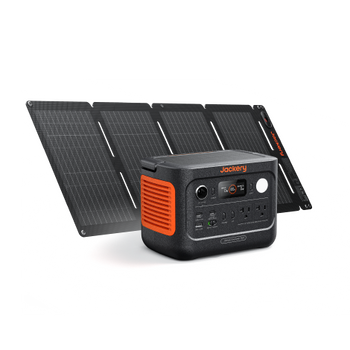










![[Add-on] Jackery SolarSaga 500 X - Jackery](http://www.jackery.com/cdn/shop/files/add-on-jackery-solarsaga-500-x-1493607.webp?v=1786503068&width=324)
![[Add-on] Jackery Battery Pack 5000 Plus - Jackery](http://www.jackery.com/cdn/shop/files/add-on-jackery-battery-pack-5000-plus-6713401.webp?v=1786503068&width=324)







You do not need a roof full of expensive solar panels to protect your home from sudden blackouts or slash your monthly electric bills. In 2026, standalone home battery backups are emerging as one of the smartest, lowest-friction investments for both homeowners and renters.
By charging directly from a standard wall outlet during cheap, off-peak hours and discharging when rates peak or the grid fails, a grid-only system bypasses the high upfront costs, permitting headaches, and shading limitations of solar. This comprehensive guide reveals how standalone storage works, how to capitalize on time-of-use utility rates, and which systems deliver the most reliable, plug-and-play protection for your budget.
Understanding Standalone Home Battery Backup Without Solar
A standalone battery backup system is designed to store electricity directly from the utility grid, completely eliminating the immediate need for solar panels:
- Grid Charging Dynamics: The system draws power from a standard household outlet during off-peak hours, when utility rates are at their lowest. It then stores this energy and discharges it to power your appliances during high-rate peak periods or sudden blackouts.
- Substantial Upfront Savings: According to EnergySage data, the average installed cost for a standard 13.5 kWh solar batteries for home installation is $15,228. Dropping solar panels from the initial design cuts your upfront expenses by $10,000 to $15,000, allowing you to secure reliable backup power for half the price.
- The Portability Factor for Renters: Permanent, wall-mounted battery systems stay with the property when you move, essentially handing your investment over to the landlord. Modular, compact units (weighing under 40 pounds) allow renters to pack up and relocate their backup assets with zero installation loss.
- Zero Permitting Headaches: Grid-only portable battery systems simply plug into standard outlets, allowing you to bypass the extensive permitting, building inspections, and HOA restrictions required for roof-mounted solar integrations.
- Realistic Sizing: While the average U.S. home experience major blackouts lasting several hours, a 10 to 15 kWh battery bank is more than enough to keep essential appliances running smoothly for 1 to 3 days. Sizing for realistic runtimes prevents spending thousands on unnecessary excess capacity.
Key Benefits of Choosing a Home Battery Without Solar
Opting for a standalone, grid-charged battery system offers several distinct advantages over traditional fuel-burning or solar-integrated systems:
- Reliable, Ultra-Fast Transfer: High-quality standalone units detect outages instantly, switching to battery power in under 30 milliseconds. This ensures your home internet, refrigerators, and security systems never experience a power glitch, aligning perfectly with standard essential home backup power designs.
- Significant Time-of-Use (TOU) Savings: If your utility charges peak rates of $0.35/kWh and off-peak rates of $0.08/kWh, a 10 kWh battery allows you to save between $70 and $840 annually simply by shifting your household loads, even after accounting for minor charging conversion losses.
- Incentive Eligibility in 2026: Although direct federal tax incentives under Section 25D are no longer available for standalone residential purchases in 2026 due to the OBBBA, localized utility rate structures still offer powerful pathways to secondary savings.
- Safe, Silent, and Indoor-Safe: Traditional gasoline-powered generators run at a loud 70 to 80 decibels and emit deadly carbon monoxide. Standalone batteries operate completely silently with zero toxic emissions, allowing you to run them safely inside your living room or bedroom. To compare, read our guide on selecting the best generator for home backup power.
- Perfect for Renters: High-performance, portable battery generators for home require zero permanent wiring, wall anchoring, or building modifications, preserving your security deposit while providing reliable protection.
Critical Factors for Selecting the Best Home Battery Backup Without Solar
To find the best standalone system for your home, you must prioritize the technical parameters that dictate real-world off-grid performance:
- The Load Audit: Before purchasing hardware, list the exact appliances you must run. A standard refrigerator draws 150 W continuously with a 600 W startup surge, while internet modems require 15 W. Sum these numbers to find your required running and surge wattage.
- Chemistry and Depth of Discharge (DoD): Prioritize Lithium Iron Phosphate (LiFePO4) chemistry. LiFePO4 batteries deliver a Depth of Discharge above 90% and support 4,000 to 6,000+ charge cycles, outlasting lead-acid options by more than a decade.
- Output Power Capacity: Ensure your inverter's continuous output rating can handle your combined simultaneous loads. A 3,000W continuous rating handles standard critical household circuits, while a 7,200W output is required to start heavy 240V appliances like well pumps.
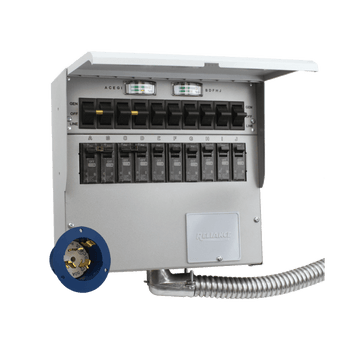
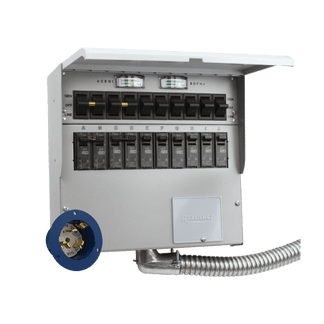
- Critical Loads Subpanels: Rather than backing up every outlet in your house, isolating only the refrigerator, lights, and essential internet circuits via a subpanel can stretch a 10 kWh battery's runtime from 10 hours to over 30 hours. Review our DIY whole-house battery backup guide to learn how to plan these essential circuits.
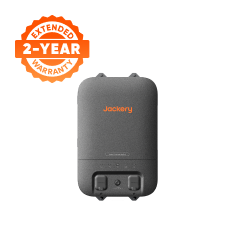
- Modular and Scalable Design: Select a system that allows you to start with a modest 3 to 5 kWh base unit, allowing you to stack additional plug-and-play battery modules later as your budget and power needs grow.

Financial Considerations and Incentives for Standalone Battery Systems
A standalone battery backup system represents a highly cost-effective path to home energy resilience. While a basic 5 kWh portable unit costs between $2,500 and $4,000, a complete 13.5 kWh fixed system with a manual transfer switch ranges from $7,000 to $14,000 fully installed.
Because you avoid the high costs of solar panels, your simple payback is driven entirely by Time-of-Use (TOU) rate arbitrage. In high-rate areas with wide peak/off-peak price spreads, shifting your energy loads can deliver a full return on your investment in 5 to 10 years. In regions that offer active Virtual Power Plant (VPP) credits, utilities will pay you an additional $500 to $1,000 annually to draw power from your battery during extreme grid events, turning your backup system into an active revenue source.
Top Solutions for Home Battery Backup Without Solar
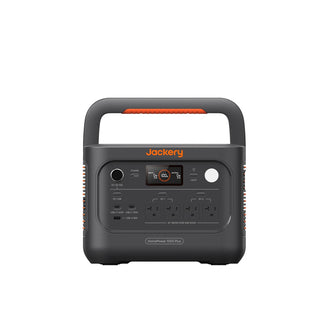
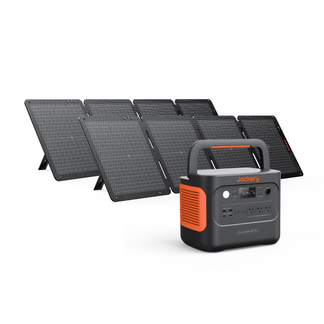
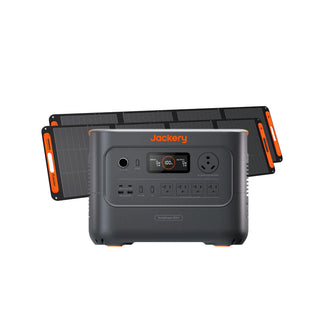
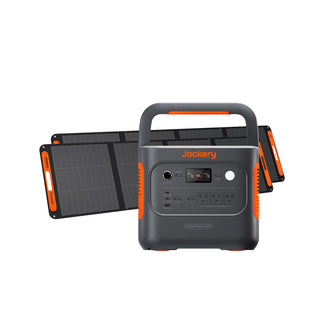
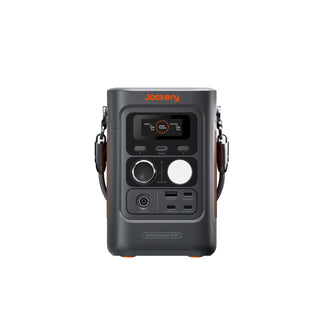
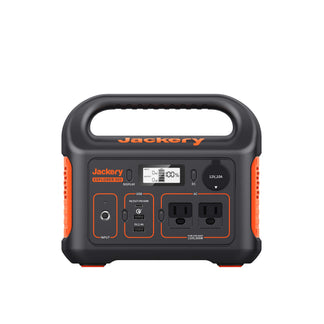
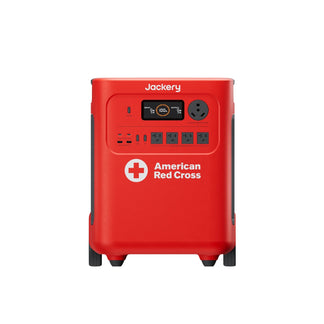
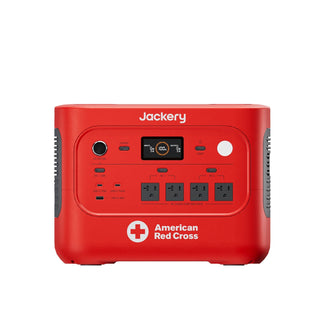
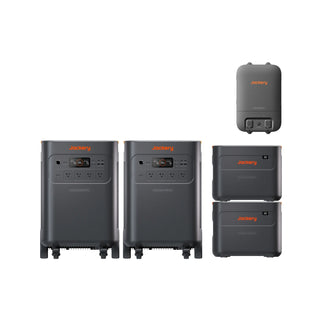
Three premium, grid-chargeable systems from Jackery deliver reliable outage protection and daily utility savings with simple, plug-and-play wall-outlet charging:
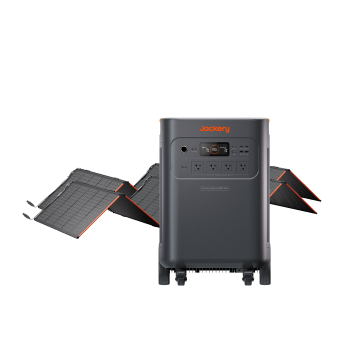
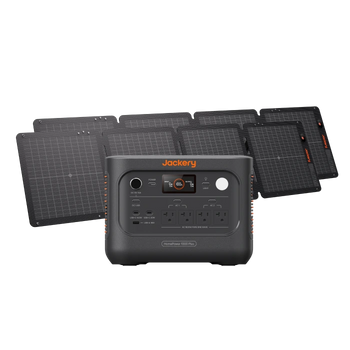
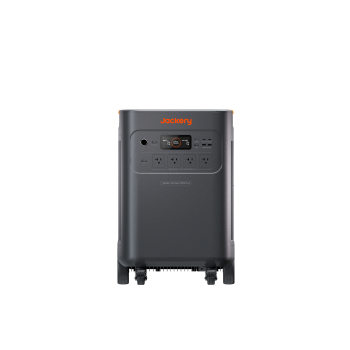
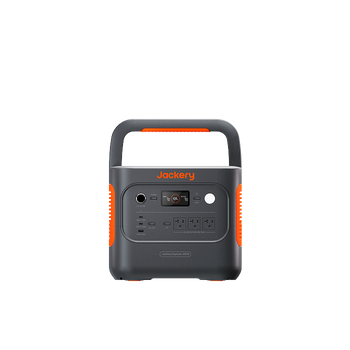
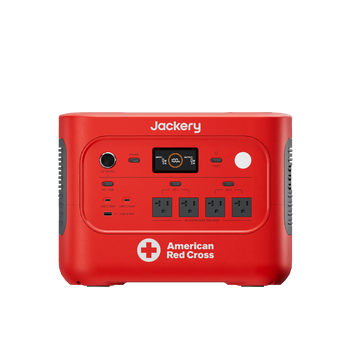
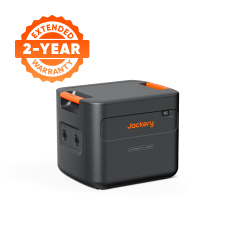
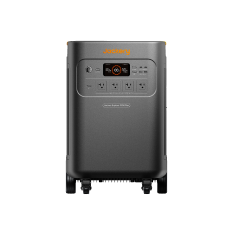
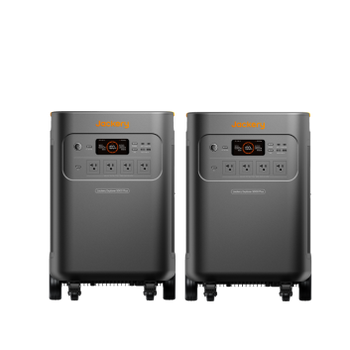
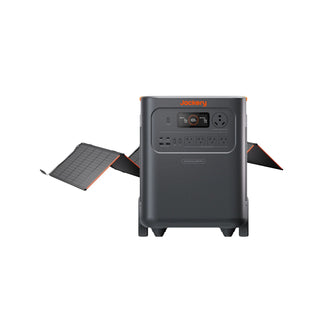
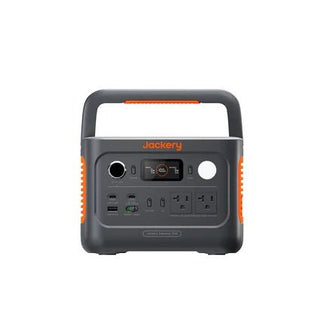
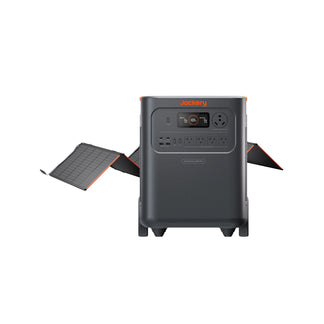
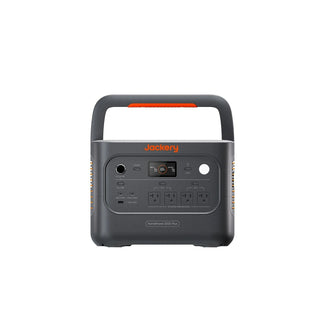
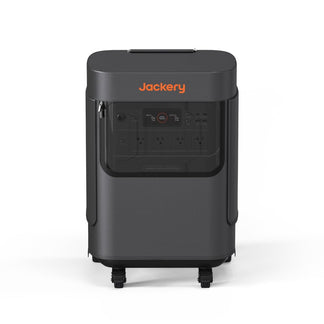
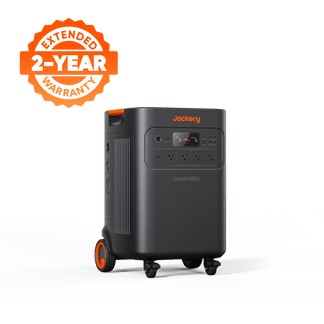
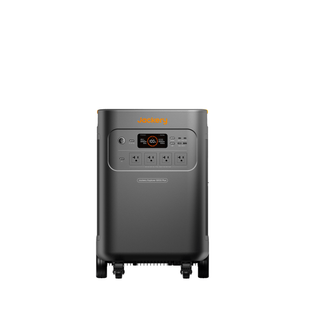
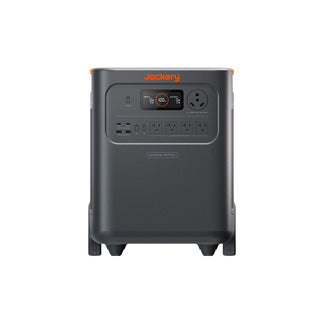
Jackery HomePower 3600 Plus
An exceptional, scalable backup system designed to keep critical household circuits running smoothly through extended outages.
- Capacity & Output: With 3,584Wh of standalone capacity, this model stores enough cheap, off-peak grid energy to run standard living room entertainment stacks and home Wi-Fi networks through peak-pricing windows.
- Seamless Switchover: Delivers an ultra-fast, under-20ms automatic transfer to ensure home electronics never reboot during a power cut.
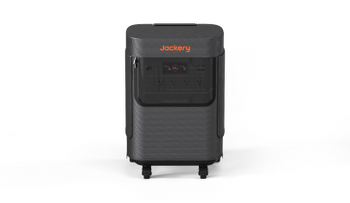
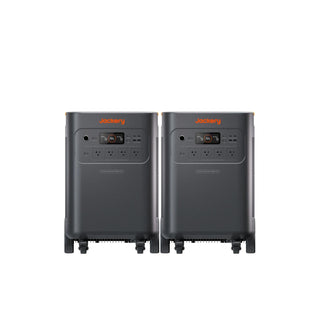
- Design & Solar Ready: Built with a compact trolley design for easy moving. Recharges quickly from standard AC outlets, with a built-in MPPT controller that supports future solar panel integration without rewiring.
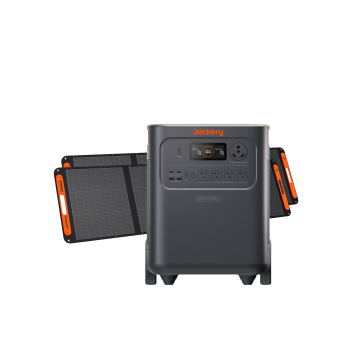
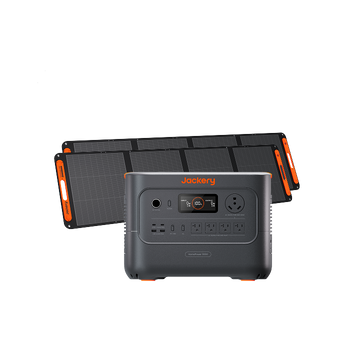
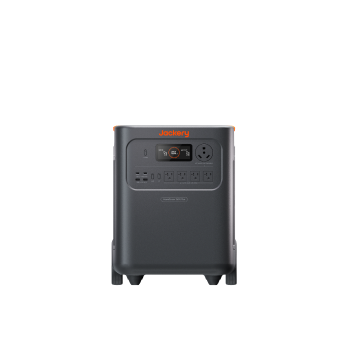
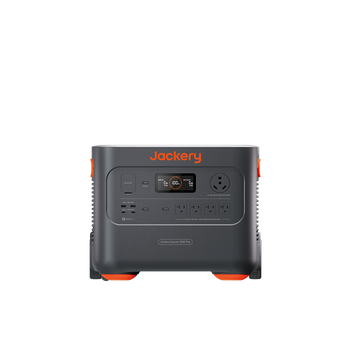
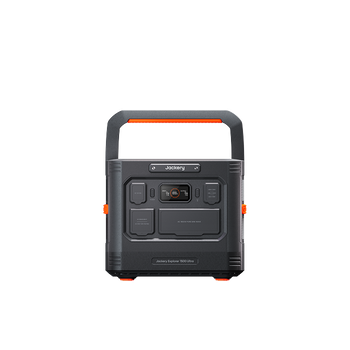
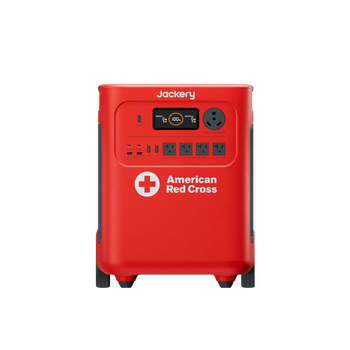
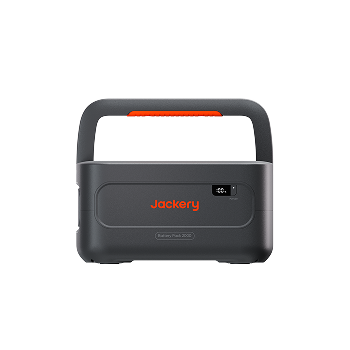
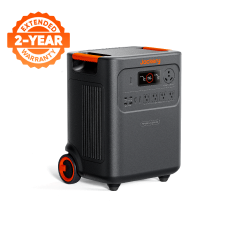
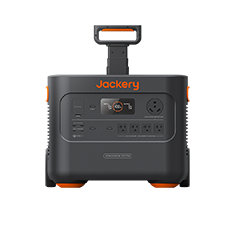
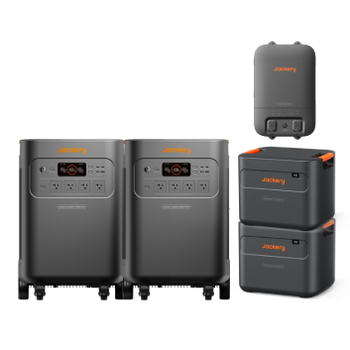
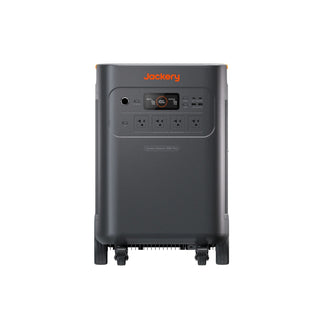
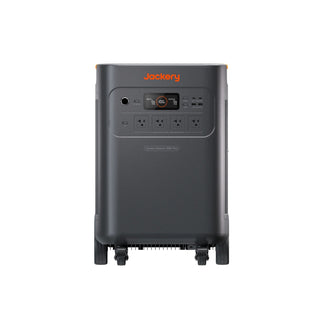
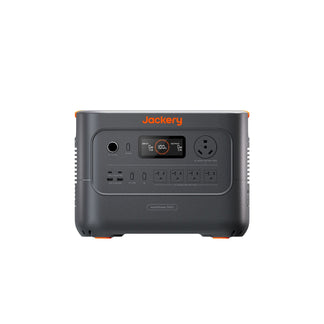
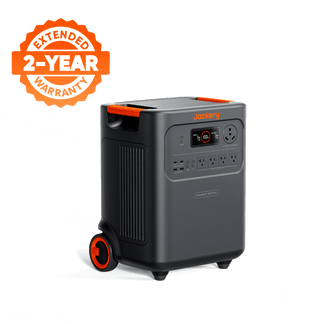
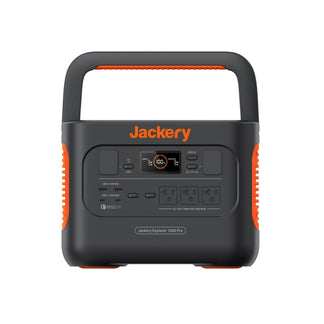
Jackery Explorer 5000 Plus
The premium, high-capacity modular solution engineered to power heavy-duty appliances and multiple home circuits.
- Heavy-Load Output: Delivers 7,200W of continuous power and 14,400W of surge capacity, allowing it to easily handle standard 120V and heavy 240V appliances like well pumps.
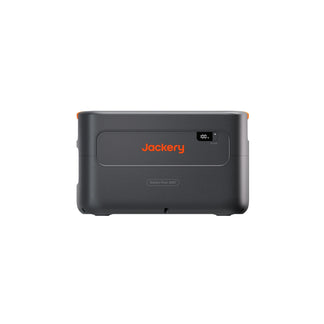
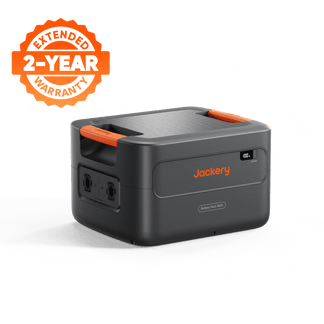
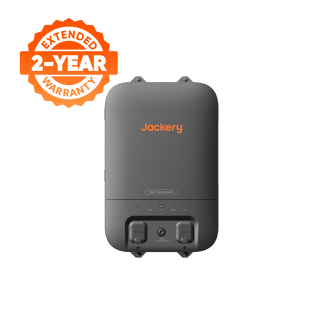
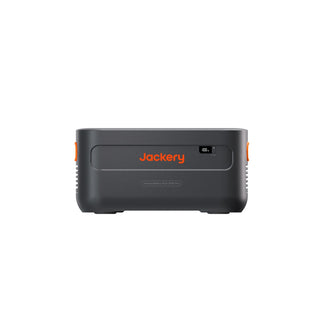
- Expandable Capacity: Starts at a 5,040Wh base capacity, which can expand up to 60 kWh with plug-and-play battery modules to provide multiple days of continuous off-grid autonomy.
- Zero-Downtime UPS: Features true 0ms online UPS operation, protecting sensitive medical equipment and computer server racks from any power interruption. Recharges from empty in just 3.5 hours from a wall outlet.
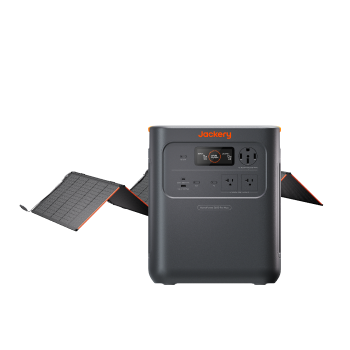
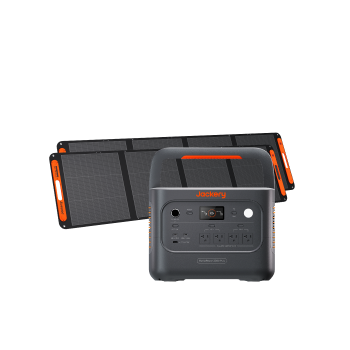
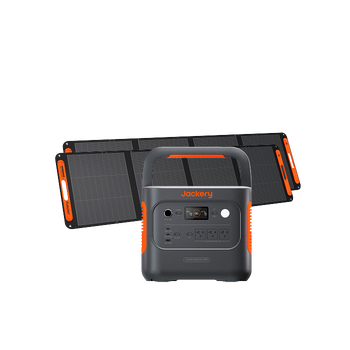
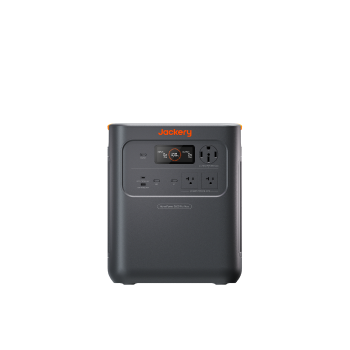
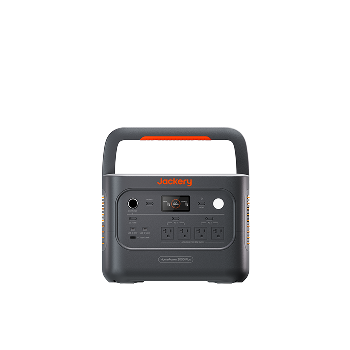
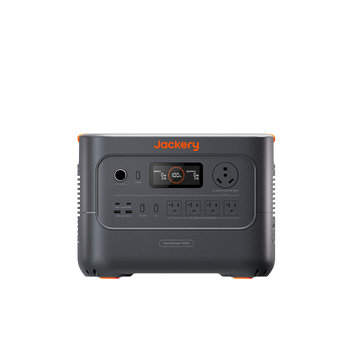
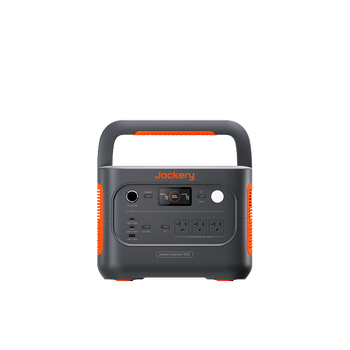
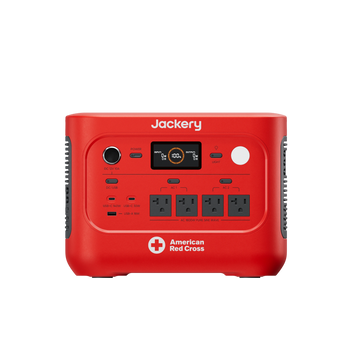
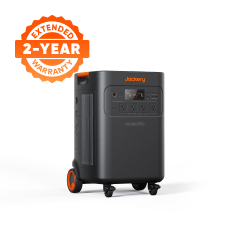
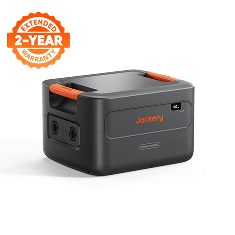
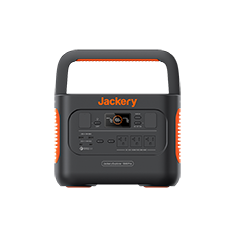
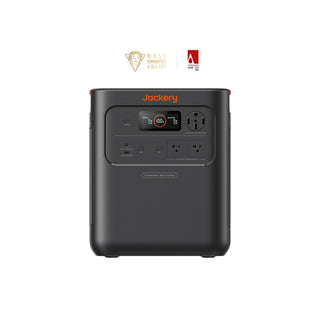
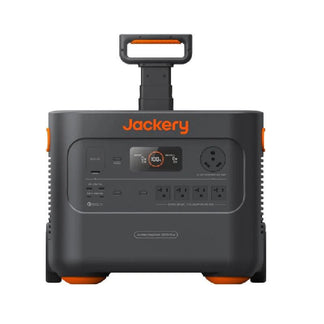
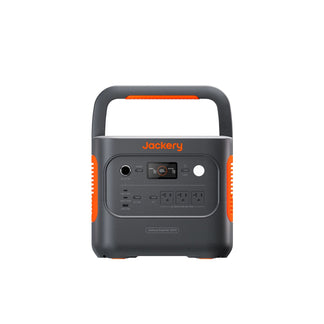
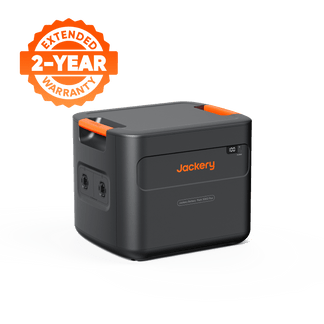
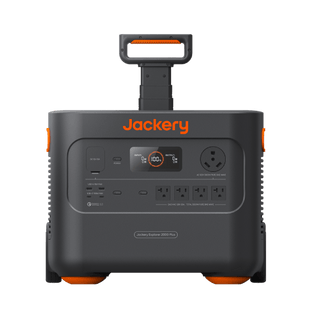
Jackery Explorer 2000 v2 Portable Power Station
A compact, lightweight, and budget-friendly workhorse designed for single circuits and renter-friendly portability.
- Output & Weight: Packs a 2,042Wh capacity and a 2,200W pure sine wave inverter (4,400W surge) into a highly portable, 39.5-pound frame with built-in handles.
- Smart App Integration: Allows you to schedule off-peak grid charging daily to maximize time-of-use savings, or activate "storm-ready" pre-charge mode when severe weather is forecast.
Frequently Asked Questions
Can a home battery work without solar?
Yes. Standalone home battery systems are designed to charge directly from standard household AC outlets, storing clean utility grid power to use as a reliable emergency reserve during blackouts.
How long does a standby battery last without solar?
A standard 10 to 15 kWh battery system can run essential household loads (such as your refrigerator, internet, basic LED lighting, and security systems) for 1 to 3 days on a single charge.
What size battery do I need for backup?
The correct size depends on your specific load audit. To run standard household essentials through a typical 24-hour blackout, a 10 kWh battery is the recommended industry standard.
Can I add solar panels later?
Yes. High-quality modular systems, including all three Jackery models listed above, feature built-in charge controllers that allow you to easily connect solar panels in the future without replacing your core hardware.
Do I need an electrician to install a portable battery?
No. Plug-and-play portable systems require no permanent home wiring or building permits. You simply plug the unit into a standard wall outlet to charge, and plug your appliances directly into the system's outlets.
How do I choose between whole-home and essential circuit backup?
Start with a detailed load audit. Because backing up an entire home require substantial capacity and expensive 240V hardwiring, most homeowners find that an essential-circuit backup strategy is the most cost-effective and practical solution.


