

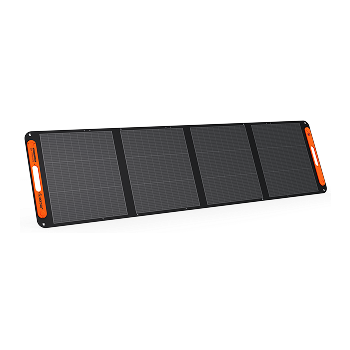
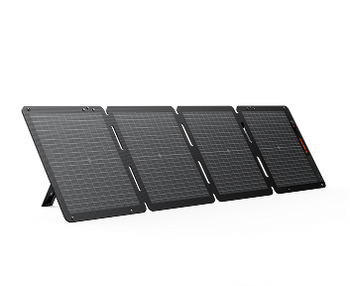
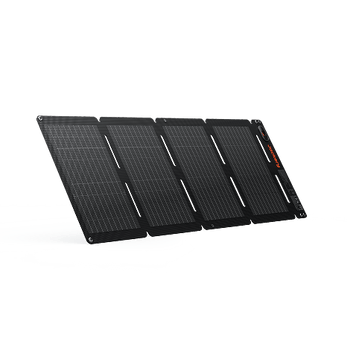








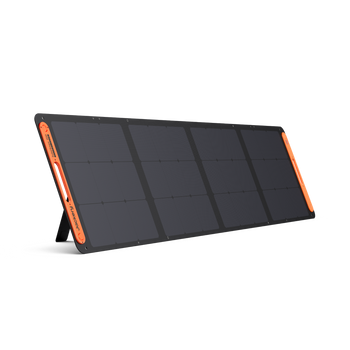



![[Add-on] Jackery SolarSaga 500 X - Jackery](http://www.jackery.com/cdn/shop/files/add-on-jackery-solarsaga-500-x-1493607.webp?v=1786503068&width=324)
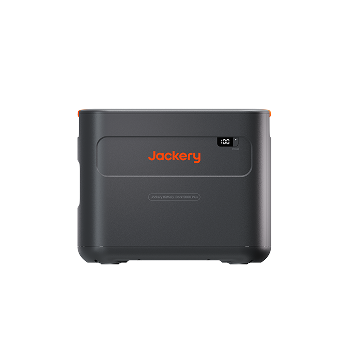
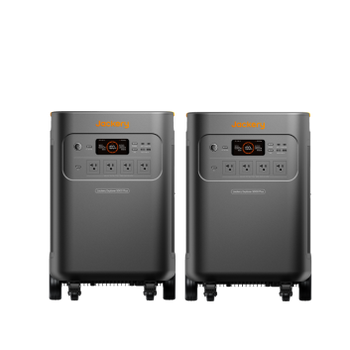
![[Add-on] Jackery Battery Pack 5000 Plus - Jackery](http://www.jackery.com/cdn/shop/files/add-on-jackery-battery-pack-5000-plus-6713401.webp?v=1786503068&width=324)






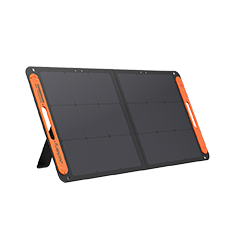
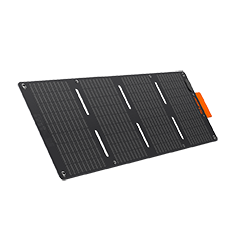
![[Add - on] SolarSaga 200W - Jackery](http://www.jackery.com/cdn/shop/files/add-on-solarsaga-200w-4834329.png?v=1754016915&width=324)


Quick Answer:
A reliable portable power station comparison for finding the best for travel starts with calculating your daily watt-hour needs, not brand hype. Most van dwellers need 500–2,000Wh of LiFePO₄ capacity, and the right unit matches your appliance list — not the biggest number on the box. Ignore marketing fluff; measure actual consumption, add a 25% buffer, and choose a model that recharges fast enough for your travel rhythm.
Key Takeaways
- A 1,000Wh power station typically delivers only 750Wh of usable energy due to battery protection limits — always add a 25% buffer.
- Undersizing forces deep discharges that slash LiFePO₄ cycle life from 4,000 to under 1,000 cycles, doubling your long-term cost per watt-hour.
- Oversizing adds 5–15 lbs of dead weight to your van, reducing fuel efficiency and eating into cargo space.
- Recharge speed matters more than total capacity: a unit that refills in 1 hour is far more practical for multi-day trips than a massive unit that takes 10 hours.
- Pure sine wave output and zero parasitic draw are non-negotiable features for protecting electronics and avoiding overnight battery drain.
The Three Off-Grid Personas – Matching Capacity to Lifestyle and Legal Limits
Your ideal capacity depends on your travel style: weekend car campers need 500–1,000Wh, part-time van dwellers 1,000–1,500Wh, and full-time RV travelers 2,000Wh+. Here’s how three common profiles stack up.
Persona |
Ideal Capacity |
Typical Loads |
Key Specs |
|---|---|---|---|
Weekend car camper |
500–1,000Wh |
12V fridge (24–48 hrs), LED lights, laptop, phone |
Under 25 lbs, fits carry-on size, 200–400W solar input |
Part-time van dweller |
1,000–1,500Wh |
Microwave (1,000W, 30 min), space heater (500W, 4 hrs), all small devices |
Wheels or side handles, 1,500W+ continuous output, 400W+ solar input |
Full-time RV traveler |
2,000Wh+ (expandable) |
Portable AC (900W, 2 hrs), induction cooktop, multiple appliances |
Expandable battery packs, 2,200W+ continuous, 800W+ AC charging |
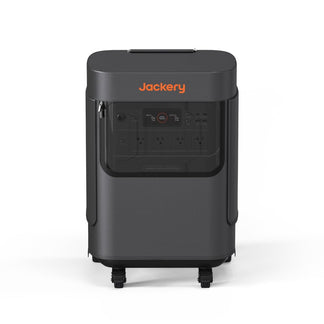
Square, flat-top units with side handles pack better in vehicle storage than tall towers that tip over while driving. Look for shapes that slide under a bed platform or stack securely in a cabinet.
How to Calculate Your Actual Power Needs – The “Napkin Math” for Van Life
Calculate your minimum capacity with this formula, then measure — never guess:
Formula:
(Running Watts × Hours Used per Day) × Days Off-Grid Between Charges × 1.25
Example:
A 12V fridge draws 50W and runs 12 hours per day (compressor cycles). Add a laptop (60W, 3 hrs), LED lights (10W, 5 hrs), and phone charging (10W, 2 hrs).
- Daily consumption = (50 × 12) + (60 × 3) + (10 × 5) + (10 × 2) = 600 + 180 + 50 + 20 = 850Wh.
- With a 2‑day off‑grid stretch and 25% buffer: 850 × 2 × 1.25 = 2,125Wh.
- Round up to a 2,200Wh unit.
Critical rules:
- Measure before buying. Use a plug-in watt meter on your fridge, laptop charger, and lights for 24 hours to get real consumption numbers. Most first-time buyers admit they bought based on “estimates” that were off by 30–50%.
- Always round up to the next available capacity tier — never round down. A 1,000Wh unit cannot safely run a 960Wh daily load once you account for inverter losses and BMS overhead.
- Match your target capacity to the nearest model. If your calculation exceeds a model’s rating, move to the next size.
As we explain in our guide to common sizing mistakes when choosing a solar generator, the most frequent error is buying a unit that’s “almost” big enough and then regretting it on day two.
Power Output and Appliance Compatibility – What Actually Works in a Van
Continuous output wattage — not peak surge — determines what you can run simultaneously. A 1,500W unit handles a hair dryer (1,200W) or a toaster (900W), but not both at once; stacking loads trips the inverter.
Startup surge is critical for fridges and compressors:
- A typical 12V compressor fridge draws 50–70W running but can spike to 150–200W for 2–5 seconds when the compressor kicks on.
- A 700W residential mini-fridge may need a 2,000W surge rating.
- If your power station’s surge capacity is too low, the fridge simply won’t start.
Inductive loads — motors, pumps, power tools — are hardest on inverters. A 1,200W pure sine wave inverter handles them cleanly. Modified sine wave (found in budget units) can cause motors to run hot, buzz, or fail prematurely, and can damage sensitive electronics like laptops and TVs. Pure sine wave is the single most critical feature for protecting your gear.
Running a 12V fridge from the DC port uses 10–15% less power than converting through the AC inverter. If your fridge has a 12V plug, use it — you’ll stretch your battery further.
The 80% rule: never run a power station above 80% of its rated continuous output for more than 30 minutes. Pushing the inverter to its limit generates heat and can trigger thermal shutdown, especially in a hot van.
For protecting home appliances during outages, the same principles apply — we cover those in our article on how to build a secure power backup for home appliances.
Charging Speed in Real-World Van Life – AC, Solar, and Car Charging
Recharge speed often matters more than total capacity. A unit that refills in 1 hour is far more practical for multi-day trips than a massive unit that takes 10 hours.
Charging Method |
Typical Input |
1,000Wh Recharge Time |
Best Use |
|---|---|---|---|
AC wall (fast) |
800–1,200W |
1–2 hours |
Quick top-ups at campgrounds or friend's house |
AC wall (budget) |
200W max |
5+ hours |
Overnight charging only |
Solar (200W panel) |
~80W net per panel |
2 full days of perfect sun |
Slow, steady off-grid replenishment |
Car 12V port |
120W |
8+ hours of driving |
Topping off only — not primary recharging |
Solar realities:
- A 200W panel in full sun (5 peak sun hours) adds roughly 1,000Wh per day, but clouds, shade, and panel angle cut that to 300–500Wh.
- Always over‑panel by 20%: if you need 1,000Wh/day, install 1,200W of panels.
- Your power station must accept that input level; units with a 100W solar limit are useless for extended off‑grid stays.
Pass‑through charging lets you run devices while the unit recharges. Look for dedicated bypass circuits; without them, pass‑through cycling can reduce battery lifespan.
Fast charging (under 2 hours) requires GaN technology and high‑wattage AC input. These units cost 20–30% more but pay off in convenience for anyone who moves frequently. Prioritize recharge speed over raw capacity when comparing models, and ensure high solar input capability (400W+) for off‑grid van life. For emergency backup scenarios at home, the same fast‑charging logic applies — we explore the best options in our best emergency battery backup power guide.
Battery Chemistry and Lifespan – Why LiFePO₄ Is the Only Choice for Van Life
LiFePO₄ (lithium iron phosphate) batteries deliver 3,000–5,000 cycles to 80% capacity — 8–10 years of daily use. NMC (nickel manganese cobalt) degrades to 70% after just 500 cycles. That’s a 10x lifespan difference, and it directly impacts your cost per watt-hour over time.
Thermal safety is critical in a hot van. LiFePO₄ cells don’t catch fire when punctured or overcharged; NMC can enter thermal runaway above 140°F. In a vehicle that sits in the sun, that safety margin matters.
LiFePO₄ power stations are lighter per watt-hour than older NMC models:
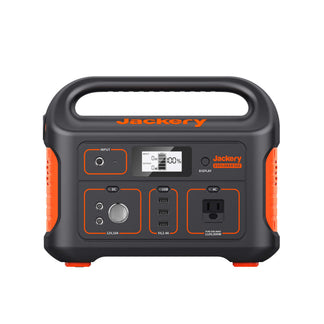
Metric |
Explorer 1000 v2 (LiFePO₄) |
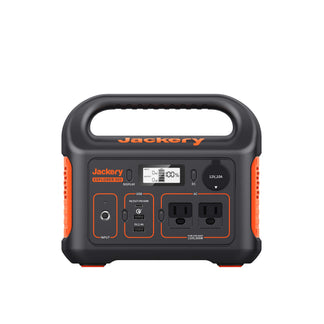
Explorer 500 (NMC) |
|---|---|---|
Capacity |
1,070Wh |
518Wh |
Weight |
23.8 lbs |
13.32 lbs |
Weight per 1,000Wh |
~22 lbs |
~26 lbs |
Choosing LiFePO₄ saves weight while tripling cycle life and eliminating fire risk.
Cold weather reduces LiFePO₄ capacity by 30–40% below 32°F. Winter travelers need a unit with low‑temperature charging cutoff and should add a 20% capacity buffer for sub‑freezing trips.
Cycle life isn’t the only metric. Even if you use the unit only 10 times per year, LiFePO₄ lasts 10+ years on the calendar, while NMC loses 20% of its capacity in just 3 years of storage. For long-term van life, LiFePO₄ is the only chemistry that makes financial sense.
For a deeper dive into battery technologies and how they stack up in real-world backup use, see our comparison of the best battery backup generators.
Essential Features That Experienced Van Dwellers Demand (Beyond Specs)
- Zero parasitic draw prevents overnight battery drain when DC outputs are active but the unit is off.
- USB‑C with Power Delivery (60W+) charges modern laptops directly, eliminating bulky AC adapters and inverter losses.
- App control and monitoring lets you check battery level, input/output status, and remaining runtime from the driver’s seat.
- Expandable capacity gives flexibility: a 1,000Wh base unit that can link to an external battery pack scales up for longer trips.
- Pass‑through charging eliminates downtime by running your fridge and devices while the station refills.
- Port variety matters: look for at least two USB‑C PD ports, multiple USB‑A, and a regulated 12V output.
Recommended Jackery Models That Fit Van Life Rather Than Home Backup
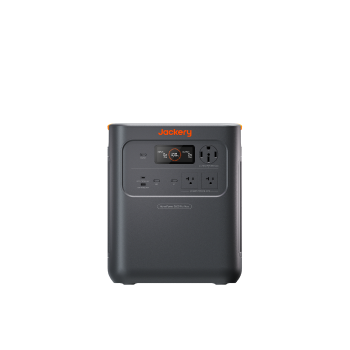
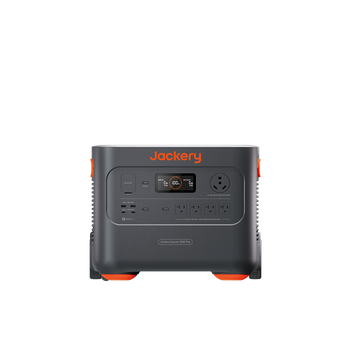
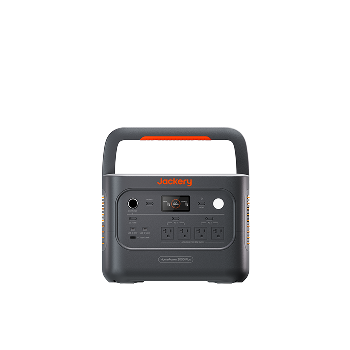
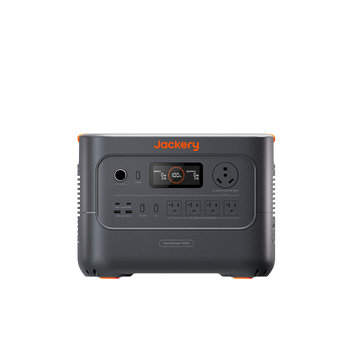
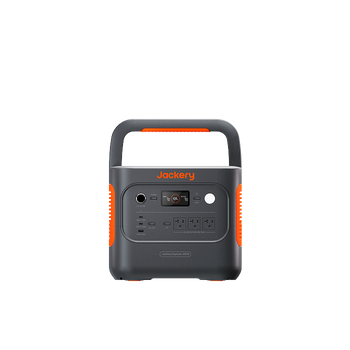
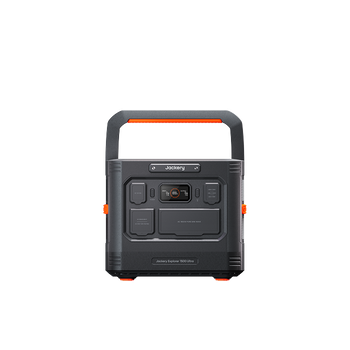
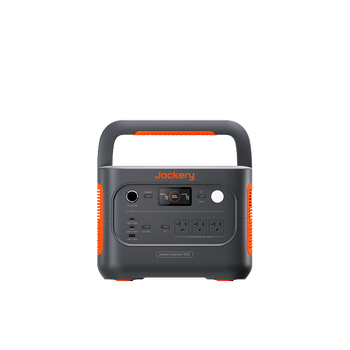
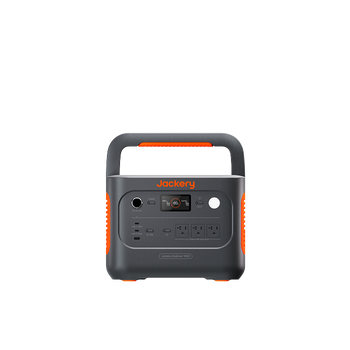
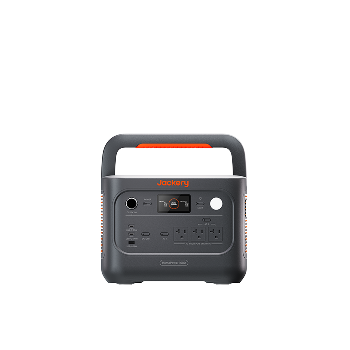
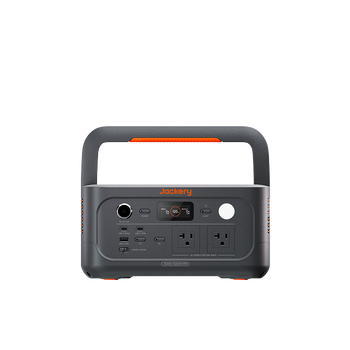
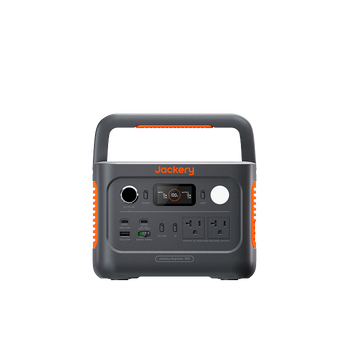
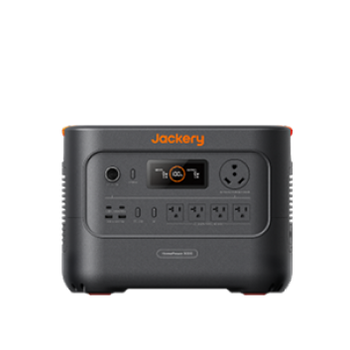
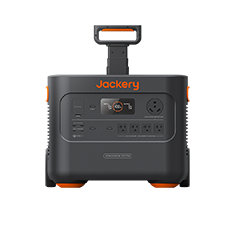
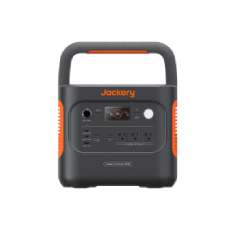
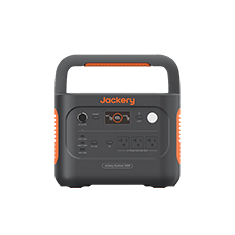
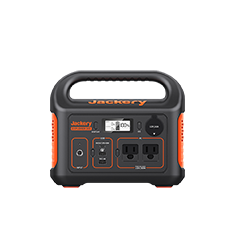
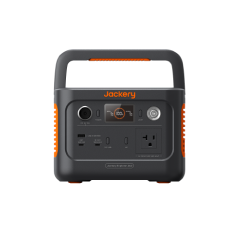
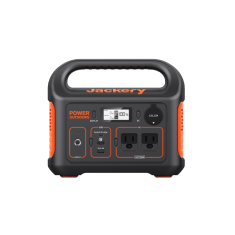
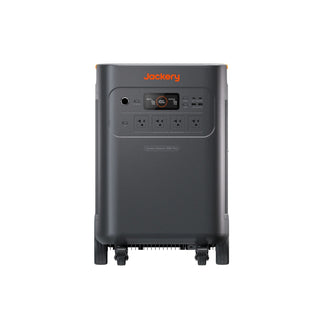
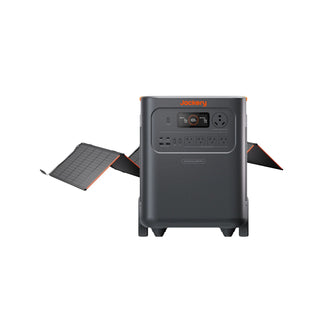
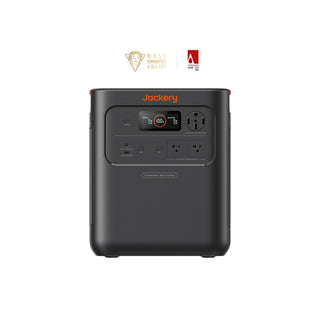
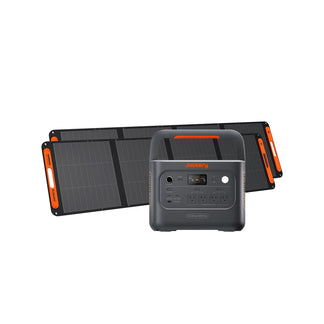
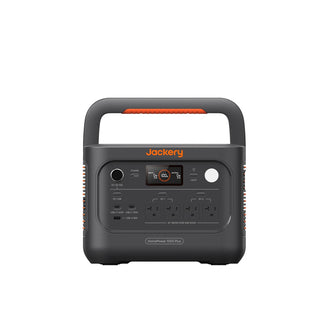
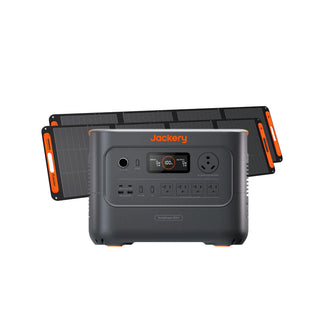
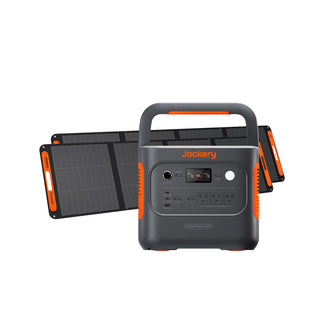
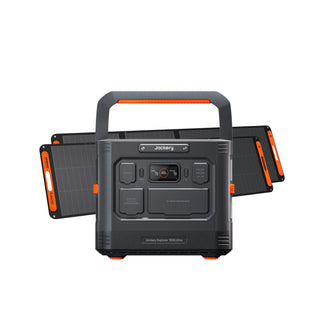
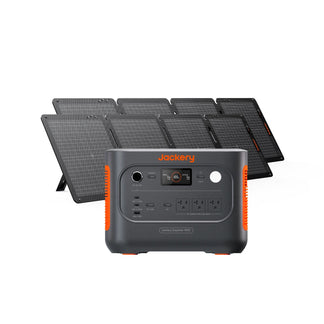
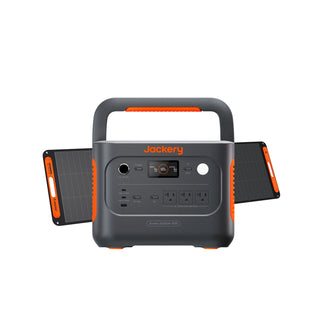
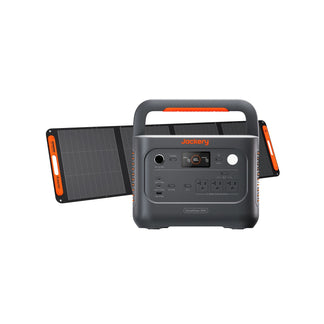
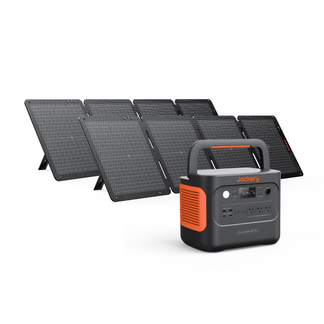
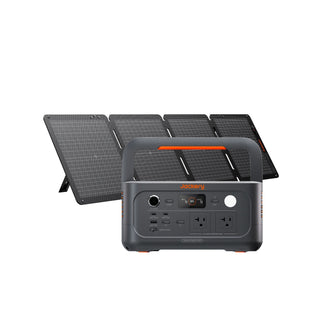
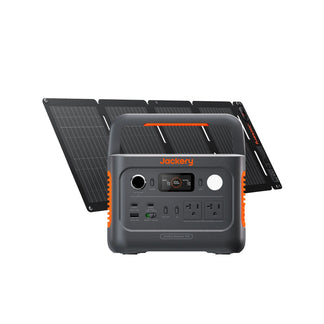
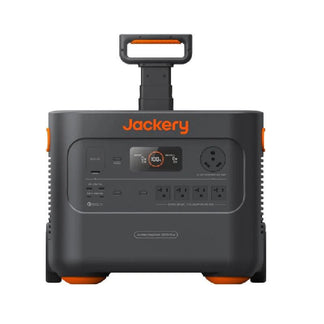
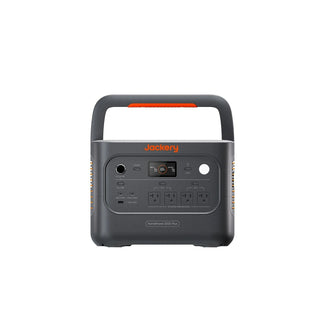
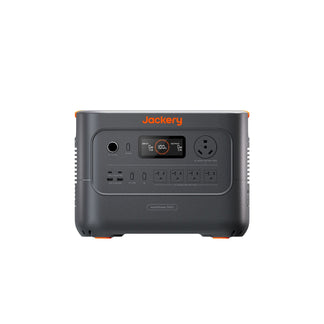
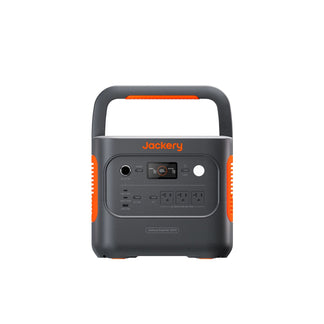
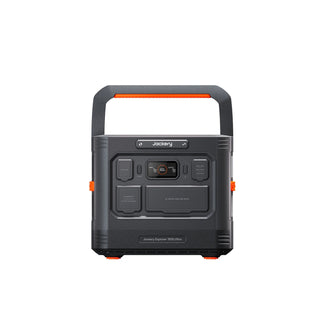
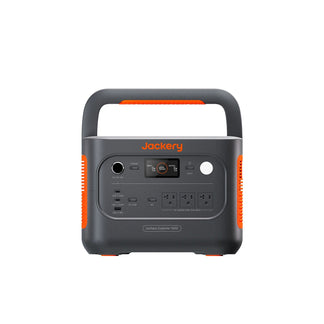
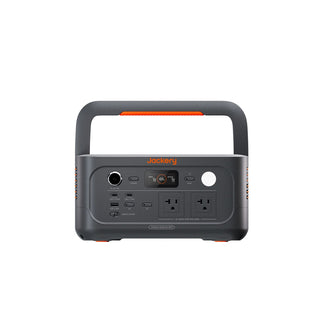
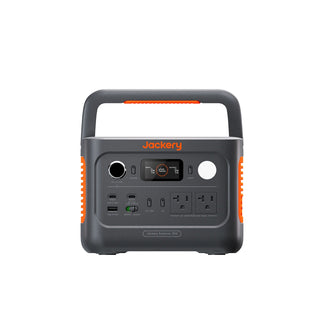
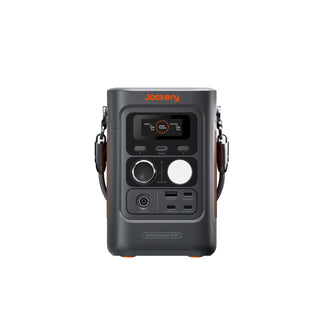
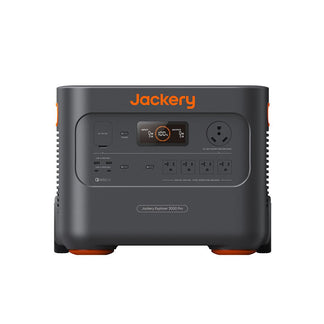
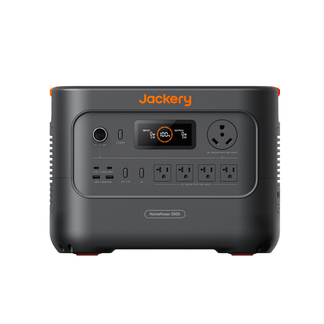
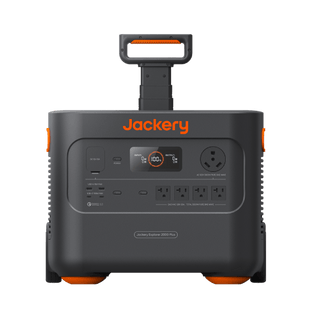
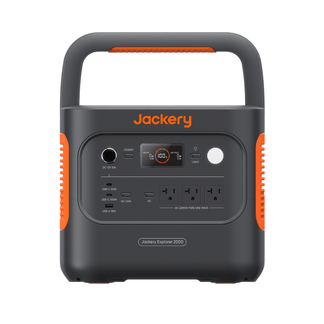
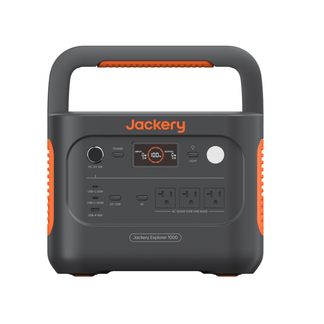
The Jackery Explorer 600 v2, 1000 v2, and 2000 v2 cover weekend car camping, part-time van dwelling, and full-time RV living, respectively. All use LiFePO₄ batteries and pure sine wave inverters.
Model |
Best For |
Capacity |
Weight |
Key Features |
|---|---|---|---|---|
Explorer 600 v2 |
Weekend car campers |
640Wh |
14.1 lbs |
500W continuous, 1000W surge, 100‑min AC charge to 80%, 200W solar input, 20ms UPS |
Explorer 1000 v2 |
Part-time van dwellers |
1070Wh |
23.8 lbs |
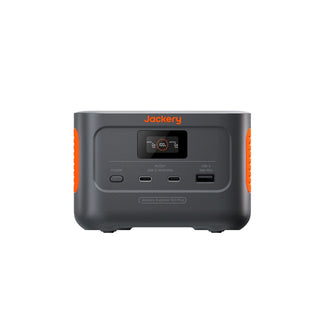
1500W continuous, 3000W surge, 1‑hr Emergency Super Charge, 400W solar input |
Explorer 2000 v2 |
Full-time RV travelers |
2042Wh |
39.5 lbs |
2200W continuous, 4400W surge, 1.7‑hr Emergency Super Charge, fast AC charging, <20ms UPS |
Jackery Explorer 600 v2 – Fits in carry‑on luggage; runs a fridge 6 hrs, a laptop 10 hrs, and LED lights 60+ hrs. Charges to 80% in 100 minutes via AC.
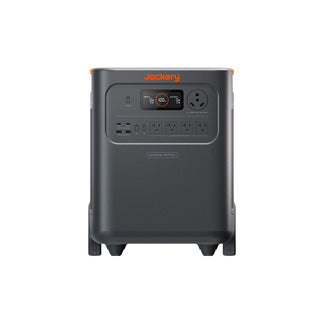
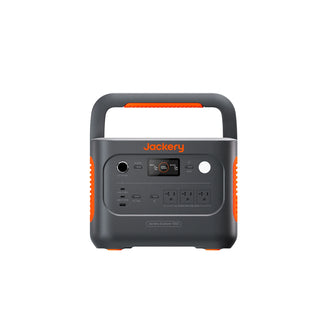
Jackery Explorer 1000 v2 – 1,500W continuous output handles inductive loads like a weed trimmer (1,100W) for 1.4 hours and covers fridge startup surge. Emergency Super Charge fills 0–100% in 1 hour. 400W solar input refills the unit in 4 hours of full sun.
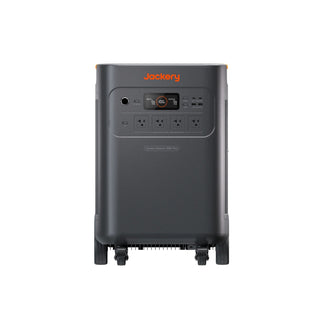
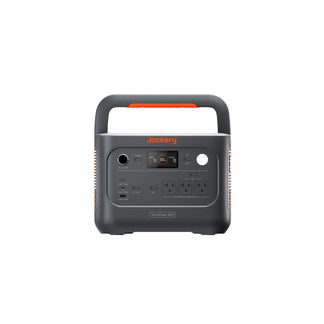
Jackery Explorer 2000 v2 – 2,042Wh capacity powers a microwave (1,160W) for 1.5 hrs and a portable AC (900W) for 2 hrs. 2,200W continuous output reliably starts RV appliances; <20ms UPS backs up sensitive electronics during shore‑power disconnects.
Frequently Asked Questions (FAQ)
Can I charge my power station while driving?
Yes, but a 12V 120W port adds only 120Wh per hour, so a full recharge typically requires 8+ hours of driving. It’s best for topping off, not primary charging.
How do I store my power station long-term?
Store LiFePO₄ units at 50–80% charge in a cool, dry place (50–77°F) to maximize calendar life. Avoid leaving it fully charged or fully depleted for months.
What size solar panel should I buy?
Match your panel to the station’s maximum solar input, and over‑panel by 20% to compensate for cloudy conditions. A 400W input station works best with 480W of panels.
Can I use my power station while it’s raining?
Only if the unit has an IP rating (water resistance). Most standard units must stay dry to prevent electrical damage — keep them inside the vehicle or under cover.
How do I dispose of an old power station?
Take it to a certified battery recycling center; never throw LiFePO₄ or Li‑ion batteries in household trash. Many electronics retailers offer free drop‑off.


