

















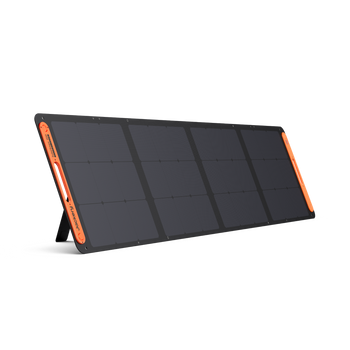




![[Add-on] Jackery SolarSaga 500 X - Jackery](http://www.jackery.com/cdn/shop/files/add-on-jackery-solarsaga-500-x-1493607.webp?v=1786503068&width=324)
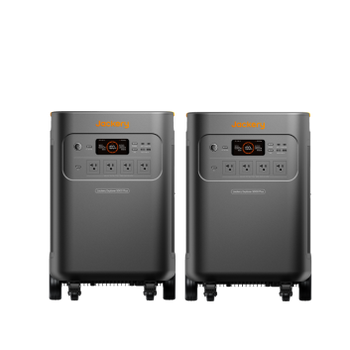
![[Add-on] Jackery Battery Pack 5000 Plus - Jackery](http://www.jackery.com/cdn/shop/files/add-on-jackery-battery-pack-5000-plus-6713401.webp?v=1786503068&width=324)

















![[Add - on] SolarSaga 200W - Jackery](http://www.jackery.com/cdn/shop/files/add-on-solarsaga-200w-4834329.png?v=1754016915&width=324)
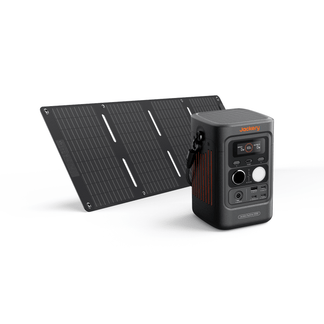


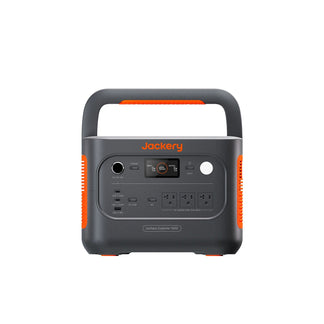
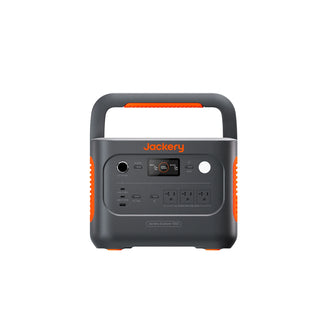
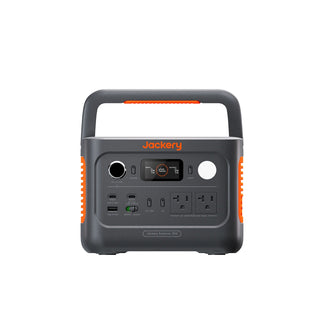
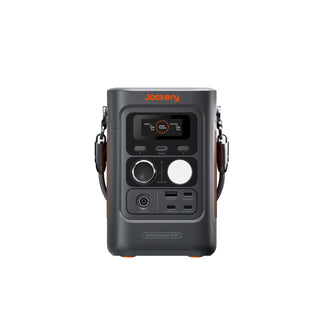
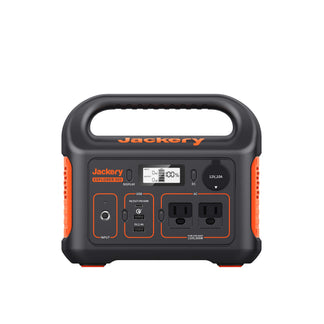
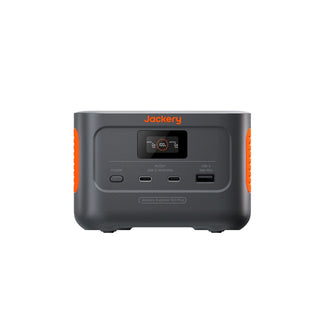
Yes, most Jackery Portable Power Stations arrive partially charged, typically around 50-60%, so they are safe for transport and ready for basic use right out of the box.
Jackery Portable Power Stations are shipped with a partial charge because LiFePO4 or NMC batteries perform best when stored and transported at a mid-level state of charge. This protects the internal cells during shipping, ensures compliance with global battery-transport regulations, and keeps the battery healthy even before it reaches you. So when you unbox a new Jackery Portable Power Station, you will usually see the battery indicator around the halfway mark, rather than being completely full or fully empty.
A mid-level charge also gives you a practical starting point. You can power on the display, test the input/output ports, and even run small electronics immediately after unboxing. At the same time, it is recommended to fully charge the Jackery Portable Power Station before heavy or extended use. This helps the battery management system (BMS) calibrate accurately from day one, ensures stable performance, and sets up the power station for a long lifespan.
Takeaways
- New Jackery Portable Power Stations typically arrive with a 50 - 60% charge for safe and compliant shipping.
- Most shipping guidelines require batteries to be sent at 40 - 60% state of charge for safety, battery health, and transport regulations.
- You can use a Jackery Portable Power Station right out of the box, but fully charging before heavy use is recommended.
- The best first-time charging method is to use AC wall charging and solar panels, though car charging is also supported, depending on the model.
How Much Charge Does a New Jackery Typically Have?
Most new Jackery Portable Power Stations arrive with a charge of around 50% to 60%. This level is intentional. NMC and LiFePO4 batteries are shipped partially charged because it is the safest and most stable condition for transport. It also helps protect long-term battery health before the product ever reaches your home.
A 50 - 60% charge in the portable power station is enough for you to power it on, explore the settings, and run a few small devices. However, it is not meant for heavy use right away. Before relying on the Jackery Portable Power Station for outages, travel, or outdoor work, bringing it to a full charge ensures better performance and accurate battery calibration.
What is the Recommended Charge Level for Shipping?
As mentioned above, most Jackery Portable Power Stations are shipped at 40% - 60% battery capacity, which is the accepted standard for transporting NMC and LFP batteries. This level is considered the safest because it keeps the battery chemically stable during long-distance travel and prevents stress or degradation while the product is in storage or transit. Here are some reasons why the solar generators from Jackery come partially charged:
- Safety Compliance: Lithium batteries must follow international transport rules, including limits on State-of-Charge. 30%-60% is considered the safest range.
- Battery Longevity: A partially charged battery ages more slowly than a battery stored at 0% or 100%.
- Transit Protection: Prevents overheating, swelling, or stress during warehouse and shipping conditions.
- Ready for Immediate Setup: Ensures the power station turns on right out of the box and can be used lightly before its first full charge.
Can You Use the Jackery Immediately Out of the Box?
Yes, you can use a new Jackery Portable Power Station straight out of the box because the 40% - 60% ship charge is enough to power small devices. However, if you plan to use the power stations for heavy loads such as refrigerators, power tools, heating appliances, or multi-device setups, it is recommended to charge the power station to 100% first.
How Should You Charge Your New Jackery for the First Time?
A new Jackery Portable Power Station can be used right away, but giving it a full initial charge ensures the battery calibrates correctly and delivers accurate runtime estimates. First-time charging is simple, and every power station supports multiple charging options, including AC wall charging, car charging, and solar charging, so you can choose the method that fits your setup. Whether you use a small battery backup or an essential home backup power solution, the goal is the same: bring the battery to 100% before your first heavy use.
Can You Charge Using AC Wall Outlet, Car Charger, or Solar Panels?
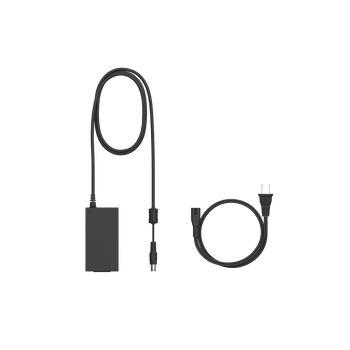
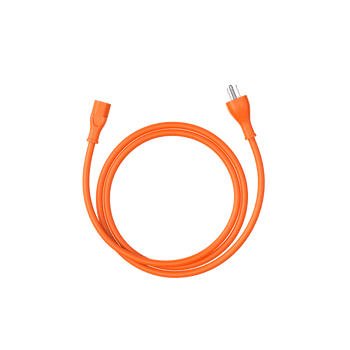
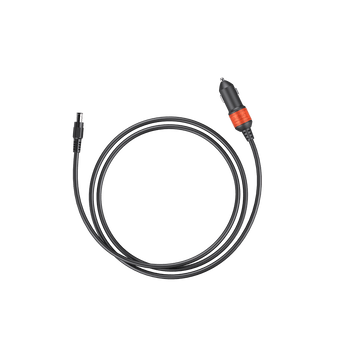
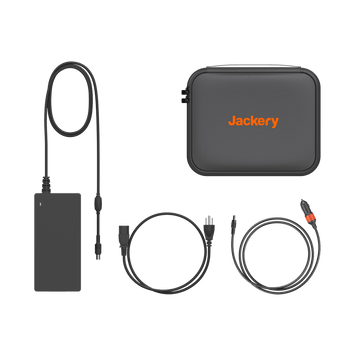
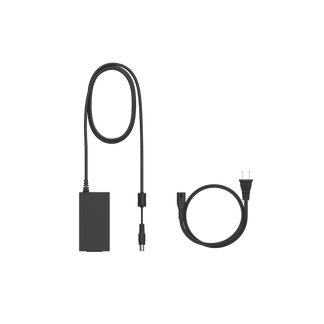
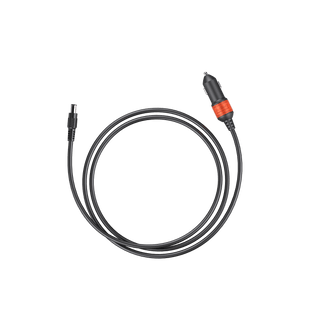
Yes, you can charge the Jackery Portable Power Stations via AC outlet, solar panels, and a car charger (if supported). They can also be charged with the help of a generator, so you are never left without power, even when there is no sunlight or grid power. The charging time will depend on the portable power station you have and its battery capacity. In simple words, the larger the battery capacity, the longer it will take to recharge.

Should You Fully Charge Before Using Your Jackery Heavily?
Yes. A full 100% charge helps the internal Battery Management System (BMS) calibrate its readings. This improves long-term accuracy for estimated runtime, remaining percentage, and charge cycles. You can use the power station immediately, but it’s best to fully charge it before powering anything energy-intensive, such as refrigerators, heaters, or high-output tools.
How Do You Know When the First Charge is Complete?
You can easily confirm when your Jackery Portable Power Station has reached 100% by viewing the LED/LCD display, app notifications, and indicator lights, depending on what is available.
- LED/LCD Display: Most home battery backups from Jackery display the charging percentage and input wattage on the front screen. When the number reaches 100% and the input drops, charging is complete.
- App Notification (Supported Models Only): Some Jackery Portable Power Stations show charging status inside the Jackery app, including real-time wattage and completion alerts.
- Indicator Lights: Smaller battery backups use simple LED indicators that switch to “full” or reduce input load once charging is complete.
What is the Best Way to Store a Jackery for Long-Term Use?
Proper long-term storage helps preserve battery health and ensures your Jackery Portable Power Station is ready when you need it. Even though most Jackery Portable Power Stations can sit unused for months, these batteries perform best when stored in a controlled environment with the right charge level. Below are easy-to-follow storage practices:
- Store at a Partial Charge: Keep the battery at 40 - 60% before storing. This preserves battery chemistry and prevents unnecessary stress on the cells.
- Choose a Cool, Dry Location: Avoid direct sunlight and extreme heat. High temperatures accelerate battery degradation.
- Avoid Full Discharge During Storage: Check the power station every 3 - 6 months and recharge it slightly if the battery drops too low.
- Disconnect All Cables and Accessories: Remove solar panels, car chargers, or plugged-in devices to prevent slow, passive drain.
- Keep It Away From Moisture: Store the power station in a clean, dry area to prevent corrosion or damage to ports.
- Avoid Storing in Vehicles: Car interiors can reach unsafe temperatures, which can shorten battery lifespan.

FAQs
Does Jackery charge while in use?
Yes. Most Jackery Portable Power Stations support pass-through charging, which means they can power devices while the battery itself is charging. However, charging speed may be reduced because power is being shared between charging the power station and running your appliances. For heavier loads, it’s better to fully charge the power station first for accurate cycle tracking and battery health.
How long does it take for Jackery to charge?
Charging time varies by power station and the charging method used. You can check the product page or the user manual to see how long it takes for the Jackery Portable Power Station to charge.
How do you use a power bank for the first time?
You can use it right out of the box because it arrives partially charged, but the best practice is to plug it into an AC outlet and bring it to full charge before any heavy or long-duration use. This helps the battery management system calibrate properly and gives you an accurate reading of runtime and remaining capacity.
How do I know if my Jackery is charging?
Most Jackery Portable Power Stations include a clear charging indicator on the display panel showing input wattage and battery percentage. Some power stations also display an estimated time to full charge. If your power station supports the Jackery app, you’ll see real-time charging status, notifications, and input details directly on your phone.
Conclusion
A new Jackery Portable Power Station usually arrives with a safe, partial charge, so you can turn it on immediately and get familiar with the display, ports, and app controls. But for the best long-term performance, the smartest first step is to fully recharge the power station before putting it under heavy load. Once it’s charged, you can rely on the Jackery Portable Power Station for everyday tasks, outdoor activities, emergency preparedness, or powering essential appliances. With proper care, Jackery products remain dependable for years, making the initial charge a simple yet important step to getting the most out of your power station.


