










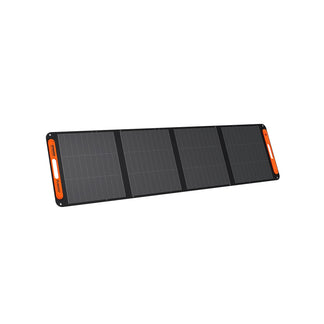
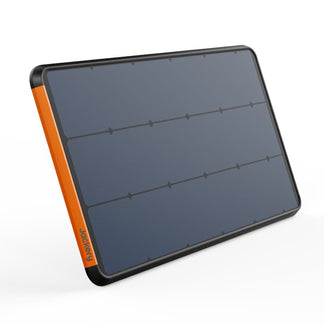
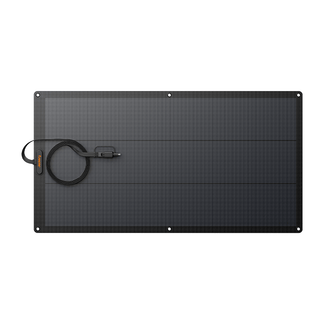
![[Add-on] Jackery SolarSaga 500 X - Jackery](http://www.jackery.com/cdn/shop/files/add-on-jackery-solarsaga-500-x-1493607.webp?v=1786503068&width=324)
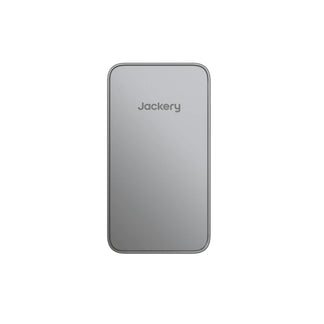
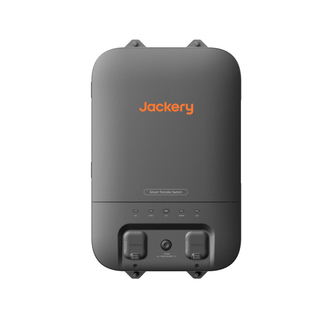
![[Add-on] Jackery Battery Pack 5000 Plus - Jackery](http://www.jackery.com/cdn/shop/files/add-on-jackery-battery-pack-5000-plus-6713401.webp?v=1786503068&width=324)







Most people don’t think about home backup power until the lights go out. Then they’re scrambling. The good news is that building a reliable home backup solution doesn’t require a contractor, a permit, or a six-figure budget. With a portable solar generator from Jackery, you can have meaningful backup power set up and ready to use in under an hour.
This guide breaks down the three main home backup system budget tiers under $500, $1,000–2,000, and $3,000 and up, and matches each to the Jackery Solar Generator that fits it best. Whether you are a renter protecting your devices or a homeowner who’s been through a three-day storm outage, there’s a tier here that fits your situation.
Key Takeaways
- A complete home backup solution covers three things: stored power, a recharge source, and knowing what to plug in.
- Most power outages are short, but storm-related outages can stretch 24–72 hours, and your tier should match your region’s risk.
- Jackery offers different solar generators and portable power stations at every price point, from compact emergency kits to expandable home battery backup systems.
What Does a Complete Home Backup System Actually Include?
A home battery backup system isn’t just a battery but a complete setup that has three working parts: a power storage unit (your power station), a recharge source (solar panels or a wall outlet), and a load plan, meaning you’ve thought through which appliances you’ll actually run and in what order.
You don’t need to power everything in your house during an outage. You need to power the right appliances. A well-planned home battery backup system keeps your food cold, your medical devices running, and your phones charged.
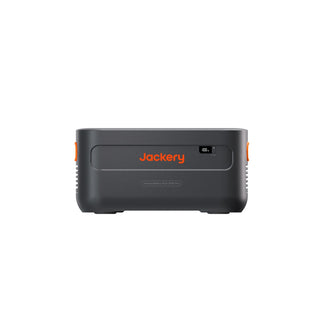
On the storage side, capacity is measured in watt-hours (Wh). A 600Wh battery holds roughly the same energy as six fully charged laptop batteries. A 2,000Wh battery can run a full-size refrigerator all day. A 3,600Wh battery with expandable battery packs starts approaching the kind of coverage that makes a multi-day outage manageable rather than miserable.
On the recharge side, solar panels change the math completely. A power station without solar panels is a finite reserve, meaning you use what’s stored and wait for the grid to come back. A power station with a solar panel is a system that refills itself every day the sun is out. For any outage longer than 12 hours, solar input is the difference between running out and staying covered.
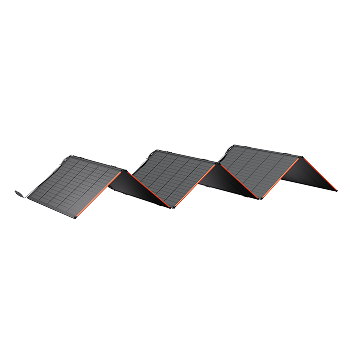
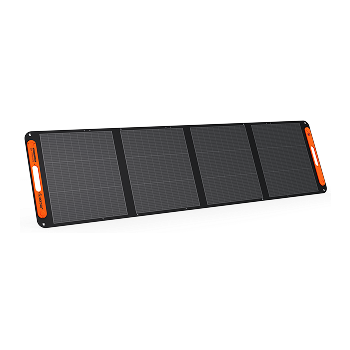
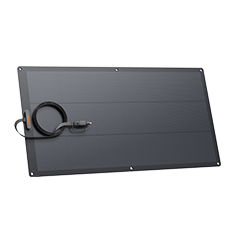
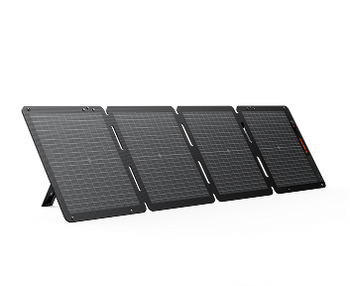
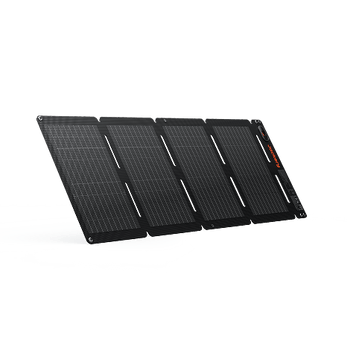
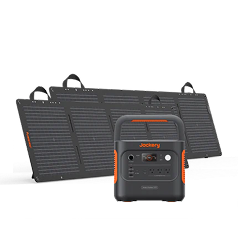
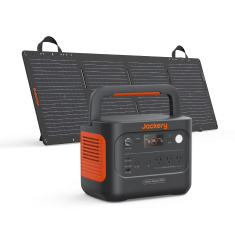
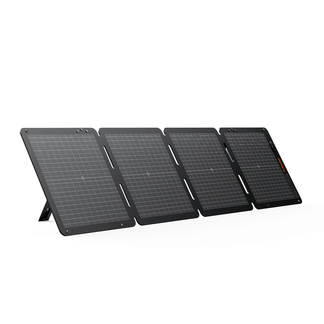
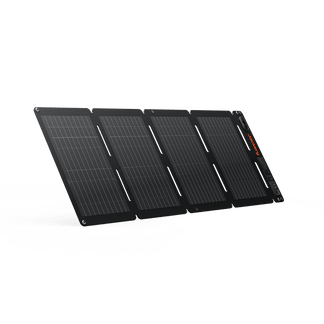
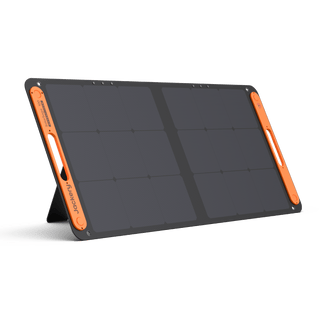
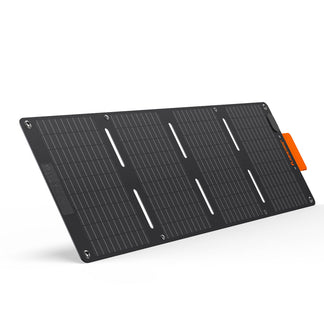
Jackery SolarSaga Solar Panels are purpose-matched to each power station, so you are not guessing about compatibility or charge rates. Portable solar generators like Jackery’s lineup require zero installation. You plug in your appliances directly, recharge from the sun or a wall outlet, and you’re covered. For most households, that’s more than enough.
How to Determine Which Home Backup System Budget Tier is Right?
To determine the right home backup system budget tier, you should start by calculating your essential energy load (running wattage plus startup surges). Then, you can match your usage expectations (short outages vs. long-term off-grid needs) with the home backup system’s capacity before choosing a tier.
What Appliances Should You Prioritize During a Power Outage?
Before you think about which Jackery home backup system tier to get, think about what you actually need to run. A simple triage framework helps here. You need to work through it top to bottom and stop when you’ve covered what matters most to your household.
Food Preservation: A full-size refrigerator runs around 150W. That sounds modest until you calculate daily runtime: 1,200Wh, or 1.2kWh. Keeping the fridge cold through a two-day outage means not throwing out $200 worth of groceries, and often justifies moving up a tier on its own.
Communication: Your phone and a WiFi router together draw under 30W combined. These are the easiest wins in any backup setup. Even the smallest Jackery Solar Generator keeps running for days.
Comfort: Fans, lights, and TV matter during long outages and significantly improve the experience, but they’re the first things to deprioritize if you’re working with limited capacity.
Once you’ve worked through this list, you have a clear wattage target. Add up the running watts of your priority appliances, multiply by the hours you’d run them overnight, and you have your minimum capacity requirement. This number will help you choose the right home backup system budget tier.
How Long Do Most US Power Outages Actually Last?
According to the Census.gov, approximately 70% or 23.6 million of the households reporting an outage in the US said that at least one outage lasted 6 hours or more. Storm-related outages from hurricanes, ice storms, derechos, and severe thunderstorms routinely last 24 to 72 hours. Major grid events, like the 2021 Texas freeze, left millions of households without power for a week or more.
Where you live shapes how much capacity you actually need. If you’re in the Midwest or Pacific Northwest, with reliable infrastructure and mild weather, a compact battery backup designed for overnight coverage may be all you’ll ever need. If you are on the Gulf Coast, in Florida, or in the Carolinas, or anywhere that sees regular hurricane activity, planning for 48–72 hours of essential coverage is the smarter call. The additional cost of moving up a tier is almost always less than the cost of the outage you didn’t prepare for.
Which Jackery Setup Fits Each Budget and What Can It Actually Power?
Choosing the right Jackery Solar Generator setup depends directly on your power needs and budget. Each home backup system budget tier below pairs a specific Jackery product with realistic appliance runtimes and a clear profile of who it’s built for.
Under $500: What Can a Basic Emergency Setup Actually Handle?
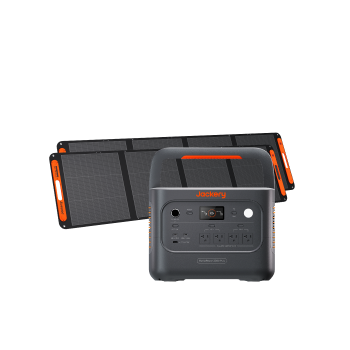
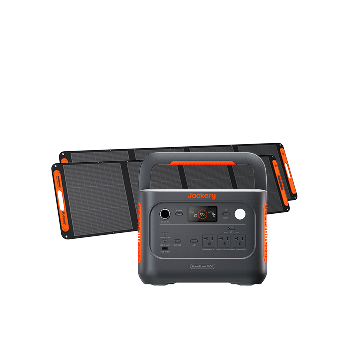
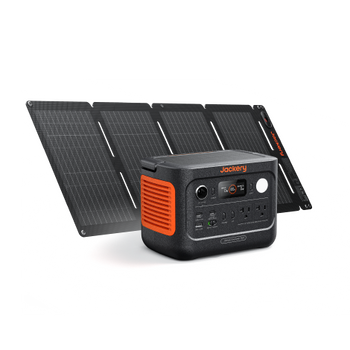
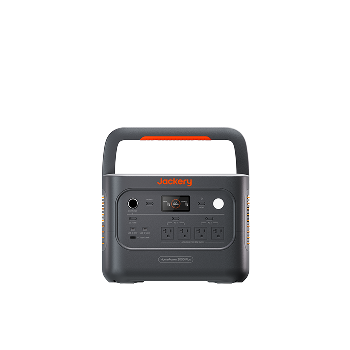
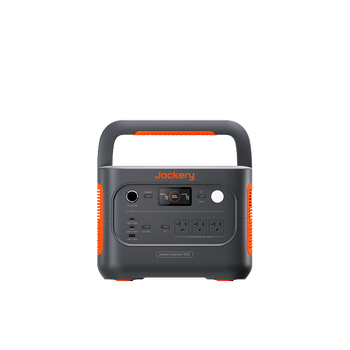
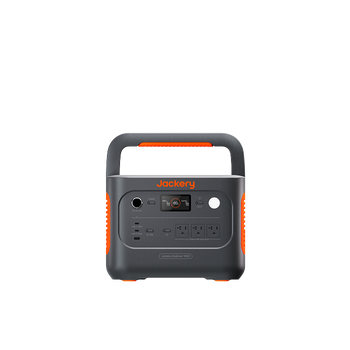
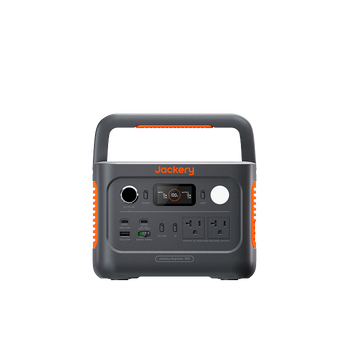
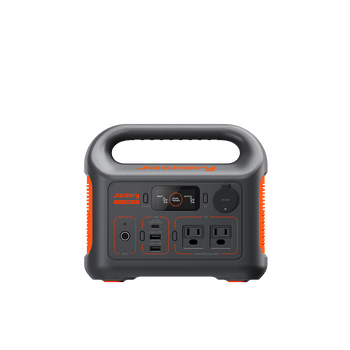
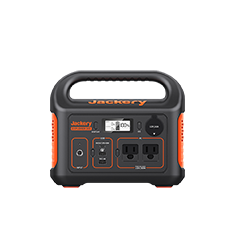
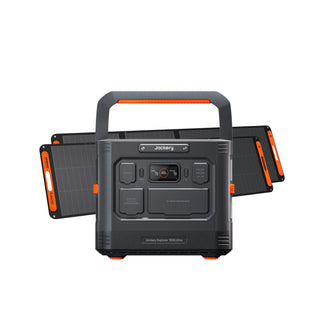
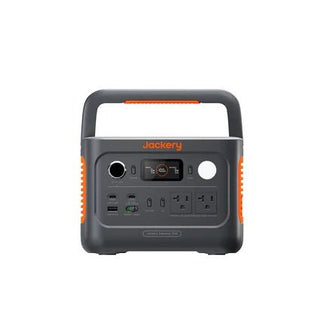
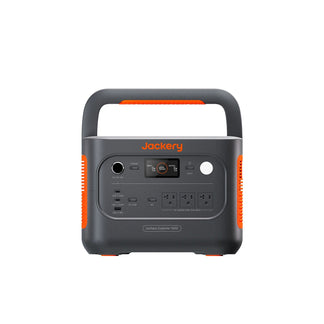
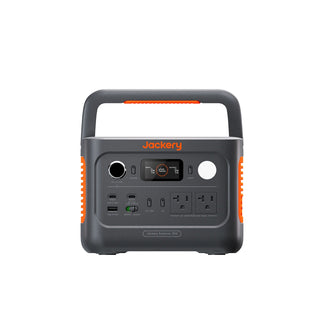
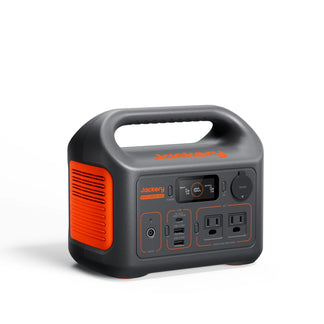
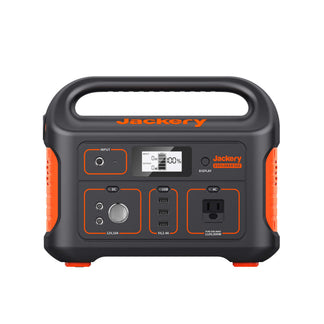
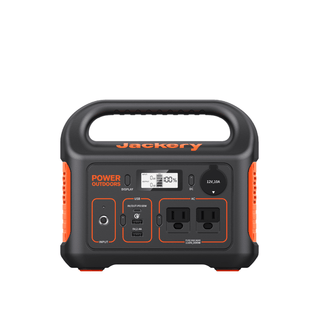
The Jackery Solar Generator 300 v2 is the entry point for a capable emergency kit. It has a capacity of 288Wh and offers a 300W stable output, so you can power basic indoor or outdoor appliances. It is ultralightweight and comes with a foldable handle for effortless portability. With the multiple output ports, you can power laptops, cameras, and drones at once.
The Jackery Solar Generator 300 v2 also has an Energy-Saving Mode with auto-off or continuous output options for silent. With the help of the wall outlet or solar panels, the Jackery Explorer 300 v2 Portable Power Station can be recharged to 80% in just one hour. If you aim to power basic appliances, such as phones, cameras, drones, etc., during a short outage, this home backup system budget tier would meet your needs.

When a major hurricane knocked out power across her part of Florida last year, Tifa Lynn found herself doing something she hadn't anticipated: driving miles through flooded streets searching for gasoline for a generator that was too loud, too fume-filled, and too unreliable to support the work she couldn't put down.
The generator kept the lights on in a pinch, but it couldn't hold up her full setup, including PCs, server, peripherals, modem, and it certainly couldn't give her the stability her job demanded. A small Jackery Solar Generator she already owned bridged part of the gap, powering her laptop through most of the outage.
Explore more such Jackery Stories to see how people use their home backup and outdoor solutions.
$1,000–2,000: What Does a Standard Household Backup Setup Cover?
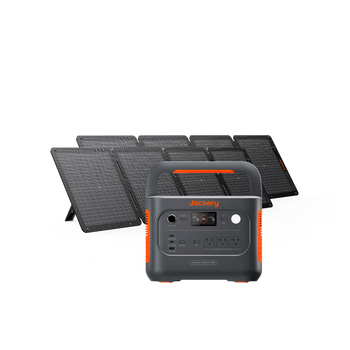
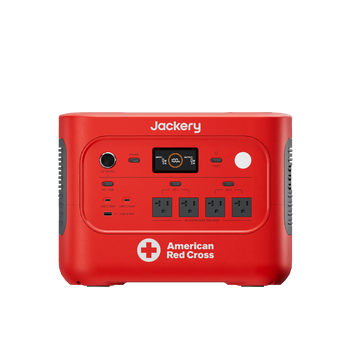
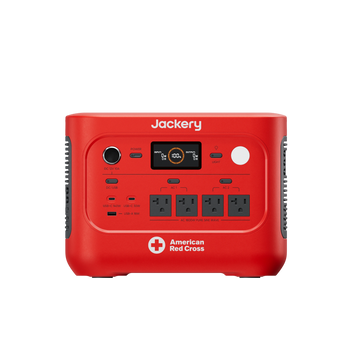
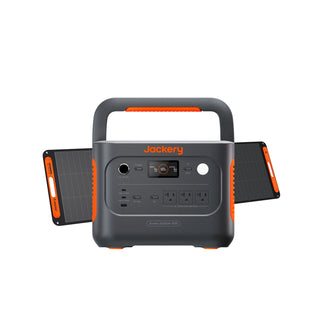
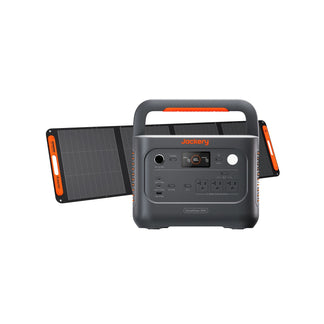
At the home backup system budget tier, you are moving from emergency coverage to genuine household backup. Two essential home backup solutions that fit in this price range: the Jackery Solar Generator 2000 Plus and the Jackery Solar Generator HomePower 3000.
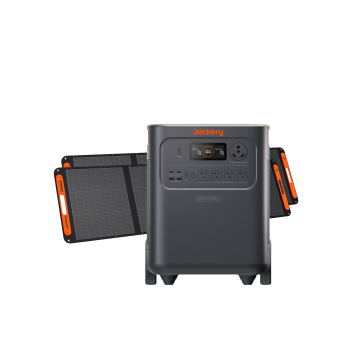
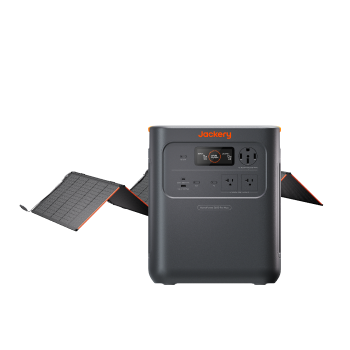
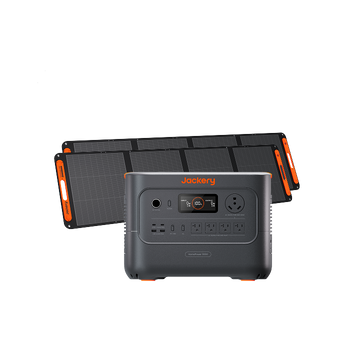
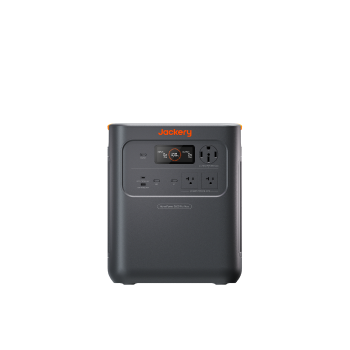
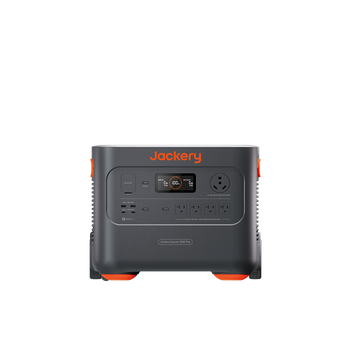
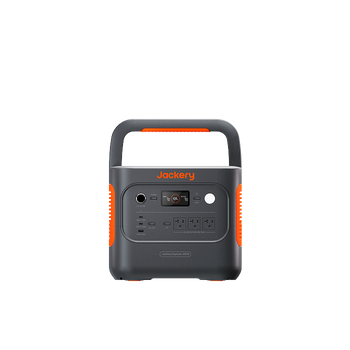
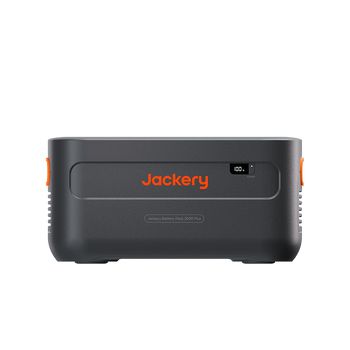
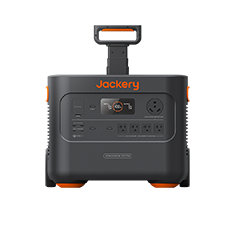
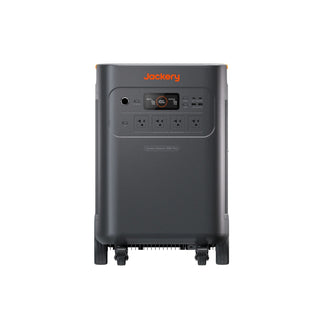
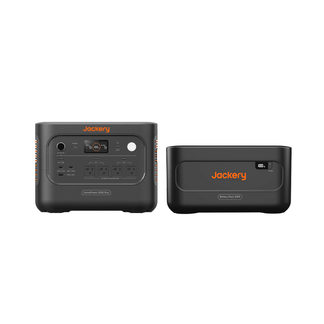
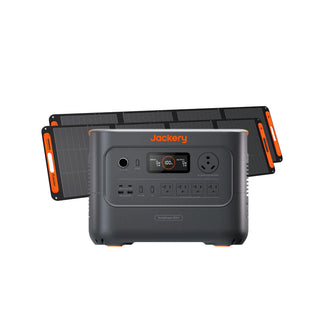
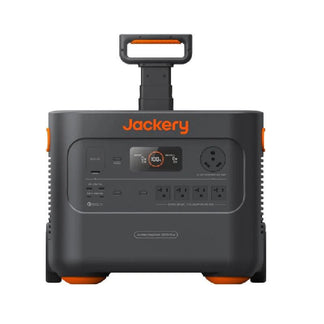
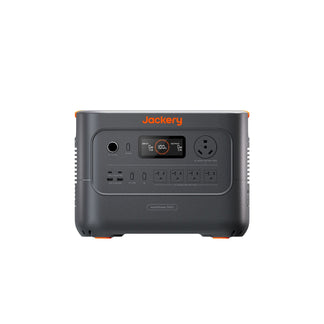
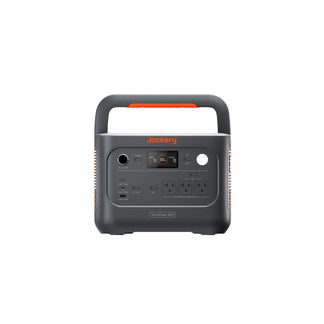
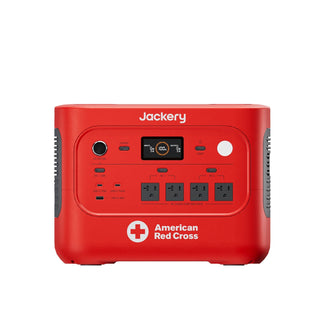
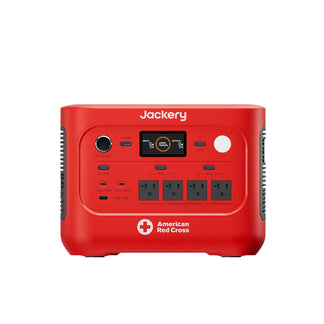
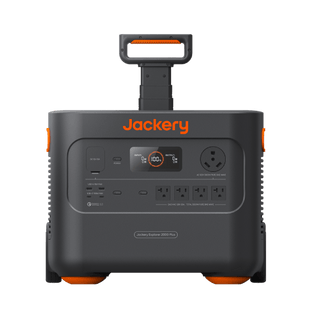
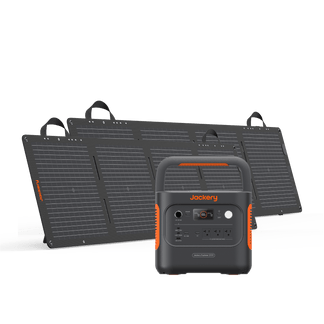
The Jackery Solar Generator 2000 Plus is an expandable solar generator that can power most home appliances during unexpected power outages. With 20ms of emergency power support, essential household appliances like your refrigerator stay powered in the blink of an eye during an unexpected power outage. If your power needs grow in the future, you can increase its capacity with additional battery packs.
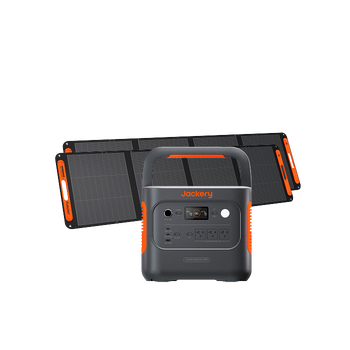
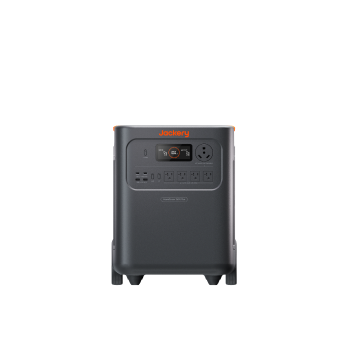
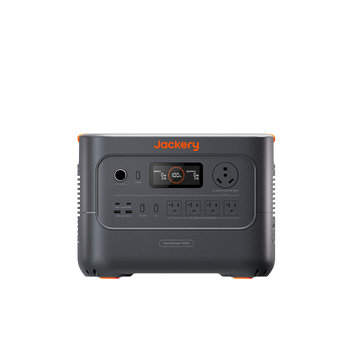
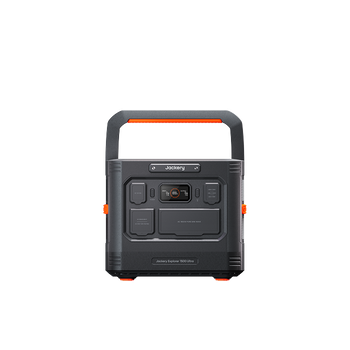
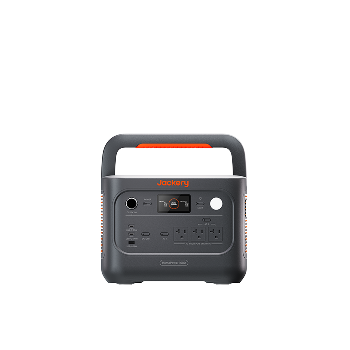
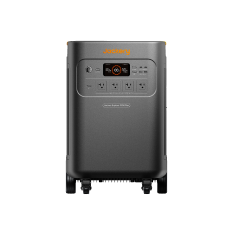
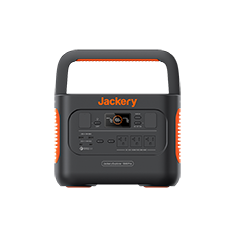
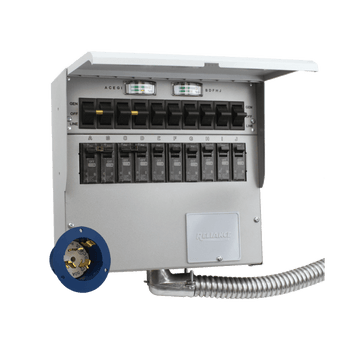
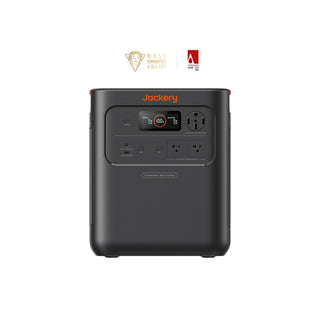
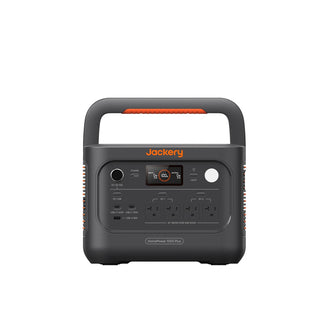
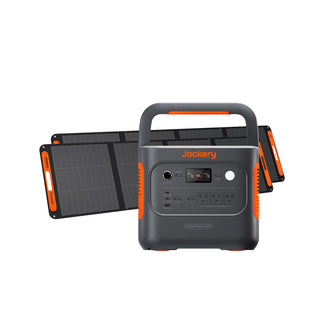
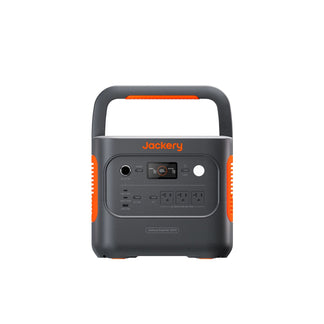
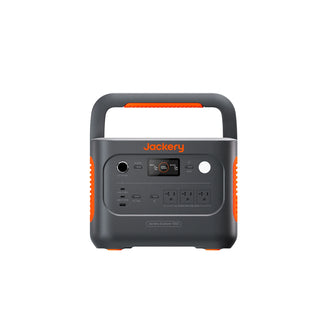
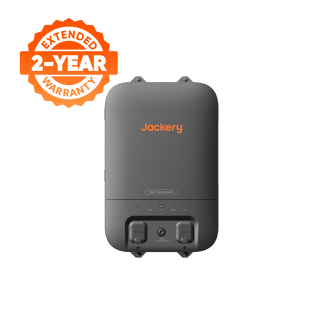
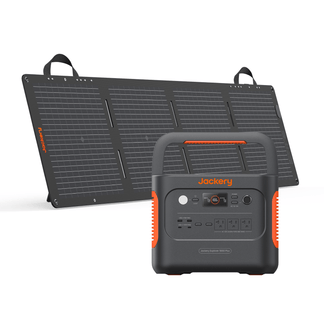
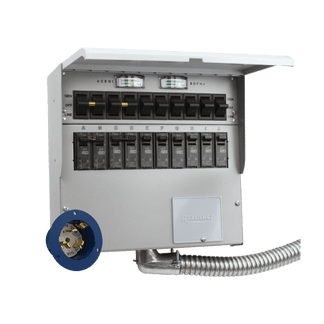
The Jackery Solar Generator HomePower 3000 is another essential home backup solution that pushes capacity higher and lets you run most household appliances for hours. For example, you can run a refrigerator to keep food fresh during the outage or an electric stove to cook. It features handles and an ergonomic design that let you transport the power station wherever you go. You can also add the Jackery Manual Transfer Switch to feed power directly to the home circuits.

At this capacity, a full-size refrigerator runs 12–13 hours on a single charge. When you add consistent solar recharge, that number stretches across multiple days. A box fan runs for well over a day. Your WiFi router runs for 150+ hours, and a coffee maker for a brew cycle. You can charge basic household devices in the house multiple times before needing to think about conservation.
If you own your home and have a family to keep comfortable through a 24–48-hour outage, this is the home backup system budget tier that matches your needs. Food stays cold, the house stays livable, and no one is sleeping in the dark or losing track of a medication schedule. For most single-family homeowners in moderate-risk regions, this is the tier that makes the most sense.
$3,000 and Up: What Does Whole-Home Coverage Actually Look Like?
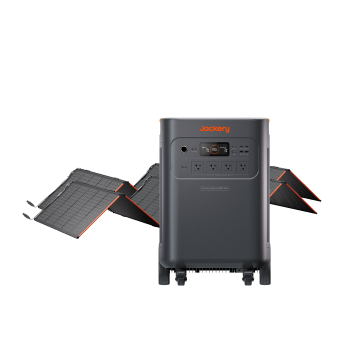
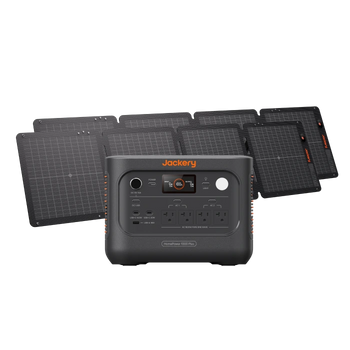
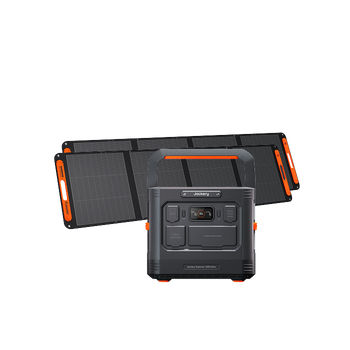
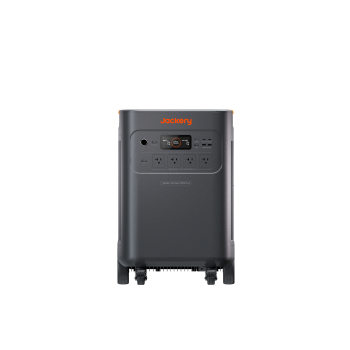
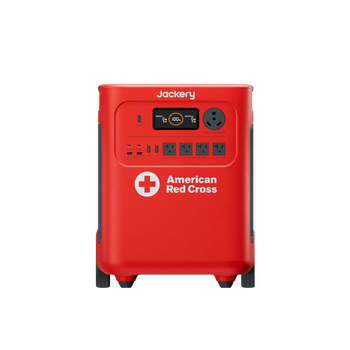
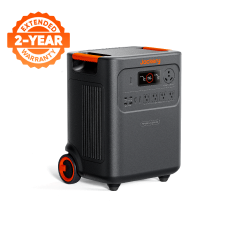
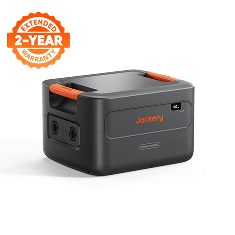
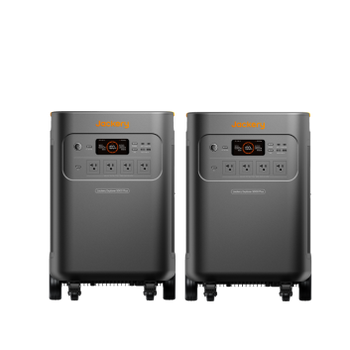
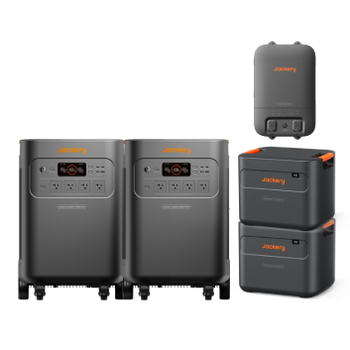
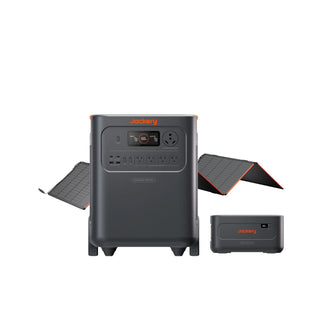
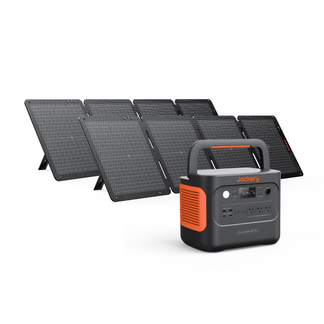
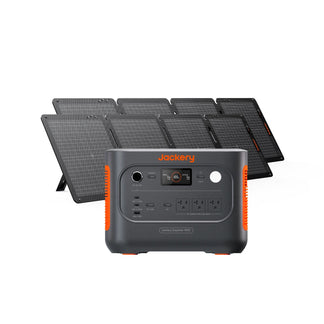
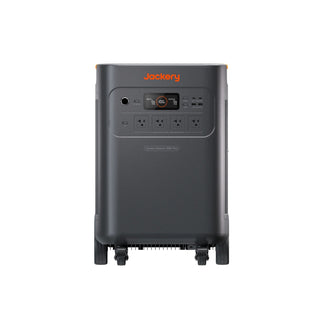
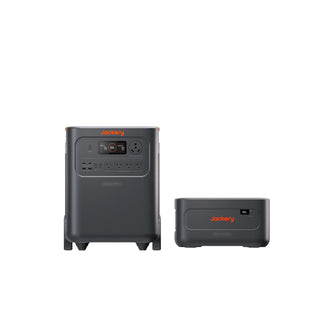
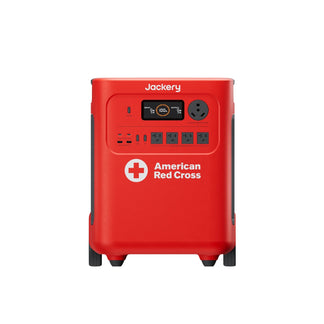
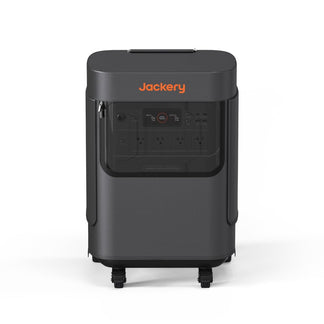
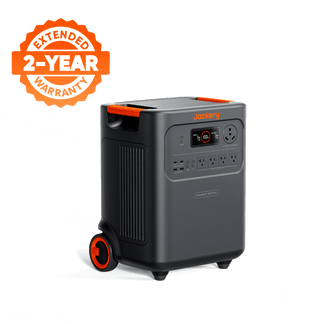
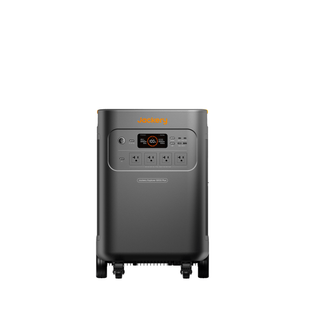
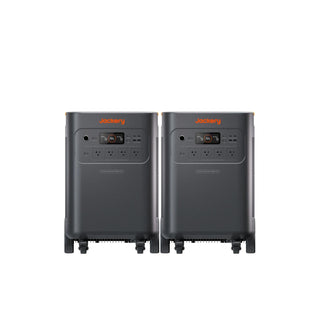
At the top tier, the Jackery Solar Generator HomePower 3600 Plus and the Jackery Solar Generator 5000 Plus with expandable battery add-ons deliver the kind of capacity that makes a multi-day outage genuinely manageable rather than just survivable.
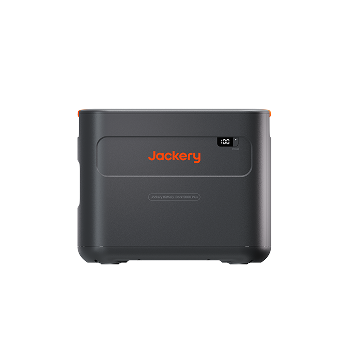
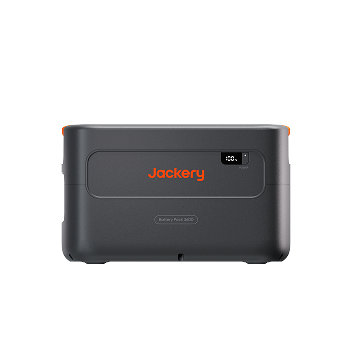
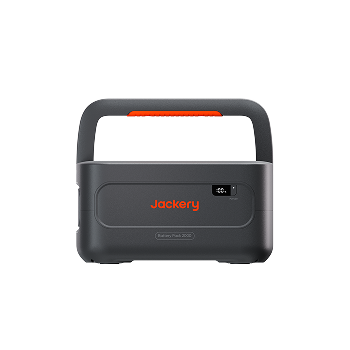
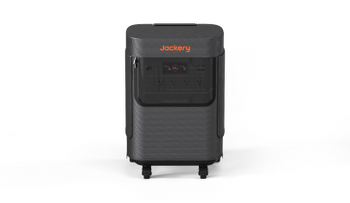
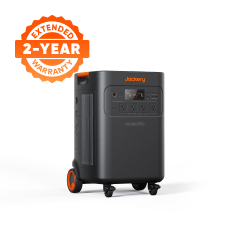
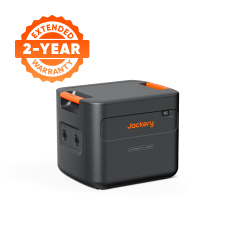
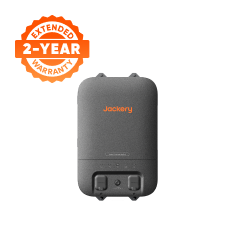
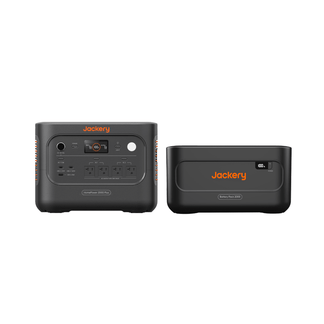
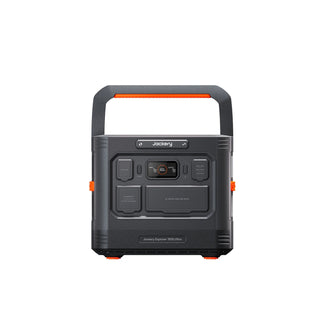
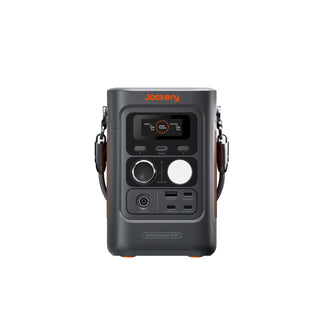
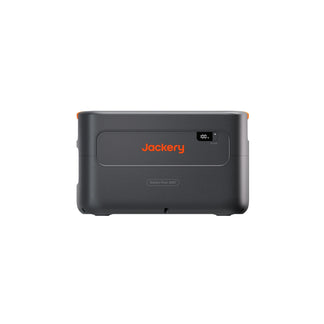
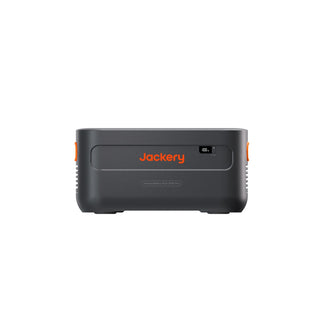
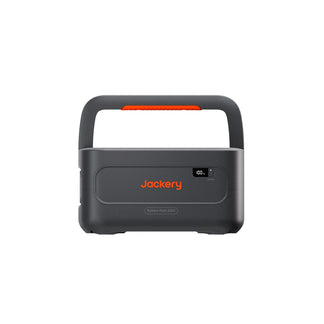
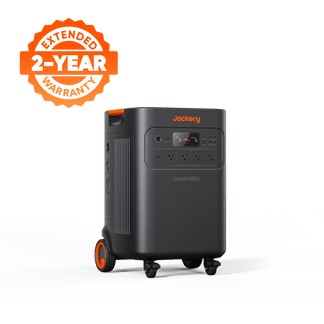
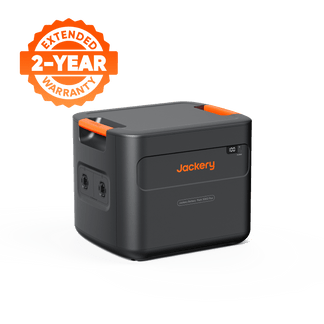
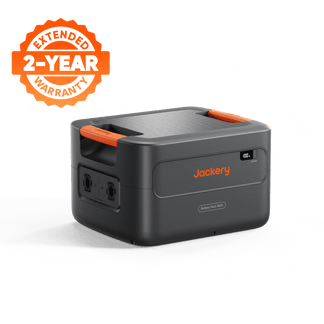
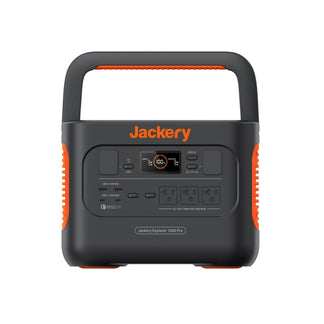
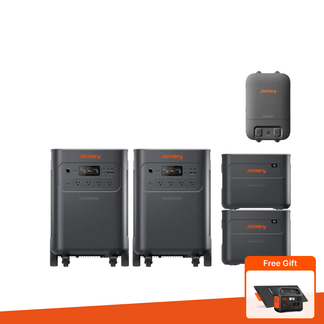
The Jackery HomePower 3600 Plus starts at 3,584Wh and supports multiple additional battery packs to expand the total capacity up to 21kWh or 43kWh with another battery unit. That’s enough to run a full household for days. It can handle high-draw appliances like window AC units, induction cooktops, etc. The Jackery Explorer 5000 Plus starts at 5kWh and expands up to 30kWh or 60kWh with add-on batteries and another unit, making it one of the most scalable portable backup systems.

At this tier, you don’t have to think about which appliances to run. These essential home backup solutions support major appliances, so your refrigerator and freezer stay on, and you can run a window AC unit on a rotation with solar recharge, keeping at least one room comfortable during a hot-weather outage.
If you’re in a hurricane corridor, you’ve been through a 3–5-day outage before, or someone in your household has medical equipment that cannot be shut off, this is your tier. These aren’t just home backup system components but a full energy infrastructure that you own, can expand over time, and can recharge every day from the sun.
How to Prepare Your Home Backup Plan Before an Outage Hits?
Preparing your home for a power outage requires three core steps: building an emergency supply kit, establishing a household communication plan, and securing a reliable backup power source. By preparing these elements in advance, you ensure safety, prevent food spoilage, and maintain critical communication lines in the event of a grid failure. Here is more information on how to prepare for long-term power outage:
- Make your appliance priority list now. Write down the three to five appliances you would run during an outage, ranked by importance. You can list medical devices, a refrigerator, a router, etc. That list is your draw calculation, and it tells you whether your current setup is actually sized for what you need.
- Calculate your daily watt-hour number. Multiply each appliance’s wattage by the hours you run it per day. A 150W refrigerator running 8 hours is 1,200Wh. You can add it up and compare it to your station’s capacity. If the numbers don’t line up, solar recharge is helpful.
- Store a heavy-duty extension cord and a power strip rated for the load. Make sure both are rated for your power station’s output. A 15A power strip is adequate for most setups under 1,800W. For 2,000W and above, use a 20A-rated strip. Running a high-draw appliance through an undersized cord creates heat and trips breakers.
- Check your charge level every month. Jackery Portable Power Stations at 20% charge when the grid goes down is significantly less useful than one at 90%. Set a recurring reminder and recharge it from a wall outlet as needed. Most Jackery Portable Power Stations hold their charge well over 30 days, but a monthly check costs nothing and guarantees you’re ready.
- Know your solar recharge window. In summer months across most of the US, you have 5–6 peak sun hours per day. In winter or overcast climates, that drops to 3–4. A 200W panel in 5 peak hours delivers ~1,000Wh. Knowing your local solar window tells you how quickly your station recovers between usage cycles during a multi-day outage.
Conclusion
Building a reliable home backup system doesn’t require a massive budget or a complicated installation. The three home backup system budget tiers in this guide, under $500 for basic emergency coverage, $1,000–2,000 for standard household backup, and $3,000+ for essential home resilience, have a purpose-matched Jackery Solar Generator behind them. Start with your appliance priorities and factor in how long outages typically run in your region. Then choose the tier that covers your real needs. Jackery’s expandable solar generator lineup is designed to scale with you, so whatever you start with, you can always expand your capacity as your situation changes.


