

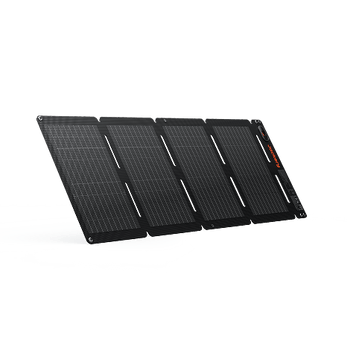

















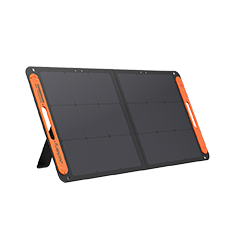



![[Add-on] Jackery SolarSaga 500 X - Jackery](http://www.jackery.com/cdn/shop/files/add-on-jackery-solarsaga-500-x-1493607.webp?v=1786503068&width=324)
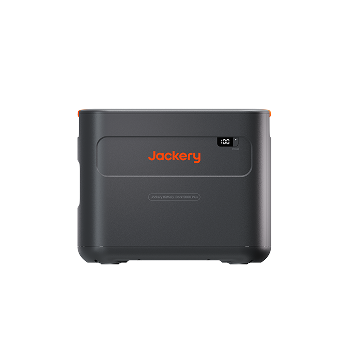
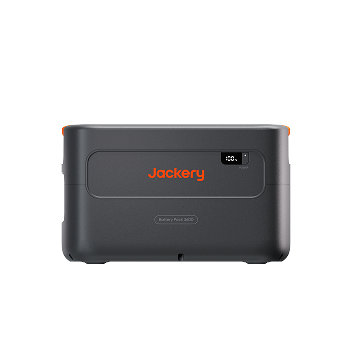
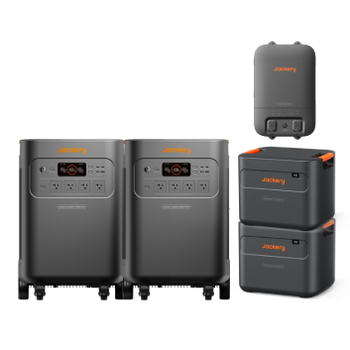
![[Add-on] Jackery Battery Pack 5000 Plus - Jackery](http://www.jackery.com/cdn/shop/files/add-on-jackery-battery-pack-5000-plus-6713401.webp?v=1786503068&width=324)

















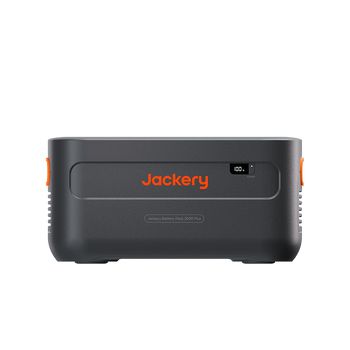
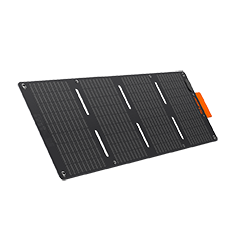
![[Add - on] SolarSaga 200W - Jackery](http://www.jackery.com/cdn/shop/files/add-on-solarsaga-200w-4834329.png?v=1754016915&width=324)



![Is Solar Power Worth It Compared to Gas Generators [Noise and Cost Breakdown] - Jackery](http://www.jackery.com/cdn/shop/articles/is-solar-power-worth-it-compared-to-gas-generators-noise-and-cost-breakdown-3528769.jpg?v=1773203692&width=800)
If you are looking for a power backup system and are wondering is solar power worth it, you will likely also be comparing it to gas generators. While both are popular options, solar-powered solutions are a worthwhile alternative to gas generators because they are quieter, cleaner, and require significantly less maintenance in the long term.
Gas generators may seem like a lucrative option in the short term, but they fall short when compared to solar generators. If you're looking for a simpler, stress-free solution, Jackery Solar Generators are a great option due to their lower noise levels, lower carbon footprint, and cost efficiency.
Takeaways
- Solar generators are a cost-effective alternative to gas generators in the long term.
- Various U.S. states offer incentives and credits that benefit individuals and businesses adopting solar power.
- How much noise do solar vs. gas generators emit?
- How much does a Jackery Solar Generator vs. a Gas Generator cost over 5 years?
Solar Power vs. Gas Generators: Core Differences Explained
This comparison table lists the main differences between a solar generator and a gas generator, including emissions, portability, cost, and runtime. Here are the parameters explained in detail:
|
Criteria |
Solar Generator |
Gas Generator |
|
Runtime |
Varies based on battery capacity and the availability of sunlight. |
Continuously fueled, with longer runtime. |
|
Cost |
Higher upfront cost, lower long-term costs. |
Lower upfront costs, higher fuel and maintenance costs. |
|
Portability |
Lightweight and easily portable. |
Heavier due to the weight of fuel. |
|
Emissions |
No emissions, safe for indoor use. |
High emissions, not safe for indoor use. |
|
Noise |
Low noise levels, ideal for indoor use. |
Higher noise levels, not ideal for indoor use. |
|
Best Use Case |
Indoor use, power backup, camping, or use during power outages. |
Ideal for job sites or to power large appliances. |
Is Solar Power Worth It In the 8 U.S. States?
Yes, solar power is worth it in the 8 U.S. states. The sections below examine how solar power is worth it across eight different states in the U.S and how it has different parameters in each state. While this depends on various factors, the peak sun hours each state receives play a significant role in determining whether it’s worth investing in solar power.
Florida: Is Solar Better Than Generators?
- Solar Panel Installation Cost: Approximately $2.20/W
- Energy Consumption: Approximately 1,078 kWh per month.
- Local Electricity Rates: 15.27 cents per kWh.
- Climate: Subtropical, with warm, humid summers and dry, mildly cold winters.
-
Net Metering Policies: The Florida Public Service Commission has adopted rules for net metering of renewable energy systems up to 2 MW.
- Peak Sun Hours Received: 5-5.9 hours per day
Texas: Solar for Heat Waves, Not Just Backup
- Solar Panel Installation Cost: Approximately $2.13/W.
- Energy Consumption: Approximately 1,174 kWh per month.
- Local Electricity Rates: 15.55 cents/kWh.
- Climate: Subtropical climate with long periods of clear skies and warm temperatures during the summer, with the rainy season during spring and autumn.
-
Net Metering Policies: Texas doesn't have a statewide Net Metering Policy and is not among the 38 U.S. states that do. However, several municipal utilities and electric cooperatives offer credit for excessive generation.
- Peak Sun Hours Received: 4-7.5 hours per day
Arizona: Is Solar Still Worth It in the Sunniest U.S. State?
- Solar Panel Installation Cost: Approximately $2.77/W.
- Energy Consumption: Approximately 1,059kWh per month
- Local Electricity Rates: 15.73 cents per kWh.
- Climate: Clear skies and higher temperatures for most of the year.
- Net Metering Practices: Is solar power worth it in Arizona? The state employs a system called net billing, which offers a lower credit rate when compared to states that offer net metering.
- Available Incentives: Individual tax credit of 25% for the cost of installing a solar energy system, capped at a total of $1,000.
- Peak Sun Hours Received: 7-8 hours per day
California: Comparing Solar vs. Gas in a Net-Metering State
- Solar Panel Installation Cost: Approximately $2.29/W.
- Energy Consumption: Approximately 812.00 kWh per month.
- Local Electricity Rates: 31.77 cents/kWh
- Climate: Moderate to dry summers and mildly wet winters.
- Net Metering Practices: The most recent net metering policy in California, the Solar Billing Plan, has reduced the credit customers get when compared to the policy's previous iteration. The new policy decreases the value of solar energy credits by 75%, and customers who generate surplus energy will receive about 5.7 cents in bill credit per kWh.
- California Solar Incentives: PACE Financing, Disadvantaged Communities - Single-family Affordable Solar Housing (DAC-SASH).
- Peak Sun Hours Received: 5-7.5 hours per day
Oklahoma: Is Solar Viable in Tornado Alley?
- Solar Panel Installation Cost: Approximately $2.49/W
- Energy Consumption: Approximately 1,069kWh per month
- Local Electricity Rates: 13.30 cents per kWh.
- Climate: Subtropical climate in the east, semi-arid with warm, moist air in the west.
- Peak Sun Hours Received: 5-6.4 hours per day
New York: Solar Power in Cold, Urban Regions
- Solar Panel Installation Cost: Approximately $2.80/W.
- Energy Consumption: Approximately 620 kWh per month.
- Local Electricity Rates: 25.67 cents per kWh.
- Climate: Warm and humid summers, with temperatures falling below freezing during January and February.
- Net Metering Practices: New York has among the best net metering practices in the country. It employs a 1:1 system, which means that for every 1 kWh of electricity your solar panel system overproduces, you receive a credit of 1 kWh, rather than a small percentage of it.
- Available Incentives: Megawatt Block Incentive Structure, New York Solar Energy System Equipment Credit
- Peak Sun Hours Received: 4-4.5 hours per day
North Carolina: Solar Growth in the South
- Solar Panel Installation Cost: Approximately $2.30/W.
- Energy Consumption: Approximately 1.098 kWh per month.
- Local Electricity Rates: 14.48 cents/kWh.
- Climate: Warm, humid summers and mild to cool winters.
- Net Metering Practices: Although North Carolina offers net metering, the latest policies will likely reduce long-term solar savings by an estimated $10,000, with payback periods increasing by 2-3 years. Additionally, those residing in Duke Energy service territories have the benefit of locking in their net metering till 2027.
- Available Incentives: Residents in North Carolina have several incentives to adopt solar panel systems, such as PowerPair Rebates, PowerPair + EnergyWise Home Program
- Peak Sun Hours Received: 4.5-5.4 hours per day
Colorado: Solar in High-Altitude Homes
- Solar Panel Installation Cost: Approximately $2.80/W.
- Energy Consumption: Approximately 723kWh per month.
- Local Electricity Rates: 15.61 cents/kWh.
- Climate: 300 hot, sunny days per year, along with low humidity and cold winters.
- Net Metering Practices: Colorado's net metering policies enable customers to receive a credit for every kilowatt-hour (kWh) of electricity their solar panels produce at the same rate as residential customers are typically charged for electricity. The Yampa Valley Electric Association, for example, provided 1:1 credit for solar up to a full 100% of production.
- Available Incentives: Colorado offers a range of incentives to those who install solar panel systems, such as Colorado Residential Energy Upgrade Loan, Utility-specific rebates, such as the 1:1 credit with the Yampa Valley Electric Association.
- Peak Sun Hours Received: 5-7 hours per day.
How Much Noise Do Solar vs. Gas Generators Emit?
Solar generators emit less than 30dB of noise, compared to gas generators, which emit around 60 dB to 90dB of noise. One of the major benefits of portable solar generators is that they operate at extremely low noise levels. For example, Jackery Solar Generators operate at 30 dB, which is about as loud as a whisper, making it ideal for indoor use.
In comparison, the noise levels of gas generators are about as loud as a vacuum cleaner or a lawn mower. So, if you’re wondering is solar power worth it, it definitely is in terms of providing a convenient solution like a solar power generator.
How Much Does a Gas vs. Jackery Solar Generator Cost Over 5 Years
Here's a quick breakdown of the costs associated with Jackery Solar Generator and gas generators:
|
Jackery Solar Generator |
Gas Generators |
|
|
Upfront Cost |
$299 to $4,499 |
$4,000 - $15,000 |
|
Annual Fuel |
$0 |
A gas generator that consumes 0.5 gallons/hour at half load and runs for about 15 hours, you’ll be spending about $24.07 on fuel alone.* |
|
Oil Changes |
$0 |
$50 and $100 |
|
Part Replacements |
Solar panels can last for 25 years if maintained well. |
Requires yearly maintenance. Spark plugs are to be changed after roughly 100 hours of use. Oil and fuel filters are to be changed annually. |
*based on fuel pricing as of June 2025.
Events in early March 2026 provided a clear example of how energy costs can shift quickly. A surge in global oil prices pushed Brent crude above $100 per barrel, and gasoline prices in the United States followed soon after. The country recorded its sharpest weekly increase since 2022. California’s average price reached about $5.20 per gallon, and in several regions, rising energy costs contributed to household utility bills increasing by more than $45 compared with the previous month.
For gas generator owners, changes like these directly influence operating costs. Running the gas generator requires gasoline, so higher fuel prices translate into higher expenses during outages or extended use. Solar generators generate electricity using sunlight rather than purchased fuel. That means day-to-day operation is not affected by fluctuations in fuel markets. For households looking for a more predictable way to power essential devices, this difference in energy source can make solar generators a practical long-term option.
Jackery Solar Generators for Home Backup
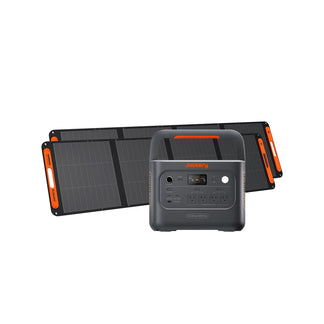
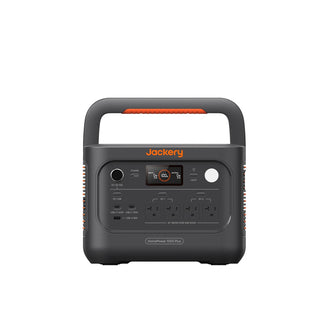
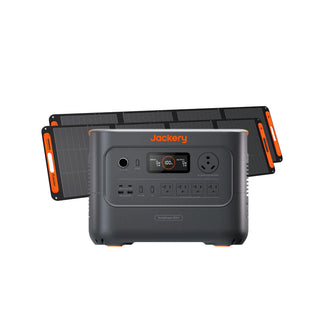
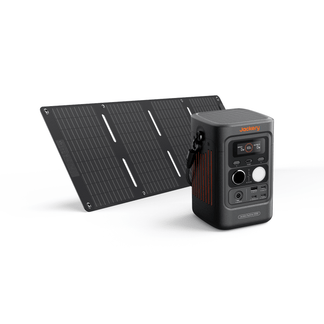
Jackery is a manufacturer of solar generators, solar panels, and portable power stations. Jackery Solar Generators combine the Jackery Portable Power Stations and the Jackery SolarSaga Solar Panels to convert the sun's energy into usable electricity to run your home's appliances, making them an ideal home battery backup solution.
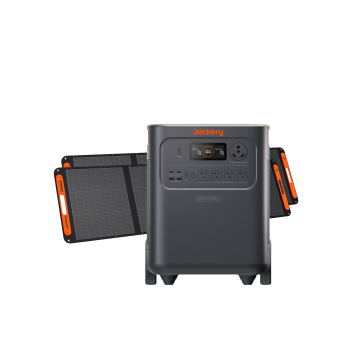
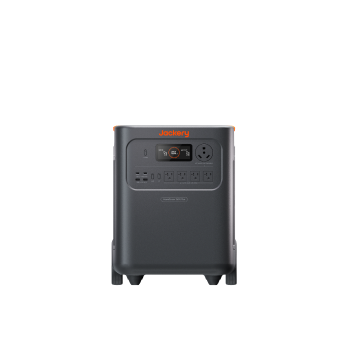
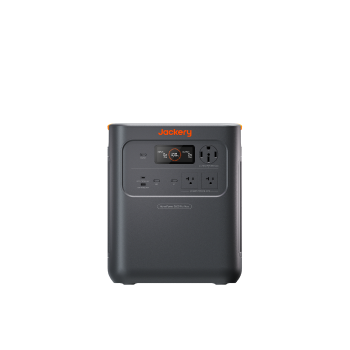
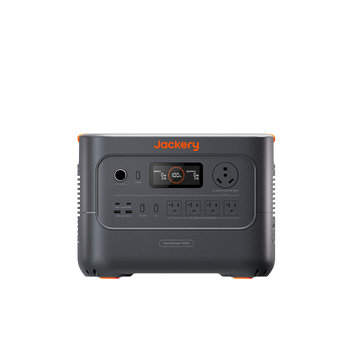
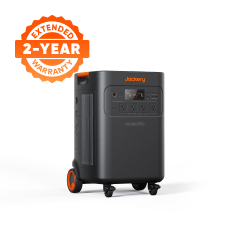
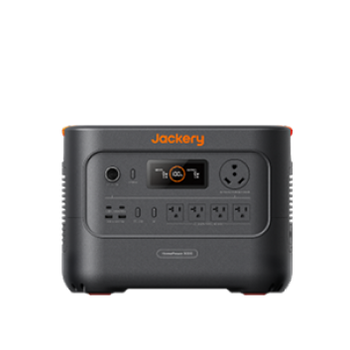
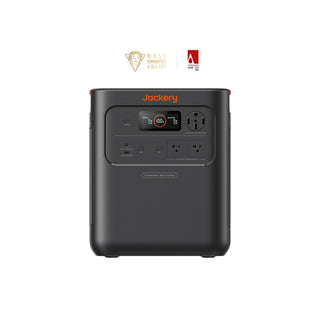
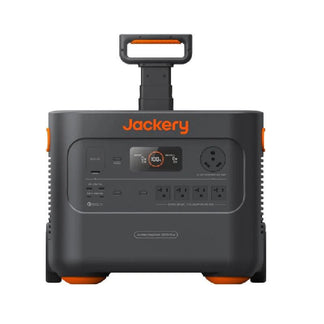
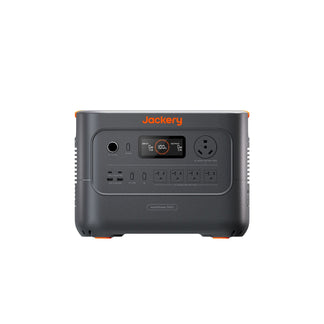
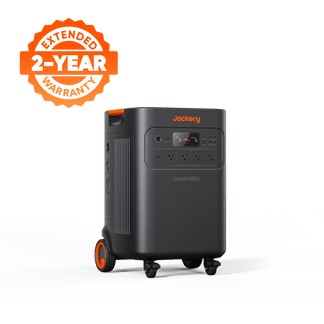
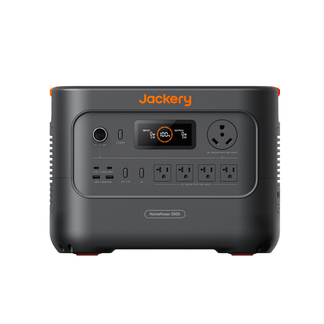
Jackery Solar Generator HomePower 3000
The Jackery Solar Generator HomePower 3000 is an essential home backup solution that can power appliances like refrigerators, fans, and more during power outages or during peak electricity hours. If you're someone who lives in a place that has high electricity rates and experiences consistent power outages, you can consider the Jackery Solar Generator HomePower 3000.
Appliances Running Time
- Fridge (300W) = 8.1H
- Electric Oven (800W) = 3.2H
- Stove (2000W) = 1.3H
- Portable AC (1000W) = 2.6H
- Desktop PC (500W) = 5.0H
Who Should Buy This
The Jackery Solar Generator HomePower 3000 is ideal for anybody looking to safeguard their home against frequent power outages, and even for families who like going in their RVs on weekly trips.

Customer Review
Quality packaging and sturdy construction have me hyped! I bought a HomePower 3000 and a 2000 v2 .(one for the basement and one for the main floor) and also a 300 Explorer for my personal devices. Nice to have plenty of backup when power outages occur.
— Rick Karr.
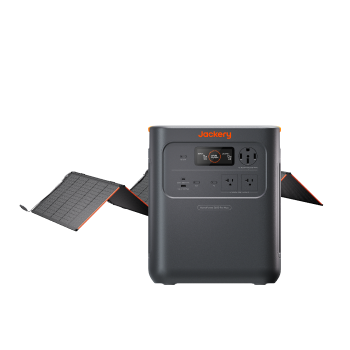
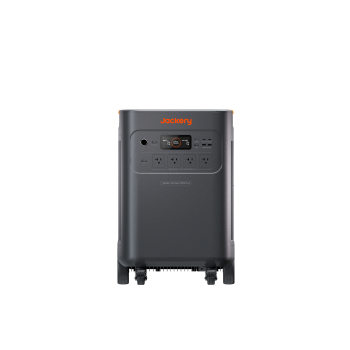
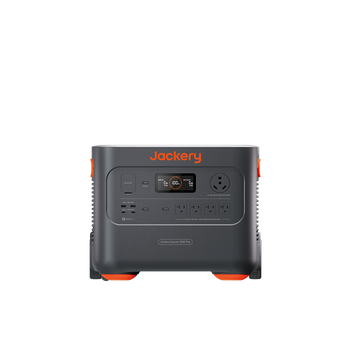
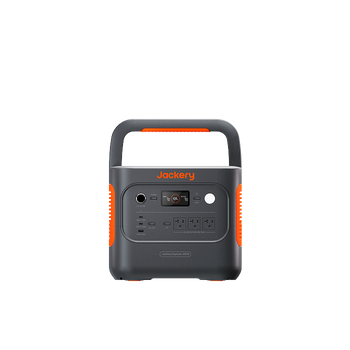
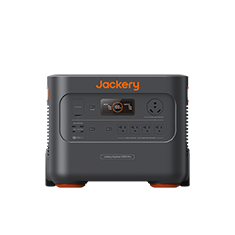
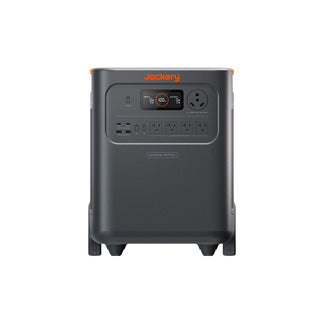
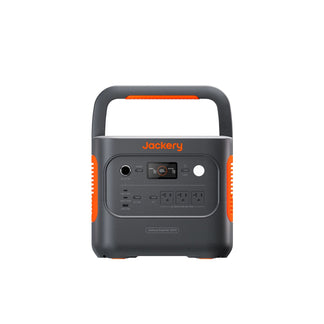
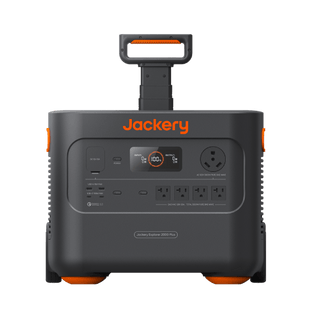
Jackery Solar Generator HomePower 3600 Plus
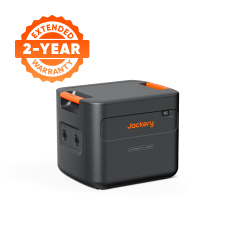
The Jackery Solar Generator HomePower 3600 Plus is an advanced, essential home backup solution that can power various household appliances for hours. When expanded with the help of battery packs, it can run a fridge for up to 14 days. Despite the large battery capacity, it is easy to transport with the help of double wheels and a pull rod.
Appliances Running Time
- Fridge (300W) = 9.5H
- Electric Oven (800W) = 3.7H
- Stove (2000W) = 1.5H
- Portable AC (1000W) = 3.0H
- Desktop PC (500W) = 5.8H
Who Should Buy This
The Jackery Solar Generator HomePower 3600 Plus is ideal if you live in an area that faces frequent power outages and want to keep essential household appliances, such as refrigerators, powered.

Customer Review
Very happy with our purchase so far. We set it up as a backup in our plant room. Ran a few tests and it looks like we can support the room for 8 hours, very cool.
— Anonymous
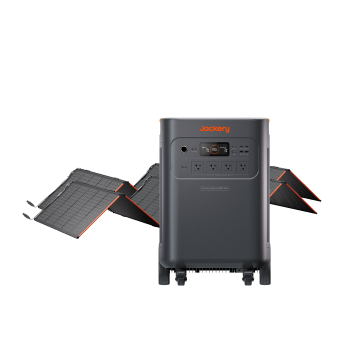
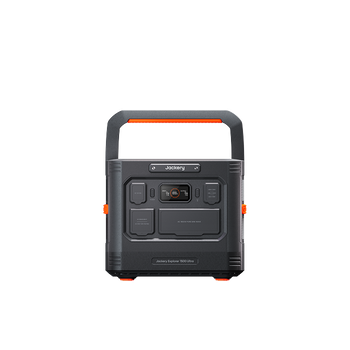
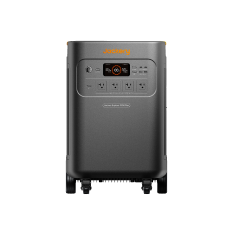
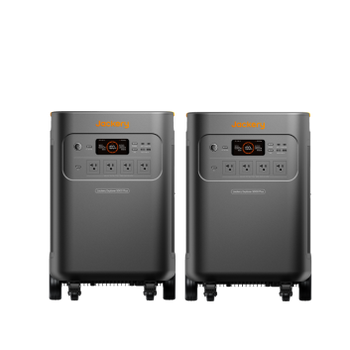
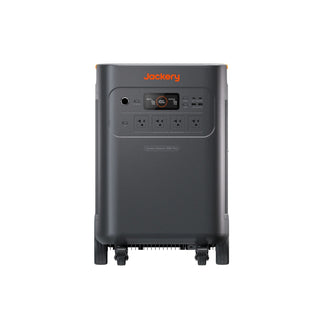
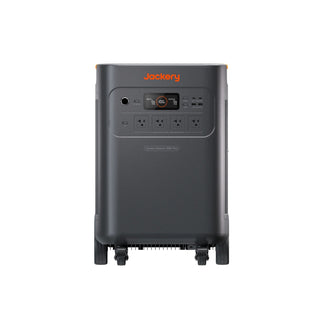
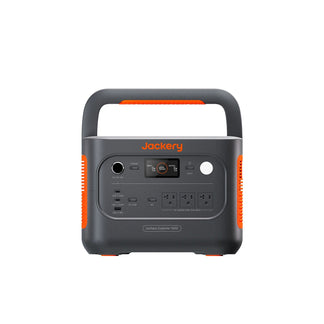
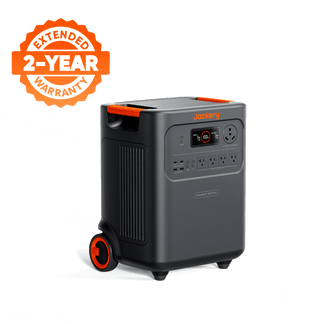
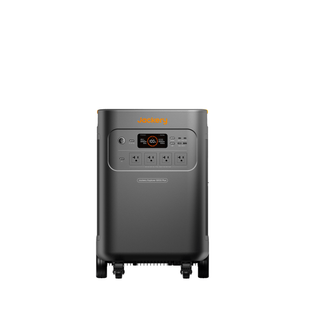
Jackery Solar Generator 5000 Plus
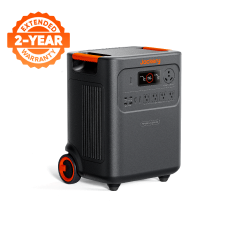
The Jackery Solar Generator 5000 Plus is an ideal solution for your home backup needs. It runs most of your household appliances, including refrigerators, coffee machines, and portable air conditioners for hours, ensuring you are not left without backup in the event of an outage.
Appliances Running Time
- Refrigerator (300W) = 12.2H
- Coffee Machine (700W) = 5.7H
- Desktop PC (500W) = 7.8H
- Electric Oven (800W) = 5H
- Fan (50W) = 42.8H
Who Should Buy This
The Jackery Solar Generator 5000 Plus is ideal for people who live in areas plagued with prolonged power outages or frequent thunderstorms.

Customer Review
This is my second unit from Jackery. Love them. I bought the 5000 plus for backup for the coming storm season here in Houston. Mainly to run the refrigerator.
— David Tanaka
FAQs
What is the 20% rule for solar panels?
The 20% rule for a solar panel system states that the system should ideally produce 20% more than your daily electricity consumption to cater to varying energy needs.
How many kW are 20 solar panels?
The total output of your solar panels will depend on the wattage of each panel. For example, if each panel in your setup produces 300W, the total output of a 20-panel system will be approximately 6,000 W or 6 kW (300W x 20 solar panels).
Which U.S. state is best for solar panels?
The best US state for solar panels depends on the state's policies, as well as factors such as the number of peak sun hours it receives and the cost of electricity sourced from the grid.
What areas of the U.S. have the best solar resources?
States like Arizona, California, Colorado, Delaware, and so on produce the highest volumes of solar power in the whole of the United States. They've consistently developed policies that have encouraged homeowners and businesses to go solar.
Does Texas have more solar than California?
Yes, Texas has more solar power capacity than California, in terms of infrastructure. Its infrastructure-first policies have paved the way for greater solar power generation among several U.S. states.
Conclusion
If you're wondering, "is solar power worth it?" the answer is a resounding yes. Various U.S. states have introduced policies that increase the adoption of solar energy as a renewable alternative. If you're considering purchasing a reliable, indoor-use, and portable solar backup system, consider Jackery Solar Generators and get a host of benefits.


