


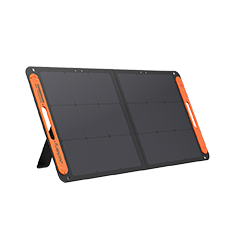



![[Add-on] Jackery SolarSaga 500 X - Jackery](http://www.jackery.com/cdn/shop/files/add-on-jackery-solarsaga-500-x-1493607.webp?v=1786503068&width=324)
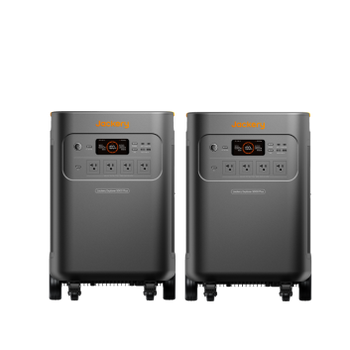
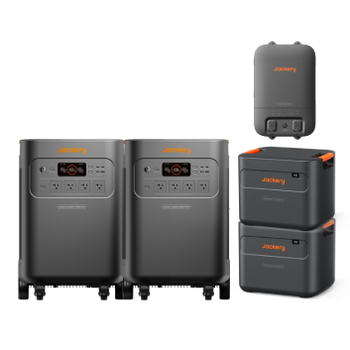
![[Add-on] Jackery Battery Pack 5000 Plus - Jackery](http://www.jackery.com/cdn/shop/files/add-on-jackery-battery-pack-5000-plus-6713401.webp?v=1786503068&width=324)


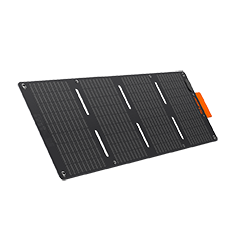
![[Add - on] SolarSaga 200W - Jackery](http://www.jackery.com/cdn/shop/files/add-on-solarsaga-200w-4834329.png?v=1754016915&width=324)


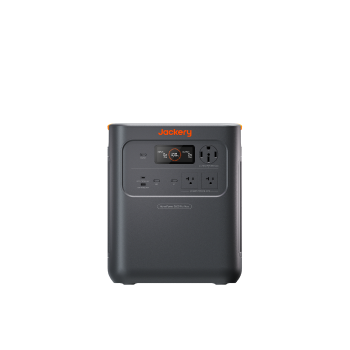
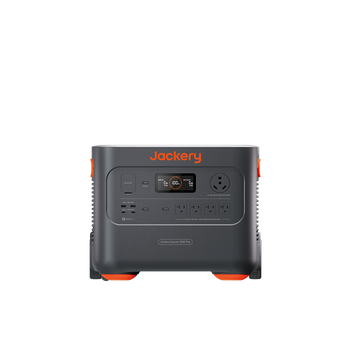
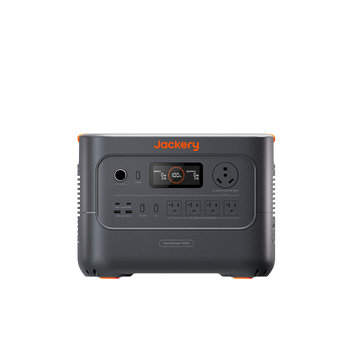
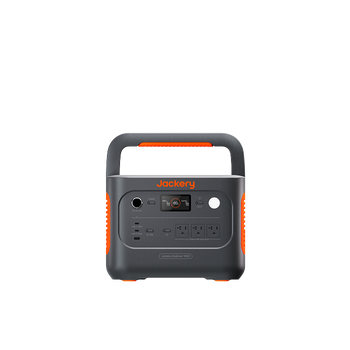
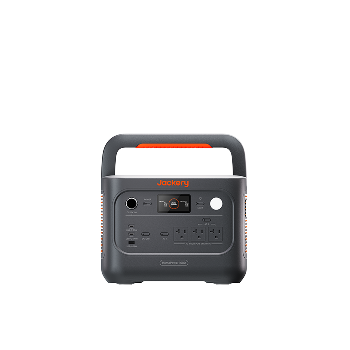
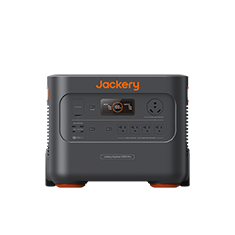
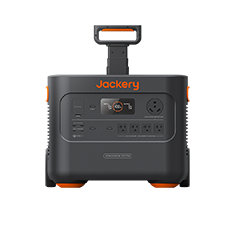
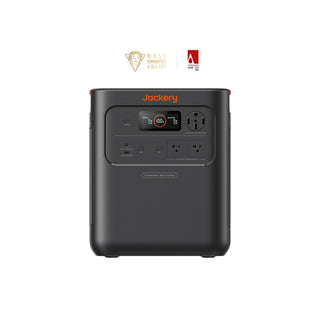
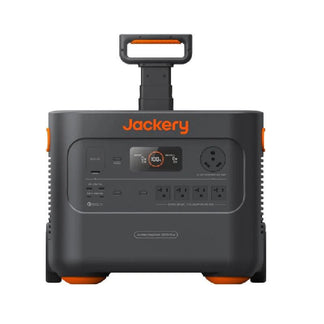
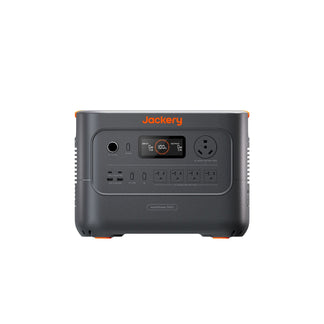
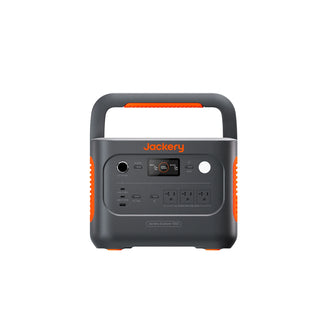
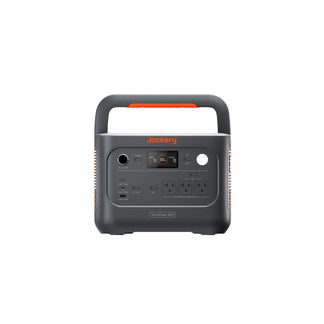
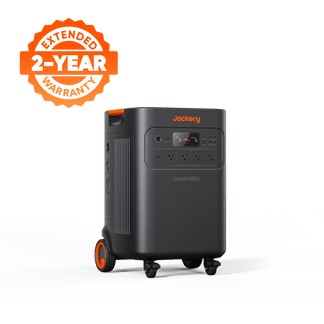
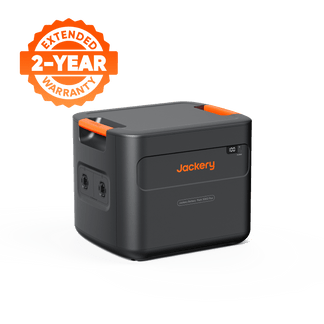
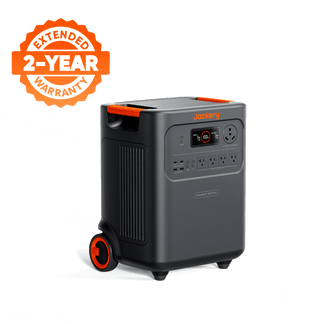
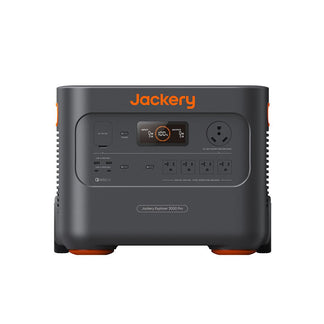
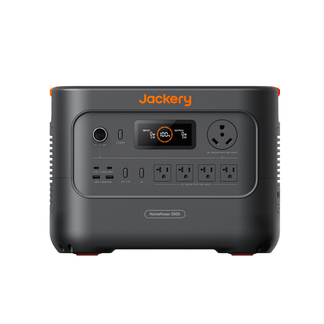
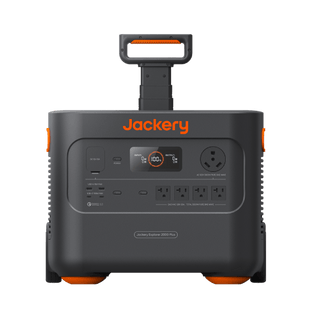
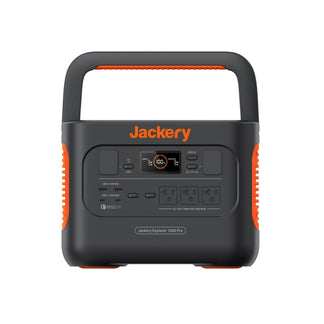
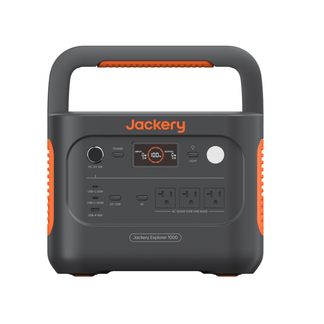
Quick Answer: Running a portable AC for camping off-grid demands a power station with at least 1,800W continuous output and 2,000Wh capacity for 3–4 hours of cooling. Most small camping ACs draw 500–800W running but spike to 1,200–1,600W at startup — a surge that instantly trips smaller power stations. The Jackery Explorer 2000 v2 handles this comfortably with 2,200W continuous and 4,400W surge capacity.
Key Takeaways:
- A 5,000 BTU camping AC typically draws 500W running and 1,200W at startup — your power station's surge rating matters more than its continuous wattage
- To run an AC overnight (8 hours), budget at least 4,000Wh of battery capacity accounting for inverter losses and thermostat cycling
- LiFePO4 batteries handle 3,000+ deep-discharge cycles, making them ideal for nightly camping use where you drain the battery and recharge via solar daily
- Solar recharging with 400W of panels can replace a night's AC power consumption in 5–6 peak sun hours
- The Explorer 2000 v2's 2,042Wh capacity runs a 500W AC for roughly 3.7 hours — enough for peak heat windows or disciplined overnight use at 72–74°F
Why Camping AC Cooling Is Tougher Than You Think
Startup surge is the main reason camping ACs overwhelm small power stations. An 8,000 BTU unit draws 800–1,000W running but spikes to 1,200–1,600W at compressor start — too much for pocket-sized power banks.
Other challenges stack up quickly:
- Evaporative coolers fail above 60% humidity, leaving you with a wet, hot tent
- Compressor AC noise (44–52 dB) can disturb light sleepers at night
- When outside temperatures exceed 95°F, fans alone can't cool a tent
- Condensation must be managed by placing the unit on a ground cloth and routing the drain hose away
Understanding what size solar generator you need means building a temporary off-grid power system.
Decode Your Portable AC's True Power Appetite
Running wattage for a 3,500–6,000 BTU camping AC is 300–800W. Startup surge spikes to 1.5–2× running watts; a 500W unit can briefly pull 1,000W, triggering inverter shutdown.
Key factors that affect actual consumption:
- Energy Efficiency Ratio (EER) and inverter compressors: Inverter models ramp up gradually, reducing both running draw and surge
- Dual-hose vs. single-hose design: Dual-hose units avoid the negative pressure that single-hose designs create, preventing hot outside air from being pulled into the tent
- Nameplate math: Multiply voltage by amps (e.g., 115V × 6.0A = 690W) and add a 1.5× buffer for surge
- Soft-start compressors: Cut surge from 1.6× to ~1.2× running watts; a 690W unit with soft start might spike to 828W instead of 1,035W
Build Your Camping Power Budget: Watt-Hours and Surge Demands
Start with the AC's running watts and add other devices: LED lights (10W), phone charger (15W), small fan (20W), pushing overnight total to around 850W.
Surge must be handled separately: even if running draw is 700W, a 1,400W spike will trip a 1,200W inverter. Add a 20–25% safety margin; if peak load is 1,400W, choose at least 1,750W continuous output, accounting for inverter losses and voltage sag.
For multi-day trips, drain the battery at night and recharge with 400W+ solar panels during the day. LiFePO4 chemistry thrives on deep discharges.
Did you know? A 500W AC running 8 hours consumes 4,000Wh, but thermostat cycling at 72–74°F drops actual consumption to ~2,800Wh — a 30% reduction, making overnight operation feasible on a 2,000Wh battery with solar top-up.
Match Battery Capacity and Inverter Specs to Your AC
Runtime formula:
Runtime = Usable Wh ÷ Running Watts
Subtract ~10% for inverter losses. A 2,042Wh battery with a 500W AC gives (2,042 × 0.9) ÷ 500 = 3.68 hours.
Inverter continuous output must exceed surge; a 1,800W unit handles a 500W AC with 1,200W surge.
Jackery model comparison:
Model |
Continuous Output |
Surge Rating |
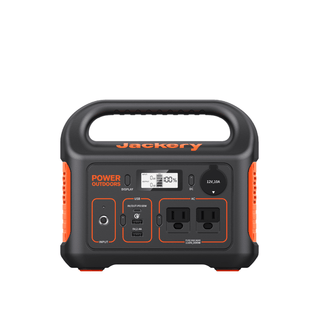
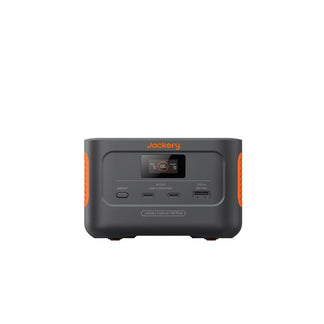
Explorer 1000 v2 |
1,500W |
3,000W |
Explorer 2000 v2 |
2,200W |
4,400W |
Battery and portability specs:
Model |
Battery Chemistry |
Cycle Life |
Weight |
Explorer 1000 v2 |
LiFePO4 |
3,000–5,000 cycles to 80% capacity |
23.8 lbs |
Explorer 2000 v2 |
LiFePO4 |
3,000–5,000 cycles to 80% capacity |
39.5 lbs |
LiFePO4 batteries endure 3,000–5,000 cycles to 80% capacity, ideal for daily deep discharges. Solar input: the 2000 v2 accepts up to 400W, speeding recharge.
Sizing rule of thumb:
AC Size |
Minimum Inverter (Continuous) |
Battery for 4 Hours |
5,000 BTU |
1,500W |
1,800–2,700Wh |
6,000 BTU |
1,800W |
2,200–3,100Wh |
8,000 BTU |
2,200W |
3,100–4,400Wh |
Solar Recharging: Keep Your Battery Alive for Multi-Day Trips
Size solar to your deficit. If overnight AC drain is 4,800Wh, you'd need 800–1,200W of solar over 4–6 peak sun hours, but a more realistic approach is to reduce consumption with thermostat discipline, then size panels to cover the reduced load.
Key recharging strategies:
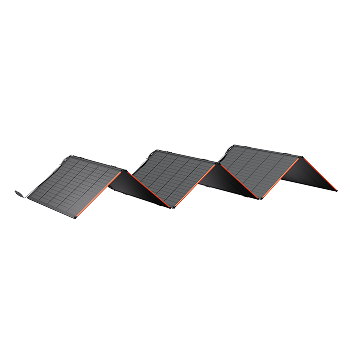
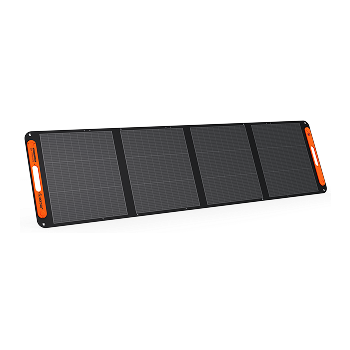
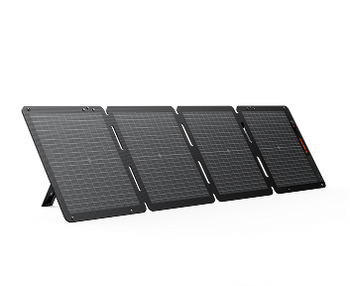
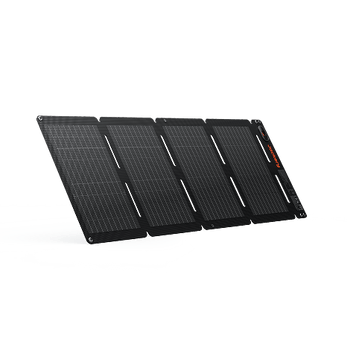
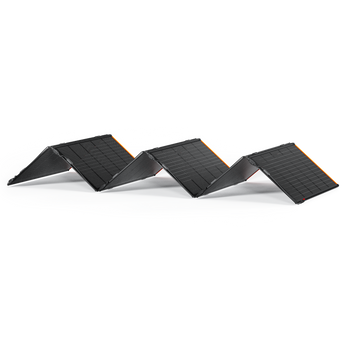
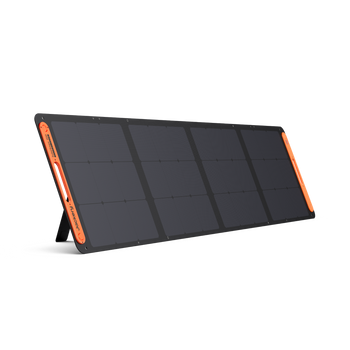
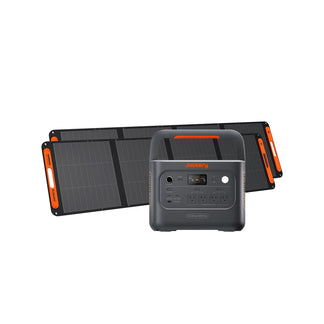
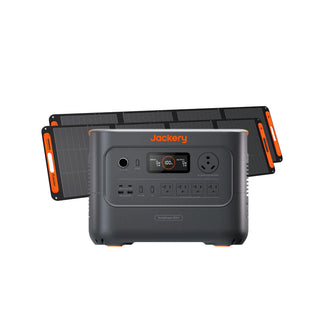
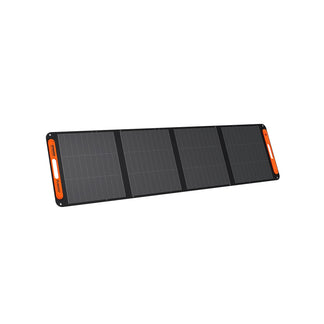
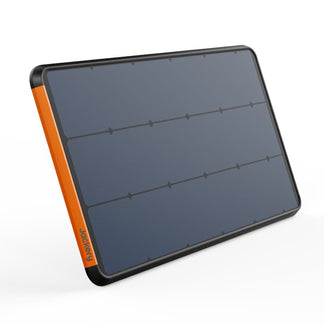
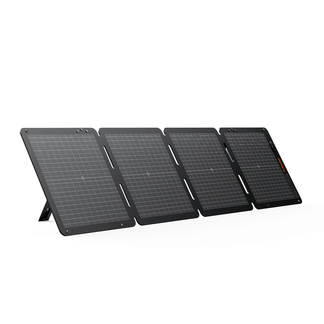
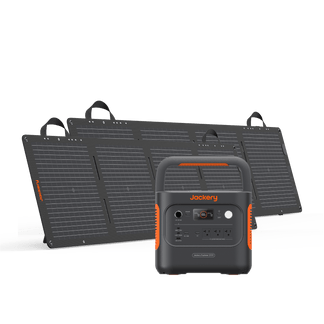
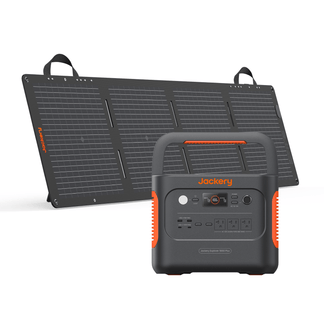
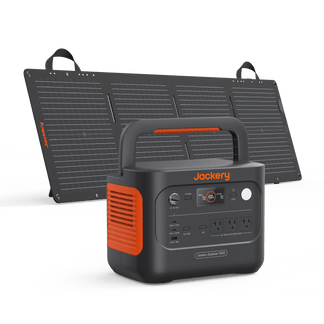
- Two 200W foldable panels (under 10 lbs each) with a 400W solar input can deliver 1,600–2,400Wh on a sunny day
- Many power stations allow pass-through charging: panels feed the battery while it powers the AC, extending runtime during peak sun
- Aim panels directly at the sun; even partial shade can halve output, and angling at 45° can boost power 20–30%
- Bring 20–30% extra panel capacity as buffer; a "400W" array might yield 280–340W in real conditions
Solar generators, portable power stations, and solar panels differ: the power station stores energy, panels generate it. Portable solar generators are for camping and backup, not permanent installation.
Common Campsite Power Pitfalls That Kill Your Battery
Mistake 1: Underestimating Startup Surge. A 1,200W surge will trip a 1,000W-rated station even if the AC draws only 600W running. Always check surge rating.
Mistake 2: Poor Exhaust Placement. Route the exhaust away from the tent, keep the hose straight, and seal the opening to prevent recirculating hot air, which forces the unit to work harder.
Mistake 3: Ignoring Condensation. Use the drain port with a hose or empty the collection tank regularly to avoid water pooling on gear. Place the unit on a ground sheet.
Mistake 4: Running Full Blast All Night. Setting the thermostat to 72–74°F instead of 60°F uses 30–40% less power by cycling the compressor, preventing a dead battery at 2 AM.
Mistake 5: Uninsulated Tents. A reflective emergency blanket over the tent can cut interior temperatures by 10–15°F, reducing AC runtime and saving watt-hours.
Mistake 6: Long, Kinked Exhaust Hoses. Keep hoses under 5–7 feet and straight; a kinked 10-foot hose can increase power draw 15–20% versus a straight 5-foot run.
Portable Power Stations for Camping AC: Jackery Solutions
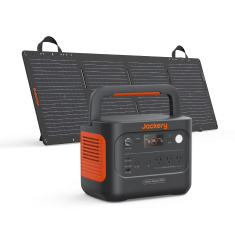
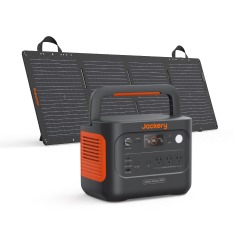
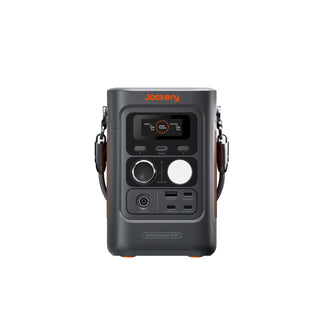
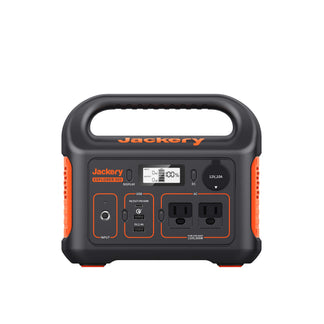
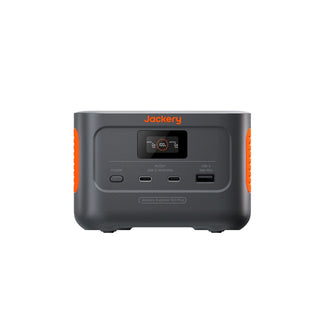
All three models use LiFePO4 batteries (3,000–5,000 cycles). Electric generators for home use differ from camping needs; Jackery solar generators provide quiet, fume-free off-grid power.
Model |
Best For |
Continuous / Surge |
Capacity |
AC Runtime (500W) |
Weight |
Solar Recharge |
Explorer 1000 v2 |
1–2 hours of cooling, small ACs (≤500W) |
1,500W / 3,000W |
1,070Wh |
~1.9 hours |
23.8 lbs |
— |
Explorer 2000 v2 |
3–4 hours, mid-size ACs (500–800W) |
2,200W / 4,400W |
2,042Wh |
~3.7 hours |
39.5 lbs |
Up to 400W solar input |
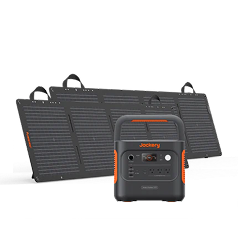
Solar Generator 2000 v2 |
Multi-day trips with daily solar top-up |
2,200W / 4,400W |
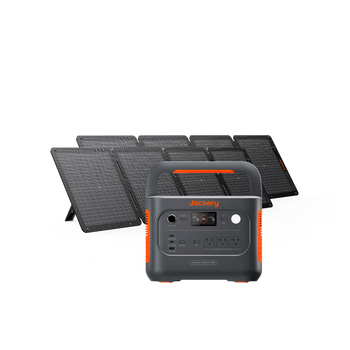
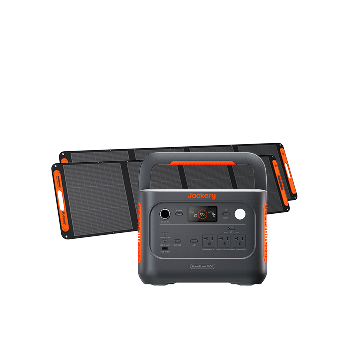
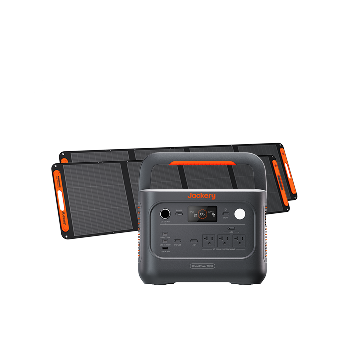
2,042Wh + 200W panels |
~3.7 hours + recharge |
39.5 lbs (station) |
200W bundled, extendable to 400W |
Frequently Asked Questions (FAQ)
At what outside temperature does a camping AC stop being effective?
Most portable compressor ACs lose significant cooling capacity above 105–110°F, as efficiency drops and the temperature differential shrinks.
Is a dual-hose AC significantly better for a tent?
Yes. Dual-hose models prevent hot air infiltration by creating neutral pressure, unlike single-hose units that pull in hot air, making the AC work harder.
How do I drain condensation without a floor drain?
Use the built-in drain port with a hose leading outside; some models have a condensate pump. Otherwise, empty the collection tank every 4–8 hours in humid conditions.
What is the loudest acceptable dB level for tent camping?
Most tolerate 50 dB (quiet conversation); above 55 dB disrupts sleep. Inverter-compressor ACs are quieter because they ramp gradually.
Can I leave a power station charging in direct sunlight?
No. High heat degrades lithium batteries and can cause shutdowns. Keep the power station in shade while panels are in sun.


