
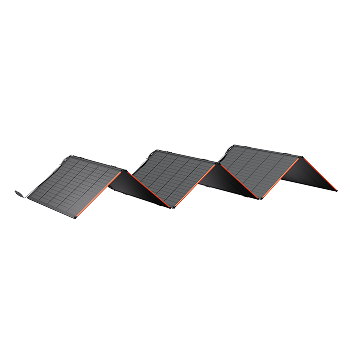
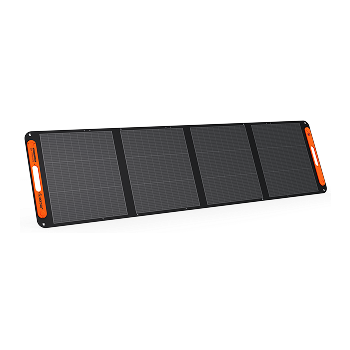


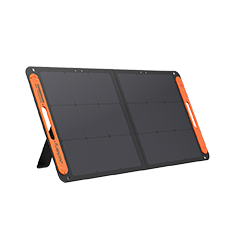



![[Add-on] Jackery SolarSaga 500 X - Jackery](http://www.jackery.com/cdn/shop/files/add-on-jackery-solarsaga-500-x-1493607.webp?v=1786503068&width=324)
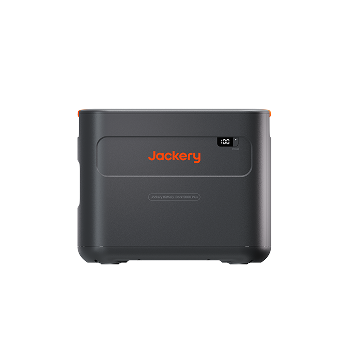
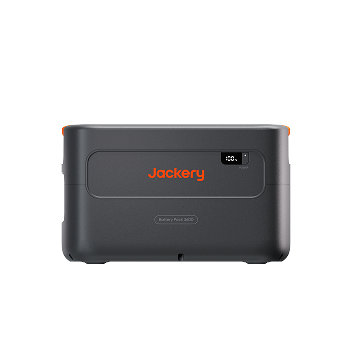
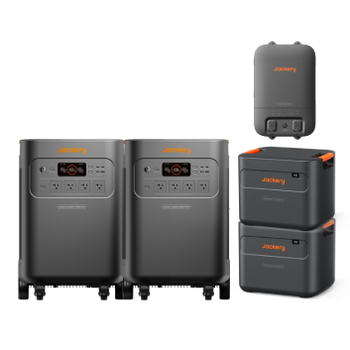
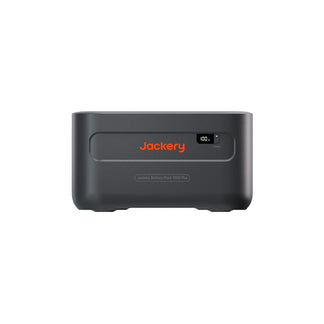
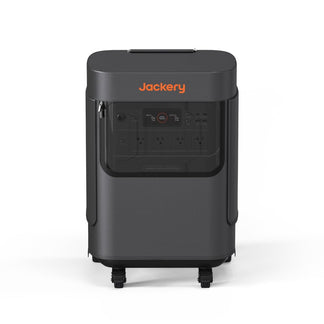
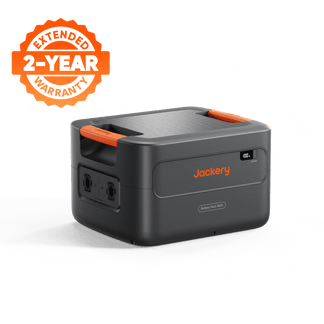
![[Add-on] Jackery Battery Pack 5000 Plus - Jackery](http://www.jackery.com/cdn/shop/files/add-on-jackery-battery-pack-5000-plus-6713401.webp?v=1786503068&width=324)



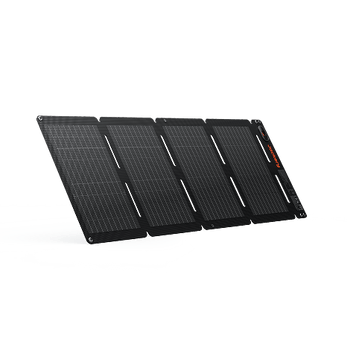
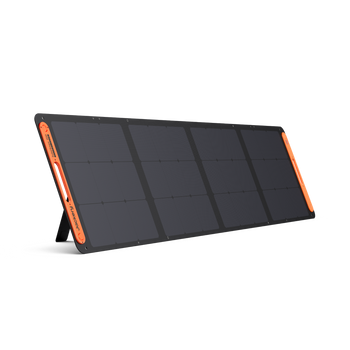
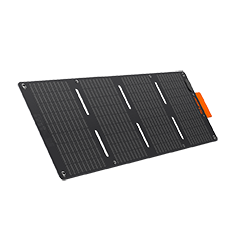
![[Add - on] SolarSaga 200W - Jackery](http://www.jackery.com/cdn/shop/files/add-on-solarsaga-200w-4834329.png?v=1754016915&width=324)
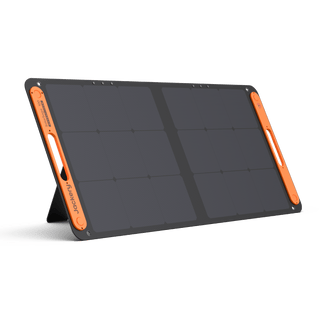
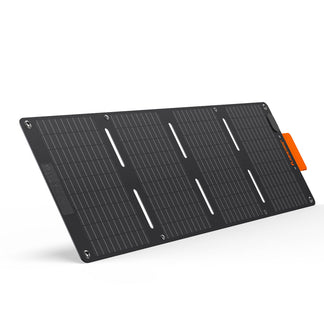


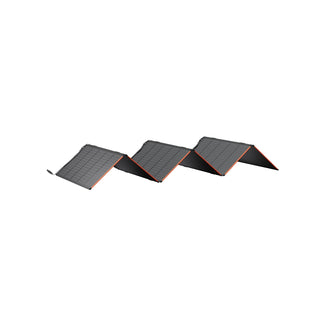
Quick Answer: Portable solar panels for camping convert sunlight into usable electricity, but real-world output rarely matches the printed wattage. A 200W panel typically delivers 140–160W in 95°F heat, and you’ll need a power station to store that energy for nighttime use. Sizing correctly means accounting for peak sun hours, temperature losses, and a 30% cloud margin — not just adding up appliance labels.
Key Takeaways
- Real-world solar output sits at 70–80% of rated wattage; a 200W panel often gives you 140–160W on a hot summer day.
- N-type TOPCon cells hold output 10–15% better in high heat than older PERC panels, making them the 2026 standard for portable panels.
- Add a 20% buffer to your daily energy calculation, or 30% if you camp in overcast regions, to avoid a dead battery.
- Two 200W panels are more reliable than one 400W panel: if one gets shaded or fails, you still have power.
Why Most Campers Overestimate Solar Panel Output (and How to Calculate Realistically)
Lab ratings don’t match campsite reality. STC (Standard Test Conditions) assume 77°F and perfectly perpendicular light. On a 95°F afternoon, a 200W panel can drop to 160W. Here’s why — and how to fix it.
- Temperature derating: Every 1°C above 77°F costs 0.3–0.5% efficiency. At 95°F (35°C), that’s roughly a 6–9% loss. N-type TOPCon cells, now the gold standard in portable solar generators, have a lower temperature coefficient, losing only 0.25–0.35% per °C, so they hold output better in desert heat.
- Angle and shading: A panel tilted 30° off the sun loses 10–15% output; a branch shadow across one cell can cut total output by 50% or more. Portable panels let you reposition, but many campers skip midday adjustments. Reposition every 2–3 hours to boost daily harvest by 25–40%.
- Dust and pollen: A film of dirt can block 5–15% of light. Wipe panels with a damp microfiber cloth before each use — avoid paper towels on ETFE coatings.
Sizing rule of thumb:
`(Daily Wh needed) ÷ 4 peak sun hours × 1.3 = minimum panel wattage`
Example: A camp fridge drawing 500Wh per day needs at least (500 ÷ 4) × 1.3 = 162.5W. Round up to a 200W panel.
The Two Biggest Sizing Errors (and the Simple Math to Fix Them)
Ignoring startup surge and skipping the 20% buffer are the two most common sizing mistakes that leave campers without power.
Error 1: Ignoring startup surge
Fridge compressors and pumps draw 2–3× their running watts for 1–2 seconds. A 60W compressor may spike to 180W.
Your inverter must handle that peak, not just the continuous rating. A 1500W inverter with a 3000W surge rating starts a small fridge easily; a 500W inverter won’t. Check your power station’s surge spec — if it’s not listed, assume it can’t handle inductive loads.
Error 2: Skipping the 20% buffer
System inefficiencies — inverter losses, wiring, partial shading — eat 10–15% of your energy. Add a 20% buffer on top of your daily Wh total. For cloudy regions, use 30%. Without it, you’ll drain the battery earlier than expected.
Battery capacity: You need 2–3 days of autonomy. LiFePO₄ chemistry with 4,000+ cycles is now standard for camping power stations; it lasts 10+ years even with daily use. For a 500Wh daily load, a 1,000–1,500Wh battery gives you a two-day cushion. For help picking the right size, see our guide on solar generator sizing.
Common Beginner Questions About Portable Solar for Camping
- How many watts do I actually need? 15–30W for phones, 50–100W minimum for a camp fridge, 200W+ for overlanding or base camps with multiple devices.
- Do I need a power station, or can I charge a 12V battery directly? You can charge a 12V battery directly, but you must use an MPPT charge controller to prevent overcharging and maximize harvest. Most portable power stations have a built-in MPPT, simplifying the setup.
- Will solar work on cloudy summer days? Yes, but output drops to 10–25% on overcast days and 50–70% on partly cloudy days. Oversizing panels by 30% compensates.
- What is ETFE vs. PET? ETFE resists UV degradation 3× better than PET, which yellows and delaminates after 2–3 years of outdoor use. ETFE-coated panels last 5–10 years.
- What about heat degradation in desert camping? N-type TOPCon panels lose less output above 77°F, critical for trips in Nevada or Arizona. Older PERC panels can lose 15% in 100°F heat.
Compatibility Pitfalls: Connectors, Voltage, and Charge Controllers
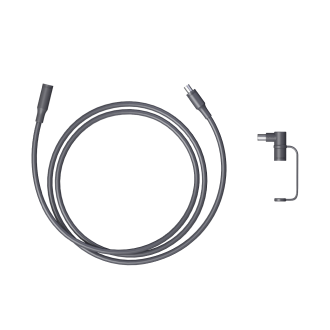
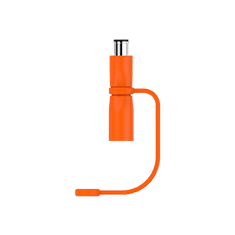
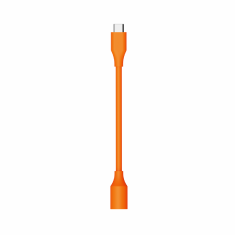
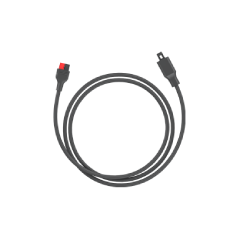
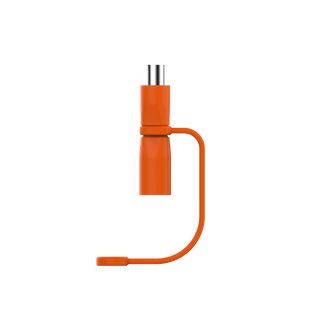
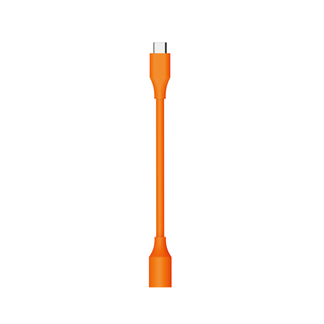
Connector mismatch is the #1 frustration. Jackery’s portable panels use Anderson connectors; most aftermarket panels use MC4. Budget $15–25 for adapters and always match the plug to your power station.
Pitfall |
Key Fact |
Solution |
|---|---|---|
Wrong connector |
MC4 is universal, but Jackery uses Anderson. |
Buy an MC4-to-Anderson adapter, or stick with the panel that matches your station’s input. |
Over-voltage |
Open-circuit voltage (Voc) must stay within your station’s solar input range (typically 11–60V). Exceeding it damages the MPPT. |
Check Voc on the panel label and the station’s max input. Never connect panels in series if the sum exceeds the limit. |
PWM vs. MPPT |
MPPT controllers extract 20–30% more energy in variable weather than PWM. |
All Jackery power stations have built-in MPPT; if charging a 12V battery directly, use an external MPPT controller. |
Series/parallel mismatch |
Daisy-chaining requires matching voltage (series) or current (parallel) specs. |
Check your station’s limits before combining panels. Jackery’s SolarSaga panels are designed to be used in parallel with the same model. |
Pass-through charging |
Not all stations support simultaneous solar input and AC output. |
Confirm in the specs: Jackery Explorer v2 series supports pass-through charging, so you can run a fridge while solar recharges. |
Durability and Weather: What IP Ratings Actually Mean for Camping
IP ratings measure dust and water resistance — IP65 is the baseline for camping, protecting against rain and splashes.
Feature |
Why It Matters |
Recommendation |
|---|---|---|
ETFE coating |
Resists UV, stays non-stick so dust washes off in light rain. Lasts 5–10 years vs. PET’s 2–3 seasons. |
ETFE is the minimum for regular camping. |
IP rating |
IP65: dust-tight, resists water jets — enough for rain and splashes. IP67: temporary submersion. |
IP65 is the baseline; IP67 for river trips or heavy storms. |
N-type TOPCon cells |
25% cell efficiency, 22%+ panel efficiency, superior low-light performance. |
Standard in 2026 portable panels; older PERC cells lose more in heat. |
Bifacial design |
Captures reflected light from sand or snow, boosting output 10–25% without extra size. |
Worth it for desert or alpine camping. |
Kickstand & airflow |
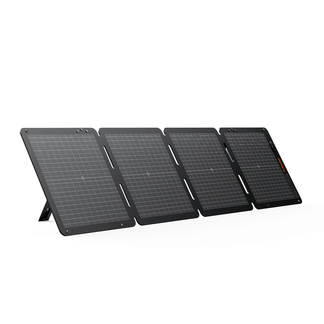
A panel laid flat on hot ground can reach 65°C (149°F), losing 15% efficiency. A kickstand lifts it for airflow and better angle. |
Always use the kickstand; never lay the panel directly on hot surfaces. |
Warranty |
3–5 years is standard; longer warranties signal better build confidence. |
Check the warranty before buying — it’s a proxy for durability. |
The Hidden Costs of “Free” Solar: Batteries, Inverters, and Setup Time
Sunlight is free, but turning it into usable power isn’t.
- Battery storage is mandatory. A panel alone can’t run a fridge at night. LiFePO₄ batteries offer 4,000+ cycles and a 10-year lifespan, but they add cost: expect $800–$1,300 per usable kWh installed (EnergySage 2026 averages). For a 1,000Wh station, that’s roughly $800–$1,300.
- Inverter size must handle surge loads. A 1,500W inverter can start a 1,200W fridge compressor, but not a 2,000W microwave. Size your inverter for the largest single surge load.
- Daily setup time averages 5–10 minutes for deploying, angling, and connecting. Factor this into your camping routine — it’s not a “set and forget” system.
- Redundancy strategy: Experienced campers favor two 200W panels over one 400W. If one fails or is shaded, you still have power. It also gives you flexibility to angle each panel independently.
For a deep dive into battery options, see our comparison of the best battery backup generators.
Three Portable Solar Solutions That Avoid These Mistakes
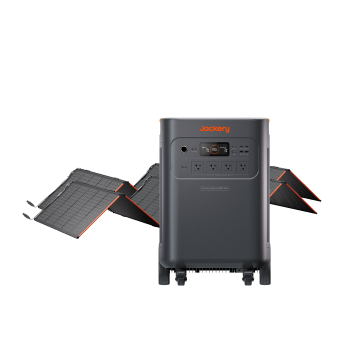
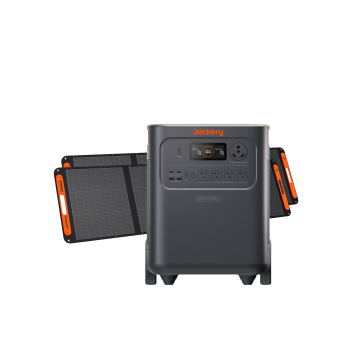
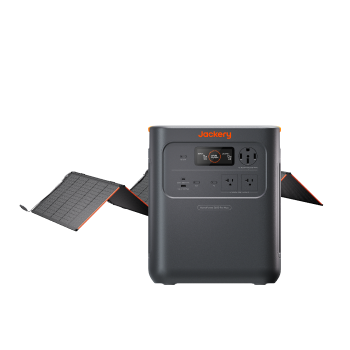
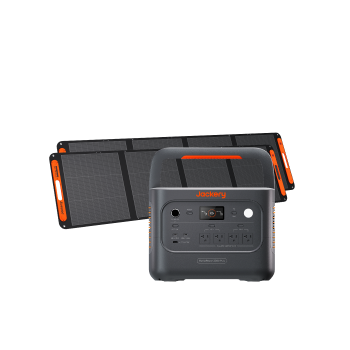
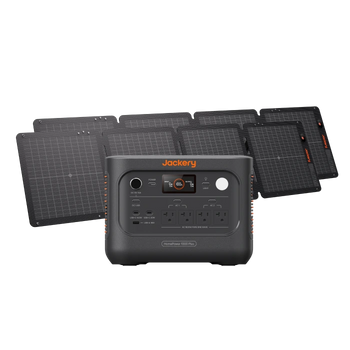
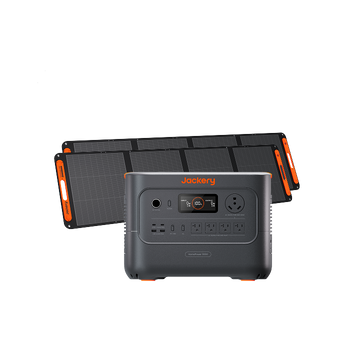
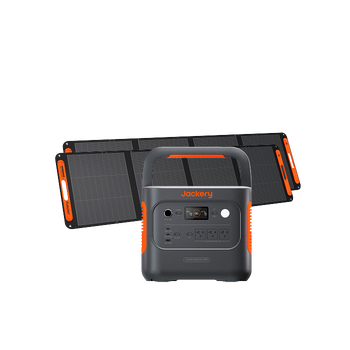
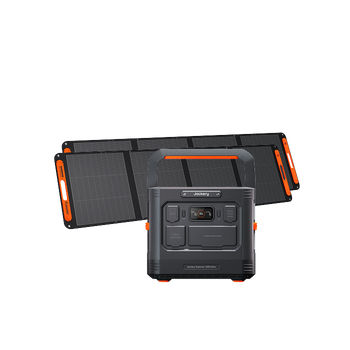
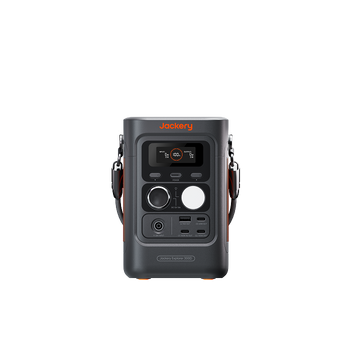
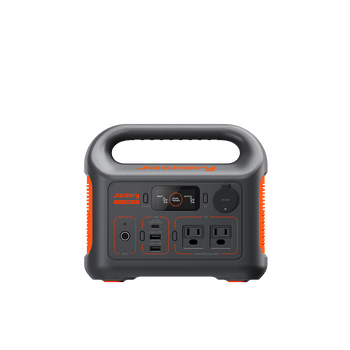
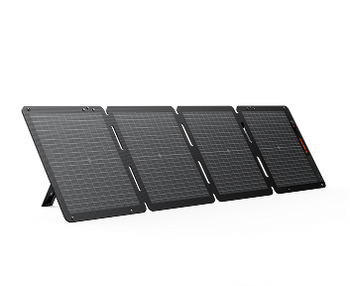
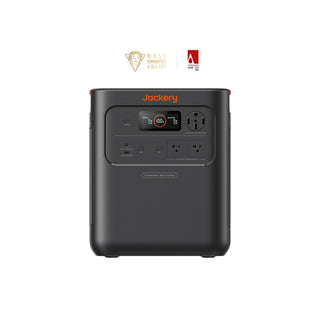
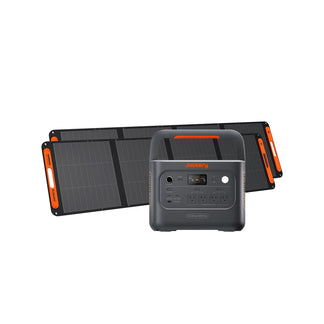
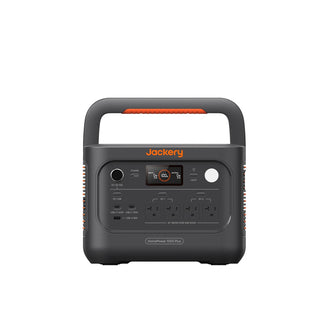
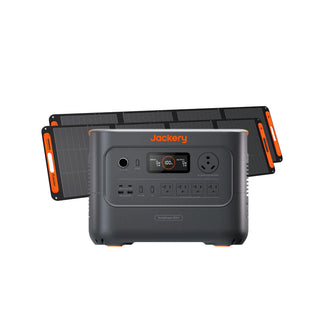
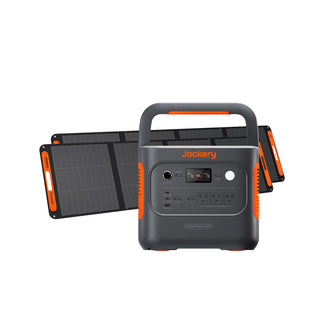
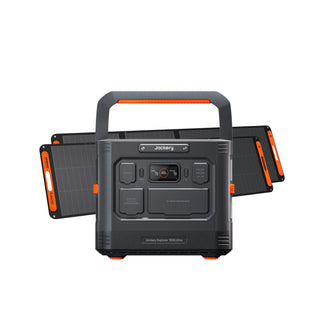
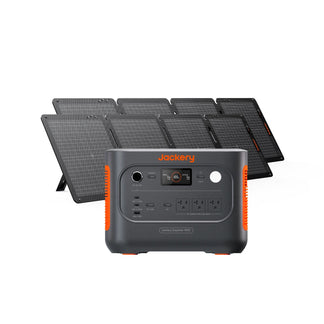
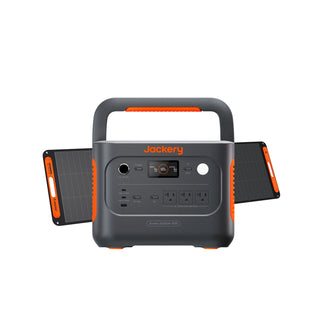
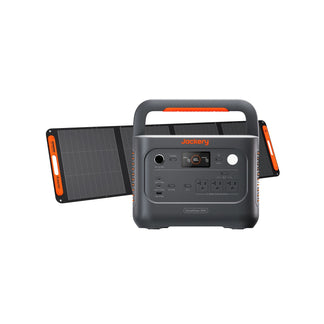
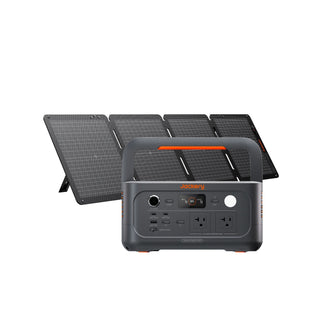
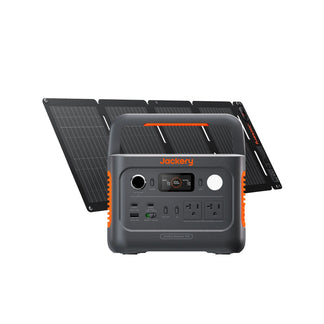
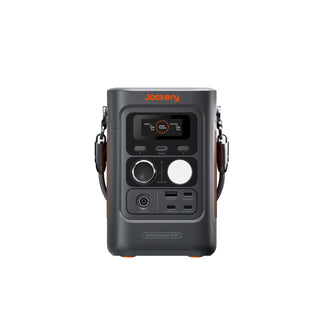
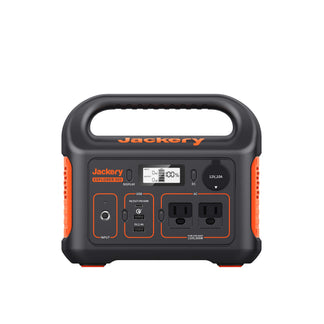
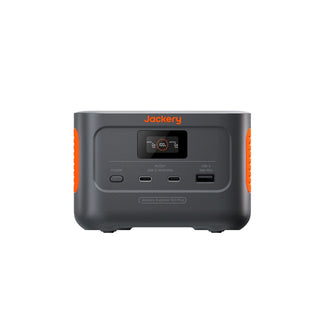
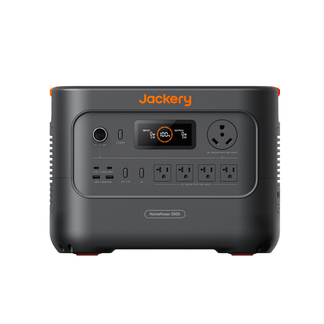
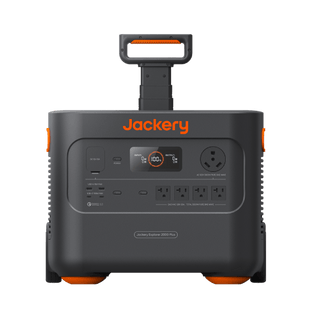
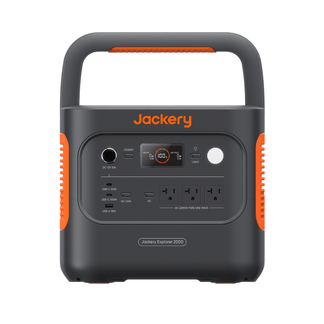
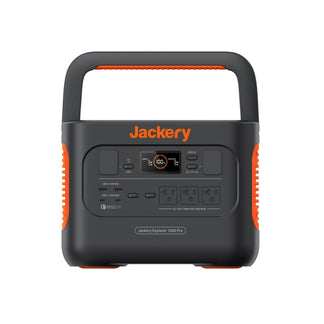
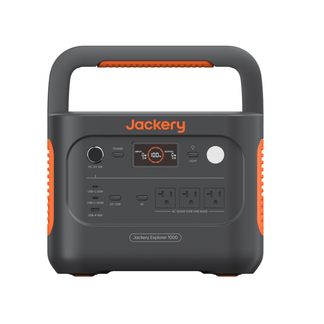
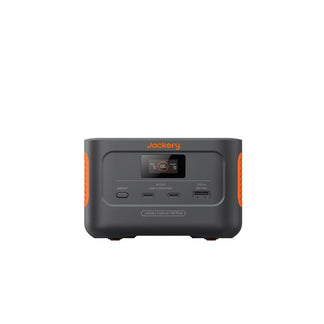
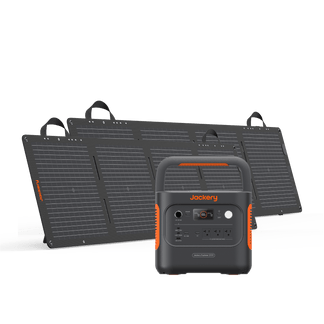
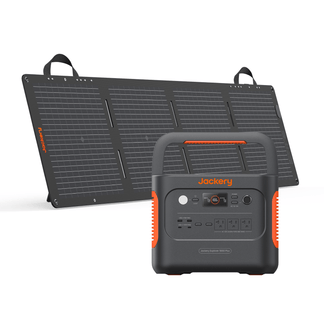
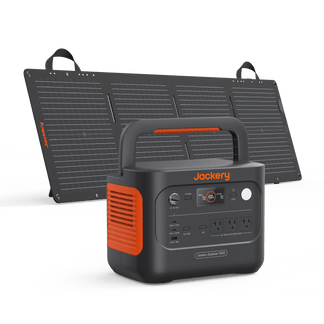
The following Jackery bundles address the common pitfalls: they use N-type TOPCon cells, ETFE coatings, built-in MPPT controllers, and LiFePO₄ batteries with pass-through charging. Each is a plug-and-play system — no wiring, no separate charge controller.
Model |
Key Features |
Ideal For |
|---|---|---|
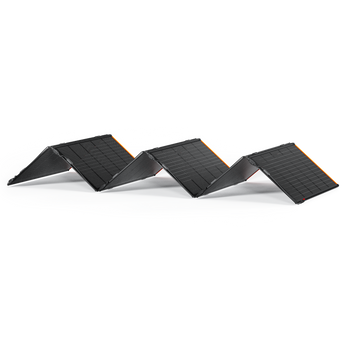
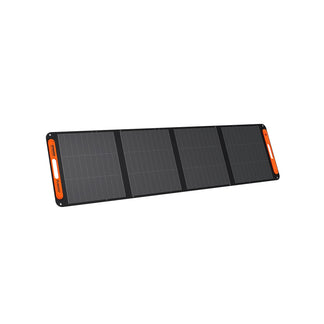
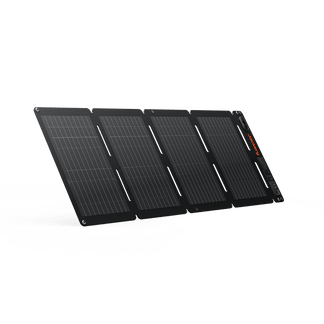
Jackery SolarSaga 500X |
500W bifacial, 25% TOPCon efficiency, IP68 dust/water resistance, MC4 with Anderson adapter |
High-output panel for base camps, overlanding, or pairing with large power stations |
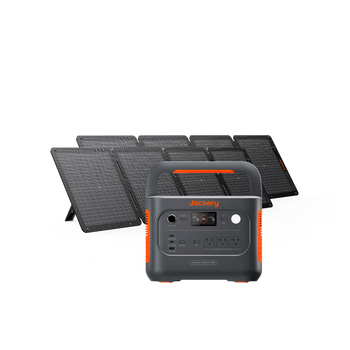
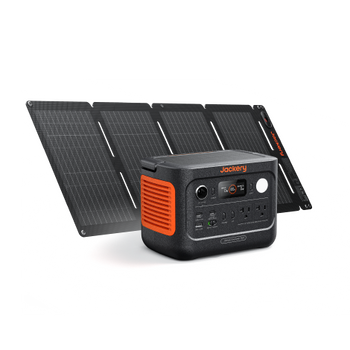
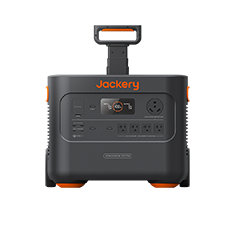
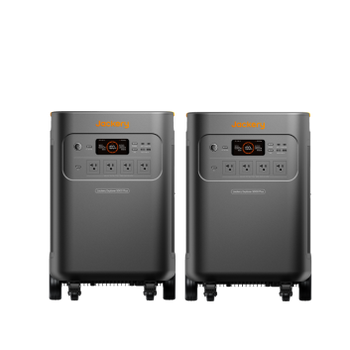
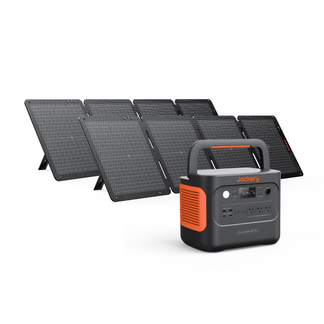
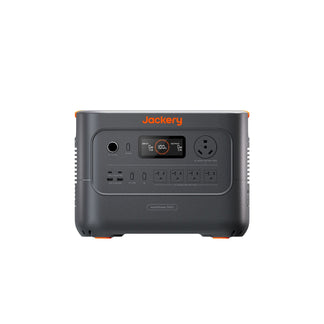
Jackery Explorer 2000 v2 + SolarSaga 500X |
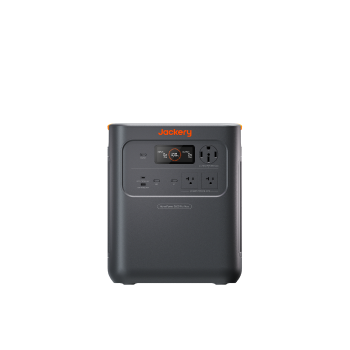
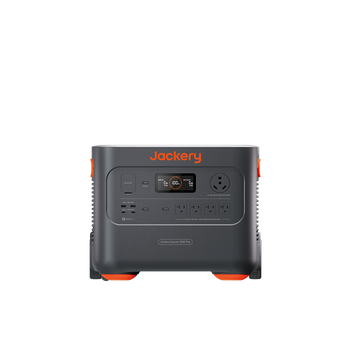
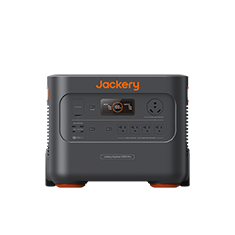
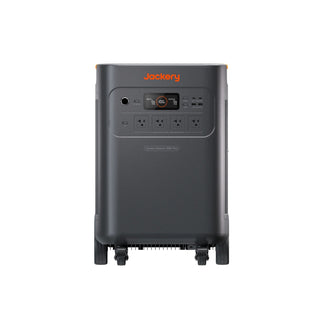
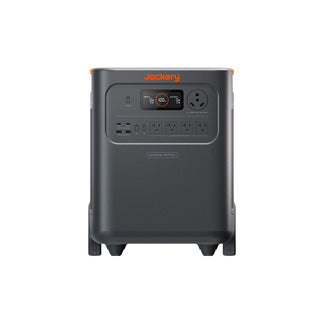
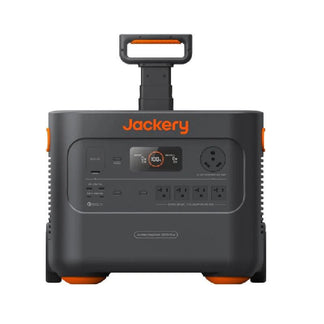
2,042Wh LiFePO₄, 2,200W inverter (4,400W surge), pass-through charging |
Multi-day trips powering a fridge, lights, laptop, and microwave |
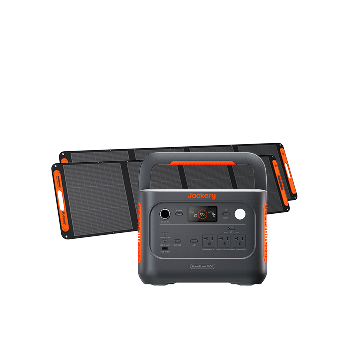
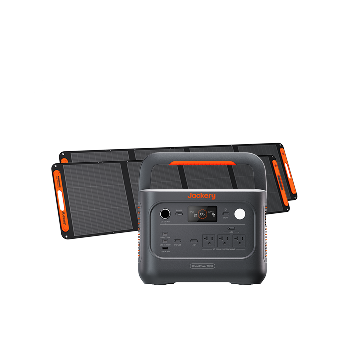
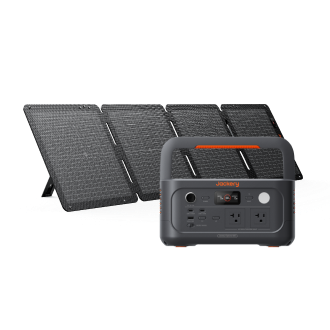
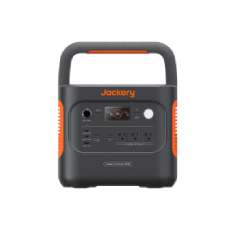
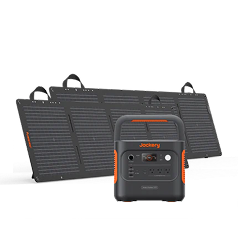
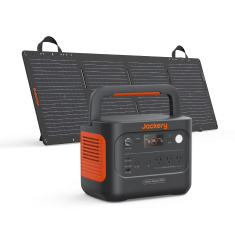
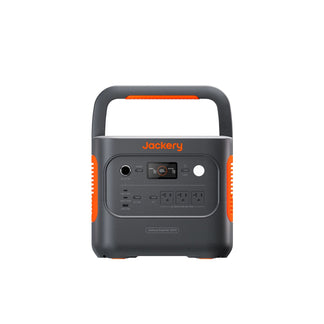
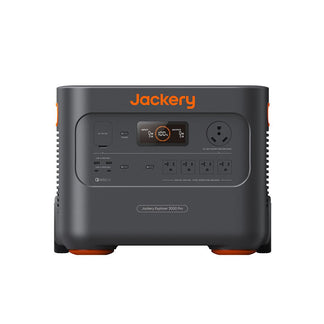
Jackery Explorer 1000 v2 + 2x SolarSaga 100W |
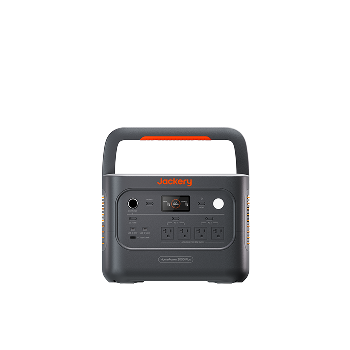
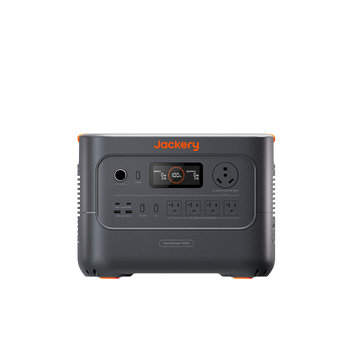
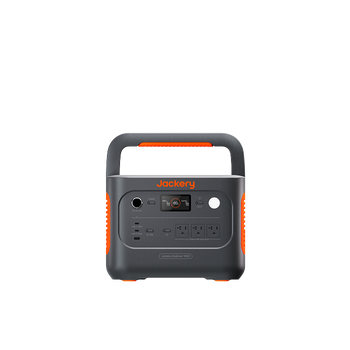
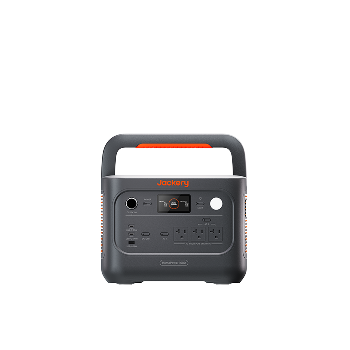
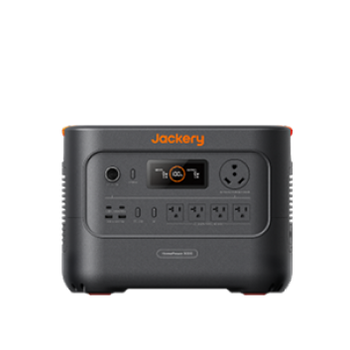
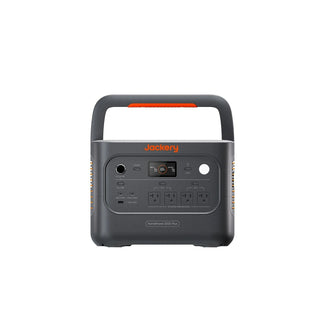
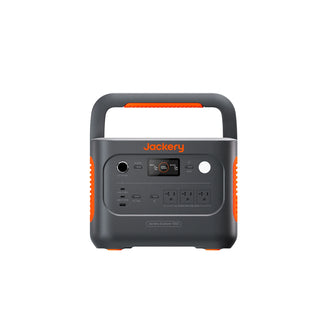
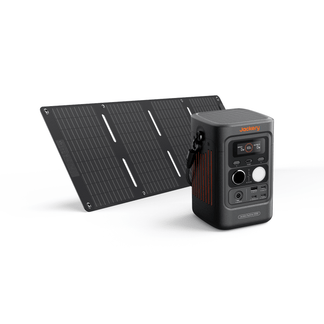
1,070Wh, 1,500W inverter (3,000W surge), 23.8 lbs with foldable handle; 200W total solar input |
Weekend camping: mini fridge, coffee maker, fan, and LED lights |
For a broader look at how these systems differ, read solar generator vs. portable power station vs. solar panel.
Frequently Asked Questions (FAQ)
How do I measure actual solar panel output in the field?
Use a watt meter inline between the panel and charge controller to see real-time wattage under current conditions.
Can I mix different wattage solar panels together?
Mixing different wattage panels is possible in parallel if voltages match, but not recommended in series — it drags down the higher-wattage panel.
Is pass-through charging safe for my battery long-term?
Yes, for modern LiFePO₄ batteries with a built-in Battery Management System (BMS) that regulates charge and discharge simultaneously.
What are the best ways to store solar panels when not in use?
Store panels in a cool, dry place inside a padded case to prevent physical damage and UV exposure; avoid leaving them in a hot car for extended periods.
Do I need a separate charge controller if using a power station?
Most portable power stations have a built-in MPPT controller, so no separate charge controller is needed — just plug the panel directly into the station’s solar input.
Sources:
- EnergySage marketplace averages 2026 for battery storage and solar panel costs: EnergySage


