






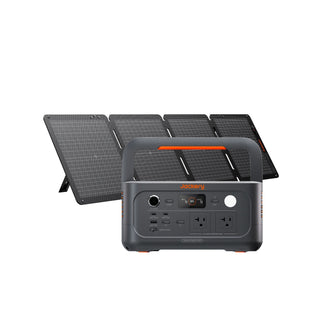
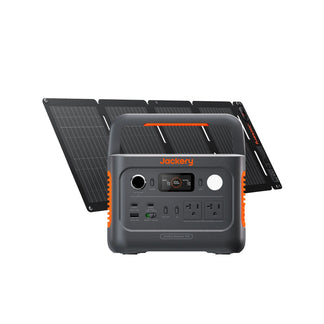

![[Add-on] Jackery SolarSaga 500 X - Jackery](http://www.jackery.com/cdn/shop/files/add-on-jackery-solarsaga-500-x-1493607.webp?v=1786503068&width=324)
![[Add-on] Jackery Battery Pack 5000 Plus - Jackery](http://www.jackery.com/cdn/shop/files/add-on-jackery-battery-pack-5000-plus-6713401.webp?v=1786503068&width=324)




![[Add - on] SolarSaga 200W - Jackery](http://www.jackery.com/cdn/shop/files/add-on-solarsaga-200w-4834329.png?v=1754016915&width=324)
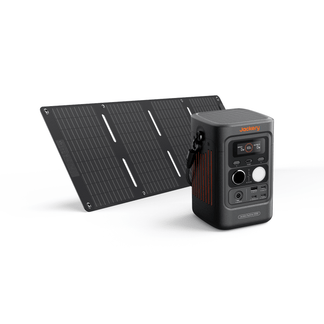


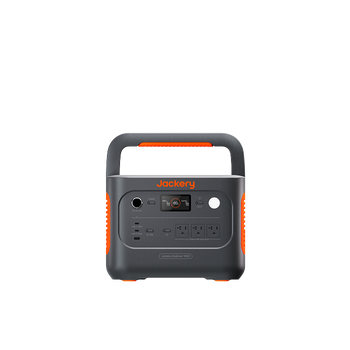
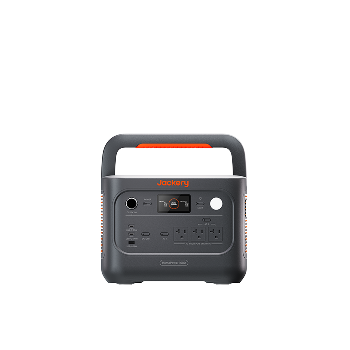
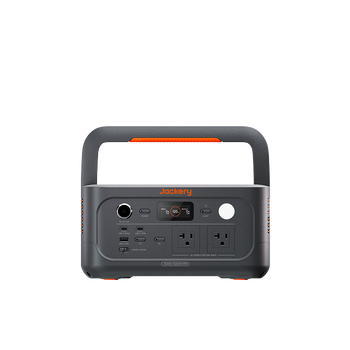
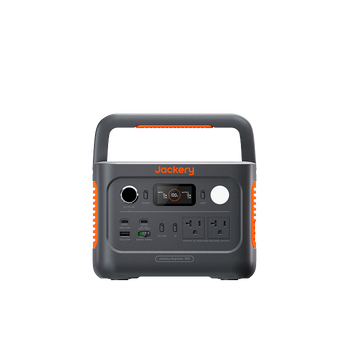
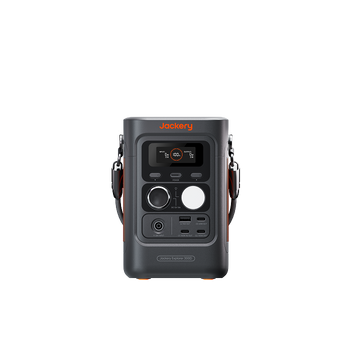
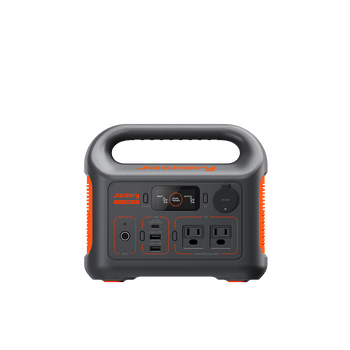
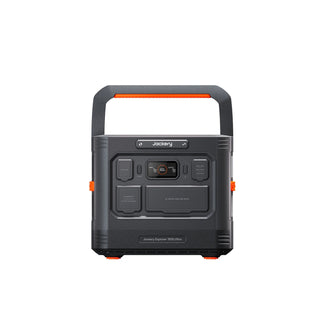
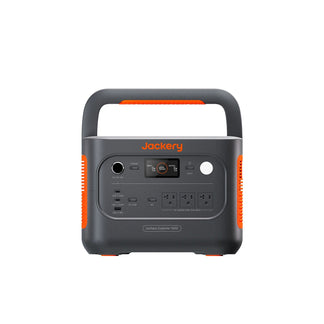
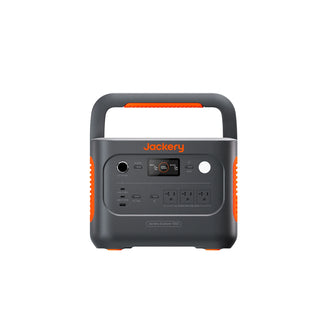
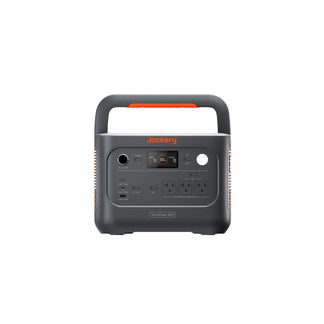
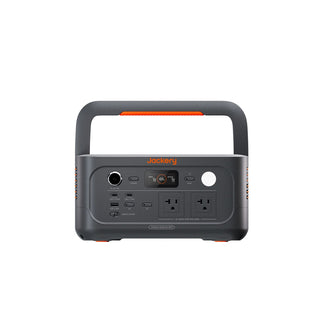
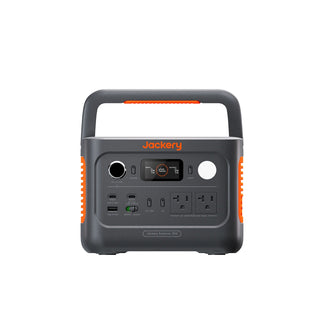
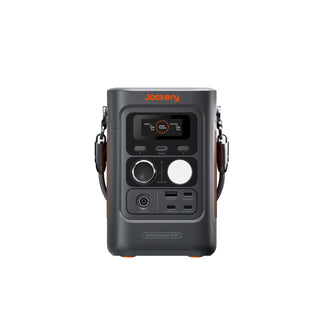
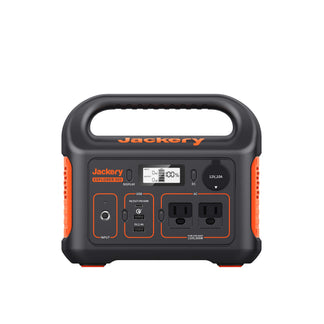
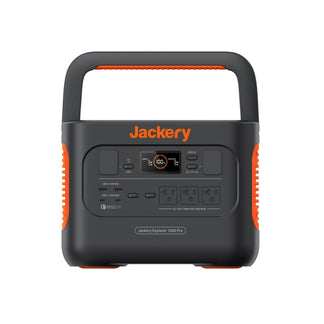
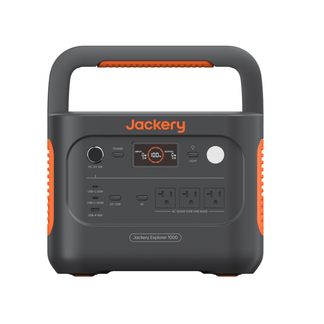
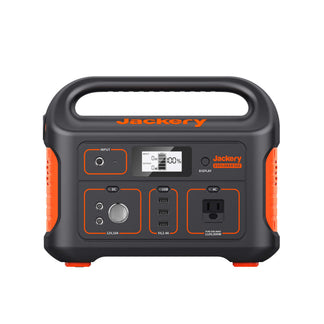
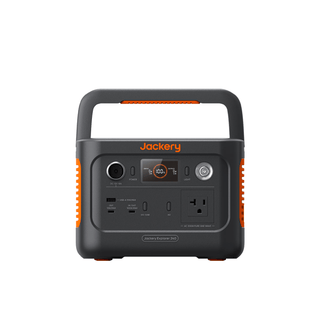
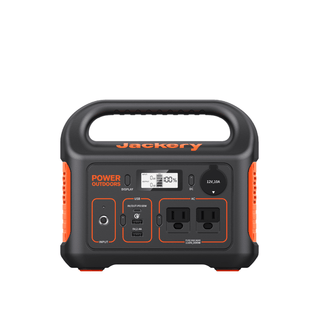
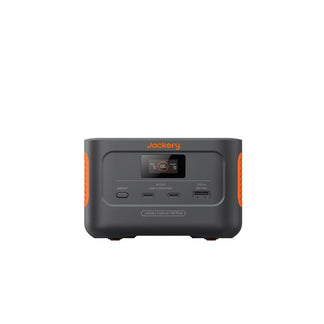
Over the past decade, portable power stations and solar generators have become popular charging solutions for homeowners and outdoor enthusiasts. Jackery is one of the leading companies manufacturing portable, reliable, and safe portable power stations — and the three most compact charging solutions include the Jackery Explorer 100 Plus, Jackery Explorer 300D, and Jackery Explorer 300 Plus.
The three practical and lightweight power stations — Jackery Explorer 100 Plus, Jackery Explorer 300D, and Jackery Explorer 300 Plus — have a lot of practical uses, from camping to powering small appliances during the event of a power outage. This Jackery 100 Plus vs. 300D vs. 300 Plus guide reveals the main differences between them and which is better than the other.
Comparison Chart of Jackery Explorer 100 Plus, Explorer 300D, and Explorer 300 Plus
The Jackery Explorer 100 Plus, Jackery Explorer 300D, and Jackery Explorer 300 Plus are compact enough to be carried around, but the real difference lies in the battery capacity.
Jackery Explorer 100 Plus is a small travel-friendly power station with a LiFePO4 battery of 99.2Wh capacity. It can be carried on flights to charge essential small devices.
On the other hand, both Jackery Explorer 300D and Jackery Explorer 300 Plus have a battery capacity of 288Wh that can charge small to midsize appliances.
Features/Specs Comparison
Most power stations and solar generators are too big and heavy for an average person to carry them over long distances. But that's not the case with Jackery Explorer 100 Plus, Jackery Explorer 300D, or Jackery Explorer 300 Plus. They are easier to carry around and even have enough power to supply electricity to home or outdoor appliances.
In the following detailed Jackery 100 Plus vs. 300D vs. 300 Plus table, we'll focus on the technical aspects or specifications of these portable power stations.
|
Comparison |
Explorer 300D |
||
|
Weight |
2.13 lbs (965 g) |
5.51 lbs (2.5 kg) |
8.27 lbs (3.75 kg) |
|
Portability |
Compact |
Easy to carry handle |
Foldable handle and lightweight |
|
Size (LxWxH) |
Length: 4.96 in (12.6 cm) Width: 3.41 in (8.65 cm) Height: 3.43 in (8.7 cm) |
Length: 7.20 in (18.3 cm) Width: 4.67 in (11.86 cm) Height: 4.73 in (12.02 cm) |
Length: 9.1 in (23 cm) Width: 6.1 in (15.5 cm) Height: 6.6 in (16.7 cm) |
|
Capacity |
99.2 Wh |
288Wh |
288 Wh |
|
Output Power (Rated/Surge) |
128W |
140W |
300W (600W Peak) |
|
AC Output |
(x1): 18W Max, 5V⎓3A, 9V⎓2A, 12V⎓1.5A |
— |
(x1): 120V, 60Hz, 300W (600W Peak) |
|
USB-A Output |
(x1): 18W Max, 5V⎓3A, 9V⎓2A, 12V⎓1.5A |
15W Max, 5V=3A |
(x1): 15W Max 5V⎓3A |
|
USB-C Output |
(x2): 100W Max, 4.5V⎓5A, 5V⎓3A, 5V⎓4.5A, 9V⎓3A, 12V⎓3A, 15V⎓3A, 20V⎓5A |
C1:140W Max, 5V=3A, 9V=3A, 12V=3A, 15V=3A, 20V=5A, 28V=5A C2:140W Max, 5V=3A, 9V=3A, 12V=3A, 15V=3A, 20V=5A, 28V=5A C3: 65W Max, 5V=3A, 9V=3A, 12V=3A, 15V=3A, 20V=3.25A |
100W Max, 5V⎓3A (5V, 9V, 12V, 15V, 20V up to 5A) |
|
Car Port |
60W Max, 11-17.5V⎓5A |
12V=10A Max |
12V⎓10A |
|
Input |
USB-C1/C2 Input (PD Input): 100W Max, 5V⎓3A, 9V⎓3A, 12V⎓3A, 15V⎓3A, 20V⎓5A USB-C1/C2 Input (Solar Input): 100W Max, 18-27.2V⎓5A |
DC Input Car: 11-16V=6A Max, 96W Max USB-C Input C1: 5V=3A, 9V=3A, 12V=3A, 15V=3A, 20V=5A, 28V=5A, 140W Max High-PV: 16-28V=6A Max, 100W Max |
AC Input: 100V, 60Hz, 15A Max |
|
Cell Type |
LiFePO4 |
LiFePO4 |
LiFePO4 |
|
Manage System |
BMS, Over Voltage Protection, Short Circuit Protection |
BMS, Over Voltage Protection, Short Circuit Protection |
BMS, Over Voltage Protection, Short Circuit Protection |
|
Recharge Lifecycle |
2000 cycles to 80%+ capacity |
4000 cycles to 70%+ capacity |
3000 cycles to 80%+ capacity |
|
Recharge Types |
Solar Recharging: 2H (1*Jackery SolarSaga 100W Solar Panel) PD100W Adapter Recharging: 1.8H Car Recharging: 2.5H |
Solar Recharging: 9.5 H (1*Jackery SolarSaga 40W Air Solar Panels) Wall Recharging: 2.4 H Car Recharging: 4 H |
Solar Recharging: 9.5H (1*Jackery SolarSaga 40W Solar Panels) Wall Recharging: 2H Car Recharging: 5.5H USB Charging: 2.8H |
|
Display Screen |
LCD Screen |
Smart Screen |
LCD Screen |
|
App Control |
Yes (Smart App Control) |
No |
Yes (Smart App Control) |
|
Operating Temperature (Both F and C) |
14°F~104°F(-10°C~40°C) |
Charge Temperature: 32°F to 113°F / 0°C to 45°C Discharge Temperature: 5°F to 113°F / -15°C to 45°C |
14-113 °F (-10-45°C) |
|
Quiet Level |
Less than 45dB Maximum (Less than that of a whisper) |
30dB Maximum (Less than that of a library) |
Less than 45dB Maximum (Less than that of a whisper) |
|
Durable Design |
Lightweight, compact, and travel-friendly |
Compact, Safe, and Lightweight Design |
Compact, Portable, and Lightweight Design |
|
Warranty |
2 Years Warranty |
3+2 Years Warranty (the two-year extra warranty is applied automatically when you purchase it from the official website) |
3+2 Years Warranty (the two-year extra warranty is applied automatically when you purchase it from the official website) |
|
Shipping |
Free shipping costs on every Jackery order. Fast Shipping: 3 - 4 business days FedEx shipping service for: CA/AL/GA/LA/MA/MO/NC/SC/NC/VA/AR/IL/KS/OK/TX. |
||
|
Solar Bundle |
SolarSaga 40W Solar Panels: Up to 1 Pc SolarSaga 100W Solar Panels: Up to 1 Pc |
SolarSaga 40W Air Solar Panels: Up to 1 Pc SolarSaga 100W Air Solar Panels: Up to 1 Pc |
SolarSaga 40W Solar Panels: Up to 1 Pc SolarSaga 100W Solar Panels: Up to 1 Pc |
Recharging Time
Both the Jackery Explorer Portable Power Stations offer multiple charging options: a wall outlet, a car charger, and Jackery SolarSaga Solar Panels. The main difference between the Jackery Explorer 100 Plus, Jackery Explorer 300D, and the Jackery Explorer 300 Plus is the time required to charge them using different methods.
With the help of a PD100W adapter, the small Jackery Explorer 100 Plus can be recharged in only 1.8 hours. On the other hand, the Jackery Explorer 300D and Jackery Explorer 300 Plus can be recharged in 2 hours and 2.4 hours with a wall outlet, respectively. These power stations are also compatible with Jackery SolarSaga 40W Solar Panels and Jackery SolarSaga 100W Solar Panels.
|
Comparison |
Explorer 300D |
||
|
Wall Recharging |
— |
2.4H |
2H |
|
Car Recharging |
2.5 H |
4H |
5.5H |
|
USB Charging |
— |
— |
2.8H |
|
PD100W Adapter |
1.8 H |
— |
— |
|
1*SolarSaga 40W Solar Panel |
5.5 H |
9.5H (1*Jackery SolarSaga 40W Air) |
9.5H |
|
1*SolarSaga 100W Solar Panel |
2 H |
3.5H (1* Jackery SolarSaga 100W Air) |
5.5H |
Jackery Explorer 100 Plus vs. 300D vs. 300 Plus In Different Using Scenes
Jackery Explorer 100 Plus, Jackery Explorer 300D, and Jackery Explorer 300 Plus can be used for various scenarios like camping, outdoor working, and home outages. However, choosing between the Jackery Explorer 100 Plus, Jackery Explorer 300D, and the Jackery Explorer 300 Plus depends on how much power you need and for how much time. In the following sections, we'll reveal the different use cases of portable power stations.
Camping Appliances
Campers are often in need of a portable charging solution that can be carried around — and the Jackery Explorer 100 Plus, Jackery Explorer 300D, and Jackery Explorer 300 Plus are great for campers. All thanks to their super light nature, they can be carried with ease and require no complex installation process.
Take Jackery Explorer 100 Plus, for example. With a weight of a mere 965 grams, the Jackery Explorer 100 Plus is travel-friendly, fits the palm of your hand, and can be carried on planes. Similarly, the Jackery Explorer 300 Plus is three times (3.75 kg) as heavy as the Jackery Explorer 100 Plus — but can be transported without any effort.
The Jackery Explorer 300D is a solid choice for camping when you want reliable power without carrying something bulky. Its lightweight design (5.5 lbs) makes it easy to move around a campsite, and it’s well suited for everyday camping essentials like phones, lanterns, cameras, and small fans. You can keep up to 5 devices charged at the same time, which is helpful when sharing power with family or friends.

Product Image: Use Jackery Explorer 300 Plus to charge a laptop
|
Appliances /Running Time |
Explorer 300D |
||
|
Laptop (30W) |
2.6 H |
5.9 H |
5.9 H |
|
Smartphone (15W) |
5.3 H |
9.4 H |
9.4 H |
|
Smart Speaker (10W) |
7.9 H |
11.8 H |
11.8 H |
|
Lamp (5W) |
15.8 H |
15.7H |
15.7H |
|
Blender (210W) |
— |
— |
1.1 H |
Power Outage/Home Appliances
Jackery Explorer 100 Plus, Jackery Explorer 300D, and Jackery Explorer 300 Plus are great entry-level power stations for charging small appliances like laptops, cameras, drones, and more. With around 288Wh LiFePO4 battery, the Jackery Explorer 300 Plus can power small home appliances like mini refrigerators, coolers, car fridges, laptops, TVs, and other devices. However, if you're looking for a portable charging solution that supplies power to most home appliances, you can consider the essential home backup solutions like the Jackery Solar Generator HomePower 3600 Plus or Jackery Solar Generator 5000 Plus.

Product Image: Use Jackery Explorer 100 Plus to charge a mixer
Outdoor Working Appliances
The Jackery Explorer 100 Plus is ideal for very light outdoor work and air travel. It’s useful when you only need to recharge a phone, tablet, or small accessory for a short time. If your work setup is minimal and you’re rarely away from power for long, it does the job without adding weight.
The Jackery Explorer 300D is a better fit for real outdoor workdays. It can handle a laptop, phone, hotspot, and camera at the same time, which makes it practical for remote work, photography, or field tasks. It’s still light enough to carry easily, but powerful enough that you don’t feel limited after a few hours.
The Jackery Explorer 300 Plus suits outdoor work setups that need more headroom. It’s the better option if you’re running multiple devices for longer periods or using slightly higher-draw gear.
Conclusion
Whether you want a small power station to prepare for an emergency or wish to go hiking, camping, or other outdoor activities with gadgets that demand power, the Jackery Explorer 100 Plus and Jackery Explorer 300 Plus are great options. They can keep small electronic gear running for hours and can be charged using solar panels.
If you plan to air travel and wish to carry a portable charging solution that can keep your outdoor gear charged, the Jackery Explorer 100 Plus is a reliable choice. Alternatively, if you want more outlets or if you plan to power more appliances for long hours, the Jackery Explorer 300 Plus might seem a great fit in the Jackery 100 Plus vs. 300D vs. 300 Plus battle.
Here are some more comparison articles:


