

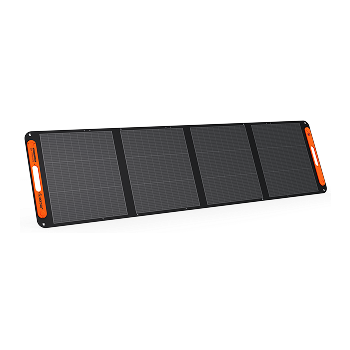













![[Add-on] Jackery SolarSaga 500 X - Jackery](http://www.jackery.com/cdn/shop/files/add-on-jackery-solarsaga-500-x-1493607.webp?v=1786503068&width=324)
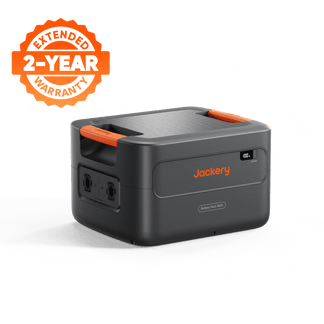
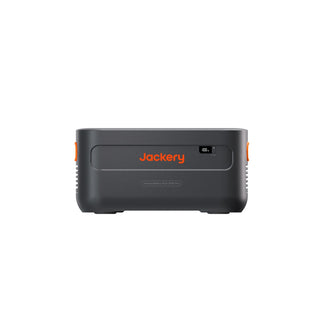
![[Add-on] Jackery Battery Pack 5000 Plus - Jackery](http://www.jackery.com/cdn/shop/files/add-on-jackery-battery-pack-5000-plus-6713401.webp?v=1786503068&width=324)









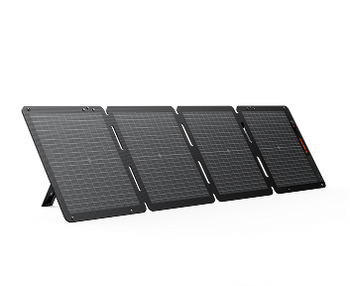
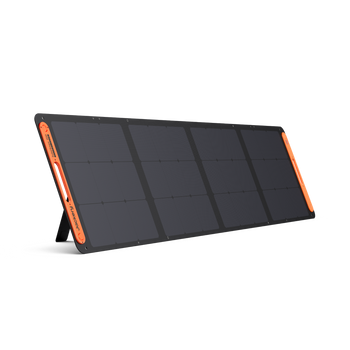
![[Add - on] SolarSaga 200W - Jackery](http://www.jackery.com/cdn/shop/files/add-on-solarsaga-200w-4834329.png?v=1754016915&width=324)


Quick Answer:
A reliable RV solar system starts by measuring your actual daily watt‑hours and adding a 30–50% buffer. A 200–400 Ah LiFePO₄ bank with 400–800 W solar handles lights, fridge, and devices; running a 13,500 BTU AC for several hours demands a 600–1,000 Ah bank and 1,200–2,000 W solar. Portable panels that you place in sun while the RV stays shaded often outperform a fixed rooftop array.
Key Takeaways
- A 13,500 BTU RV air conditioner draws 1,500–2,000 W continuous and can drain a 200 Ah lithium battery in under 2 hours without solar input.
- Shade at summer campsites limits rooftop panels to 4–6 hours of useful sun; adding portable panels can boost daily harvest by 15–30%.
- LiFePO₄ batteries are essential for summer use — they handle 80–90% daily depth‑of‑discharge without damage, unlike lead‑acid.
- Starting with a 1,500 Wh portable solar generator and 200–400 W of panels, then scaling up over two summers, avoids over‑investing before you know your real consumption.
- Undersizing costs more in the long run: frequent deep discharges on lead‑acid halve lifespan, and running a generator burns $10–$20 in fuel every weekend.
Why Summer Solar Setups Fail
Air conditioning is the biggest power hog: a 13,500 BTU unit draws 1,500–2,000 W and can drain a 200 Ah lithium battery (2,560 Wh) in 1.5–2 hours. Without a large battery bank and solar to match, you’ll need a generator by mid‑afternoon.
Shade at campsites limits rooftop panels to 4–6 hours of direct sun, preventing a full recharge. Even a large array underperforms under a canopy.
Roof real estate is limited by vents, AC units, and skylights, making large panels hard to fit. Many RVers turn to portable panels placed in sun while the RV stays shaded. For a complete walk‑through of all the components, see our complete guide to solar‑powered RV setups.
Top 5 Summer RV Solar Sizing Mistakes (And Solutions)
Mistake |
Solution |
|---|---|
1. Guessing daily energy needs |
Use a Kill‑A‑Watt meter to log actual watt‑hours of AC, fridge, microwave, and lights over a full 24‑hour period. |
2. Ignoring AC startup surge |
A 13,500 BTU unit can spike to 4,500 W. A Micro‑Air EasyStart soft starter reduces inrush to ~2,000 W, letting a 2,000 W inverter handle the load. |
3. Overlooking battery depth‑of‑discharge |
Lead‑acid shouldn’t be discharged below 50% regularly; LiFePO₄ handles 80–90% daily discharge without degradation, so usable capacity is nearly the label rating. |
4. Skipping a 30–50% buffer for cloudy days |
Add 30–50% extra battery capacity to ride out 2–3 overcast days common in the Pacific Northwest or Midwest. |
5. Relying solely on rooftop panels |
Portable panels placed in direct sun while the RV stays shaded can lift daily harvest by 15–30%, often eliminating a generator top‑up. |
Understanding Your Real Summer Energy Demand
To estimate your real summer energy demand:
- List every 12 V and 110 V device: lights, chargers, laptop, water pump, fridge, AC.
- Multiply running watts by hours. Example: fridge 150 W × 8 h = 1,200 Wh; 5,000 BTU AC 500 W × 6 h = 3,000 Wh.
- AC loads can spike daily consumption by 800–1,500 Wh.
- A fridge compressor can surge to 1,000–2,000 W, so ensure the inverter handles that peak.
- Double your initial battery estimate if running AC, accounting for inefficient charging, inverter losses, and heat derating.
For a deeper dive, see how much solar power you actually need for a camper.
Matching Battery and Solar Input for Hot Weather
LiFePO₄ batteries are essential: lead‑acid loses 20–30% capacity at high discharge rates, while lithium delivers nearly 100% and handles 80–90% daily depth‑of‑discharge.
To size your system:
- A 200–250 W solar array can sustain roughly 800–1,000 Wh per day in 5 peak sun hours, assuming 20% system losses.
- To run a 5,000 BTU AC for 6 hours (3,000 Wh) plus a fridge and lights (1,500 Wh), you’d need at least 1,200 W solar and a 400–600 Ah lithium bank (12 V) with a 20% margin for cloudy days.
- An MPPT charge controller is mandatory for arrays above 400 W. A 60–80 A rating handles 800 W+ safely.
- If rooftop panels push more than 40 A at midday, active cooling or derating is necessary.
- When roof space is tight, prioritize battery capacity over solar panels: a 600–1,000 Ah lithium bank can run an AC for hours even with poor sun.
For a closer look at charging options, see solar battery chargers designed for RV use.
Portable vs. Rooftop Panels: Decision Framework for Summer Travelers
Factor |
Portable Panels |
Rooftop Panels |
|---|---|---|
Shade flexibility |
Place in direct sun while RV stays shaded; 15–30% more harvest |
Fixed in whatever light hits the roof |
Weight & storage |
Under 25 lbs per 200 W; fold and store inside |
40–60 lbs per 200 W; permanent mount |
Installation |
No roof penetrations, no wind‑lift risk; secure inside during storms |
Requires drilling, sealing, and wind‑load consideration |
Seasonal use |
Leave at home when not needed; no permanent modification |
Always on the roof, adding weight and drag |
Space limits |
Unlimited — ground‑mount arrays can be as large as needed |
Limited by vents, AC units, and roof shape |
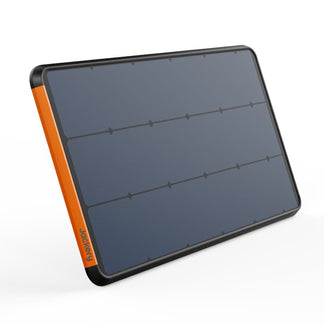
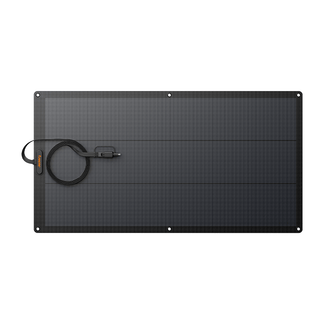
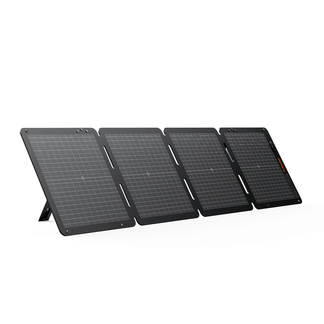
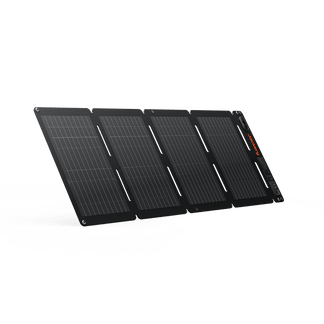
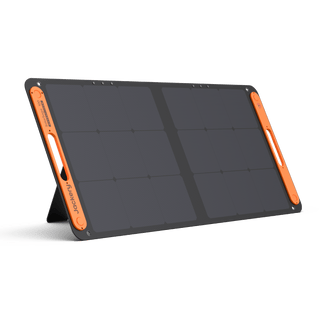
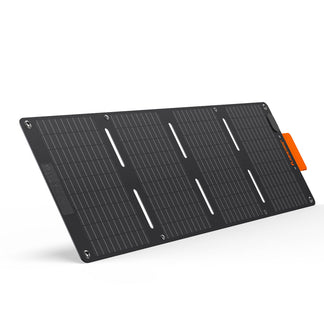
Portable panels solve the core summer problem: you can park under a cool canopy and still harvest full sun. A ground‑mount array of 400–600 W can be set up in minutes and stowed when you move. Rooftop panels are convenient while driving but struggle in the exact shady spots that make summer camping comfortable.
Seasonal travelers who only need solar for a few trips a year often prefer portable kits because they avoid permanent modifications and the extra weight on the roof year‑round. For a broader comparison of solar generator types, read solar generator vs. portable power station vs. solar panel.
Addressing Common Beginner Questions
How much solar is enough for AC?
1,200–1,600 W solar + 400 Ah LiFePO₄ for 2–4 h AC; 2,000 W solar + 600–800 Ah for 8 h. Less requires a generator.
What voltage system should I build?
For AC loads, a 24 V or 48 V system keeps current below 100 A (vs. 200 A+ at 12 V), reducing wiring size and heat. A 2,000 W inverter needs at least 24 V.
Can I buy a pre‑made kit?
Sub‑$1,000 kits can’t run AC; they’re for lights, fridge, and small devices. For AC, budget $2,000+.
Do I need a generator?
A portable gas generator is a practical backup for cloudy days; it can top off batteries and run AC directly during peak heat.
The Hidden Costs of Undersizing Your System
Frequent deep discharges on lead‑acid batteries halve their lifespan from 4–5 years to 2–3 years, costing $200–$400 in early replacements. A lithium bank avoids that penalty, but if you undersize the lithium bank itself, you’ll still cycle it more deeply than planned, shortening its calendar life.
Running a generator to top off batteries after cloudy days burns $10–$20 in fuel per weekend. Over a 12‑week summer, that’s $120–$240 — enough to have bought an extra 200 W portable panel that would have prevented the generator run in the first place.
An inverter pushed near its limit runs less efficiently and may overheat, forcing a shutdown. Re‑sizing later costs 30–50% more: you’ll need a second charge controller, additional batteries, or larger panels.
How to Scale Your System Over Two Summers
- Summer 1: Start with a portable solar generator offering 1,500 Wh battery and a 2,000 W inverter, plus a 200–400 W panel kit. This handles fridge, lights, laptops, and device charging. Add a second 200 W portable panel for cloudier days or a larger fridge load.
- Charging while driving: Connect the generator to the RV’s 7‑pin trailer plug for alternator charging. Modern vehicles can supply up to 30 A, adding 300–400 Wh per hour of driving.
- Plan for AC later: Choose a generator that supports pass‑through charging so you can plug in a small window unit. Monocrystalline panels paired with an MPPT charge controller deliver 20–25% more harvest in limited roof space than older polycrystalline panels or PWM controllers, giving you headroom for expansion.
- Summer 2: If more AC runtime is needed, add a dedicated lithium battery bank of 200–400 Ah and 800–1,200 W of portable solar. The initial portable generator becomes the inverter and charge controller.
Recommended Solutions
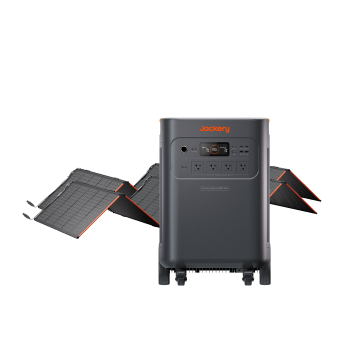
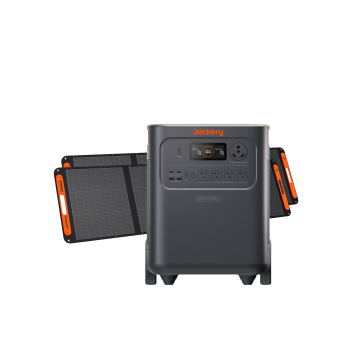
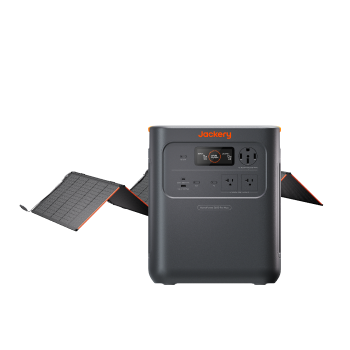
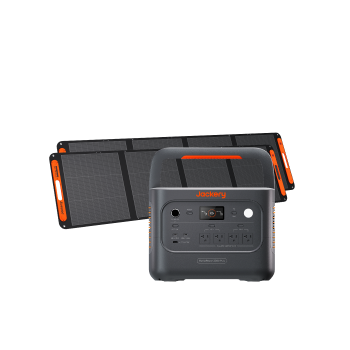
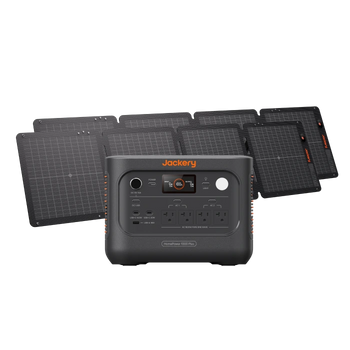
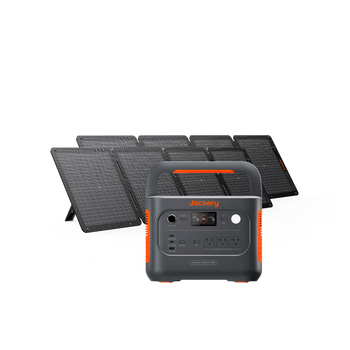
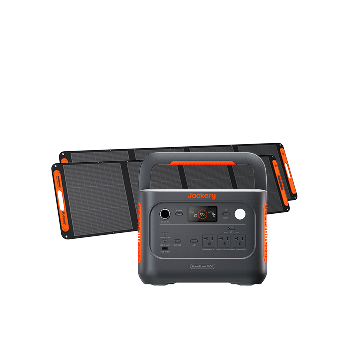
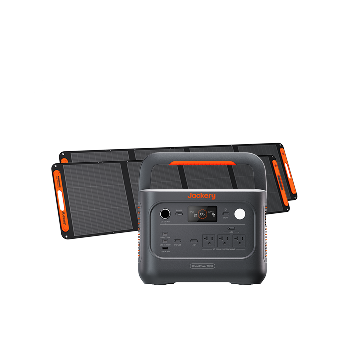
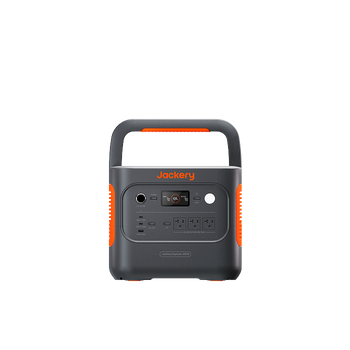
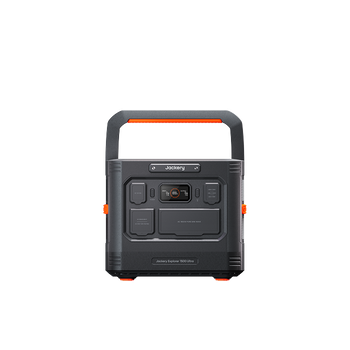
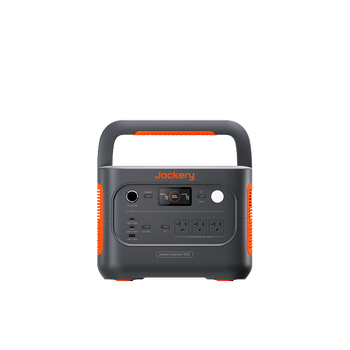
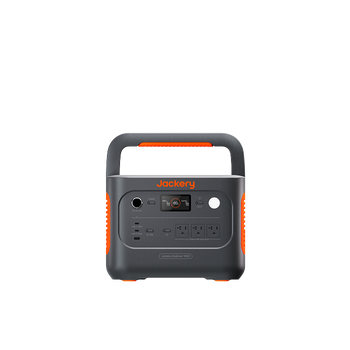
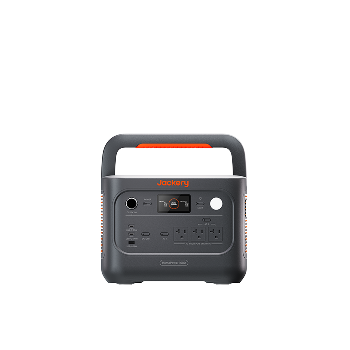
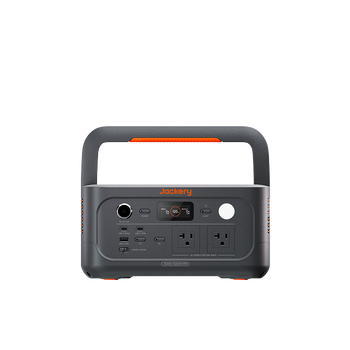
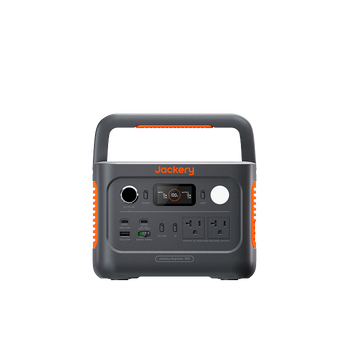
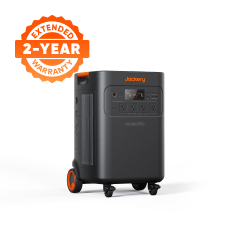
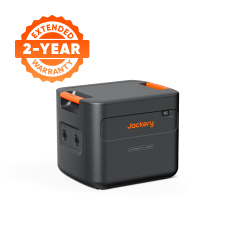
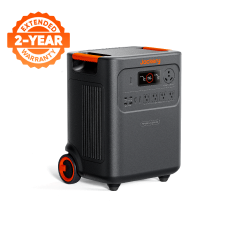
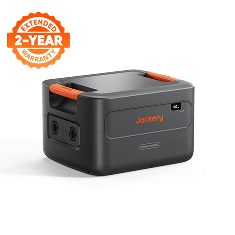
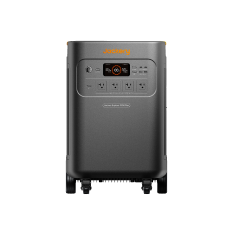
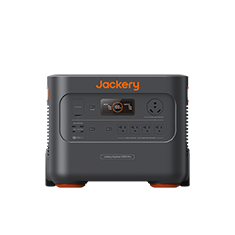
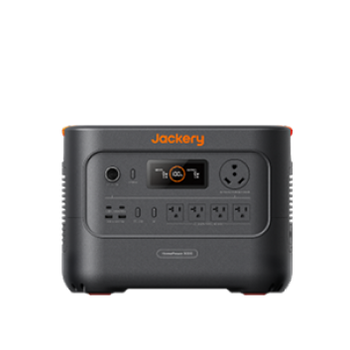
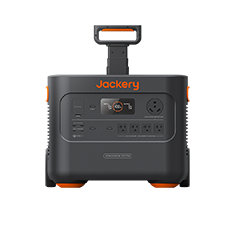
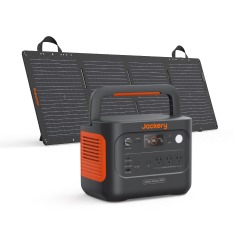
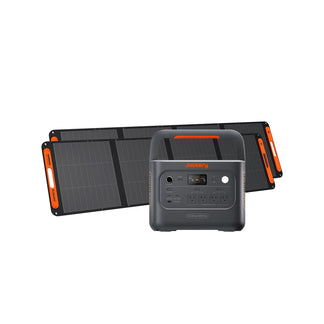
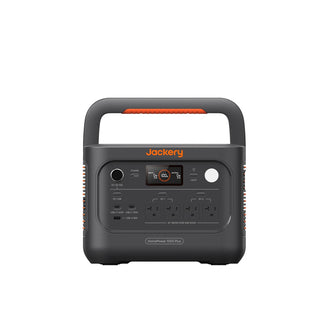
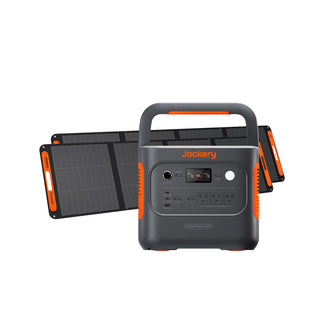
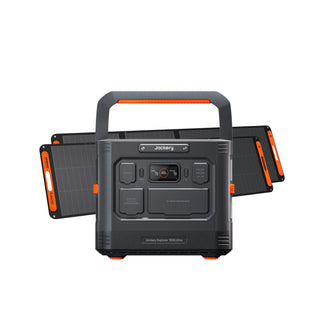
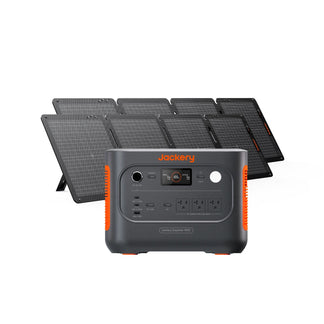
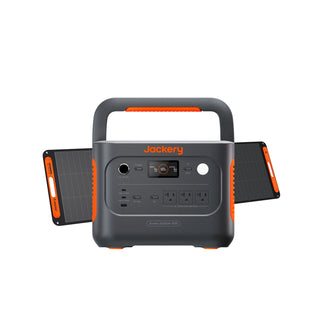
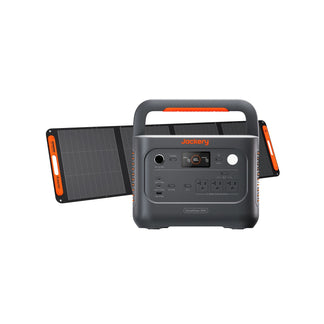
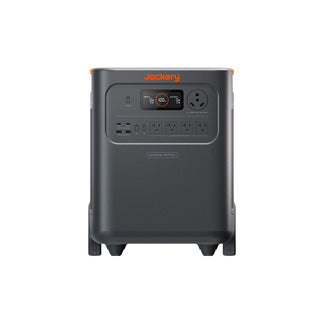
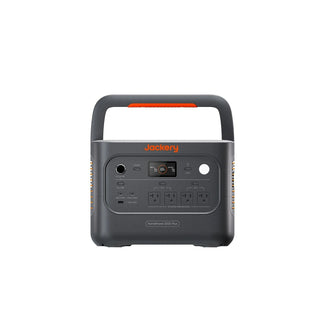
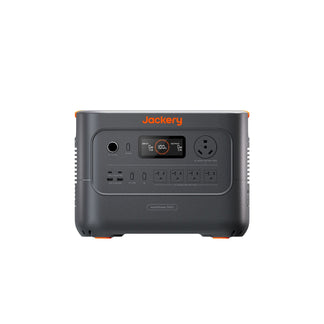
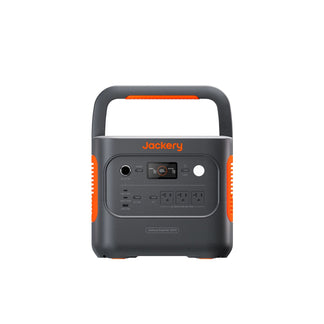
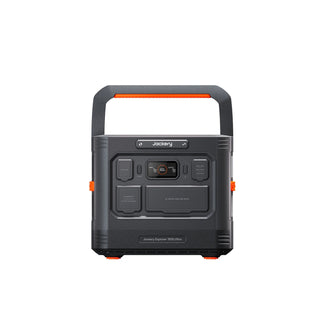
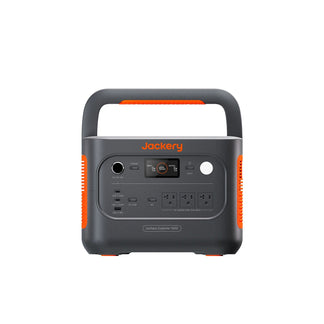
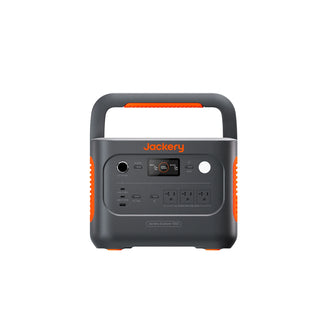
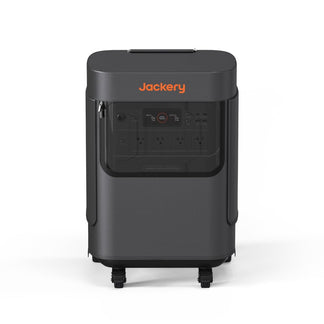
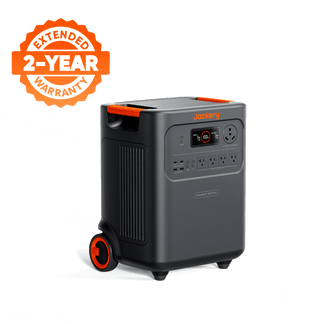
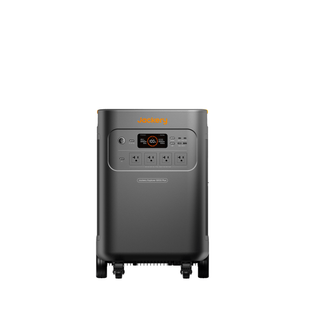
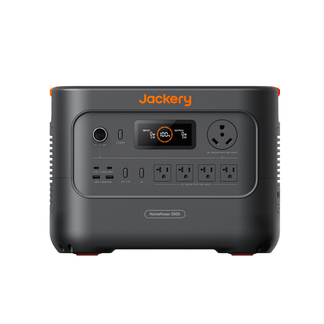
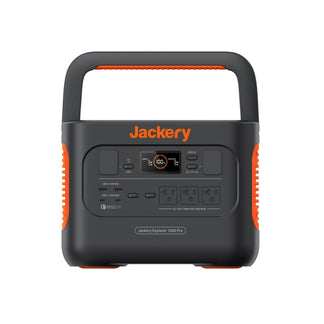
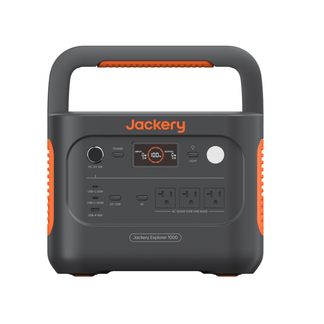
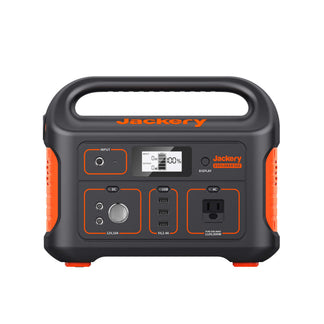
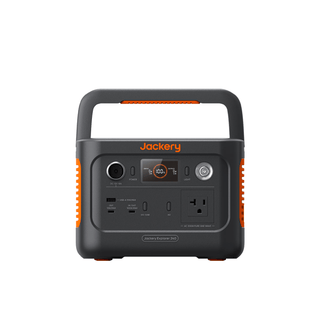
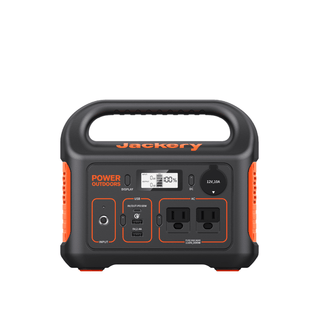
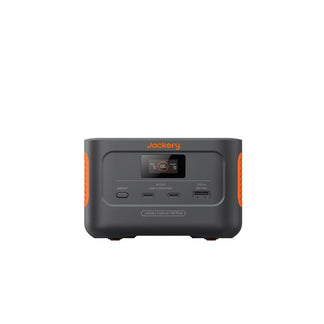
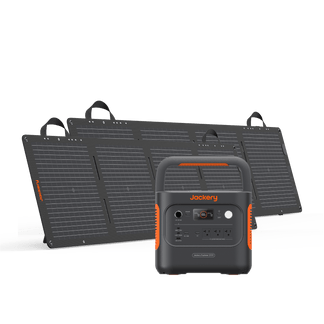
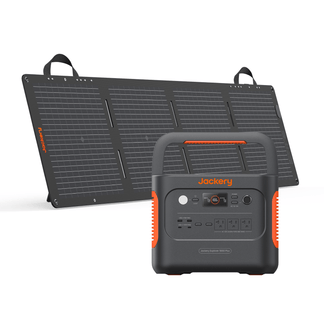
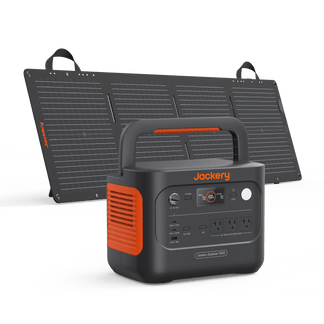
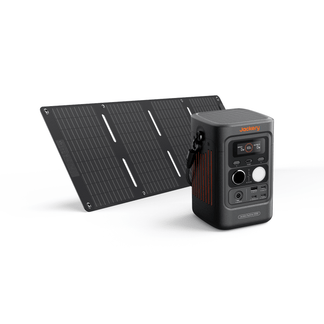
Jackery’s portable power stations and solar panels are built for the realities of summer RV travel — silent, zero‑emission power that works in campgrounds with generator restrictions.
Model |
Capacity & Output |
Key Feature |
Ideal For |
|---|---|---|---|
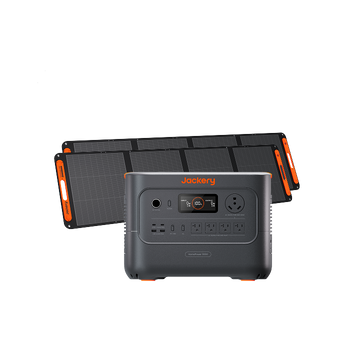
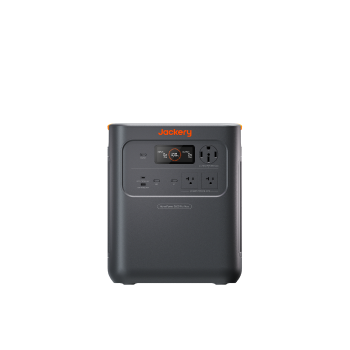
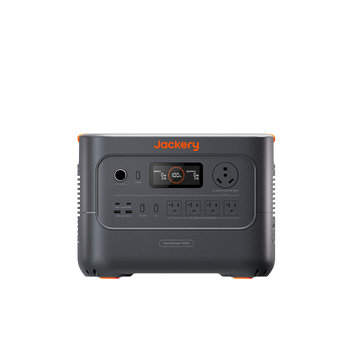
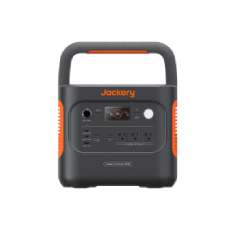
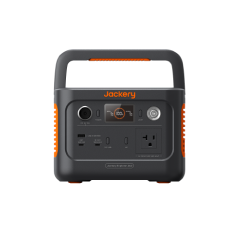
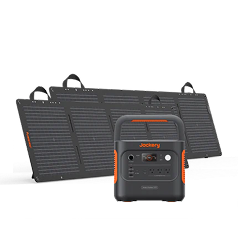
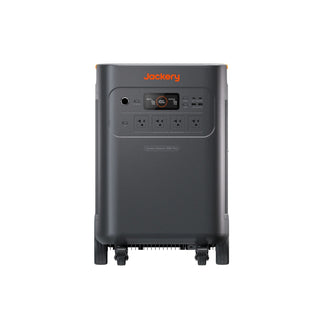
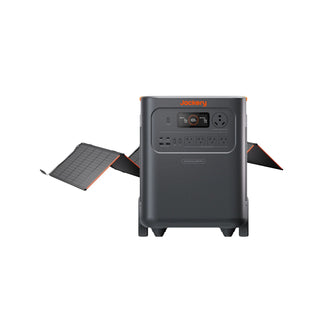
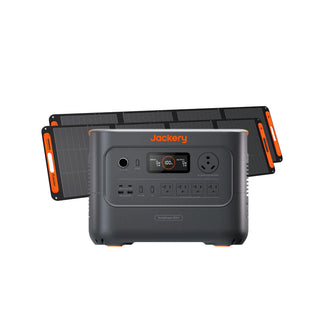
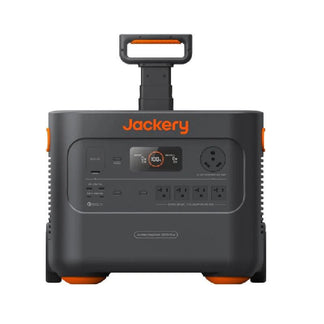
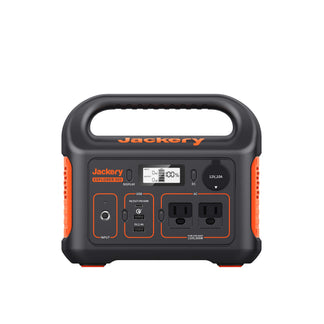
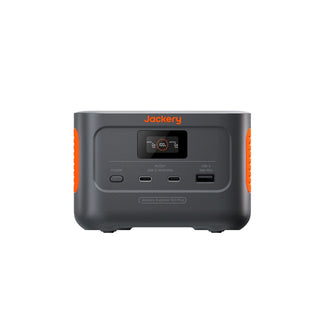
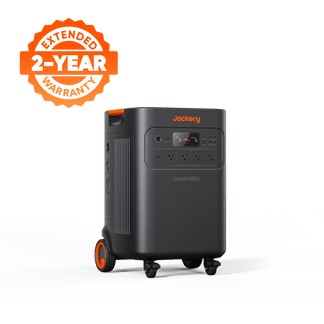
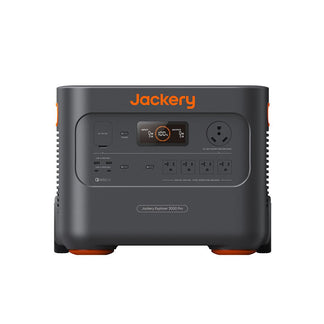
Jackery Solar Generator 2000 v2 |
2,042 Wh / 2,200 W |
Runs a 5,000 BTU AC ~2 h; recharges in 1.75 h via wall outlet; 39.5 lbs; UPS <20 ms |
Weekend trips with light AC use, fridge, and lights |
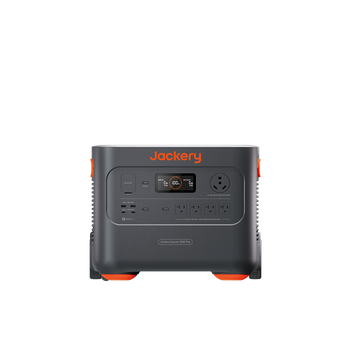
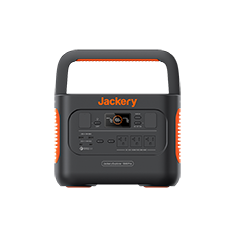
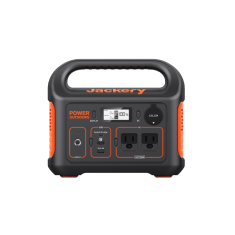
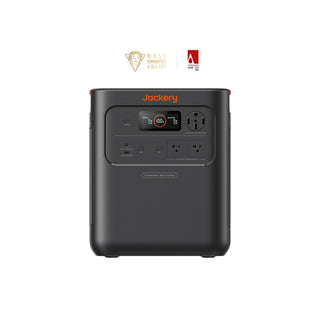
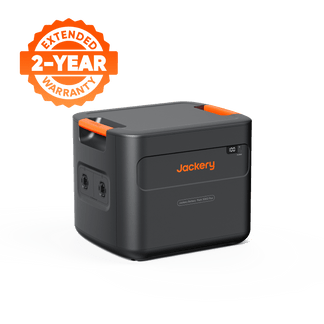
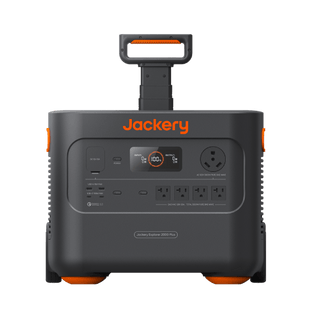
Jackery Explorer 2000 v2 Portable Power Station |
2,042 Wh / 2,200 W |
Emergency Super Charge 0–100% in 1.7 h via AC; Wi‑Fi app control; 39.5 lbs |
Multi‑day off‑grid stays powering a portable fridge, laptops, and TVs |
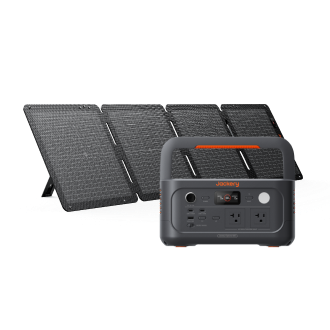
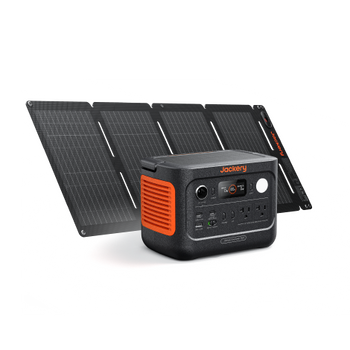
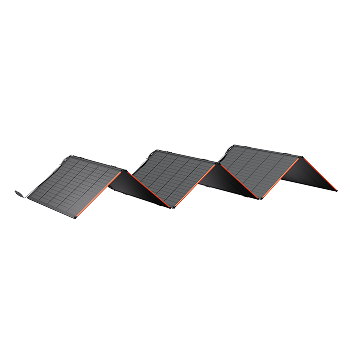
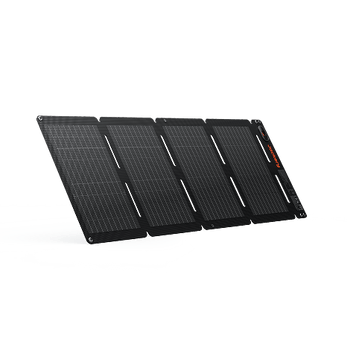
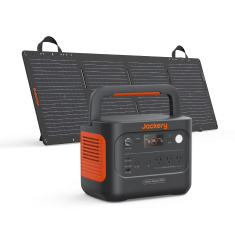
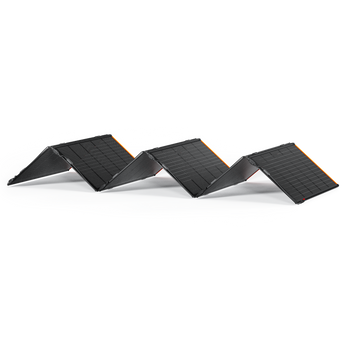
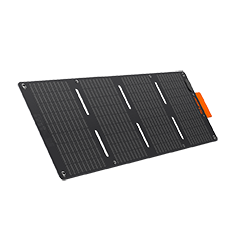
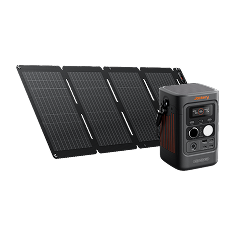
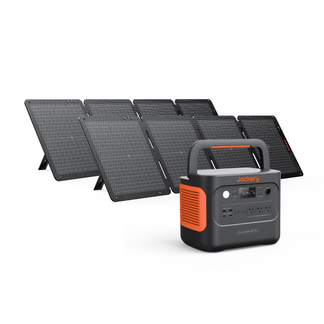
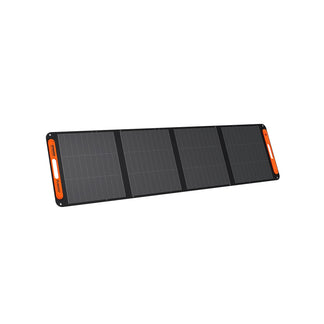
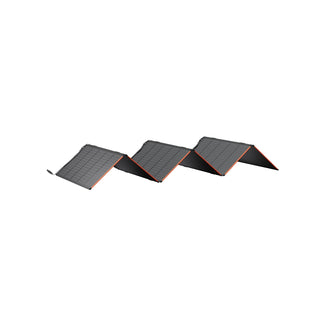
Jackery SolarSaga 500X Solar Panel |
500 W peak, 25% bifacial TOPCon efficiency |
Harvests up to 2,500 Wh/day; IP68 waterproof; foldable with ground stakes |
Boondockers who need maximum daily harvest and shade‑flexible placement |
Frequently Asked Questions (FAQ)
How long do LiFePO₄ batteries last in an RV?
A quality LiFePO₄ battery delivers 3,000–5,000 cycles to 80% capacity, translating to 10–15 years of regular summer use.
Can I run my RV air conditioner on solar alone?
Yes, with 1,200–2,000 W solar and 400–800 Ah lithium; otherwise, solar alone won’t keep up on the hottest days.
What’s the difference between MPPT and PWM charge controllers?
MPPT controllers harvest 20–30% more energy from the same panels, especially in partial shade or when panel voltage is much higher than battery voltage. PWM is cheaper but wastes power in all but tiny systems.
Is it worth adding solar to an RV that’s mostly used in campgrounds with hookups?
If you rarely boondock, a small portable power station for device charging and a fridge may be enough. A full solar array only pays off when you’re off‑grid for weeks at a time.
How do I maintain portable solar panels on the road?
Wipe them with a damp cloth to remove dust and bird droppings; store them in their case when not in use. Avoid dragging them across gravel, and check connectors for corrosion every few months.


